Building a wild life pond.

FA pond adds beauty, biodiversity and a great feeling of tranquillity to any garden. We always knew we wanted one. Our work commenced in the spring of 2013, with digging. It is good to site a pond away from trees as the leaves will fall into it, fouling the water. We made the mistake and had to cut down an Ash tree. It was sad but we have planted a couple of hundred trees now so we have somewhat made up for the damage caused.Some shade is good at least for part of the day. It is also good to make the pond as large as possible as it will help in creating a clear healthy environment. For a wildlife pond you need at least one side of it to be a gentle slope, where wildlife can have easy access in and out of the water. It is also good to have some different shelves and levels under the water for plants and animals.
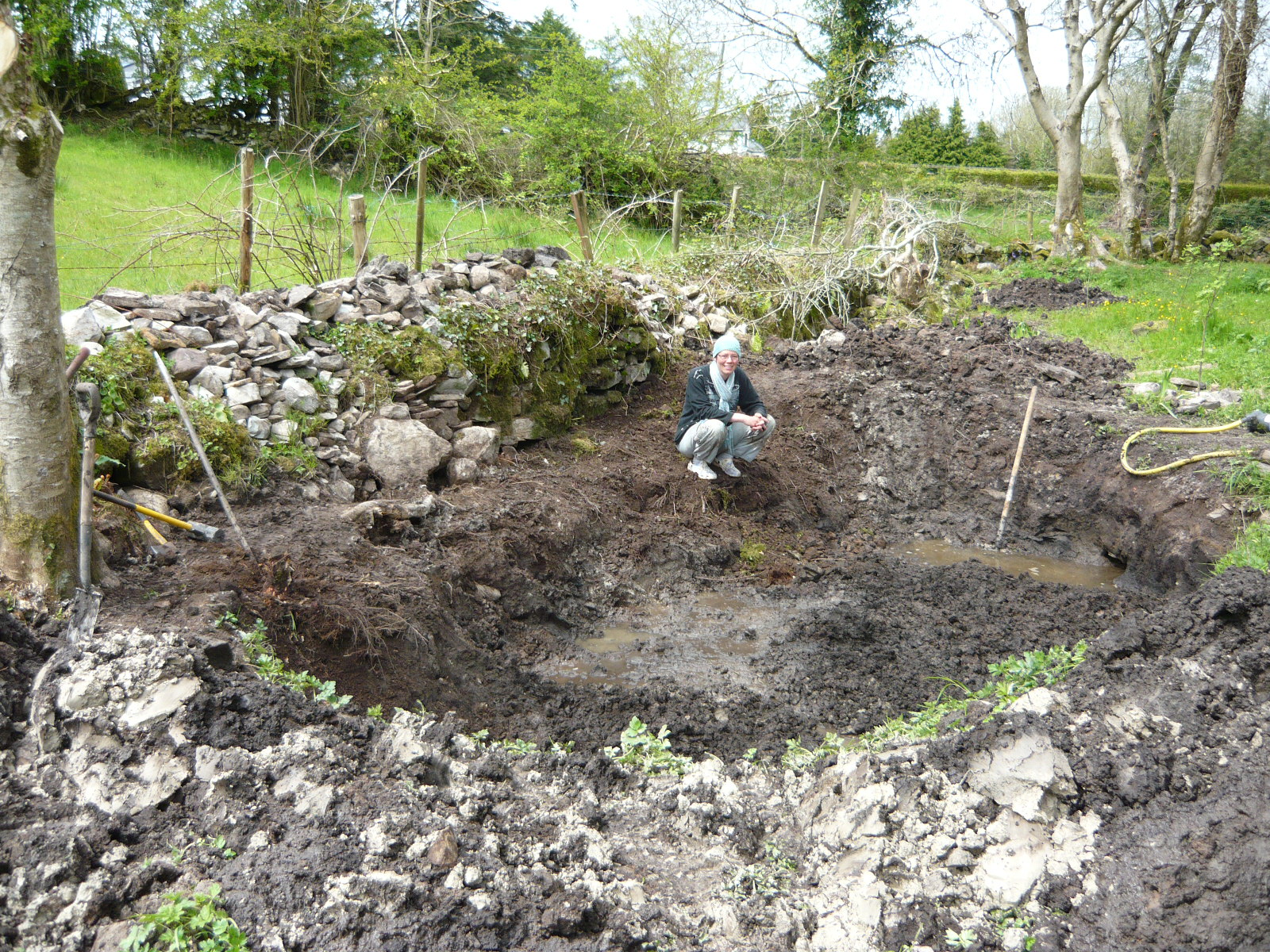
Digging the pond.

Digging the pond 2

The pond-liner we used is made from Polyex and comes from Bradshaws Direct in the UK. When used with an underlay it is guaranteed for 35 years. We also wanted a bog garden and you can see it here in this photo, as the lighter shallower part.
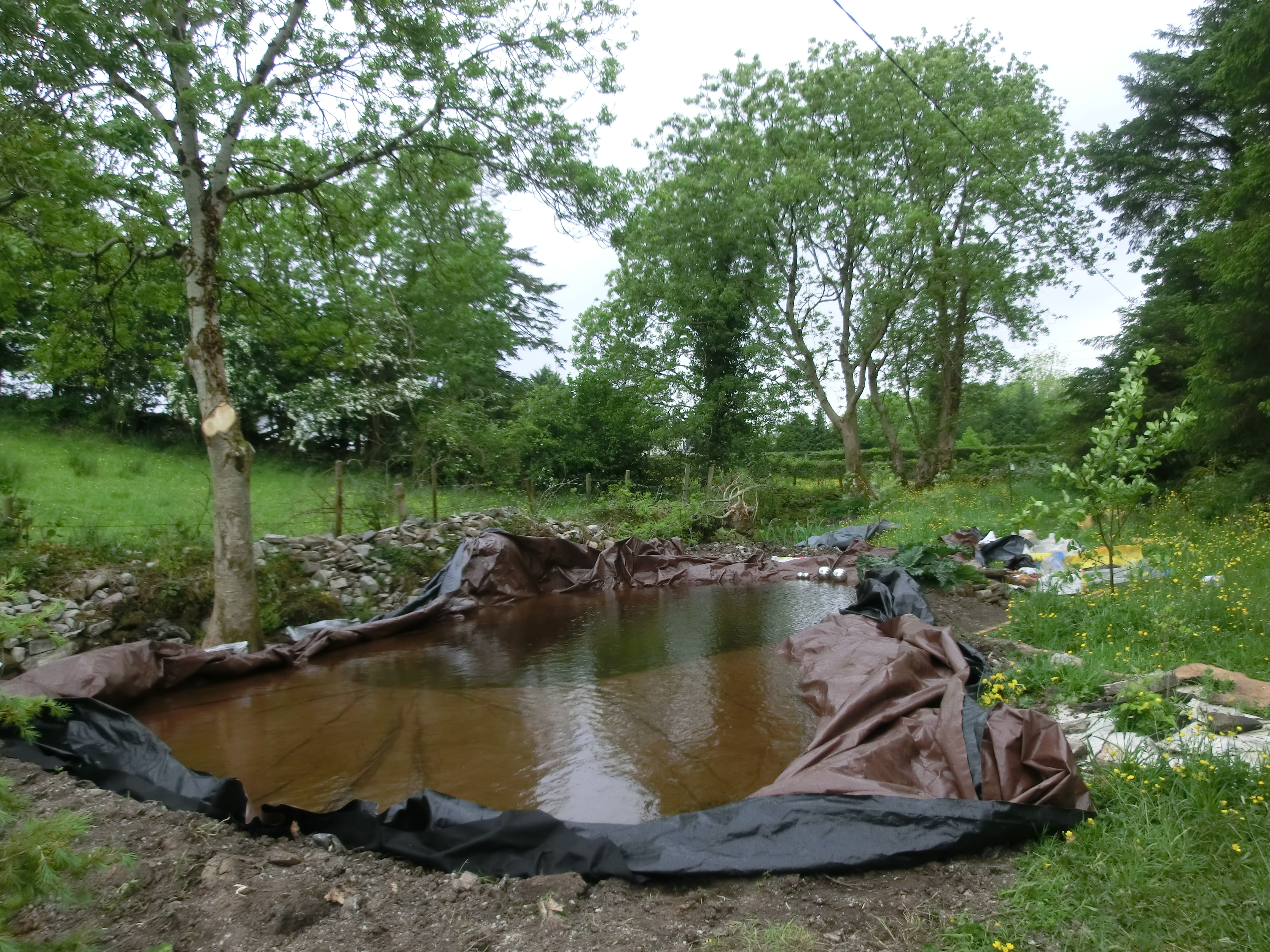
Pondliner in place

To prevent the soil in the bog garden part from entering the pond we built a small stone wall, separating the two. We filled the bog garden part with a mix of moss peat, manure, compost and garden soil and planted it up with water-loving marginal plants. We built up the edges under the liner all the way around the pond and bog garden with small stones and soil to give it an even edge. It is important to check your levels before you start digging as the ground needs to be relatively flat for the water to stay in. We then covered the edge of the liner with a small stone wall and in one part a pebbled beach, great for small creatures and larger ones too, like hedgehogs, coming for a drink.
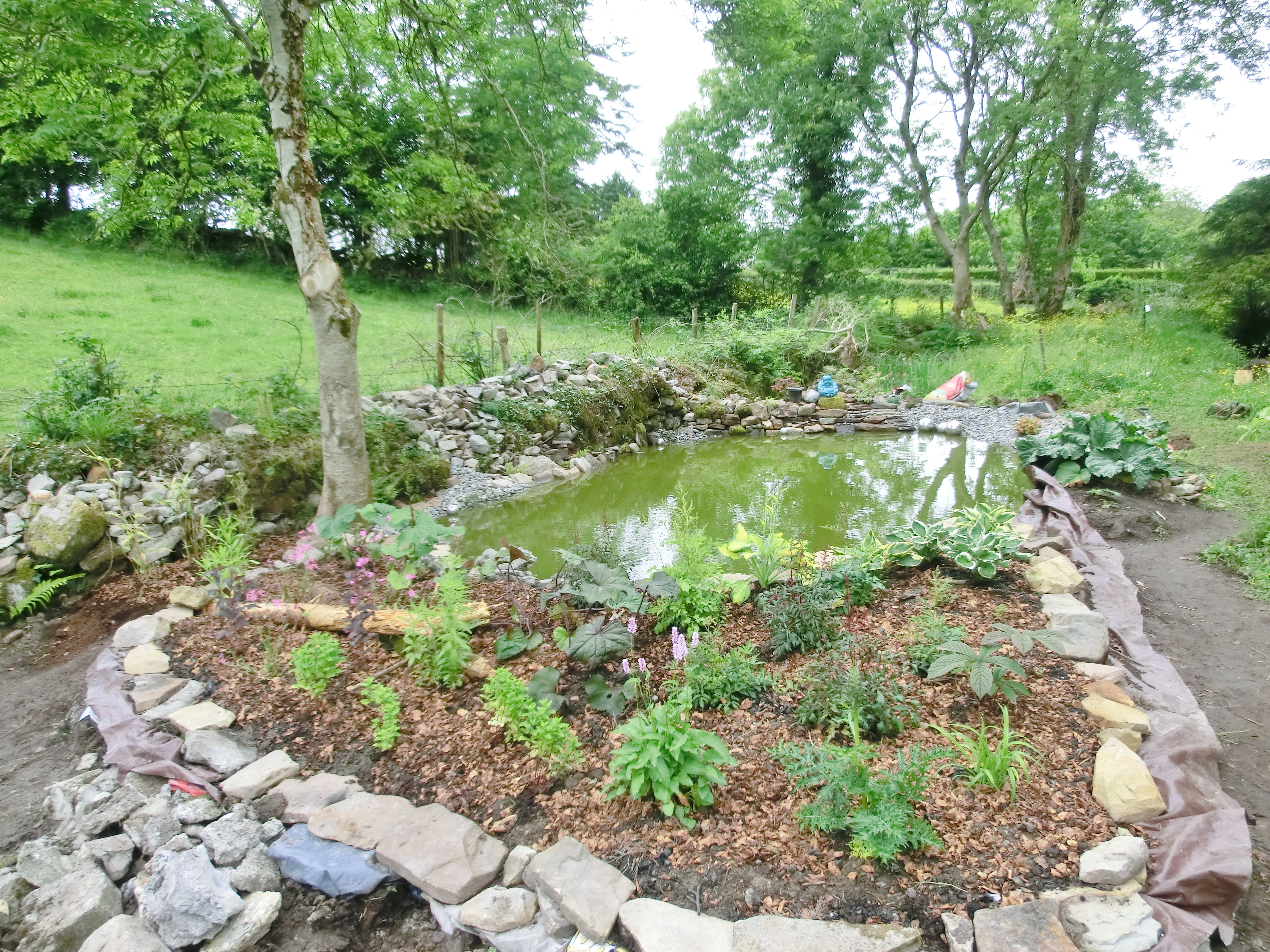
Bog garden planted up.

We filled the pond in June 2013 partly with water from a stream in our garden and partly with rain water. It was to late for frogs, toads and newts to spawn that year but some of them moved in to the area surrounding the pond.
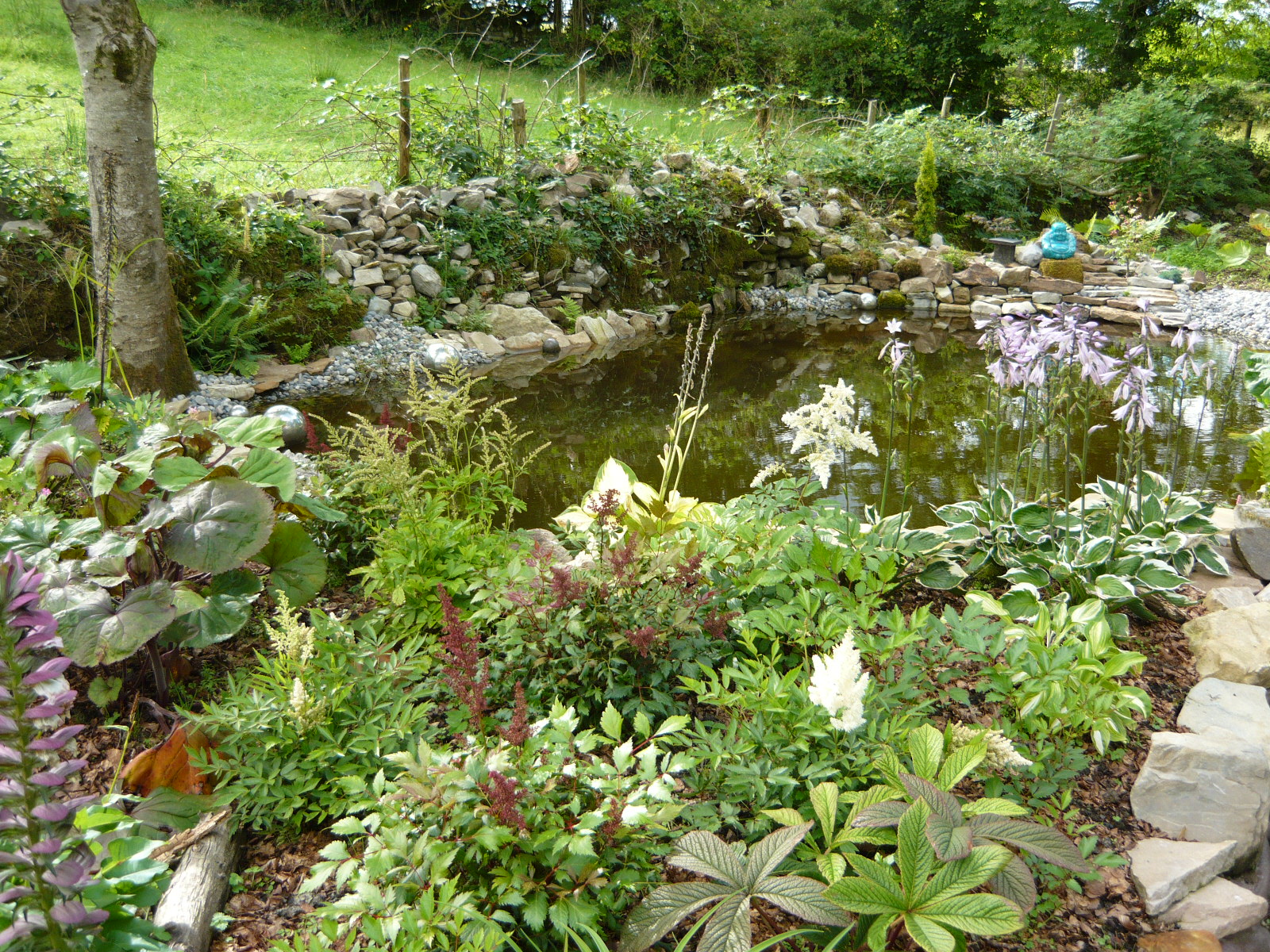
summer 2013

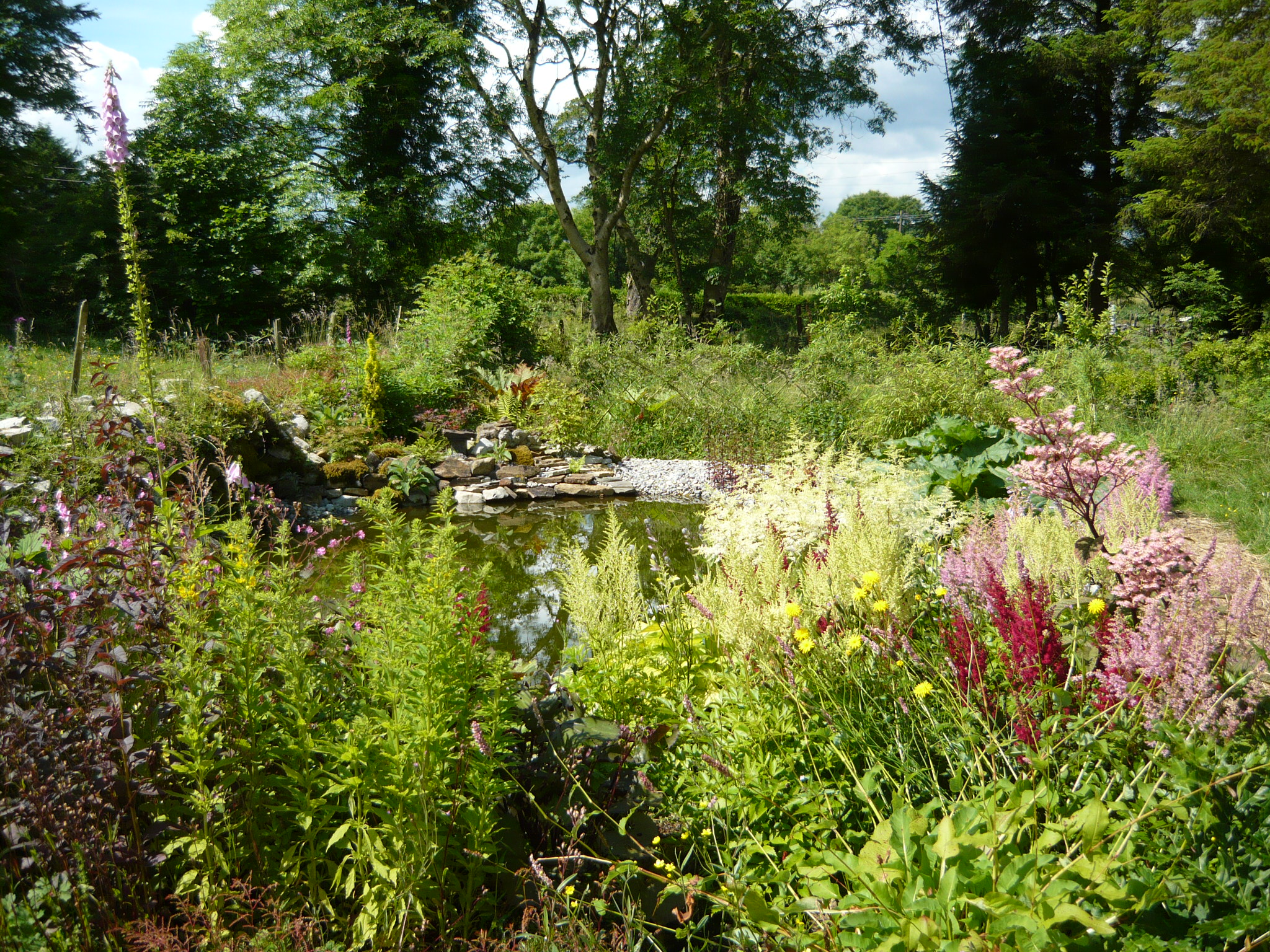
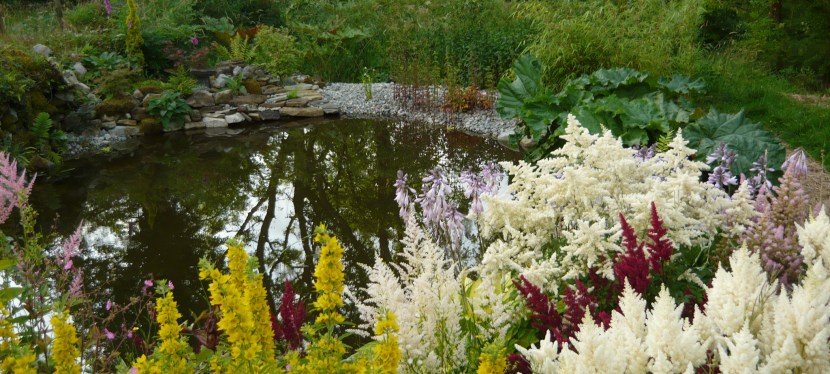
In 2014 we had hundreds of little frogs hatching as well as a good number of newts. We hope they will be a great help in keeping the number of snails and slugs in the garden under control. Water beetles, whirligig beetles and many other creatures now inhabit our pond and it is a very beautiful place to sit and observe all the wild life. The first picture below is from Winter 2014 and the following from Summer 2014. You can see how much these plants love having their roots in water. 

winter 2014

summer 2014

summer 2014 2

How to increase your bird population.

When we moved into our home, in late January 2013, there were not a lot of birds to be seen around the place. Since then things have changed dramatically. We now have a thriving population of many different species of wild birds. In part this can be put down to us putting nesting-boxes up, creating two wildlife friendly ponds and growing thousands of flowers and vegetables in a place that up until then was just a field of creeping buttercups. But the biggest contributing factor must be providing food for the birds. We have planted a lot of shrubs and trees with berries, like the native Hawthorn, Rowan, Holly and Elder along with Teasels, Fennel and Sunflowers. We leave the berries and seed-heads in place all winter and they are proving very popular with the birds.

We also wanted the enjoyment of seeing the birds close up so we created some birdtables close to the kitchen window. All that was needed was two old round cheese-boards, some chopsticks and a couple of cheap old cymbals from a drum kit. We tried without the roofs for a while and just stuck the cheese-boards to the top of the branches, but we have some very hungry jackdaws about that came and hacked the food to pieces very quickly so something had to be done. The cymbal roofs also keep the rain away, something that is quite important in the West of Ireland.

Bird table in snow.

Because buying fat and suet balls can be expensive, we wanted to come up with an alternative. Now we make our own economical round feeding blocks that fits nicely on the feeding tables, and last a very long time. If you would like to give them a go all you need is some cheap baking or pastry fat from the supermarket or some lard from your butcher’s shop. Melt it in a saucepan and as soon as it is liquid, remove from the heat and mix in some seeds for wild birds, (we like to buy a big bag as it is cheaper), some oats, breadcrumbs, left over porridge or rice or any other suitable ingredients. We made to much cranberry sauce for Christmas, and our birds were happy to feast on some slightly pink blocks for weeks… Once you have a fairly solid mix, pour it into some old plastic plant pots, lined with plastic bags so the mixture does not escape through the holes. Press down slightly, we like to stand the pots inside each other, and the bottom of one pot flattens the mixture underneath it. Let set for a few hours or overnight, pop on your table and enjoy watching your feathered friends. We have two hanging peanut-feeders as well and most birds like alternating between the feeders and the table.

Great tit looking for a meal.

It might take a while before your population picks up, but be patient and you will be greatly rewarded. It has sometime been suggested that you should not feed your birds all year around, but more recent studies have shown that if you continue to feed your bird, not just in the Winter, they have bigger broods and more chicks survive. It is lovely to look at all the different birds and they will be your organic pest control, eating a lot of unwanted creatures before they get a chance to eat your vegetables.