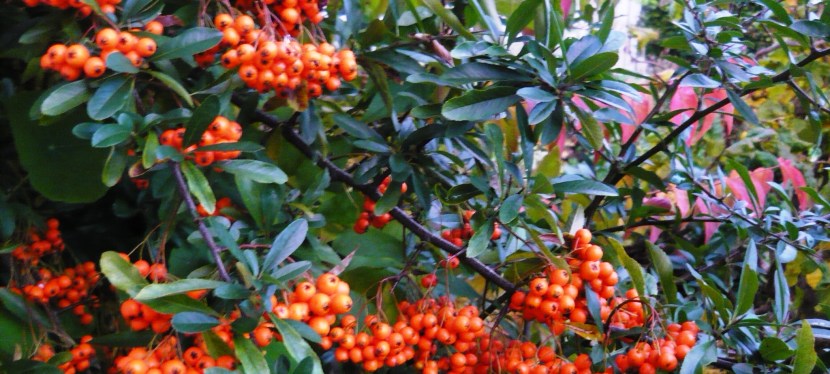
November sun.

november-crafts-004

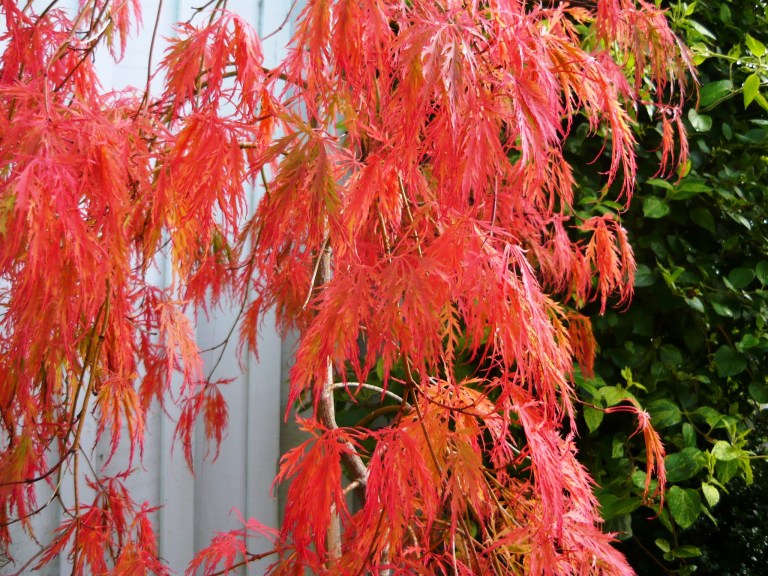
November started off as a riot of colour in the garden and we were so happy and thankful to still be gathering the harvest. Our Ocas, Oxalis tuberosa, had a great year and we still have quite a few to harvest. This South American tuber is very versatile and has the benefit of not being affected by blight. It tastes slightly lemony and is wonderful drizzled with olive oil and roasted in the oven along with some kale, carrots, onions and rosemary from the garden. Read more

Mulch.

september-garden-101

There is one thing that above all else has helped us in the creation of our garden over the past few years. Mulch. It is the single most effective way to eliminate competition from grass and other unwanted plants when young trees and shrubs are developing. It also helps to keep the soil moist in dry spells and many types of mulch feed the soil as they break down.  Our aim is to create a forest garden, a place with many useful trees, shrubs, groundcovers and vines growing together, mimicking natural woodland. As the years progress the need for mulching will be less and less. The natural leaf litter and the shade cast by the growing plants will eliminate the need for most types of mulch. But for now it is essential.

Read more

Reflections on August.


As we are writing this the rain is streaming down the window and when we look back at the month of August we realize that we have had many days like today recently.

aug-16-104

Our tomatoes that started off so promising have succumbed to the damp and are blackened by blight. Next year we will try to grow them in our new conservatory or maybe if we are lucky our planned poly-tunnel.

Read more

Unusual fruiting trees and shrubs.

fruit trees 009

We are working towards being more self-sufficient. We would like to get to the stage where we can get most of our food from the garden. We are growing a lot of common fruit trees and shrubs. But by reading books about forest gardening we also got inspired to plant some less common varieties. Most of our trees were planted as bare root specimens, less than four years ago. They were very small whips when we put them in but because we added a lot of well rotted manure to the planting holes and have been mulching around them since, they have grown into lovely trees, starting to bear fruit.  In our times of changing climates and unpredictable weather it is good to grow as many different plants as possible for a diverse and resilient garden.

Read more

A berry nice month.

berries 009

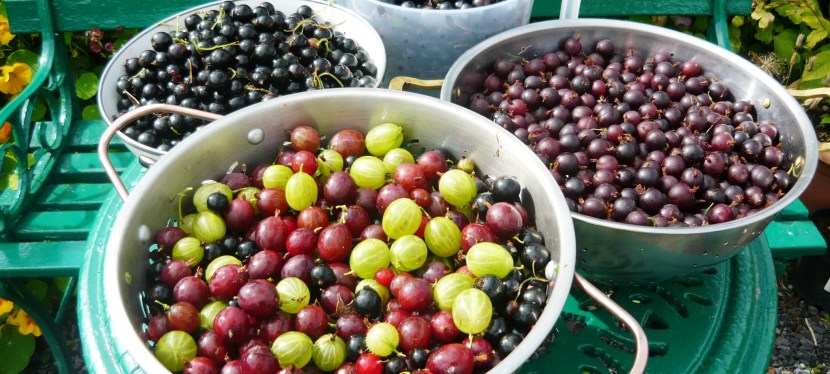
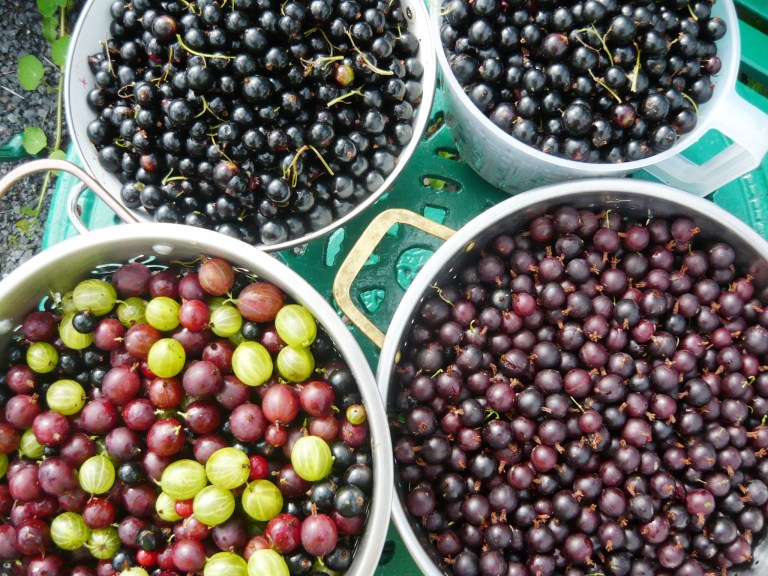
We are almost a week into August and it is time to sum up a very fruitful month in the garden. July brought quite a lot of rain but also some sunshine and our berries thrived. Ripening this past month were blackcurrants, redcurrants, gooseberries, worcesterberries and a cross called jostaberries.

Read more

How to double your raspberry harvest.

raspberries 017

We would like to tell you about an easy way to increase your raspberry harvest for the year. We grow autumn raspberries in the garden and the usual advice is to cut down all stems to the ground after fruiting in late autumn and let the new stems grow up in spring to fruit again the following autumn. We wanted to try a slightly different approach after reading James Wong’s excellent book “Grow for flavour”. It is a book we can highly recommend because of it’s wonderful advise on growing a whole range of crops in ways that increase flavour and nutritional values.We cut down the canes from last year but only where they were crossing or were growing too close together. We should probably have done this in autumn but as quite a few jobs around the garden, we did not get around to it until early spring. The remaining canes we topped by about one third.

Read more

A lick of paint in June.

june 023

Because half of our family comes from Sweden, we decided to add some decorative touches to our porch. In Sweden many old houses have what is known as “snickarglädje”. You could translate it into the Carpenter’s delight. It is seen around windows, porches and doors on many old houses. We choose a simple variation with a wavy edge created with the jigsaw and drilled big round holes. It was very easy to make from some rough sawn 4” by 1” planks. Many buildings in Sweden and other Nordic countries have much more elaborate designs.

Read more