Stone circle revisited.


summer 2014 354

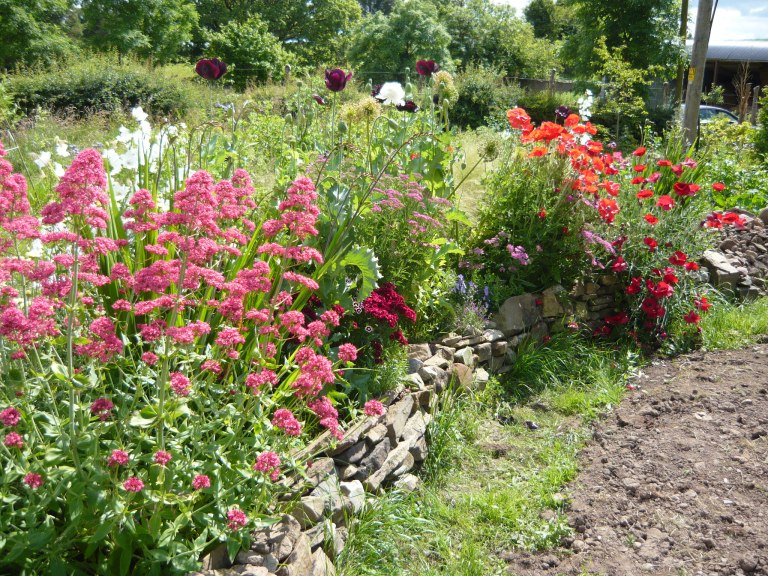
Last year we made some improvements to our main garden circle. Around the edge we have many half-moon shaped borders and the lawn bit in the middle kept spreading into them and made it very tedious to weed. So we decided to make a stone border all around the circle to combat that problem and get an edge that is easy to mow at the same time. You can read all about it here. It has worked very well apart from one small problem. After we set the stones in cement we used hypertufa as an infill between them. Sadly the mixture was not strong enough and over the year most of it has crumbled away.  Grass and weeds have taken hold between the stones. We needed to do something about this before the new growing season as the problem would have gotten completely out of hand.

Read more

Gardening in January.

mushroom conservatory 039

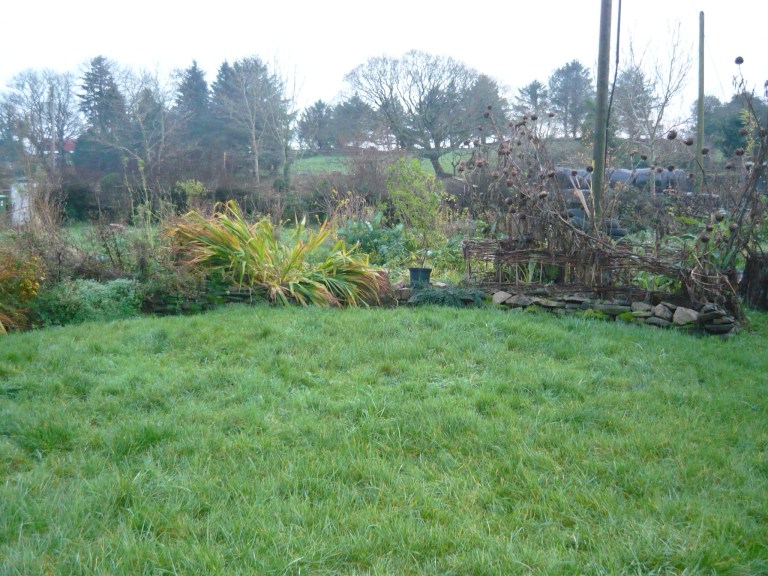
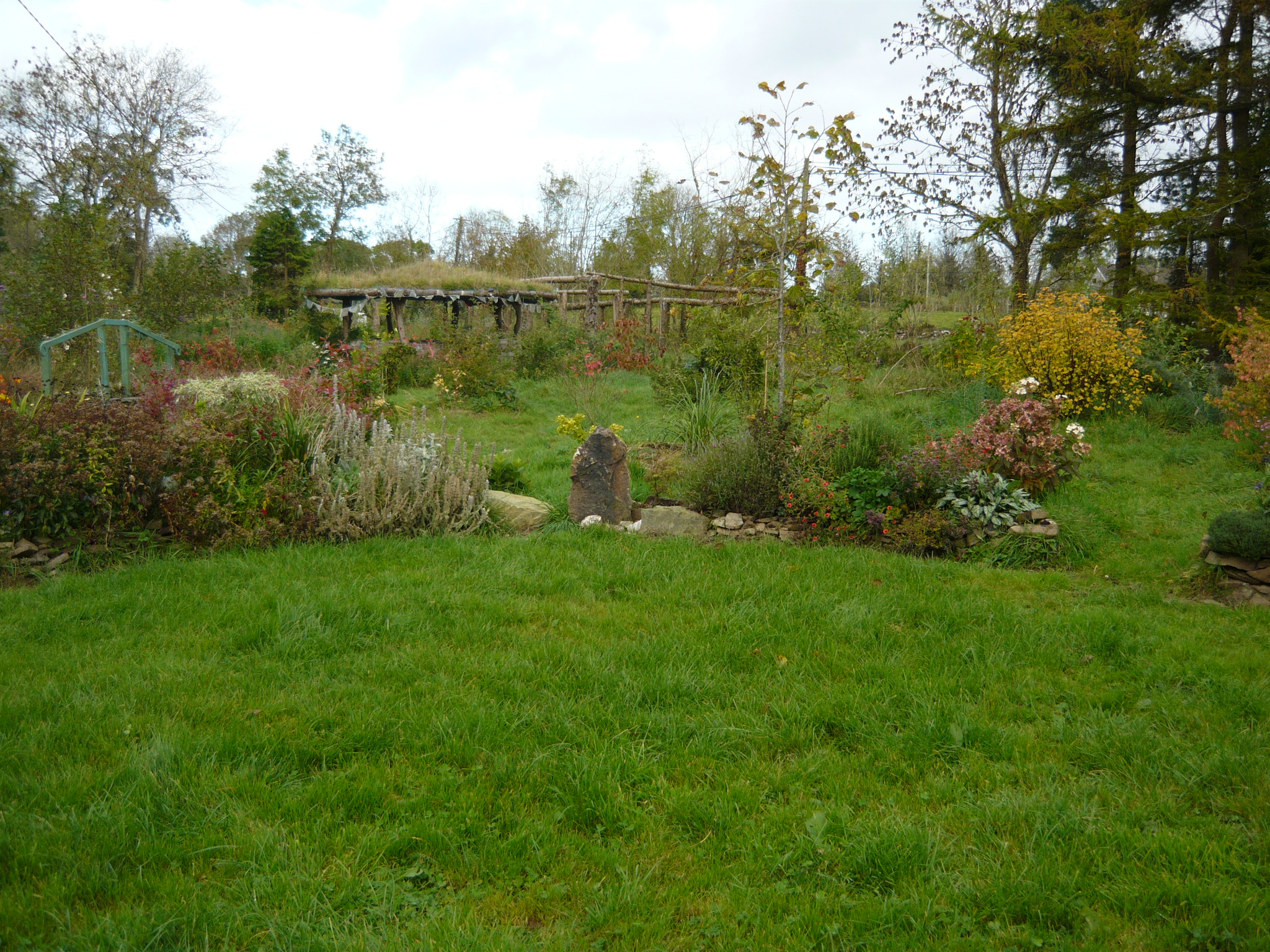
As we are almost a week into February, it is high time to sum up what happened in the garden last month. We had a lot of rain and storms and a little bit of frost, but we still managed to get out in the garden for a few days.  The birds had finished all the seeds in the seed heads left on our perennials, so we took some time cutting them back and tidying up the flower beds. At the same time we removed a lot of weeds, like couch grass and creeping buttercup that was threatening to colonize the beds and swamp our preferred inhabitants. Here you can see our main garden circle after being tidied up.  If you are a regular reader you know we take these pictures every month, to record how the garden changes and develops over time.

Read more

Mecanical interlude. A compromise!

machines 038

Usually we like to get stuck in and do most jobs around the garden and house by hand. But sometimes the jobs are so big that we have to call in the heavies and let them do it for us. We had a digger and roller here for a couple of days, and they did more work than we could have done manually in at least four weeks. Sometimes you have to way up the positives and negatives.

machines 024

We have not done anything to our drive for the three years we have been here and it was now full of potholes and weeds. The digger scraped off the old top layer of gravel all along the drive and outside our porch. We saved all of this material to add to our paths through the garden, as a stabilising layer.

machines 007

machines 006

machines 010

It was then time to have a truck load of quarry dust delivered and dumped along the drive. Our friend with the trusty digger helped us distribute it evenly and then it was time for some fun. Most of us had a go on the roller, some doing a lot of work and some just trying it out with a big grin on our face. One example is the main authour of this blog who just rode the roller up and down the drive once… For the people who did get stuck in it worked really well for compacting the gravel and now we have a lovely drive without any potholes and quite an even surface.

machines 036

machines 019

machines 058

machines 044

machines 048

We have now finished our extension on the inside and time has come to add on the conservatory and connect the two roofs. We are adding a conservatory mainly as a way of further insulating the house and bringing all that lovely sunshine from the south into our home. It will also be a place to dry our washing, starting up seedlings in the spring and just sitting around with cups of tea and coffee, talking to friends.

The digger dug out a bit more of the bank behind the house and we will use all the stone that we have found in the garden to build a solid stone wall at the back and side of our conservatory. For the floor we will put down flag stones and leave areas with soil in between for planting right into the floor. A conservatory is probably not the right name for it as it will be more like a piece of the garden with a roof over it. We are planning to use polycarbonate for the roof as it is strong, lightweight and has good insulating properties. It is very exciting to think of all the possibilities this space will bring.

mushroom conservatory 048

As a first step we put down a small foundation for our main upright post, a branch that came of an ash-tree we had to pollard behind the house. The digger was again a great help lowering it down onto the round foundation.  It is great to be building again and to have a nice big project to get stuck into. There are more posts to put up, stone walls to be constructed and windows to move into position.  We never have time to get bored around here, and because of the digger and roller, we can get on with the fun bits now, skipping hours, days and weeks of shoveling gravel and dirt.

machines 018

machines 016

Even more mushrooms, hopefully!

Following on from our last post, we wish to tell you about two more ways of growing mushrooms in the average garden.

mushroom conservatory 008

If you have a compost heap it is possible to set up a colony of Oyster mushrooms. We choose the yellow variety as it is more tolerant to cold and will be easy to spot even when small because of its bright colour. We have a few very big heaps in our woodland with mostly brushwood and weeds and we picked the north, shady side of one of them to start our colony.

mushroom conservatory 007

We put some old silage we were given from a neighbour on top of the heap and scattered on the mushroom spawn mixed with saw dust and a little bit of sugar. As this is a big heap we used 180 grams of spawn. You could probably use more like 100 grams on an average compost heap.  We forked in the mixture and added a thick layer of straw on top of the spawn before finishing off with another layer of silage. All mushrooms need a damp growing site so we watered the heap in. Now we are confident that the rain will do the rest of the watering for us, but if we get any dry spells, our stream is conveniently located close to the heap.

mushroom conservatory 014

mushroom conservatory 017

mushroom conservatory 022

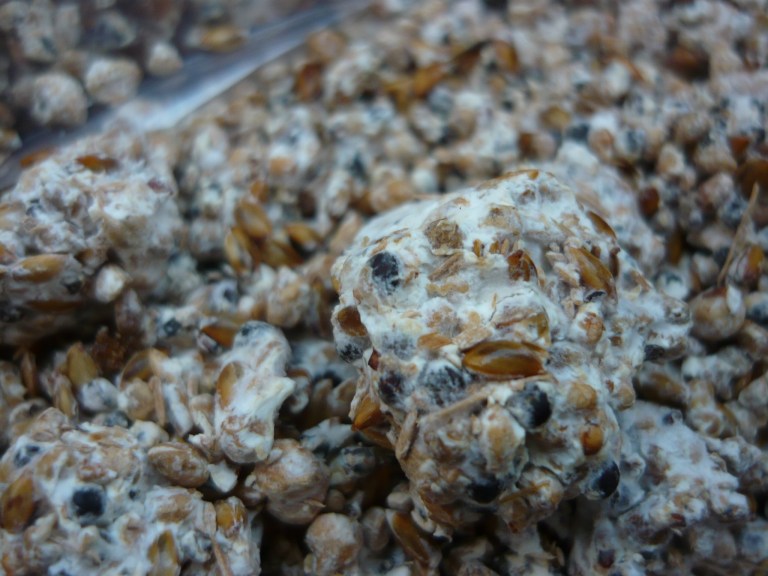
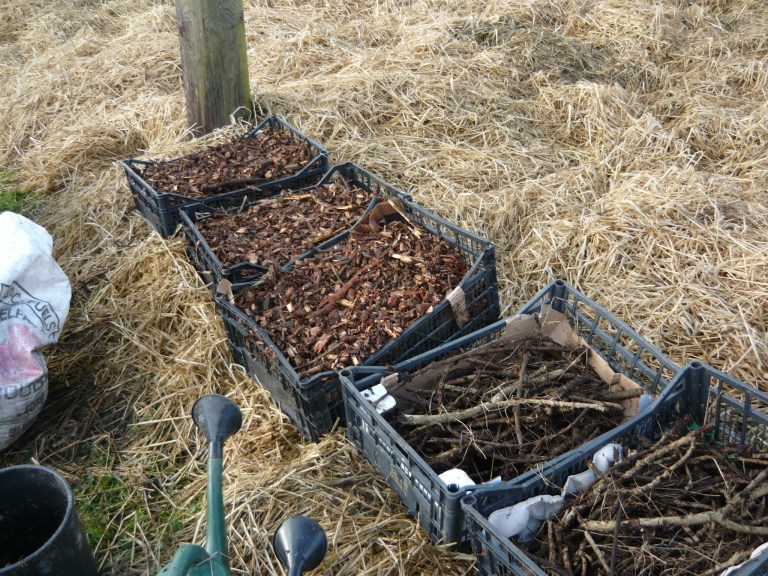
We also wanted to try out a couple of slightly more difficult varieties and looked at the ideas in James Wong’s excellent book, Grow for Flavour, for growing Lions mane and Shiitake. These varieties both like a vertical surface to grow on and they like hard wood chips as a medium. We adapted Mr .Wong’s ideas slightly and started off with some hard plastic crates we were given from our local supermarket. Putting down a layer of cardboard in each box to contain the woodchips and started filling them by putting down slightly larger half rotted twigs from a pile in the garden. Then it was time for filling the gaps with hard wood chips to create a level surface about half way up in each box that the spawn mixture could be scattered across.  Again we added sawdust and a sprinkling of sugar to kick start the spawn into action.

mushroom conservatory 024

mushroom conservatory 051

mushroom conservatory 043

mushroom conservatory 030

Shiitake spawn.

We filled the boxes to the top with wood chips and put on another layer of cardboard to insulate against the cold and create a dark, cosy environment for our mushrooms.

mushroom conservatory 053

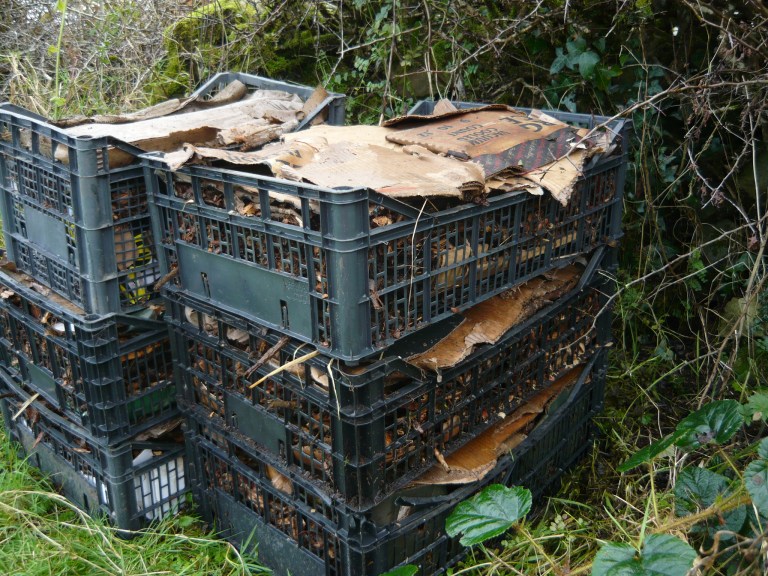
Now the boxes are stacked up and wrapped in some plastic for the next couple of months and hopefully the mycelium will start to form, and our boxes will fruit for years to come. If for any reason our colonies will not take off, it is easy to order some more spawn later in spring and add to our different created environments. It might be a bit of a gamble, starting this project in January, but we do not have many frosts here and all of our colonies are well protected from the cold. Only time can now tell if we will succeed. Hopefully it will only be a few months until we can start harvesting our very own gourmet mushrooms.

mushroom conservatory 058

Looking forward and back.

dec garden 035

We have reached a new year full of possibilities and projects. Yesterday we were delighted to harvest a large crop of Oca, Oxalis Tuberosa, also called New Zeeland yams, a tuber we tried growing for the first time. It was planted in our garden last spring after being pre sprouted in pots in late March. We tried red, yellow and orange tubers but the yellow ones rotted in their pots early on so only the others got planted out. In the summer the plants produced lots of green leaves with a lemony taste. We are very happy with our trial and will save a few, to plant again this spring. In their native South America they are second only to potatoes in popularity.

oca and bath 003

Planting in March.

harvest 038

Growing in August.

jan2 025

Harvest in January.

jan2 027

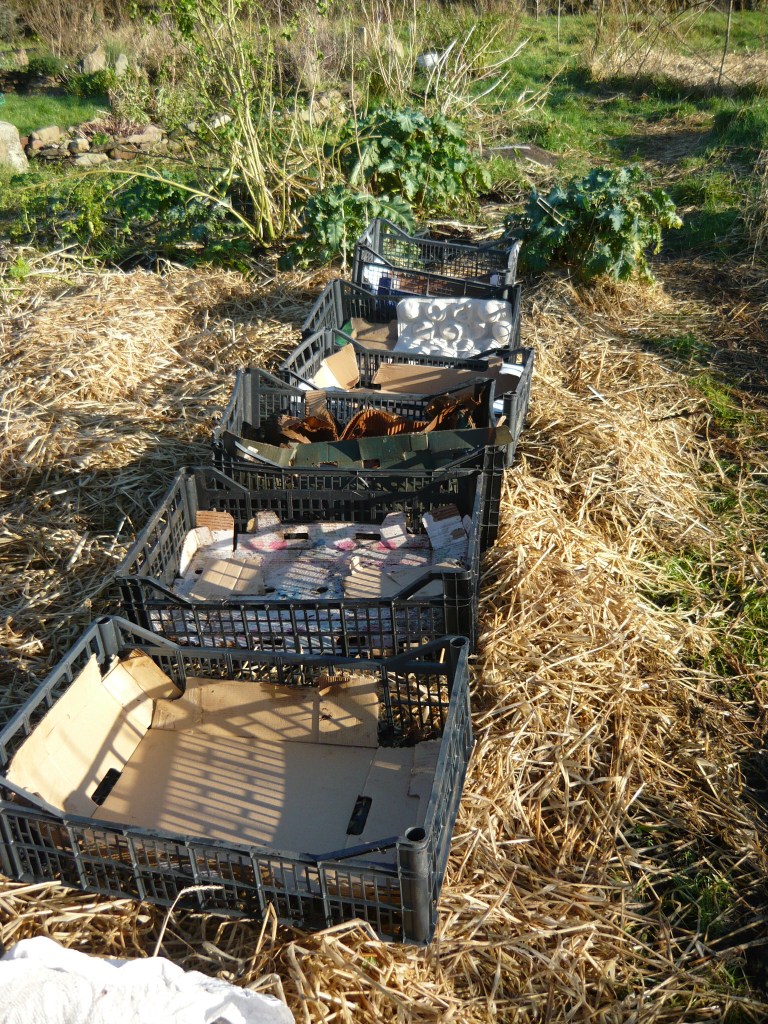
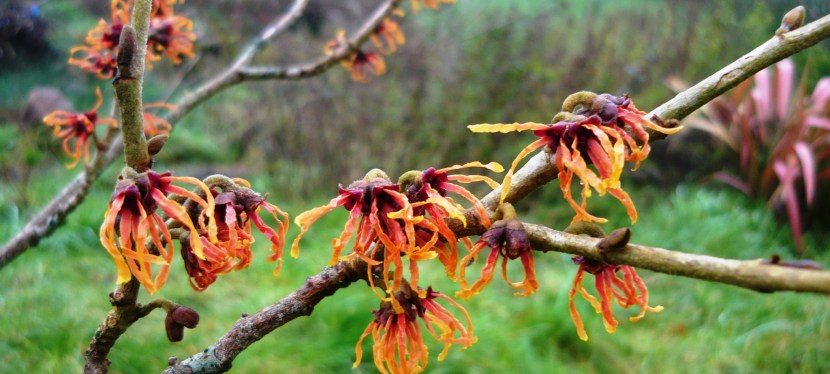
On these short wintery days the sun is always welcome and we try to spend some time in the garden every day, clearing out old foliage and weeds from the beds. We are planning to cover the whole vegetable garden in cardboard boxes and barley straw to stop weeds taking hold in the spring. Hopefully this will rot down just enough in time for planting vegetables later in the year.  Our witch hazel tree is looking beautiful at the moment, with spidery fragrant flowers on bare branches. It is always a welcome sight along with the hellebore, Christmas rose.

jan2 001

jan 004

jan2 015

Still braving the elements.

It is time to sum up last month in the garden, the words very wet comes to mind.  It was difficult to find the motivation to get out there and work when the ground was soggy and the sky was grey. We kept busy inside and also took some time for rest and reflection. Sometime that is what is needed in order to gather strength and renewed motivation. We are feeling very optimistic now about the garden in the coming year. Some plants will be moved about or planted for the first time and there is much work to be done on clearing weeds like creeping buttercup. We actually like many plants normally considered weeds, like nettles for their phenomenal nutritional and wildlife value. But some have to be controlled in order not to take over ground from weaker plants.

jan2 013

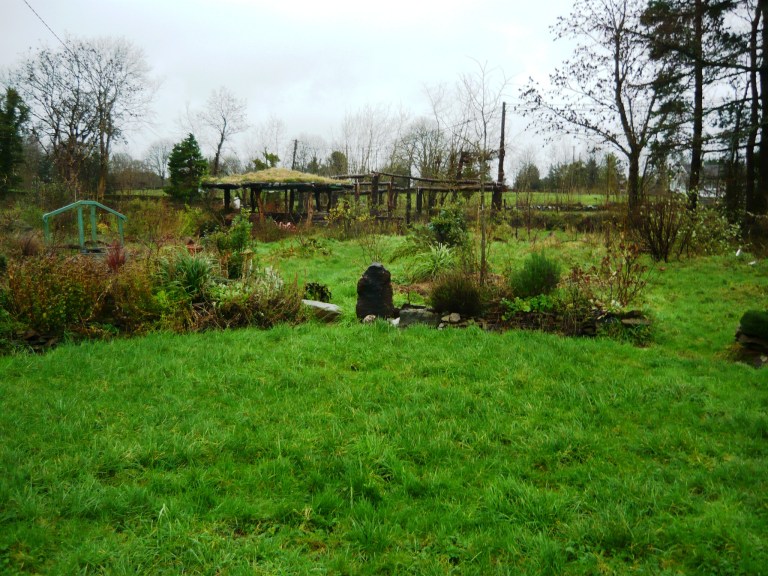
These are pictures of our circle at the end of December in the four directions of the compass. It is very green for this time of year, with the grass still growing. We are full of anticipation to see what the circle will look like later in the spring and summer as all our trees, shrubs and perennials will have another years worth of growth in them. If you wish to see how the circle develops over time you can take a look at the Elemental circle category on the blog, where all the monthly garden entries are collected.

dec garden 014

East

dec garden 016

South

dec garden 018

West

dec garden 021

North

We wish all our readers a happy and healthy new year, full of pleasant surprises and time to be spent outside in our beautiful nature. There is always so much to look at and to be delighted by. We are going to roast some newly harvested Oca tubers with fresh garlic and olive oil now, to celebrate the beauty of January and give thanks to our garden where beautiful things happen all throughout the year.

jan2 033

The beauty of November passing.


November 030

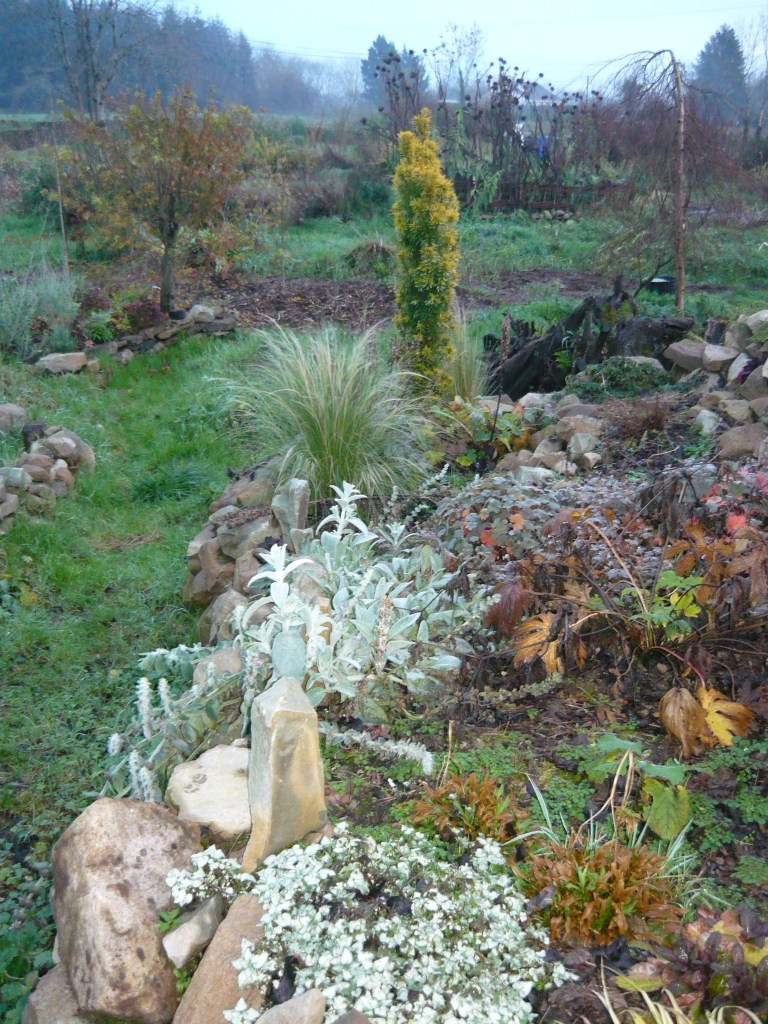
People often think of November as a dull, grey, wet and cold month. That November is something that has to be endured rather than enjoyed. We beg to differ. As the garden and nature in general slows down and moves towards a more restful time there is beauty everywhere. From the fireworks display of leaves and flowers to the stark forms of the remaining artichokes, if you look you will find it.

led 015

November 019

led 003

Spring is often seen as a joyful, bright and uplifting time but is it really so different from autumn? We believe all parts of the wheel of time should be celebrated, enjoyed and looked upon in awe. Without the plants dying back, withering and resting there would be no spring spectacle to behold.  No new leaves unfurling or apple blossom to marvel at.When the sun comes out and shines its low rays across all the colours in our garden in November, it feels like a miracle not very different from looking at the first butterfly or bumblebee of spring.

led 008

November 023

It has been very wet and windy over the last month in the West of Ireland and we have been busy indoors, finishing work on our extension, so the garden is in a state of some neglect. There is much planting, weeding and some moving of plants to be done. We always plant things as soon as we can and if something turns out not to thrive in its allocated position we move it later. A year of growth in the ground is almost always better than a year waiting around in a pot to be planted out. Our planting of ornamental grasses that we created in the spring is coming on nicely and is starting to fill the space.

grass bed 030

Spring

led 007

led 005

Autumn

Our paths are in need of attention. We put down a lot of mulched Leylandii and thatch from an old cottage when we established the garden but after two and a half years the paths are getting worn down, starting to break up and have some weeds creeping in. It is now time to move all this old, rotted down material and use it as mulch around plants all around the garden. We will dig out the main paths quite deep, put in some drainage pipes and replace the path with maintenance (quarry dust). This should last a lot longer than the thatch and mulch. On higher ground, where water logging is not a problem,  we are planning to just have cut grass.

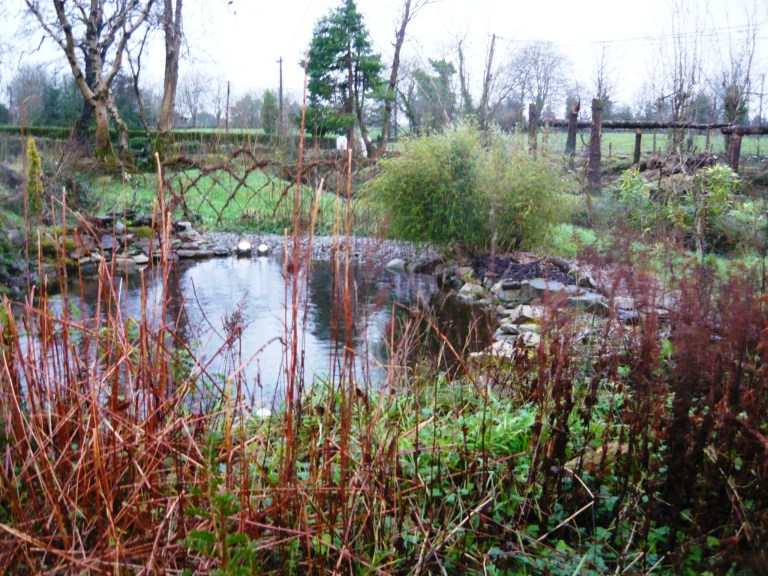
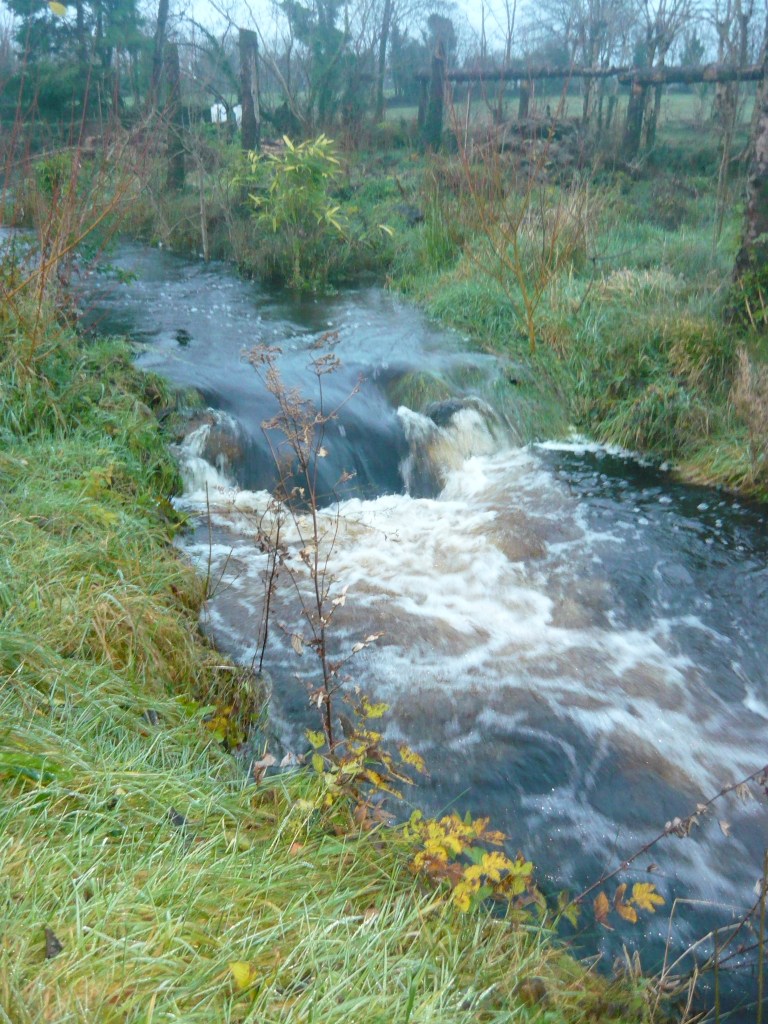
The rain over the last month has led to our stream being very full of water.
November 040

Every month we show pictures of the garden taken from our main circle in the four cardinal directions. You can see how the garden changes and evolves over the year in the category elemental circle. The artichokes have mostly died back now and will be cut down shortly, shredded and used at mulch back on the bed again. We are looking forward to what next month brings.

November 012

East

November 014

South

November 008

West

November 010

North

November 064

Roses in December?

Looking back at October.

oct 039

If you are a regular reader of our blog you have probably noticed that it has been a while since we posted anything. Half of the family has Swedish roots and has spent some time visiting the old country recently. It was fun to visit family and friends and go for walks in the beautiful Swedish forests. On the way back we spent some time in the airport departure lounge and found it quite creepy. The three of us were reading books and talking to each other but all around us there was an eerie silence. As we looked around every single person we could see was staring at a screen of some sort in complete silence. Not a single person smiled. No one seemed excited to be visiting another country. No couples were holding hands or even looking at each other. No parents were talking to their children. How did it get to this?  After that experience it felt great to get back home and throw ourselves into the work of finishing the last bits on the extension so we can move in. It will only be a couple of weeks now.

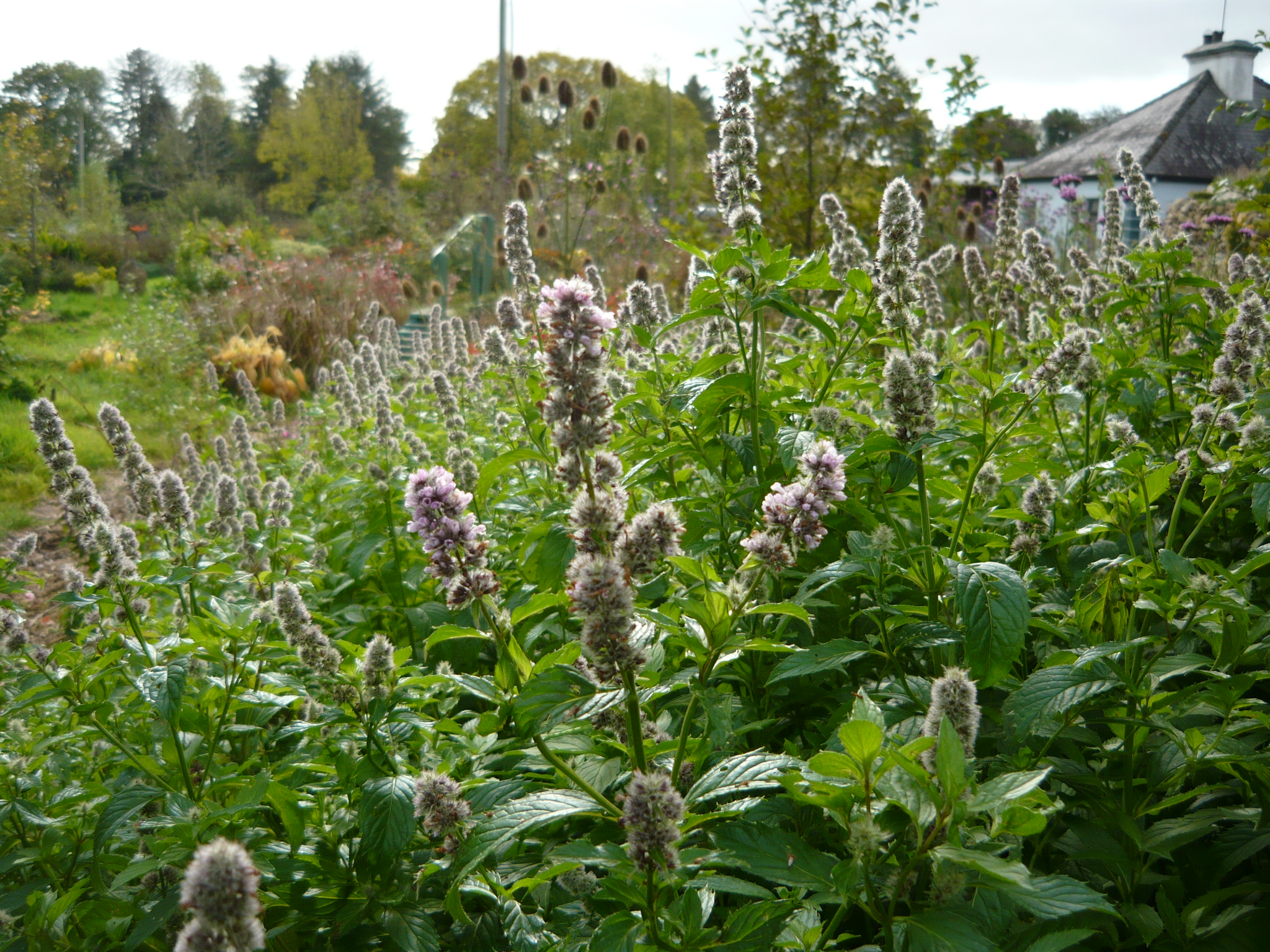
We always write a bit each month about what has been going on in the garden and October proved to be quite pleasant. We had some warm sunny days and were able to harvest peas, kale, potatoes and herbs. Our Swiss spearmint has grown as high as a person this year.

oct mint

Many of the perennials and shrubs were confused by the unusually warm weather and put on new growth and flowers. We actually hope it will get colder soon so the plants can rest and get the cold spell that they need. Apples for instance cannot give a good crop next year if they have not been subject to this.

oct rose

The autumn colours have not been as pronounced as other years in the garden but a few of our plants have put on a decent show. We particularly enjoyed the blueberry, aronia and the liquid amber.

blueberry bridge

oct aronia

oct liquid amber

In our circle plants are starting to slow down and wither. We will leave a lot of the seed heads there and clean the beds up in the spring, to benefit wildlife. The teasels are full of seeds and we are hoping the bull finches from down the road will come into our garden to feast on them. We have gold finches every year and they love teasels as well.   Every month we take pictures of the circle in the four cardinal directions. All of these posts can be found in the category; Elemental circle.

sky 040

oct east

East

oct south

South

oct west

West

oct north

North

Two years ago we planted cyclamen and they have established themselves now and looked lovely in October around our yard tree. They look very delicate but can withstand both cold and rain. We are looking forward to the darker and colder season now as there is a lot of clearing, weeding and planting to do after the busy year we have had building our extension. As the growth rate slows down we should be able to get stuck into it all. Welcome November!

oct cyclamen

oct cyclamen

Bonsai.

bonsai and pollination 010

We have for some years now been keeping trees in pots. It is practical for anyone who does not own their garden, who move around a lot or simply do not have a garden at all. Almost any species can be grown in a pot as long as they get enough light, water and nutrients. Some of them are kept outside all year round and some stay indoors for the colder months and get a holiday in the garden each summer. We have had some of them for 20 years or more.

 bonsai 044

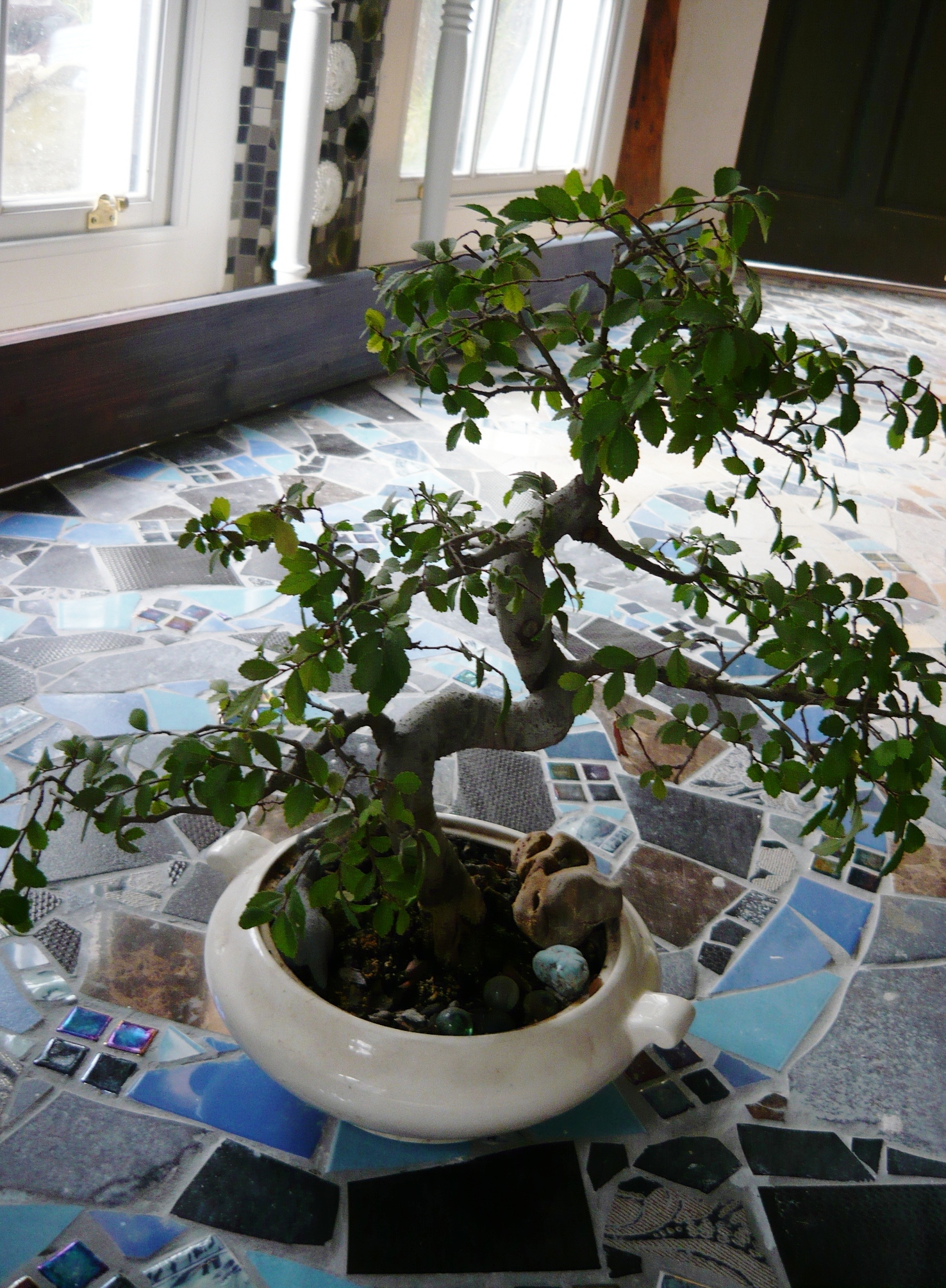
The name Bonsai comes from the Japanese words, bon, meaning a tray or low pot and sai, meaning a planting or tree. When a tree is restricted by a pot it stays small and easy to manage. We like to prune ours quite hard in the spring as you can see in these pictures.  When you prune the tree back it reacts by putting on more, smaller branches and bushier growth. The main growing season is in the summer and any new branches that get too long are clipped again throughout the growing season. We have had this particular Japanese Zelkova for close to five years and when we bought it we estimate it was four years old. It is a good tree for indoors and easy to look after for a beginner. Just remember to water it regularly. We like to soak our pots in a bigger container of water for some time so the tree can drink from the roots.

 bonsai and pollination 013

bonsai and pollination 015

bonsai 024

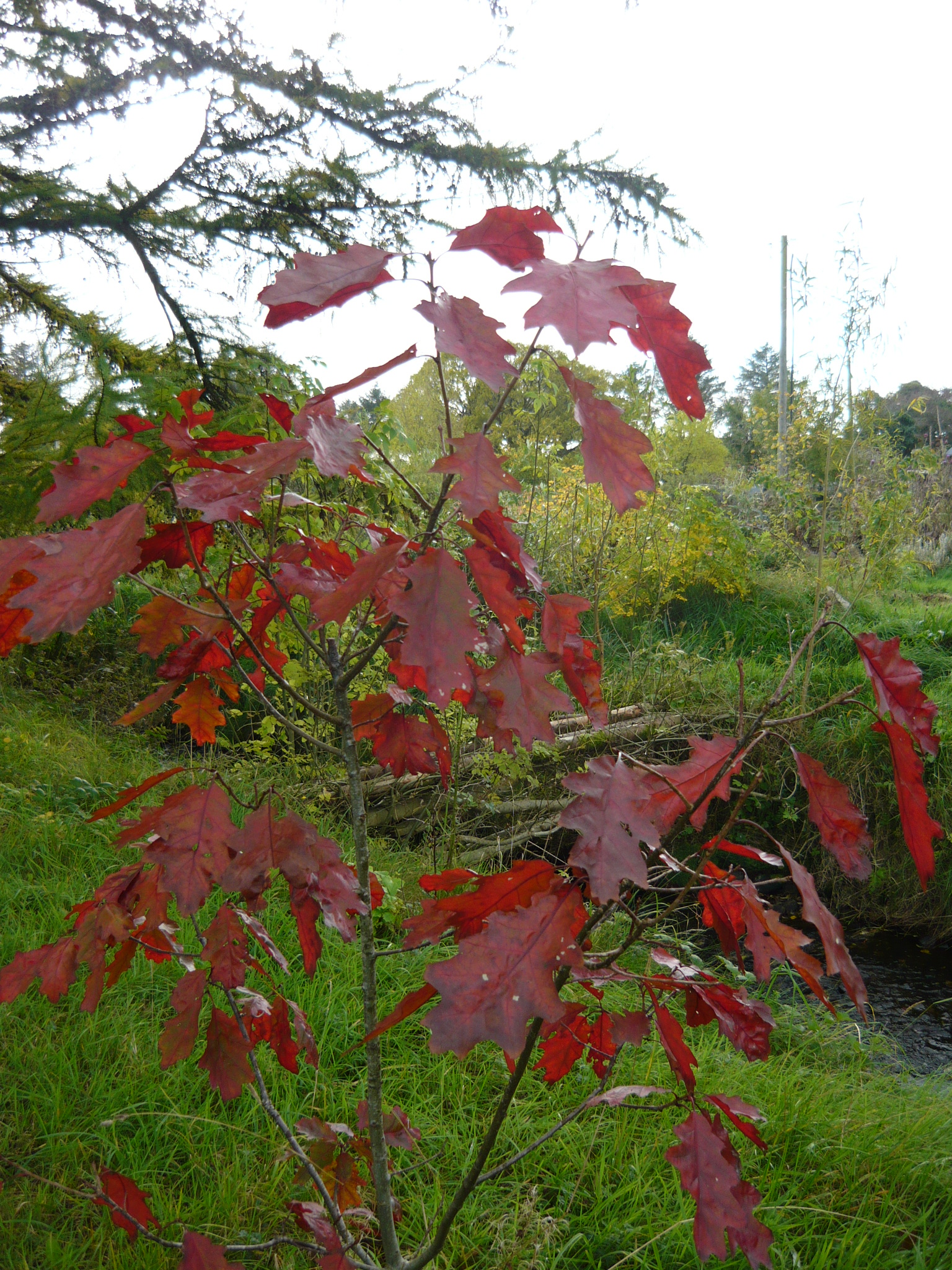
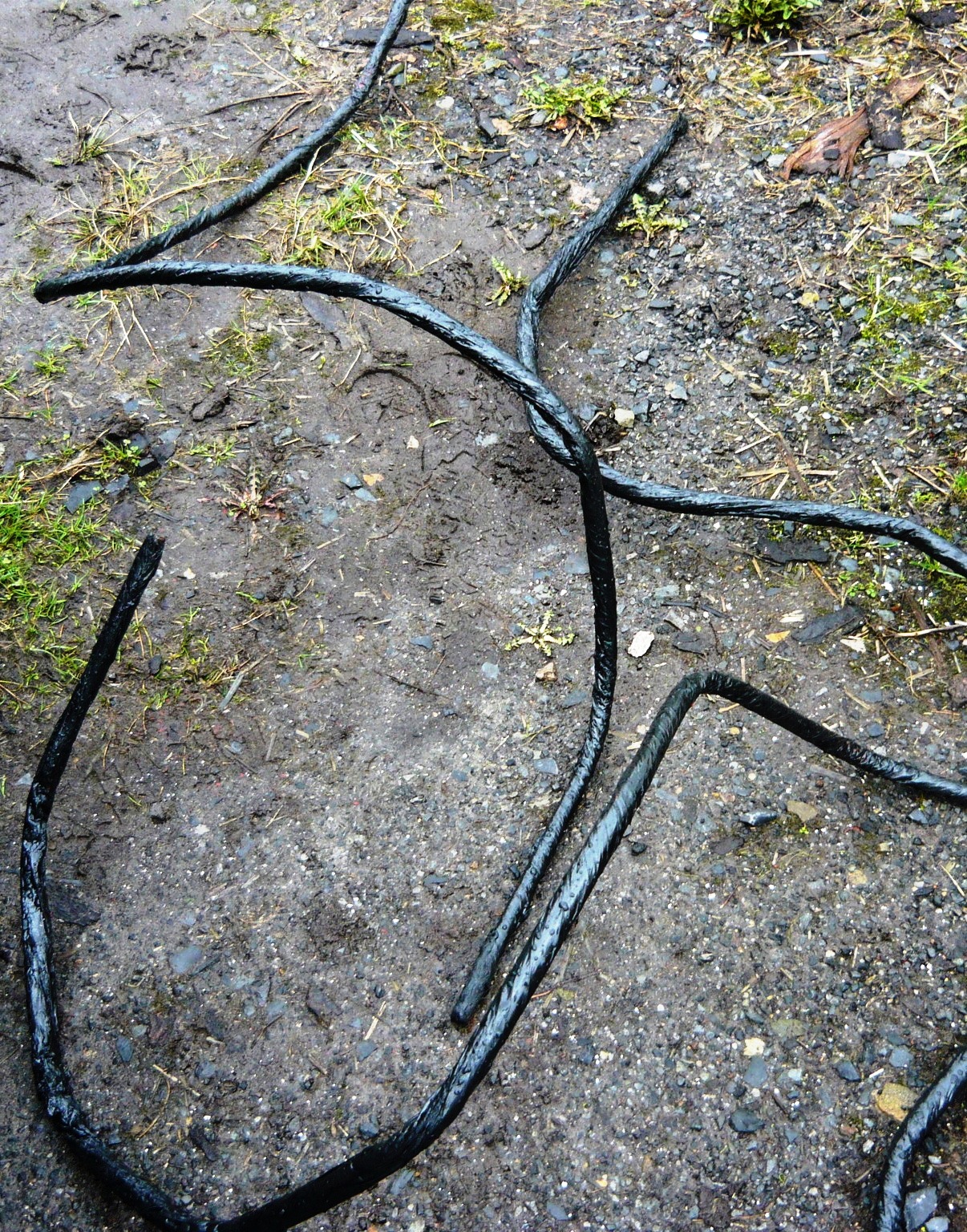
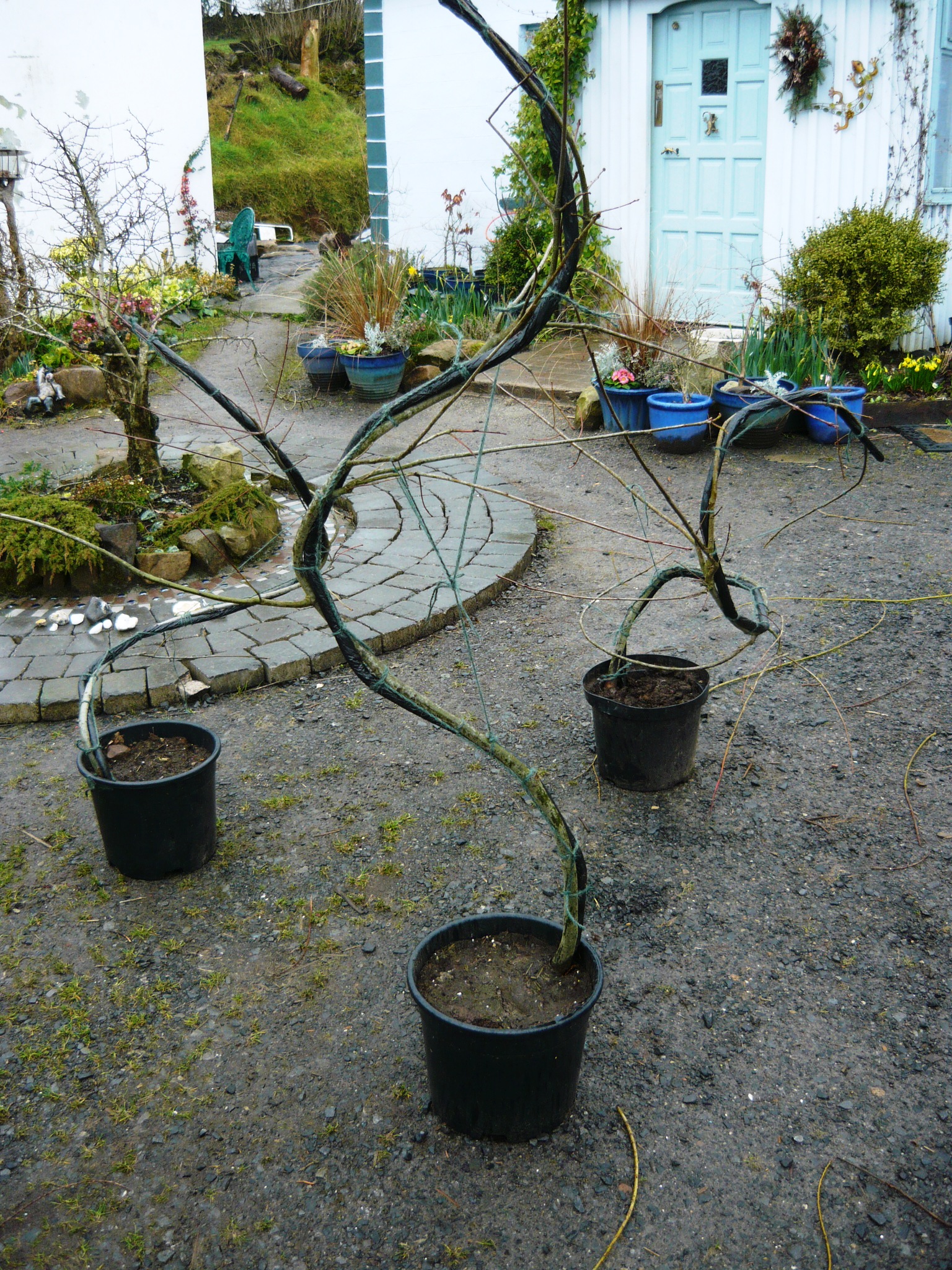
This year we decided to try something a little different outdoors and bent some reinforcement-bars into nice curves. We acquired some bare root red oaks that we potted up in November last year and in February it was time to have some fun with them. The re-bars were anchored deep in the pots and the stems of the trees bent and tied to the re-bars with twine. We will leave the re-bars on for a year or two and then remove them. The stems will stay in their positions and have a very unusual appearance. They put on a lot of growth over the summer and we think they look quite lovely now. This is a very cheap and easy way to get a special feature in your garden. Many different varieties of trees can be treated like this.

 SPROUTS AND TR 053

SPROUTS AND TR 060

SPROUTS AND TR 063

SPROUTS AND TR 070

bonsai 014

bonsai 022

This was an unwanted hawthorn that was dug up in a friend’s garden and bent into this umbrella shape about 25 years ago. We prune any branches that try to grow upwards by pinching them out when they are very small. It is beautiful when it flowers in spring and also when it has nicely coloured leaves in the autumn. It is grown on a big rock with a slight hollow in the middle for holding just enough water to sustain it. We added a lot of little stones to the composition and some roots are exposed. It is the first part of our rock garden that we plan to create when we have some more time so you have to excuse the mess round it in the pictures.

 bonsai 043

bonsai 037

bonsai 040

Our Bonsai give us a lot of joy. They are beautiful to look at and pruning them is a very meditative, calming process. It is much easier than many people think to keep trees in pots. We plant our cut offs from pruning in some seed and potting compost with added sand or grit and a lot of them take and grow onto new little trees. We had three very long ones growing two years ago and we decided to plait them and now we have a lovely little tree with a partly joined plated stem. If you have never grown trees in pots we can highly recommend it. There are many books on Bonsai so it is easy to get going.

bonsai and pollination 051

bonsai 061