What September brought.

september garden 014

When we look back on the month of September we remember a lot of sunshine and warmth. Maybe it was only an average month, but after the cold and wet summer September felt like a very welcome change.
september garden 012

We continued to harvest potatoes, courgettes and broad beans. All our onions and shallots that we harvested at the end of August dried out in the shed and are now hanging in inviting bunches from the ceiling.

harvest broadbeans

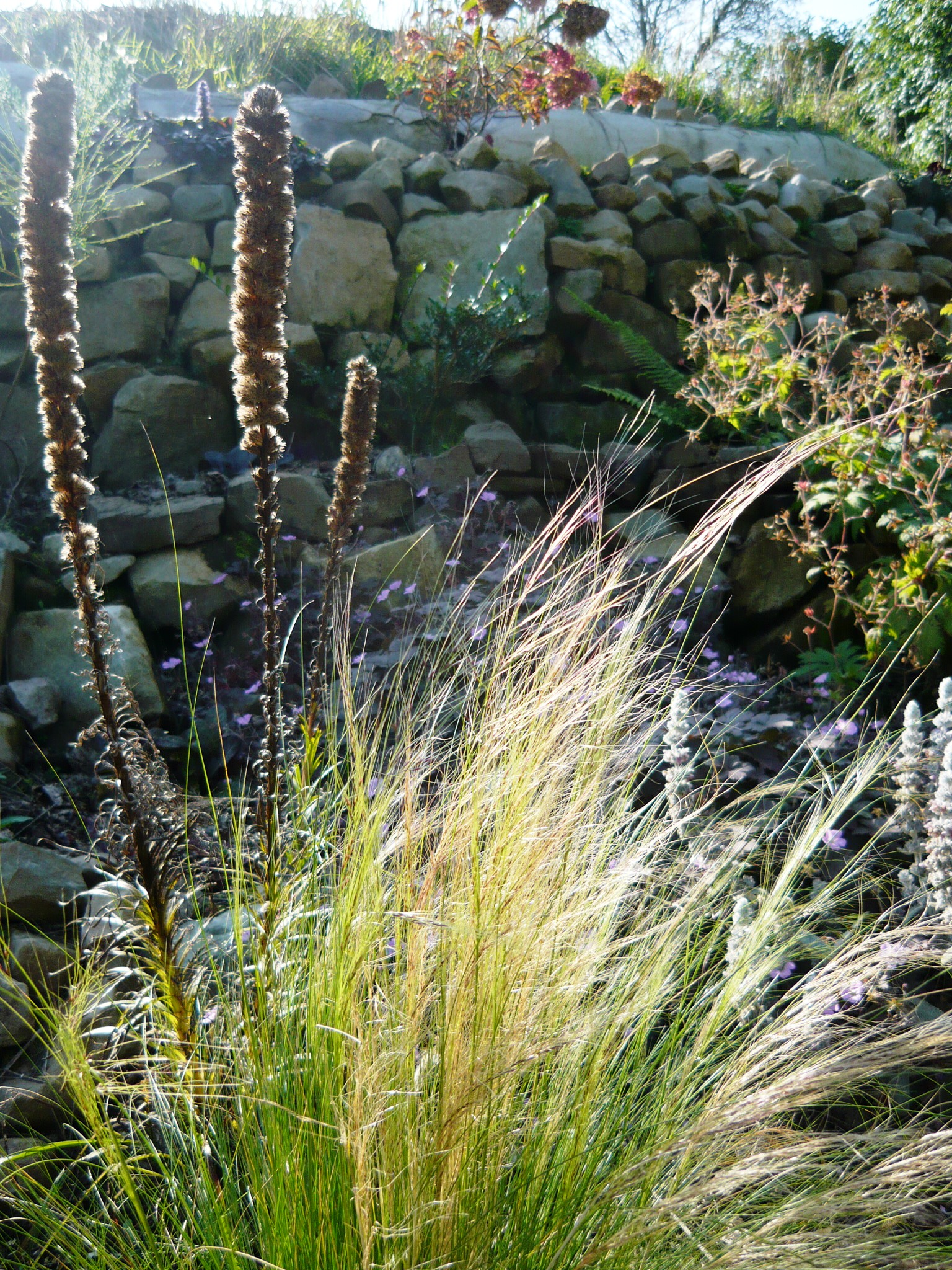
The garden has taken on a more muted palette; some gold, copper and brown amongst the flowers and shrubs.  Because of the warmth and sunshine many plants have been putting on new growth. All the pollinators made the most of it, filling up their winter reserves. Our ferns have also benefited from both the warmth and the rain.
september garden pony tail grass

september garden 004

september garden ferns

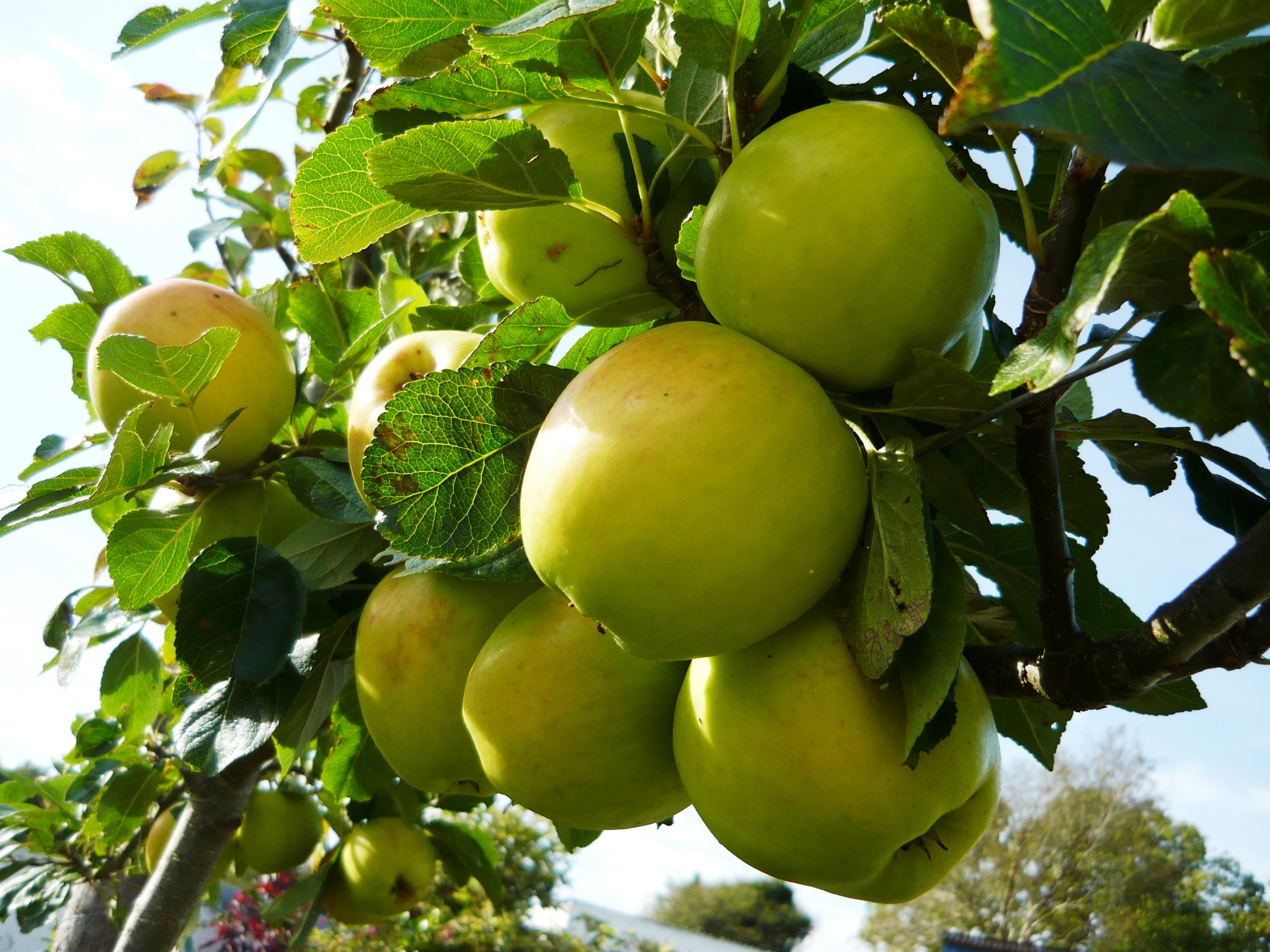
Our espaliered apple-trees have only been planted less than three years but a couple of them have already provided us with lots of apples for tasty crumbles. We notice a remarkable difference in yields between espaliered and un-espaliered trees. Considering the space you save and the way you eliminate congestion and bad air circulation, we cannot recommend espaliering enough. You get both higher yields and healthier trees.
wildlife september apples

september apples

In our circle the plants are still looking good, unfortunately we do not have a picture of what it looked like last year at this time but as we remember it, there were a lot less plants a year ago and they also finished flowering sooner. A blog like this is not only a tool to share our successes and failures with the world but also an important record for us. By looking back through the posts we can see how things develop and change throughout time. We do not have a lot of readers but we do very much appreciate the ones we have and we hope we are making a few small changes, ignite some sparks and inspire people to plant and create something beautiful things in their lives.

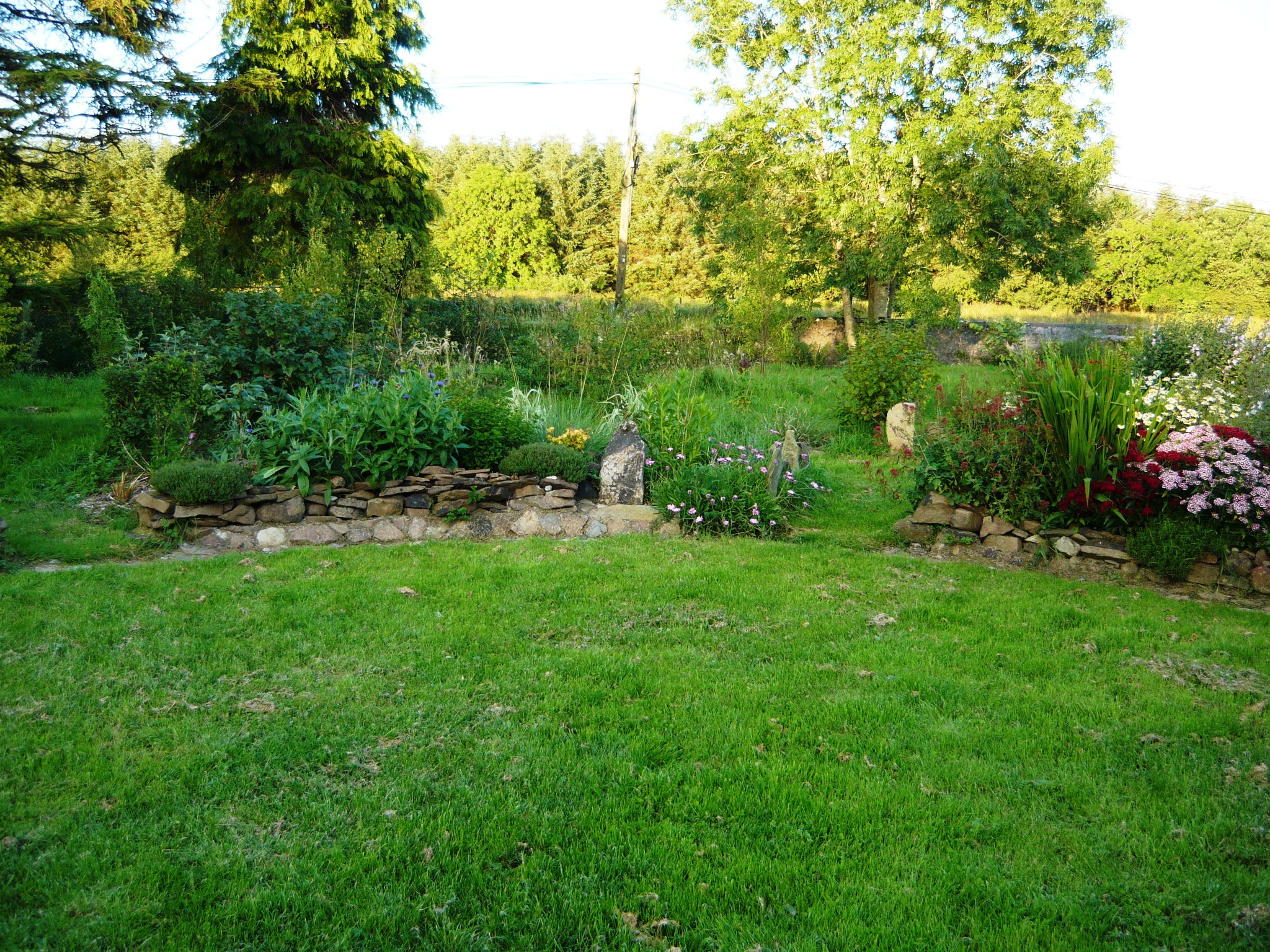
east

East

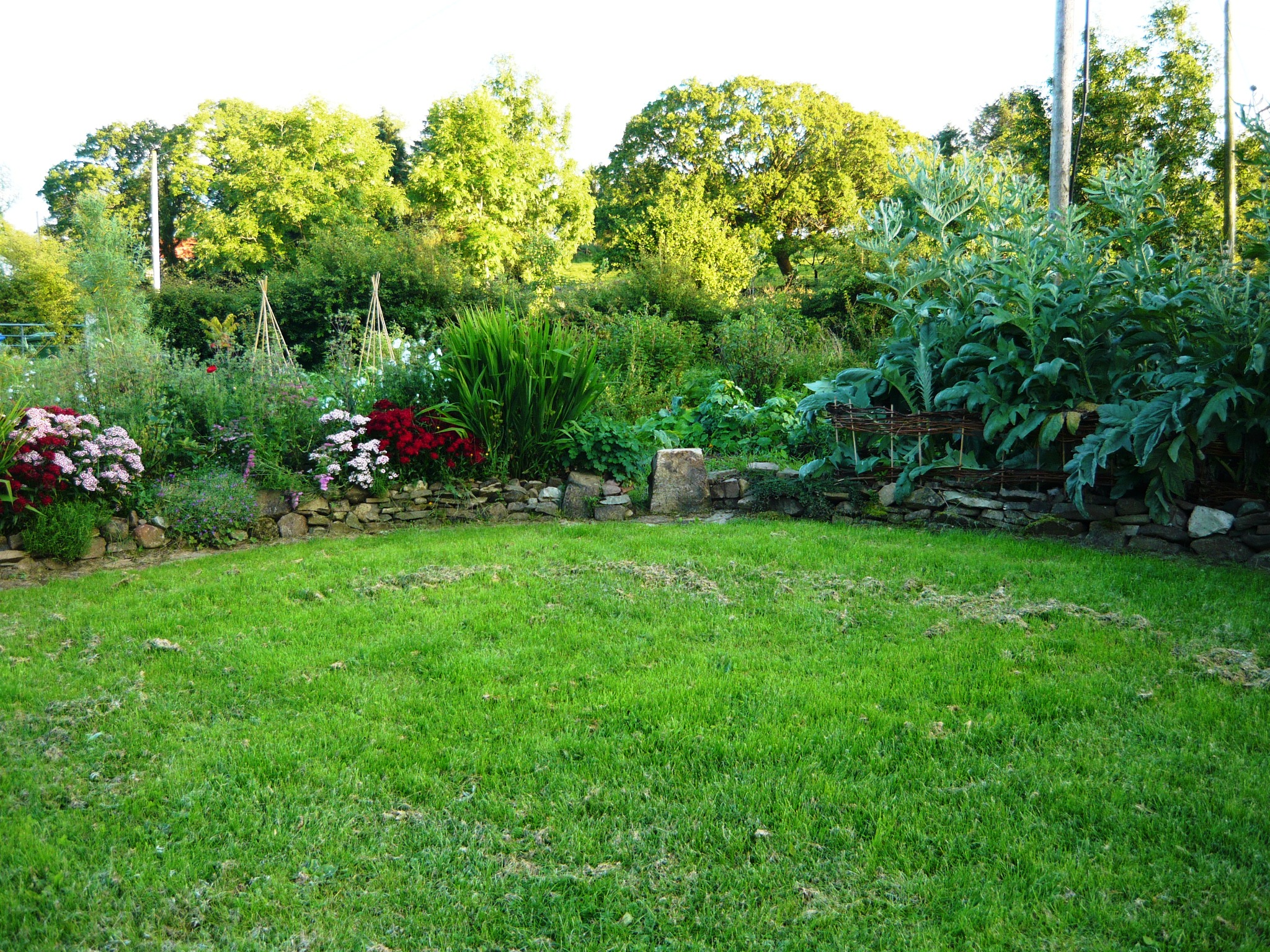
south

South

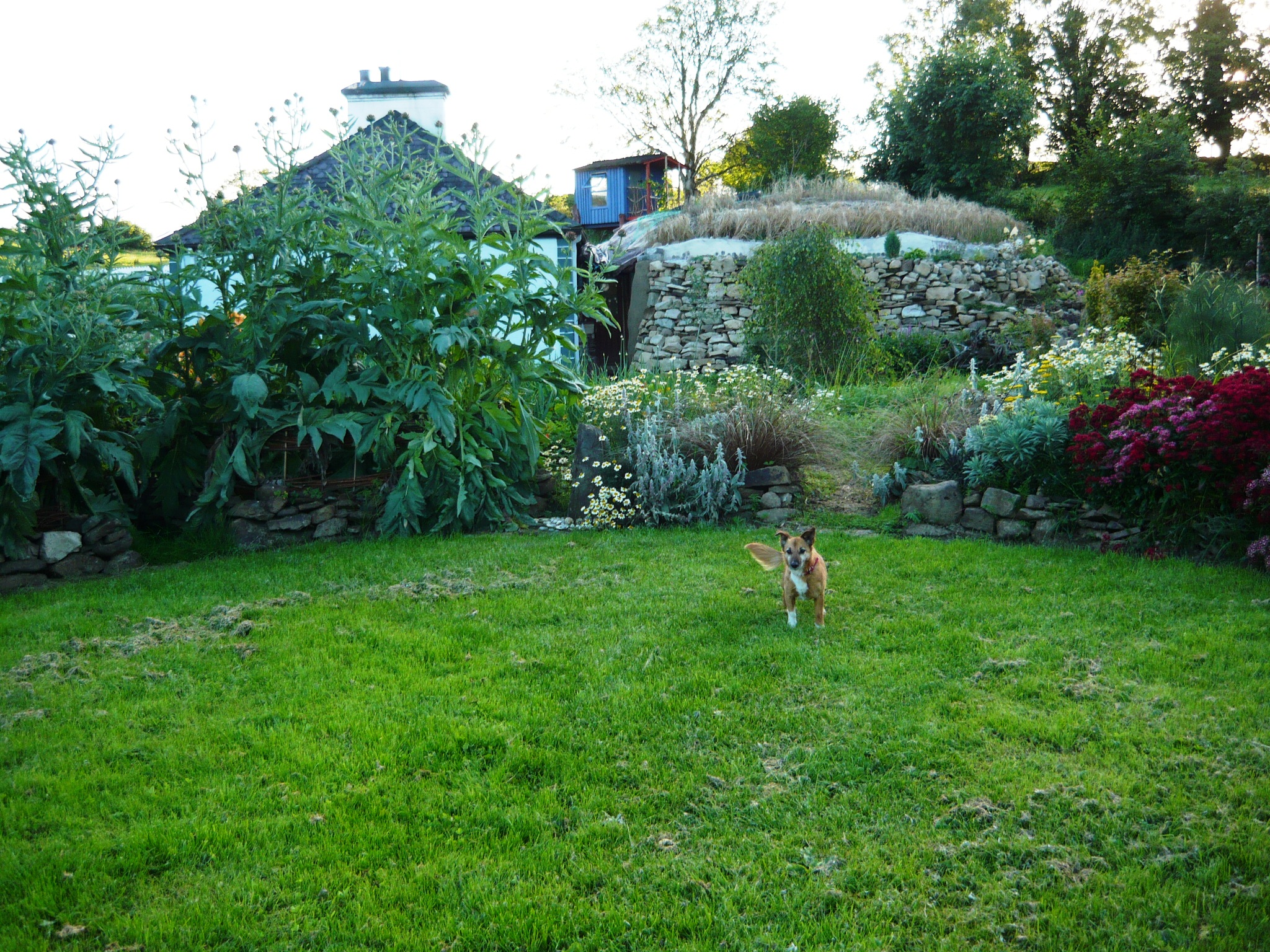
west

West

wildlife september 008

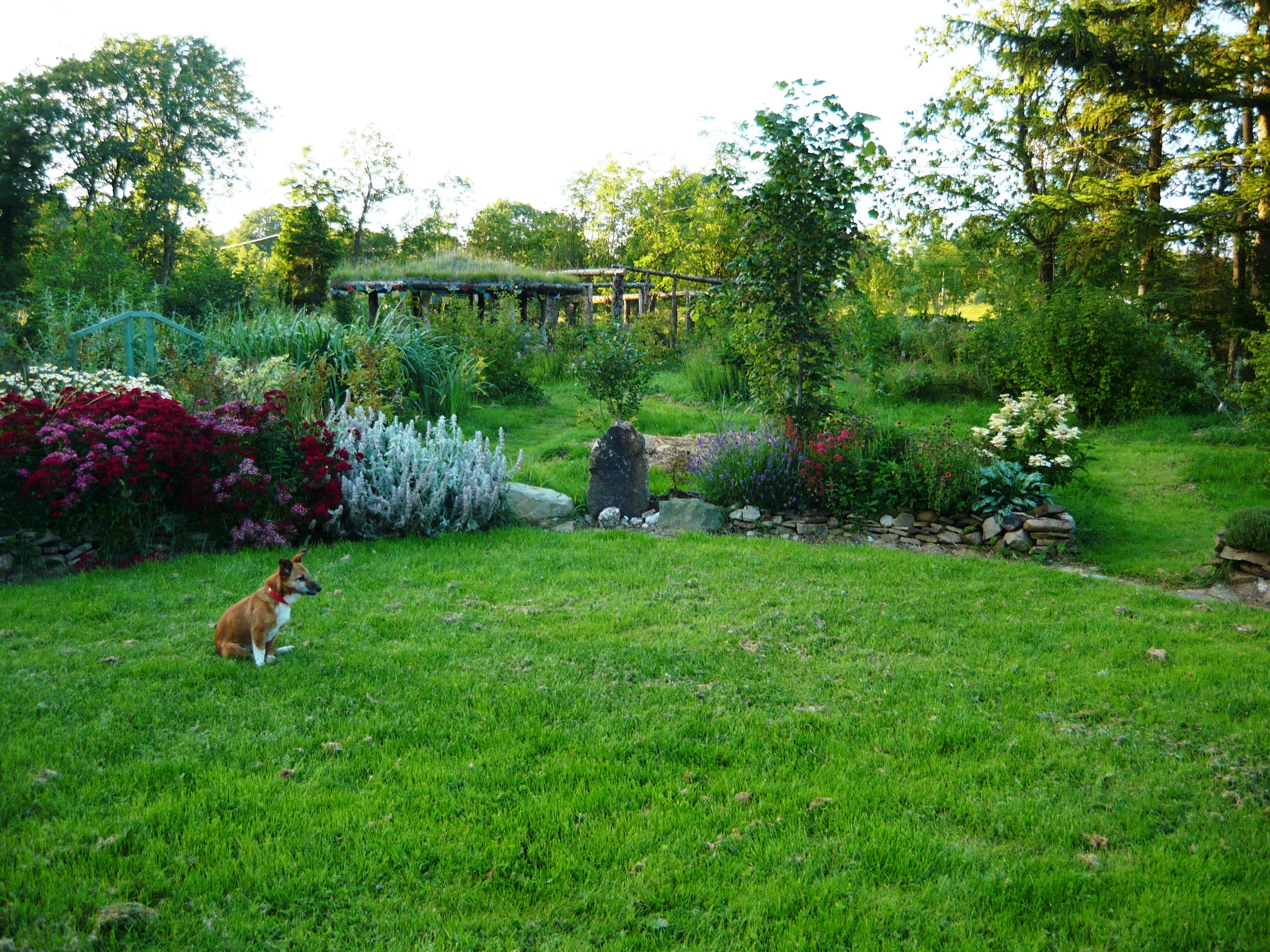
North

We are looking forward to the remaining days of October. We hope to finish our extension this month and move into it. We will tidy up the garden and bring our Pelargoniums inside for the Winter months. There is a lot of weeding and tidying up to attend to in the garden. We think we will be quite busy. September brought us a lot of joy. We hope October will too…

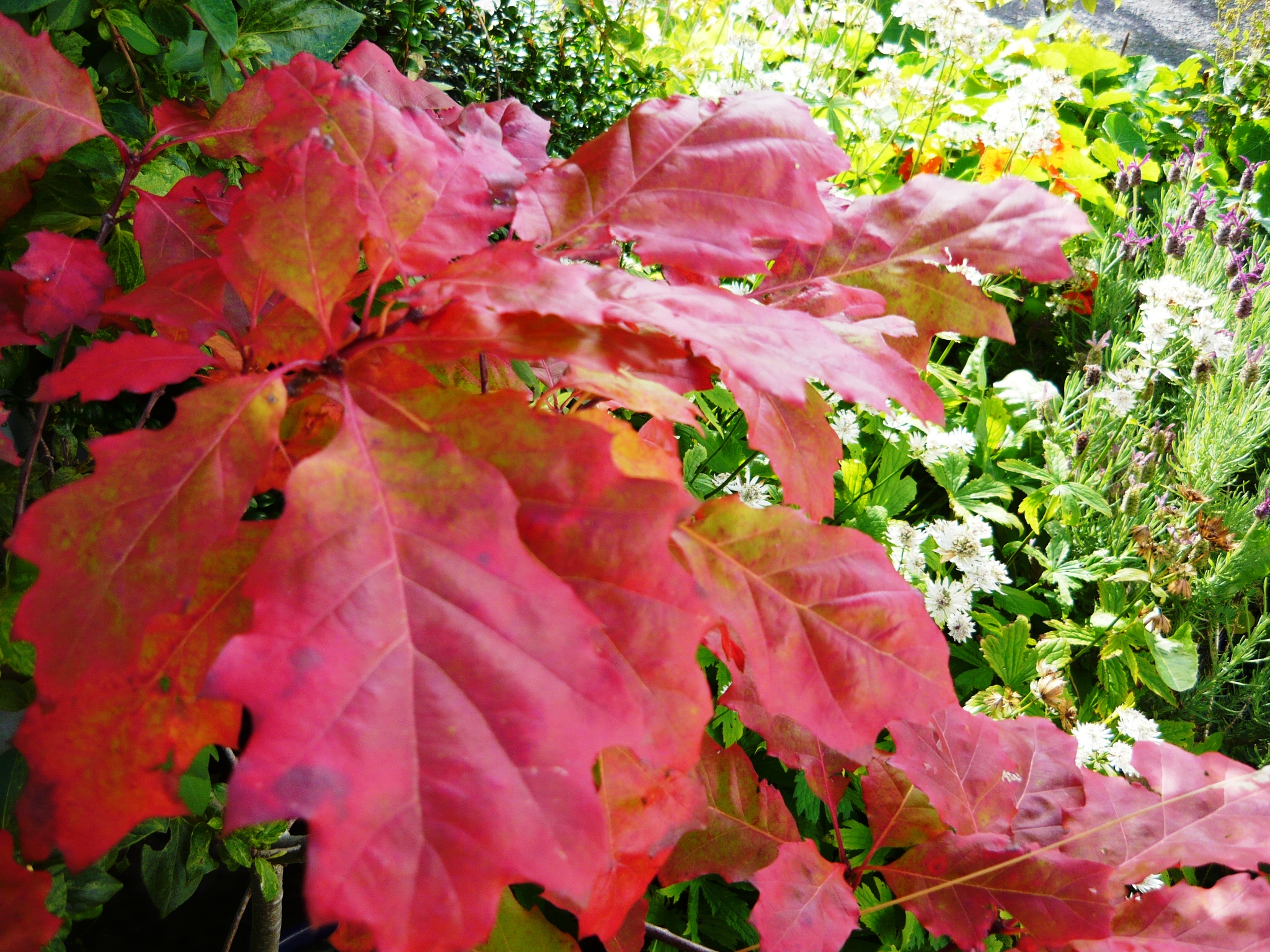
liquidamber

acer palmatum

september garden

Attracting wildlife.

wildlife

You need an organic garden to attract a wide range of wildlife. But you also need wildlife to create an organic garden. We do not think one can exist without the other.

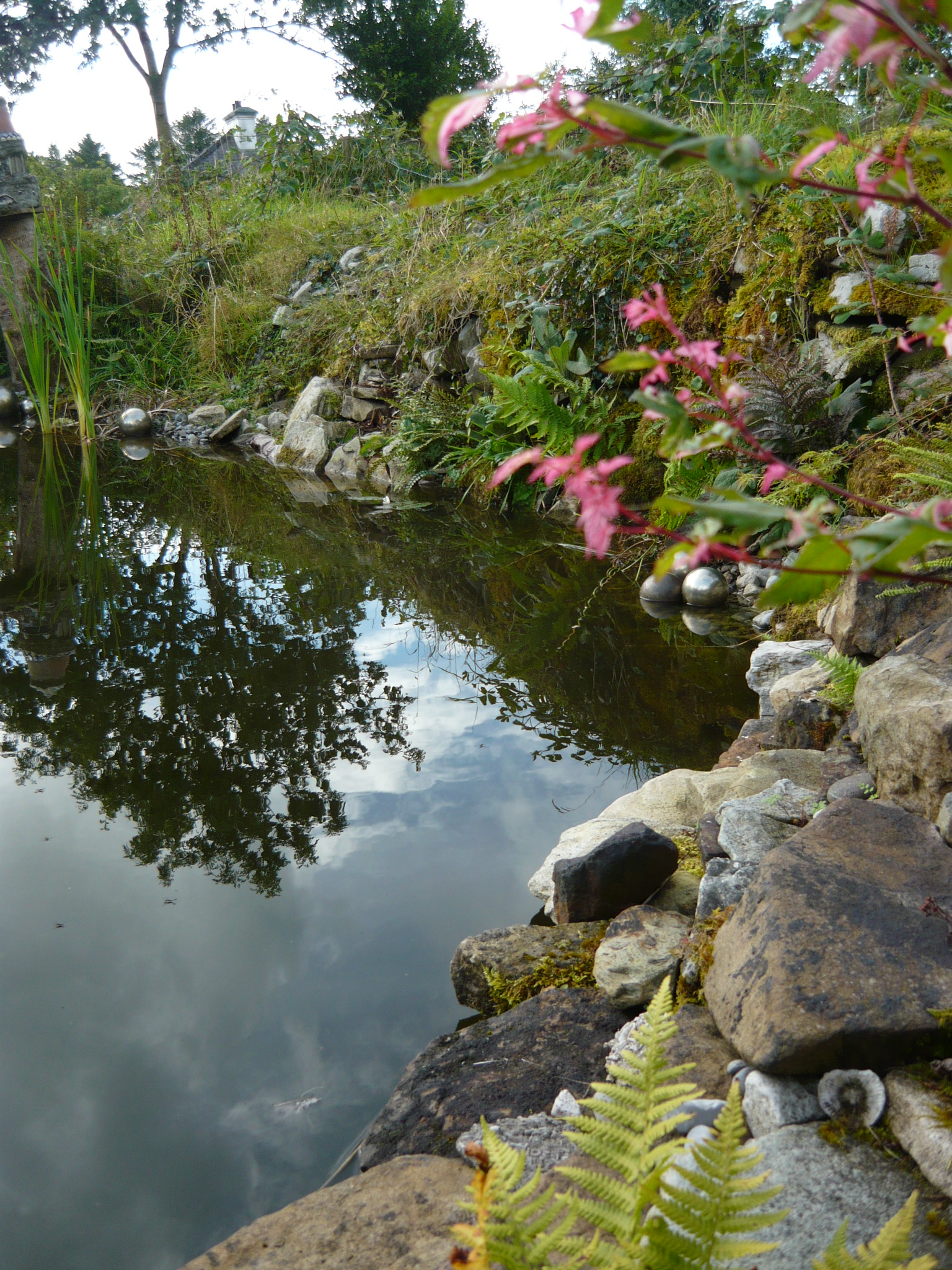
wildlife  pond

We have been living on our plot of land for almost three years now. When we first moved in we only made the house liveable, and concentrated most of our efforts on the garden. Our land was encircled by a huge thick laylandii hedge that blocked out all light and did nothing to support wildlife. We cut it down and replaced it with espaliered apple trees, oak and beech hedging and a lot of mixed trees and shrubs. It was a very important first step in attracting wildlife and we used the trunks for structures in the garden and all the smaller branches for mulch on paths and planting areas.

red oak

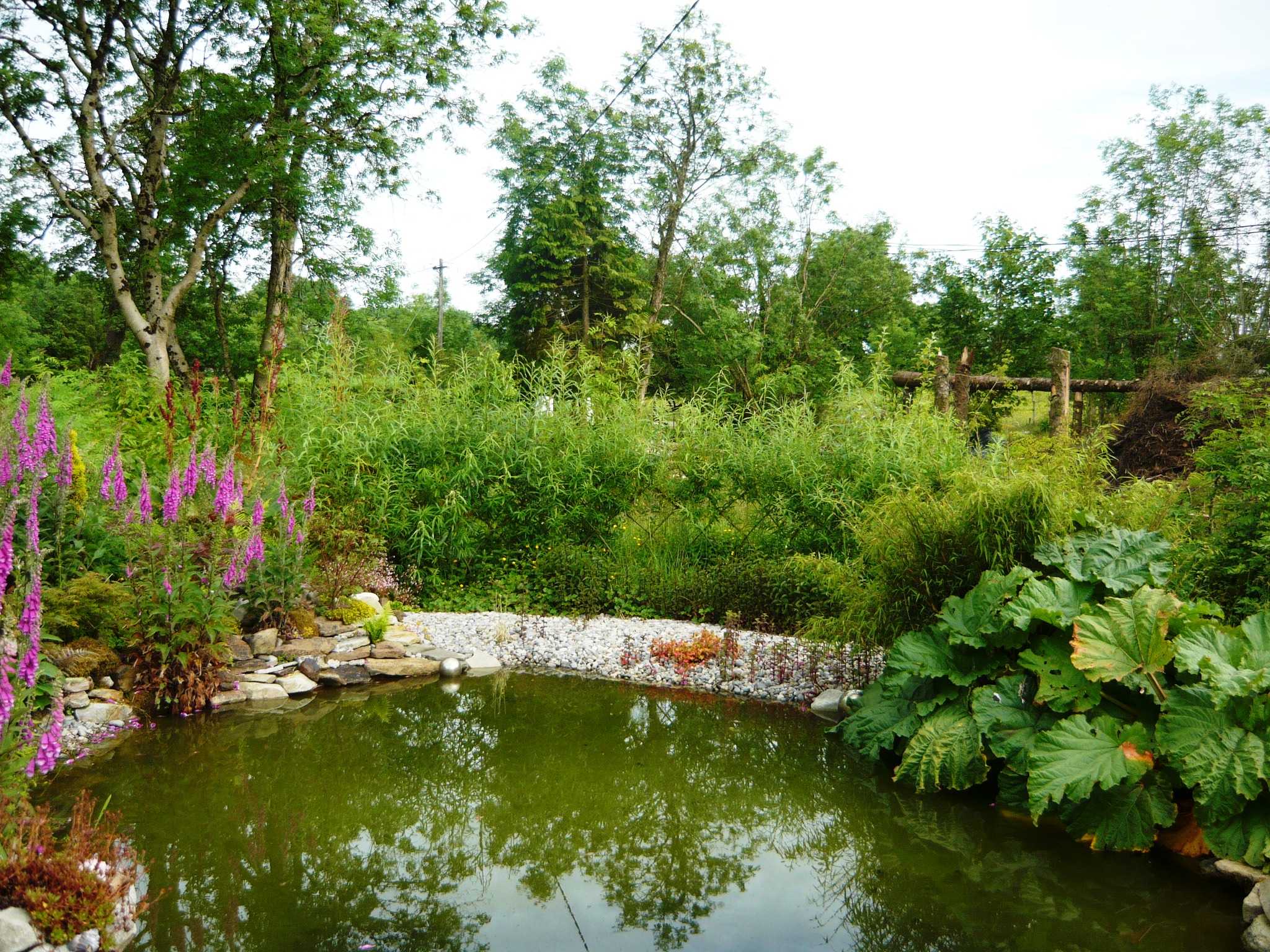
One of the first things we did was create a big wildlife friendly pond. We are very happy this year as at least one hundred young newts are living in it now, along with dragonfly-nymphs, water-beetles, frogs, toads and whirligig-beetles. On one side the pond has a pebbled beach, for easy access in and out of the water and on the other side it has a bog-garden filled with moisture loving flowers and plants where frogs and toads like to hop around. The pond has been dug right next to an old stone wall and it is a great place for many creatures to hide or hibernate.

extension 056

wildlife newt

wildlife september 019

pond wall

As every gardener knows, to successfully grow vegetables and flowers or just about anything, you need to avoid too many slugs, snails, greenfly and red spider mites, to name but a few. We do not wish to use any chemicals in our garden so the natural way to deal with these so called pests, is to attract as much beneficial wildlife as possible. We grow a lot of flowers and shrubs that pollinating insects like and when they are drawn to our garden because of the flowers, they also pollinate our crops. We encourage bats and birds by putting up nest boxes and feeding them all year around.

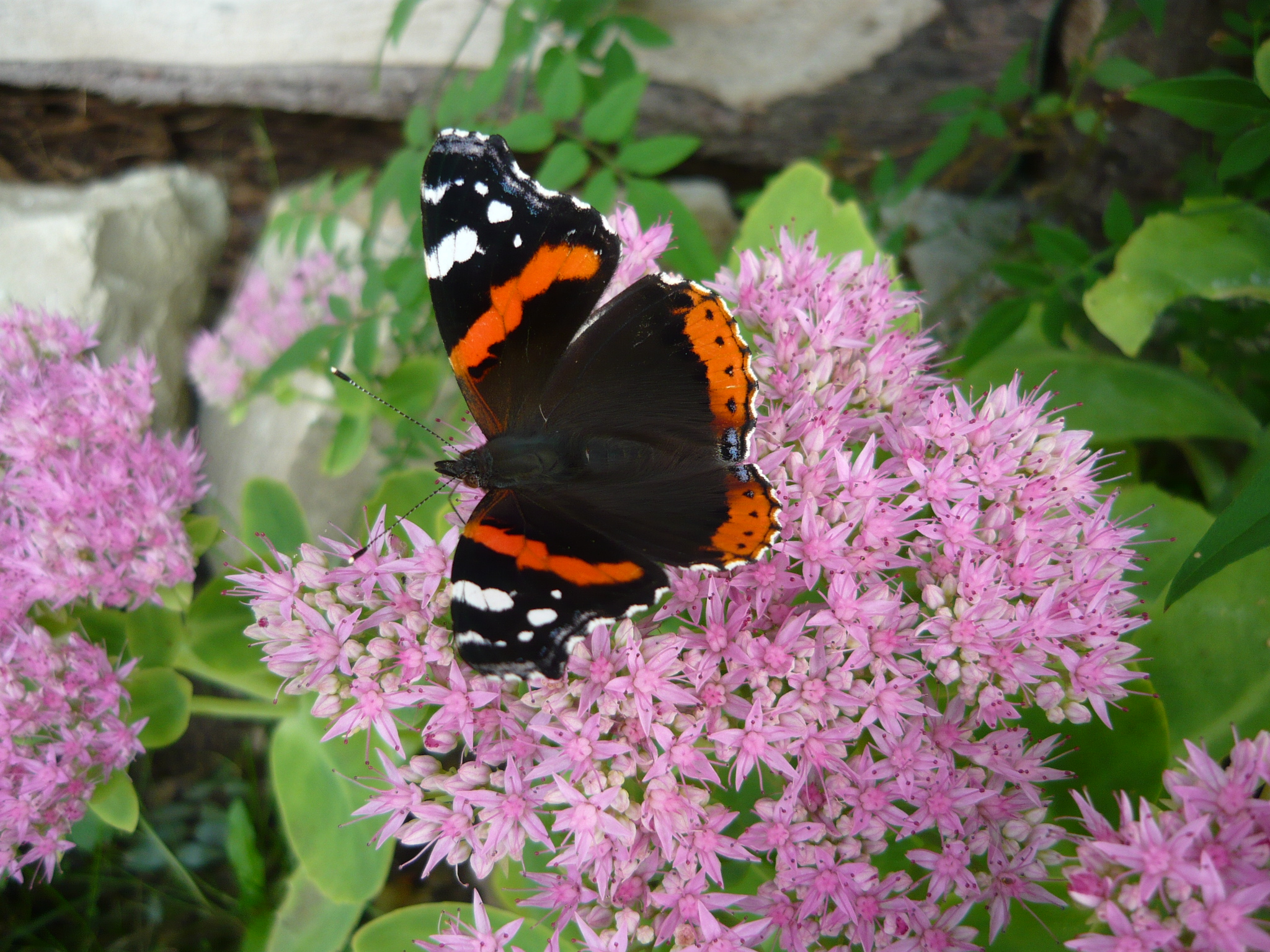
sedum

wildlife september flowers

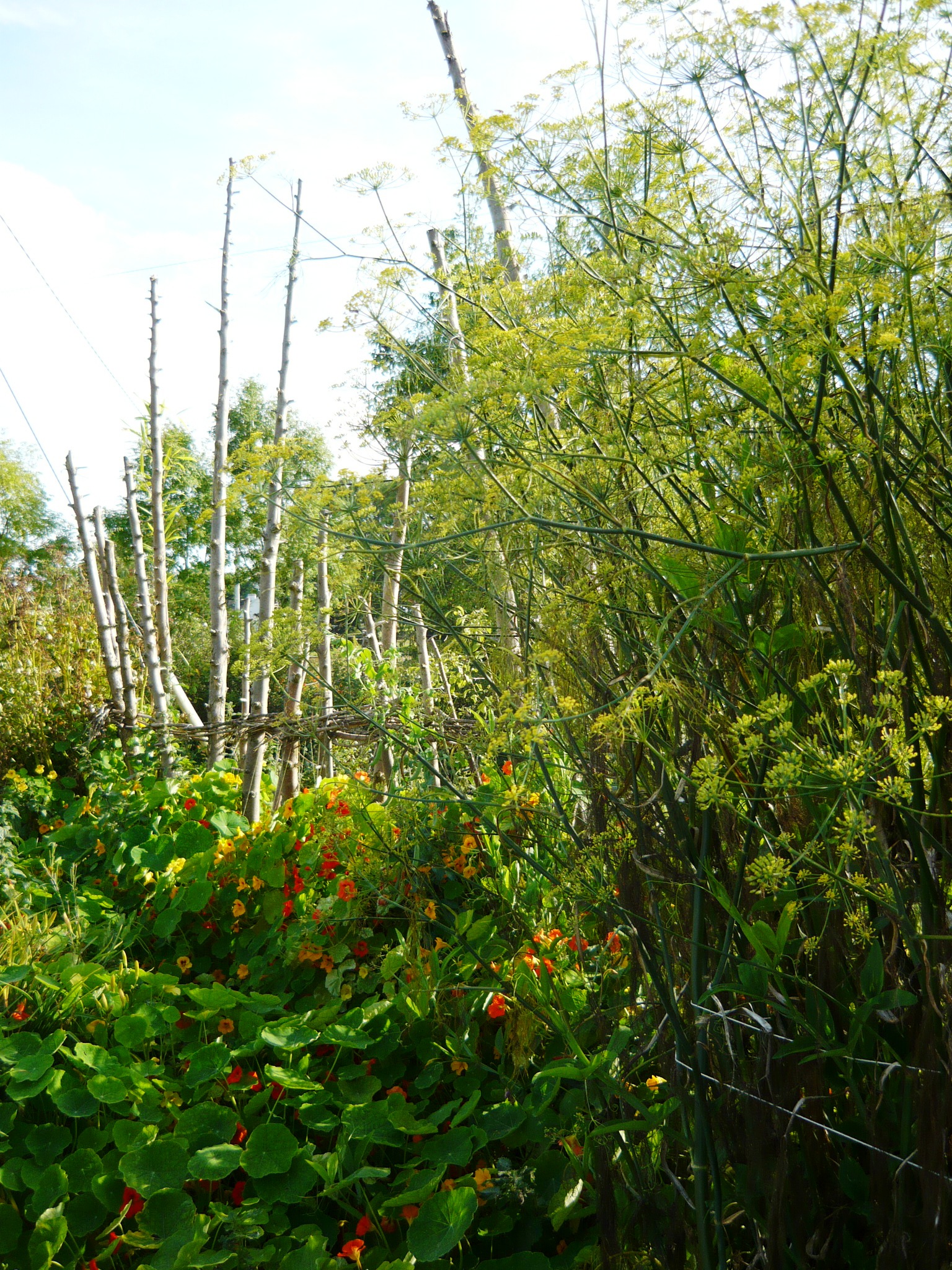
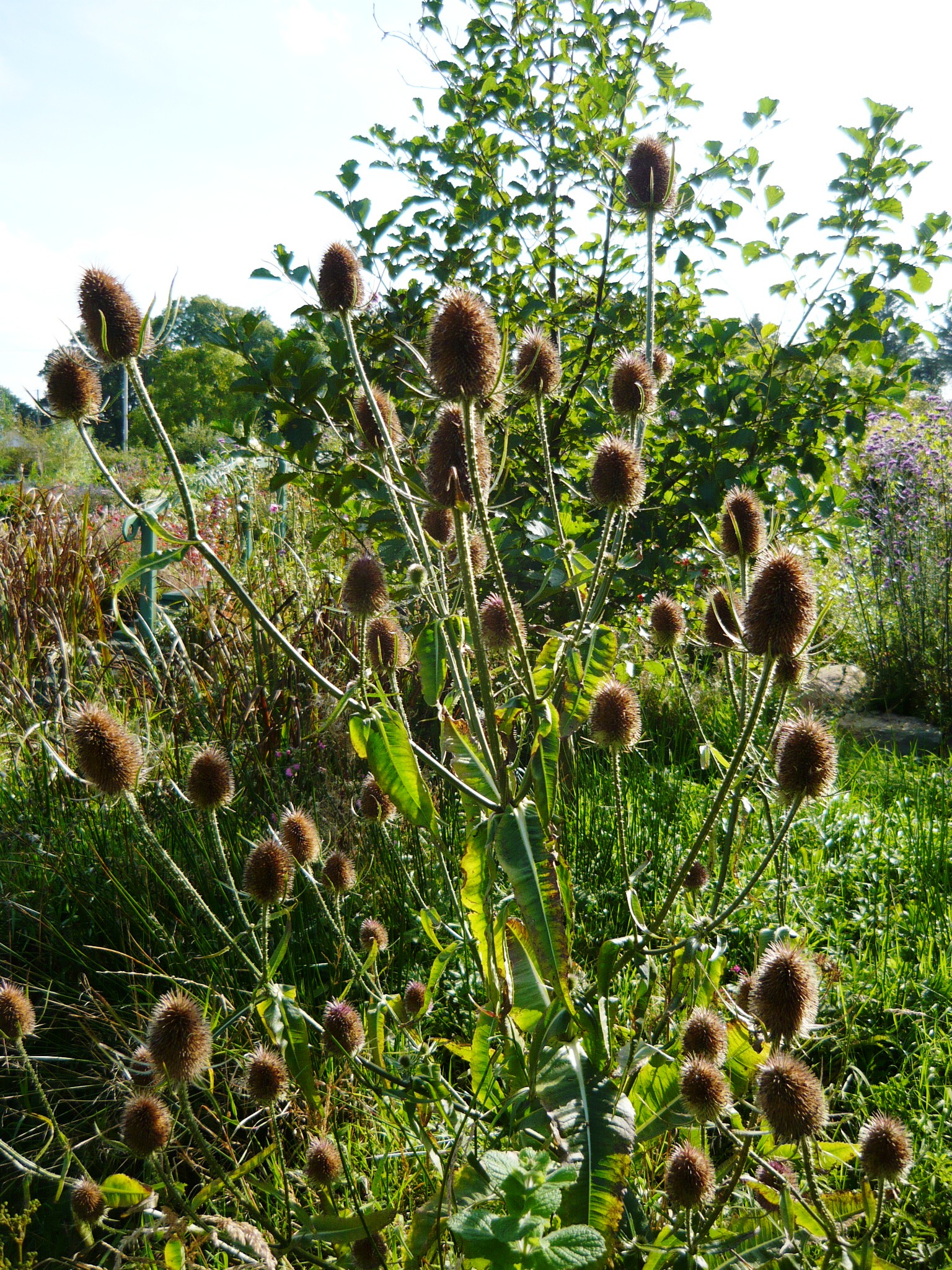
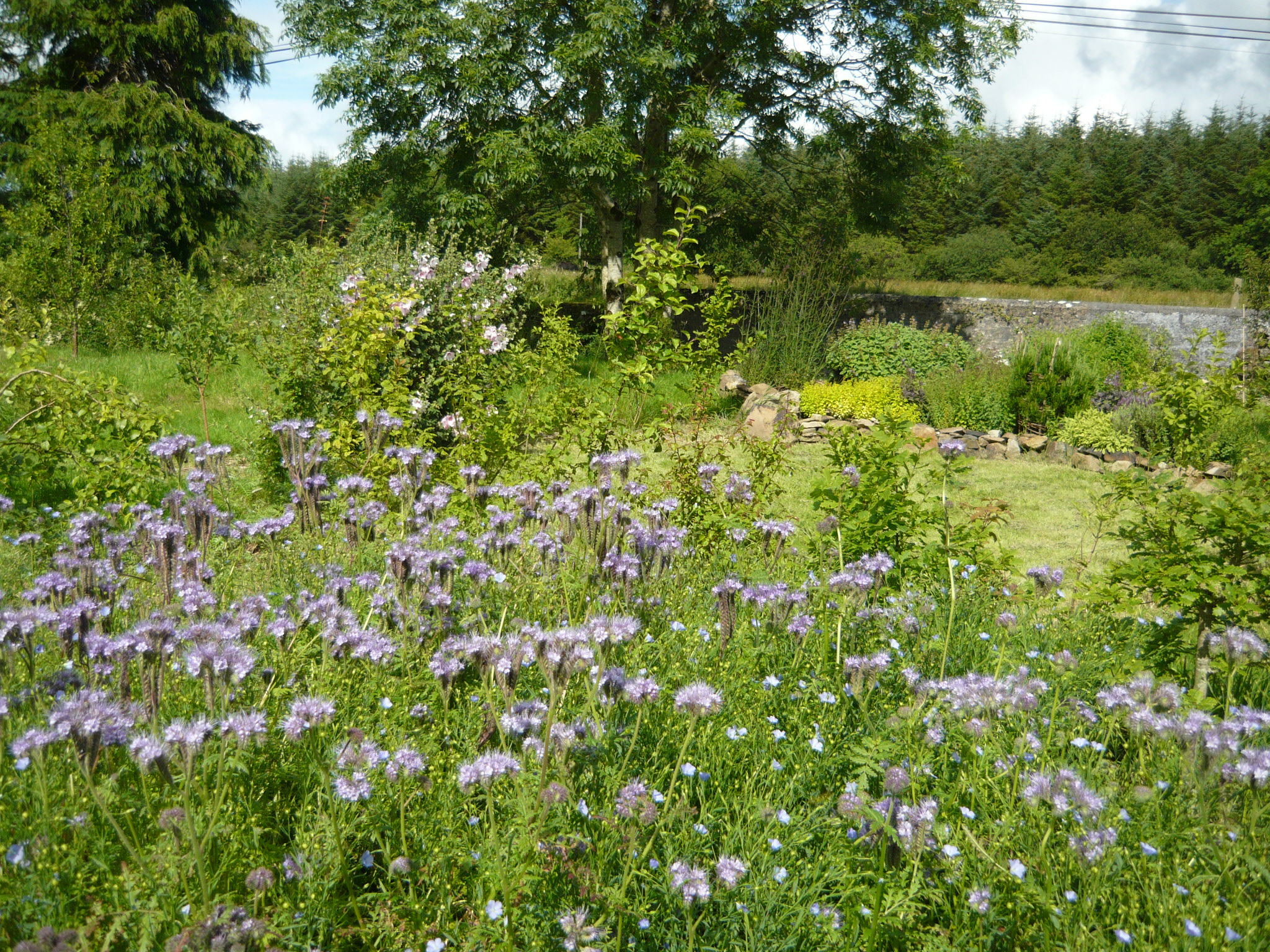
Perennial fennel is lovely for culinary purposes and our plant is so big that there is more than enough for us as well as the birds who eat the seeds all through winter. We also grow teasels, a plant much loved by gold and bull finches. This year we had a big area that had been covered by old thatch from a roof so nothing was growing there. In the spring we threw out a lot of flax seed from the health food shop along with some phacelia seeds across the space and a few months later we had a beautiful haven for pollinating insects.

wildlife september 093

wildlife september 049

wildlife september teasel

flax and phacelia

We cannot imagine our garden without wildlife, there are all the practical benefits but also so much beauty to admire and enjoy. We love looking at newts and beetles swimming in the pond and birds nesting and eating in the garden. Not to mention the very special time our bats scooped over the pond in total silent one summers night and the only proof they were drinking, were the slight ripples in the moonlit surface of the pond.

Flowers in August.

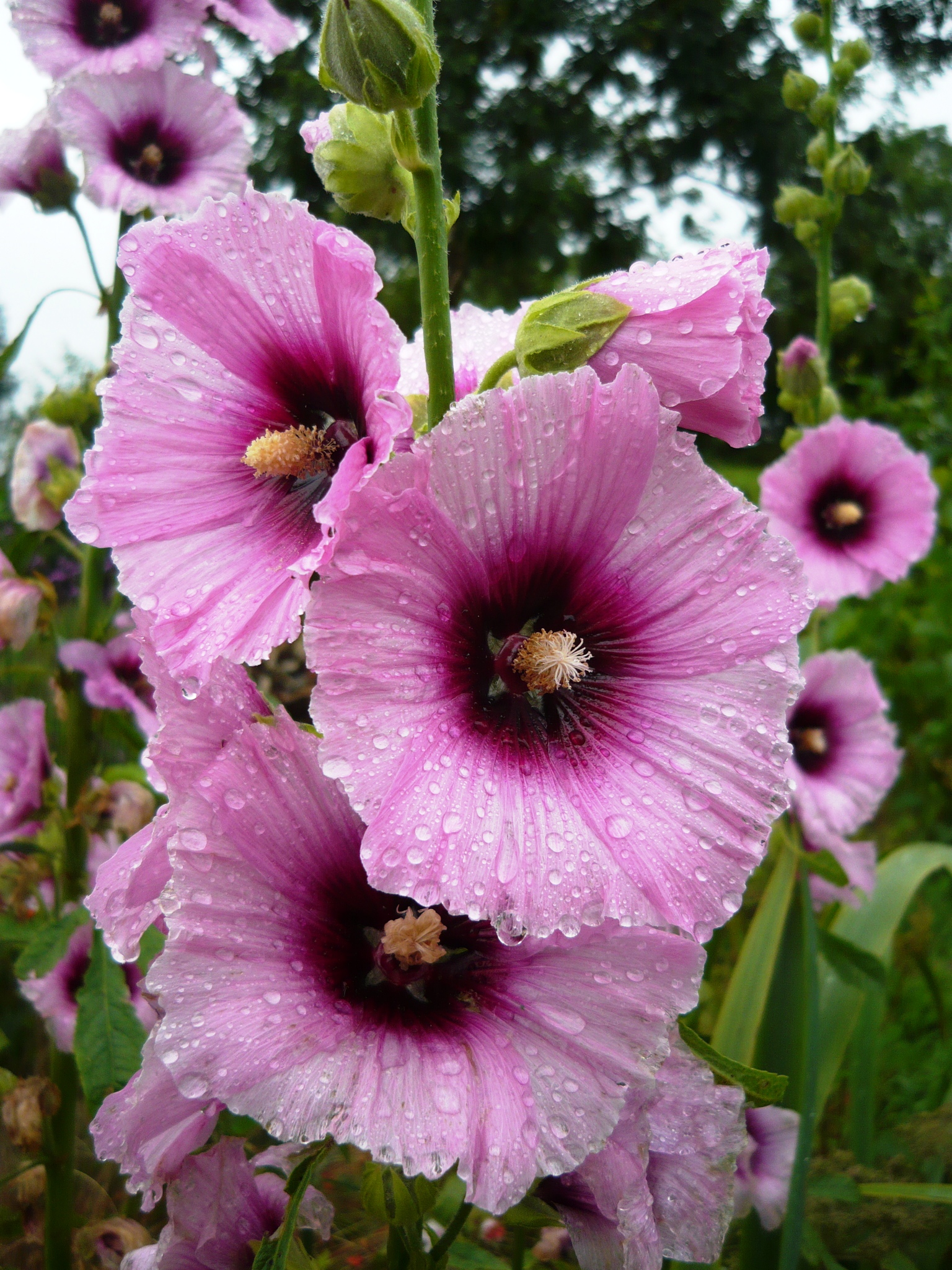
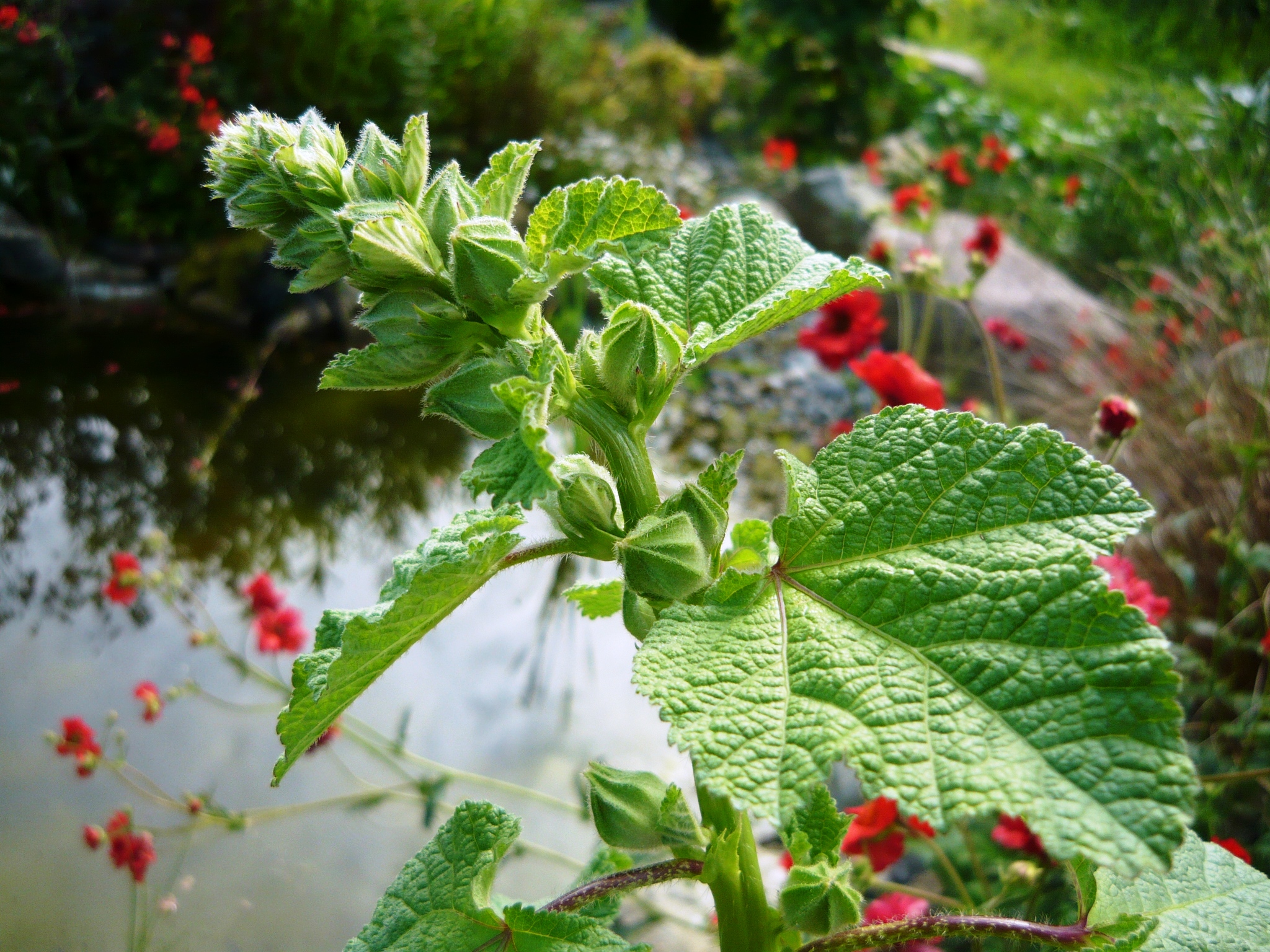
Hollyhock Halo

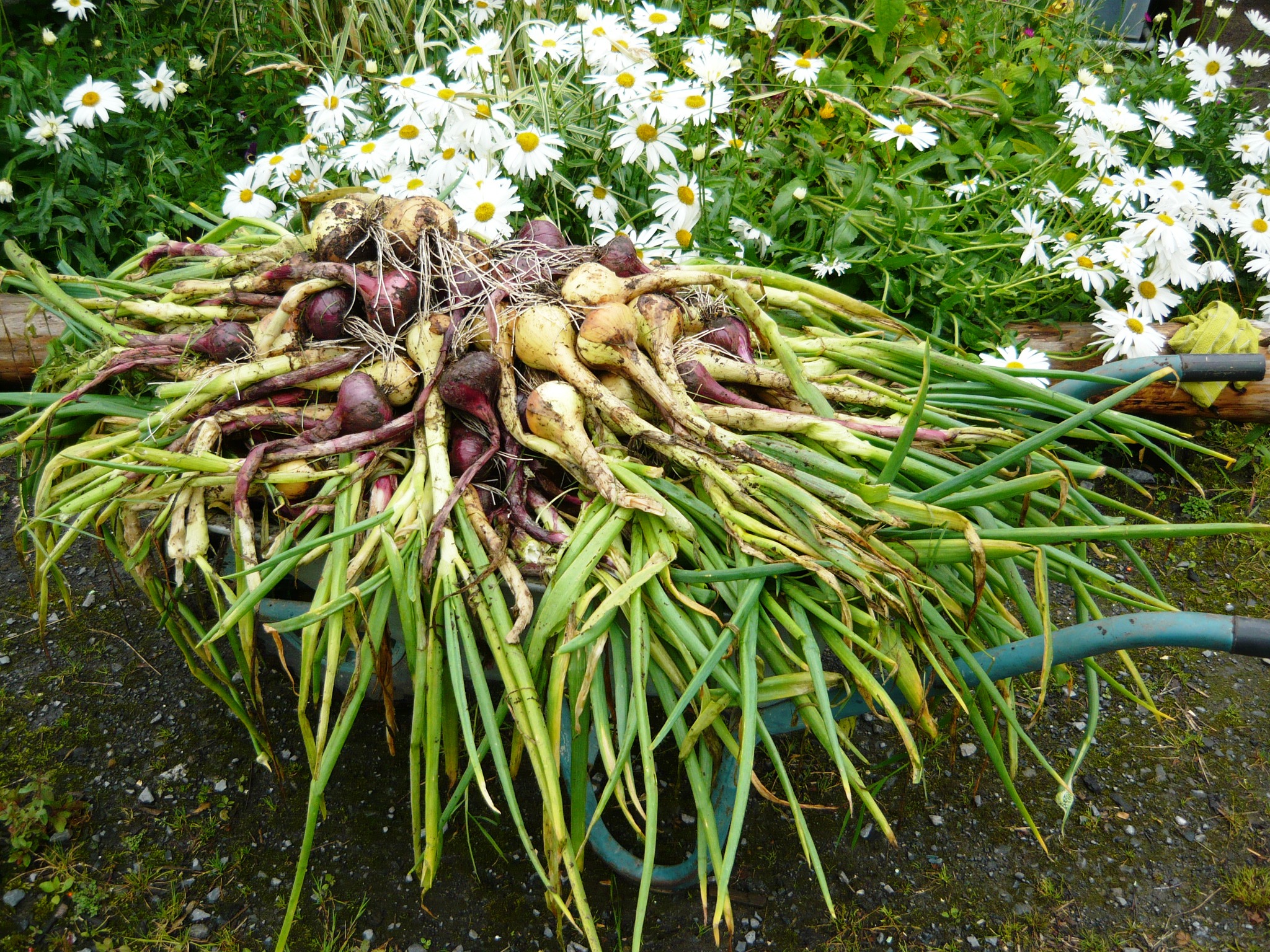
As August draws to a close we are thankful for all the lovely vegetables we have harvested this month, despite mostly ignoring the kitchen garden this summer. The onions are so tasty grilled or baked and we are enjoying them on a daily basis.

onions

But to sum up August we would like to write about our flowers in the garden. We started most of them off as seeds two and a half year ago and we also bought quite a few of them as small perennial plants. Even if you are on a tight budget it does not take long to get your flowers growing big and strong. The first year, we invested in a few trailer loads of well rotted cow manure and it has really been worth while.  All our flowers and vegetables have really taken off and it is quite amazing how quick the garden has established. Each year we have added more flower beds and even the ones started last year are looking good. In autumn we do an all over weeding and add leaf mould to all the beds and that makes it easy to weed in the spring. Most beds do need another weeding in midsummer as the perennials are still establishing and filling in their allocated spaces.

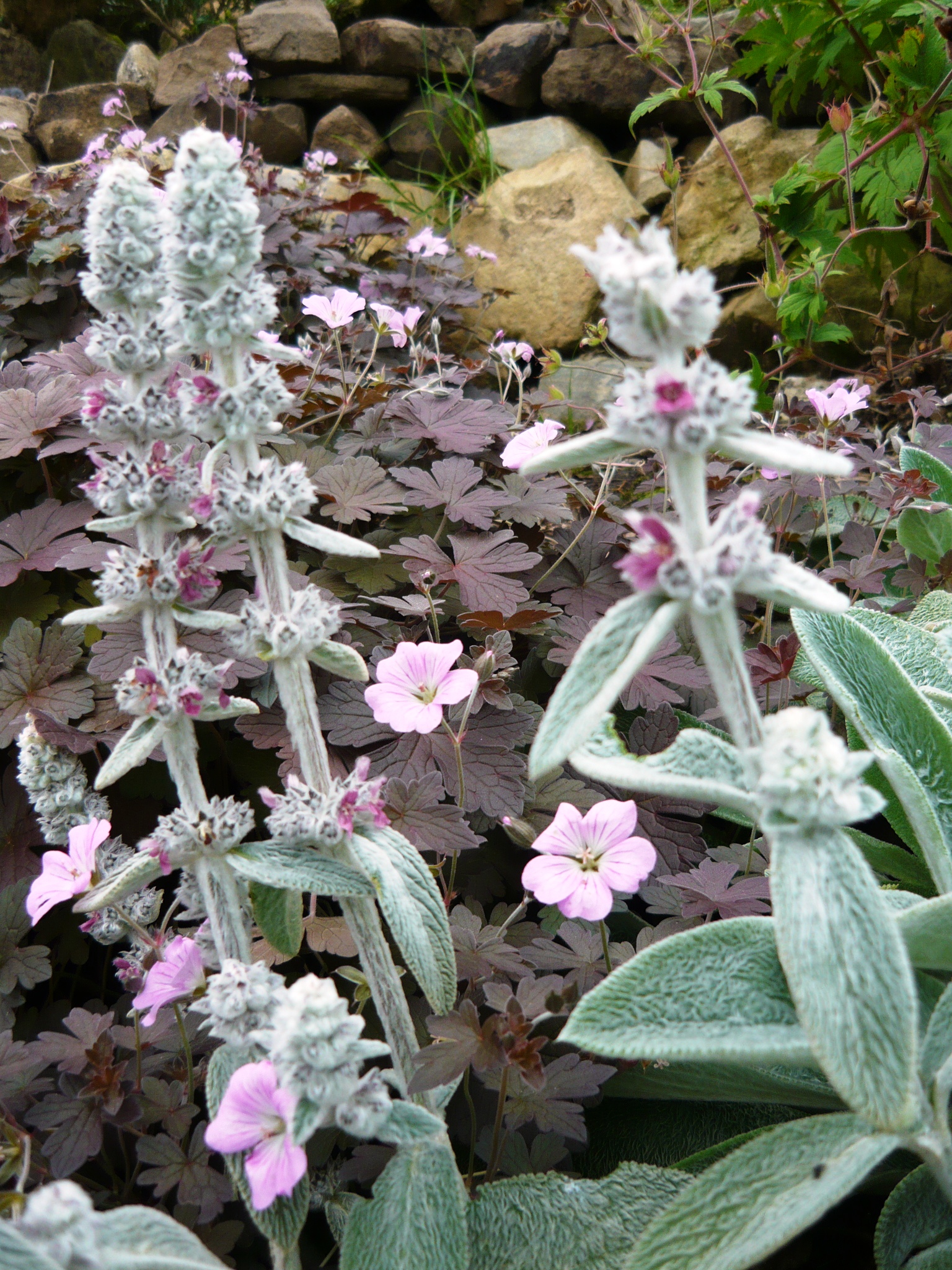
Lambs ear and geranium

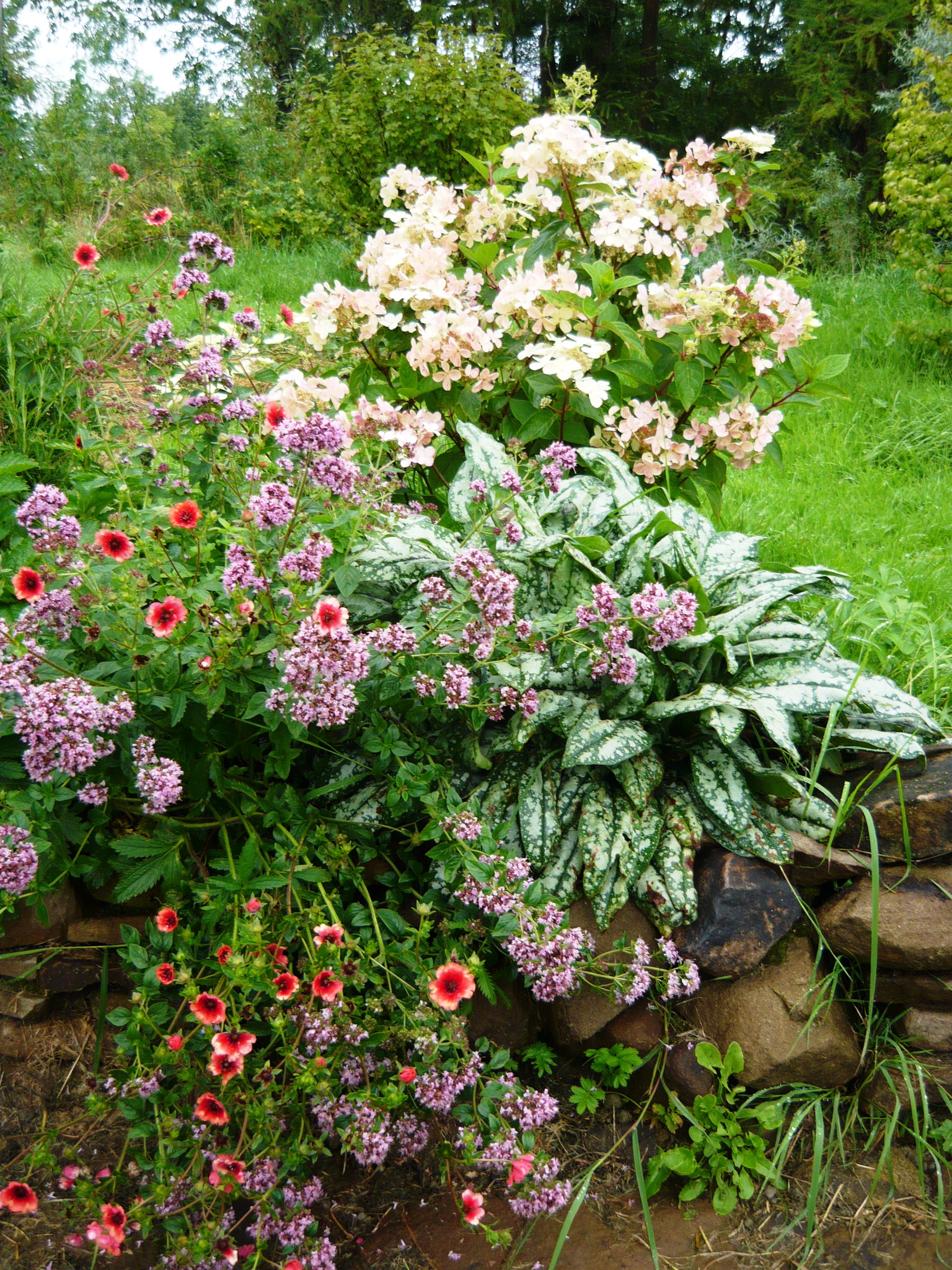
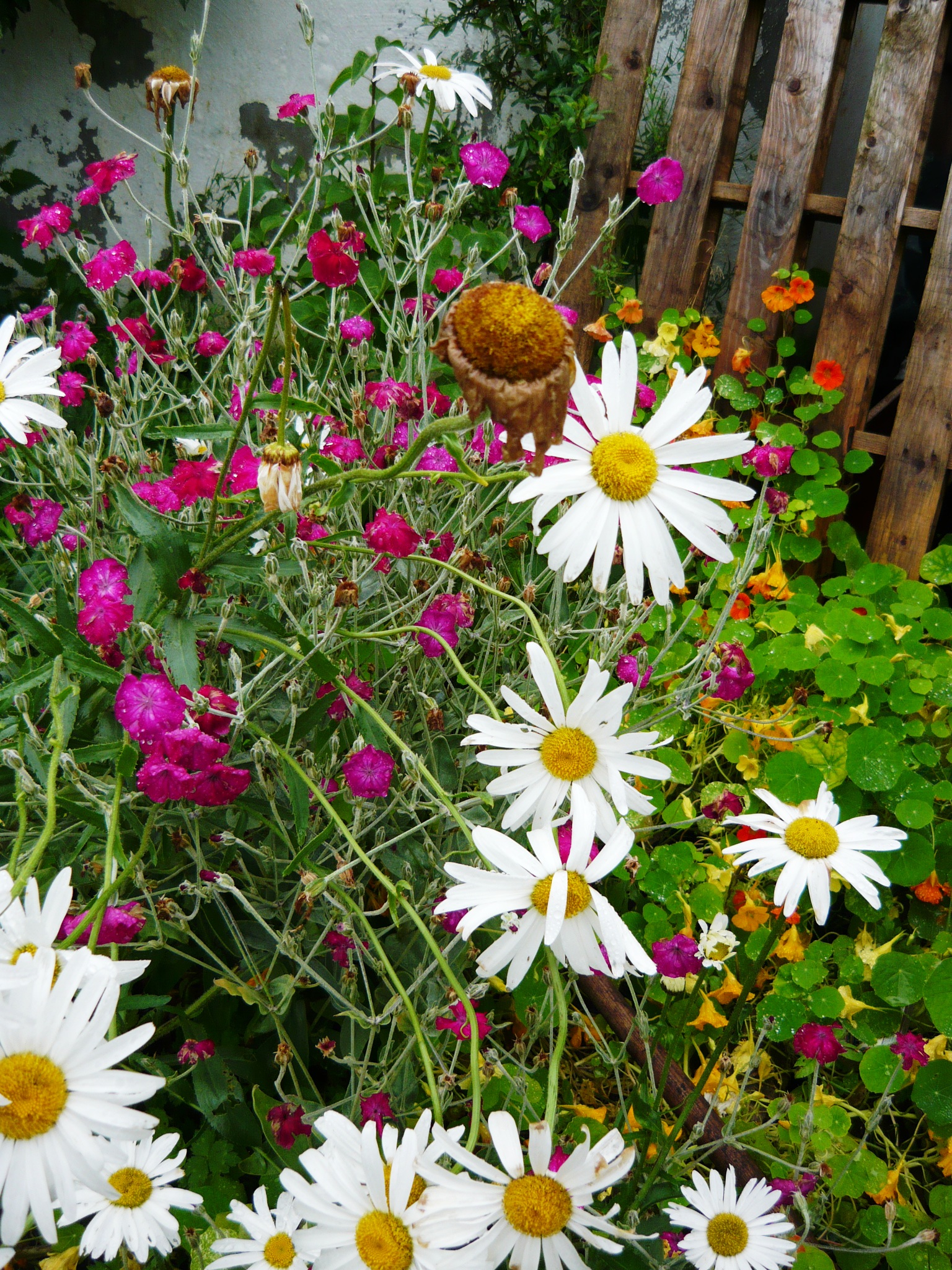
Flowers

In a couple of years we can start dividing the well established perennials and swap them with friends. We have already received lots of wonderful plants this way, shrubs, vegetables and flowers that had outgrown their spaces in friend’s gardens.

Gifted plants

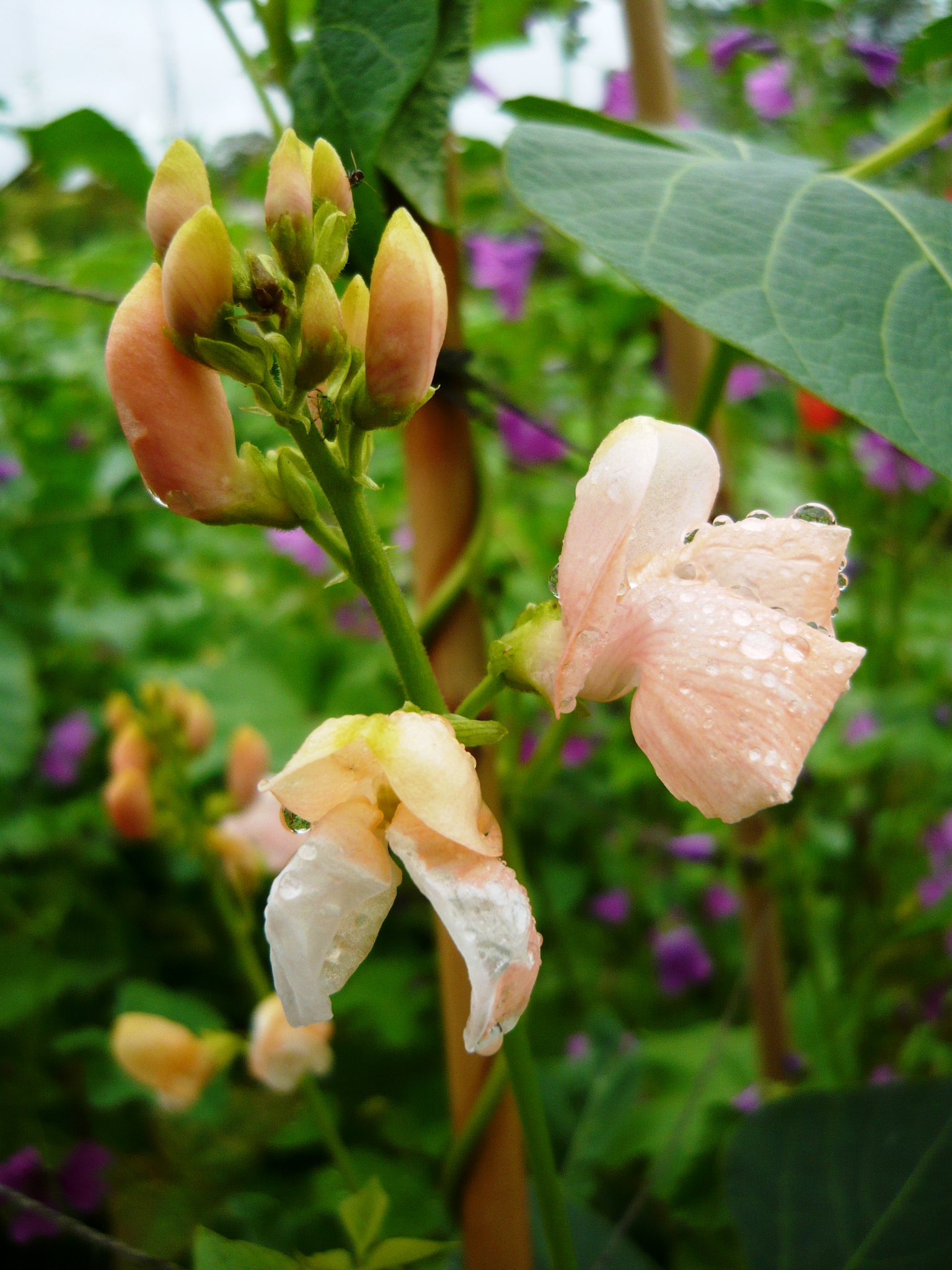
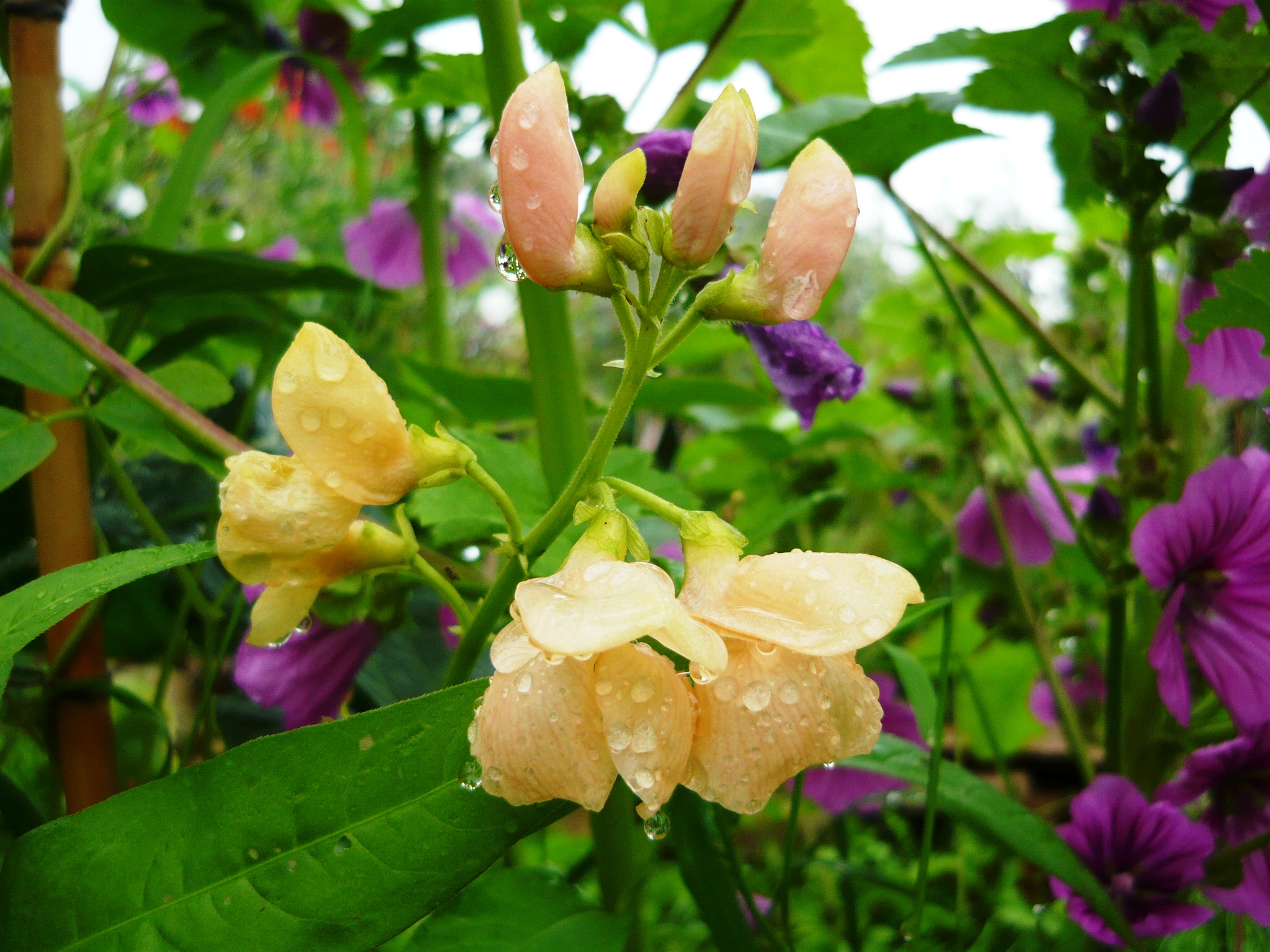
Flowers are lovely to look at and create a colourful wonderland to stroll about in but are also highly beneficial. We have many edible varieties as well as bee and butterfly favourites. We grow them together with our vegetables for both a practical and beautiful approach. This year we have had a very cold and rainy summer but there are still lots of flowers and vegetables performing well, although a bit later than usual. Some vegetables come with the added benefit of beautiful flowers, like the runnerbean that was first introduced to Europe as an ornamental.

Runnerbean

pond

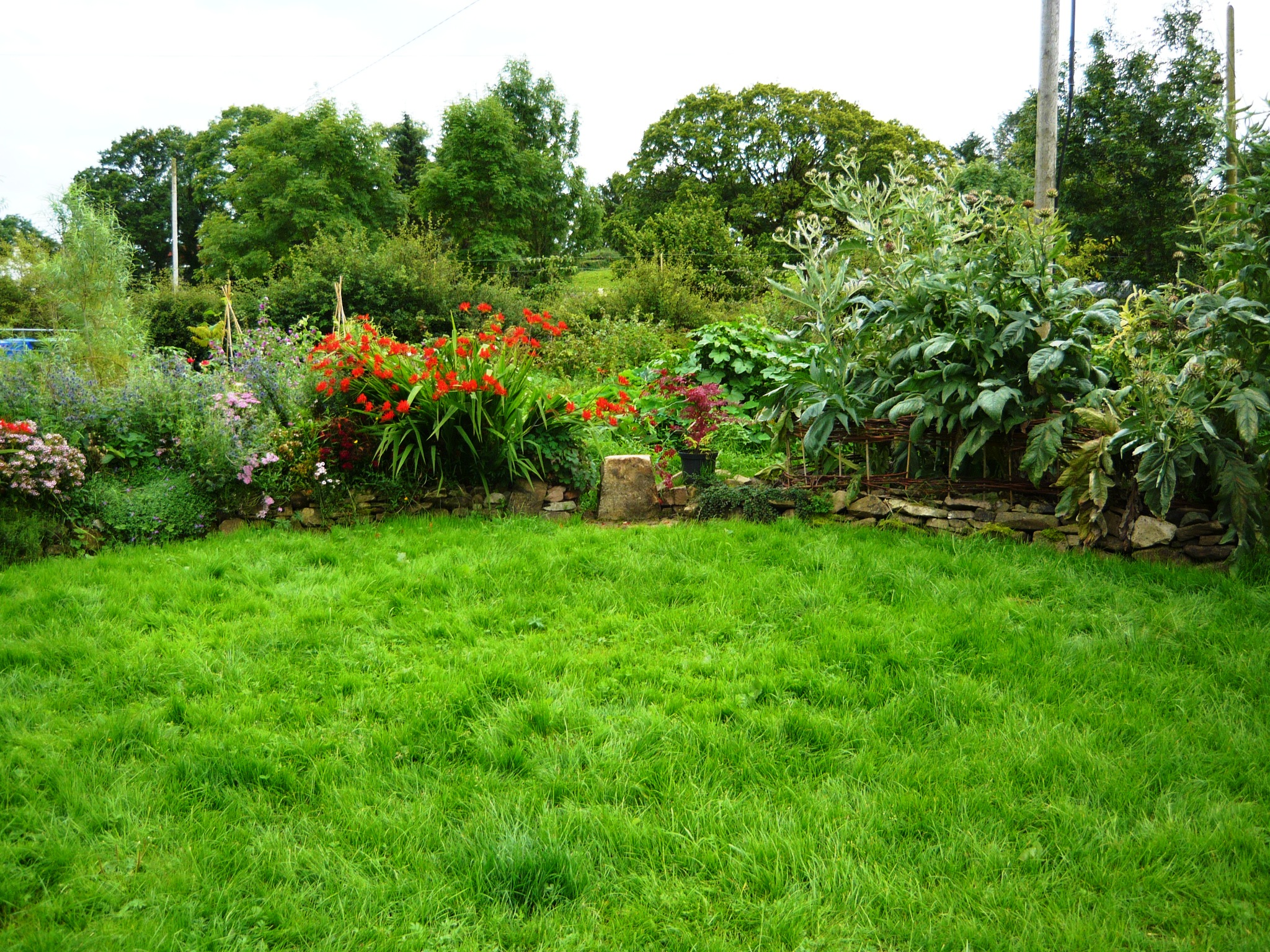
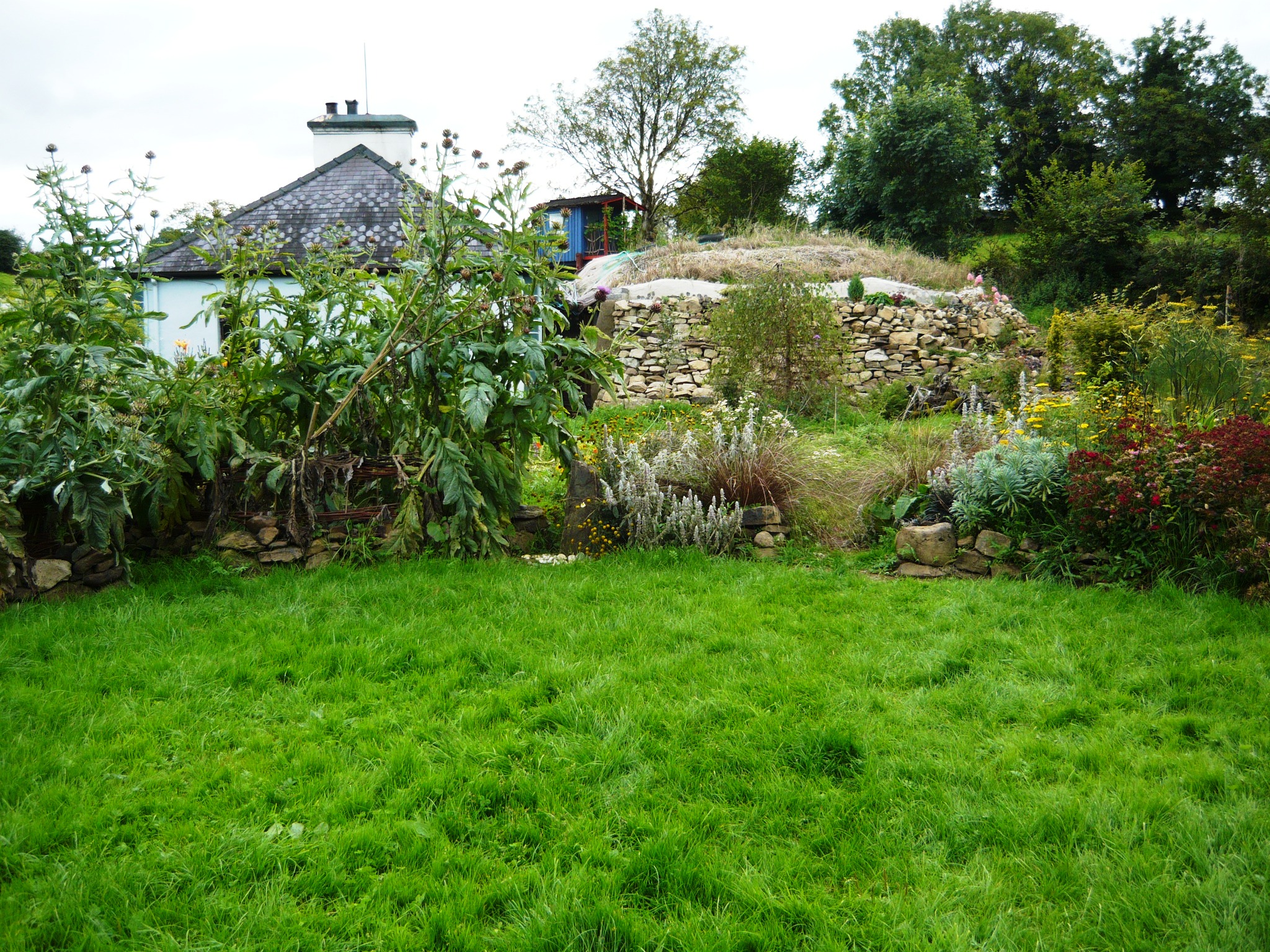
Our main circle has really put on a show this month with all the lovely red crocosmia in the south fiery section. The cardoons in the west have grown very tall and our willow fence we wove in early spring has prevented most of them from blowing over. We are happy with the grass bed we planted in the east section; most grasses have really taken off.

East

East

South

South

West

West

North

North

crocosmia

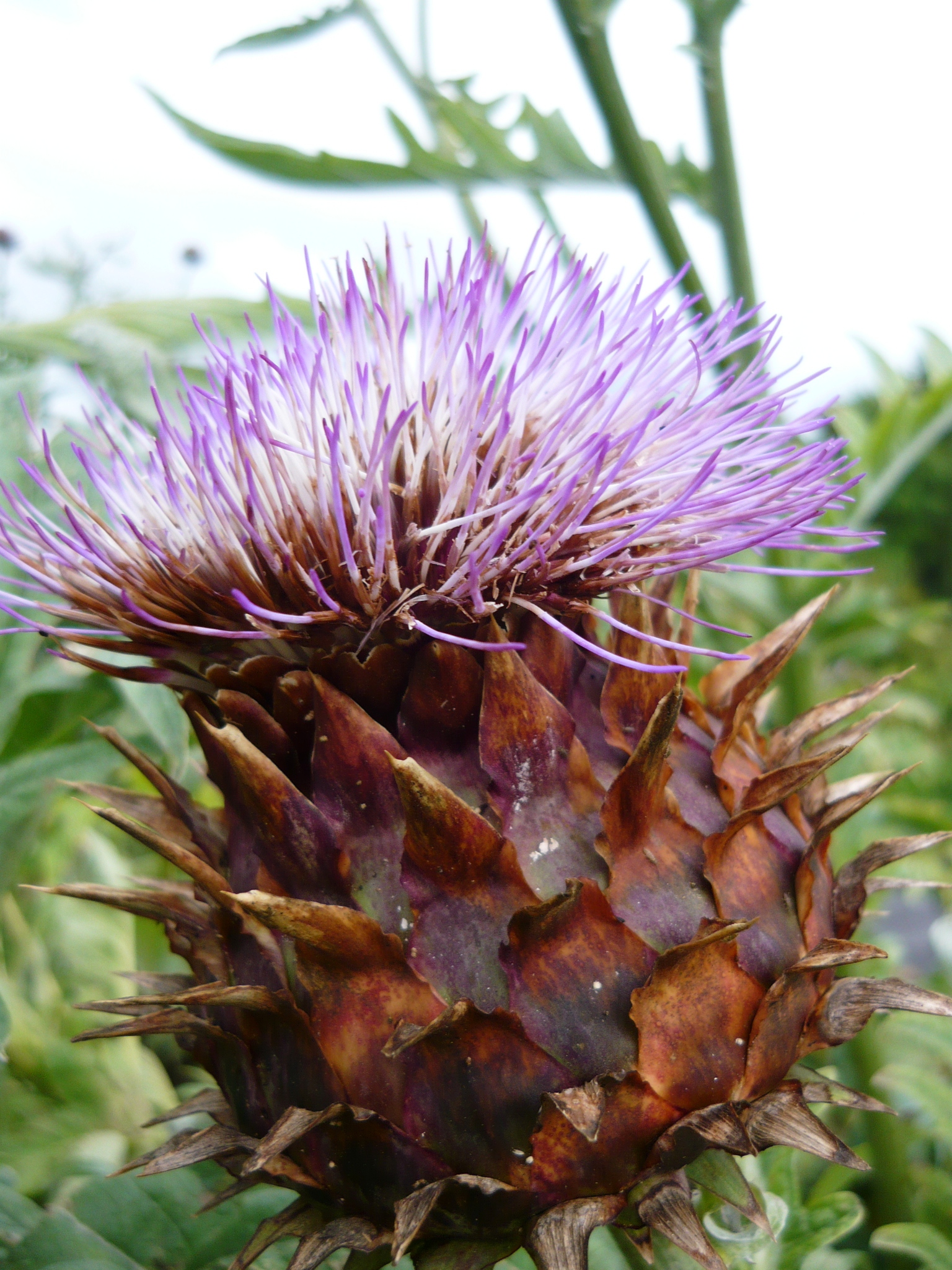
Cardoon

Grass garden

All in all, perennial, biannual and annual flowers give a garden almost instant appeal, and do not be afraid to experiment. If something outgrows its space or if too many weeds pop up in the bed, rearrange your plants to suit the space. Most perennials do not mind being moved, but you should wait until autumn or early spring, when they are dormant. Take some photos in the summer to remind you what the bed looks like as it makes it easier to adjust your plantings. We love all our colourful flowers and cannot imagine the garden without them. Collect and scatter seeds about where you want more flowers or plant them into seed trays to grow on a bit first, before planting out or giving to friends. Some people plan their colour schemes very carefully but we do not fall into that category. In our garden there are a lot of happy accidents and we think it all looks beautiful.

Verbena bonariensis

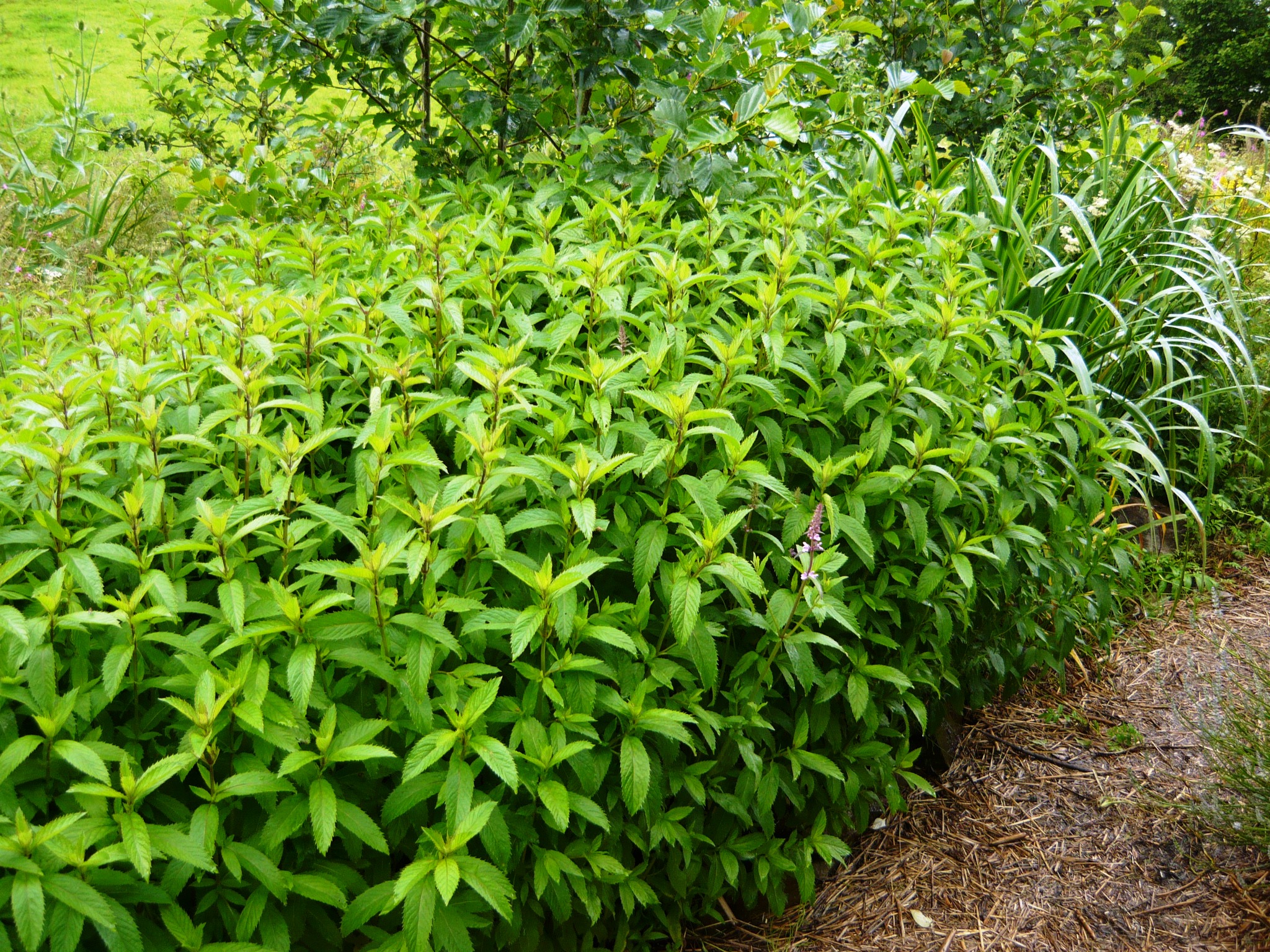
Fishmint

Herbs

A colourful harvest on a grey day.

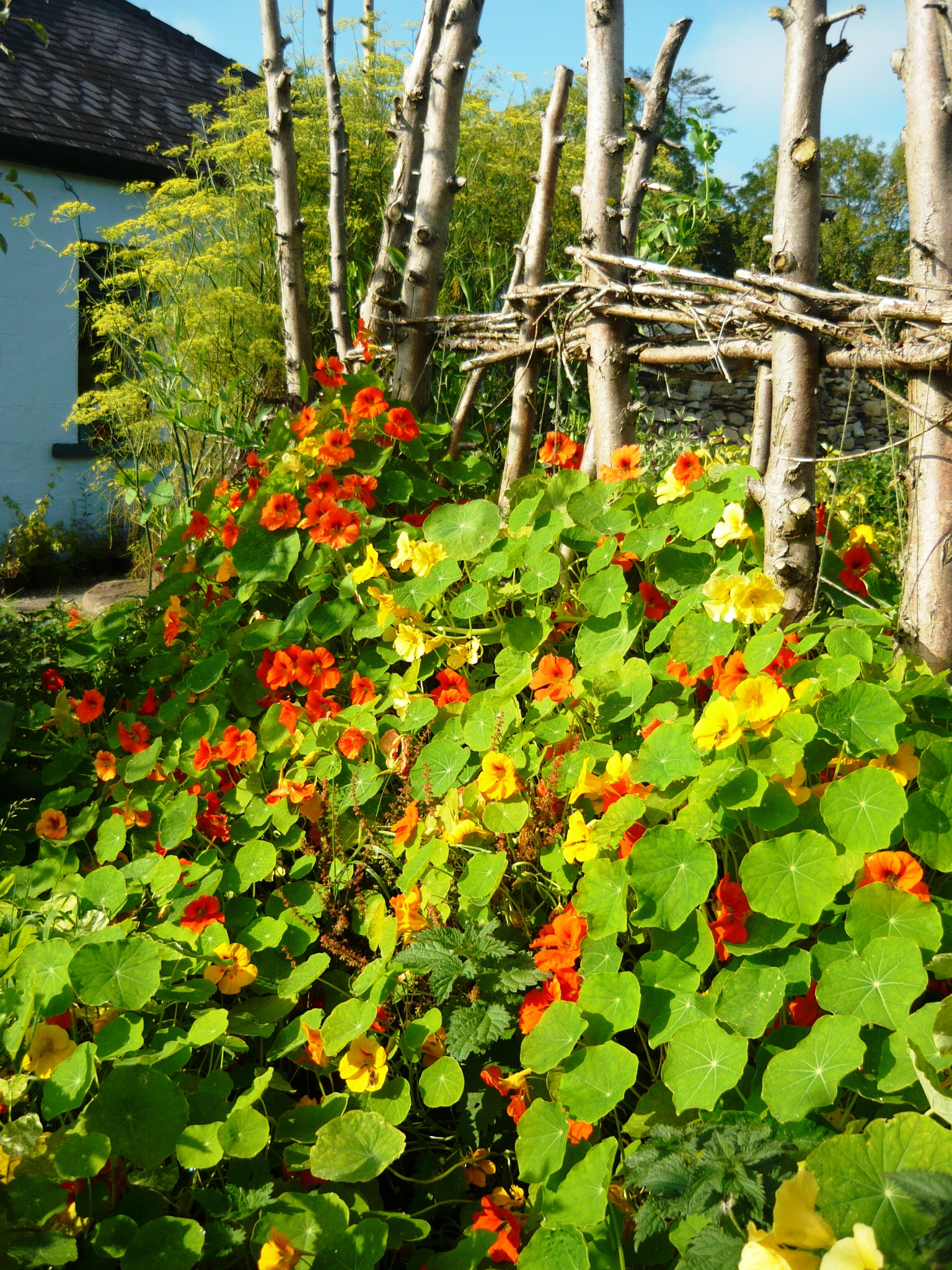
harvest nasturtium

It is harvest time in our garden and almost every day we are bringing in something tasty for the dinner or to store for leaner times.

harvest

We have recently adopted a lovely young dog, and between training her and building our extension, most of the growing season has been very busy.  Today it was time to harvest our onions and shallots and as you can see in the picture; our onion bed was completely covered in weeds and plants this morning. We have been growing nasturtiums for three summers now. They self-seed prolifically, taste nice, bring in pollinators to the vegetable plot and look very cheerful on a dull rainy day. Another reason to have them in the vegetable garden is that they act as weed suppressants and if they get too big and start to shade out your crops, they are very easy to pull out.

harvest onionbed

We started our onion harvest by pulling out most of the nasturtiums and weeds and after that it was very easy to get the onions out. We put in small sets in spring and have been eating and giving away lots of lovely fresh onions all summer so today we were surprised to find that we still had enough onions to fill a whole wheelbarrow. The only problem is that we have had a very wet summer here in the West of Ireland and they cannot be put out in the sun to cure and dry up a bit. We are planning to tie them into bundles and hang them from the roof of our open shed where the sun might shine on them once in a while, but the rain can’t get to them. If it works out we are hoping to be self sufficient in onions up until midwinter at least.

harvest onions

The weather has been very wet but it seems to have benefitted the members of the onion family. We bought a bag with about 15 shallots in spring and today we harvested hundreds. Each set had grown into a big cluster of plump healthy looking shallots.

harvest cluster

harvest shallots

Another crop we were looking forward to check on were the potatoes we planted on St. Patrick’s Day. The tyre stacks had grown quite high and we pulled apart one stack of the long fingerling ratte variety and two of the blue ones. The ratte potato is a French second early variety and the tubers had grown all through the stack but as it has been a very cold summer the harvest was not as big as we had hoped, but we are looking forward to tasting the ones we got. They are supposed to have a chestnut flavour. Our blue potatoes were growing close to the ground and had no tubers near the top of the stacks, but the ones we harvested were very big and healthy looking. We have not had any problems with blight.   We are not sure of the variety but are looking forward to baking, frying and mashing them.  We still have six more stacks to harvest in the next week or two.

harvest potato stacks

harvest ratte

harvest blue potato

harvest potatoes

Our runner-beans are called sunrise but so far there are only pretty flowers to look at and no beans. It has been too cold for them to really flourish.

harvest runnerbean

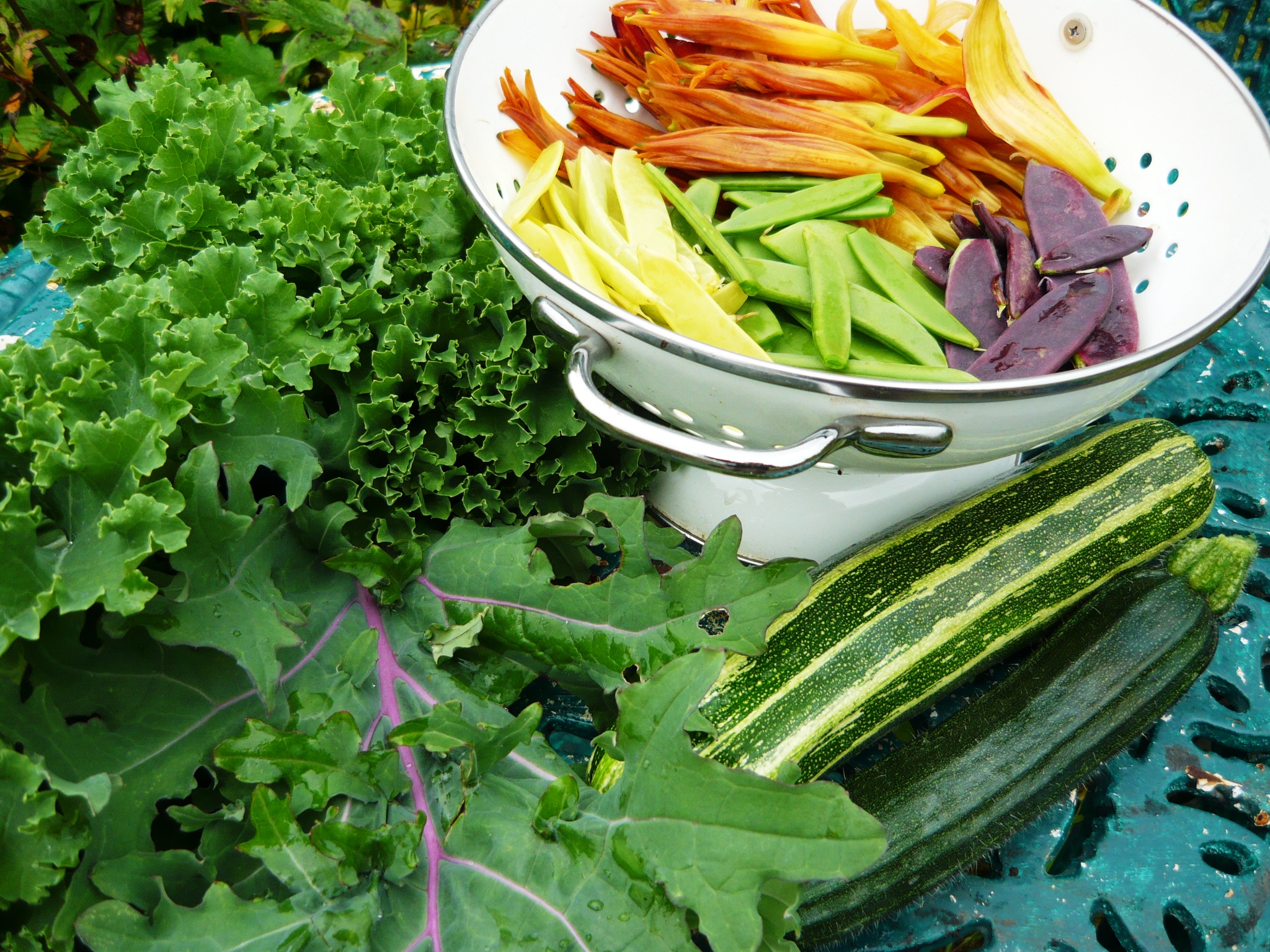
We are growing purple, green and yellow peas as well as lots of daylilies for stir-fries. The daylilies (hemerocallis)  are very tasty and can be picked as buds, flowers or the day after they have flowered for stir fries. They are eaten regularly in China and yellow daylilies are sold dried under the name of golden needles for soups and stews.  As far as we know, not all varieties are edible so use caution and do some research about yours.

harvest peas

All in all it has been a very wet and dull summer but we are happy with our harvest, despite mostly ignoring the kitchen garden and letting the weeds run riot we have enjoyed many tasty meals this summer and we are looking forward to the continued harvest.

harvest apples

Behind the scenes.

When we were making the herb-vinegar and natural air-fresheners we wrote about last week one of the younger members of the family said ‘I don’t like blogs, they only show the pretty and tidy bits. Not what is really going on’.

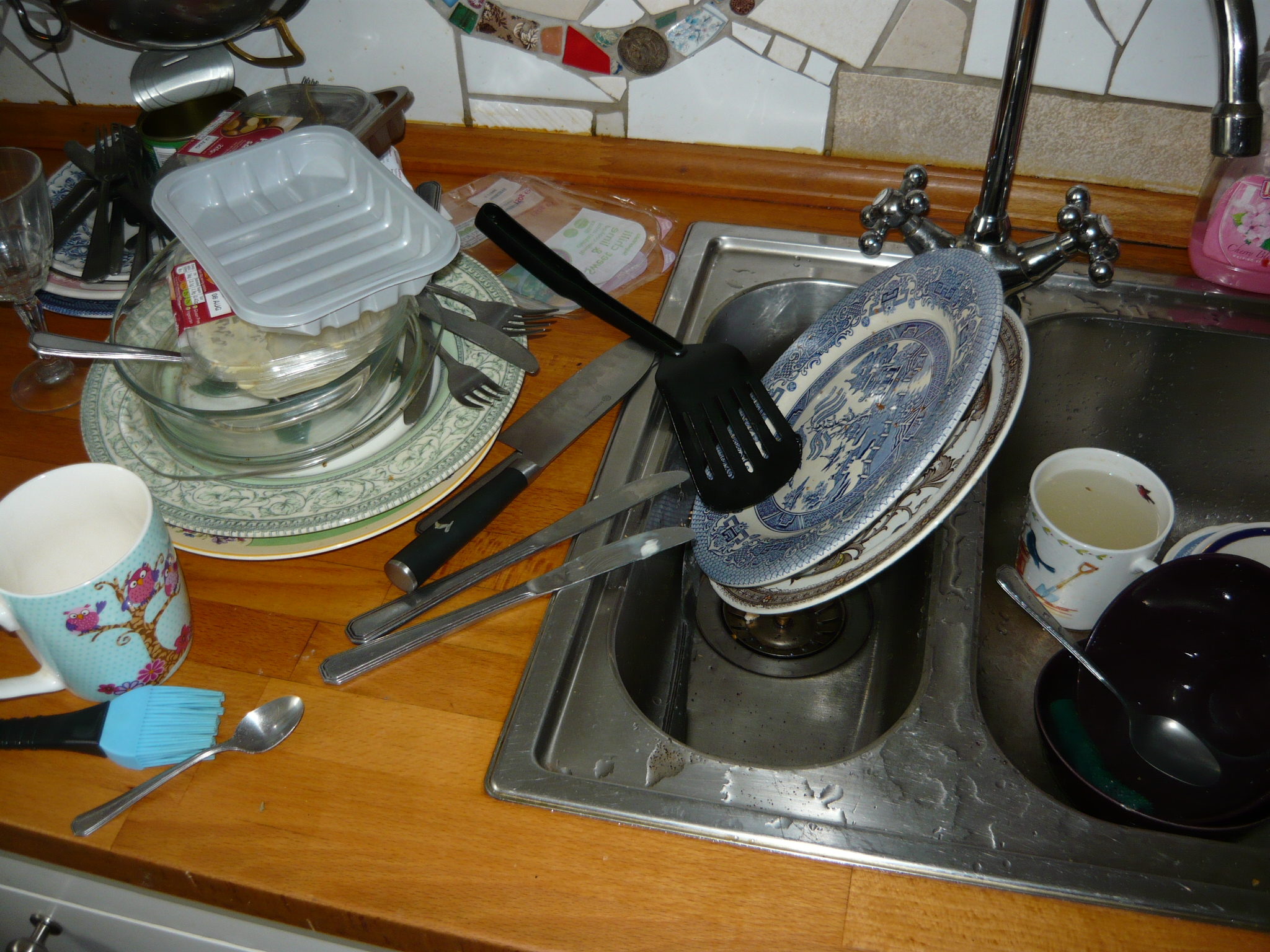
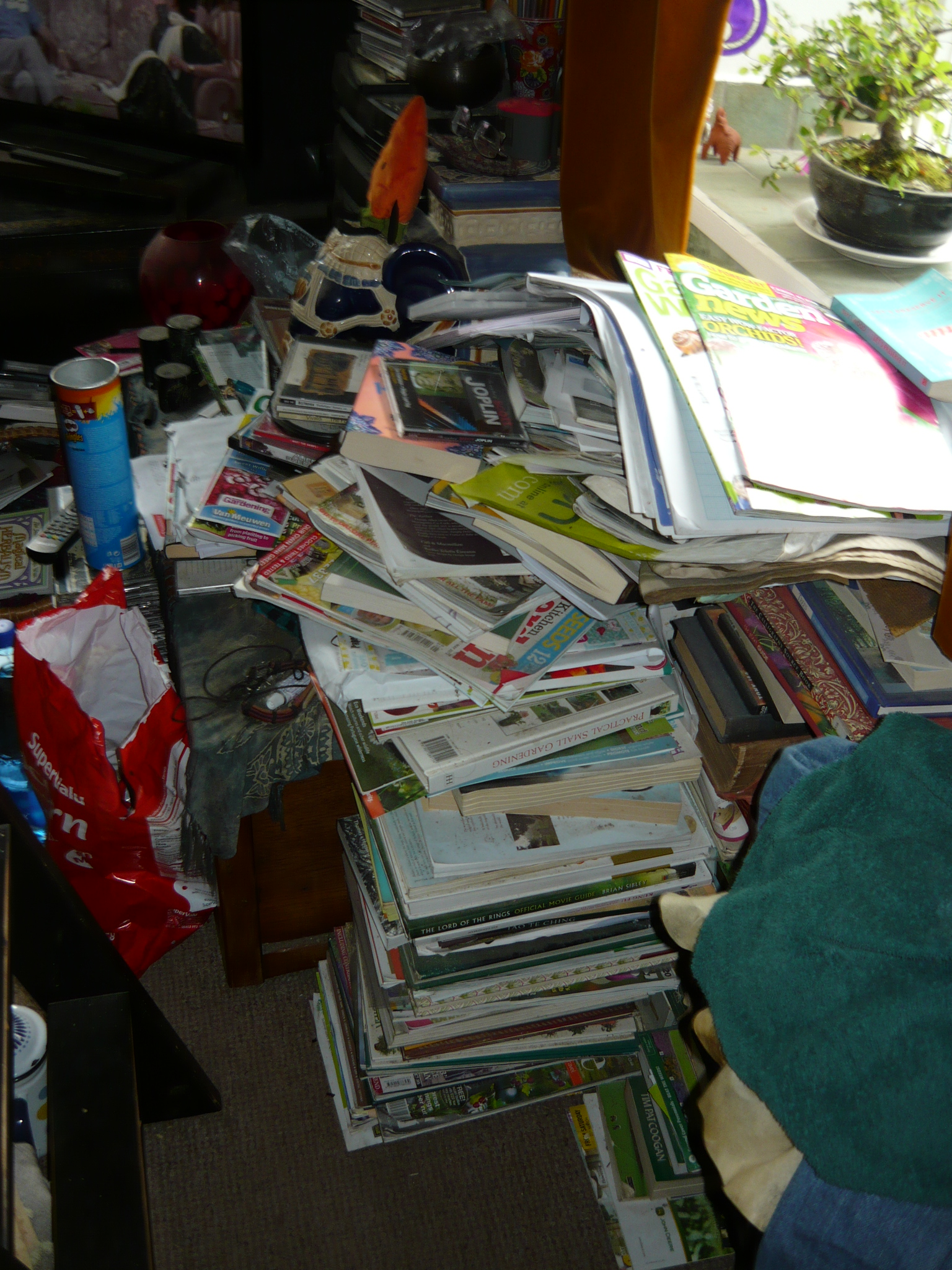
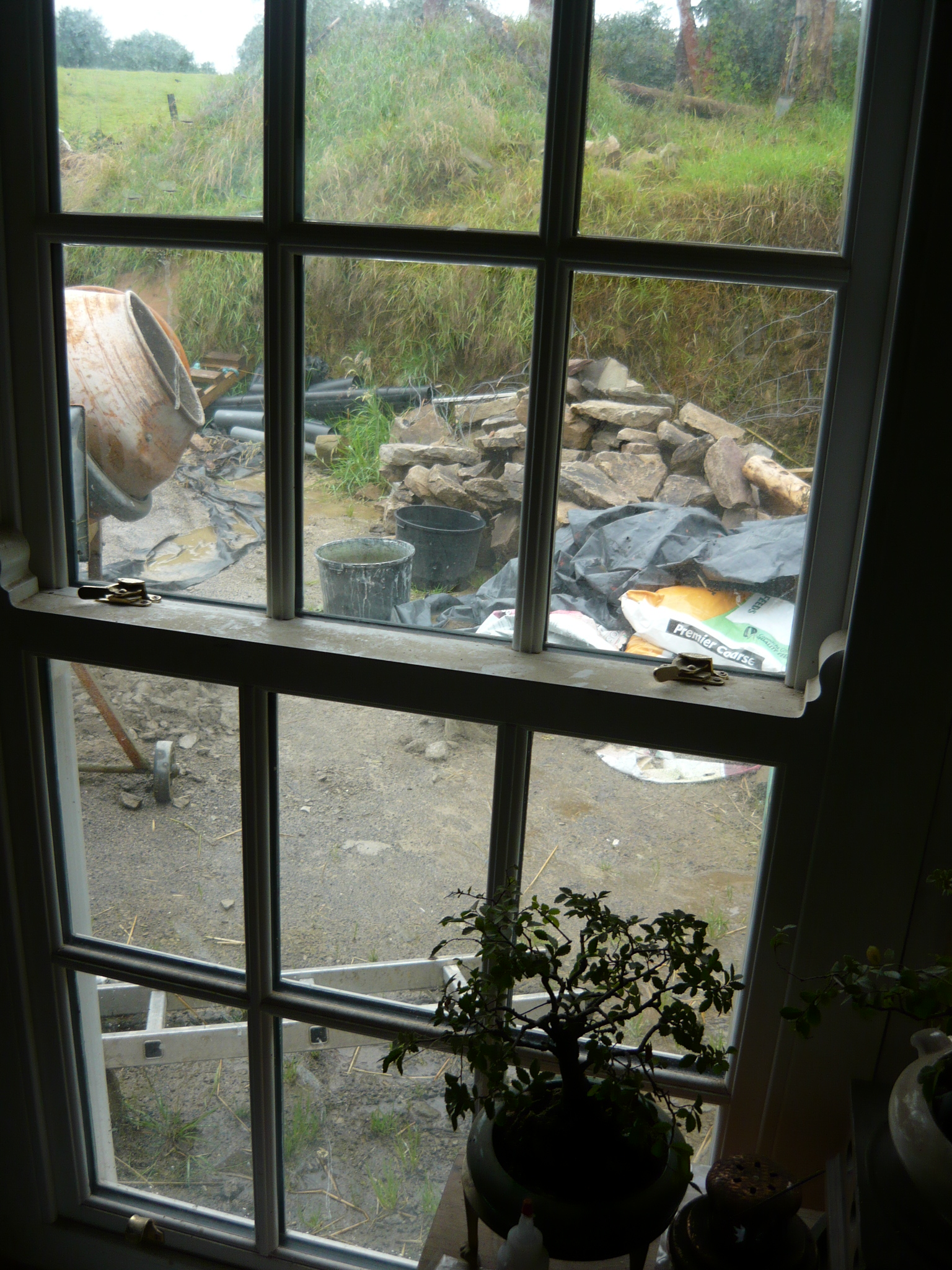
She does have a very good point. Many blogs are filled with pretty, manicured pictures and stories. With carefully and artfully arranged photos. We know we fall into that category. When taking pictures we always try to exclude any mess and untidy area and crop away areas that don’t look pretty enough. Many people have told us the pictures are beautiful and the blog is pleasant and interesting  to read but is it a true picture of what is going on? Not by a mile.

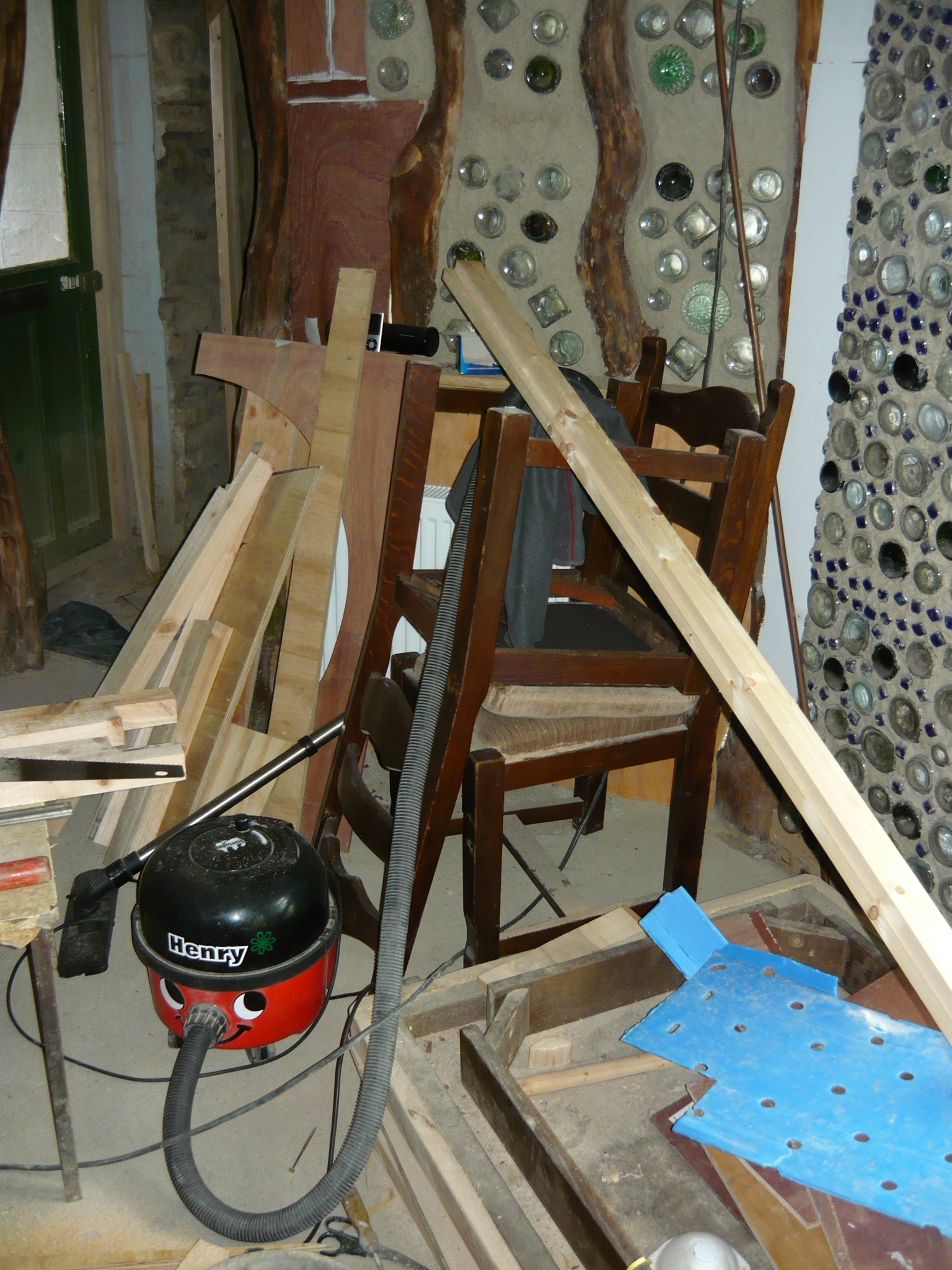
mess shed

Our messy shed.

mess rubble

Building rubble and old bathroom roof mess, with a beautiful bonsai in the middle.

We are two and a half years into creating a productive garden for ourselves and the local wildlife.  We are renovating  and extending our cottage at the same time as keeping our family of six in clean clothes, cooking and eating reasonably healthy and regular meals and trying to keep the house clean and somewhat tidy. Those tasks can be quite difficult as our entire house measures 7.5 by 8.5 meters on the outside. With thick stone walls that leaves us with a total of about 45 square meters. It is almost impossible to keep it tidy with four teenagers and two adults sharing this space. When you have been hard at work for hours moving barrow-loads of manure, mixing cements, digging drainage ditches or weeding in the garden, it is hard to find the energy to defrost the fridge or face the mountain of dirty dishes in the kitchen.  If we get a text or someone calls and tells us they are coming for a visit a few frantic moments follows when we are trying to tidy up the worst of the mess.

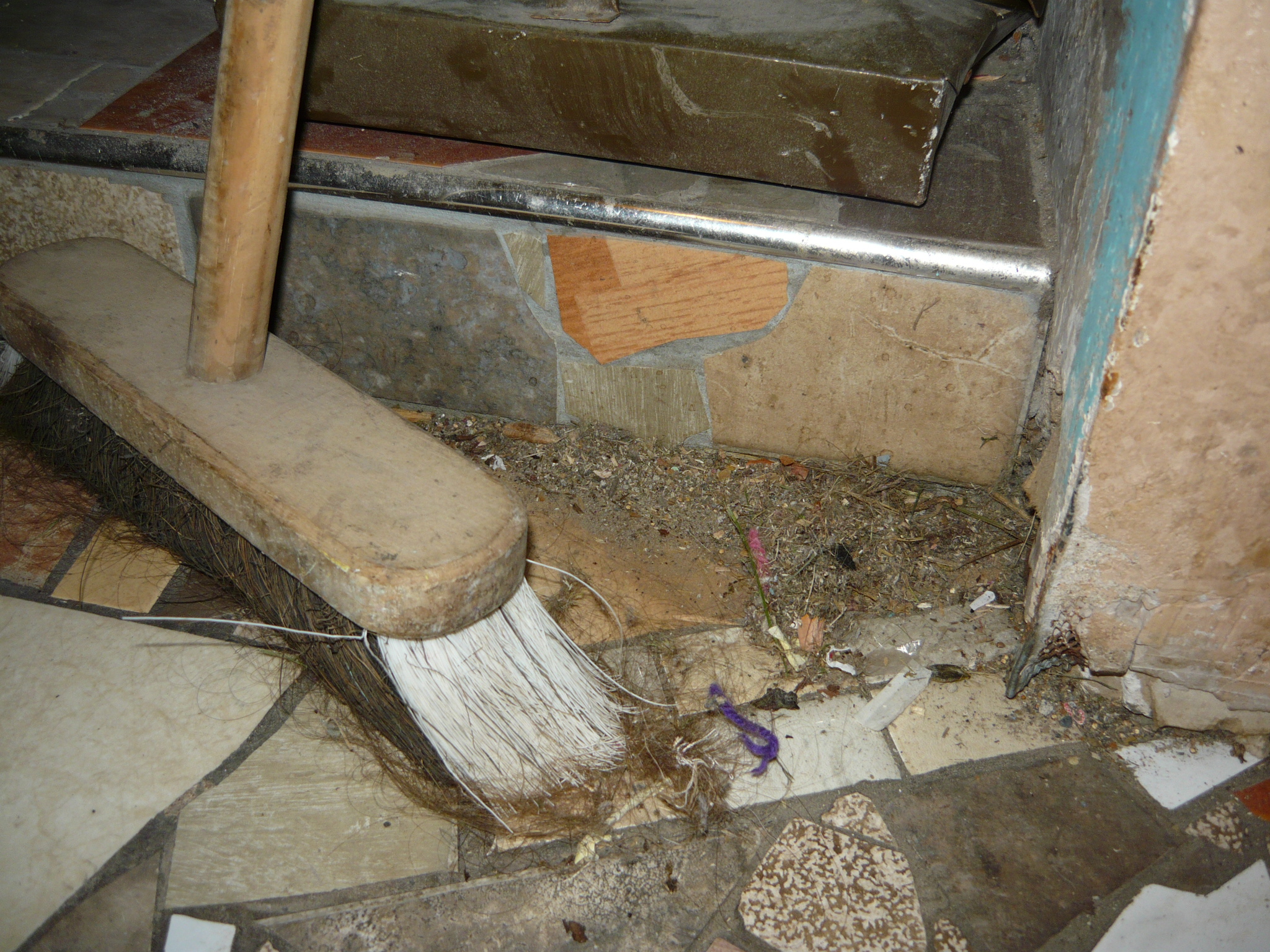
floor sweepings

Floor sweepings and an unfinished corner of the kitchen.

mess 2 005

mess

mess tools

Building mess.

 I, the main writer of this blog walk around the garden and building site apologizing for the mess, telling people how difficult it is to keep on top of everything. Usually people are impressed with everything we have done since their last visit or if they are around for the first time interested in our somewhat unconventional building and gardening techniques and they don’t seem to mind the mess at all. So why this worry and panic about letting other people see the way things really are around here?

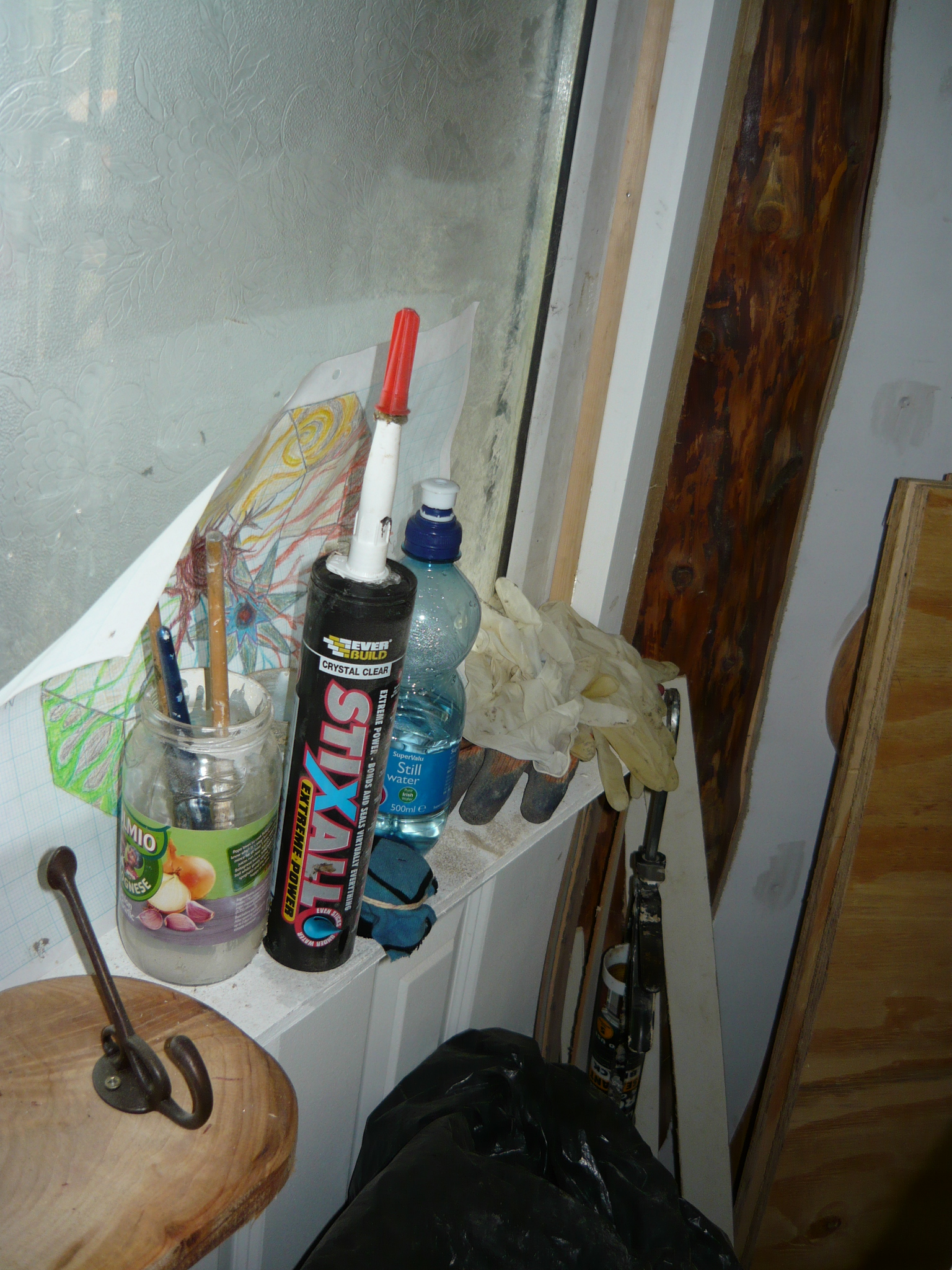
mess shed

More shed mess.

Lots of people ask how we manage to do everything. The answer is that we don’t.  The truth is that if we tried to stay on top of this mess, we would not have a lot of time over to build the extension or create the garden. Sometimes we tidy up a certain area only to find that it quickly reverts back to it’s old state. We are slowly moving from a complete mess all over the house and garden to a more finished and beautiful place but to try and not allow for any mess in the process would be a fatal mistake. We have decided to be brave in this post and show you what it really looks like around here. We think it will be a good thing as the main aim of this blog is to encourage others to do what we are doing. But if we portrait our journey as a painless, easy and always fun one it is probably not of much help. We are just like everyone else. We have good days and bad days. We have meltdowns and arguments. We even have piles of dirty washing and mounds of building rubble in the garden. Many days are full of slippery muck, cold rain and sore backs. But if we did not have any troubles and struggles we probably would not appreciate the sweet days as much. Days when we are all getting along brilliantly and the sun is shining and there is laughter all around the house and garden.  Days filled with flowers and good food and friends.

mess 049

Rubble mess.

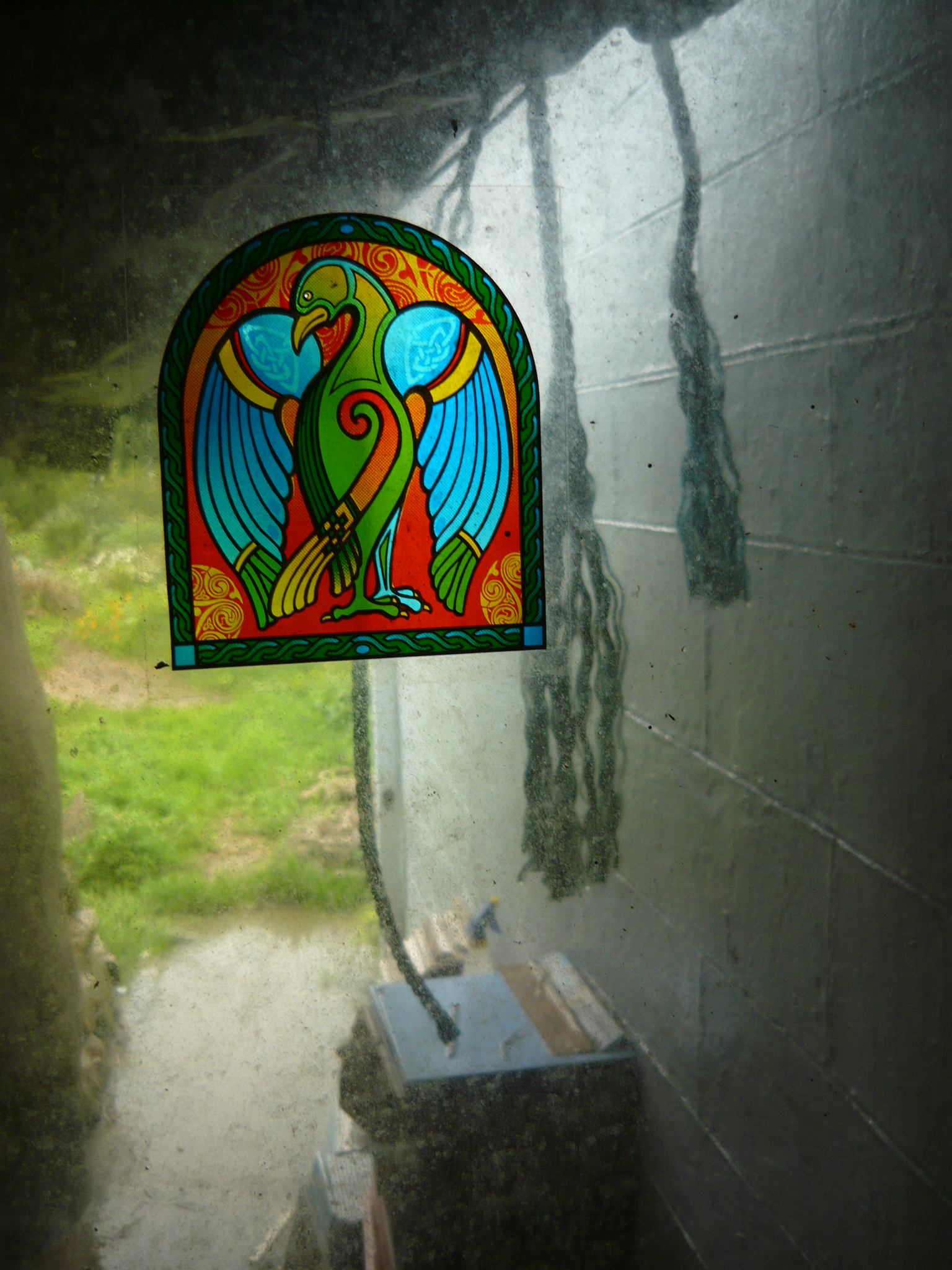
mess 2 012

Dirty window.

Another good thing with posting these pictures is that we don’t have to apologize the next time some of you call in for a visit. You will already know that we are not perfect…

Washing up

Washing up mess.

mess

Mess of books, cd’s, magazines and dvd’s.

mess 2 004

Messy view.

But we think it is worth it.

garden july 018

Once in a blue moon.

garden july flags

We have reached the end of July and it is time to sum up a beautiful but rainy month in our garden.

garden july flowers

We have put in shrubs, trees and perennials since we started the garden in February 2013, at the time we moved in. We made the decision early on to start with the planting of the garden first and do only necessary renovations to the cottage in these first couple of years. Once you plant something it has a chance to grow and every year the garden changes and evolves. We are amazed at the rate with which our plants have grown and the garden looks very pretty and is already a beautiful and productive space, less than three years in. When we started out it was a field overrun with creeping buttercups and surrounded by a huge leylandii  hedge.

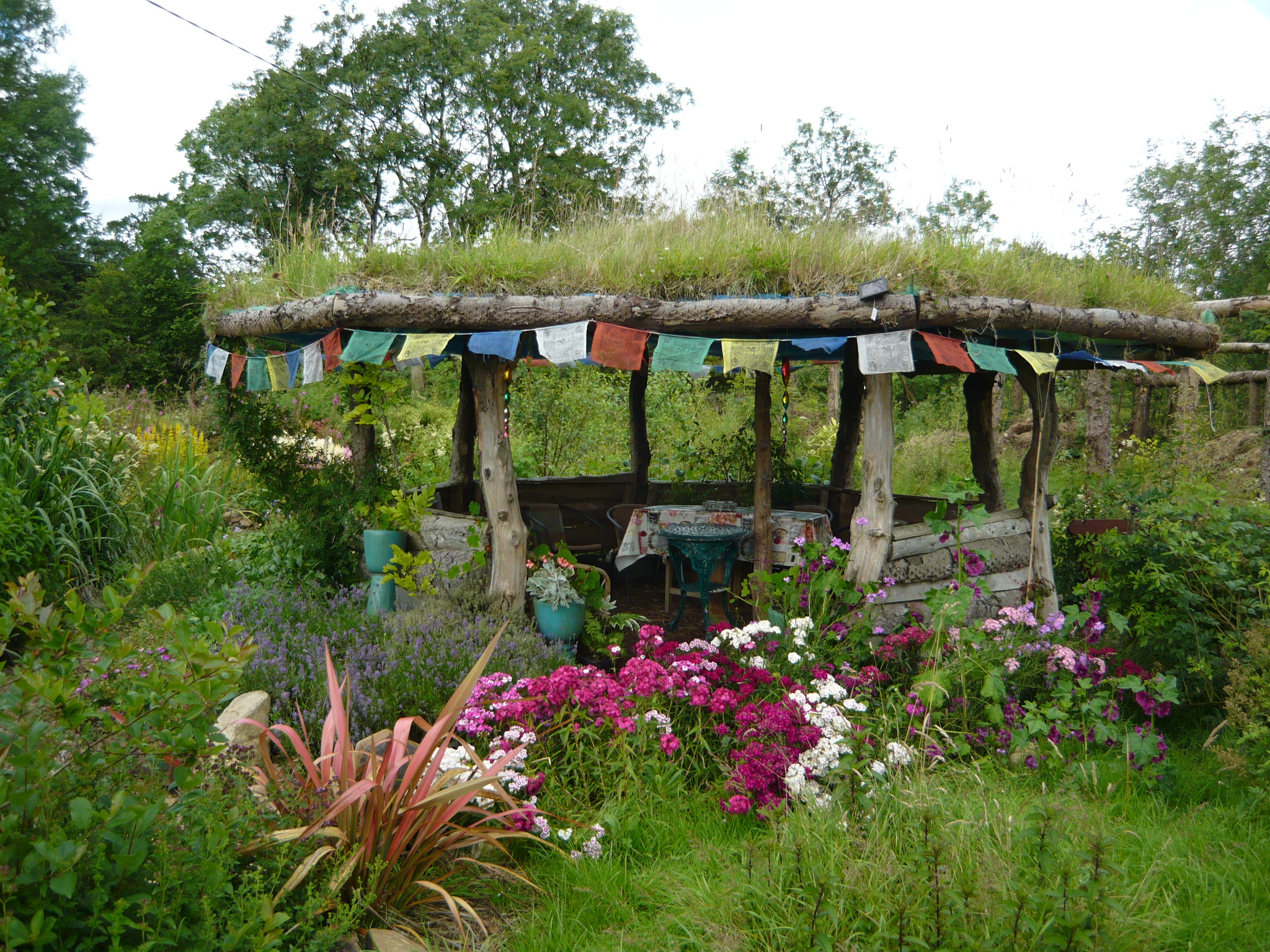
garden july gazebo

This month has been great for the garden as it has rained almost every day and our newly planted roses and climbers have really taken off. All the other plants have benefited as well but a little more sun would have more things in flower by now. We have spent our coffee and tea breaks in the gazebo…
garden july 106

garden july bridge

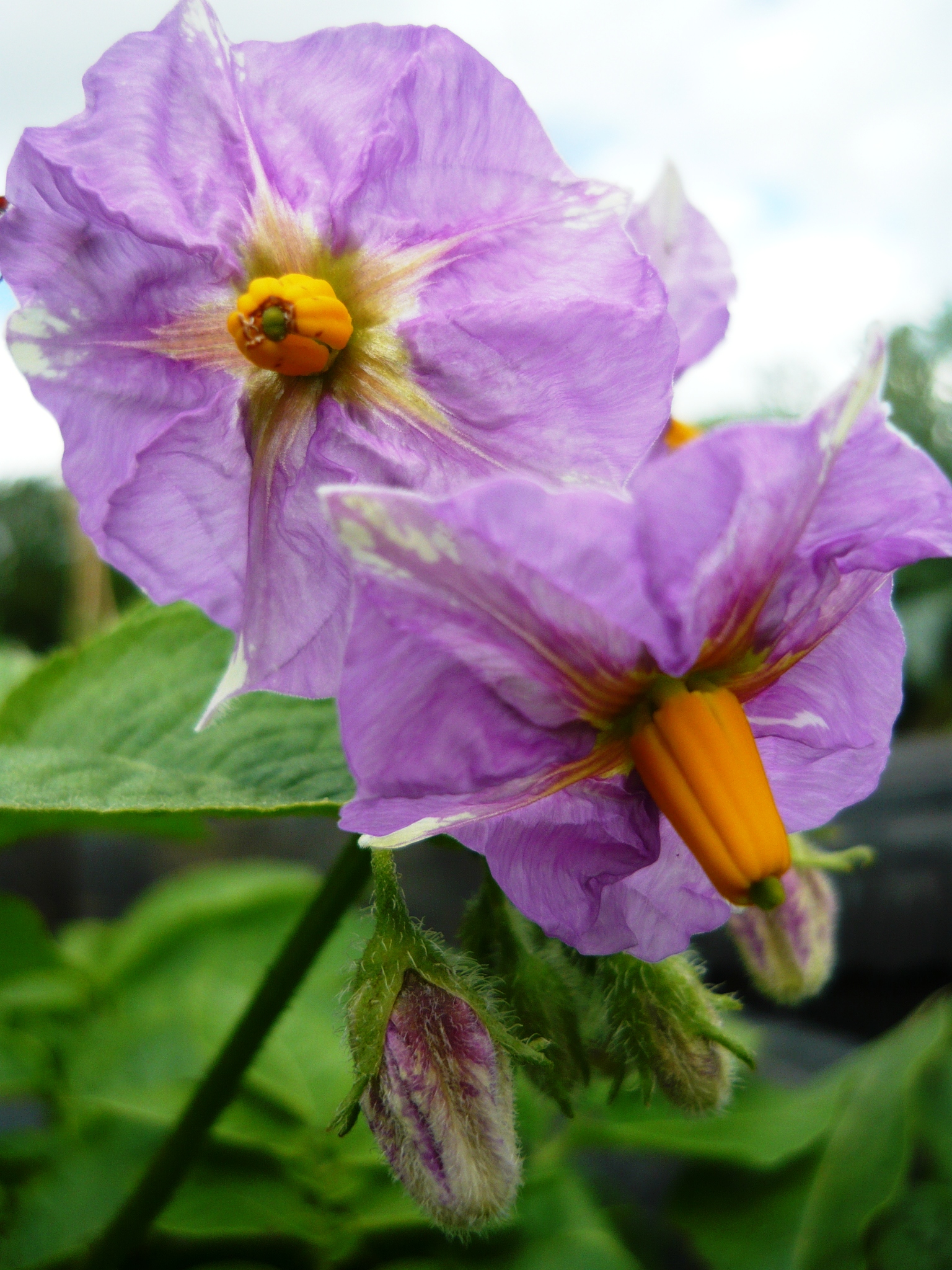
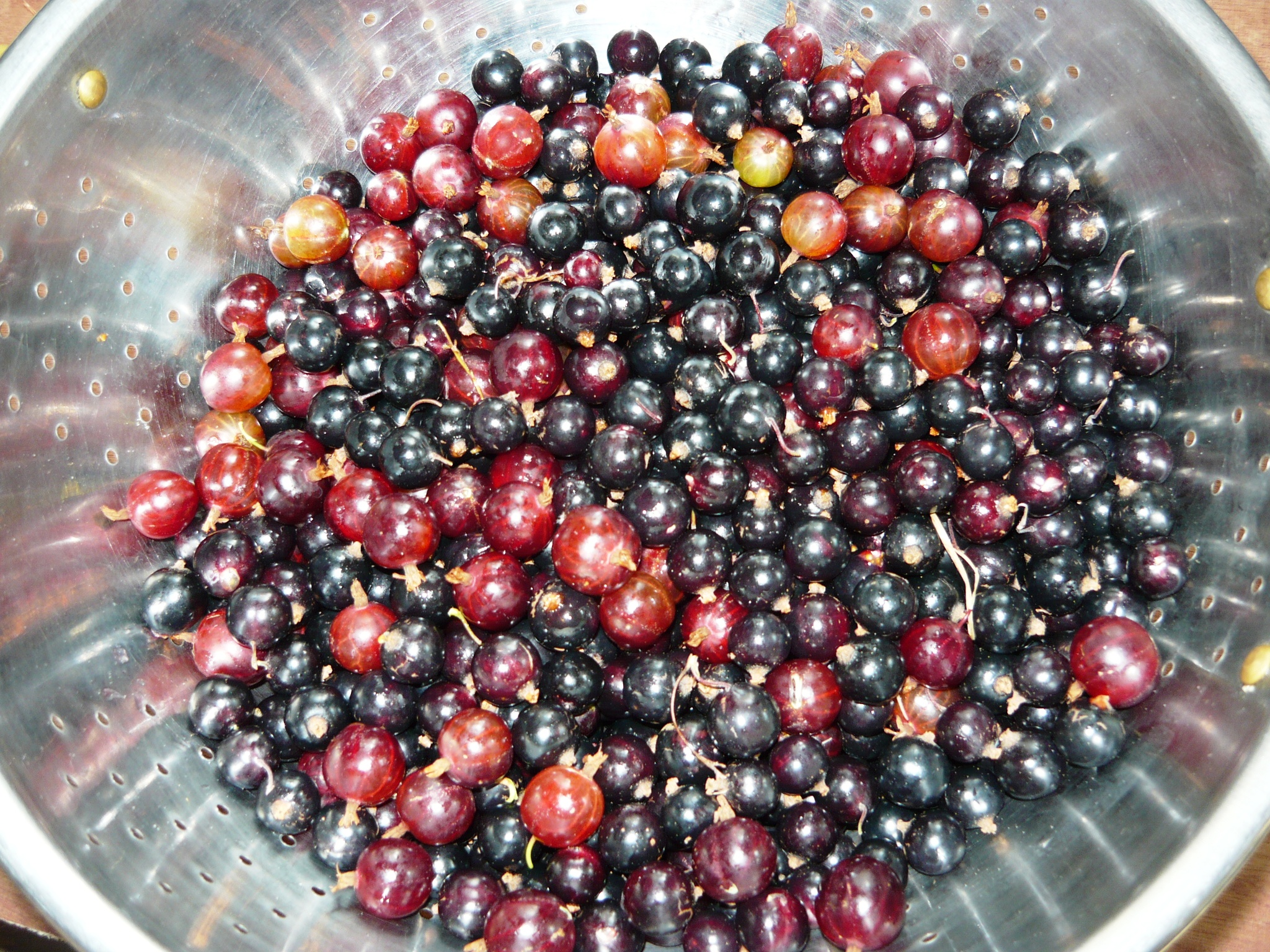
In the kitchen garden harvesting is in full swing with berries, onions, courgettes and peas for picking every day and our potato tower stacks growing very high. We were surprised when we first saw the beautiful potato blossoms, very different in the two varieties we are growing. We enjoyed a very tasty addition to our dinner yesterday when the Artichokes were ready for eating.

artichoke

potato

purple potato

berries

Our circle looks lovely even though we have been busy the whole month with our renovations and extension. It has a lot of weeds growing amongst the flowers but we just pull them out as we pass by. Apart from that all we have managed to do is cut the grass a couple of times but as long as the structure is there in a garden a few weeds do not matter too much and they can be removed as and when the opportunity arrives. We are planning to tidy the whole garden up in autumn, when the grass and weeds slow down. You can see what happens to the circle throughout the months in the category ‘Elemental circle’. For now we are anticipating the fireworks soon to take place when the crocosmia, Lucifer open its buds. It is a red explosion, not easily forgotten.

july east

East

garden july south

South

garden july west

West

garden july north

North

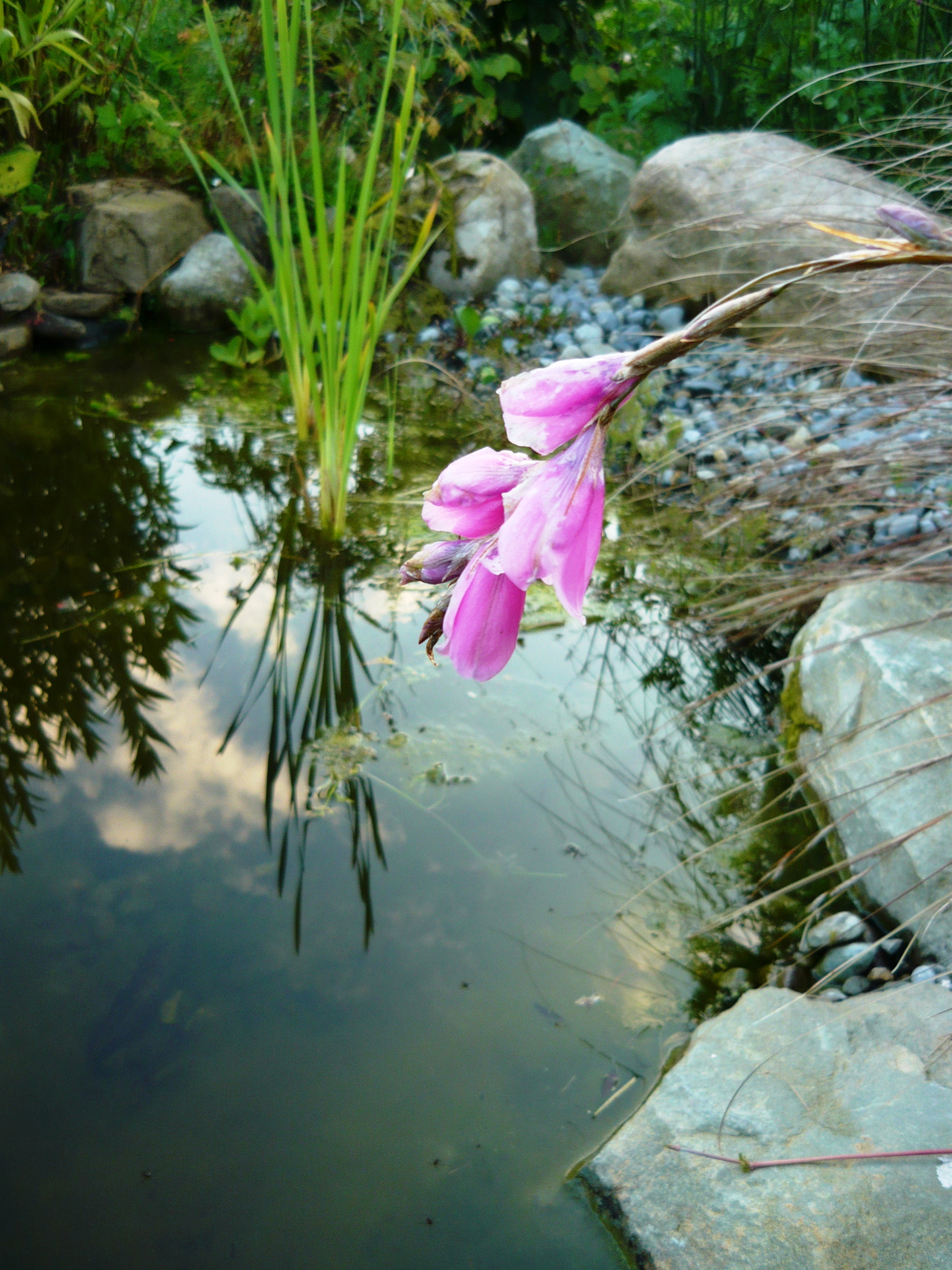
By the little wildlife pond the Angels fishing rods are just starting to open along with the single hollyhock called halo. Pure magic. All over the garden our mallows are now flowering. This evening we had a late walk around the garden, feeling thankful to be in this beautiful part of the world and looked at the full moon rising over the tree tops. A perfectly beautiful evening, once in a blue moon.

garden july angel

garden july mallow

garden moon

Blooming marvelous herbs.

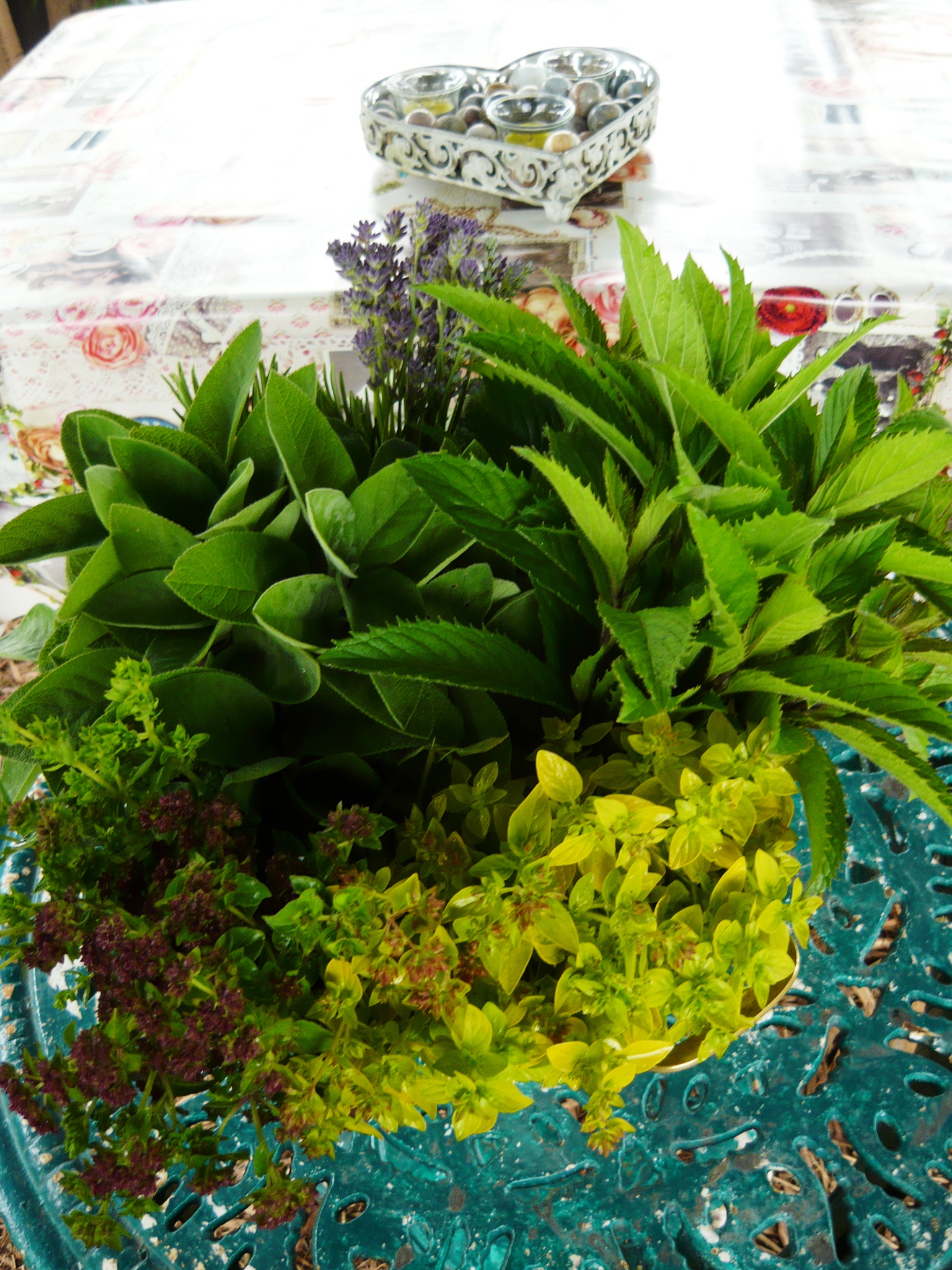
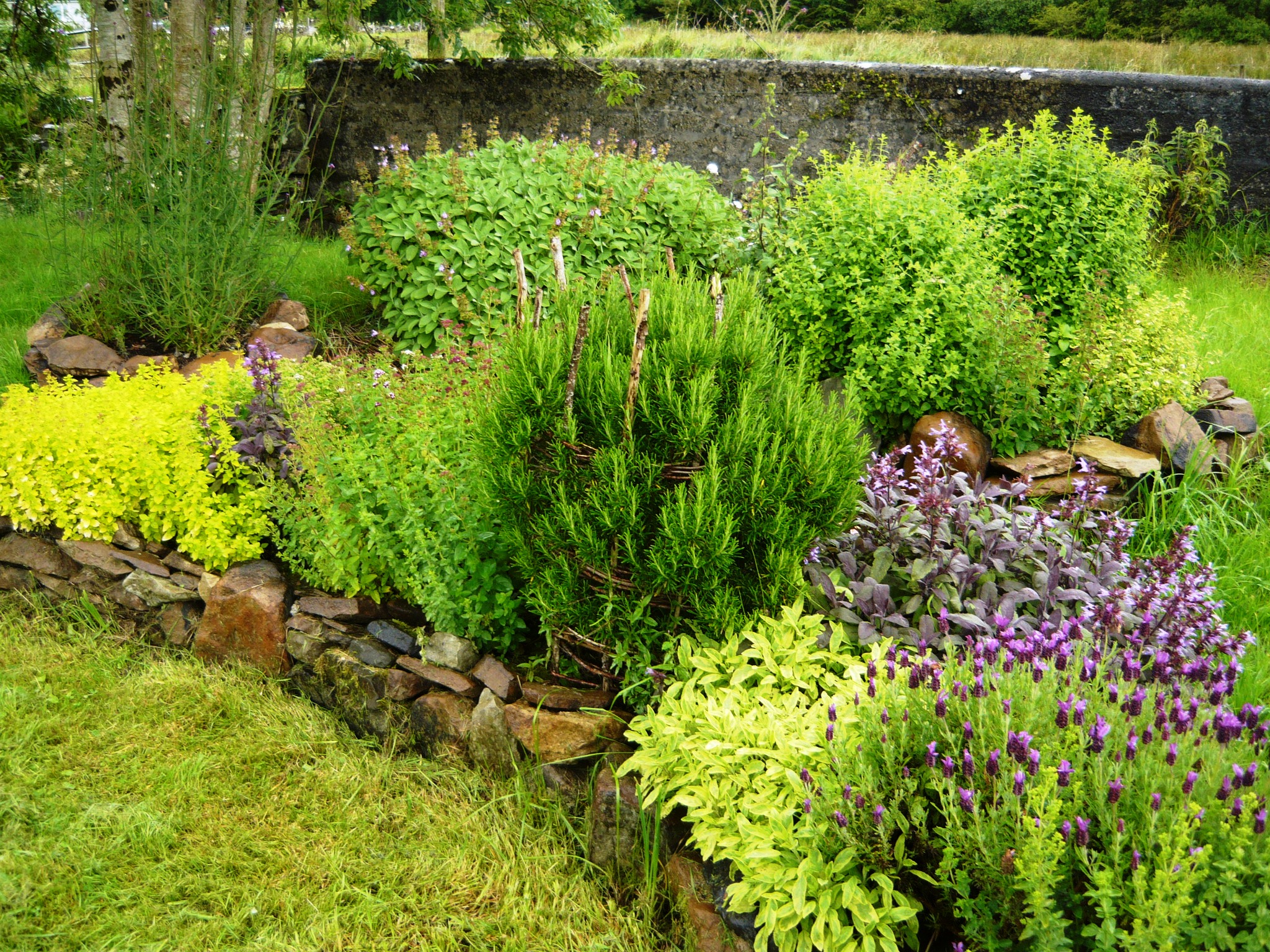
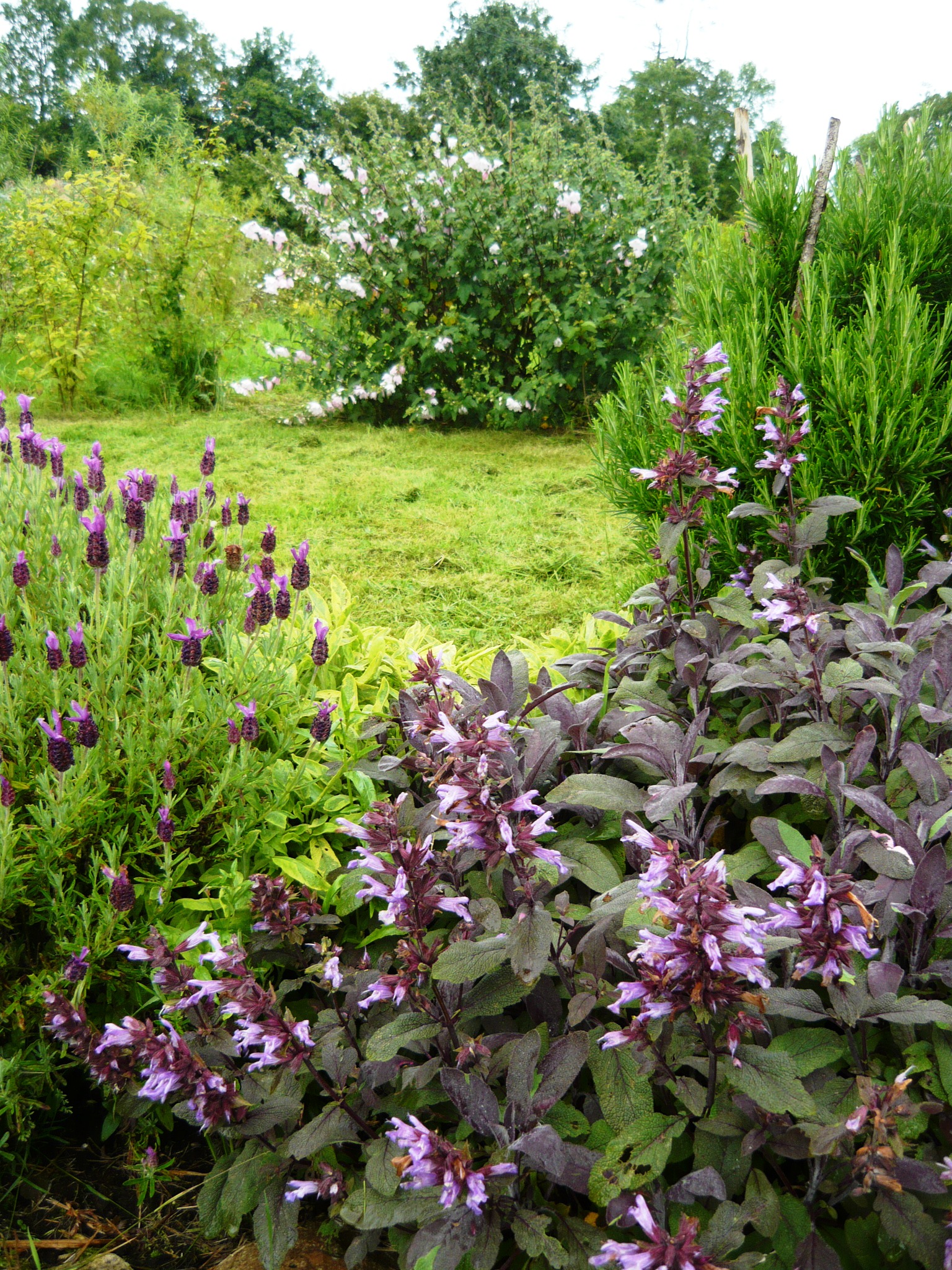
We have been waiting for about a week for the rain to let up so that we could harvest some of our lovely herbs, but today we decided to wait no longer. Most of them are at their peak now, lush and green and just starting to flower.

herbs 011

herbs 015

herbs 027

We wanted to keep some of this for the whole year and capture the smell and taste of many of the different herbs we grow in our garden.  Vinegar is very useful for all those winter salads and capturing the herbs by making herb flavoured vinegar is something we have wanted to try for a few years, so we were happy to find some tips about doing this in Beryl Wood’s excellent book, Let’s preserve it.

herbs 021

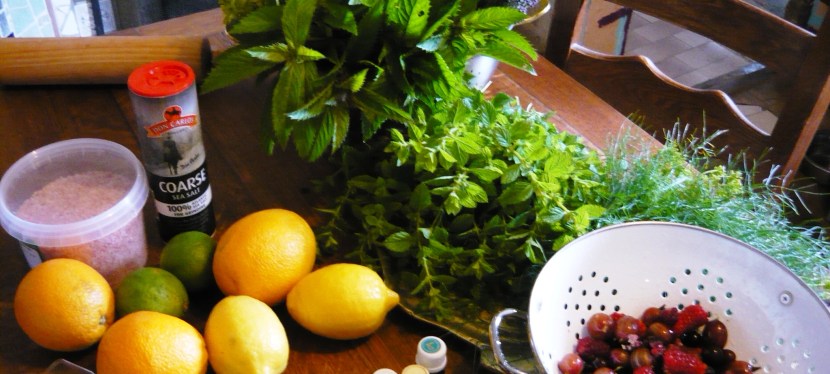
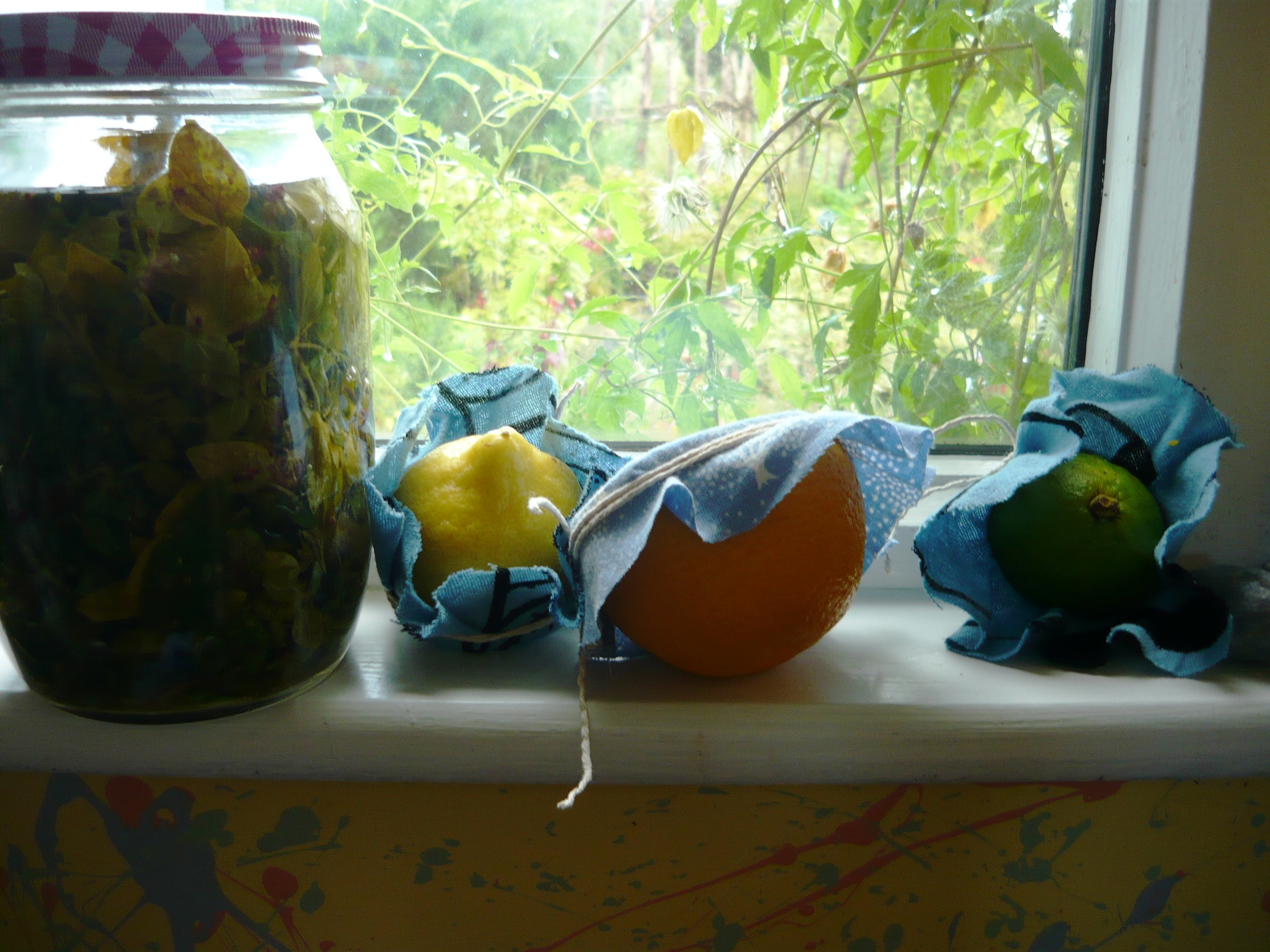
We started by harvesting some sage, lemon thyme, lemon balm, fennel, golden oregano and mint. We removed the tough stalks and used a rolling pin to crush them up, filling our jars half way up. We poured on our distilled vinegar, you could also use malt vinegar if you prefer or any other fancier variety. We bought some cheap vinegar as the herbs will give it a lovely flavour anyway and because we wanted to make a lot of it. We will shake the jars regularly over the next six weeks, at least once a week, and we will push the herbs down under the surface to preserve them properly. We are then planning to strain, bottle and enjoy them for the rest of the year.

herbs 040

herbs 063

We also experimented with some mixed berry vinegar, hoping to end up with something resembling fancy raspberry vinegar. Time will tell.

herbs 070

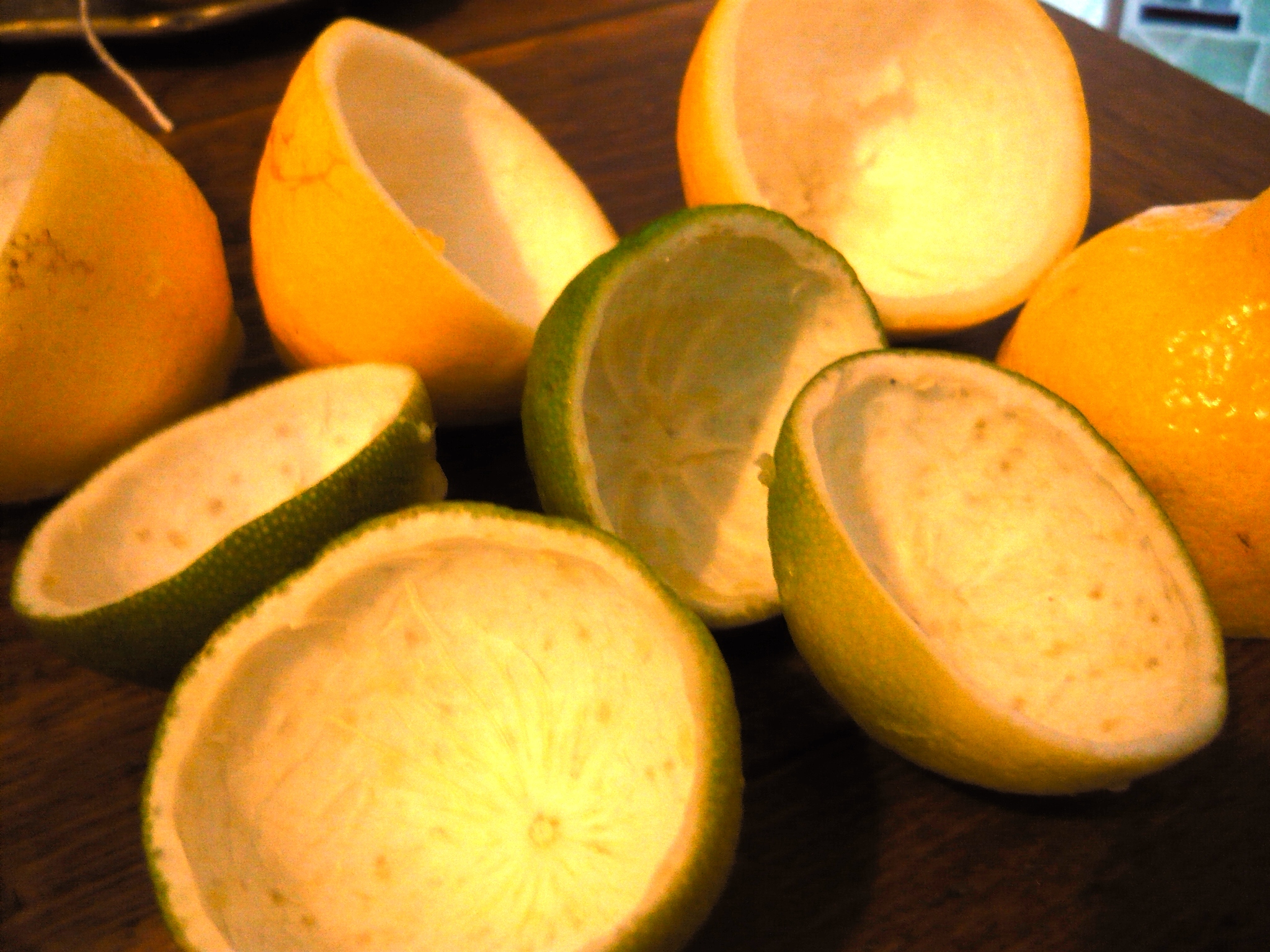
We wanted to try another thing we found in the UK Country Homes & Interiors magazine recently (August 2015). We try to use as little chemicals as possible in our home so the tips for making homemade citrus air-fresheners seemed very appealing. We started by cutting in half and juicing oranges, lemons and limes and removed all the white stuff, ending up with just the outer peels.

herbs 056

We mixed some ordinary table salt with some lovely sea salt and some Himalayan pink salt and put it in two different bowls. To the one for oranges we added lavender flowers from the garden, ylang-ylang, lavender and mandarin essential oils and to the one for lemons and limes we added chopped rosemary and clove, peppermint and rosemary essential oils. You could also add other herbs and your favourite spices to the mix. We then stirred for a good while to mix the oils and herbs well with the salt and packed our peels full of the mixture. To finish off we added fabric circles and string to keep the air-fresheners all together. This was quite fiddly to do but putting an elastic band around the fabric as you tie the string on helps a lot. We now have a sweet-smelling house with every room scented for very little money.

herbs 046

herbs 048

herbs 053

herbs 072

It is satisfying and comforting to think that we will be able to enjoy our herbs for a long time now, even after they have wilted and died back in the autumn.

herbs 019

herbs 069

A rose by any other name.

We believe William Shakespeare’s Juliet when she proclaims; ‘That which we call a rose, by any other name would smell as sweet.’ Roses are among the most romantic, fragrant and beautiful flowers to be grown in a garden. To most people the smell of roses evoke memories of bygone days, perhaps spent in their grandparents garden.

New dawn

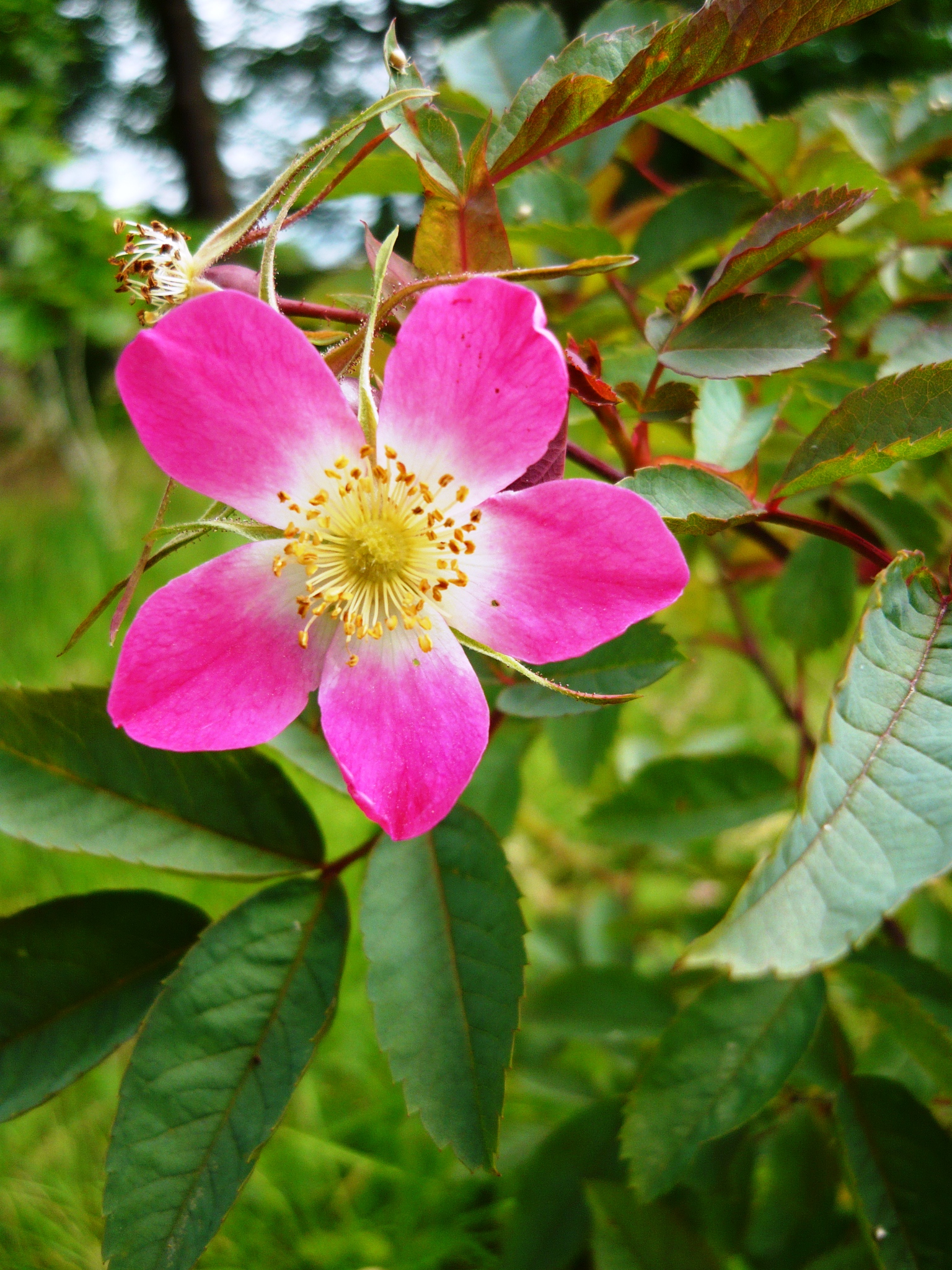
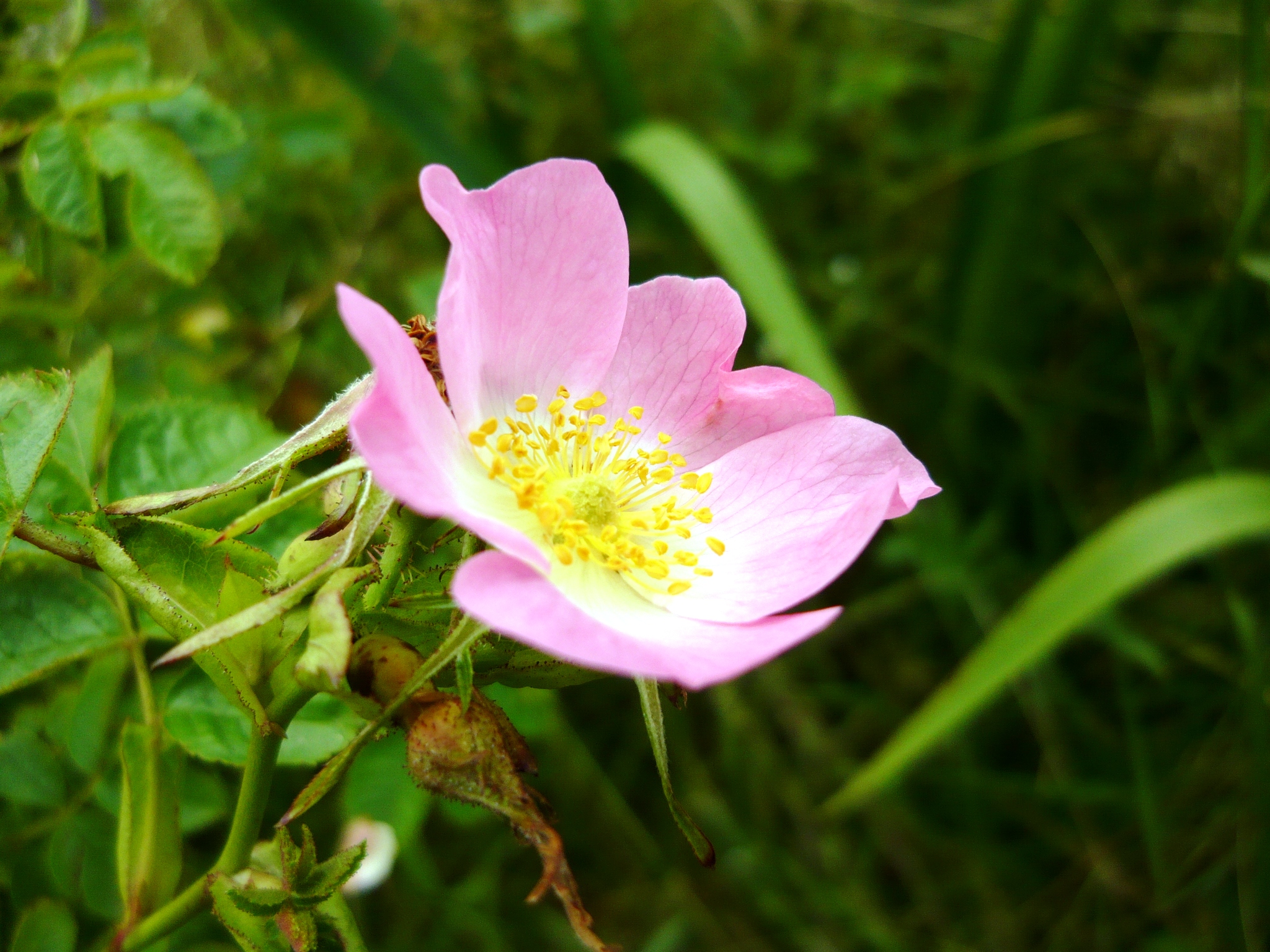
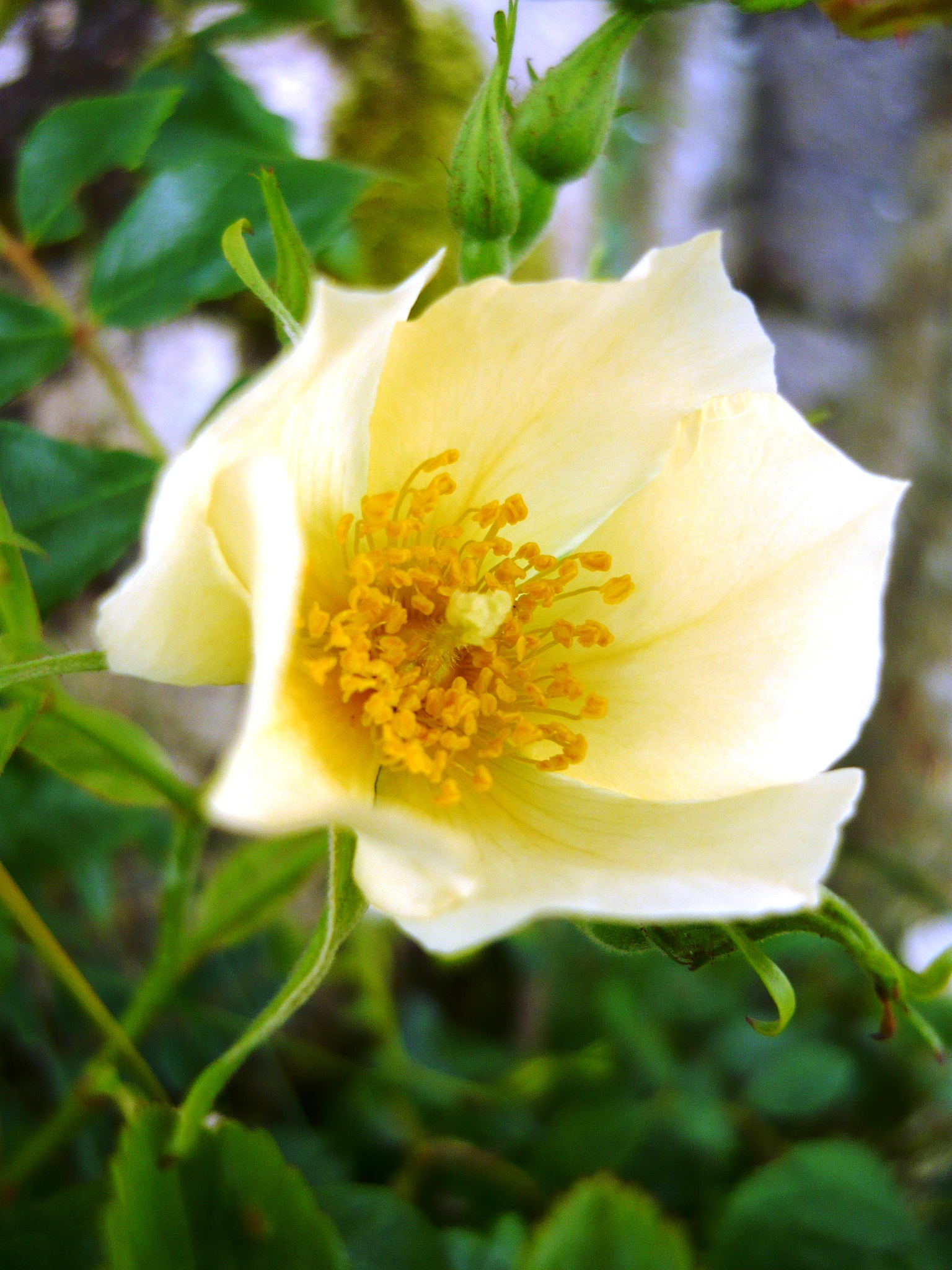
But we are not very fond of modern roses. For some reason they seem a bit out of place in our wildlife friendly, slightly overgrown garden. We do not have the time for careful pruning, feeding, watering and dealing with diseases they seem prone to. But who can imagine a garden without roses? There are endless culinary and medicinal uses for them, along with their beauty and the benefits to wildlife. So in the early spring of 2013, a couple of months after moving in, we ordered a lot of bare-root wild roses from Future forests in Cork. The beautiful field rose, Rosa Arvensis is now slowly covering the road bridge across the stream and a stunning pink Rosa Rubrifolia Glauca is slowly increasing in size on the bank of said stream.  Rosa Rubriginosa, the sweet briar is a lovely shade of light pink, and has a slight and delicate scent. Last month we enjoyed the beautiful bloom of the Burnet rose, Rosa pimpernelifolia. We found all these varieties suited our garden perfectly, and being single flowered, very useful for bees and other insects.

field rose

rose by stream

rose pink

sweet briar

Last spring we thought it would be great for us and all the pollinators we wish to attract to the garden if we planted some ramblers and scramblers to grow up our trees and across the stream so we bought a “New Dawn” to arch across the stream in the two ash trees we have bent down and connected. In another big ash we planted the beautiful, yellow ”Wedding Day” that slowly fades to white as the flowers age. To grow up the larch we choose “Paul’s Himalayan Musk”, a small flowering cluster rose with a fresh, beautiful scent.

rose new dawn

Wedding day

rose wedding day

roses himalayan's musk

rose and larch

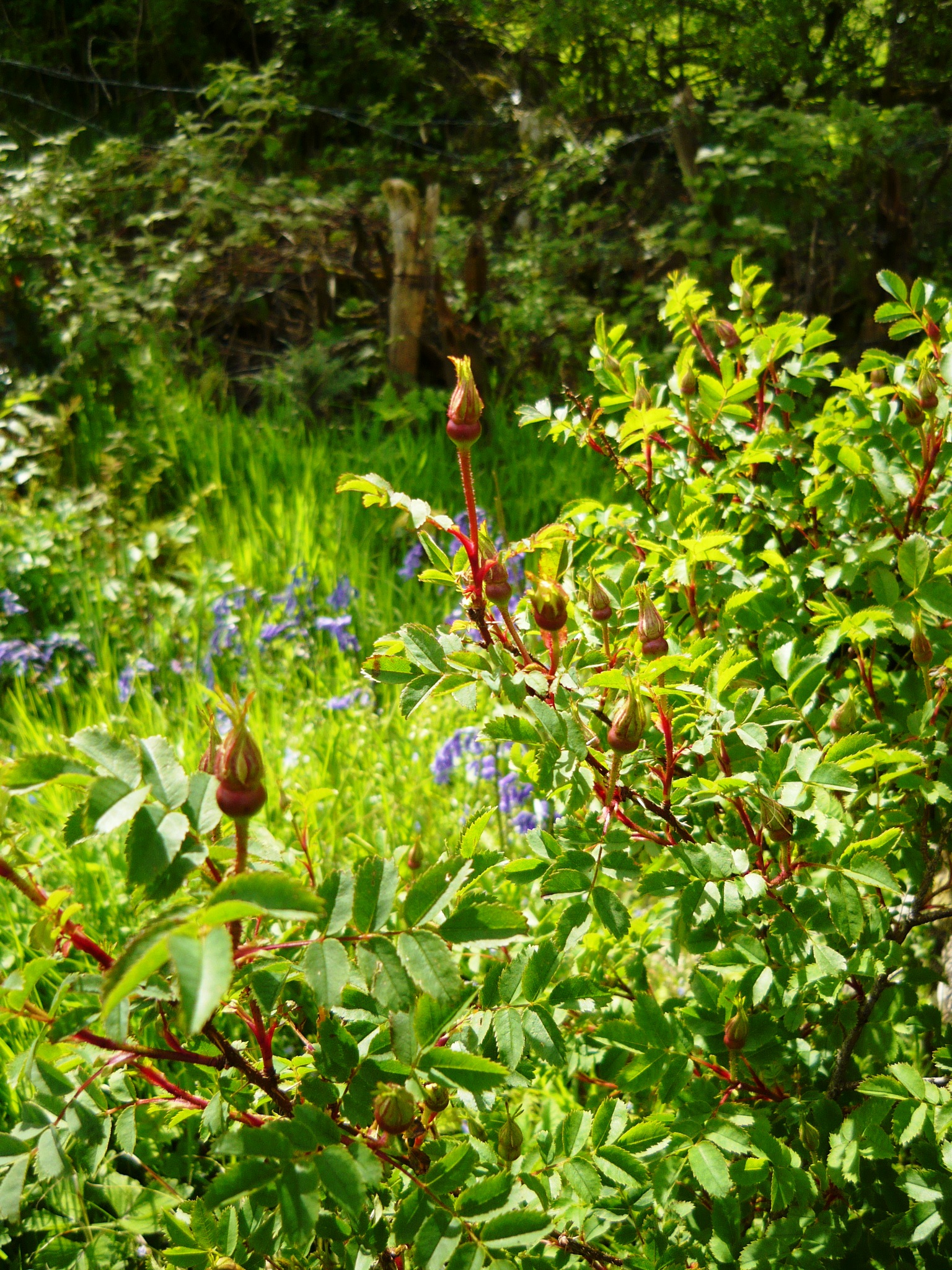
We also found an old groundcover rose at a local nursery, with a scent like old-fashioned cold cream and a useful spreading habit, along with a pink, strong old-fashioned climber that we do not know the name of, but which are often found covering old Irish cottages, even long after their inhabitants are gone. It is now growing in a few locations around our garden, but it is not yet in flower this year. But if you look closely you will find that even the buds of roses can be worth resting your eyes on.

rose ground cover

rose buds

roses pink buds

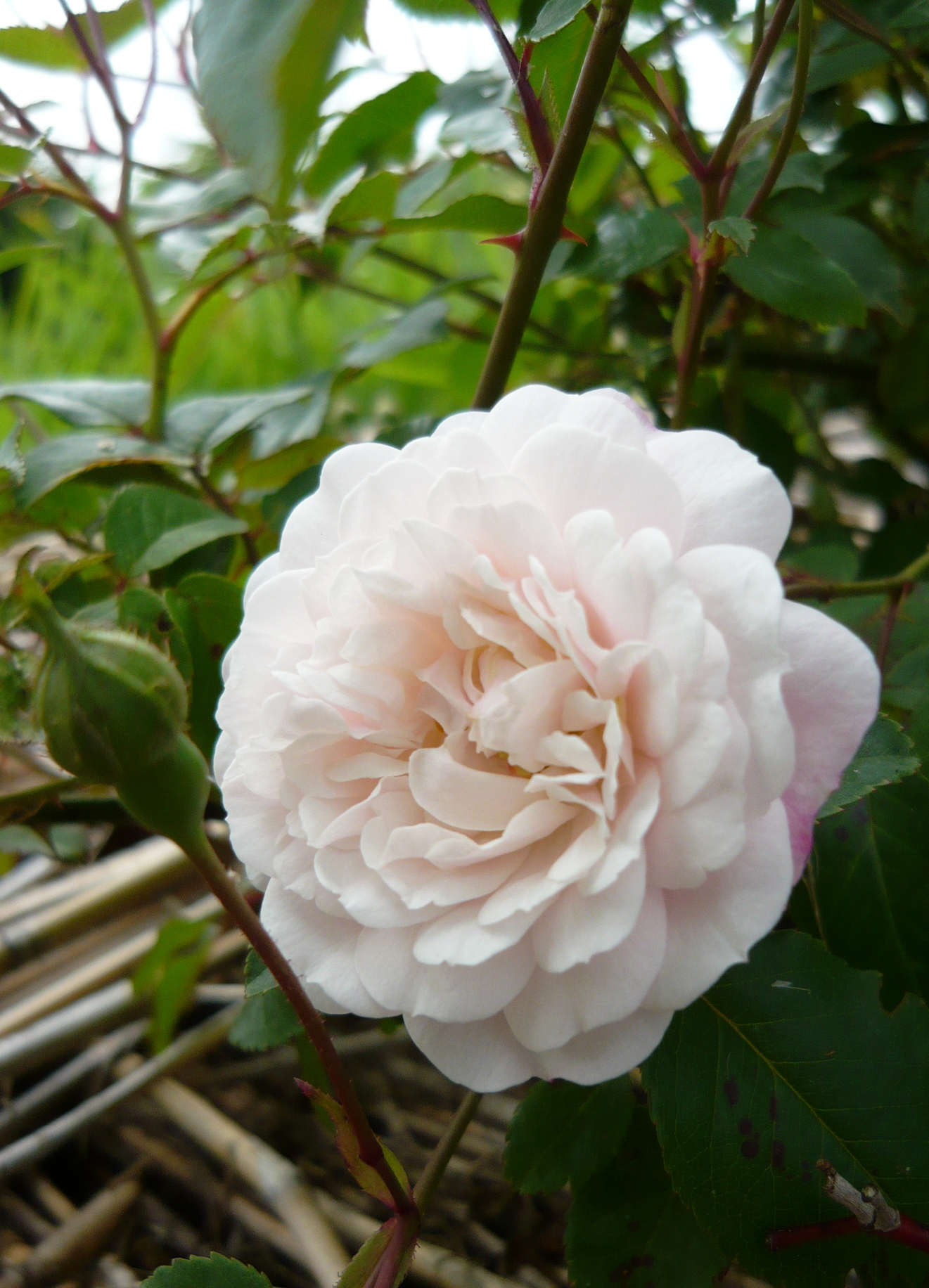
This year we had to cut down some old spruce that were becoming unstable in our woodland and that left us with a lot of space to fill with deciduous trees and climbers. We recently got a rambling rector and a sweet smelling beauty by the name of Madame Alfred Carriere, a rose with big cream colured roses tinged with pink. These are both reliable strong climbers that we hope will bring years of pleasure to us, and any visitors to our garden, humans and wildlife alike.So as you can see we are slowly moving from the wild and untamed towards more cultivated forms of roses. We belive this is as far as we will go. But who can know for sure? We might fall for some old moss rose like the beautiful old pink moss from the 1700-hundreds or the Apothecary’s Rose, Rosa gallica officianalis from the 1600-hundreds. And really, what harm could it be? Surely we have room for them all?

circle and wild flowers 127

roses

Fun with rhubarb and willow.

rhubarb casts

In the last week we have been hard at work on our extension but we have managed to fit in a couple of gardening projects as well.

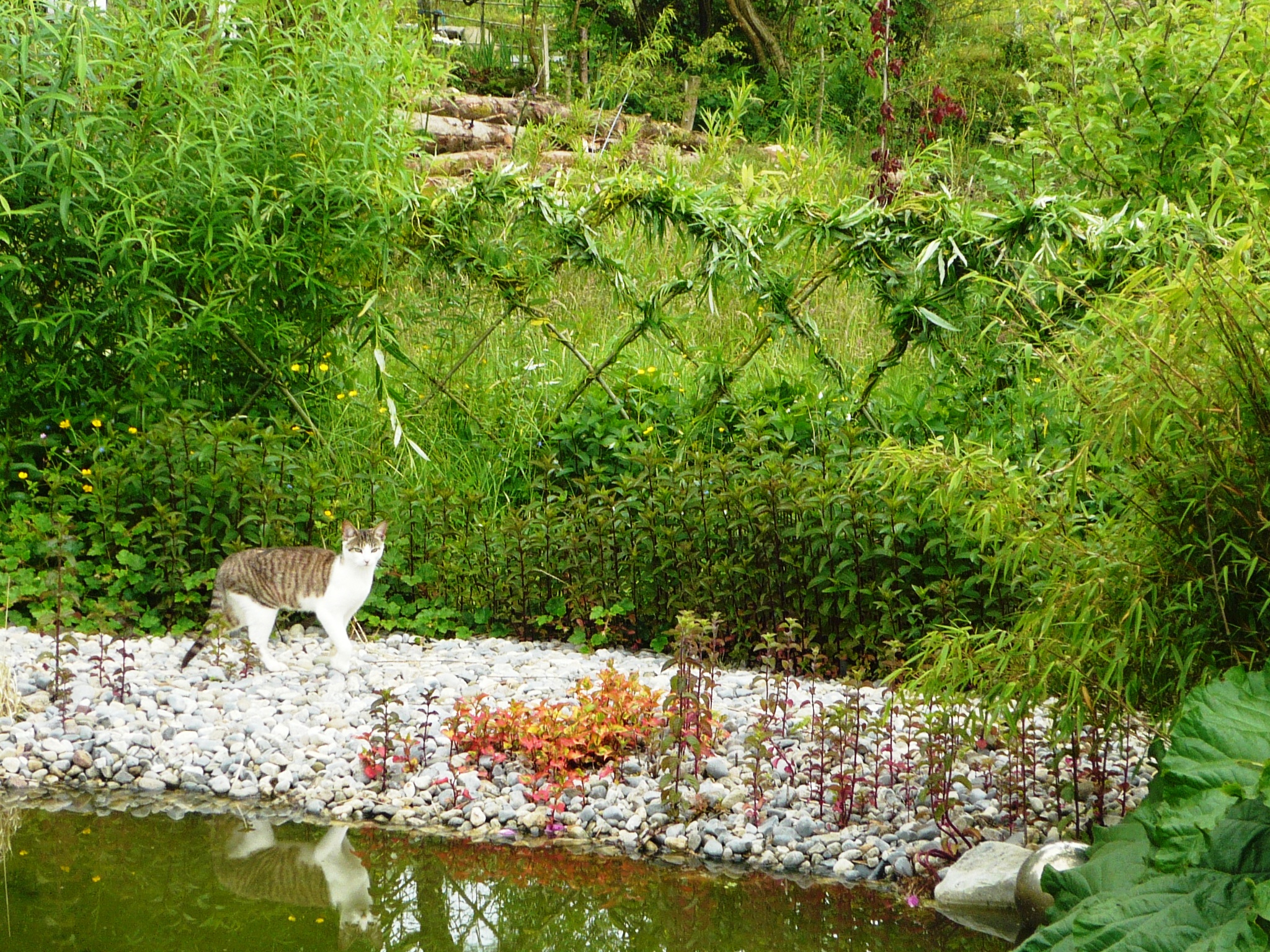
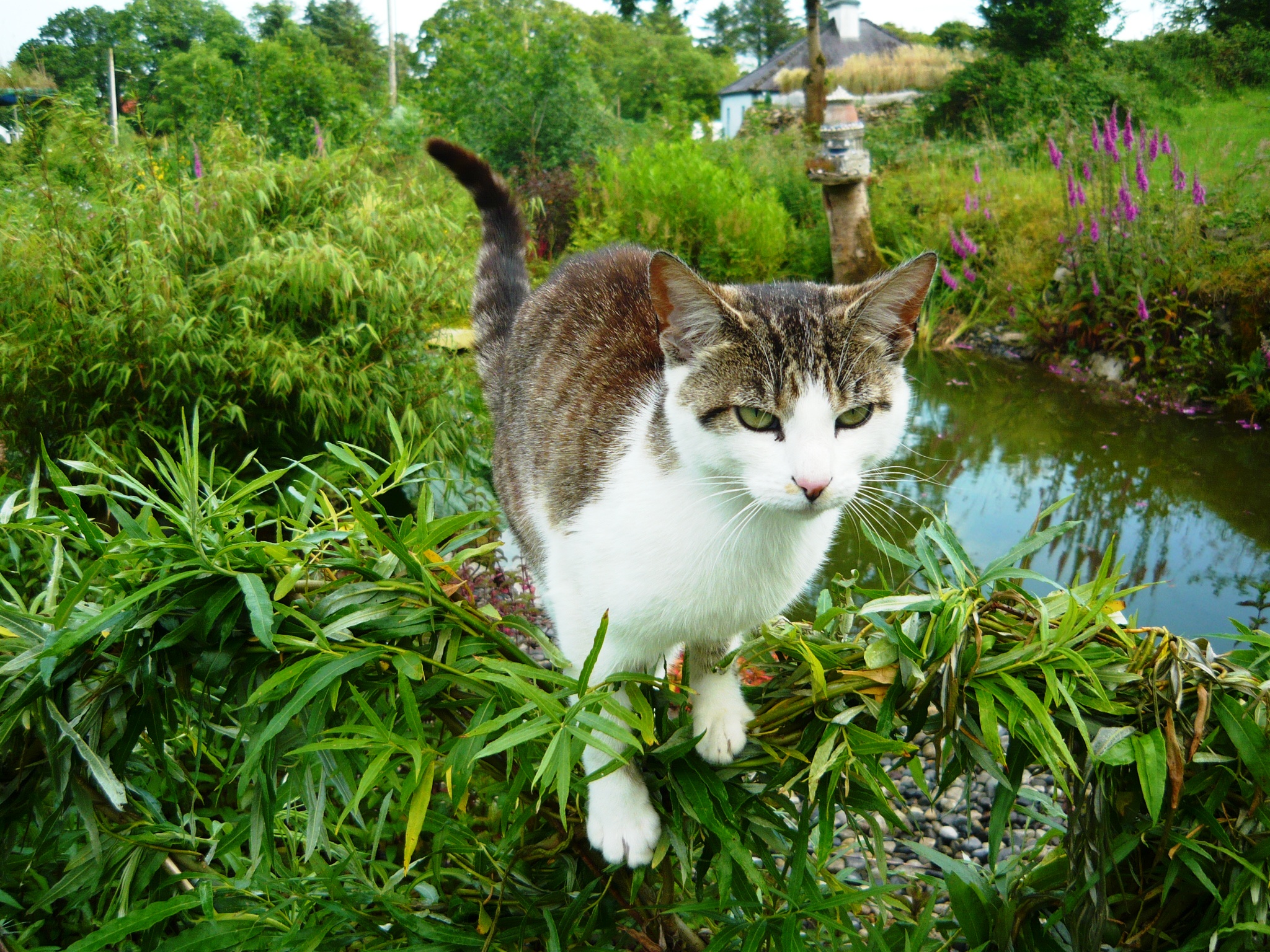
Our  living willow fence by the pond is just over a year old now and had grown a lot of strong upright shoots that needed weaving in. It only took one of us about an hour to do this and we are very happy with the result. Every year it will grow thicker and stronger but it is already strong enough for the cat to walk along!

rhubarb casts 012

fence and cat

rhubarb casts 032

fence with cat

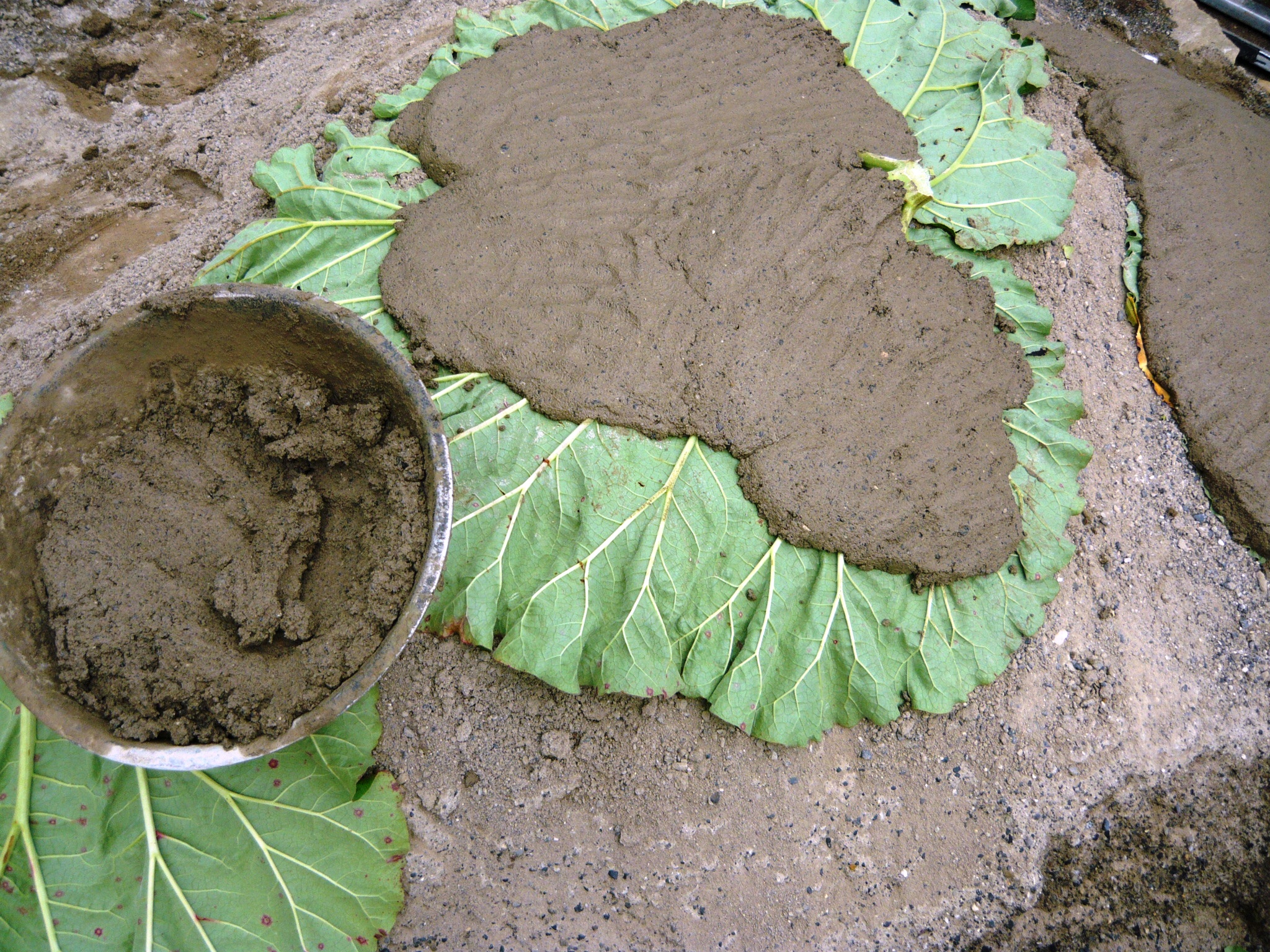
We saw some rhubarb leaf casts at a friend’s place in Sweden recently and wanted to try making our own and use them as bird baths. We used eco-cement, water and sand for our mix and added a little water-proofer to make water tight birdbaths.

rhubarb casts

We placed the leaves top side down on our sand pile and built up the sand underneath to get a good rounded shape. We put the mortar on about 4 cm thick all across the leaf and added a little more on the biggest leaf veins to make them stronger. You might want to add some chicken wire as reinforcement but we did not have any handy and it worked out very well anyway.

rhubarb casts leaves

rhubarb casts

rhubarb casts

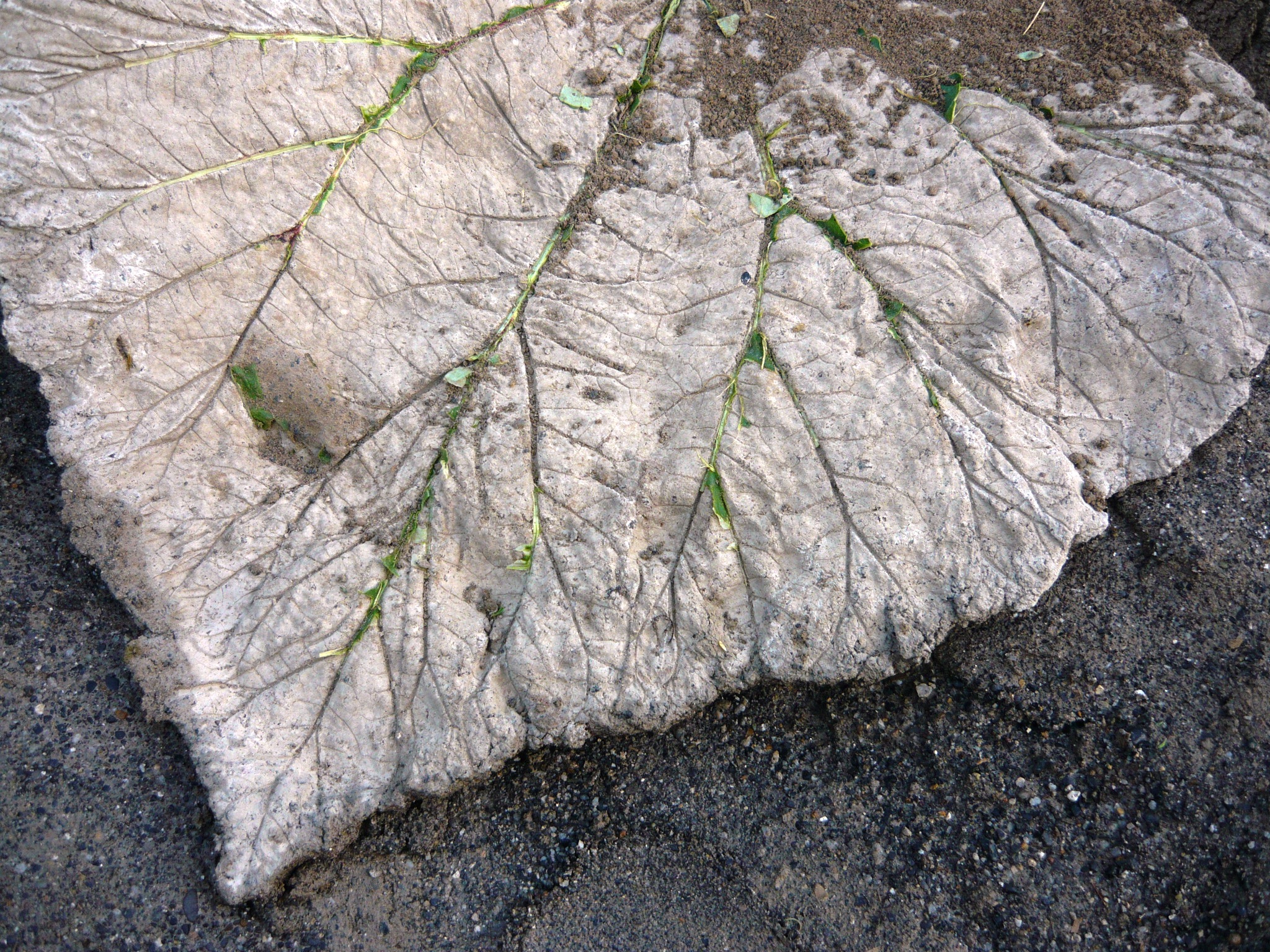
We watered them every day for three days and kept them under a plastic sheet to prevent them drying out too quickly and tonight it was finally time to turn them over and pull the leaves off. Some of the veins stuck a bit as the mortar has set around them but in a few days they will rot away and reveal the whole beautiful veined cast. Cement is not a very eco-friendly material but if you consider the small amount needed for this project and the beautiful and practical results it is not too bad. We made three casts that we will place in different parts of the garden for the birds and insects to enjoy.

rhubarb casts

rhubarb casts

Flowers in June.

circle june 057

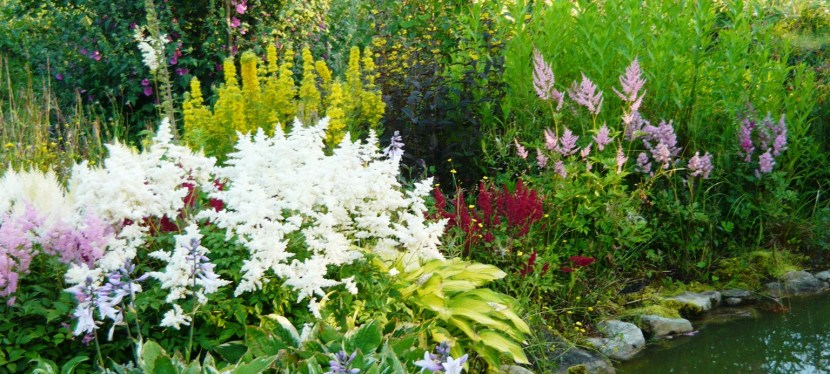
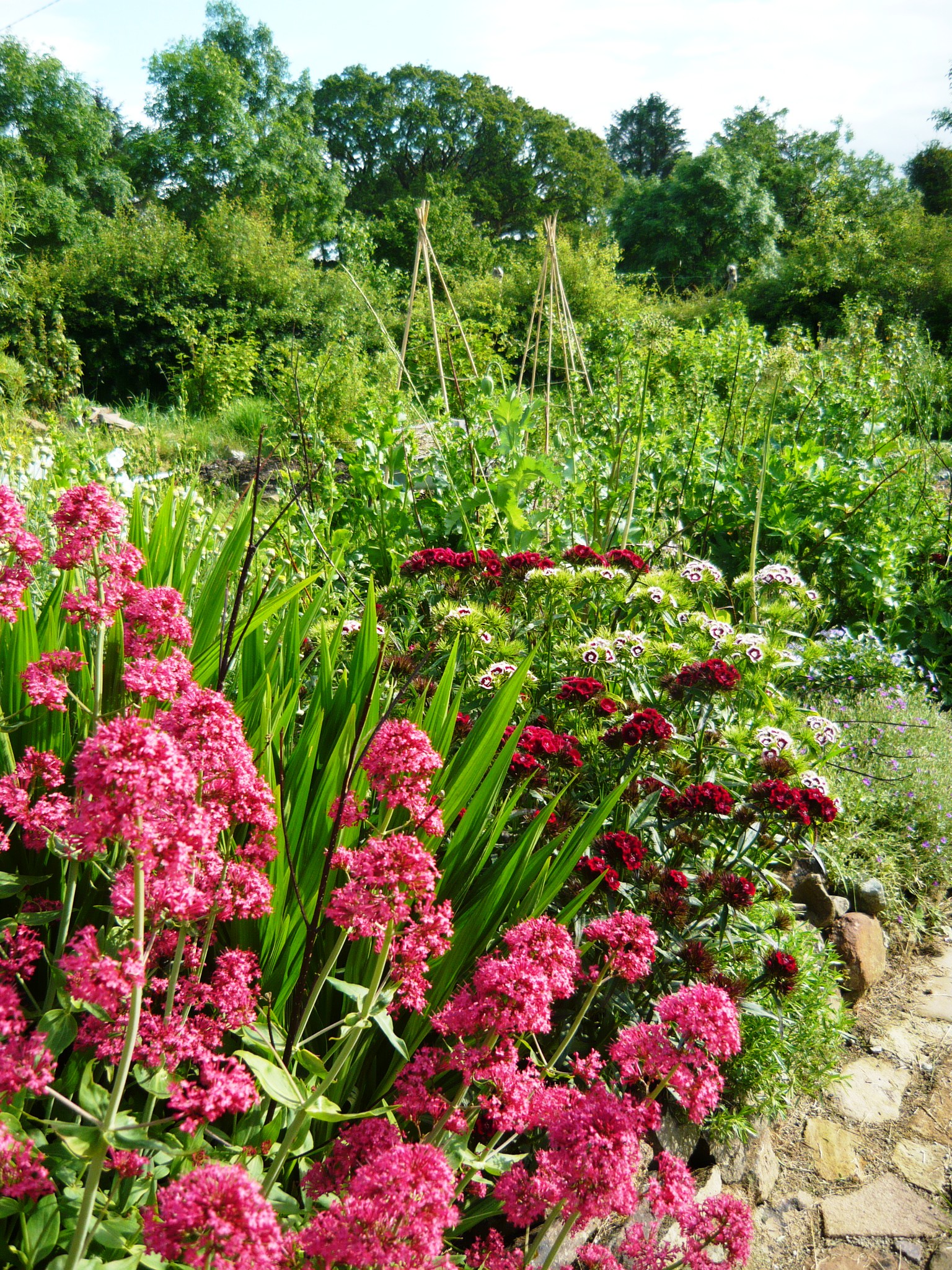
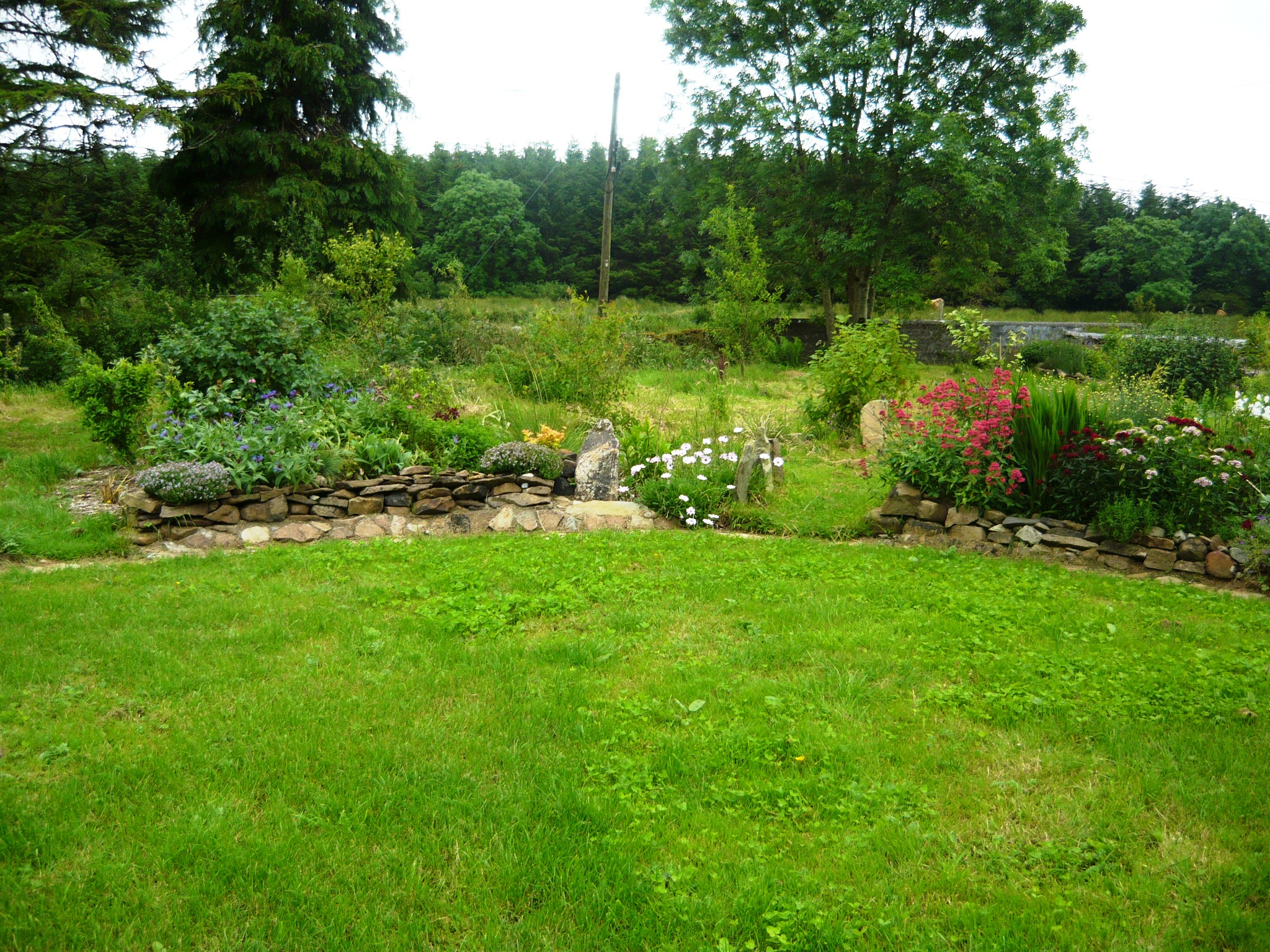
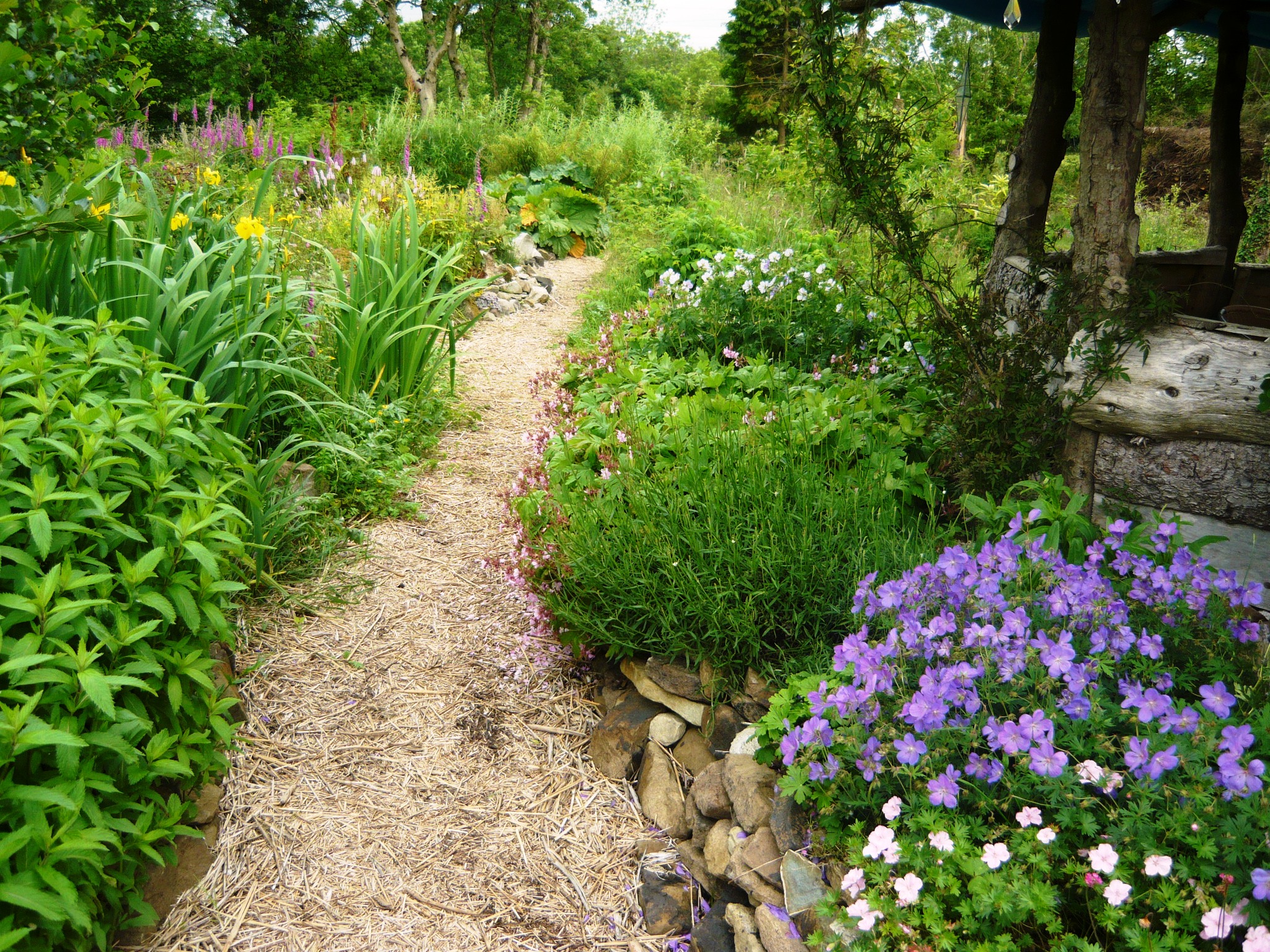
We have come to the end of June and it is time to sum up this glorious month in a few words and pictures. The nice warm weather has brought out some lovely shades of pink, blue, red, purple and yellow all over the garden. Not forgetting to mention green. Growth has been strong in the raised borders around our circle.

circle june red valerian

circle june 053

circle june green

circle june east

East

circle june 004

South

circle june 003

West

circle june north

North

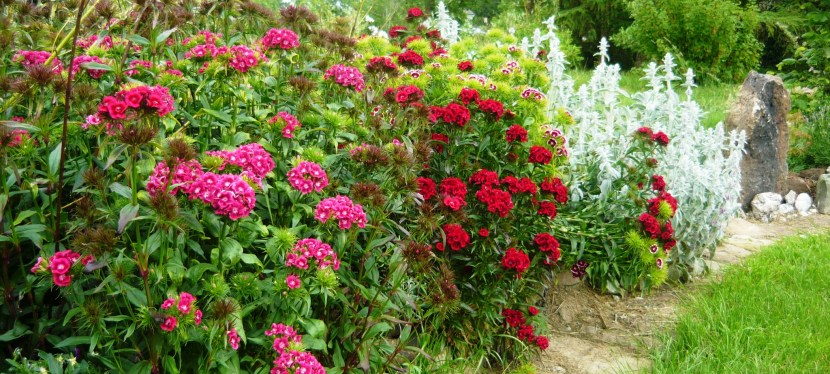
The sweet Williams we sowed last year have overwintered and really show their colours this month. We particularly like this variegated one where the flowers start off pink and fade to white.

circle june sweet william

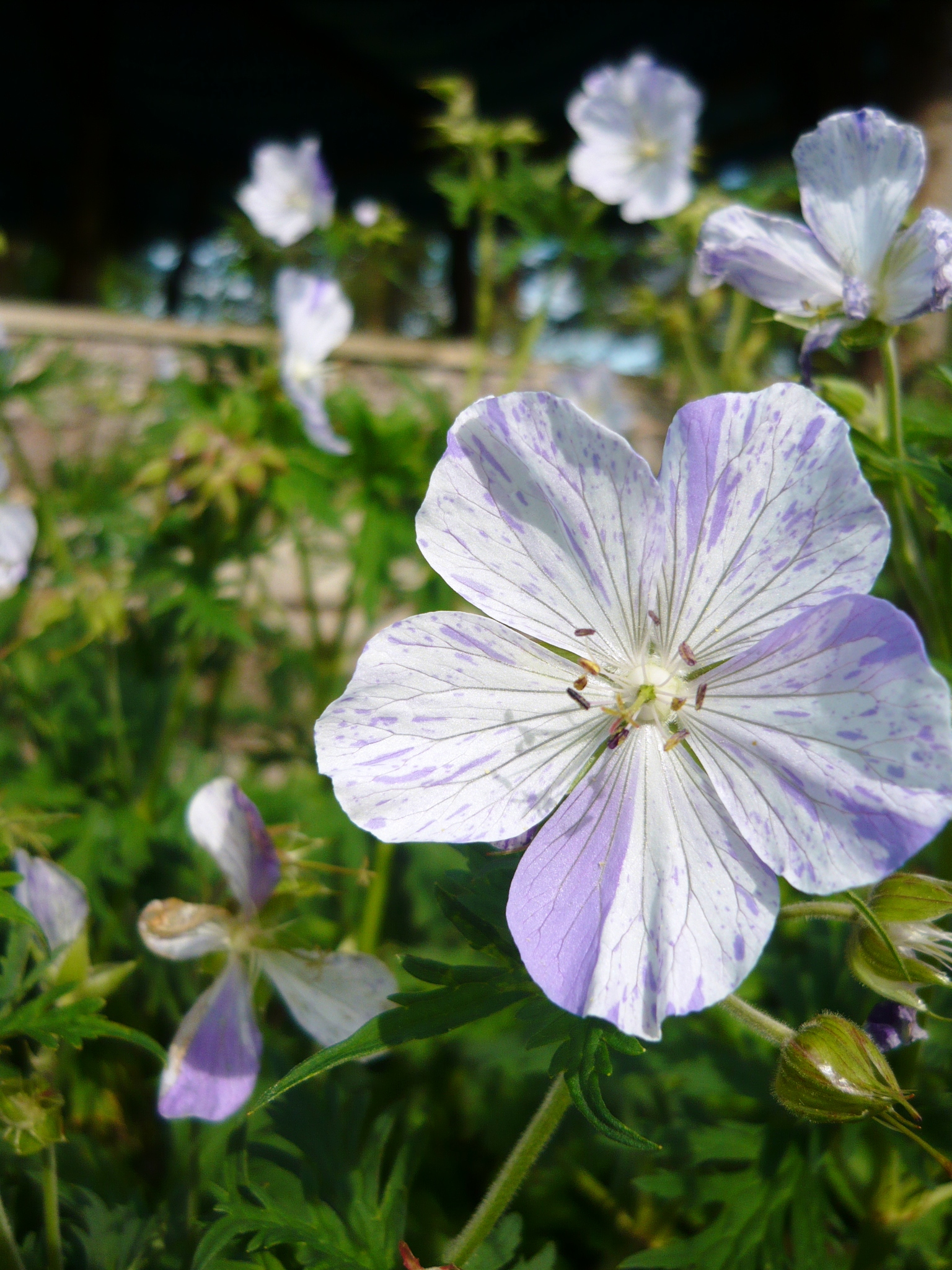
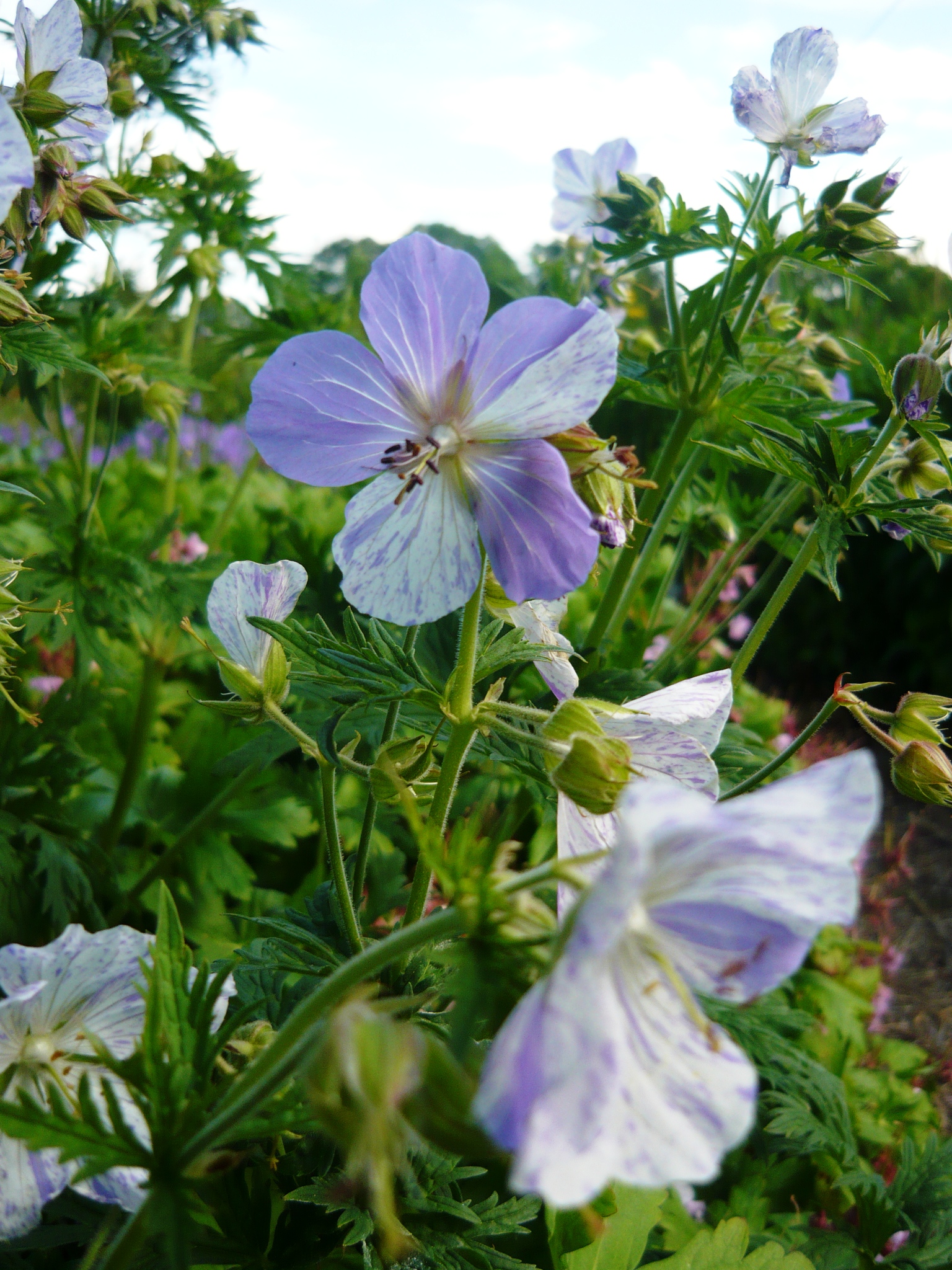
Another favourite in shade and sun are the beautiful hardy Geraniums we put in last year. If we have to pick a favourite it will have to be splish-splash that looks like it has been splashed by blue paint!

circle june splish splash

circle june splish splash 2

If you take the path down to our pond you are likely to see a few frogs on the way, most of them very, very small. At the pond a whole lot of foxgloves have taken hold, right next to our little fairy house. If you look in the water you can see a lot of dragonfly nymphs as well as many big beetles swimming up to the surface for air. A few newts are also about and a lot of whirly-gig beetles and pond skaters.

circle june path

circle june pond

As we have planted out all the vegetable seedlings we kept safe in our gazebo now, we have reclaimed this space as a lovely place to sit down with a cuppa or dinner. It is so peaceful sitting in there, listening to the little waterfall in our stream and smell the sweet Williams and roses. Two years ago we planted a 40 cm cutting from Future forests in Cork, a rosa multiflora  and now it is a billowing mass of fragrant flowers. This is a rose native to Asia and it has a status as an invasive species in some parts of the USA and Canada. It is very prolific so you might want to think twice before introducing it to a small garden. We like it because it has lovely leaves, flowers and hips for salads and teas. We also grow it in a restricted space where we prevent it from tip layering. We have not found any information to suggest it is invasive in Ireland.

circle june rose

circle june round house

circle june rosa

There is a lovely anticipation in the garden this time of year. So many different flowers are still to open their buds, like these hollyhocks, growing close to our smaller pond. We look forward to sharing them next month.

circle june hollyhock