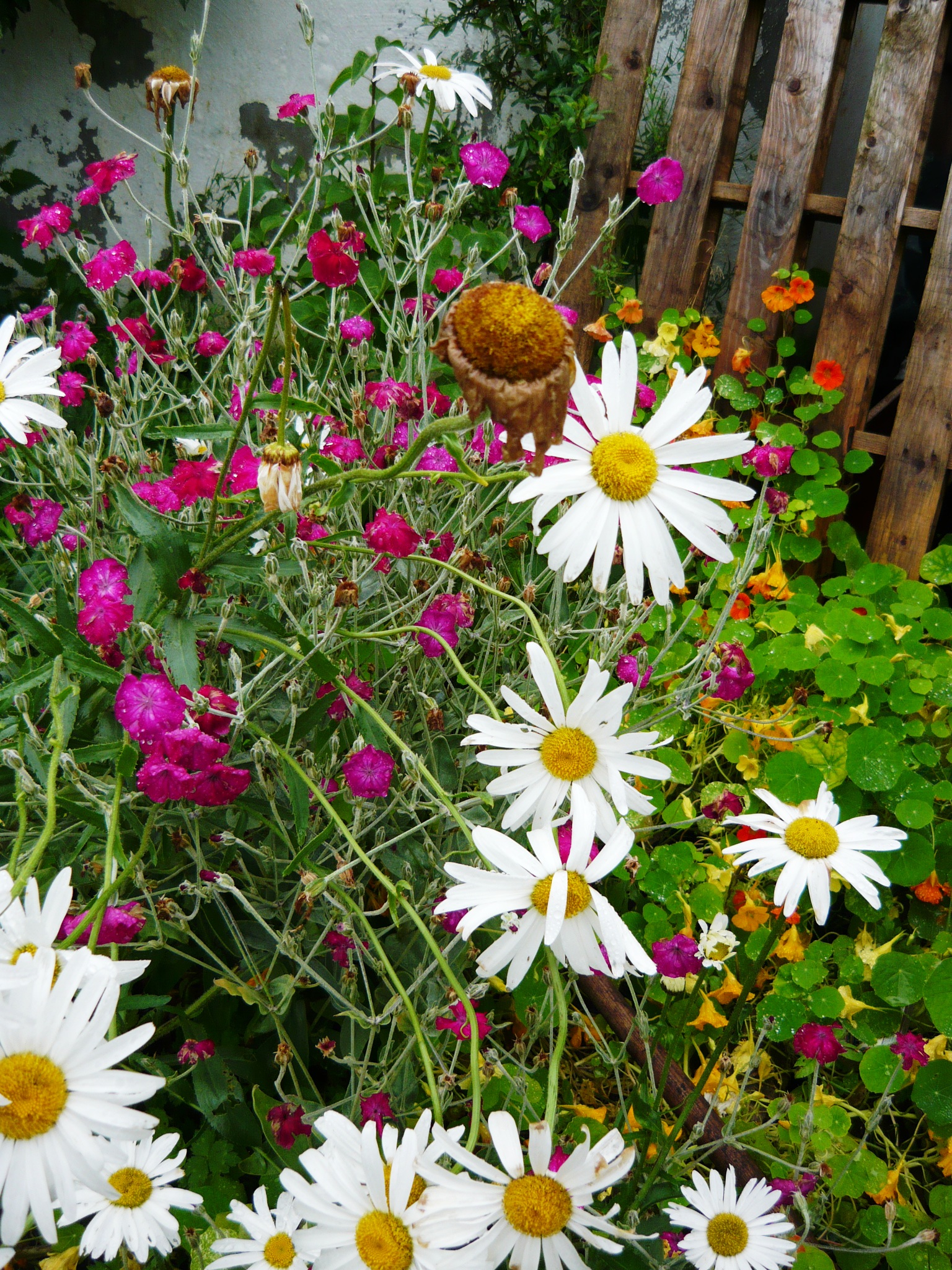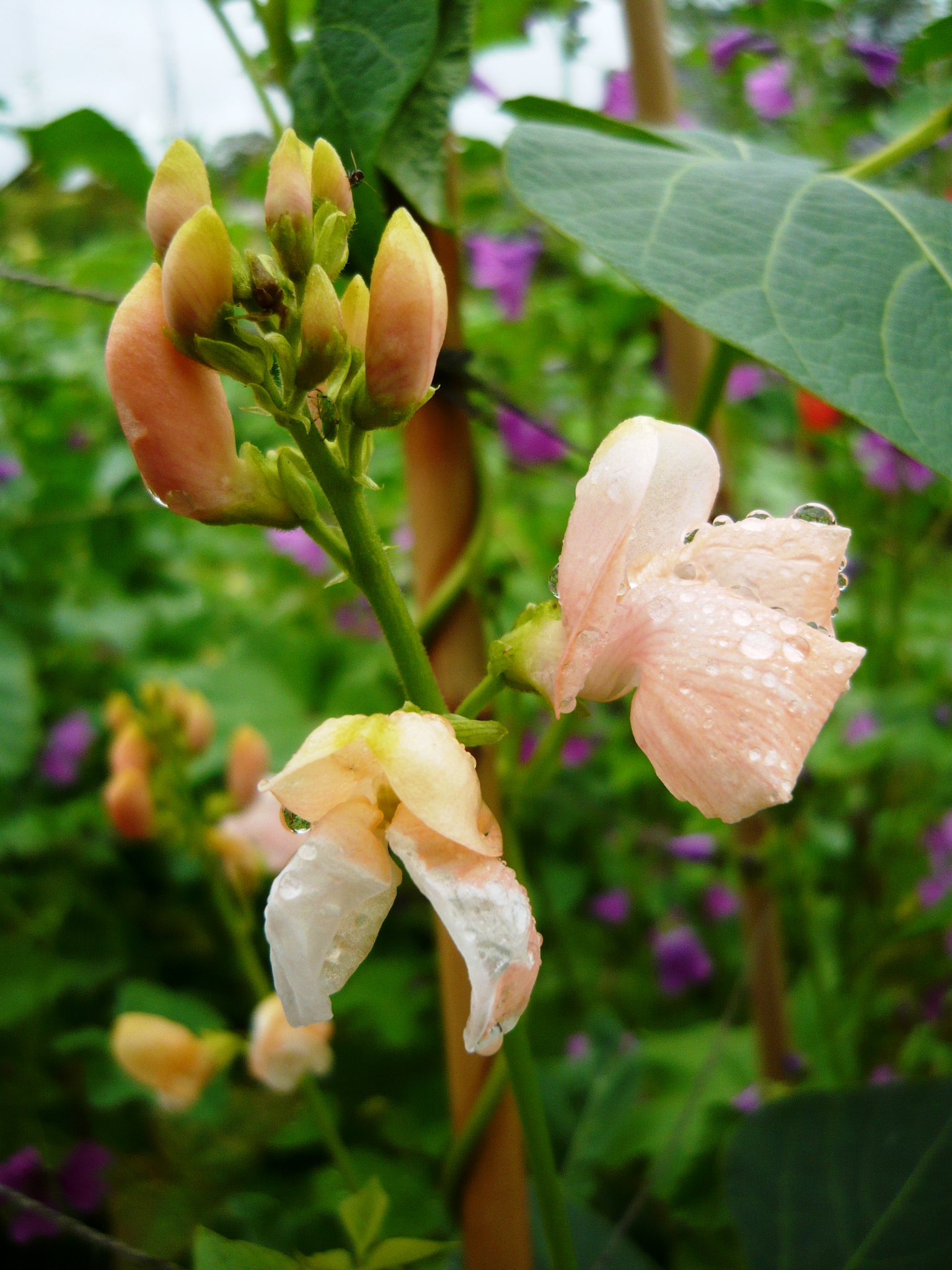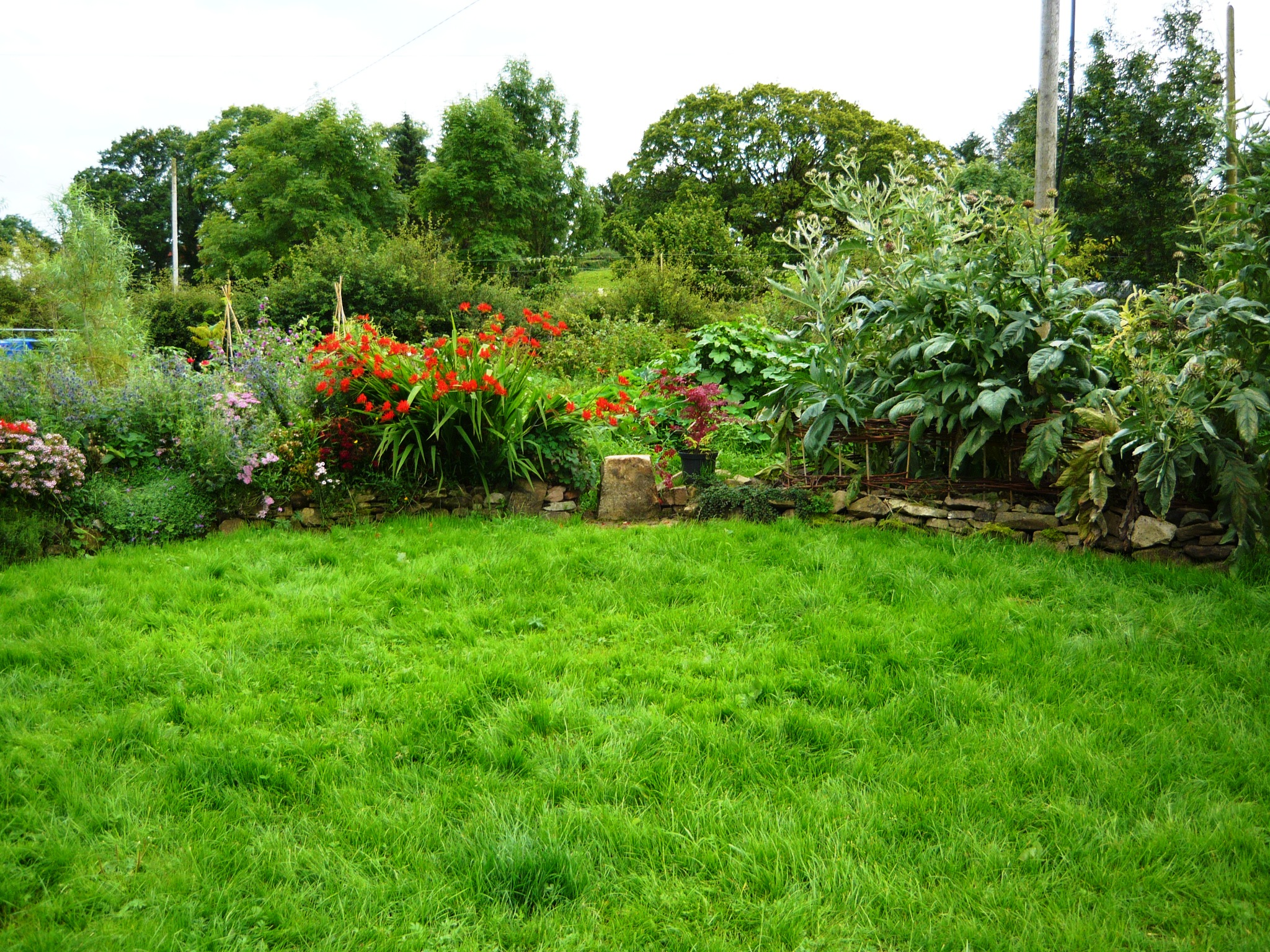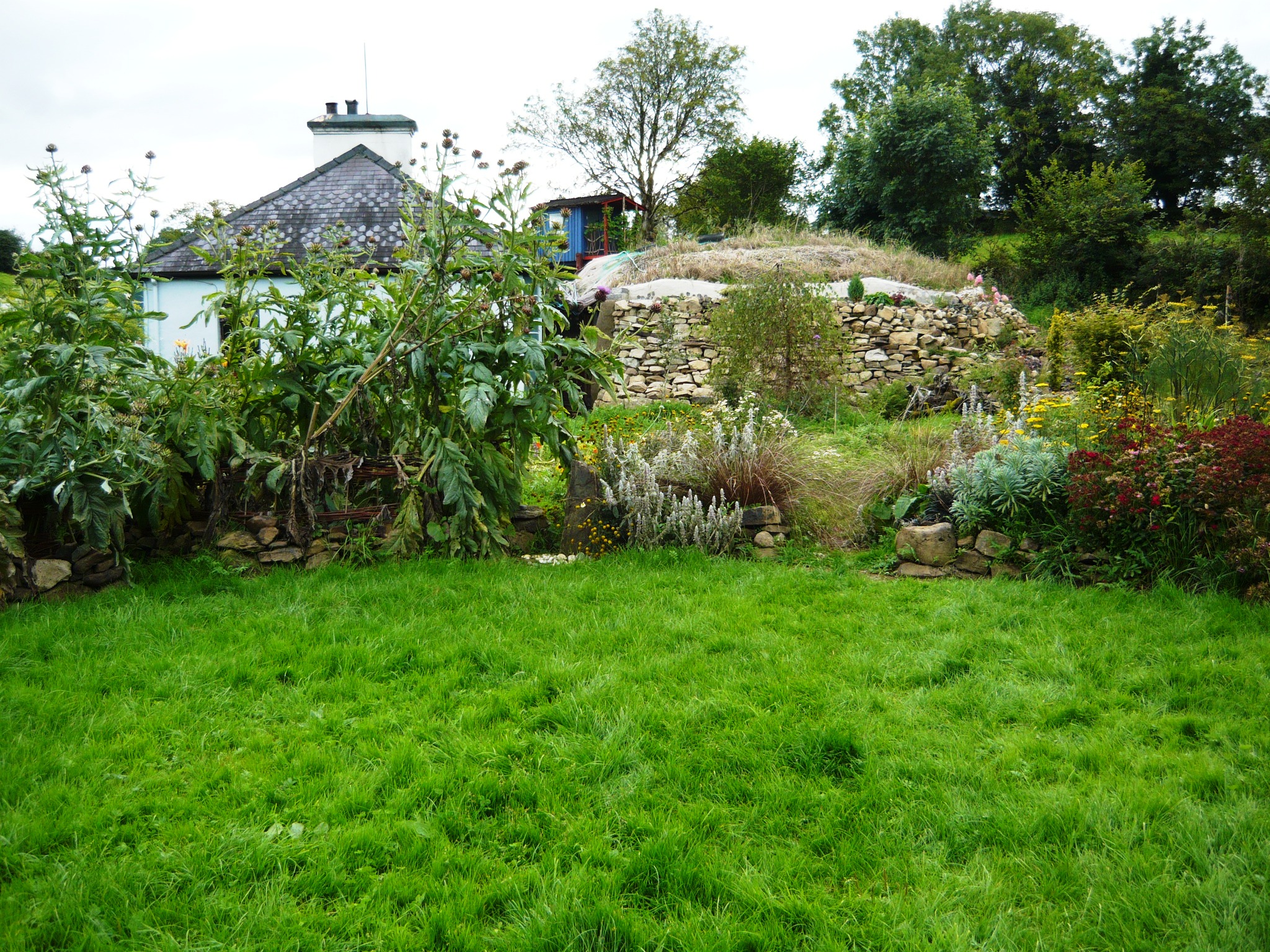
Looking back at October.

oct 039

If you are a regular reader of our blog you have probably noticed that it has been a while since we posted anything. Half of the family has Swedish roots and has spent some time visiting the old country recently. It was fun to visit family and friends and go for walks in the beautiful Swedish forests. On the way back we spent some time in the airport departure lounge and found it quite creepy. The three of us were reading books and talking to each other but all around us there was an eerie silence. As we looked around every single person we could see was staring at a screen of some sort in complete silence. Not a single person smiled. No one seemed excited to be visiting another country. No couples were holding hands or even looking at each other. No parents were talking to their children. How did it get to this?  After that experience it felt great to get back home and throw ourselves into the work of finishing the last bits on the extension so we can move in. It will only be a couple of weeks now.

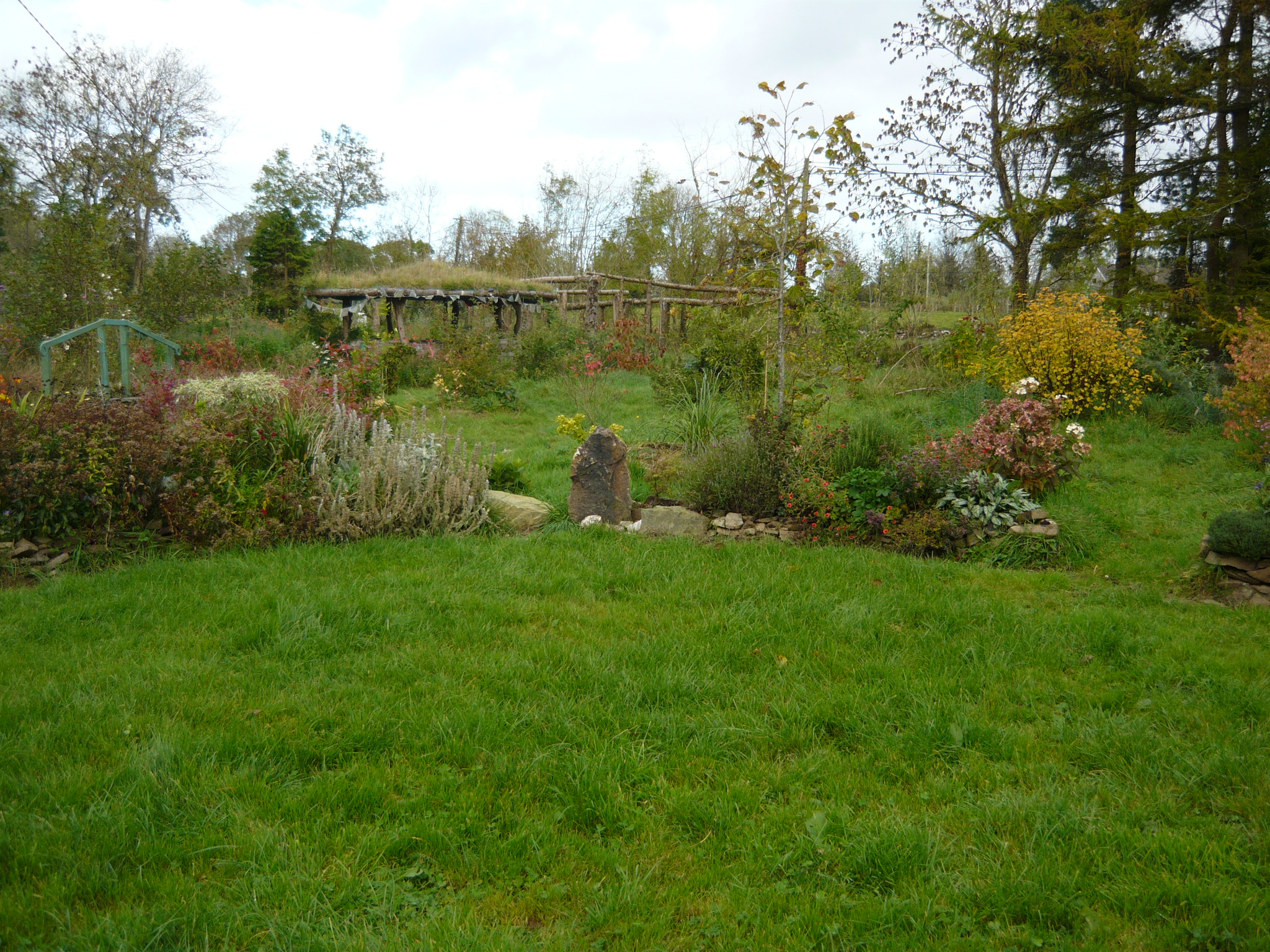
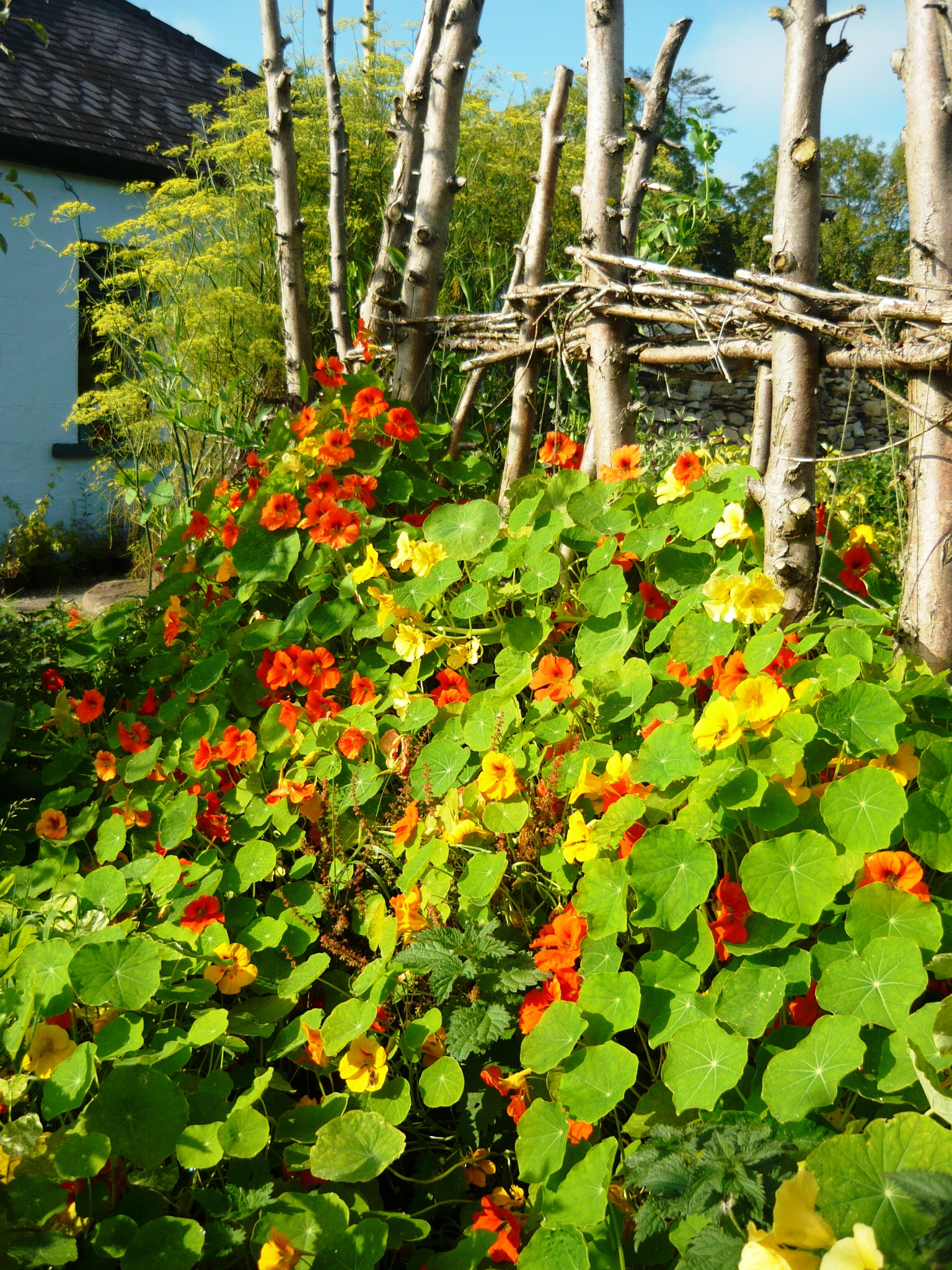
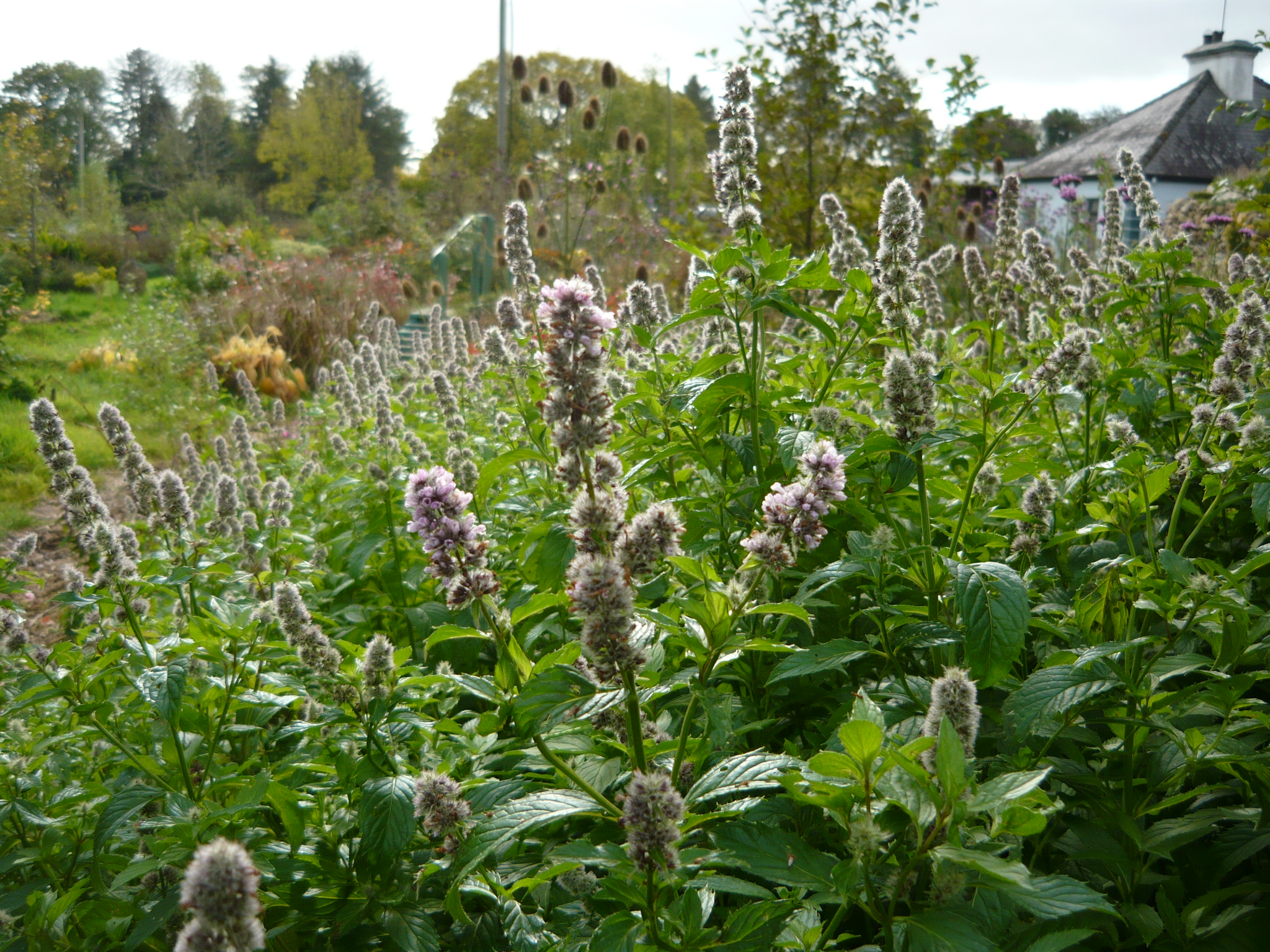
We always write a bit each month about what has been going on in the garden and October proved to be quite pleasant. We had some warm sunny days and were able to harvest peas, kale, potatoes and herbs. Our Swiss spearmint has grown as high as a person this year.
oct mint

Many of the perennials and shrubs were confused by the unusually warm weather and put on new growth and flowers. We actually hope it will get colder soon so the plants can rest and get the cold spell that they need. Apples for instance cannot give a good crop next year if they have not been subject to this.

oct rose

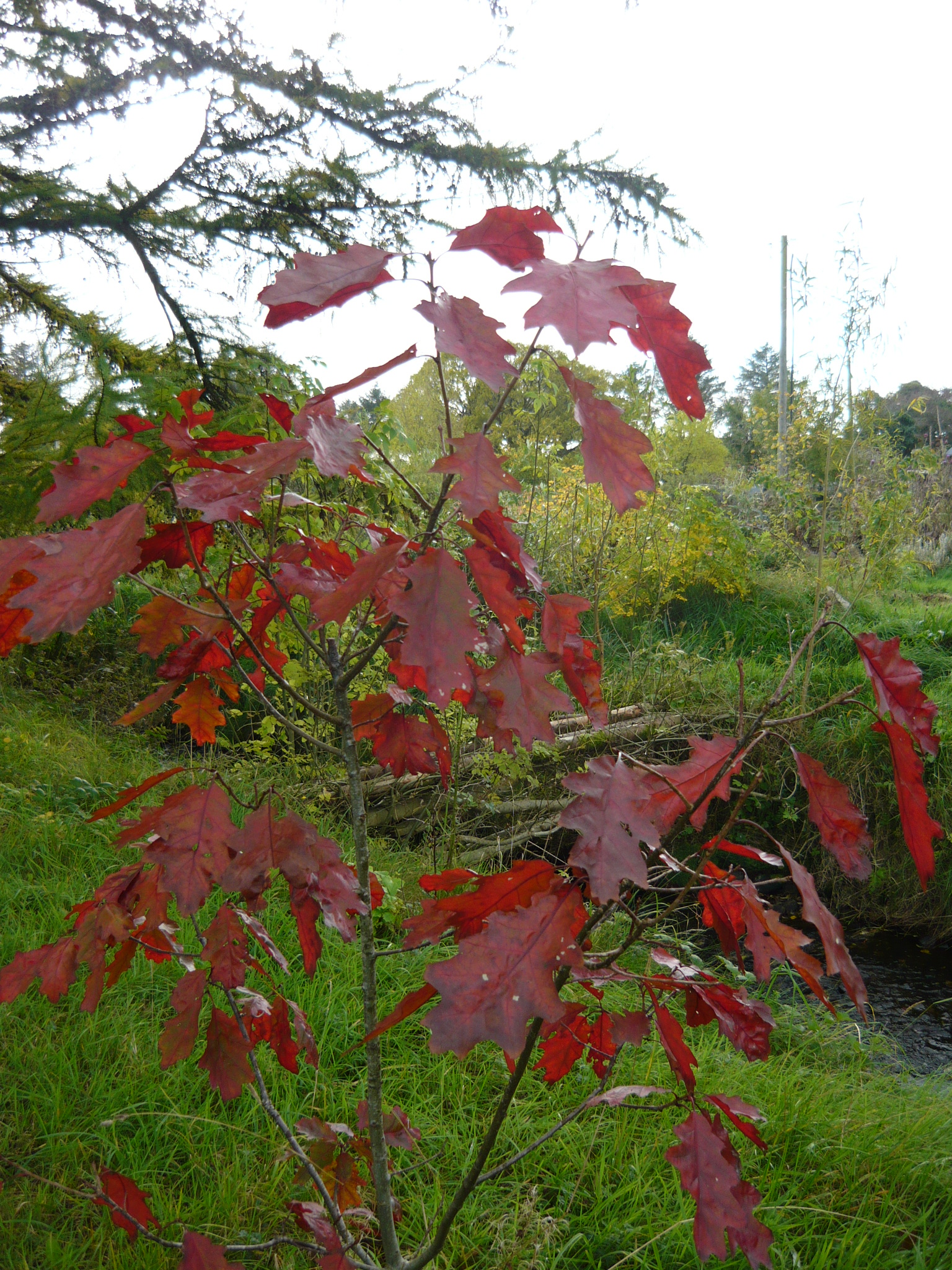
The autumn colours have not been as pronounced as other years in the garden but a few of our plants have put on a decent show. We particularly enjoyed the blueberry, aronia and the liquid amber.

blueberry bridge

oct aronia

oct liquid amber

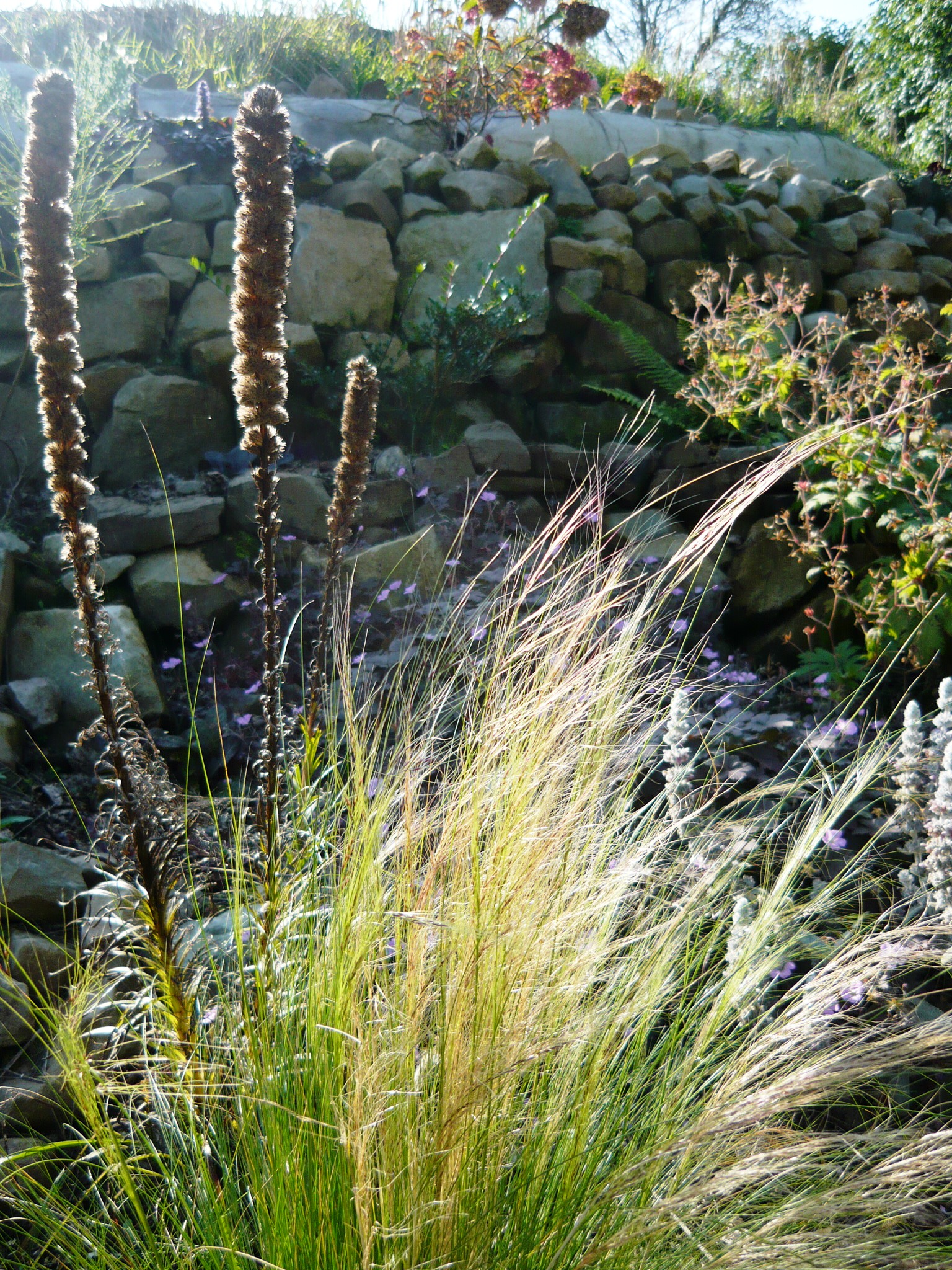
In our circle plants are starting to slow down and wither. We will leave a lot of the seed heads there and clean the beds up in the spring, to benefit wildlife. The teasels are full of seeds and we are hoping the bull finches from down the road will come into our garden to feast on them. We have gold finches every year and they love teasels as well.   Every month we take pictures of the circle in the four cardinal directions. All of these posts can be found in the category; Elemental circle.

sky 040

oct east

East

oct south

South

oct west

West

oct north

North

Two years ago we planted cyclamen and they have established themselves now and looked lovely in October around our yard tree. They look very delicate but can withstand both cold and rain. We are looking forward to the darker and colder season now as there is a lot of clearing, weeding and planting to do after the busy year we have had building our extension. As the growth rate slows down we should be able to get stuck into it all. Welcome November!

oct cyclamen

oct cyclamen

What September brought.

september garden 014

When we look back on the month of September we remember a lot of sunshine and warmth. Maybe it was only an average month, but after the cold and wet summer September felt like a very welcome change.

september garden 012

We continued to harvest potatoes, courgettes and broad beans. All our onions and shallots that we harvested at the end of August dried out in the shed and are now hanging in inviting bunches from the ceiling.

harvest broadbeans

The garden has taken on a more muted palette; some gold, copper and brown amongst the flowers and shrubs.  Because of the warmth and sunshine many plants have been putting on new growth. All the pollinators made the most of it, filling up their winter reserves. Our ferns have also benefited from both the warmth and the rain.

september garden pony tail grass

september garden 004

september garden ferns

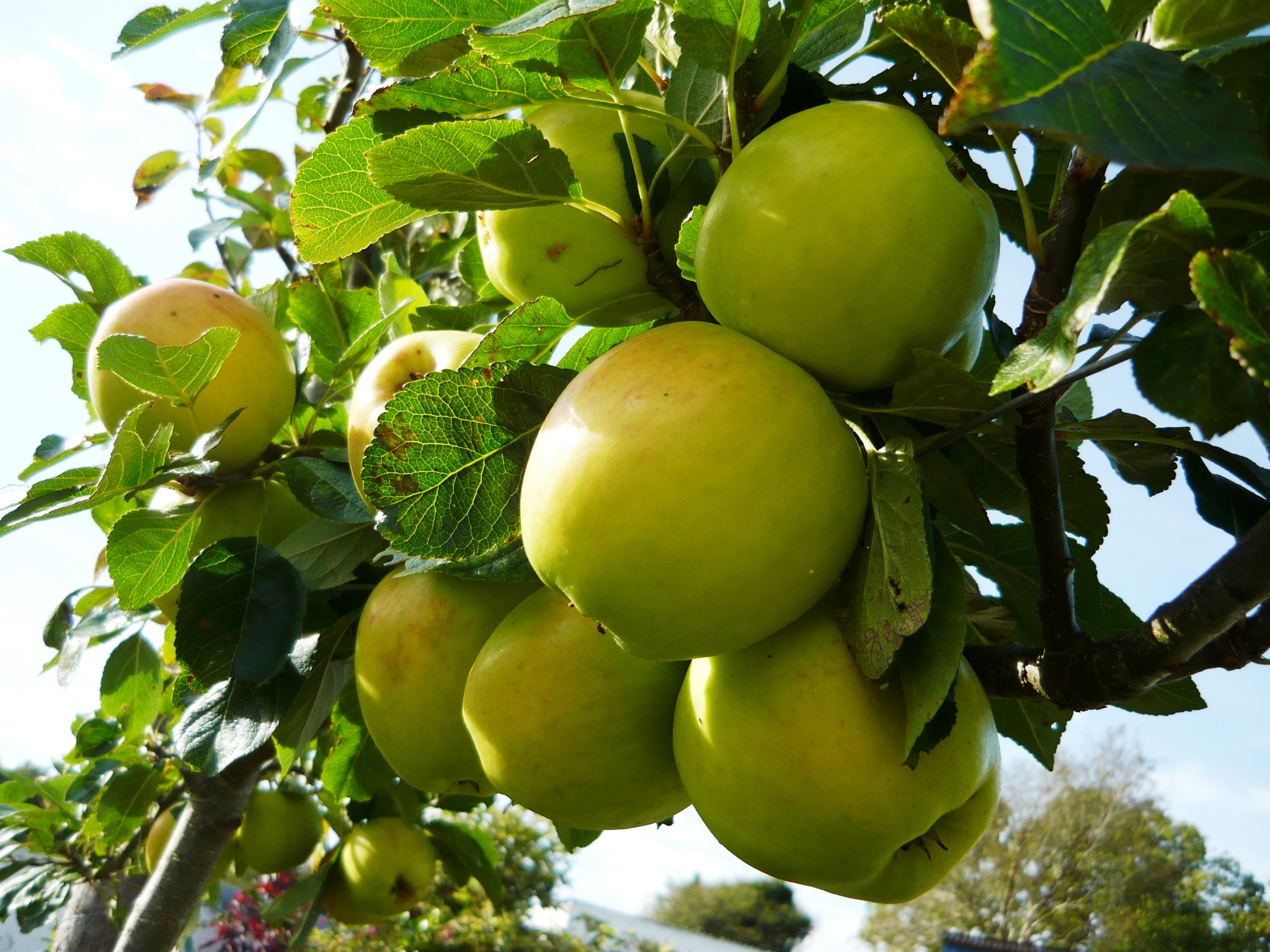
Our espaliered apple-trees have only been planted less than three years but a couple of them have already provided us with lots of apples for tasty crumbles. We notice a remarkable difference in yields between espaliered and un-espaliered trees. Considering the space you save and the way you eliminate congestion and bad air circulation, we cannot recommend espaliering enough. You get both higher yields and healthier trees.

wildlife september apples

september apples

In our circle the plants are still looking good, unfortunately we do not have a picture of what it looked like last year at this time but as we remember it, there were a lot less plants a year ago and they also finished flowering sooner. A blog like this is not only a tool to share our successes and failures with the world but also an important record for us. By looking back through the posts we can see how things develop and change throughout time. We do not have a lot of readers but we do very much appreciate the ones we have and we hope we are making a few small changes, ignite some sparks and inspire people to plant and create something beautiful things in their lives.

east

East

south

South

west

West

wildlife september 008

North

We are looking forward to the remaining days of October. We hope to finish our extension this month and move into it. We will tidy up the garden and bring our Pelargoniums inside for the Winter months. There is a lot of weeding and tidying up to attend to in the garden. We think we will be quite busy. September brought us a lot of joy. We hope October will too…

liquidamber

acer palmatum

september garden

Flowers in August.

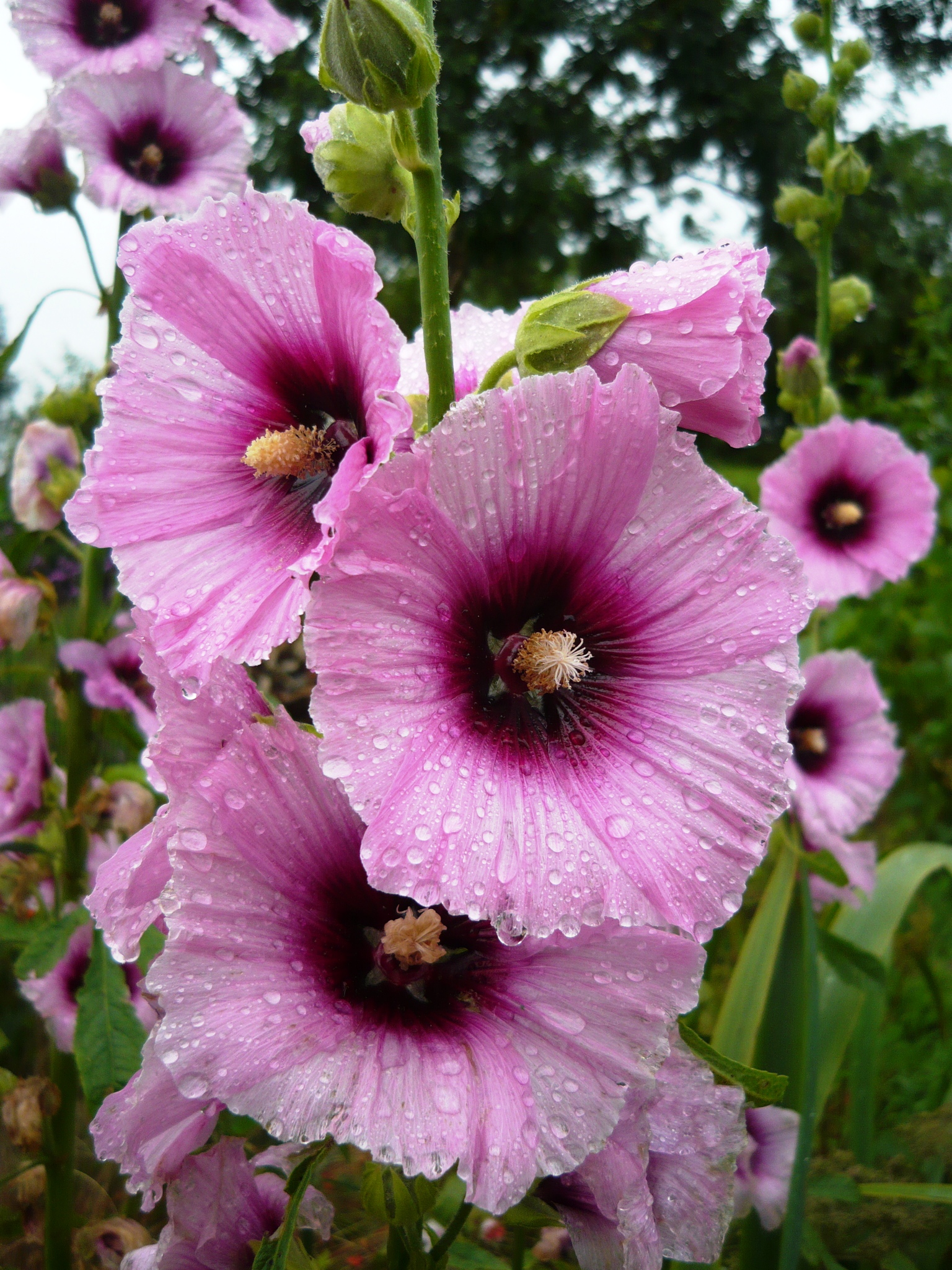
Hollyhock Halo

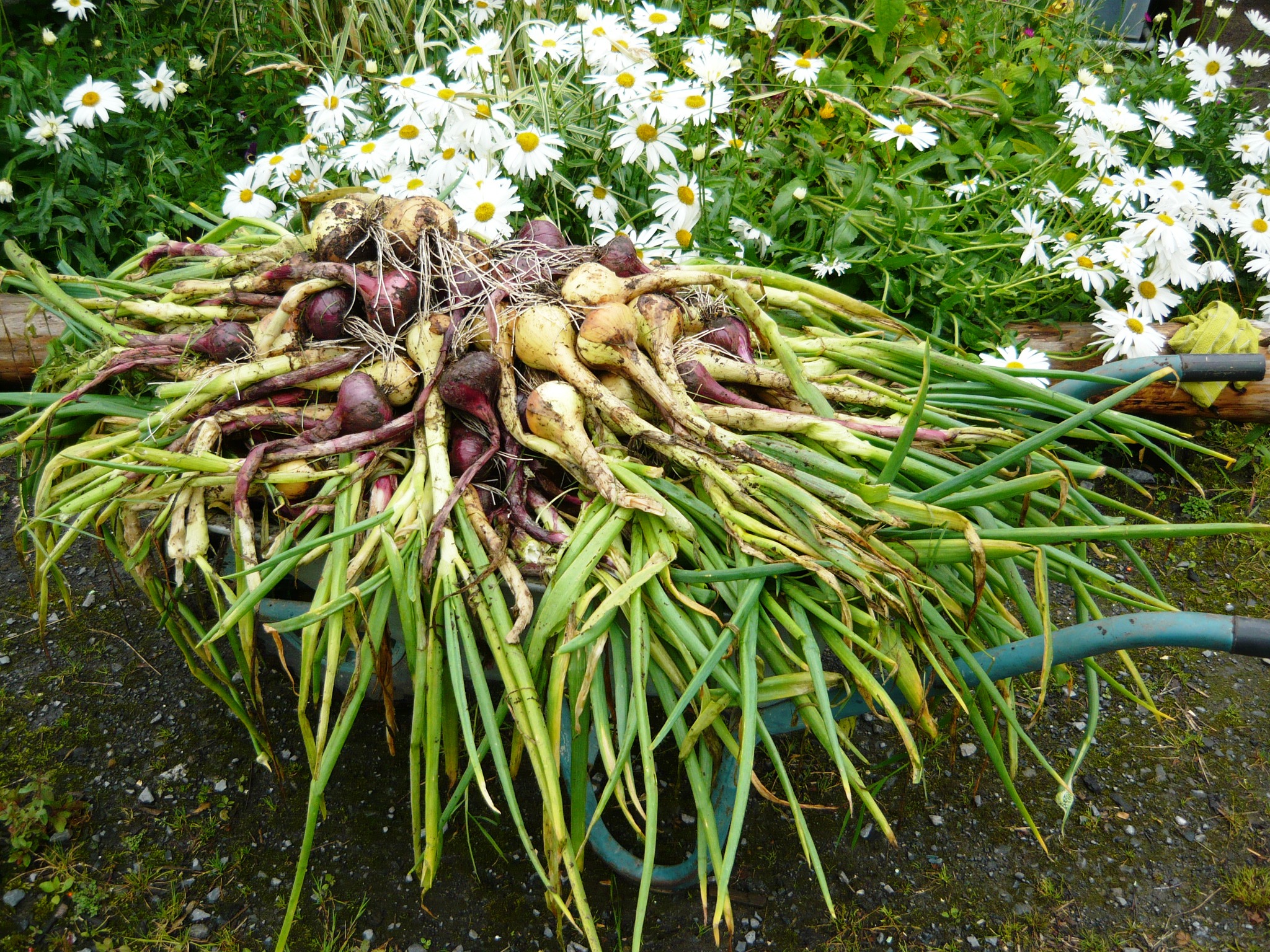
As August draws to a close we are thankful for all the lovely vegetables we have harvested this month, despite mostly ignoring the kitchen garden this summer. The onions are so tasty grilled or baked and we are enjoying them on a daily basis.

onions

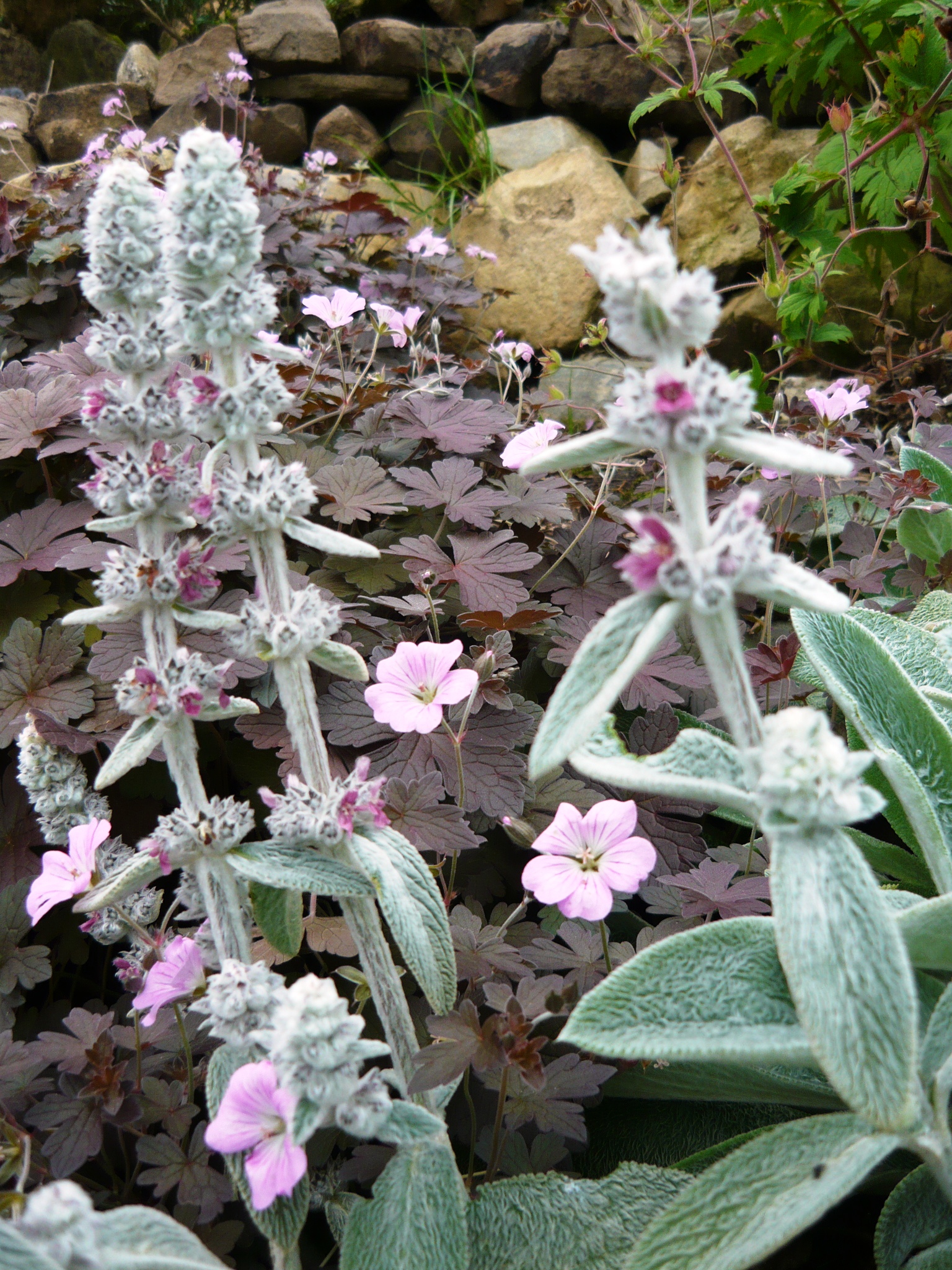
But to sum up August we would like to write about our flowers in the garden. We started most of them off as seeds two and a half year ago and we also bought quite a few of them as small perennial plants. Even if you are on a tight budget it does not take long to get your flowers growing big and strong. The first year, we invested in a few trailer loads of well rotted cow manure and it has really been worth while.  All our flowers and vegetables have really taken off and it is quite amazing how quick the garden has established. Each year we have added more flower beds and even the ones started last year are looking good. In autumn we do an all over weeding and add leaf mould to all the beds and that makes it easy to weed in the spring. Most beds do need another weeding in midsummer as the perennials are still establishing and filling in their allocated spaces.

Lambs ear and geranium

Flowers

In a couple of years we can start dividing the well established perennials and swap them with friends. We have already received lots of wonderful plants this way, shrubs, vegetables and flowers that had outgrown their spaces in friend’s gardens.

Gifted plants

Flowers are lovely to look at and create a colourful wonderland to stroll about in but are also highly beneficial. We have many edible varieties as well as bee and butterfly favourites. We grow them together with our vegetables for both a practical and beautiful approach. This year we have had a very cold and rainy summer but there are still lots of flowers and vegetables performing well, although a bit later than usual. Some vegetables come with the added benefit of beautiful flowers, like the runnerbean that was first introduced to Europe as an ornamental.

Runnerbean

pond

Our main circle has really put on a show this month with all the lovely red crocosmia in the south fiery section. The cardoons in the west have grown very tall and our willow fence we wove in early spring has prevented most of them from blowing over. We are happy with the grass bed we planted in the east section; most grasses have really taken off.

East

East

South

South

West

West

North

North

crocosmia

Cardoon

Grass garden

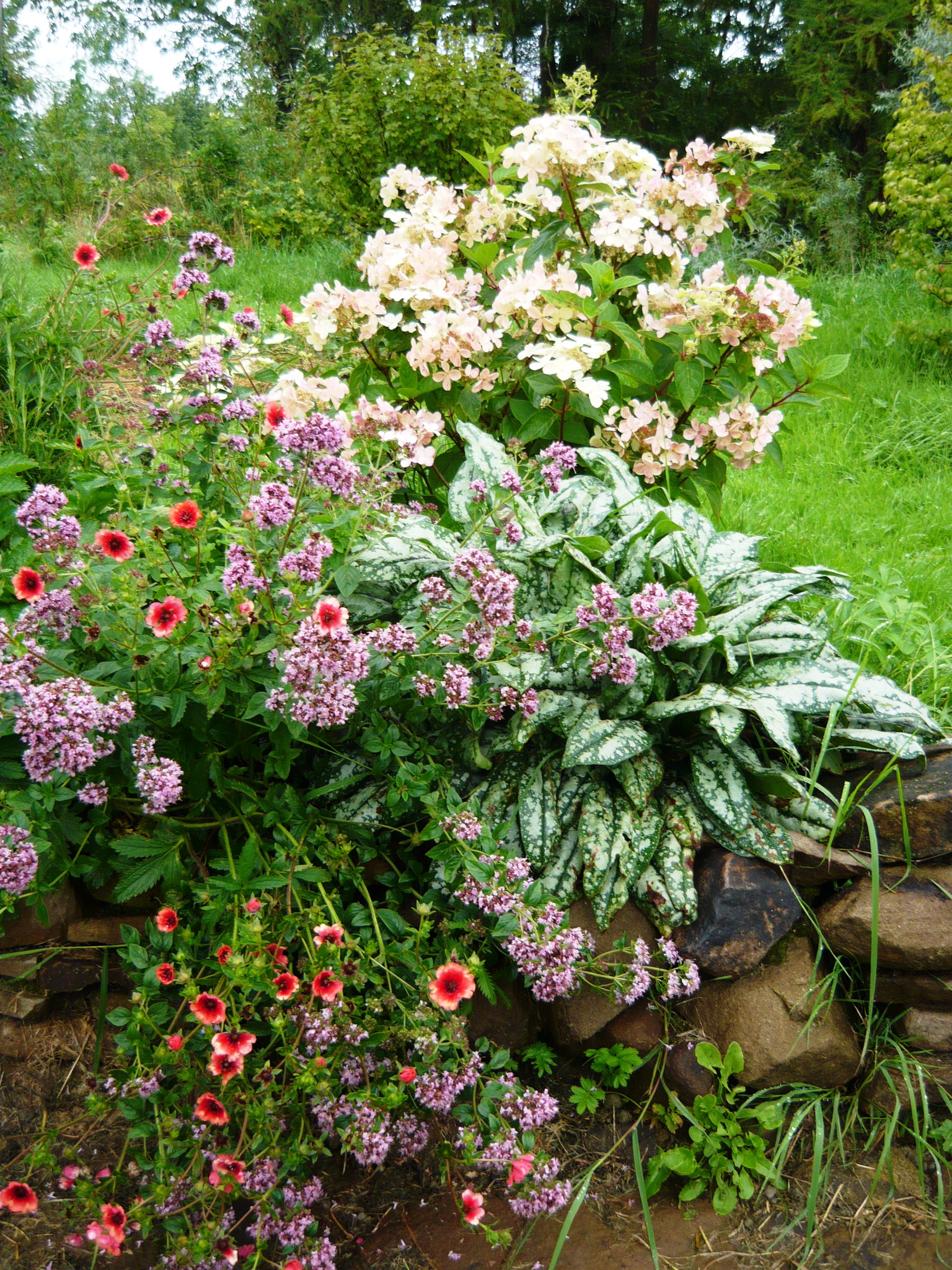
All in all, perennial, biannual and annual flowers give a garden almost instant appeal, and do not be afraid to experiment. If something outgrows its space or if too many weeds pop up in the bed, rearrange your plants to suit the space. Most perennials do not mind being moved, but you should wait until autumn or early spring, when they are dormant. Take some photos in the summer to remind you what the bed looks like as it makes it easier to adjust your plantings. We love all our colourful flowers and cannot imagine the garden without them. Collect and scatter seeds about where you want more flowers or plant them into seed trays to grow on a bit first, before planting out or giving to friends. Some people plan their colour schemes very carefully but we do not fall into that category. In our garden there are a lot of happy accidents and we think it all looks beautiful.

Verbena bonariensis

Fishmint

Herbs

Once in a blue moon.

garden july flags

We have reached the end of July and it is time to sum up a beautiful but rainy month in our garden.

garden july flowers

We have put in shrubs, trees and perennials since we started the garden in February 2013, at the time we moved in. We made the decision early on to start with the planting of the garden first and do only necessary renovations to the cottage in these first couple of years. Once you plant something it has a chance to grow and every year the garden changes and evolves. We are amazed at the rate with which our plants have grown and the garden looks very pretty and is already a beautiful and productive space, less than three years in. When we started out it was a field overrun with creeping buttercups and surrounded by a huge leylandii  hedge.

garden july gazebo

This month has been great for the garden as it has rained almost every day and our newly planted roses and climbers have really taken off. All the other plants have benefited as well but a little more sun would have more things in flower by now. We have spent our coffee and tea breaks in the gazebo…

garden july 106

garden july bridge

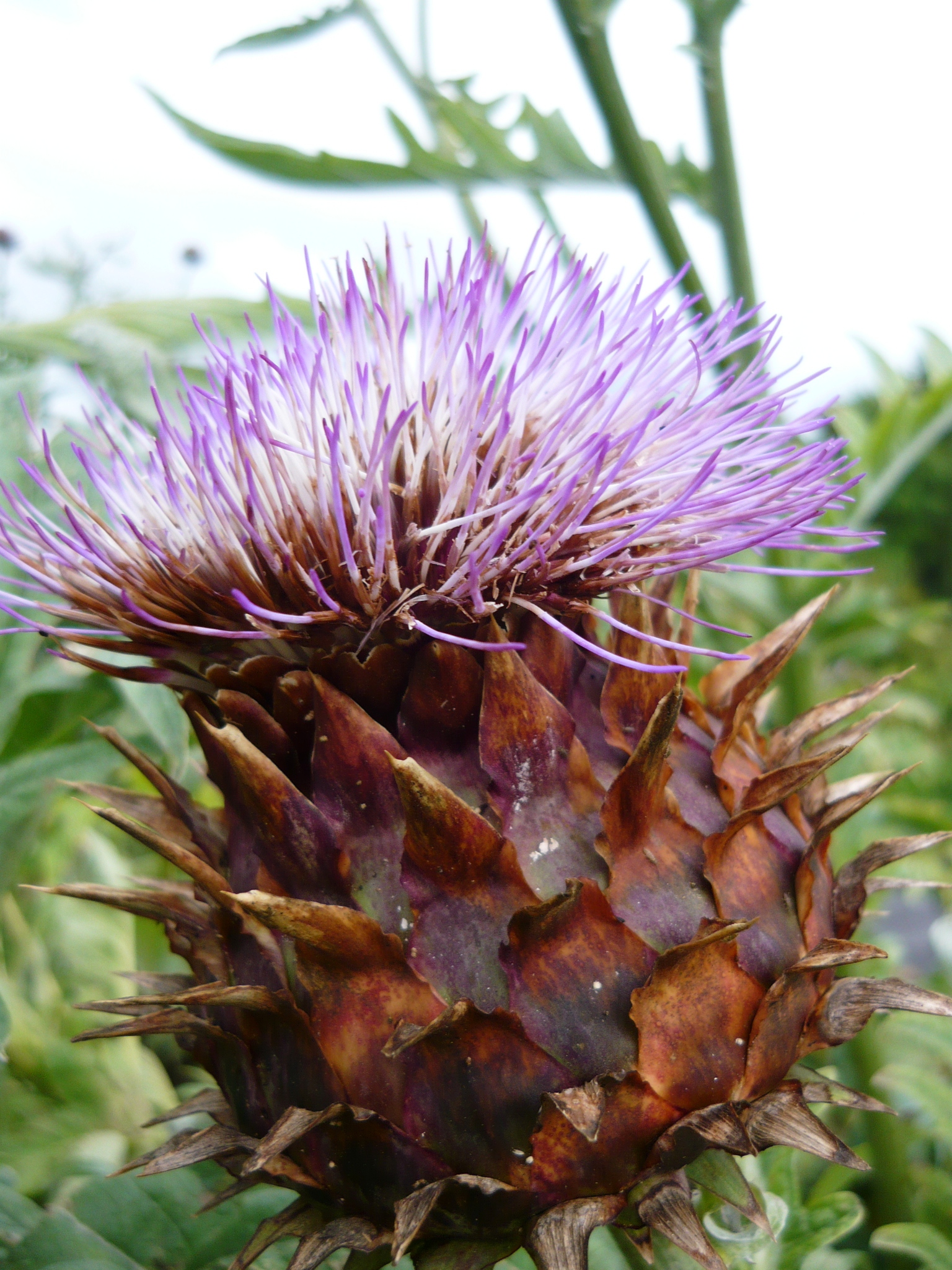
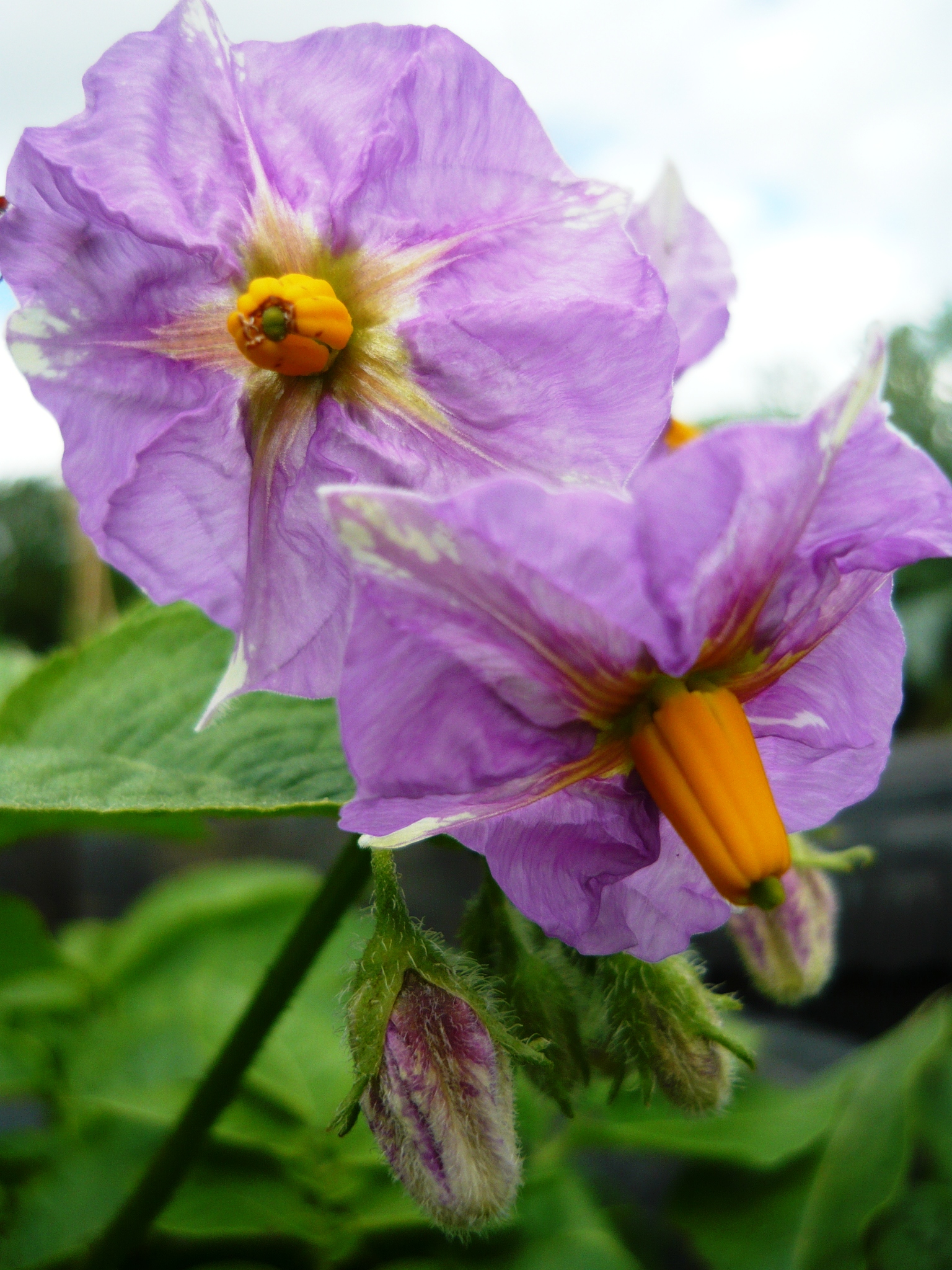
In the kitchen garden harvesting is in full swing with berries, onions, courgettes and peas for picking every day and our potato tower stacks growing very high. We were surprised when we first saw the beautiful potato blossoms, very different in the two varieties we are growing. We enjoyed a very tasty addition to our dinner yesterday when the Artichokes were ready for eating.

artichoke

potato

purple potato

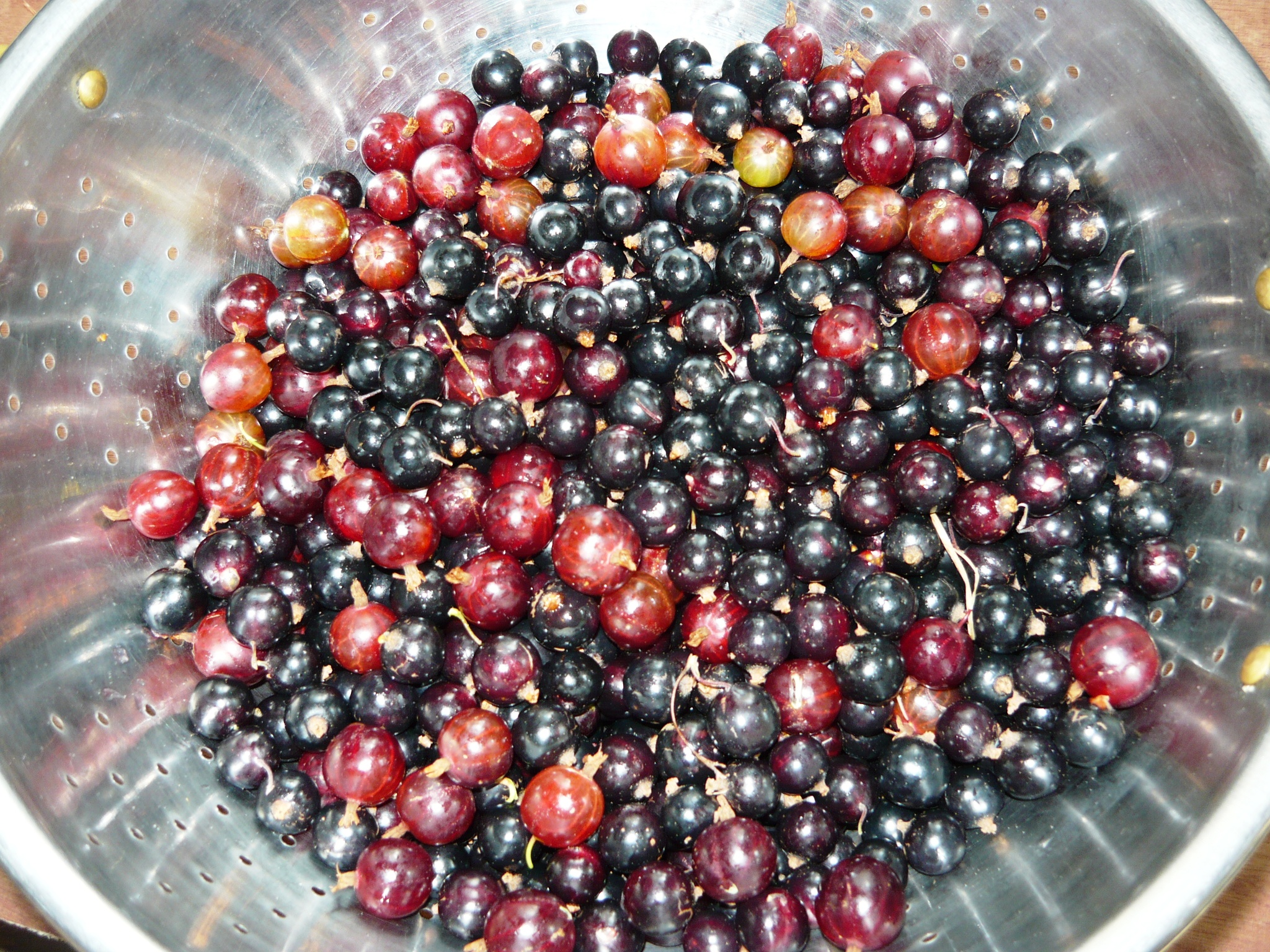
berries

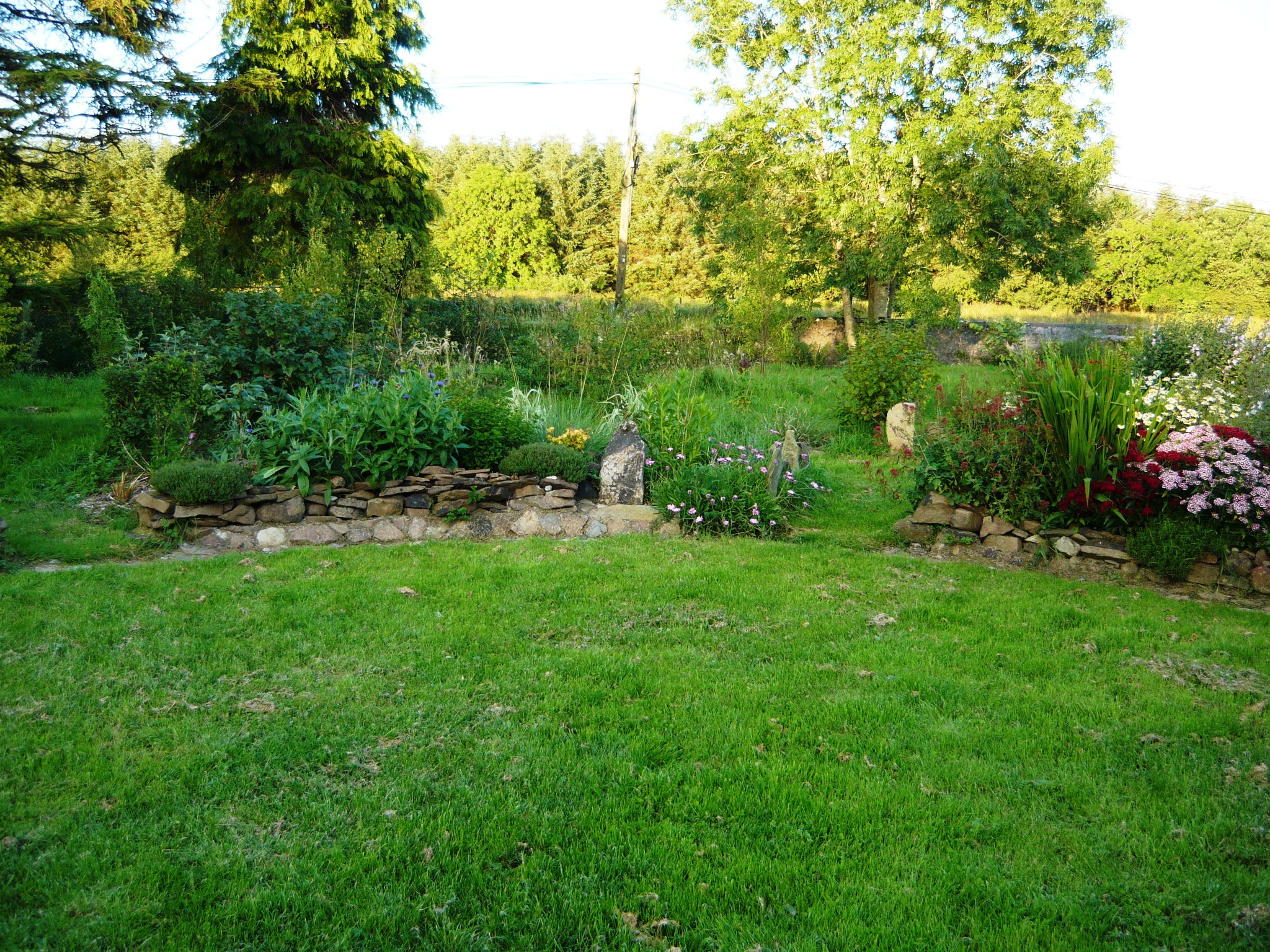
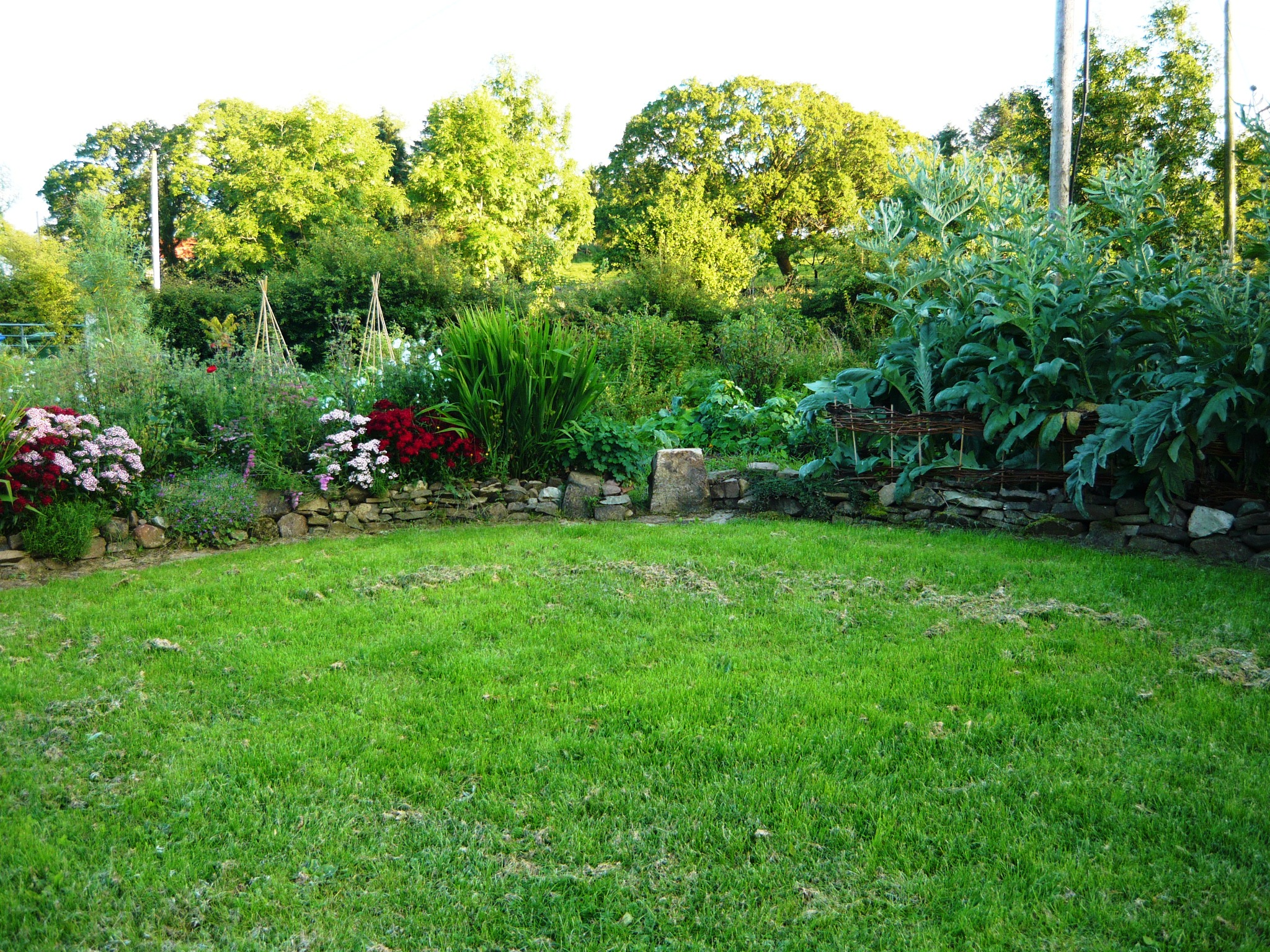
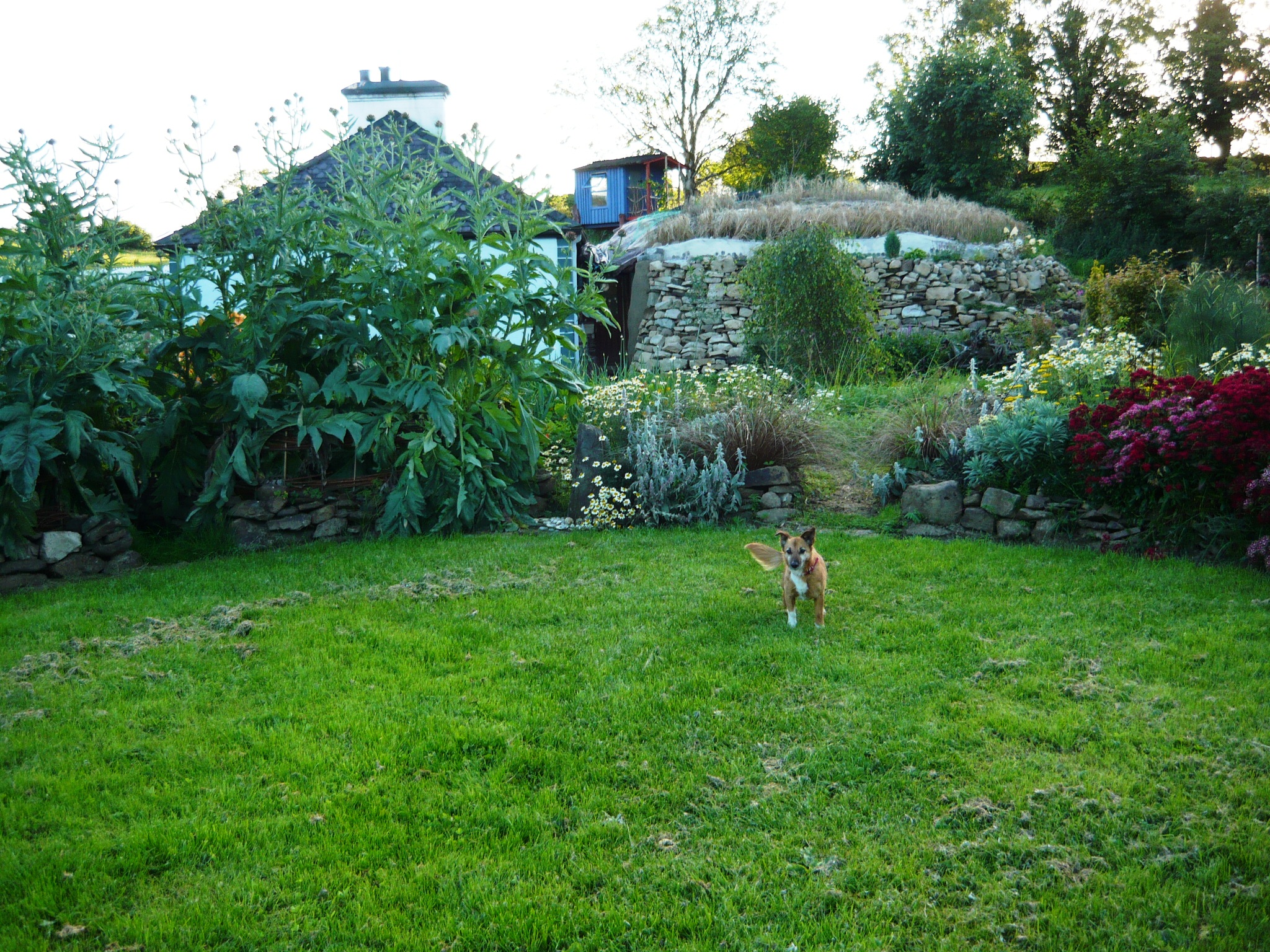
Our circle looks lovely even though we have been busy the whole month with our renovations and extension. It has a lot of weeds growing amongst the flowers but we just pull them out as we pass by. Apart from that all we have managed to do is cut the grass a couple of times but as long as the structure is there in a garden a few weeds do not matter too much and they can be removed as and when the opportunity arrives. We are planning to tidy the whole garden up in autumn, when the grass and weeds slow down. You can see what happens to the circle throughout the months in the category ‘Elemental circle’. For now we are anticipating the fireworks soon to take place when the crocosmia, Lucifer open its buds. It is a red explosion, not easily forgotten.

july east

East

garden july south

South

garden july west

West

garden july north

North

By the little wildlife pond the Angels fishing rods are just starting to open along with the single hollyhock called halo. Pure magic. All over the garden our mallows are now flowering. This evening we had a late walk around the garden, feeling thankful to be in this beautiful part of the world and looked at the full moon rising over the tree tops. A perfectly beautiful evening, once in a blue moon.

garden july angel

garden july mallow

garden moon

Flowers in June.

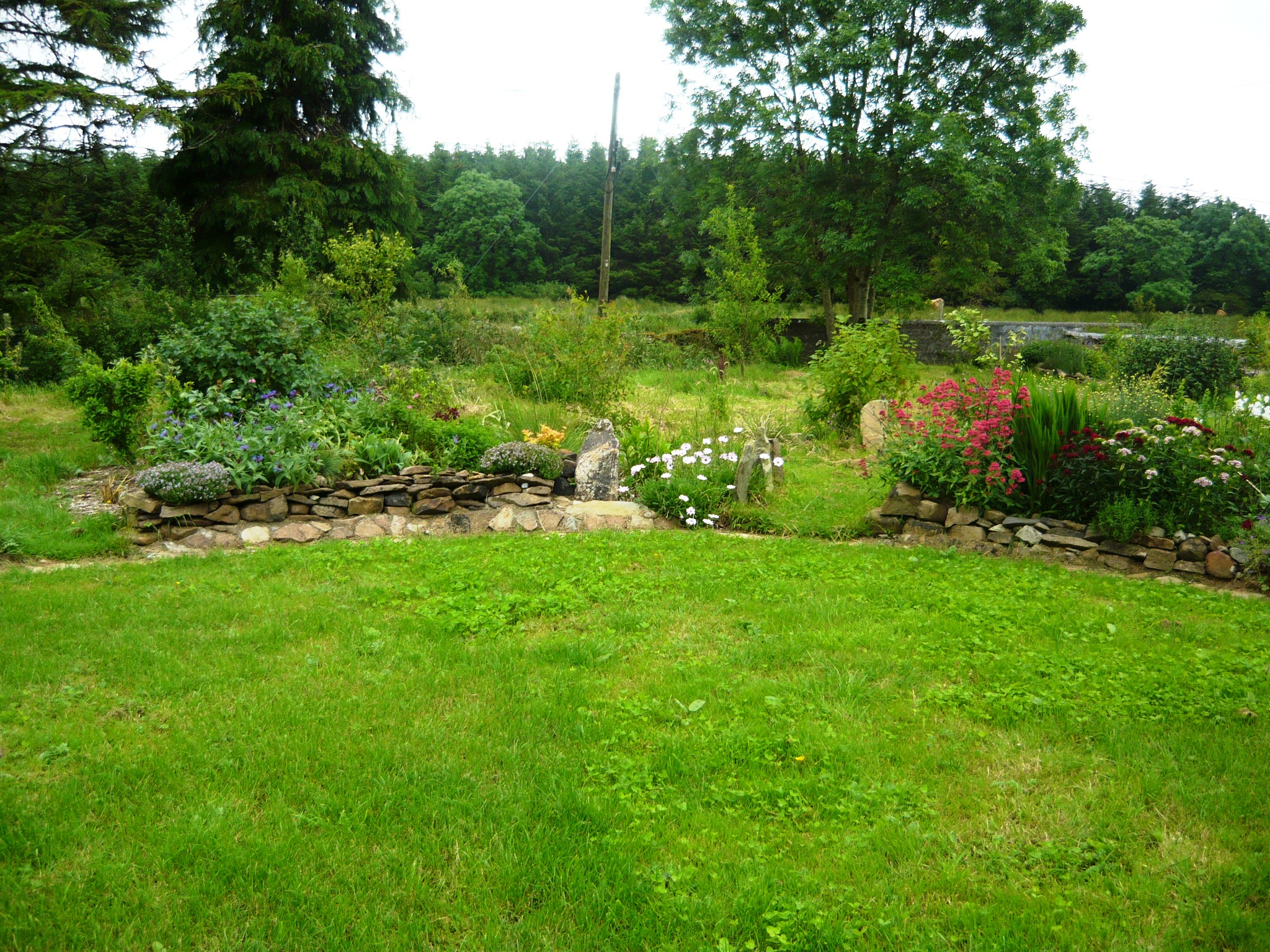
circle june 057

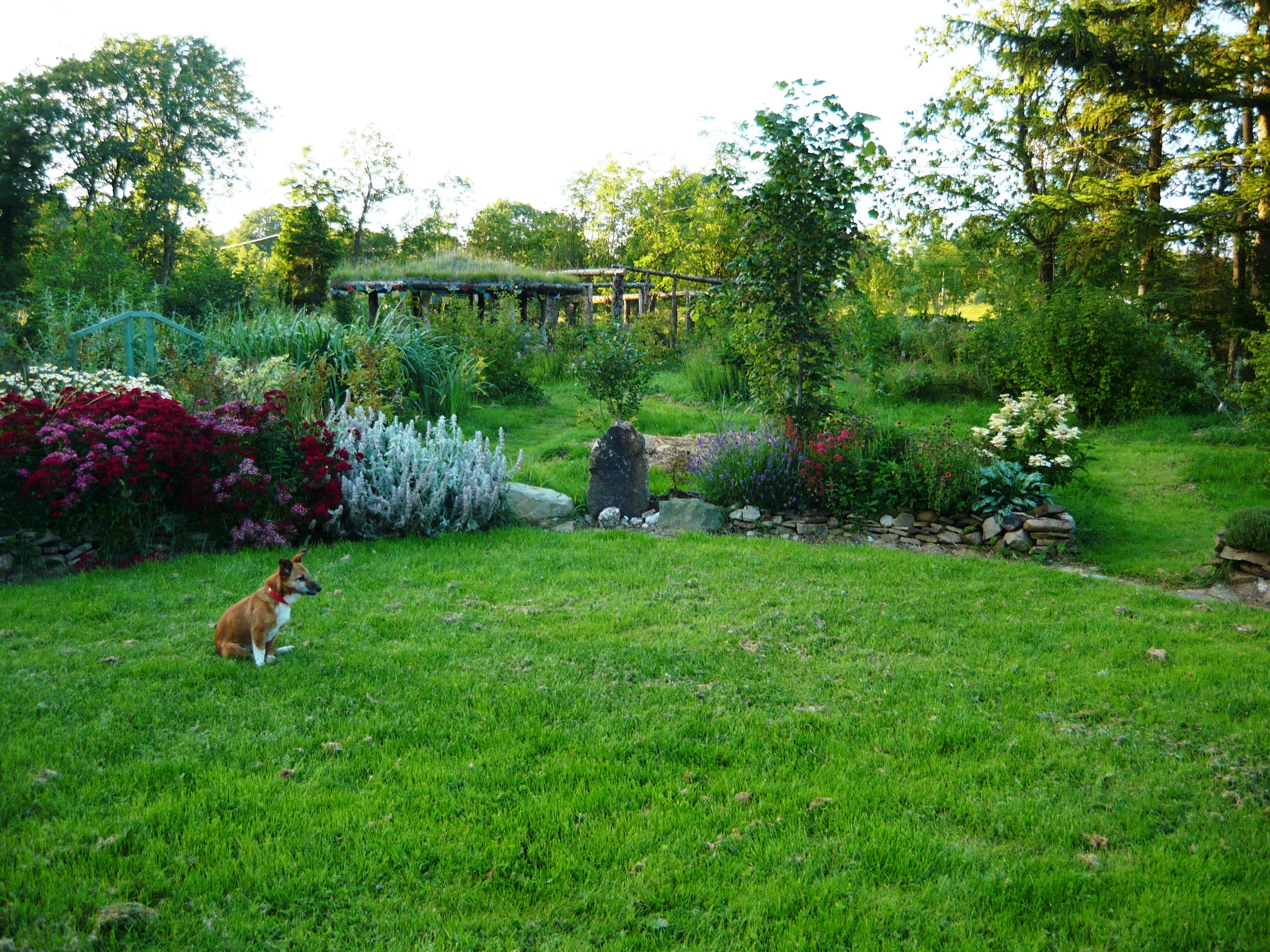
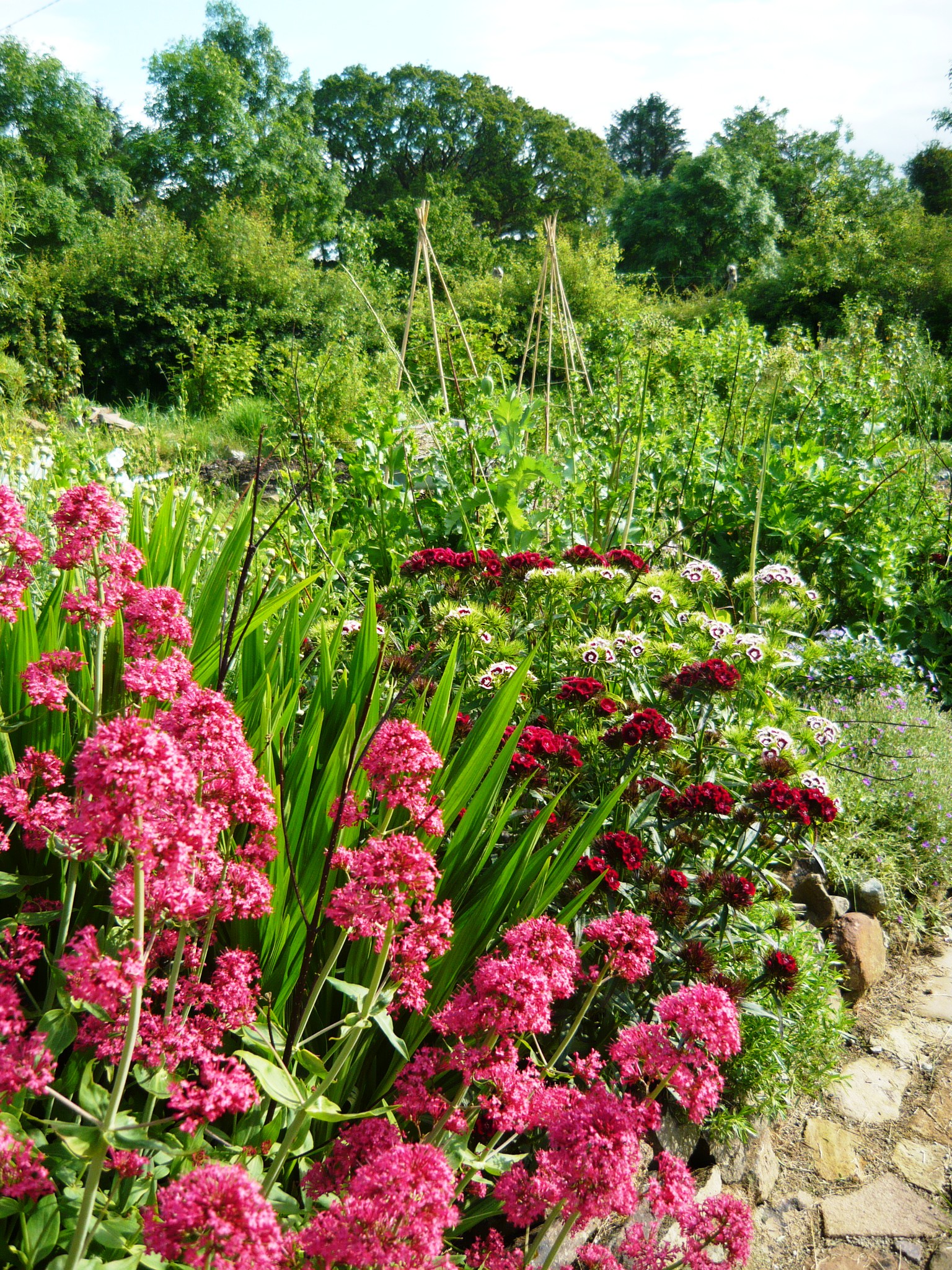
We have come to the end of June and it is time to sum up this glorious month in a few words and pictures. The nice warm weather has brought out some lovely shades of pink, blue, red, purple and yellow all over the garden. Not forgetting to mention green. Growth has been strong in the raised borders around our circle.

circle june red valerian

circle june 053

circle june green

circle june east

East

circle june 004

South

circle june 003

West

circle june north

North

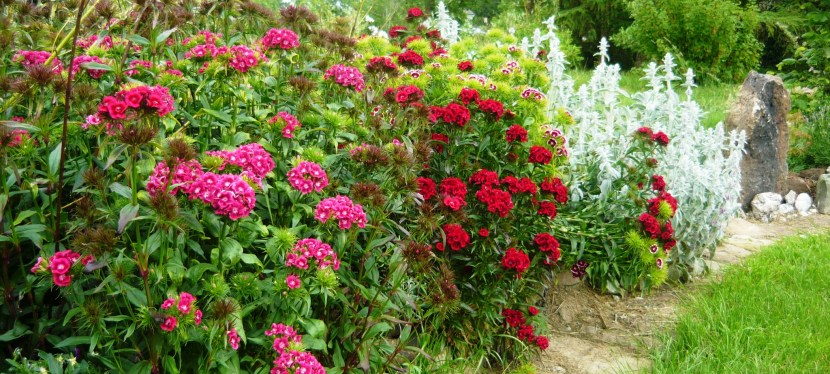
The sweet Williams we sowed last year have overwintered and really show their colours this month. We particularly like this variegated one where the flowers start off pink and fade to white.

circle june sweet william

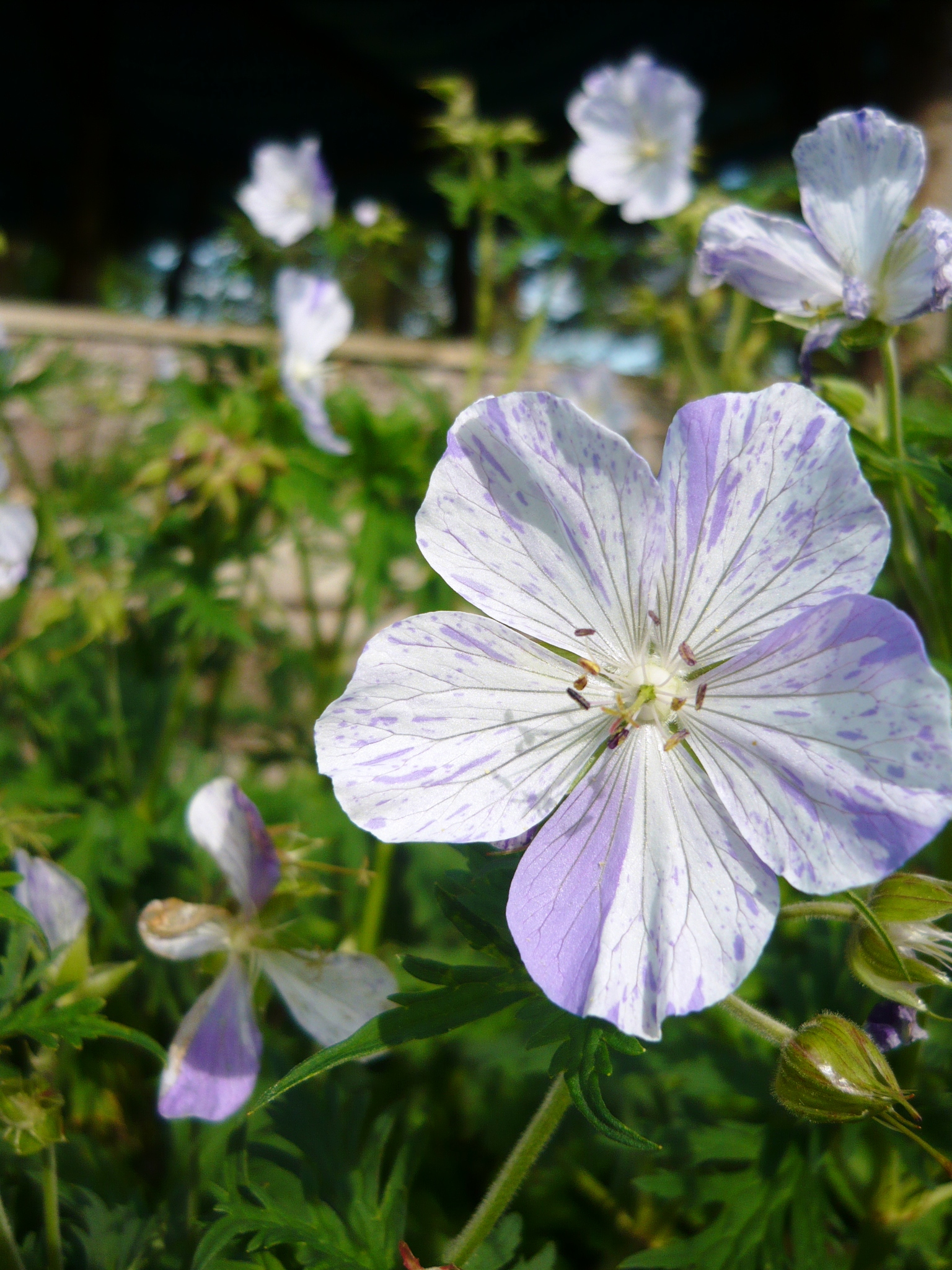
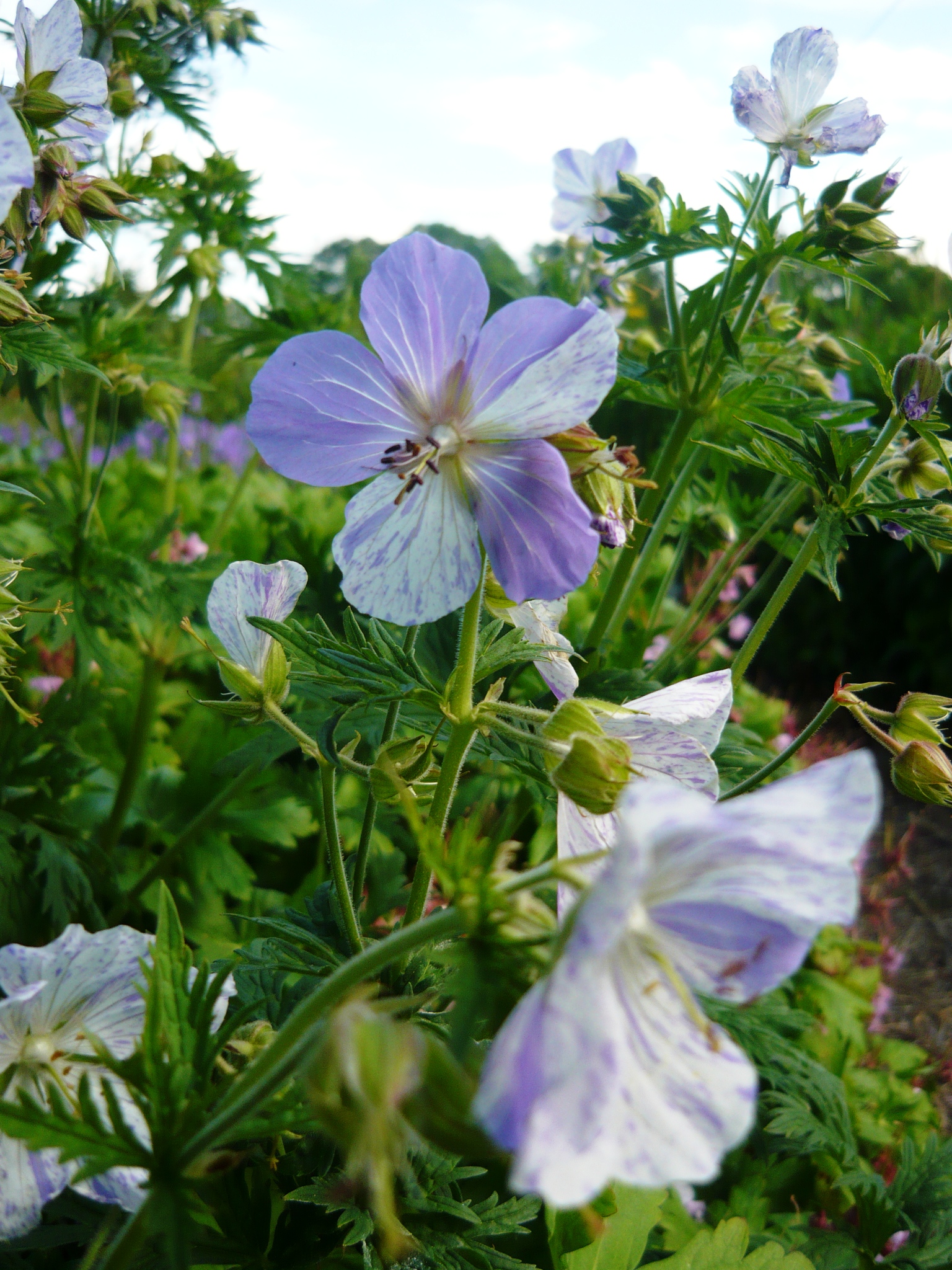
Another favourite in shade and sun are the beautiful hardy Geraniums we put in last year. If we have to pick a favourite it will have to be splish-splash that looks like it has been splashed by blue paint!

circle june splish splash

circle june splish splash 2

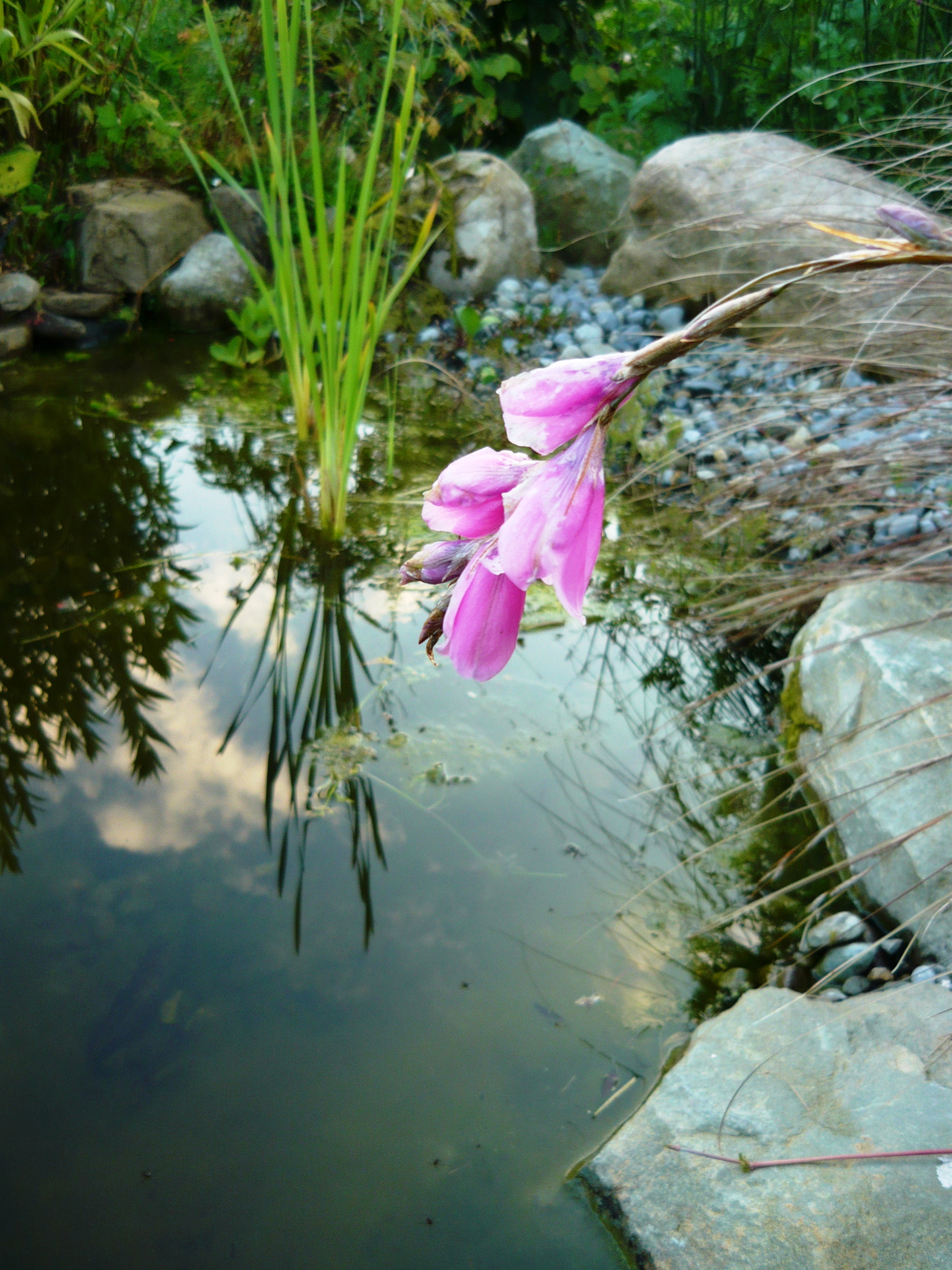
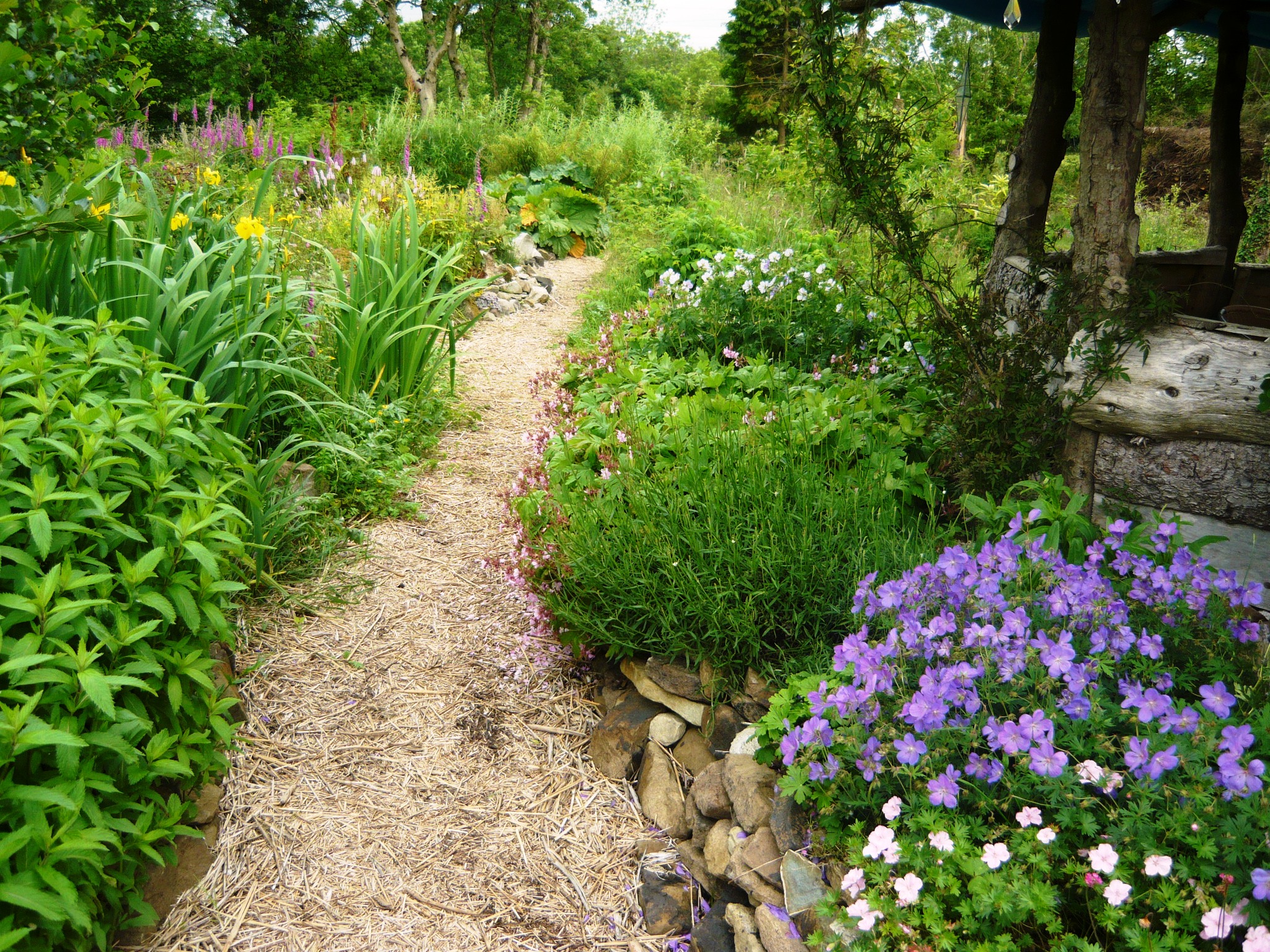
If you take the path down to our pond you are likely to see a few frogs on the way, most of them very, very small. At the pond a whole lot of foxgloves have taken hold, right next to our little fairy house. If you look in the water you can see a lot of dragonfly nymphs as well as many big beetles swimming up to the surface for air. A few newts are also about and a lot of whirly-gig beetles and pond skaters.

circle june path

circle june pond

As we have planted out all the vegetable seedlings we kept safe in our gazebo now, we have reclaimed this space as a lovely place to sit down with a cuppa or dinner. It is so peaceful sitting in there, listening to the little waterfall in our stream and smell the sweet Williams and roses. Two years ago we planted a 40 cm cutting from Future forests in Cork, a rosa multiflora  and now it is a billowing mass of fragrant flowers. This is a rose native to Asia and it has a status as an invasive species in some parts of the USA and Canada. It is very prolific so you might want to think twice before introducing it to a small garden. We like it because it has lovely leaves, flowers and hips for salads and teas. We also grow it in a restricted space where we prevent it from tip layering. We have not found any information to suggest it is invasive in Ireland.

circle june rose

circle june round house

circle june rosa

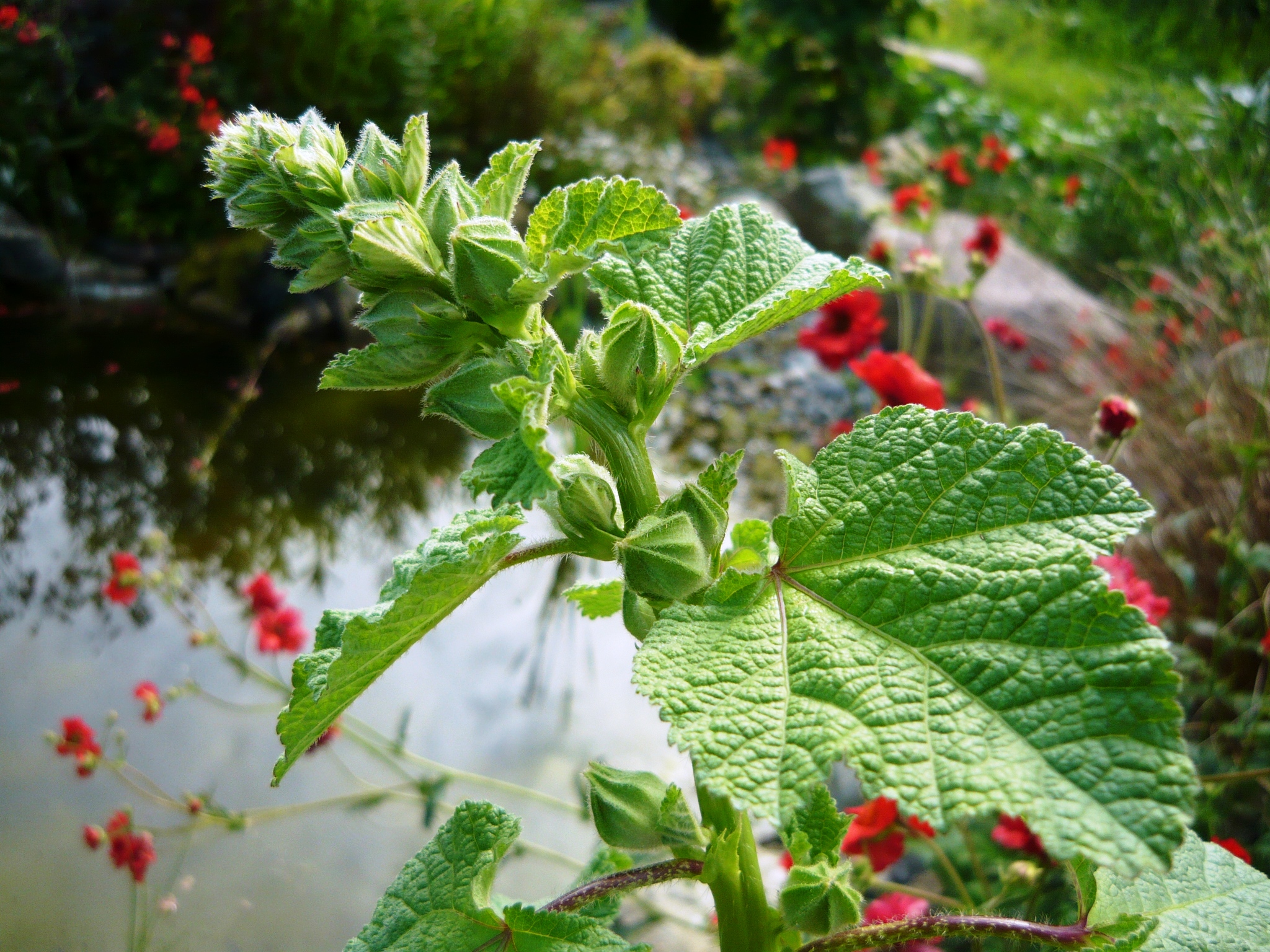
There is a lovely anticipation in the garden this time of year. So many different flowers are still to open their buds, like these hollyhocks, growing close to our smaller pond. We look forward to sharing them next month.

circle june hollyhock

May in the garden.

house

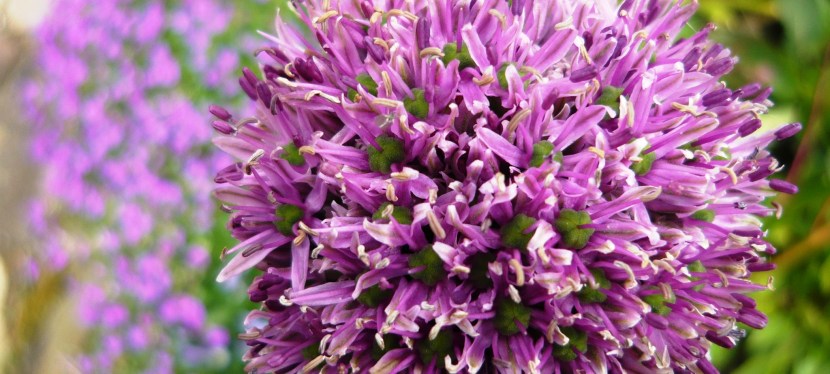
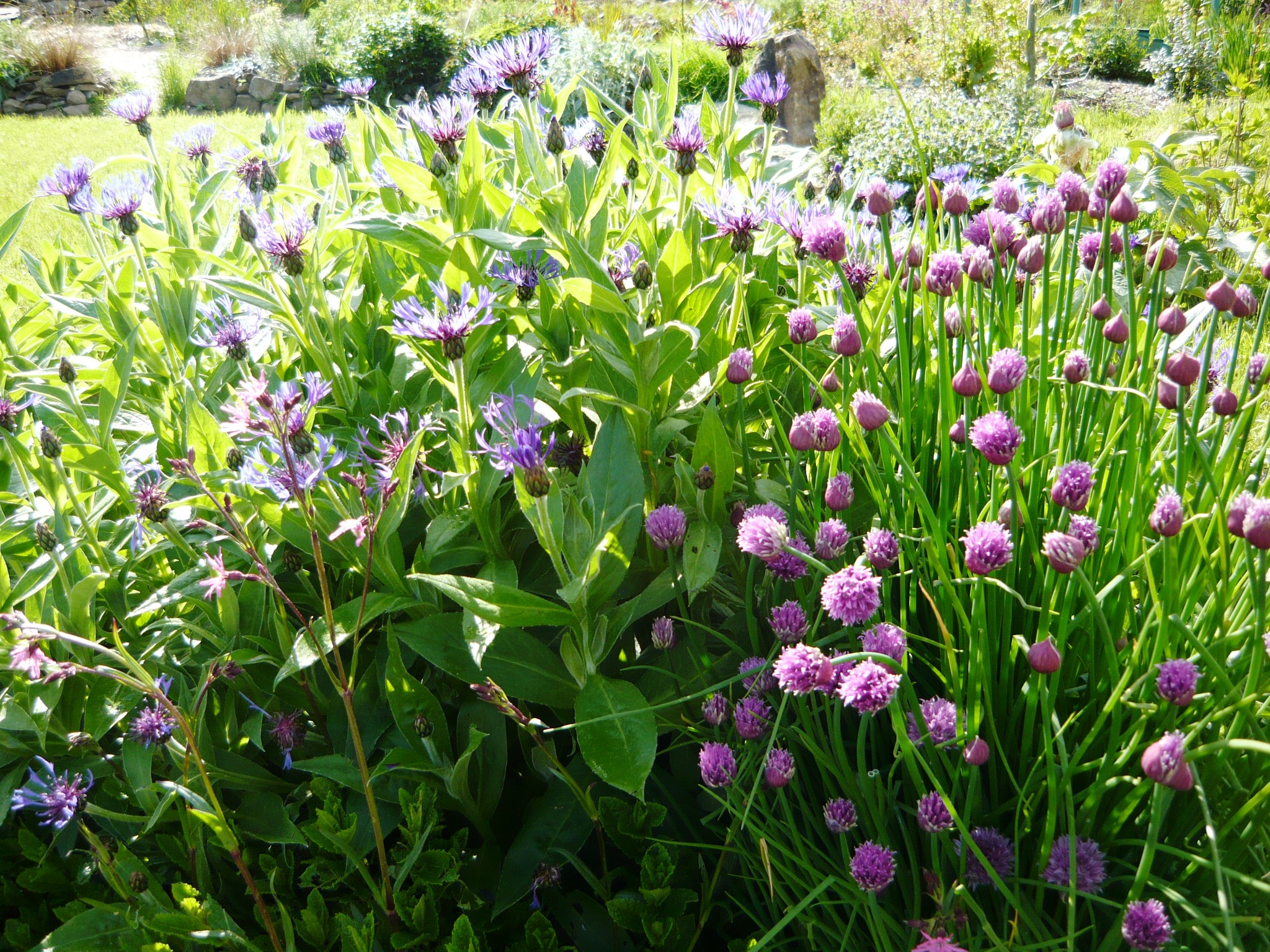
What can we say about May? It has been very cold here; a lot of rain and wind and  plants are not as far along as this time last year. Our alliums are just starting their beautiful display at the moment.

Allium

chives

allium

 In the kitchen garden our potatoes are doing mighty, and we have now added three tires to each stack and earthed them up several times. We have not grown potatoes here before, so it is nice to see them doing so well. We have also planted some Oca tubers and can’t wait to see how they do. Once a highly praised food by the Incas, we are hoping they will do well in our rainy climate. The slugs are abundant so unfortunately a lot of our salad and brassicas have been devoured, and not by us. At least they have had the decency to leave our onions and artichokes alone.

onions

We planted a tree peony last year in one of the beds around our circle and it had a very beautiful flower earlier in the month.

 tree peony

peony detail

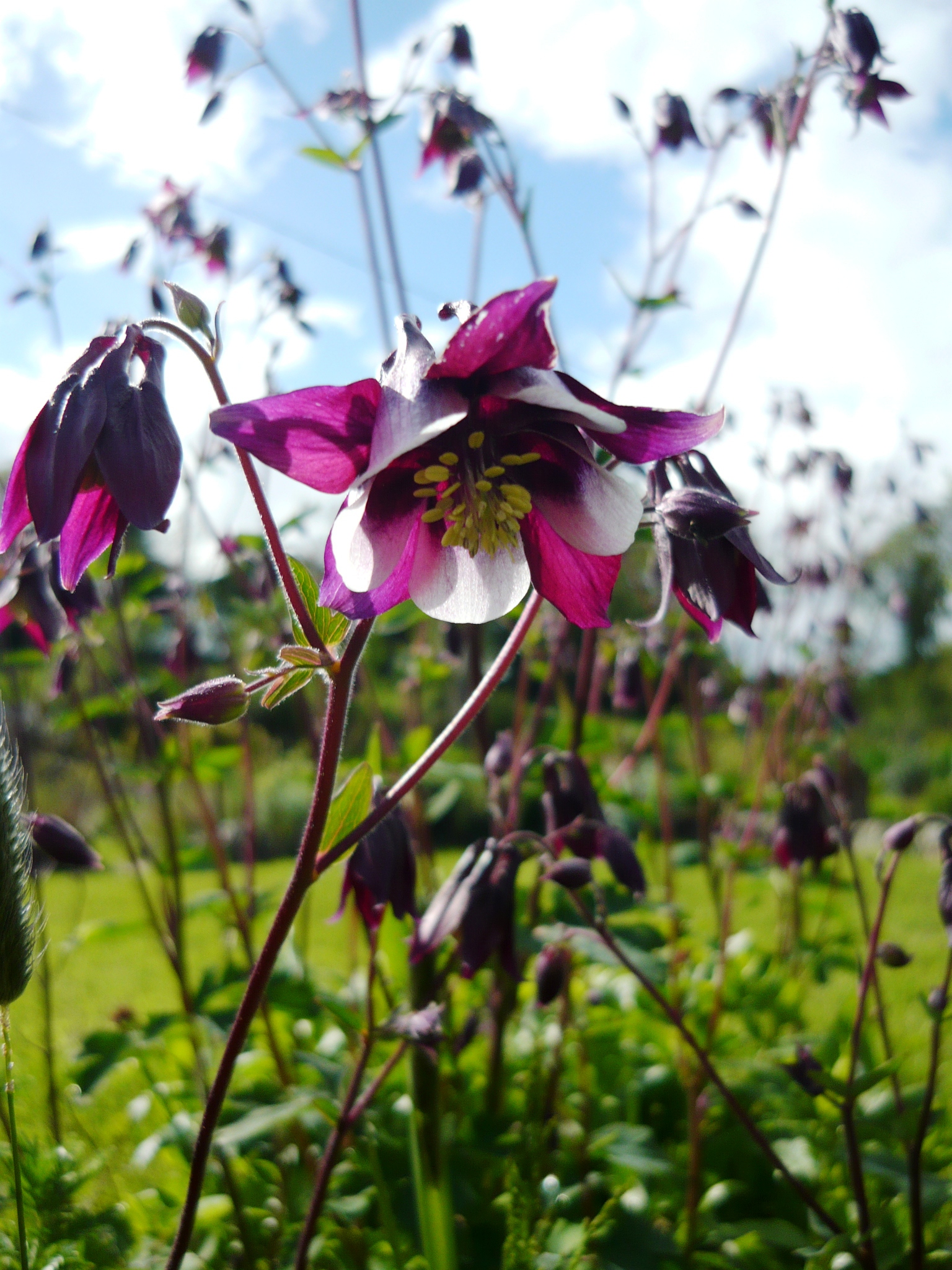
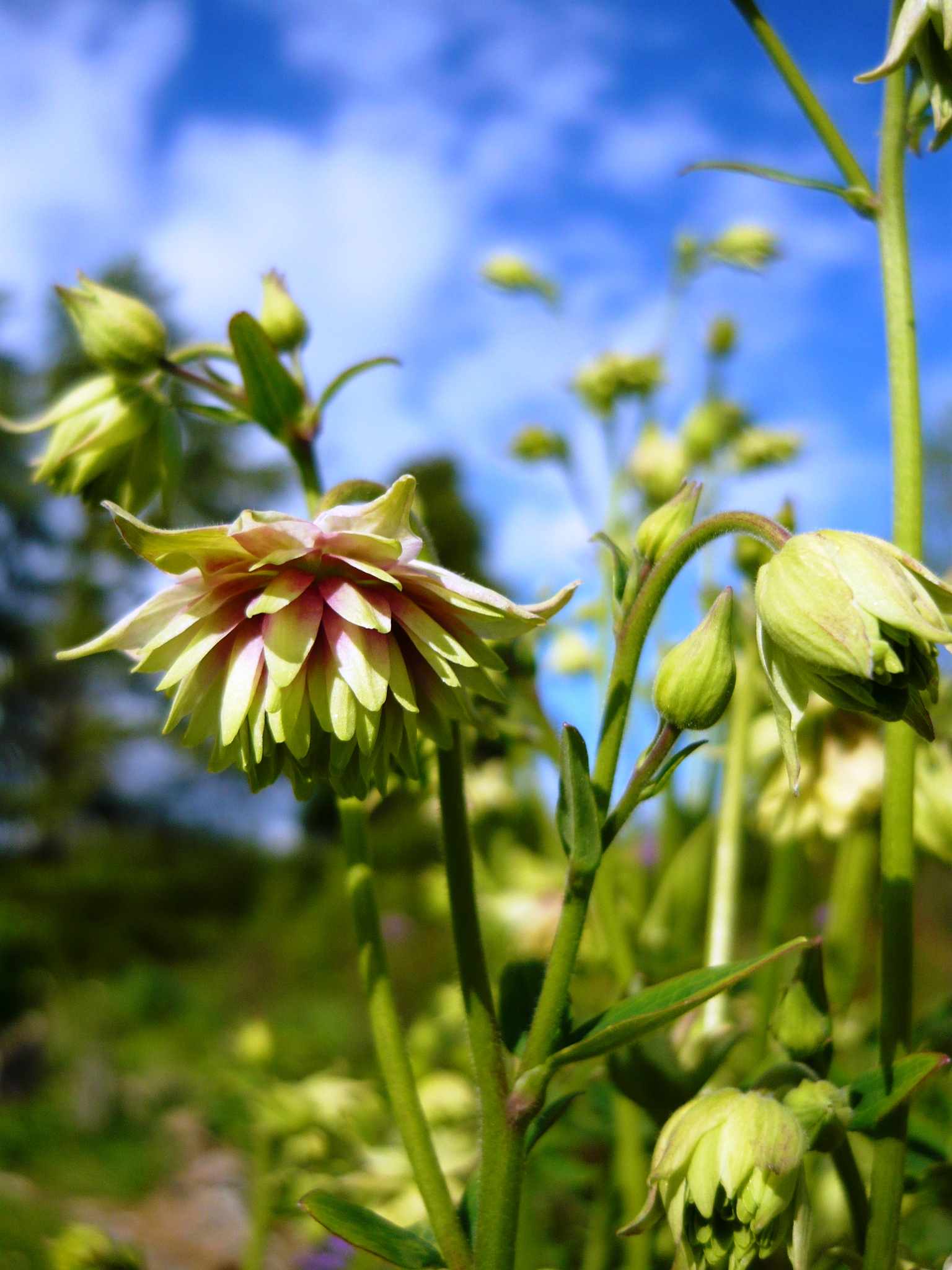
 We always write a bit about what is going on around the circle and garden once a month and all of these posts can be found in the category, Elemental circle. As you can see on the following photos our circle has a lot of lush green growth, but not that many flowers yet. We are happy to look at the Aquilegias though, that we grew from seeds two years ago. The dark one is called William Guinness and the green and pink one is the lovely Nora Barlow.

william guinness

nora barlow

circle may east

East

circle may 020

South

circle may 017

West

circle may north

North

circle may

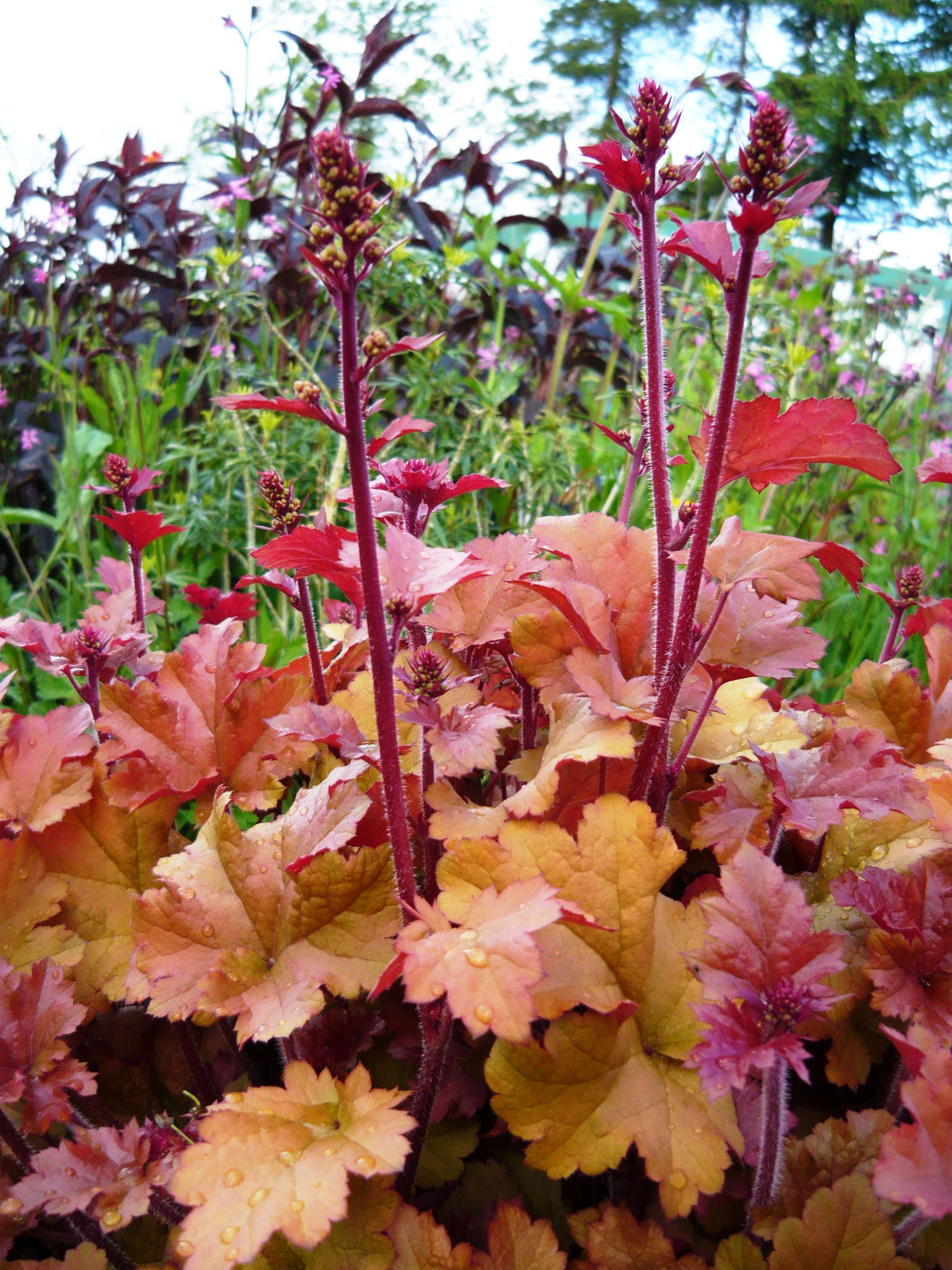
 We will leave you now, with a picture of one of our favourite heuchera, Marmalade. It looks best in full sun, so we can admire it occasionally, between the showers. We are hoping the weather will warm up a bit in June so all our flowers and vegetables will come out to play.

marmalade

Going around in circles

bathroom 019

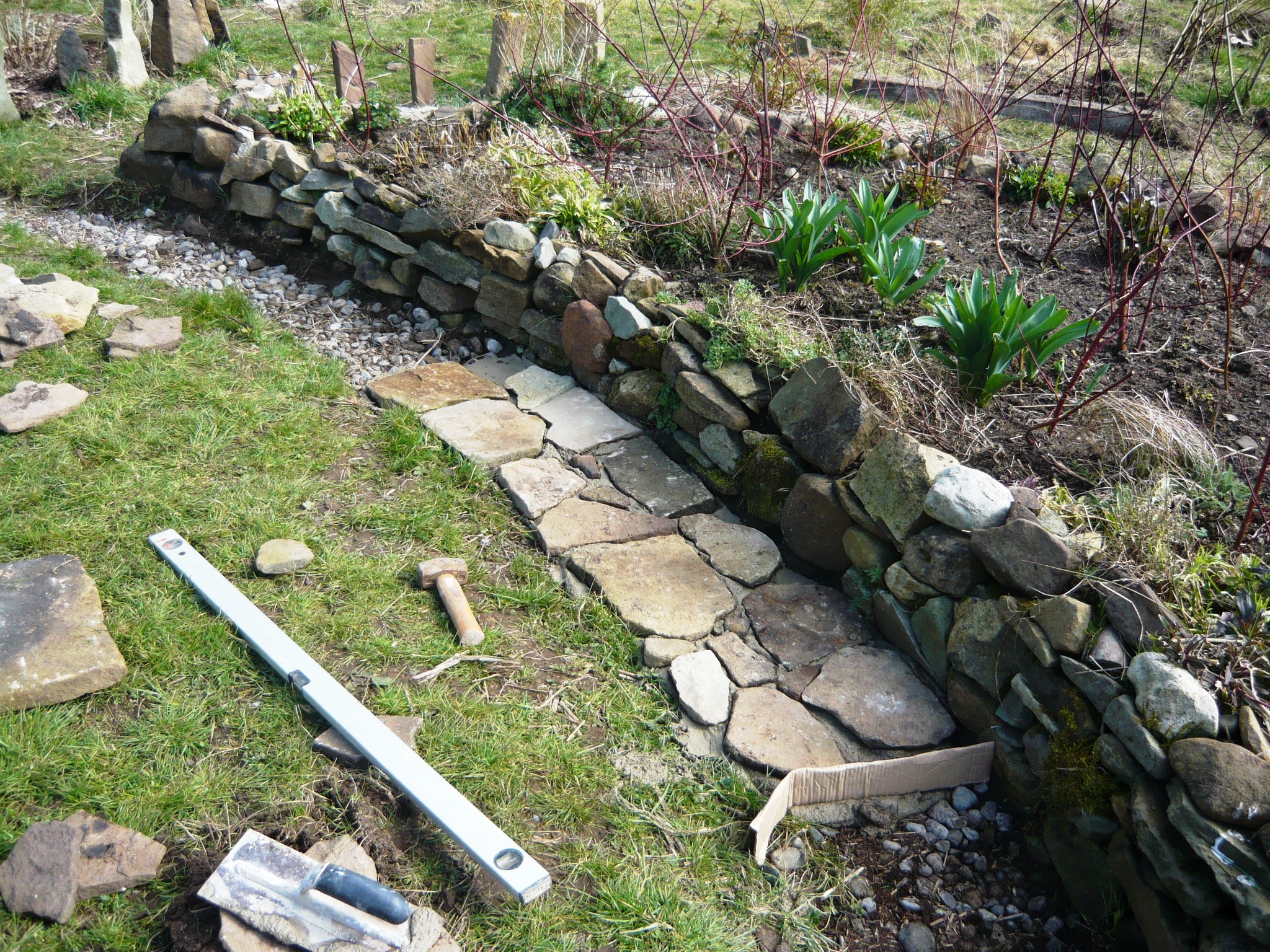
The last month has seen some changes to our main garden circle. We have finished the work on the stone mowing strip all around the edge. Last year the grass grew into the stone wall at the front of the raised beds and it is very nice to have gotten rid of that problem. We are now also able to go around the circle with our push mower and cut the grass all the way to the edge without a problem. After the cement under the stones had set we added hypertufa to the cracks and brushed it in to set and kept watering it for four days, three times a day. This prevents the hypertufa from drying out too quickly. Hypertufa is a very versatile material to use in the garden. We make ours out of one part sand, one part cement and one part compost and a generous helping of PVA. The compost makes the dried mixture slightly porous and provides a few nutrients for mosses to grow. It can be used to create sculptures and planting troughs that look very natural after a while due to the moss.

 hypertufa

bathroom and rubarb 021

 North stone

We have also finished the second low fence to support the artichokes and cardoons. We made it out of willow and dogwood for all the woven pieces with Bamboo canes for the uprights. Hopefully it will be high enough to prevent the huge plants from blowing over. They grew to almost three meters last year.

 artichokes

All our plants have grown a lot this month but there is still mostly greenery to be seen and not that many flowers. April has brought a lot of sunny warm days but also some frost and even hailstones.Our weeping birch has beautiful small leaves and the onion sets we planted in March are all growing nicely.The tree peony is about to flower and a lot of annual poppies have germinated from self sown seed last year. It is great to have some self seeding plants such as poppies, forget me not and aquilegias in the flower borders as you are always in for a surprise. We are keeping our dandelions all around the garden and do not try to eradicate them from the lawn as they are very important to the bee population and also nice to eat in salads.

circle

 Here you can see pictures of the circle towards the four points of the compass.

 east

East

south

South

west

West

North

North

We are taking the same pictures once a month to keep a record of the changes throughout the seasons and the years. All the posts containing these photos are collected in the category Elemental circle. As we are nearing the end of the month we are looking forward to the colorful floral explosion that is bound to happen in May. All over the garden there are thousands of buds, just about ready to burst open. We can’t wait to share next months pictures of our circle with you.

Set in stone.

North stone

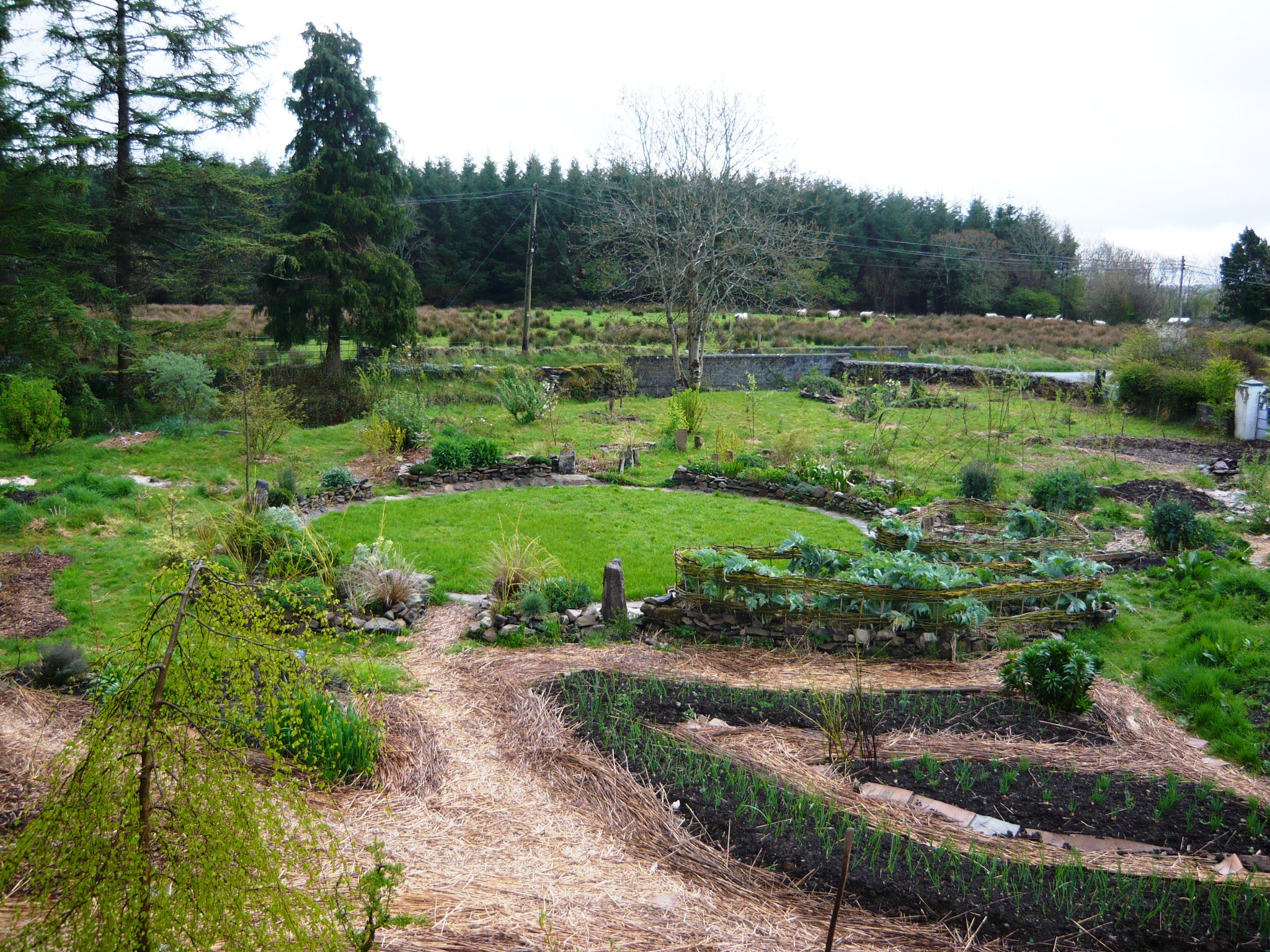
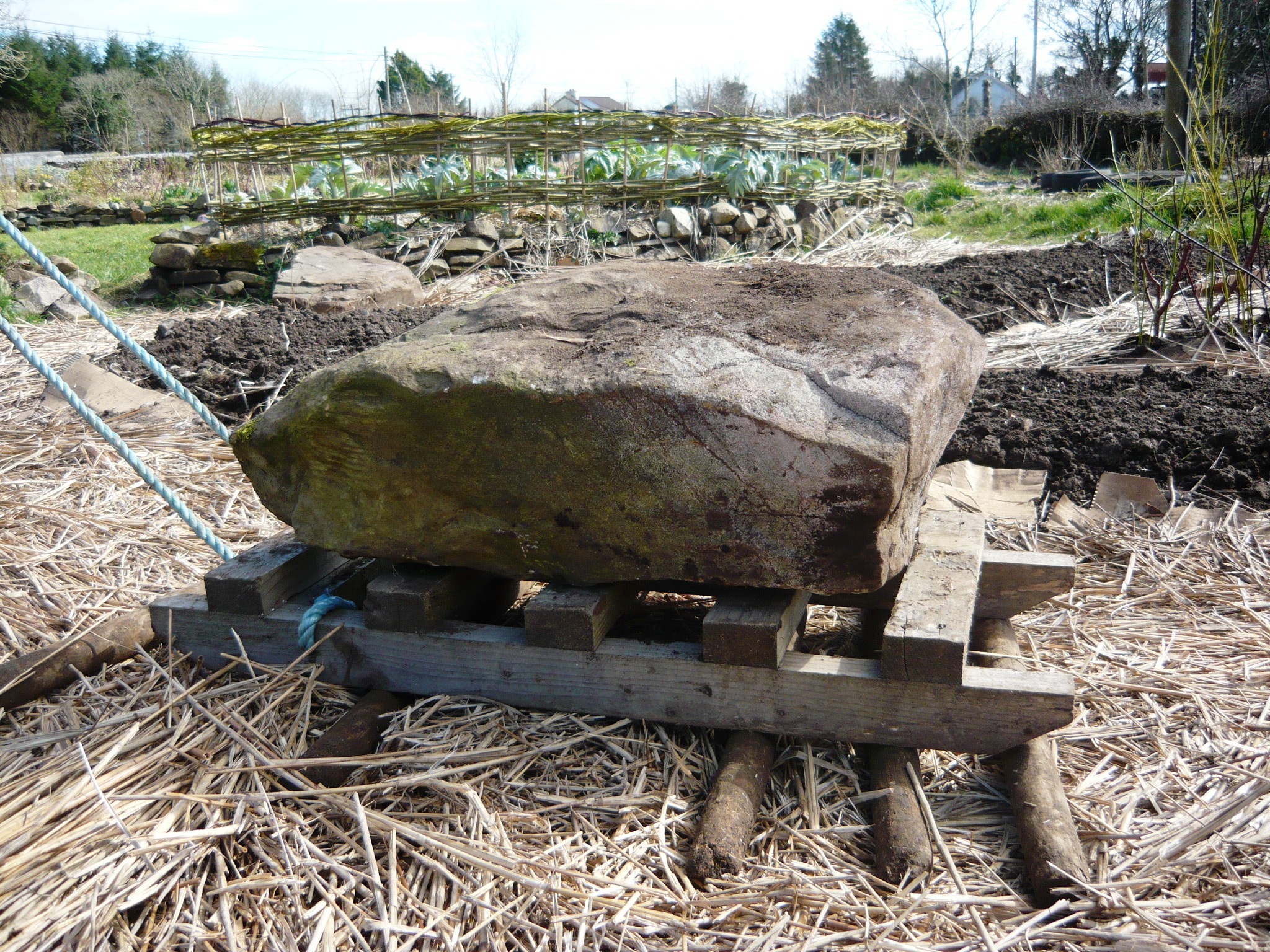
Most of our garden is planted with edible plants. But when we planned it out on paper we also wanted to include a lot of flowers. Some of them are herbs with culinary and medicinal purposes and some are magnets for bees and butterflies. We wanted to arrange our flowering plants in a pretty way and also wanted a flat area for friends, kids and relatives to pitch a tent when visiting. We do not like square shapes, straight paths and formal gardens very much. Because of this we choose a design based on circles. Circles have been used for thousands of years in cultures all over the world. We like ancient stone circles very much and decided early on to have a large circle in the centre of our garden and add four standing stones, one for each point of the compass. The first job was to get rid of the stones in the ground in order to have a smooth area for pitching tents and have a bit of a lawn as the rest of the garden is more on the wild side.  We did not know just how many stones there were in our 9 meters across circle. We built crescent moon shaped raised beds all around the circle and still ended up with huge piles of stones for other projects. We then had to hire a rotivator to get the area somewhat flat and ready for seeding. All those preparations were done last year. This past weekend we had beautiful weather and decided it was time to put our standing stones in place and start making an edge in natural stone to make the circle easier to mow with our push mower and have less weeds growing into the raised beds. The stones needed to be moved from another part of the garden and we made a sledge for this purpose. We then used the ancient method of rollers to move the standing stones across the garden. It was fun and quite easy.

 Stone sleigh

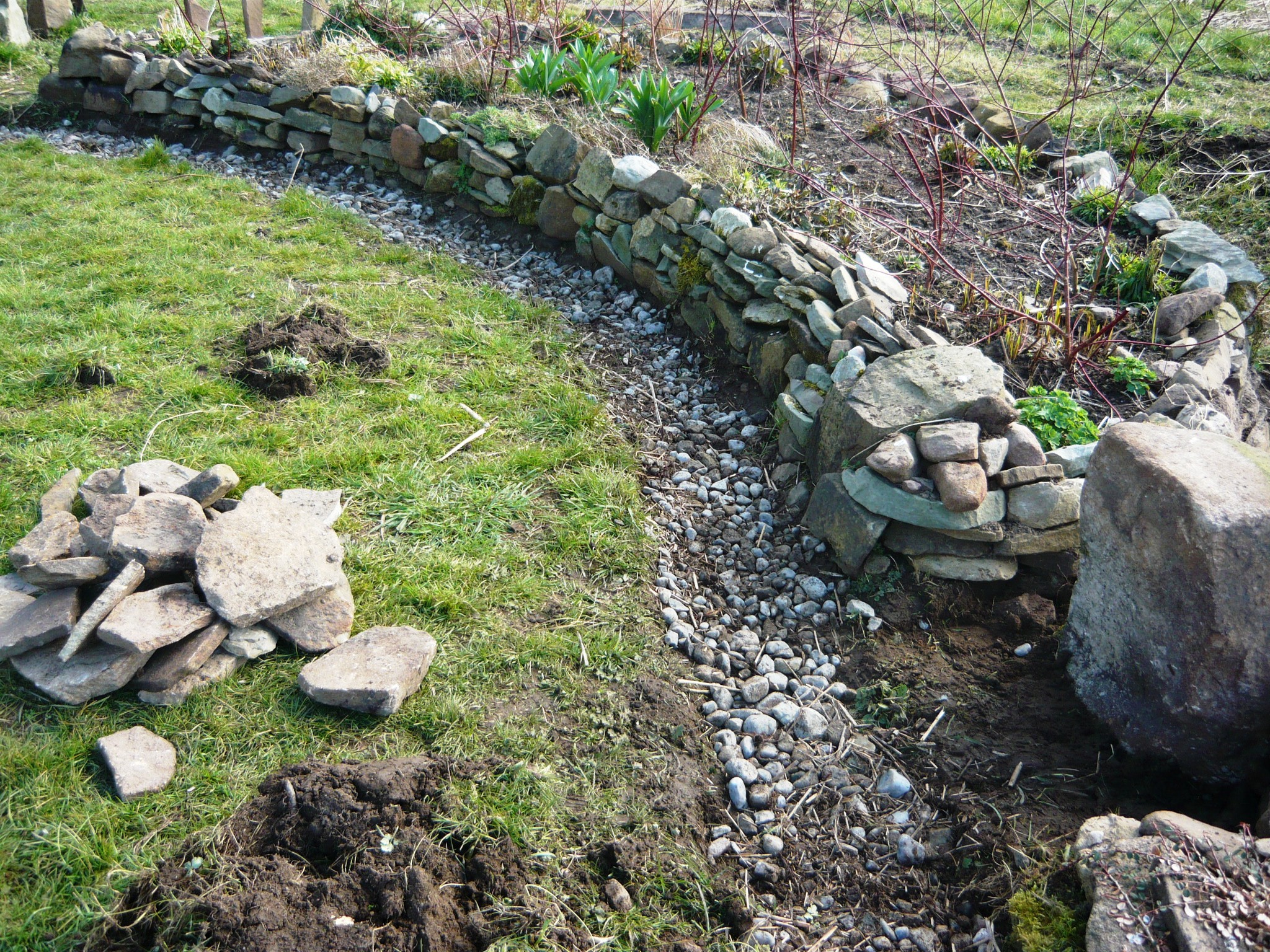
We dug holes and planted the stones firmly in place at the cardinal points. We dug out a shallow ditch all around the circle and filled it with gravel. Then it was time to mix up some cement and put down the small flagstones for the mowing strip. At each standing stone we added a few more stones.

Gravel ditch

Crazy paving

East is connected to the element of air and the colour yellow so in this section we planted a Japanese maple with yellow leaves and a lot of grasses that can move in the wind. South is connected to the element of Fire and the colour red so we have a lot of red flowers here and a lovely Japanese maple with bright red leaves. In the West we added a lot of seashells for the element water and a blue flowering Ceanothus.  We still have to do the North stone decorations which will consist of a lot of crystals for the element of Earth and bright green plants.

Elemental plants

East set in stone

East

South set in stone

South

West set in stone

West

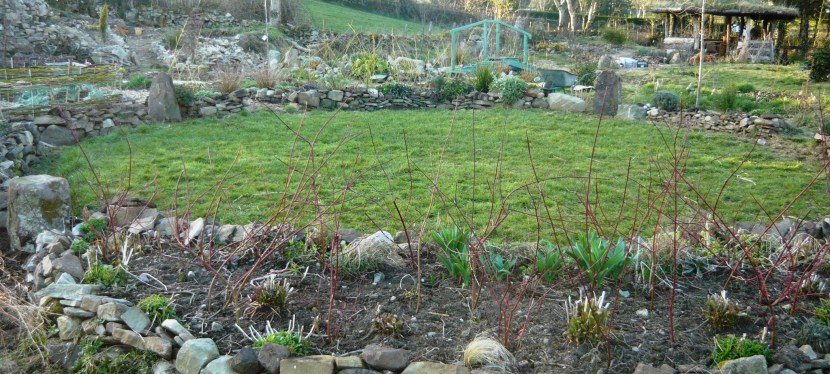
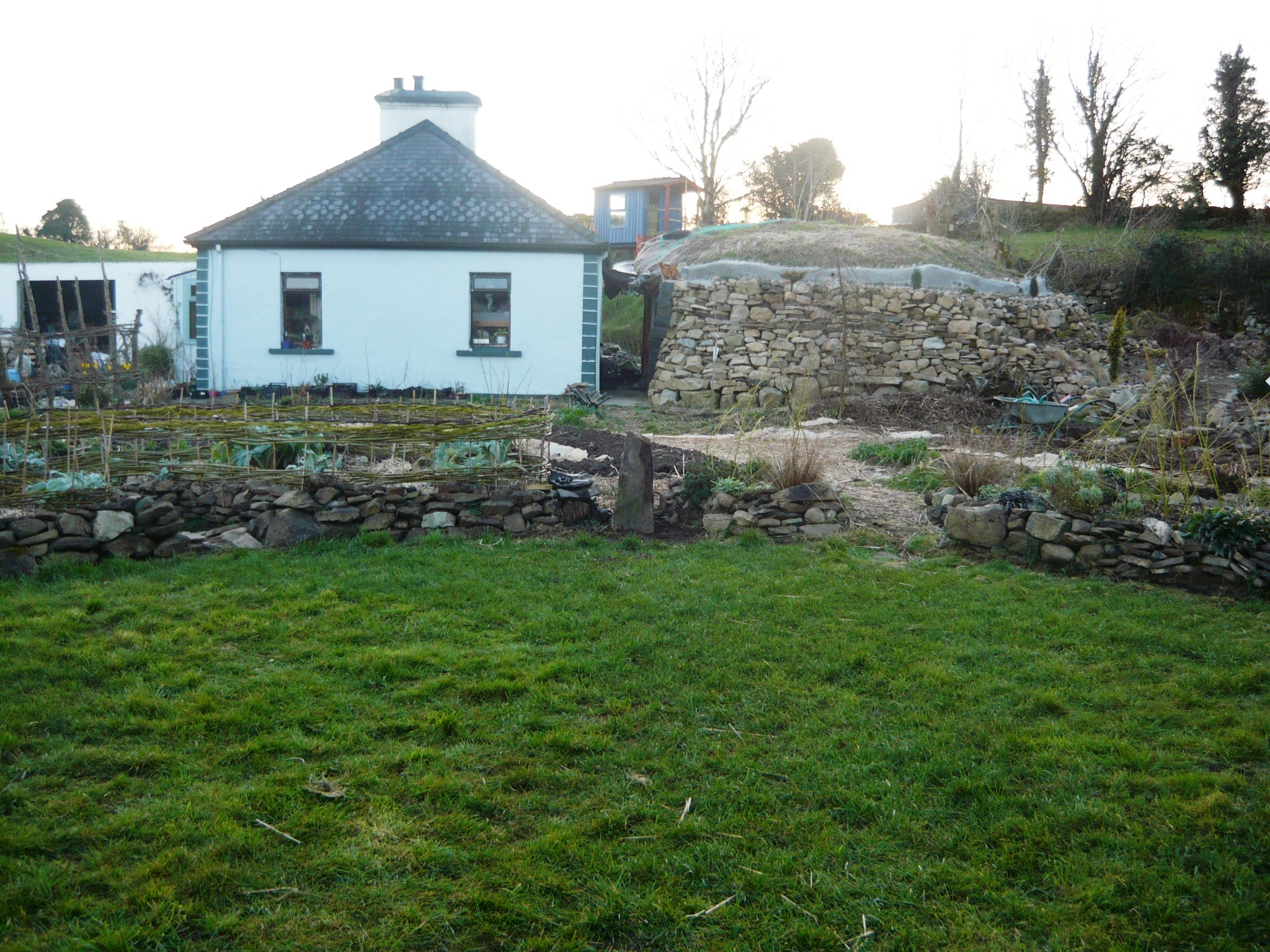
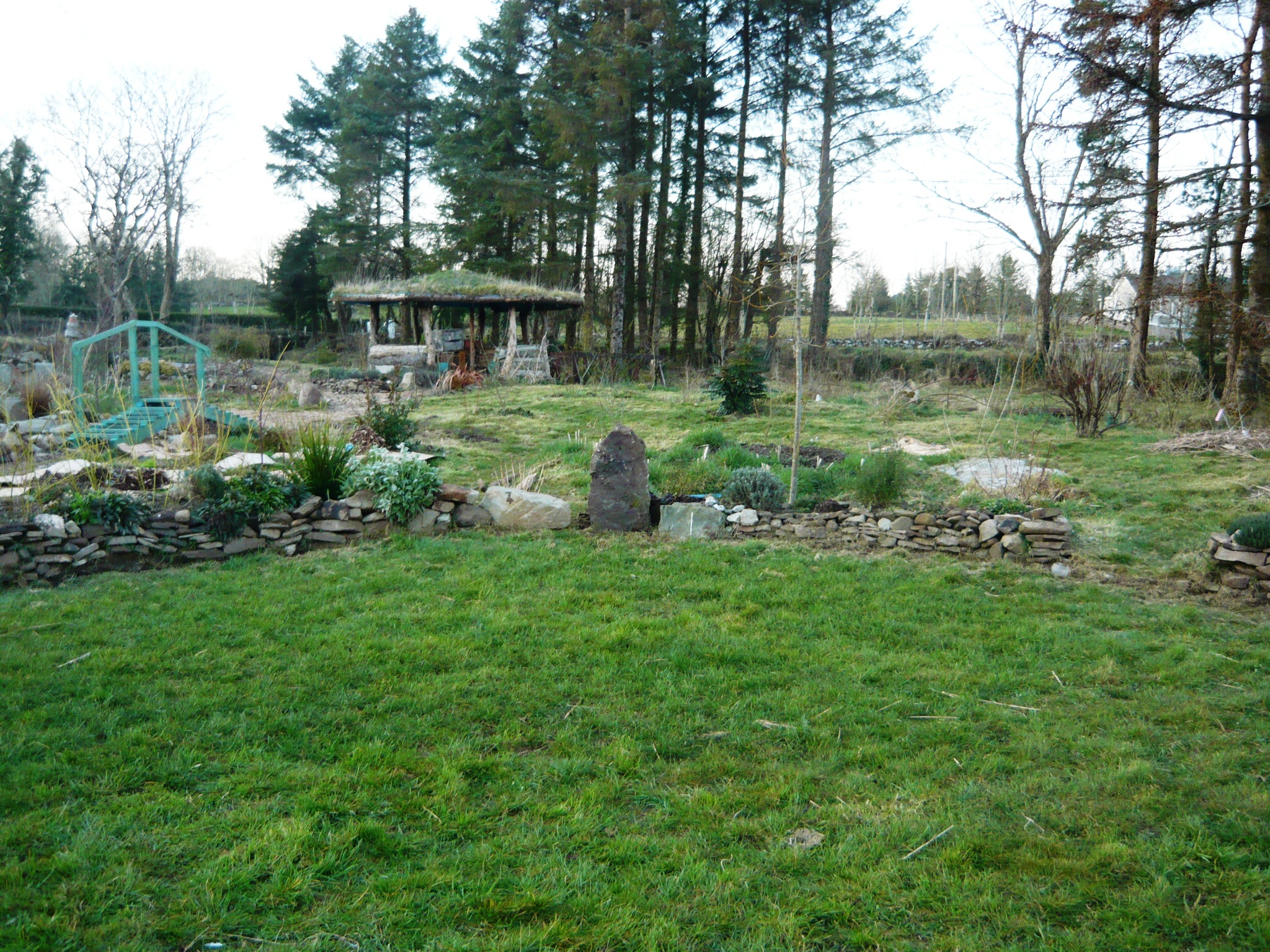
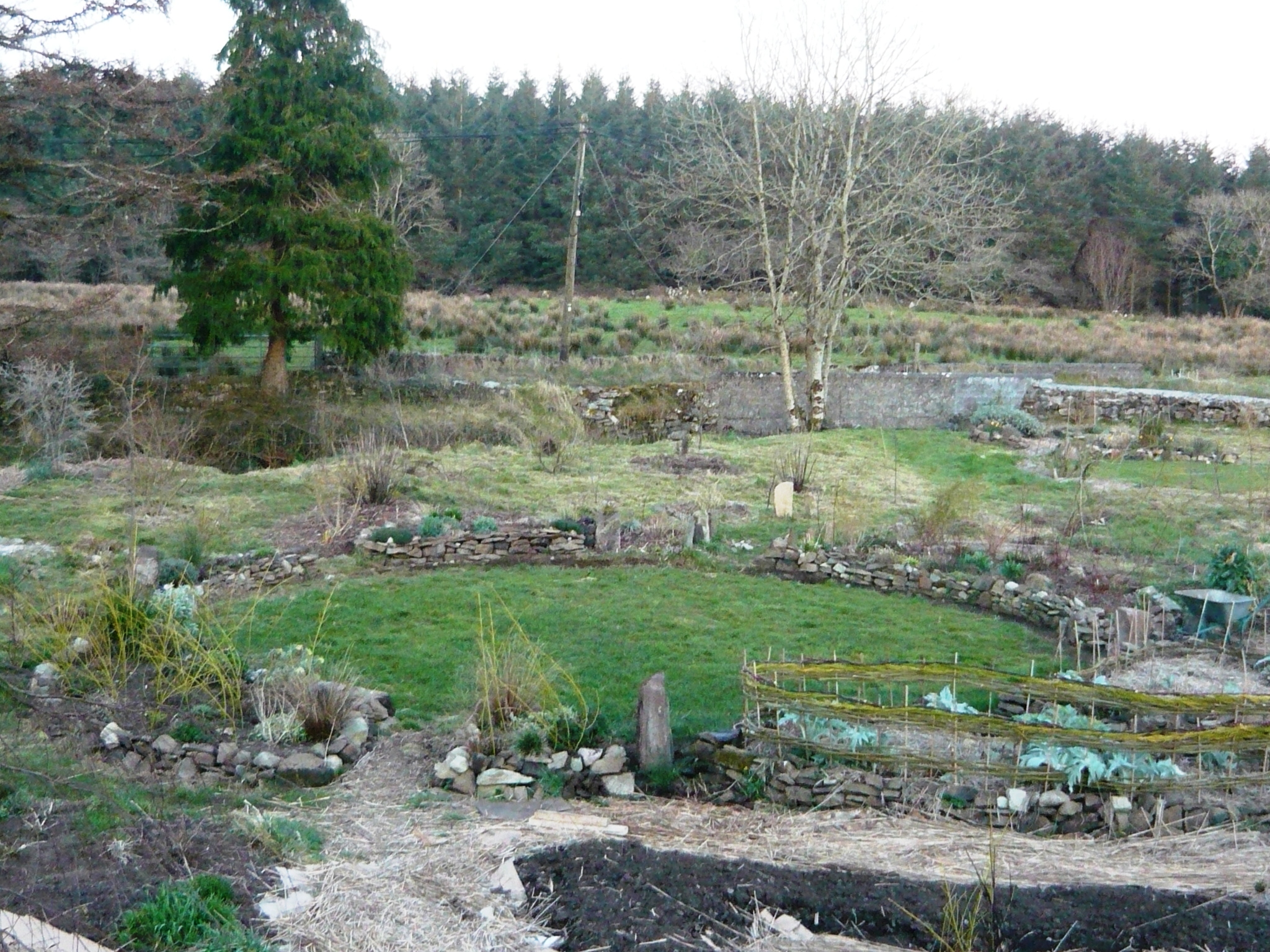
Here you can see the view across the circle to the East, South, West and North. We are planning to take the same pictures once a month so you can see how the garden changes in the course of the months and years ahead. All of these posts will be in the category called Elemental circle.

East

South

West

North

stonecircle from roof