June in retrospect.

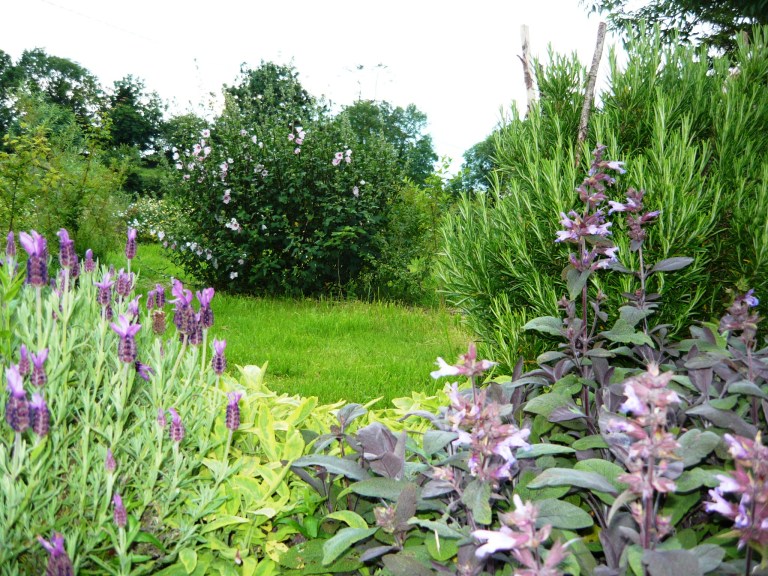
June was a month that seems to have passed very quickly this year. Maybe that is because we have been busy preparing for our open garden day on July 15th. There is still quite a lot to do in the garden, and we are baking every day and kind friends are letting us use their freezers for all the muffins, Swedish cinnamon buns and scones. We have had masses of ripe raspberries over the last couple of weeks and most of them have been used for vanilla and raspberry muffins for our guests on the open day.

late june 052

Read more

Our stamp on the stumpery.

bees 083

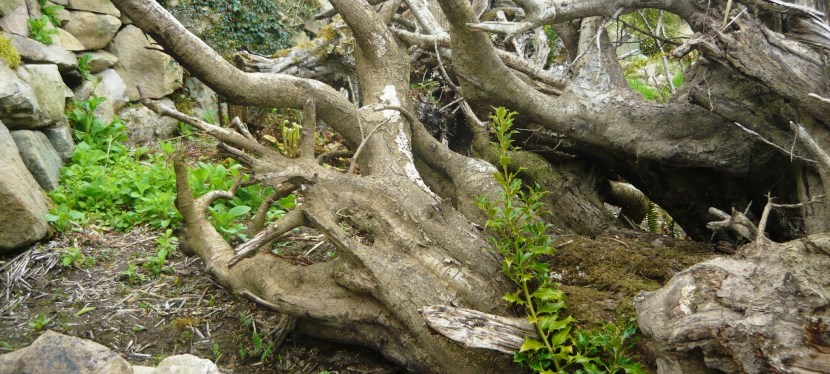
The Victorians were known for adding a lot of quirky and artistic aspects to their gardens. Grottoes, unusual water features, mazes and labyrinths. We are particularly fond of the stumpery;  a Victorian invention built from a pile of old tree roots and stumps with ferns, mosses and other plants growing amongst and on them.  The first stumpery was created by an artist and gardener named Edward William Cooke in Staffordshire in 1856.

Read more

Wildlife watch in May.


Conservatory 066

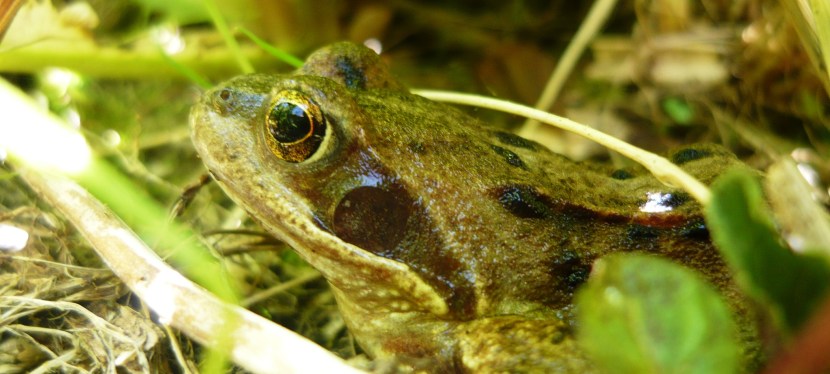
We are entering our fourth summer season on our land and it is fascinating to see how a balance is starting to form with all the plants, fungi, microorganisms and animals working together. The first couple of years we had thousands and thousands of slugs but now our newt and frog population has grown so much, the slugs are much less in numbers.

Read more

Attracting wildlife.

wildlife

You need an organic garden to attract a wide range of wildlife. But you also need wildlife to create an organic garden. We do not think one can exist without the other.

wildlife  pond

We have been living on our plot of land for almost three years now. When we first moved in we only made the house liveable, and concentrated most of our efforts on the garden. Our land was encircled by a huge thick laylandii hedge that blocked out all light and did nothing to support wildlife. We cut it down and replaced it with espaliered apple trees, oak and beech hedging and a lot of mixed trees and shrubs. It was a very important first step in attracting wildlife and we used the trunks for structures in the garden and all the smaller branches for mulch on paths and planting areas.

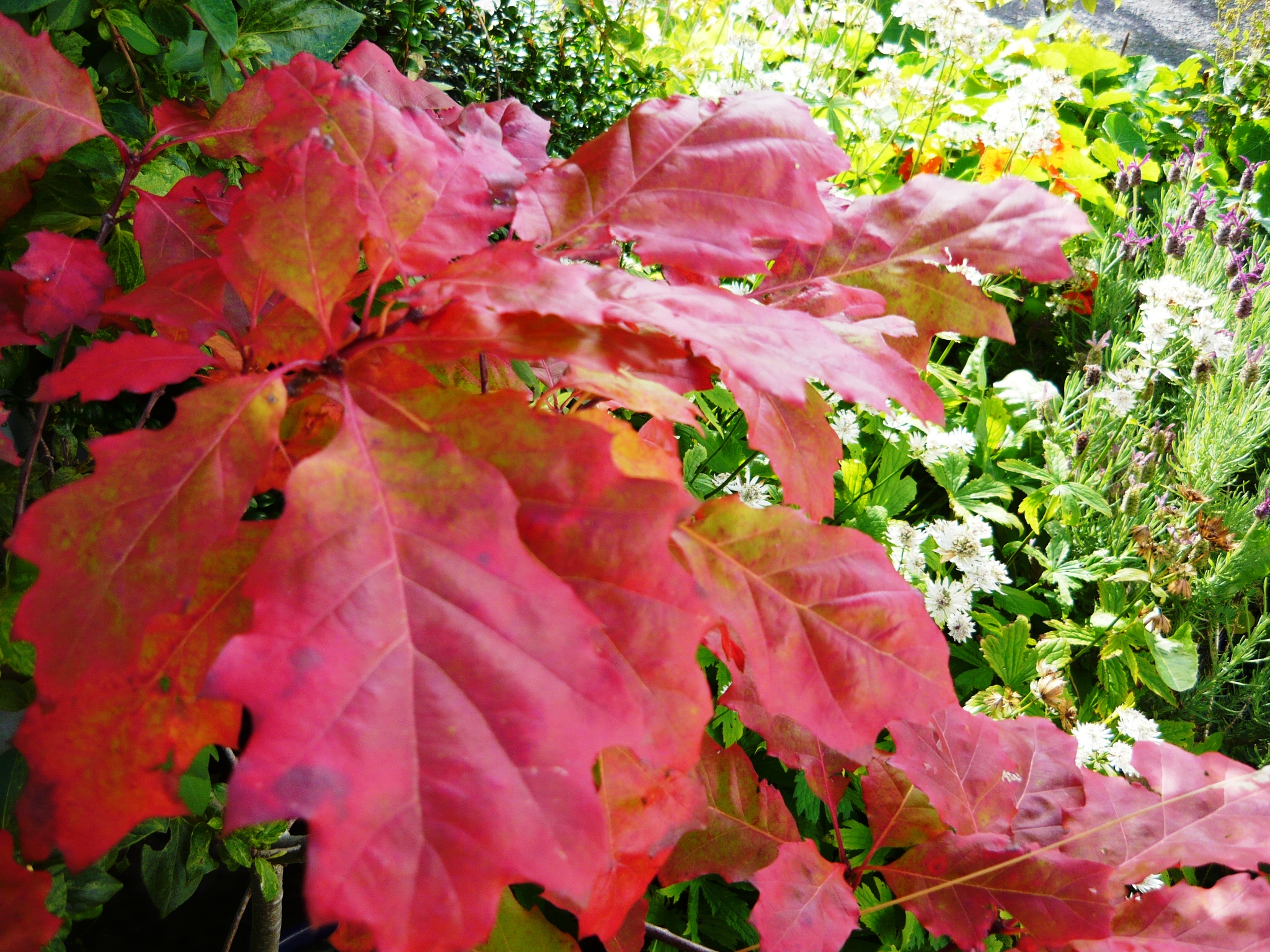
red oak

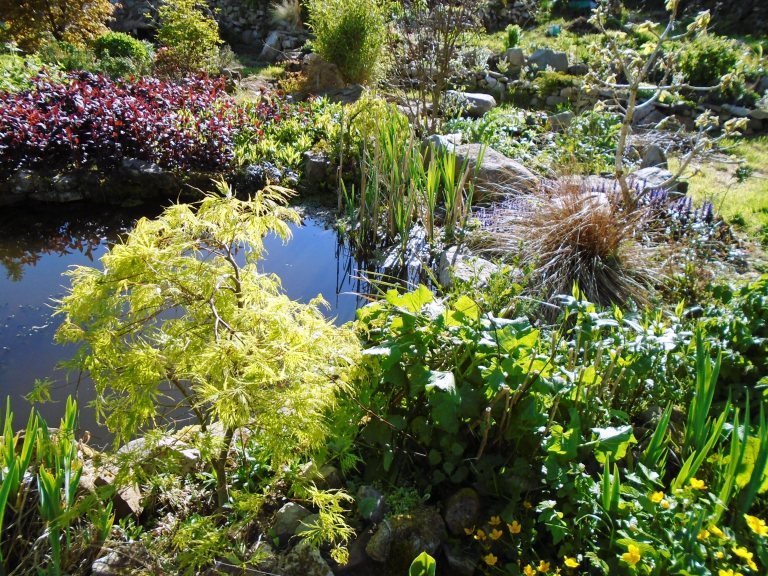
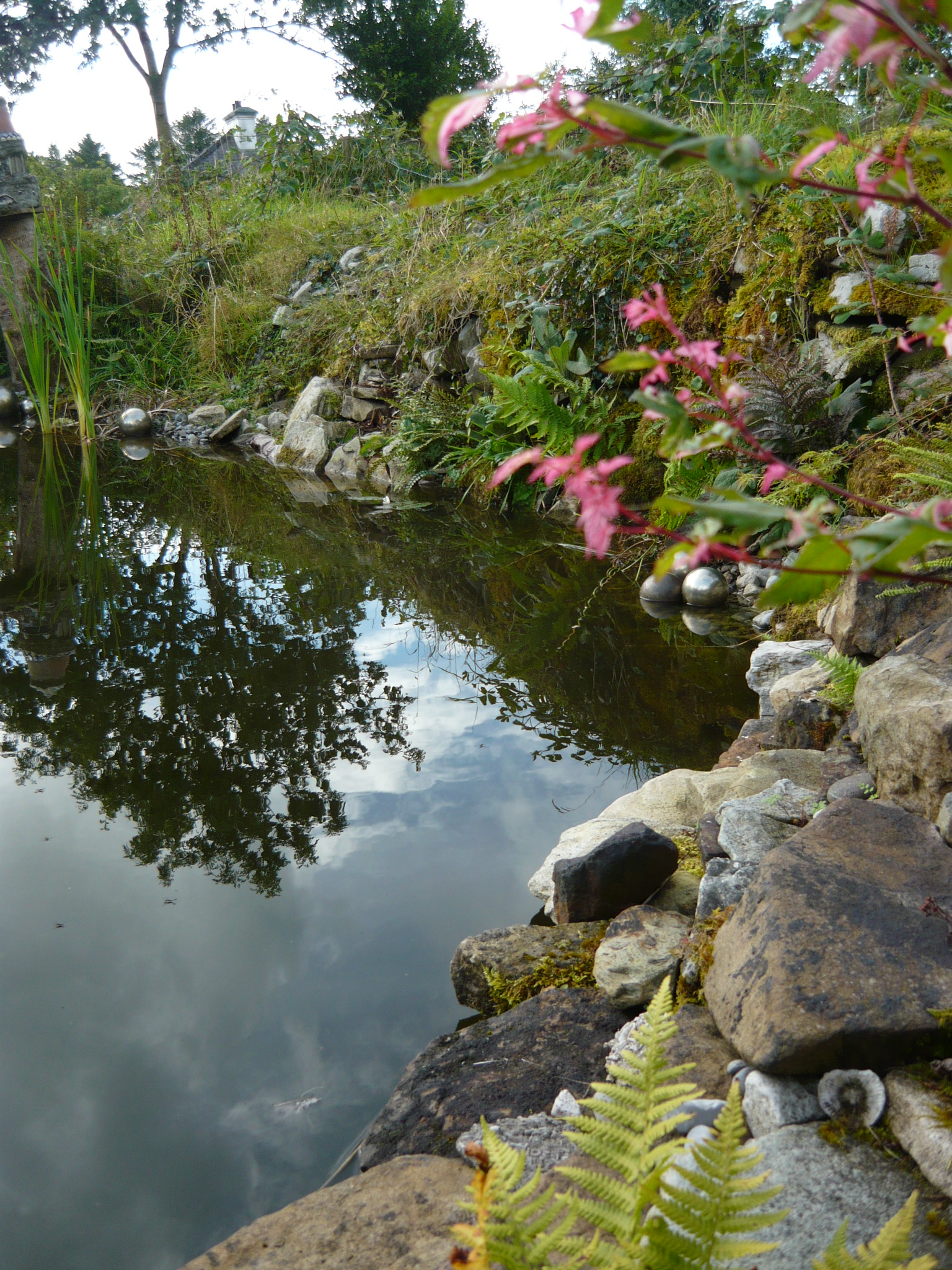
One of the first things we did was create a big wildlife friendly pond. We are very happy this year as at least one hundred young newts are living in it now, along with dragonfly-nymphs, water-beetles, frogs, toads and whirligig-beetles. On one side the pond has a pebbled beach, for easy access in and out of the water and on the other side it has a bog-garden filled with moisture loving flowers and plants where frogs and toads like to hop around. The pond has been dug right next to an old stone wall and it is a great place for many creatures to hide or hibernate.

extension 056

wildlife newt

wildlife september 019

pond wall

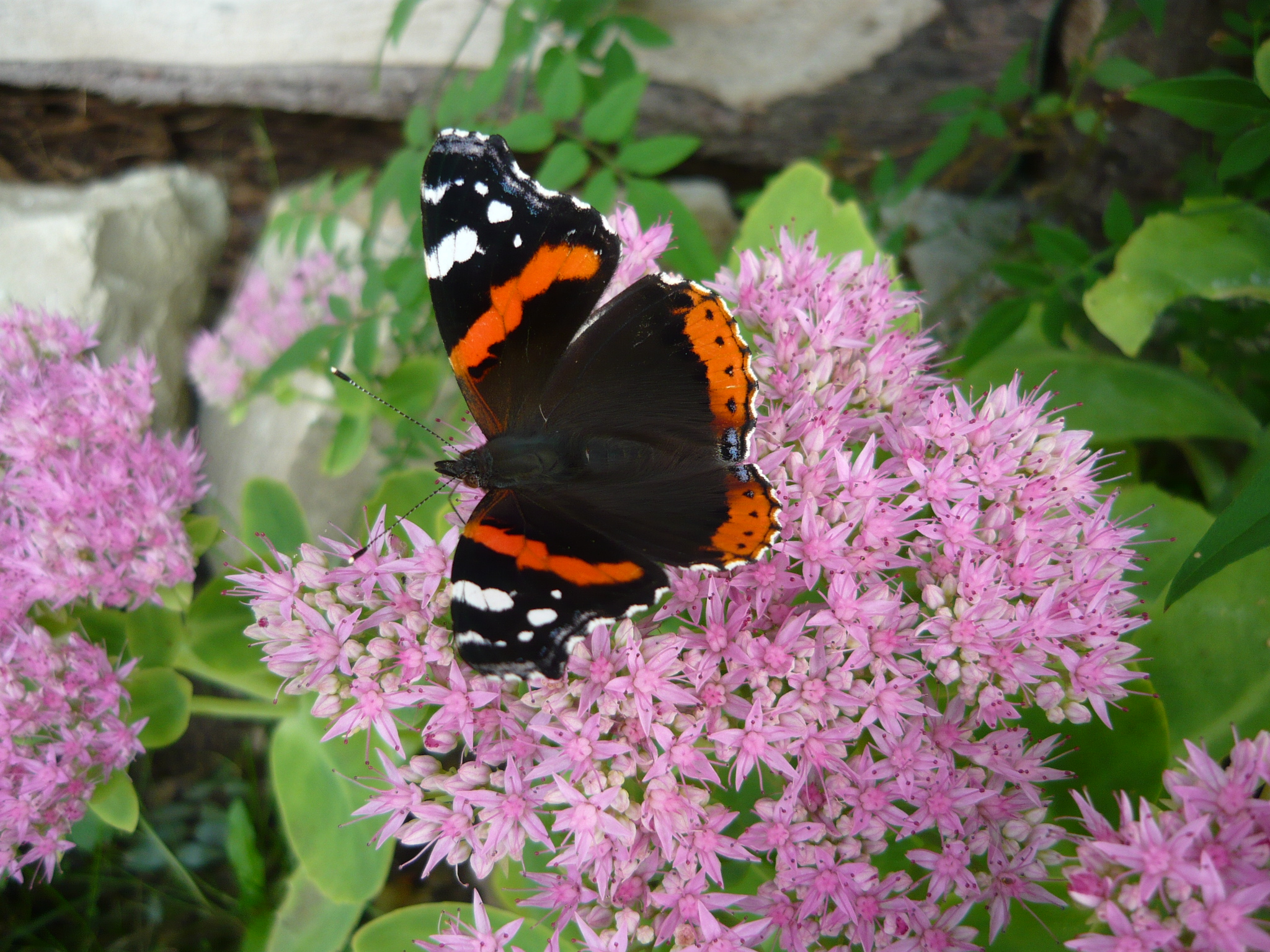
As every gardener knows, to successfully grow vegetables and flowers or just about anything, you need to avoid too many slugs, snails, greenfly and red spider mites, to name but a few. We do not wish to use any chemicals in our garden so the natural way to deal with these so called pests, is to attract as much beneficial wildlife as possible. We grow a lot of flowers and shrubs that pollinating insects like and when they are drawn to our garden because of the flowers, they also pollinate our crops. We encourage bats and birds by putting up nest boxes and feeding them all year around.

sedum

wildlife september flowers

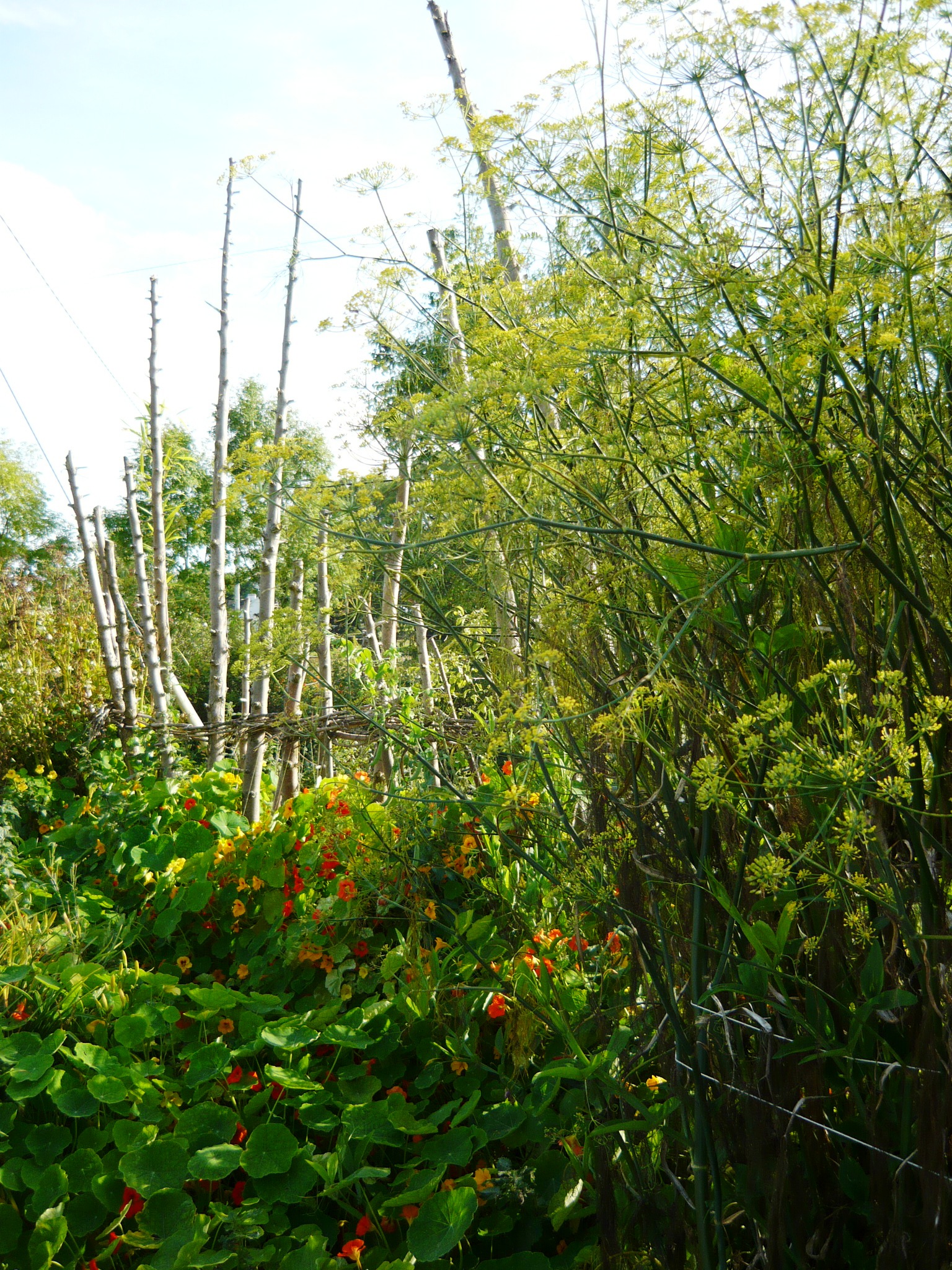
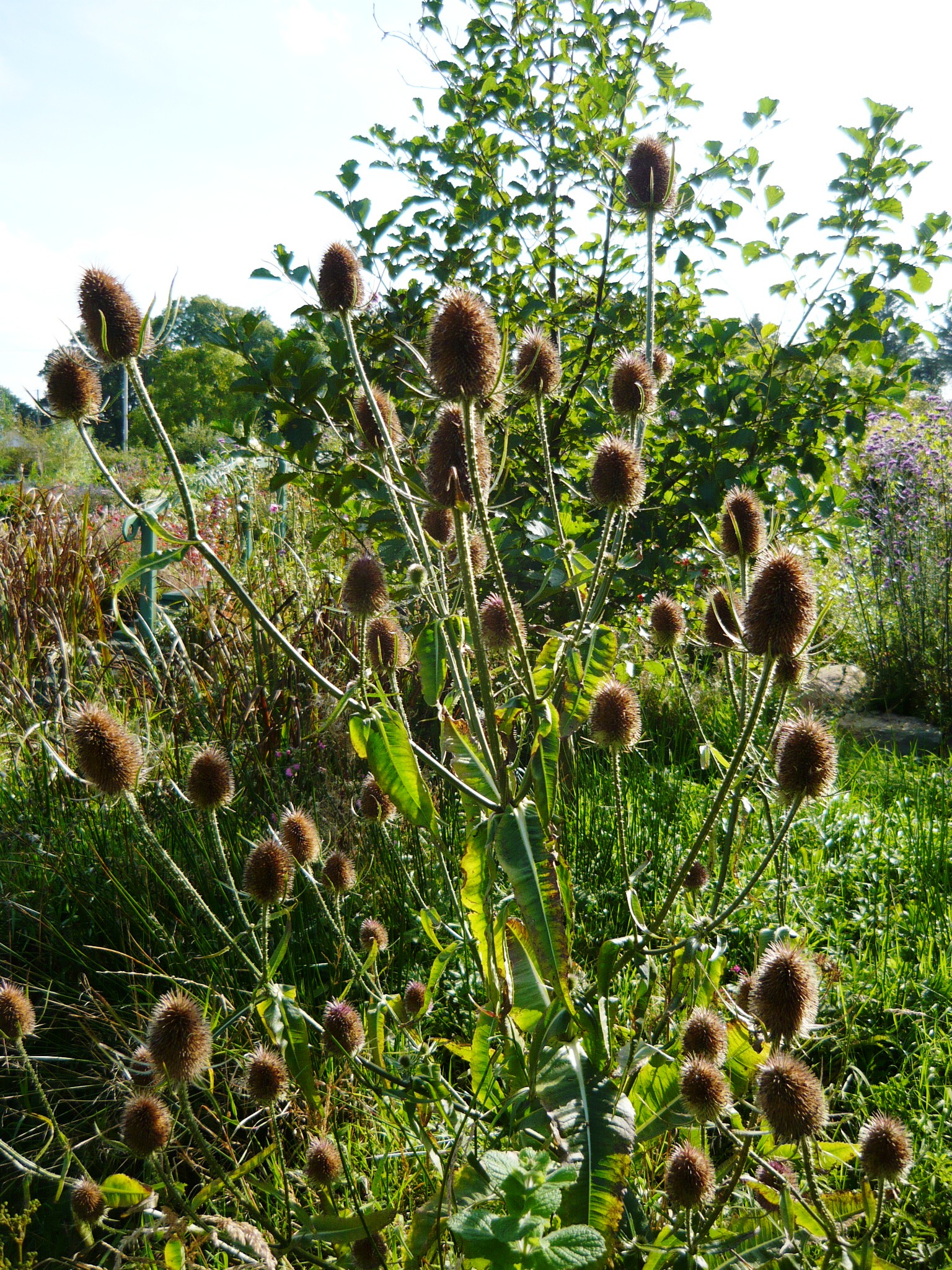
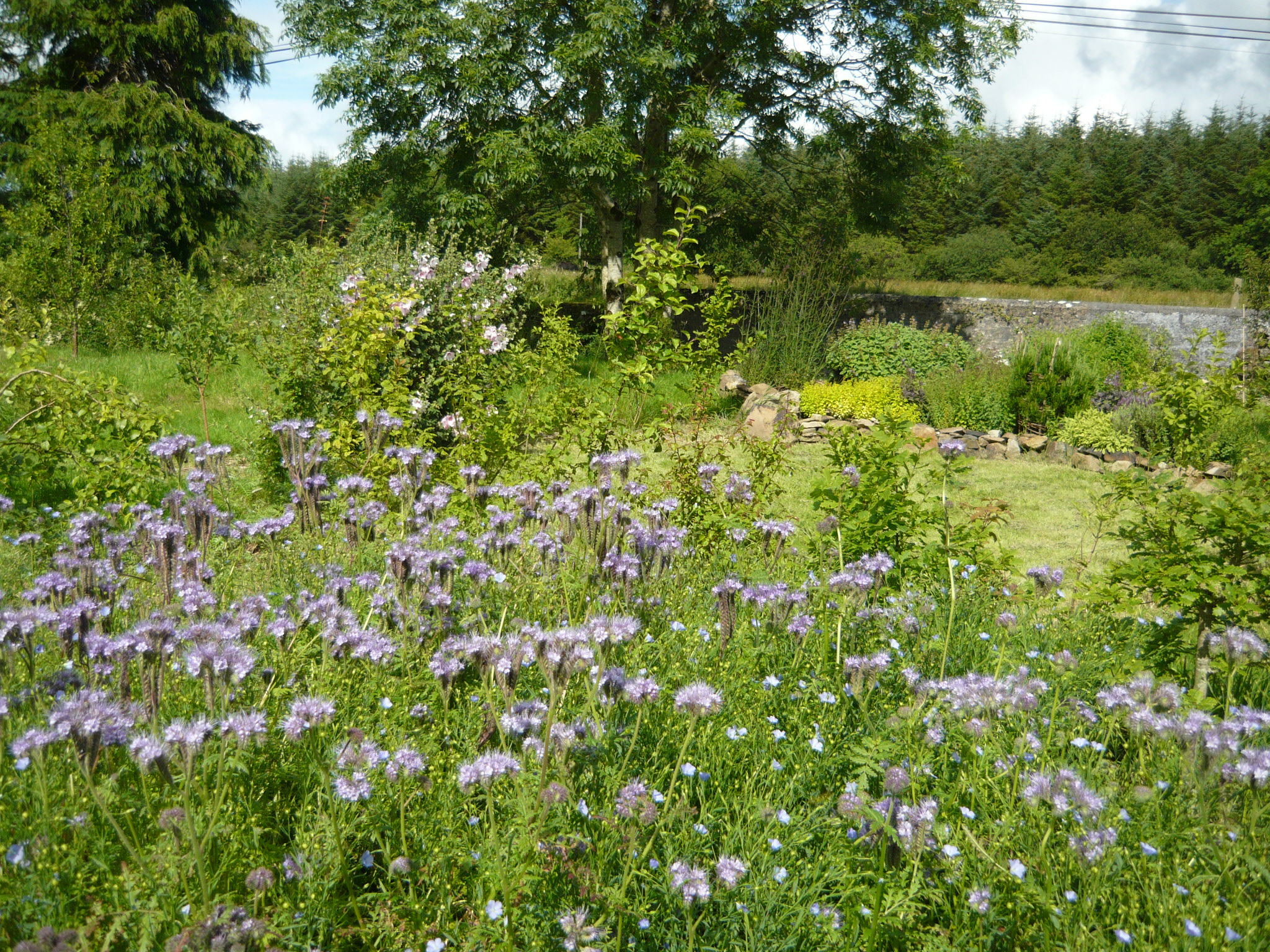
Perennial fennel is lovely for culinary purposes and our plant is so big that there is more than enough for us as well as the birds who eat the seeds all through winter. We also grow teasels, a plant much loved by gold and bull finches. This year we had a big area that had been covered by old thatch from a roof so nothing was growing there. In the spring we threw out a lot of flax seed from the health food shop along with some phacelia seeds across the space and a few months later we had a beautiful haven for pollinating insects.

wildlife september 093

wildlife september 049

wildlife september teasel

flax and phacelia

We cannot imagine our garden without wildlife, there are all the practical benefits but also so much beauty to admire and enjoy. We love looking at newts and beetles swimming in the pond and birds nesting and eating in the garden. Not to mention the very special time our bats scooped over the pond in total silent one summers night and the only proof they were drinking, were the slight ripples in the moonlit surface of the pond.

A rose by any other name.

We believe William Shakespeare’s Juliet when she proclaims; ‘That which we call a rose, by any other name would smell as sweet.’ Roses are among the most romantic, fragrant and beautiful flowers to be grown in a garden. To most people the smell of roses evoke memories of bygone days, perhaps spent in their grandparents garden.

New dawn

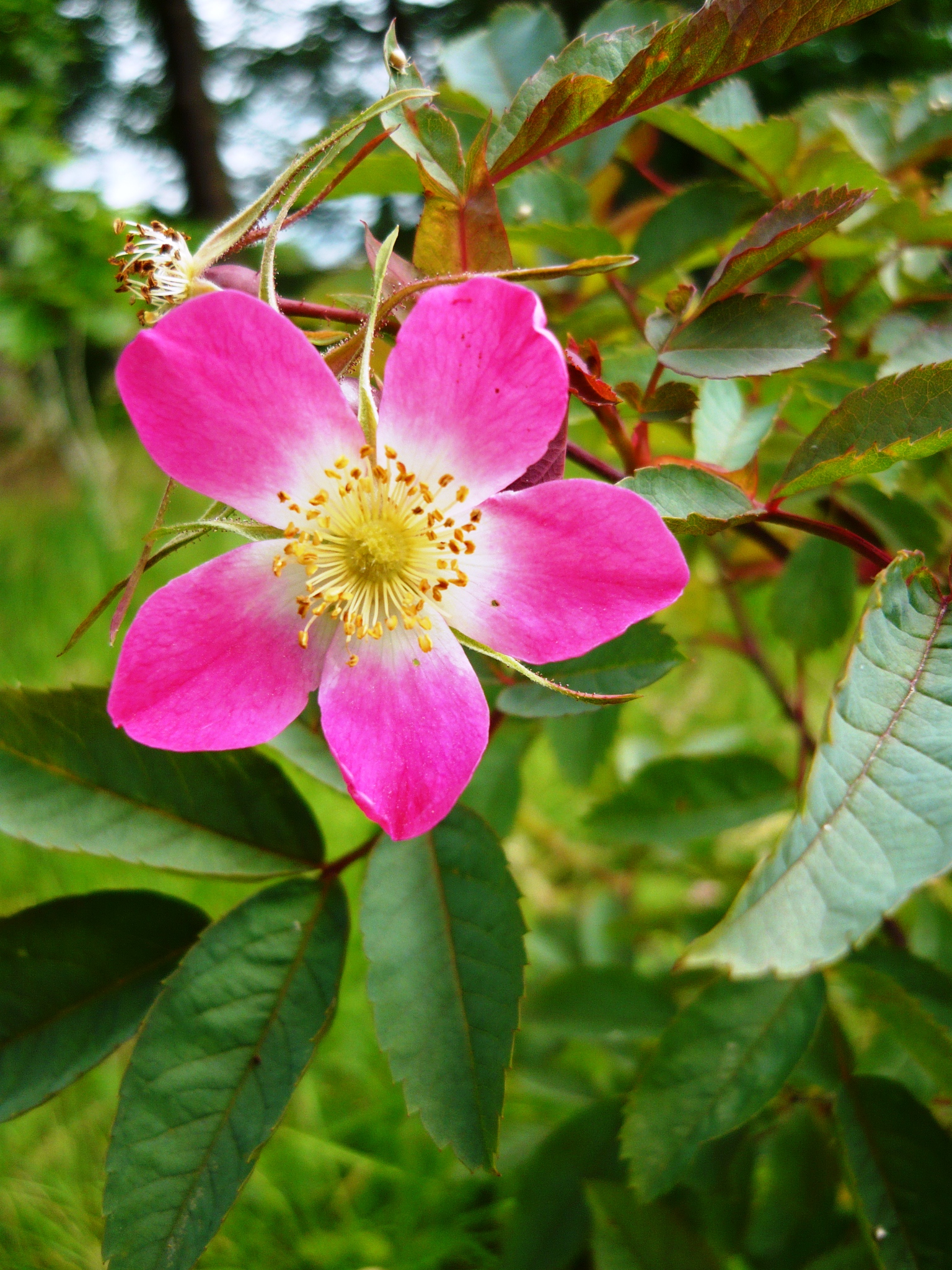
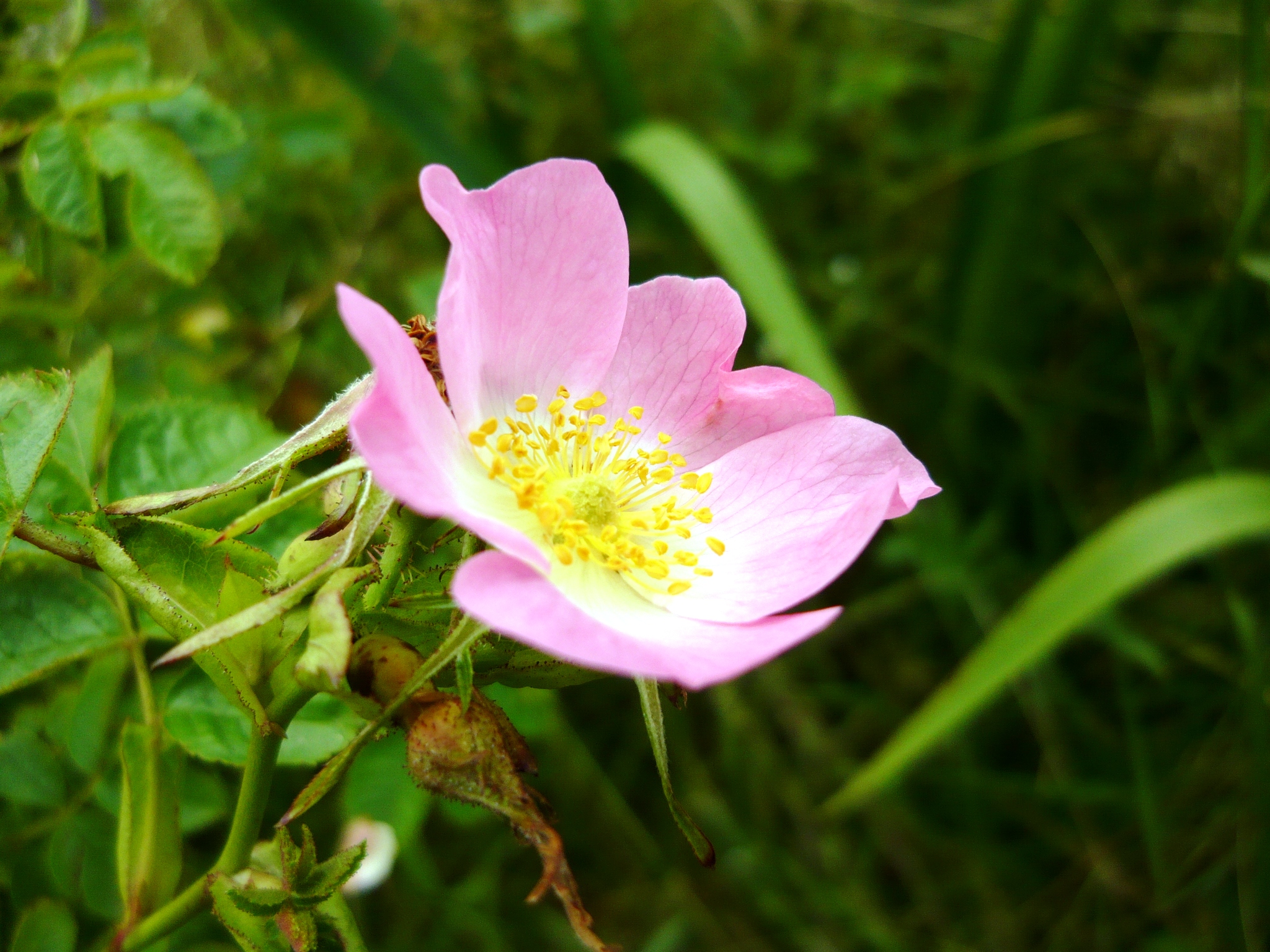
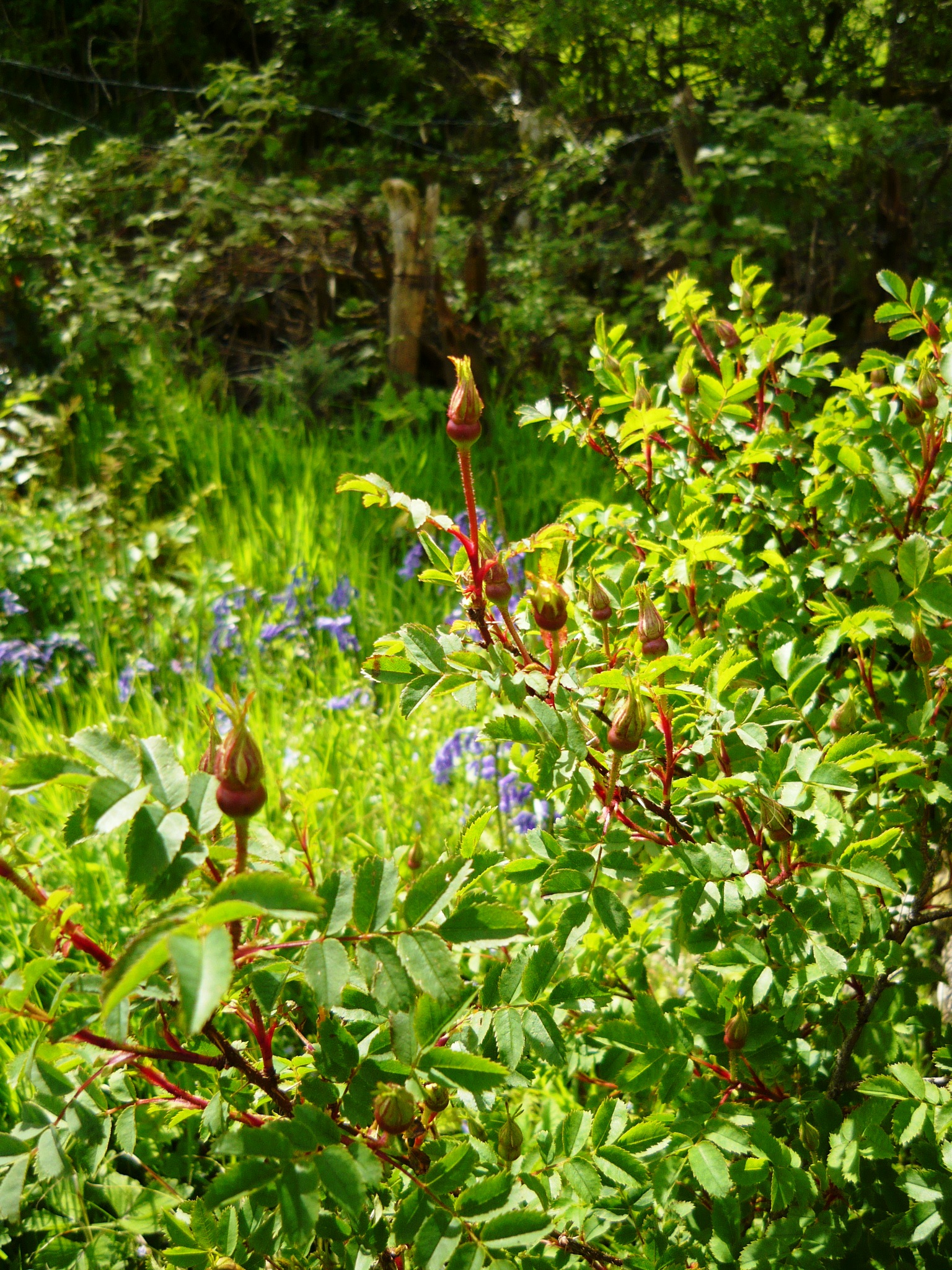
But we are not very fond of modern roses. For some reason they seem a bit out of place in our wildlife friendly, slightly overgrown garden. We do not have the time for careful pruning, feeding, watering and dealing with diseases they seem prone to. But who can imagine a garden without roses? There are endless culinary and medicinal uses for them, along with their beauty and the benefits to wildlife. So in the early spring of 2013, a couple of months after moving in, we ordered a lot of bare-root wild roses from Future forests in Cork. The beautiful field rose, Rosa Arvensis is now slowly covering the road bridge across the stream and a stunning pink Rosa Rubrifolia Glauca is slowly increasing in size on the bank of said stream.  Rosa Rubriginosa, the sweet briar is a lovely shade of light pink, and has a slight and delicate scent. Last month we enjoyed the beautiful bloom of the Burnet rose, Rosa pimpernelifolia. We found all these varieties suited our garden perfectly, and being single flowered, very useful for bees and other insects.

field rose

rose by stream

rose pink

sweet briar

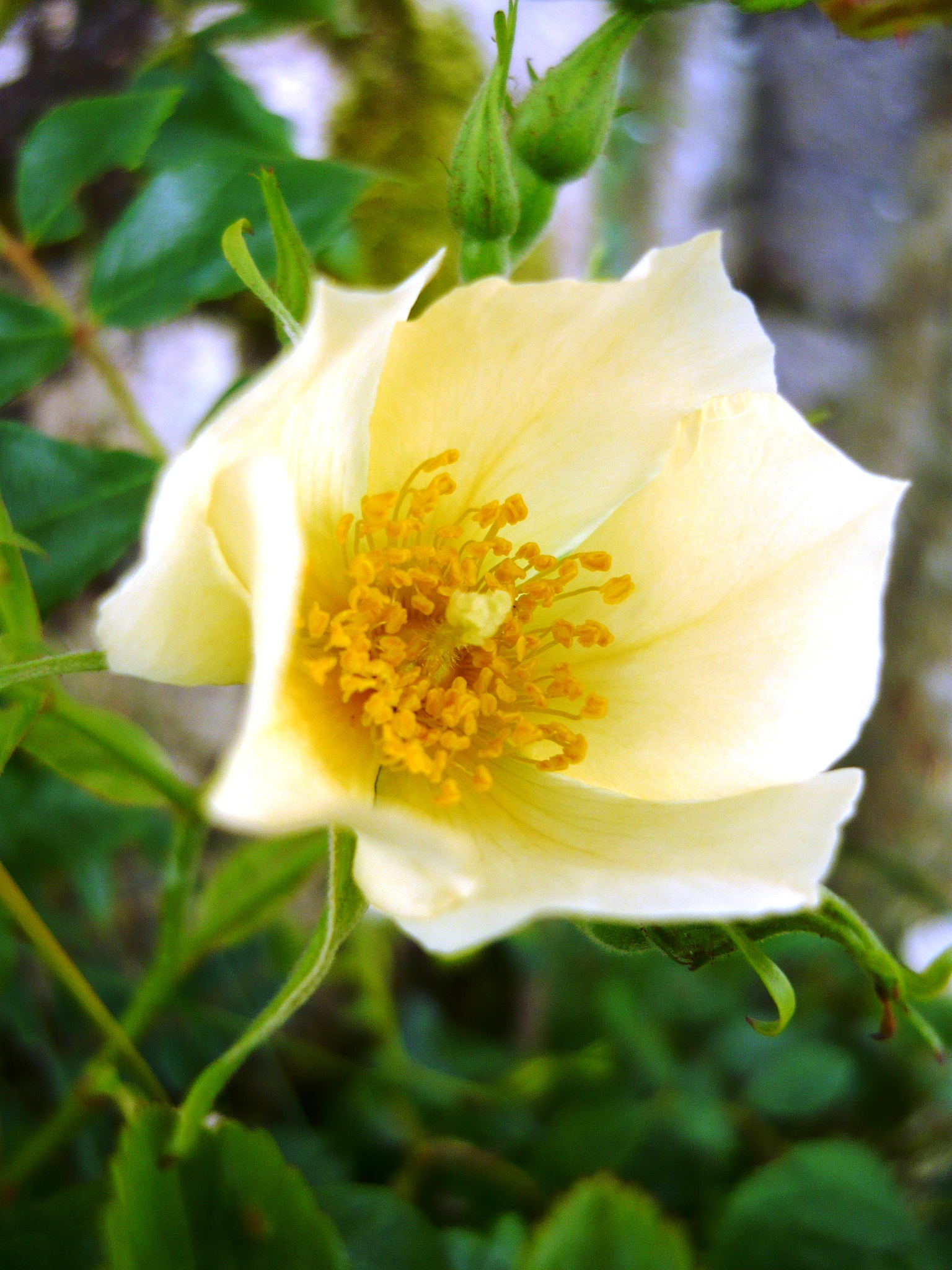
Last spring we thought it would be great for us and all the pollinators we wish to attract to the garden if we planted some ramblers and scramblers to grow up our trees and across the stream so we bought a “New Dawn” to arch across the stream in the two ash trees we have bent down and connected. In another big ash we planted the beautiful, yellow ”Wedding Day” that slowly fades to white as the flowers age. To grow up the larch we choose “Paul’s Himalayan Musk”, a small flowering cluster rose with a fresh, beautiful scent.

rose new dawn

Wedding day

rose wedding day

roses himalayan's musk

rose and larch

We also found an old groundcover rose at a local nursery, with a scent like old-fashioned cold cream and a useful spreading habit, along with a pink, strong old-fashioned climber that we do not know the name of, but which are often found covering old Irish cottages, even long after their inhabitants are gone. It is now growing in a few locations around our garden, but it is not yet in flower this year. But if you look closely you will find that even the buds of roses can be worth resting your eyes on.

rose ground cover

rose buds

roses pink buds

This year we had to cut down some old spruce that were becoming unstable in our woodland and that left us with a lot of space to fill with deciduous trees and climbers. We recently got a rambling rector and a sweet smelling beauty by the name of Madame Alfred Carriere, a rose with big cream colured roses tinged with pink. These are both reliable strong climbers that we hope will bring years of pleasure to us, and any visitors to our garden, humans and wildlife alike.So as you can see we are slowly moving from the wild and untamed towards more cultivated forms of roses. We belive this is as far as we will go. But who can know for sure? We might fall for some old moss rose like the beautiful old pink moss from the 1700-hundreds or the Apothecary’s Rose, Rosa gallica officianalis from the 1600-hundreds. And really, what harm could it be? Surely we have room for them all?

circle and wild flowers 127

roses

Creating a wildlife haven.

 fern frond

Although most of our garden is on the wild side, it is divided into a few different areas. We have a herb-garden, filled with medicinal and culinary herbs, a small woodland, a kitchen garden for mainly annual vegetables and a large area dedicated to wildlife. We try to include useful plants for ourselves and for wildlife in all of these areas but we believe the wilder part and the small woodland has the biggest benefit for all the animals. We have two ponds with adjacent bog gardens with a large, rather waterlogged area in between. It was covered with creeping buttercup and couch grass up until last spring, and we decided we wanted a more varied habitat so we covered the whole area with a double layer of cardboard boxes and some soil on top and sowed a lot of native wildflower seeds. Unfortunately, as soon as the lovely little seedlings became visible, our army of slugs munched them all up and we re-sowed the area a few times but to no avail. We then decided to go for a slightly different approach and added mints, foxgloves, teasels, lavenders, hollyhocks, mallows, geums and other perennial plants, already at a size too big for the slugs to completely decimate. If you plant mint straight in the garden bear in mind that it will spread vigorously and may out-compete other plants, but we are quite happy for this to happen as the area is very big, and the mint is far more beneficial to us and the wildlife than the couch grass.

Read more

Woodland management on a small scale.

 woodland 044

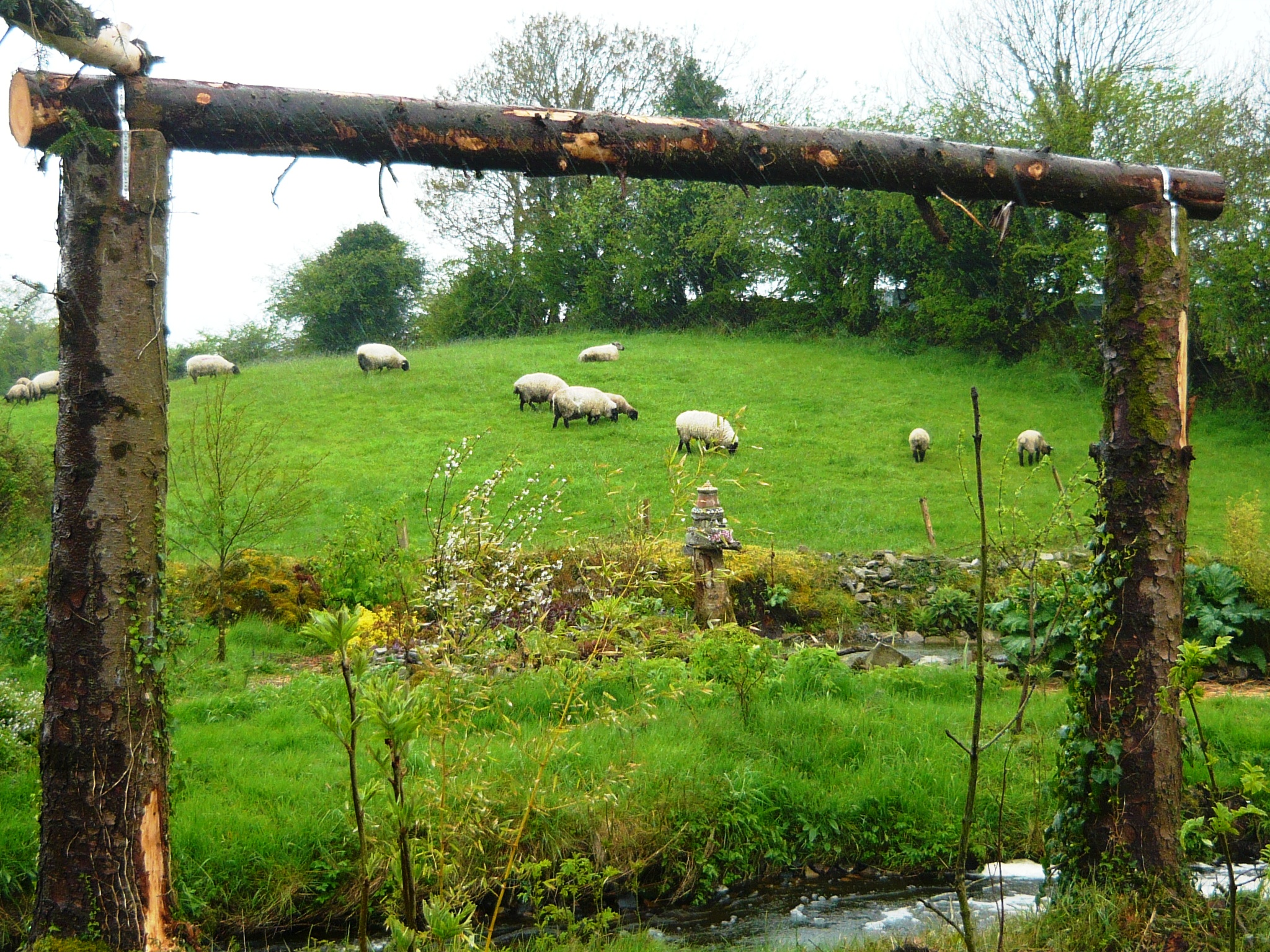
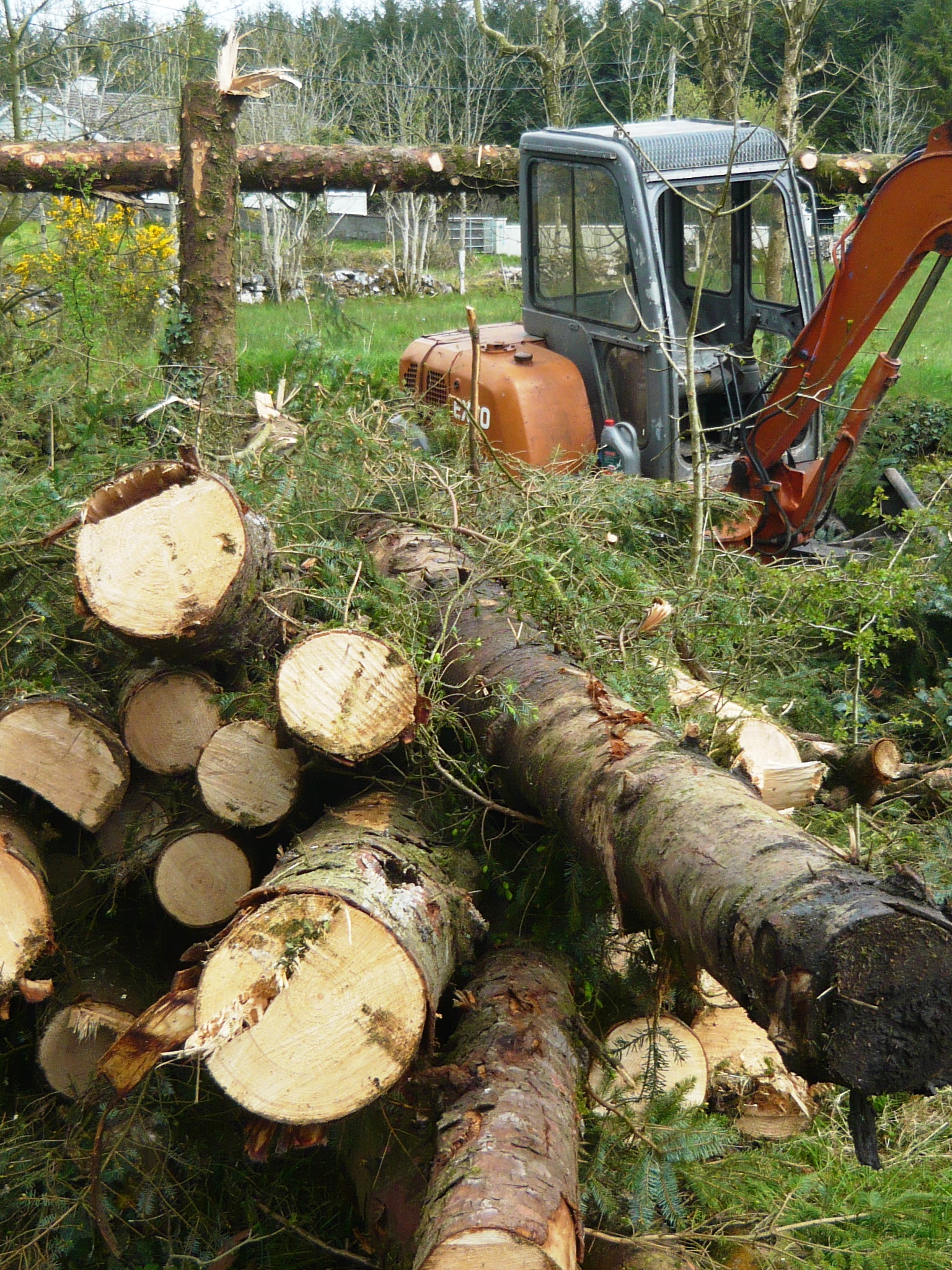
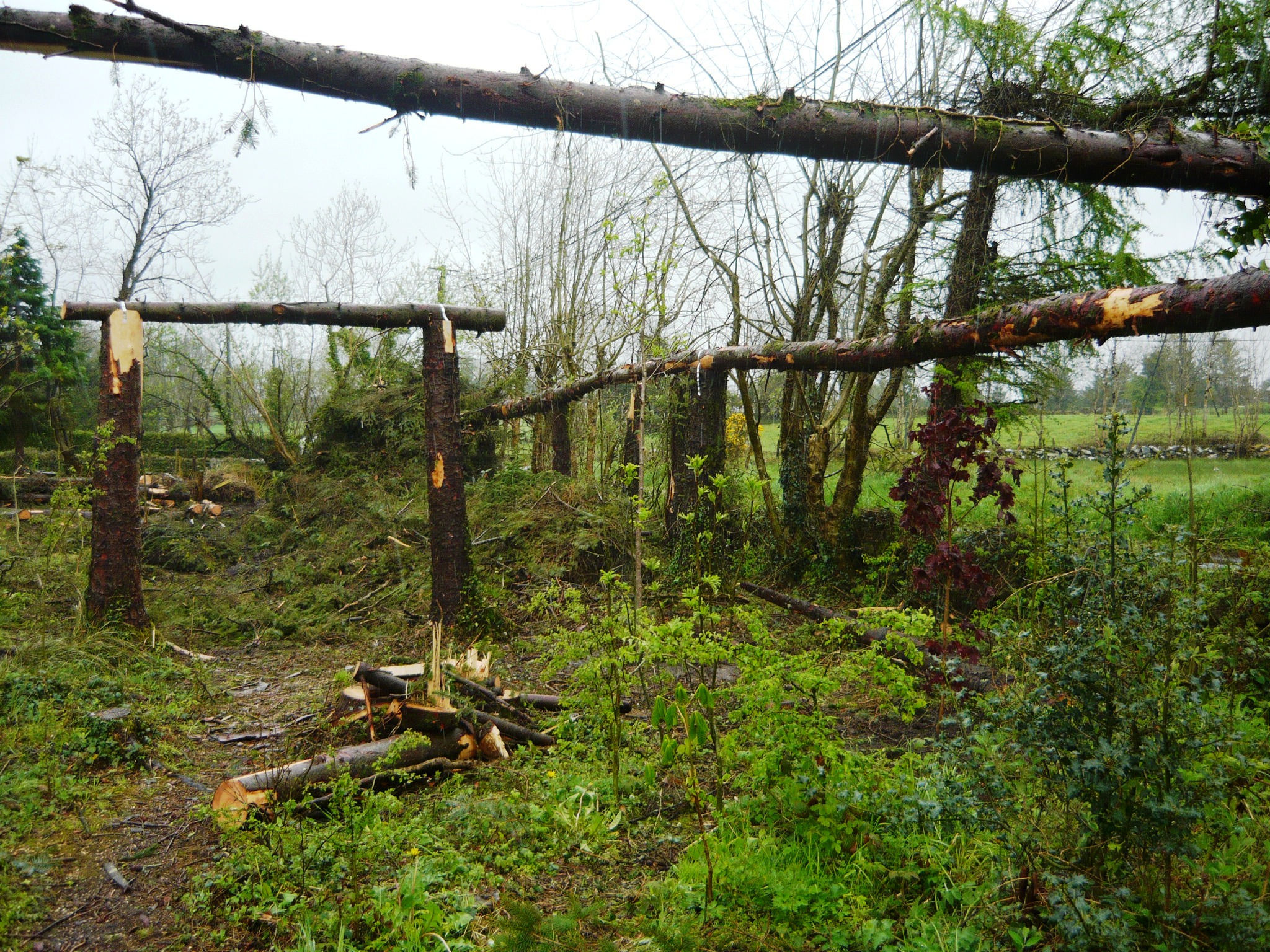
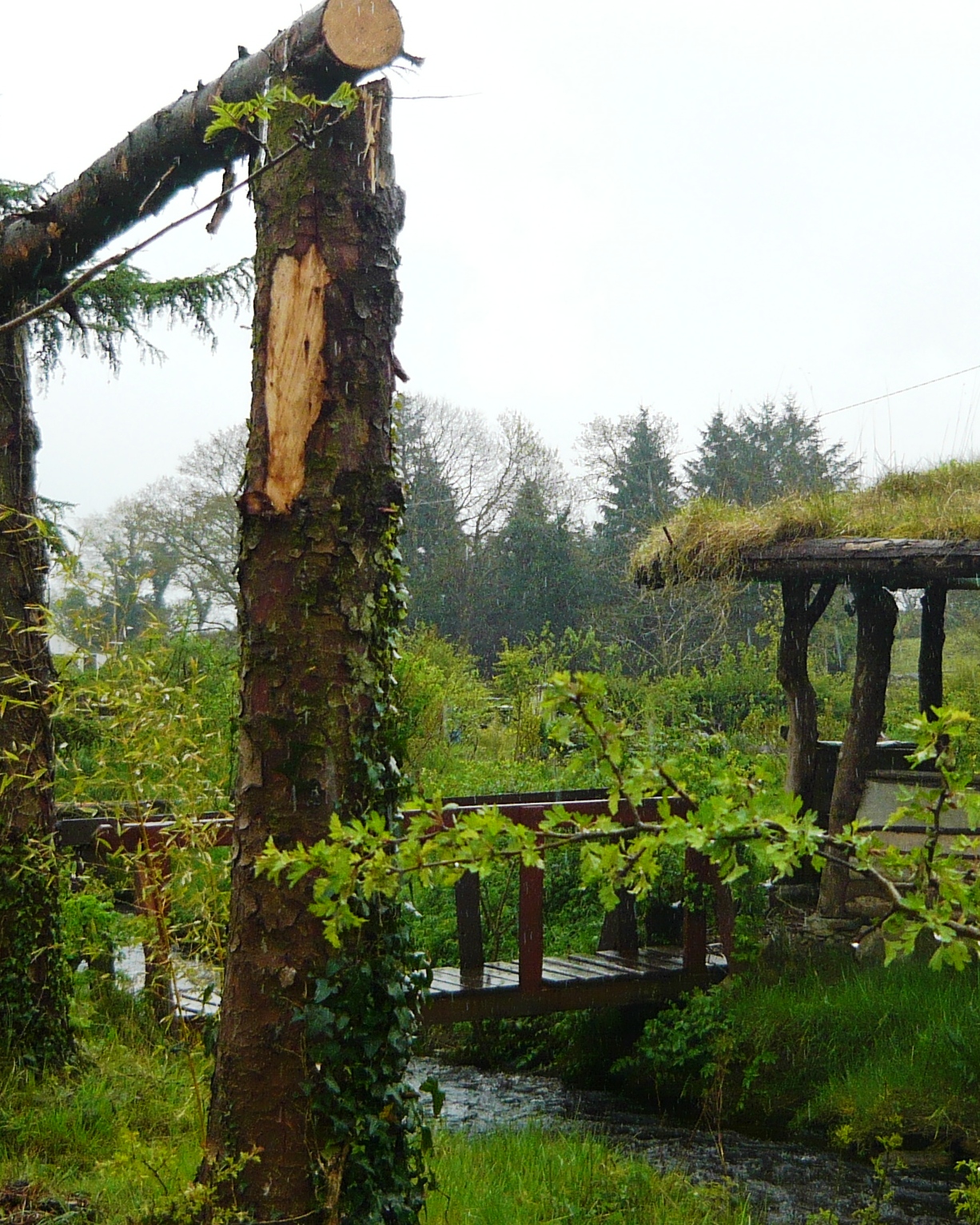
Our little woodland has had a complete makeover in the last few days. We had about 22 spruce that were planted in 1972. They were quite close together thus thin, tall and leggy. As the ground is boggy the wind had started to rock the roots and it was time for a change. We cut a lot of them quite high and used some of the cut trunks for crosspieces, creating supports for climbers. A lot of the logs will be used for firewood, some of the big thick ones will be supports in our conservatory and a few have been given to friends for their house renovation project.
woodland before

woodland gate

woodland logs

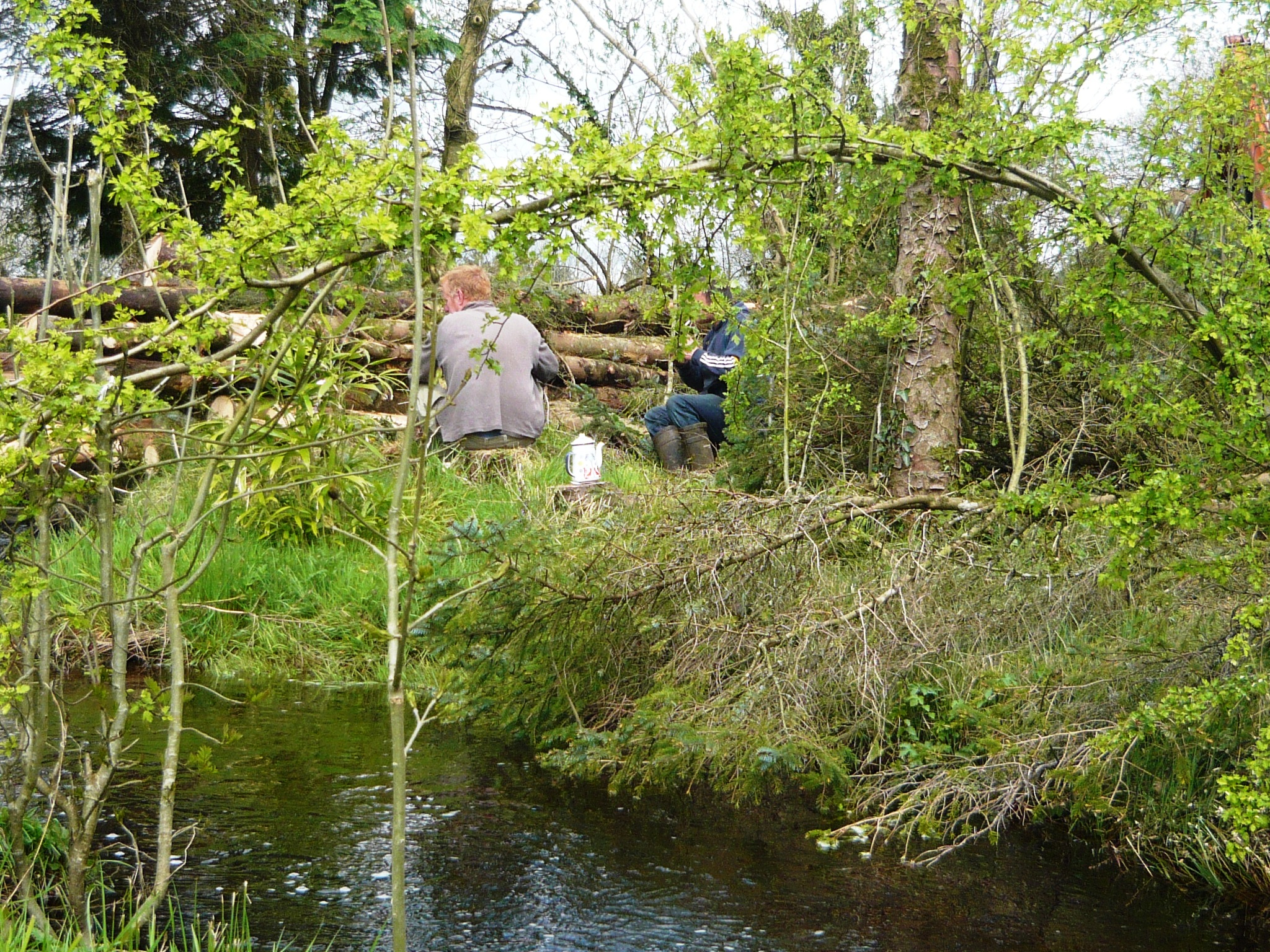
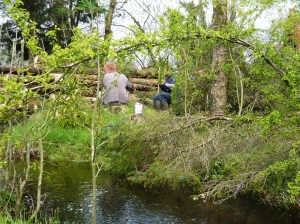
As we have electric cables right next to our woodland we got a friend with a digger to come around and make sure no trees went on the wires or on the road. We had a lot of willow and other tree saplings in the woods and we moved them to a temporary safe location, out of reach of falling logs. Here you can see the two tree fellers hard at work.
 woodland workers

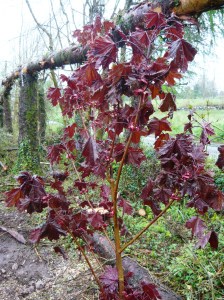
After the felling was complete we were left with a lovely bright space ready to replant with trees, shrubs and ground-covers more beneficial to us. Our whole garden is based on the principals of forest gardening, where all plants have a purpose other than just aesthetics or fashion. They are planted in a way as to mimic young woodland with a canopy, shrub and ground cover layer. Plants are chosen for food production, wildlife, pollination, soil-improvement, firewood, medicinal purposes, basketry materials etc. Did you know that lime, hawthorn and beech trees all have lovely leaves for spring salads? A lot of perennial vegetables are included as they are more reliable, often more nutritious and less susceptible to slug damage.
woodland maple

woodland whitebeam

Waiting to be planted out.

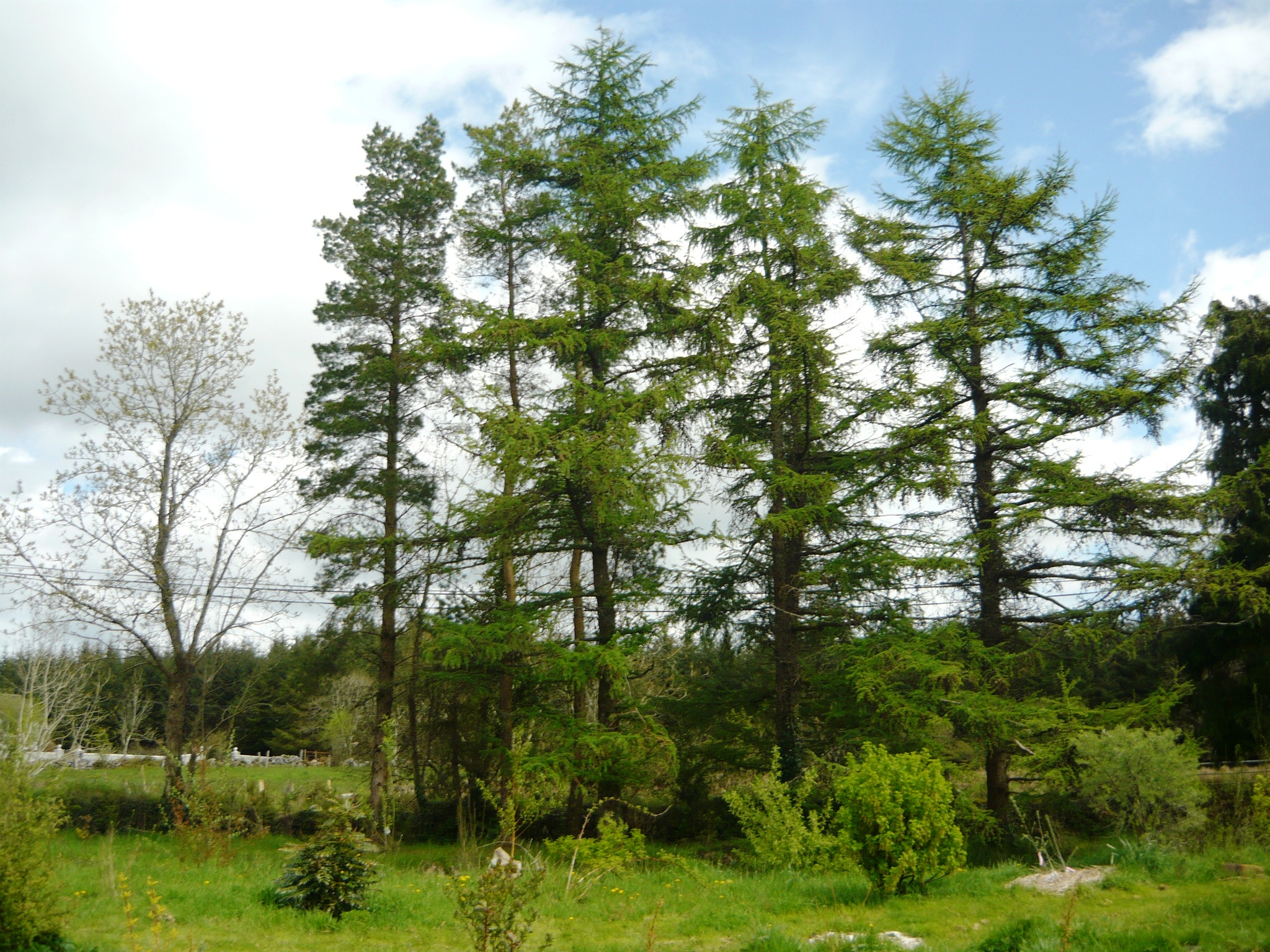
We have kept our beautiful big Scots pine and larch trees as they still have decades of life left in them. We are in the process of adding rowan, lime, beech, oak, willow, hawthorn, maple, birch and hazel trees to the woodland. A lot of these trees will be kept pollarded or coppiced and we will use the off-cuts for fuel, plant-supports and basketry.  We already have some mature ash trees along the boundary.

woodland 026

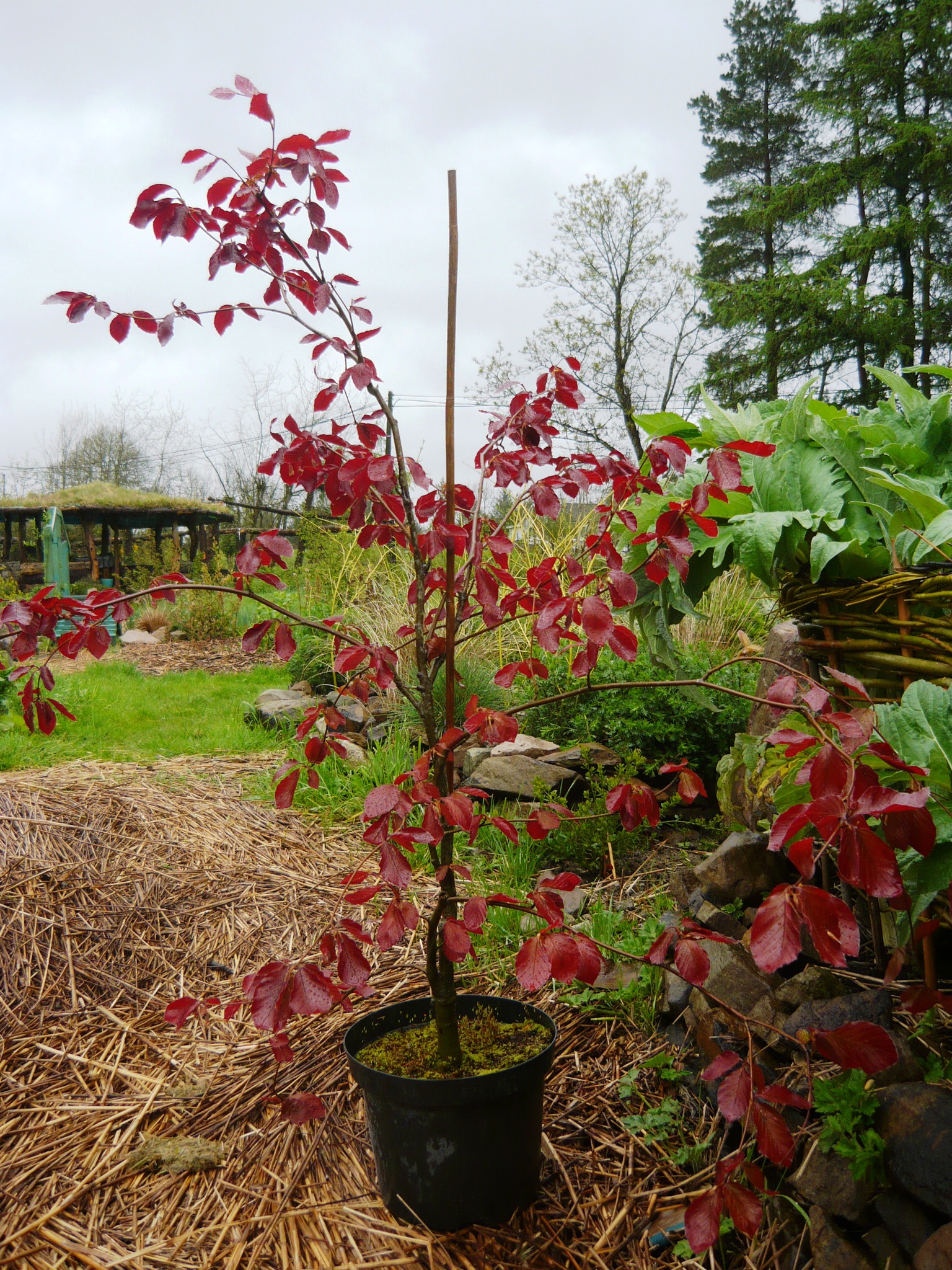
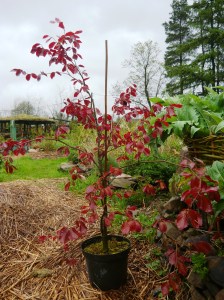
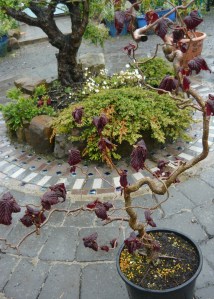
 It was love at first sight when we spotted this copper beech at the tree nursery. It had to be included in our new woodland as well as the stunning purple contorted hazel.
woodland beech

woodland 060

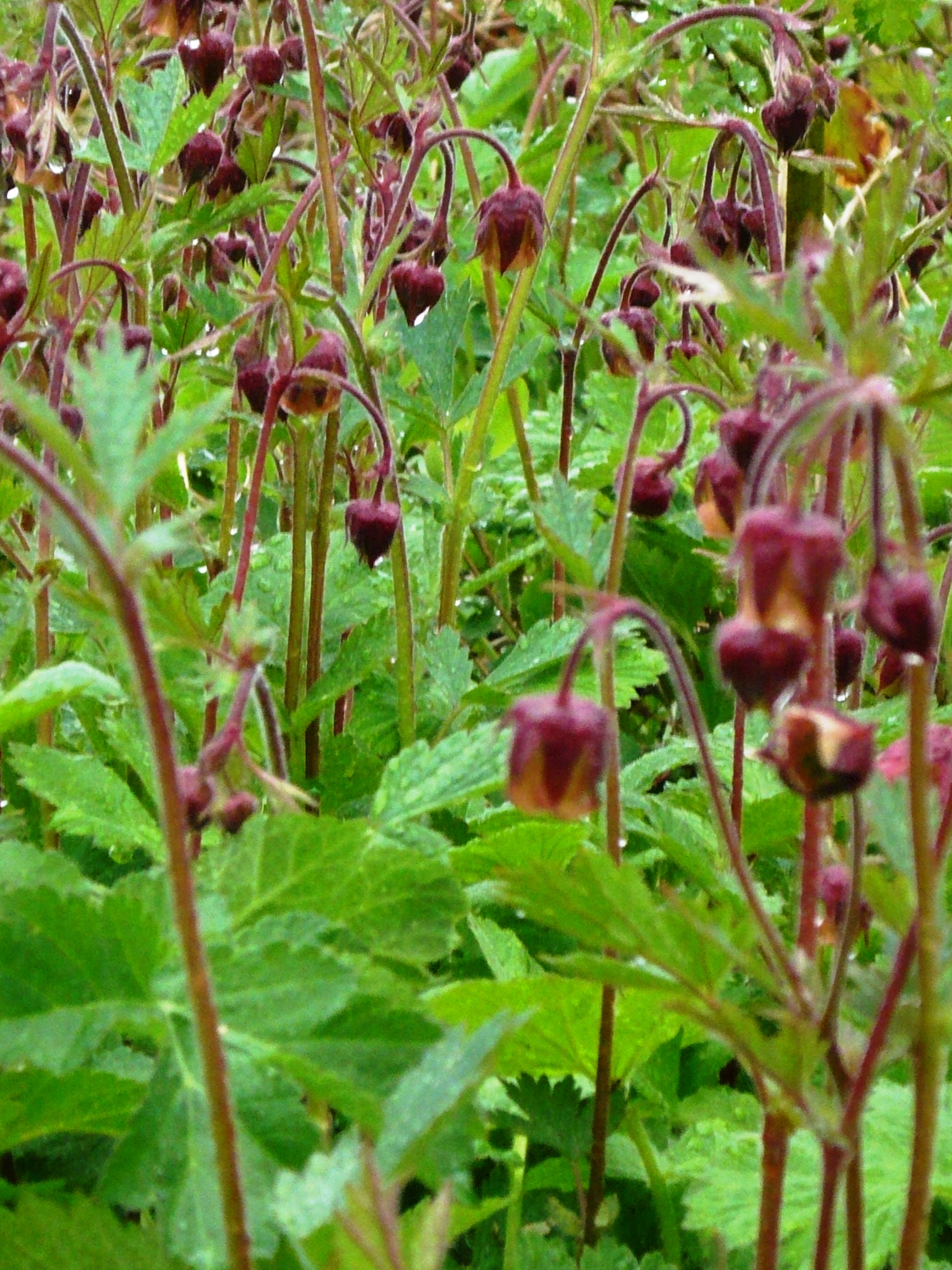
You will have to imagine climbers growing up and across all of these structures. Old fashioned roses, honeysuckle, ivy, virginia creeper and clematis. All of these will bring more wildlife and pollinators into our garden. As the ground is boggy, we will use the brushwood from the felled trees to build it up and some trees will be planted on raised mounds so as to save them from water logging. We will add water loving mints and wait for all of the marsh marigolds, wood angelicas, wood anemones and meadowsweets to come back. We have some beautiful native geums, which the bees just love. In Swedish they go by the name of humleblomster, which translates as bumblebee flower.

woodland 036

woodland 043

woodland geum

We are very much looking forward to seeing this part of our land transforming from a dark, boring plantation into a beautiful diverse habitat for us and all our visitors to enjoy. People and animals alike. We will show you the progress here over the months and years ahead.
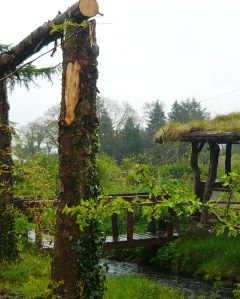
woodland 049

Helping our endangered bees.

Christmas rose

We always knew we wanted an organic garden brimming with wildlife. Unfortunately one of the most important assets to any garden, the bees, are under threat all over the world. There are many different reasons for this but we believe the biggest one is the use of pesticides, mainly insecticides containing neonicotinoids that are used by many gardeners and industries alike. Other causes are the extensive loss of natural floral habitats, due to modern farming as well as climate change and disease.  Recent wet summers, have made it difficult for bees to find pollen and the Varroa mite is a parasite that attacks bees, spreads viruses, and often cause the collapse of entire bee colonies. Honey bees and bumblebees are dying on a catastrophic scale and this is affecting every other living creature on the planet. Loss of the bees will lead to crop failure and starvation.
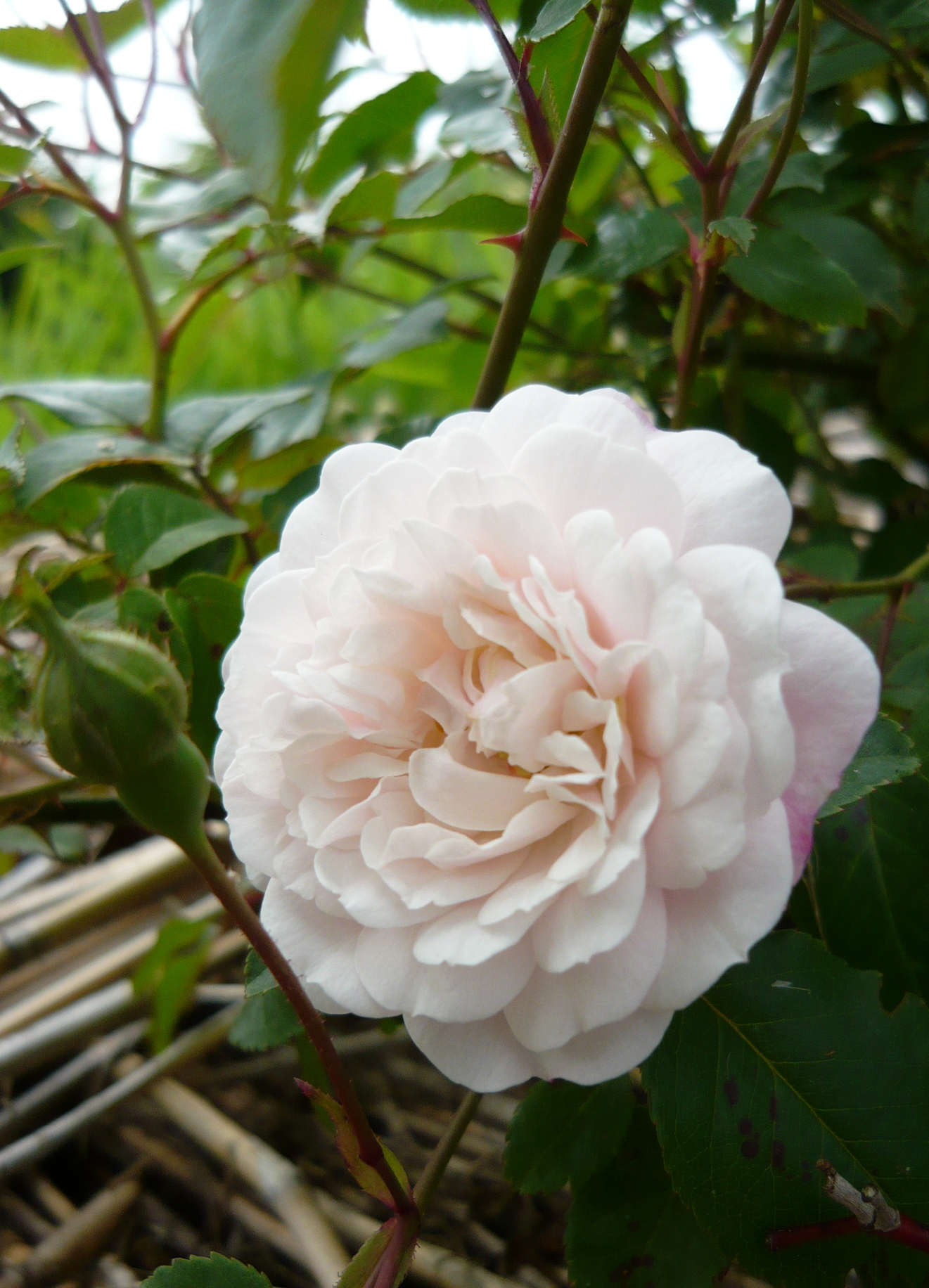
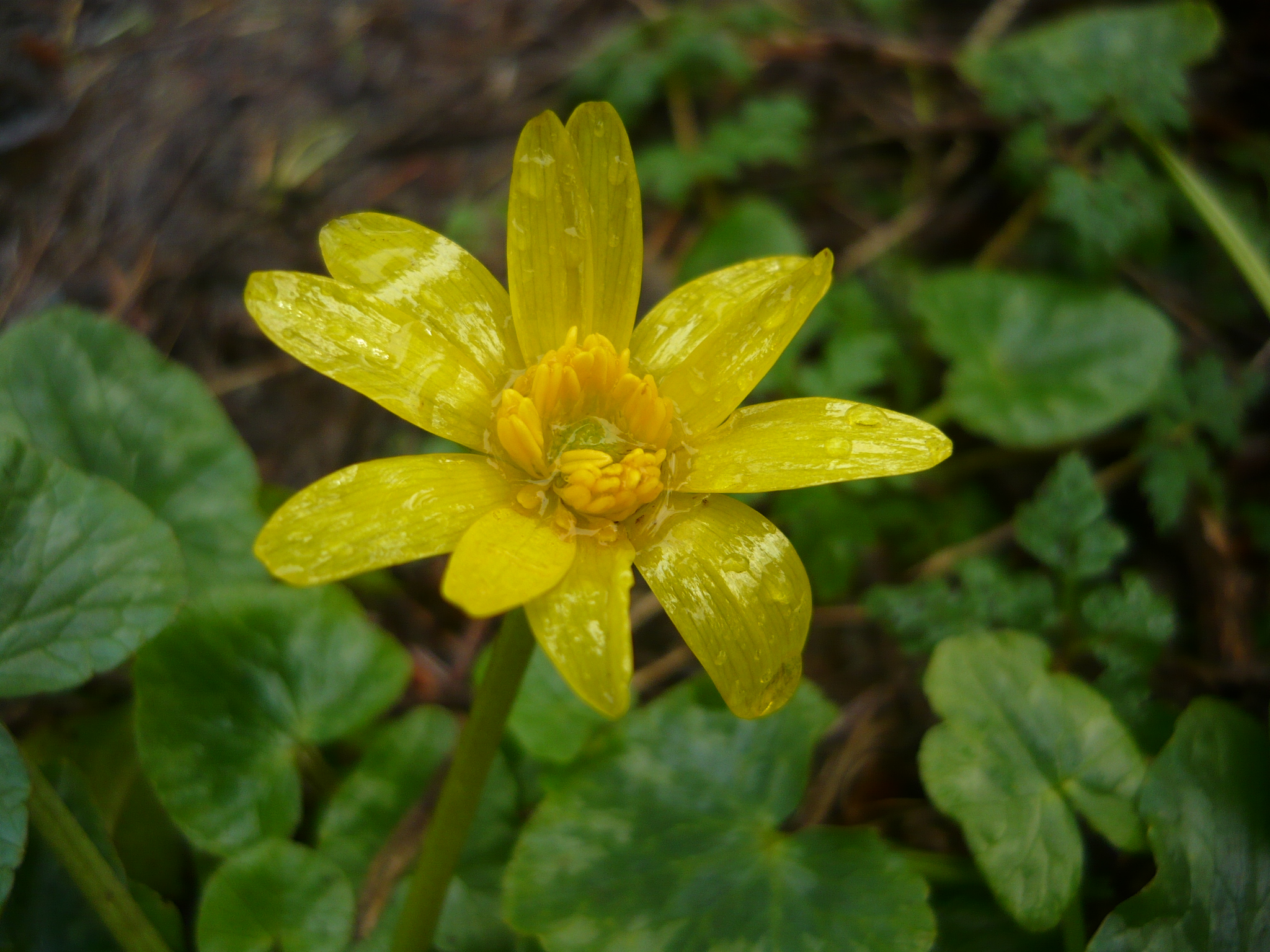
 The good news is that we can all do our bit in slowing this process down. By using no pesticides in our gardens and by providing plenty of flowers for pollen we can give the bees a better chance of surviving. Early in the year, there are not a lot of flowers around and planting some trees, shrubs and flowers that flower at this time of year, can be tremendously important to the bees. It is a good idea to use native plants, as the bees seem to prefer them and they are well suited to the area. We encourage the spread of dandelions, wild primroses and lesser celandine in different parts of our garden.

primrose

lesser celandine

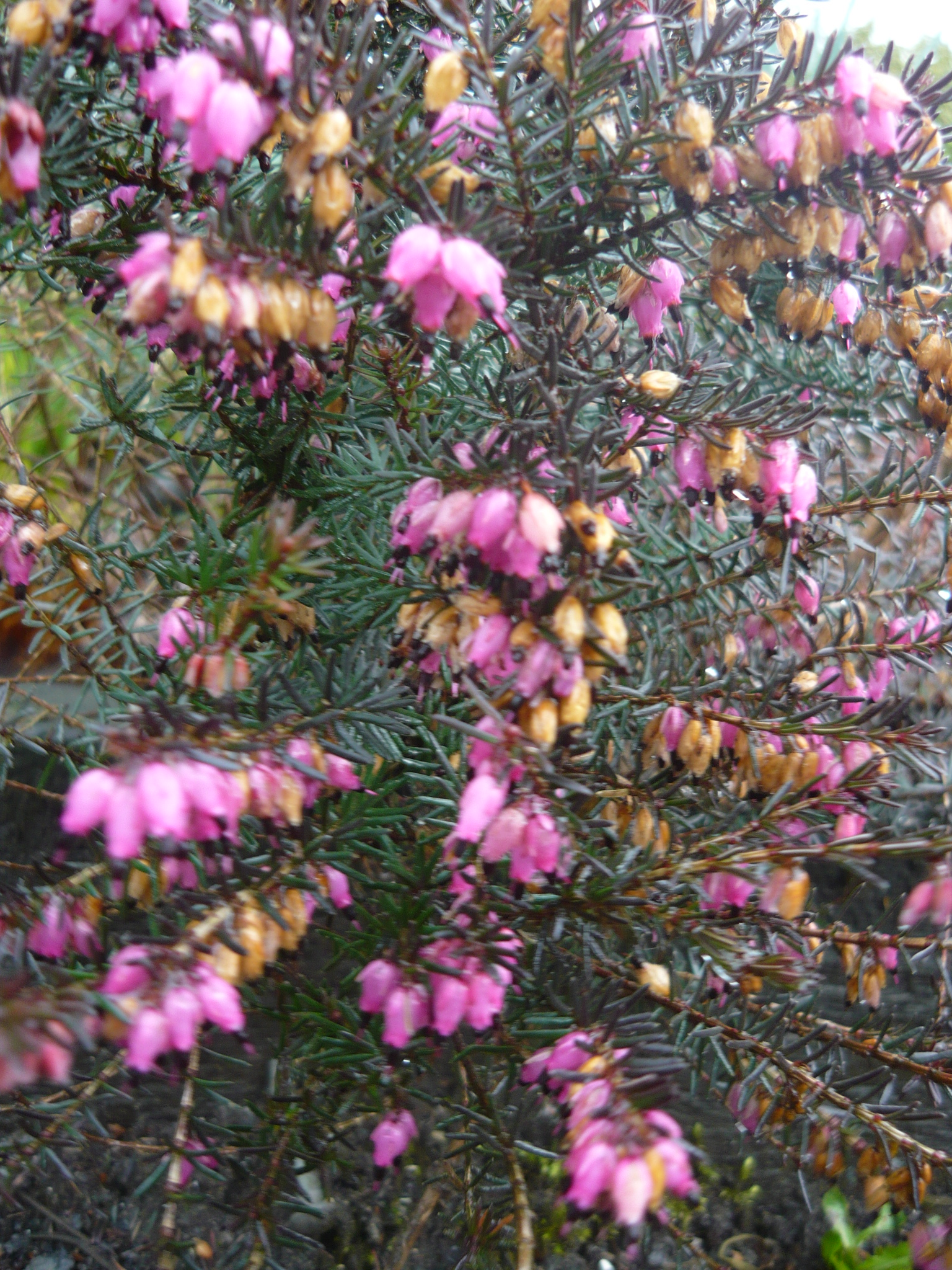
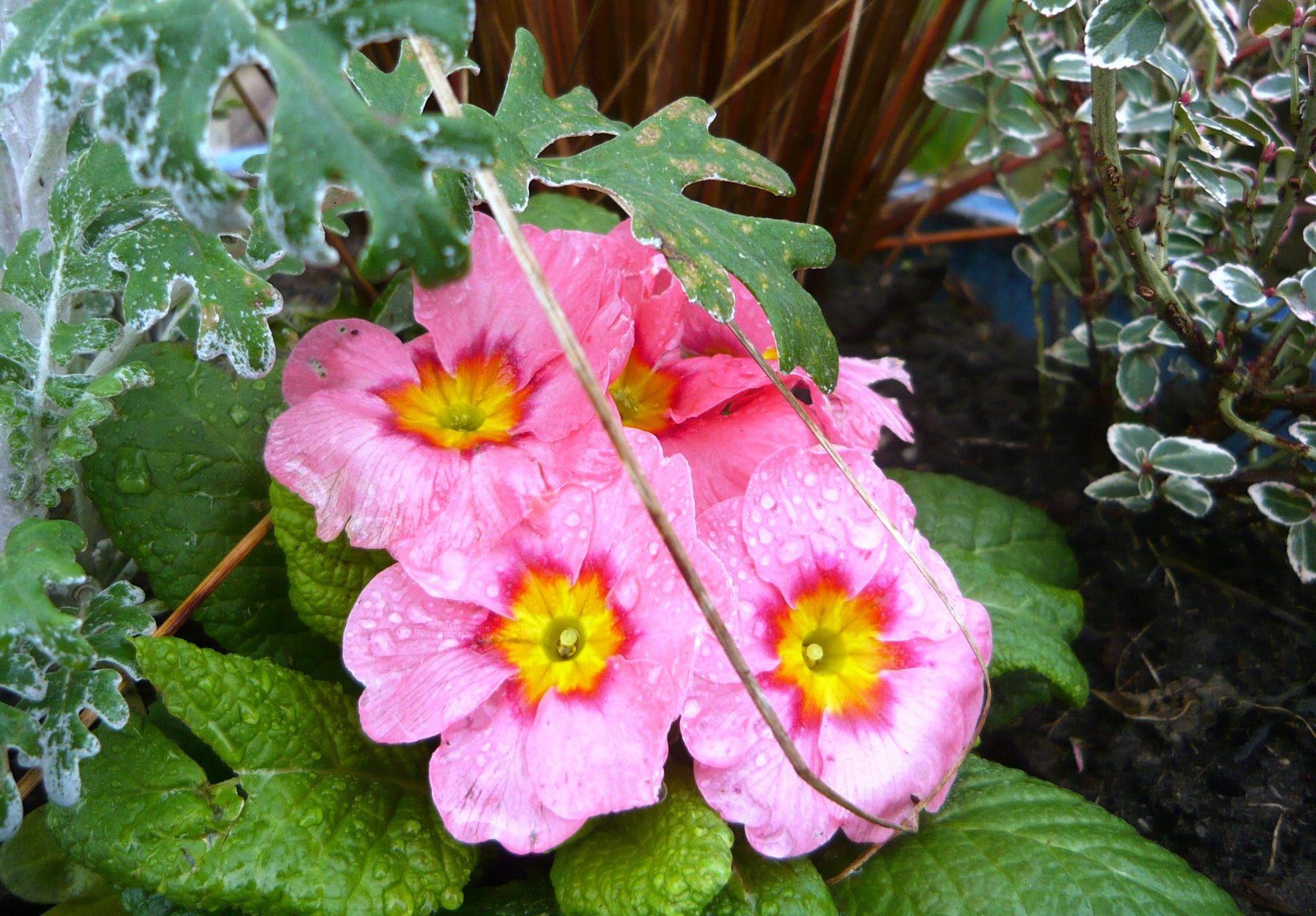
We have planted mahonia, commonly called oregon grape, forsythia, magnolia and gorse. All of these trees and shrubs have winter or early spring flowers. Other useful additions include, hellebore, commonly called Christmas rose, heather, garden primrose and daffodils. We always favour single, old-fashioned varieties of flowers. Some modern plants are bred for showy, double blooms without much consideration for pollinators.

Hellebore detail

 Heather

daffodils

In the future we are planning to keep our own bees, but at the moment we are providing all the bumblebees and other local bees with the best possible habitat, all year around. It is a lovely feeling when you see the first bumblebees of the year, awoken by the spring sunshine and warmth, fly around in search of pollen and you know they will find it in the garden.  The more bees you can attract to your garden, the more of your fruits and vegetables will be pollinated, so everybody wins.  We believe it is the single most important thing any gardener can do. All of the photos were taken in our garden today.

 Garden Primrose.