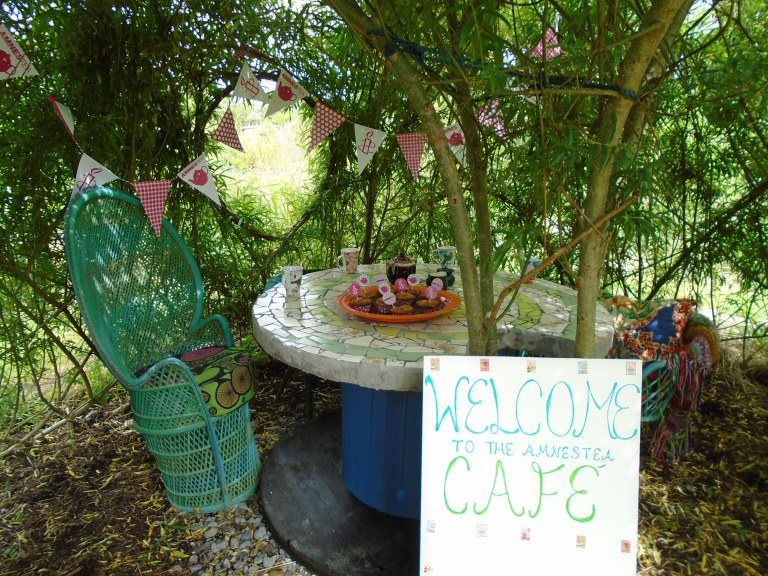
Our open day for Amnesty International Ireland is drawing closer and there are many things to prepare and finalise.

Recycled Eco Buildings and Wildlife Friendly Food Forest Garden. Mosaics and Glass Bottle Walls.
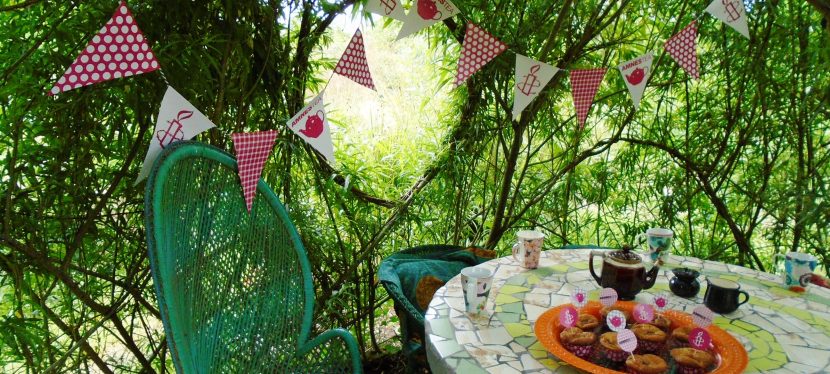
Our open day for Amnesty International Ireland is drawing closer and there are many things to prepare and finalise.

Another beautiful month has come to an end in our garden. Most of it has been spent clearing the vegetable beds, weeding and strimming the grass.
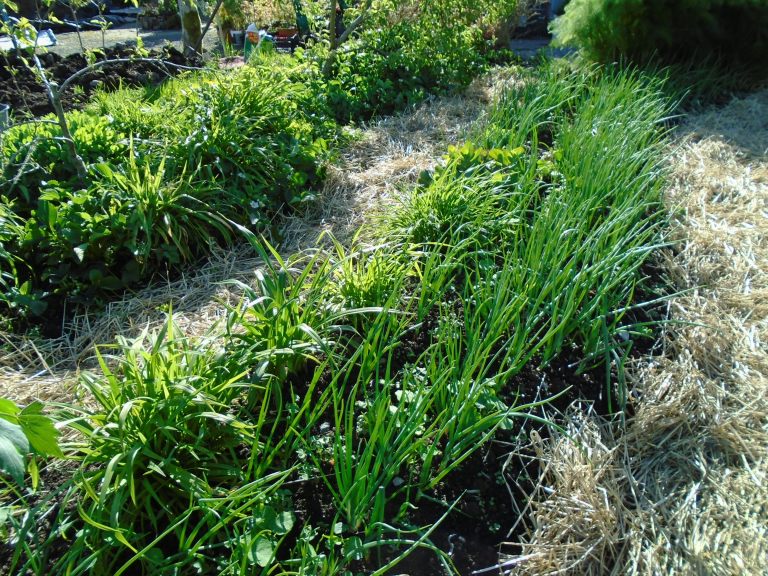
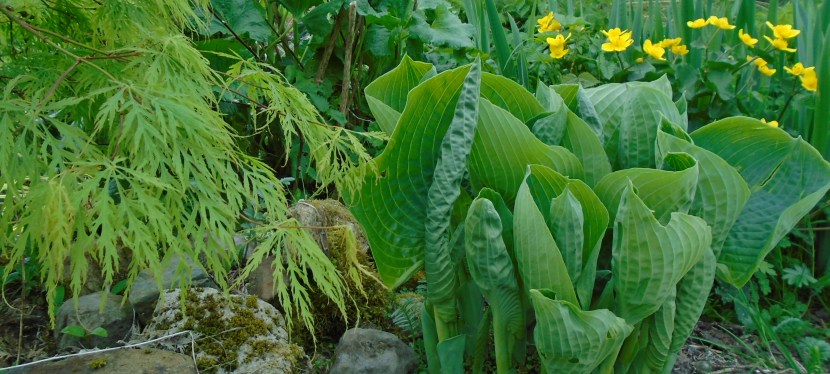
April is really the month that transforms the land here in the West of Ireland, probably more than any other month of the year. It usually starts of quite cold and barren but by the end of the month everything has exploded into a crescendo of colour and form.
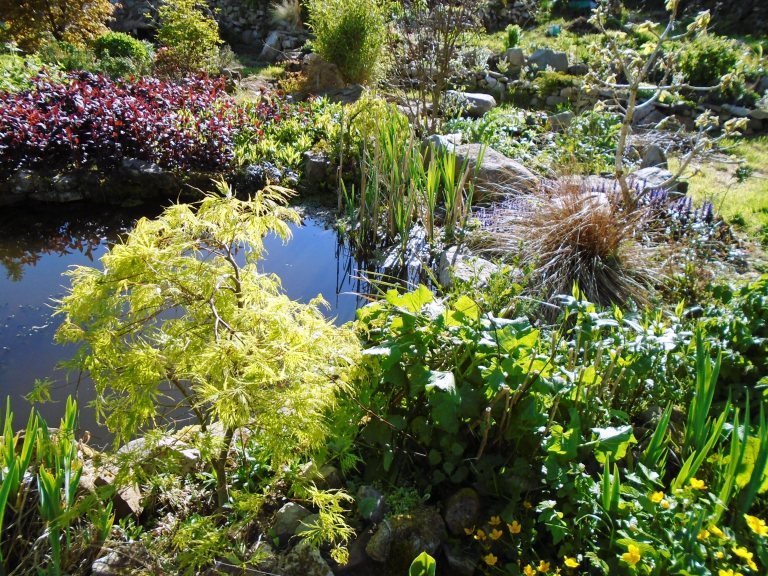
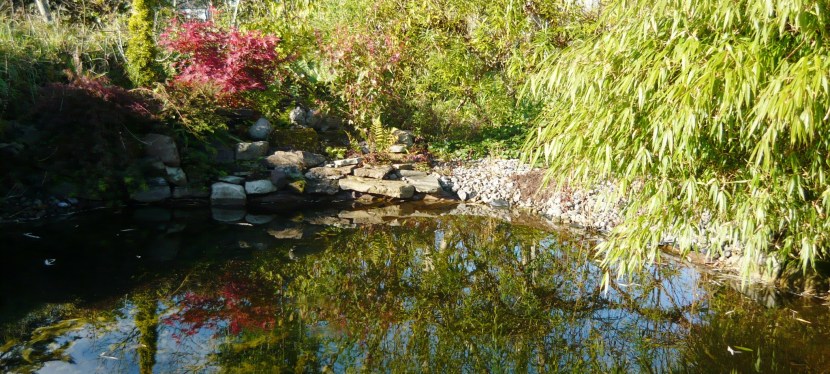
October saw a lot of sunshine and quite warm weather here in the West of Ireland. We have been busy finishing up work on our conservatory and have started to transform the space in front of it into a garden full of stones and colourful plants. We are blessed to have so many stones turning up in the soil whenever we dig a hole to plant a tree or shrub and our plan is to really show of their beauty in this space. There will be some paths snaking through the space, manly created from big flag stones with some gravel. Bigger stones and rocks will form built up areas in between the paths creating planting spaces for our many Japanese Acers and other plants that have lived in pots for the last few years.


There is one thing that above all else has helped us in the creation of our garden over the past few years. Mulch. It is the single most effective way to eliminate competition from grass and other unwanted plants when young trees and shrubs are developing. It also helps to keep the soil moist in dry spells and many types of mulch feed the soil as they break down. Our aim is to create a forest garden, a place with many useful trees, shrubs, groundcovers and vines growing together, mimicking natural woodland. As the years progress the need for mulching will be less and less. The natural leaf litter and the shade cast by the growing plants will eliminate the need for most types of mulch. But for now it is essential.

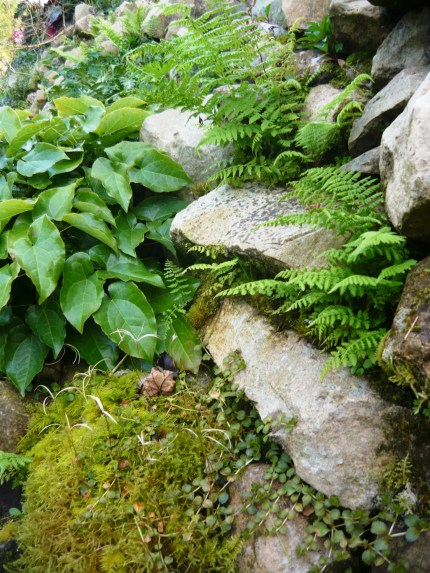
Moss is not very popular. In many parts of the world moss is something people are trying to eradicate from their gardens and green spaces. There are countless chemical products designed to get rid of moss. We have a difficult time understanding this. Moss can bring so much to your green space. It grows very well in shady and damp places where other plants might struggle. It does not need cutting back; it suppresses other plants considered weeds. It comes in many different shades and shapes.

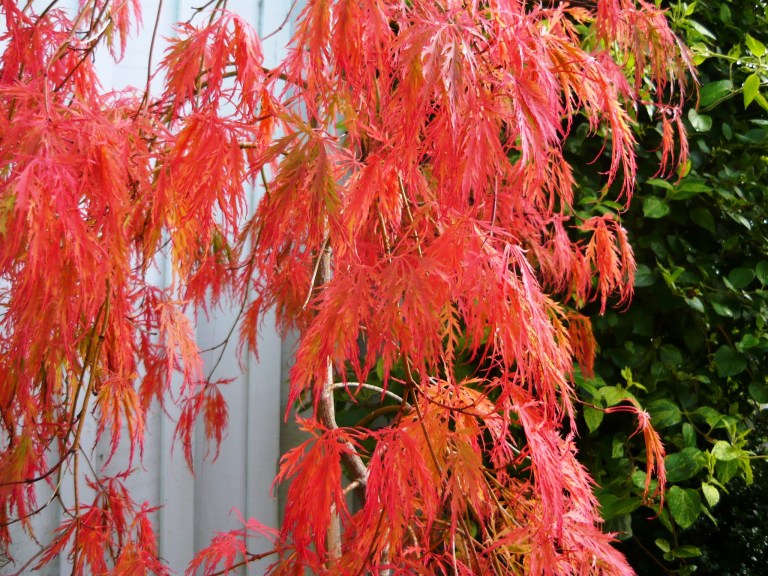
September has drawn to a close but the glorious warm autumn sunshine is still present. We are looking back at a month full of colour in our forest garden..

As we are writing this the rain is streaming down the window and when we look back at the month of August we realize that we have had many days like today recently.
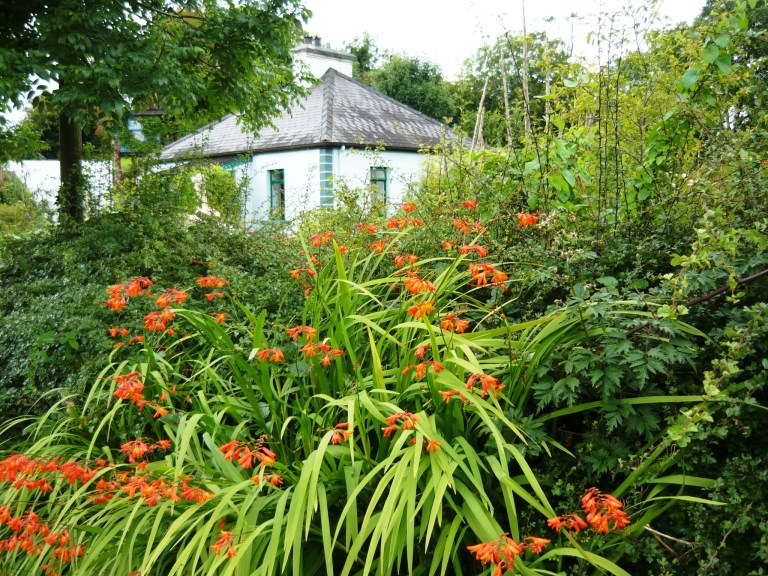
Our tomatoes that started off so promising have succumbed to the damp and are blackened by blight. Next year we will try to grow them in our new conservatory or maybe if we are lucky our planned poly-tunnel.


We are working towards being more self-sufficient. We would like to get to the stage where we can get most of our food from the garden. We are growing a lot of common fruit trees and shrubs. But by reading books about forest gardening we also got inspired to plant some less common varieties. Most of our trees were planted as bare root specimens, less than four years ago. They were very small whips when we put them in but because we added a lot of well rotted manure to the planting holes and have been mulching around them since, they have grown into lovely trees, starting to bear fruit. In our times of changing climates and unpredictable weather it is good to grow as many different plants as possible for a diverse and resilient garden.
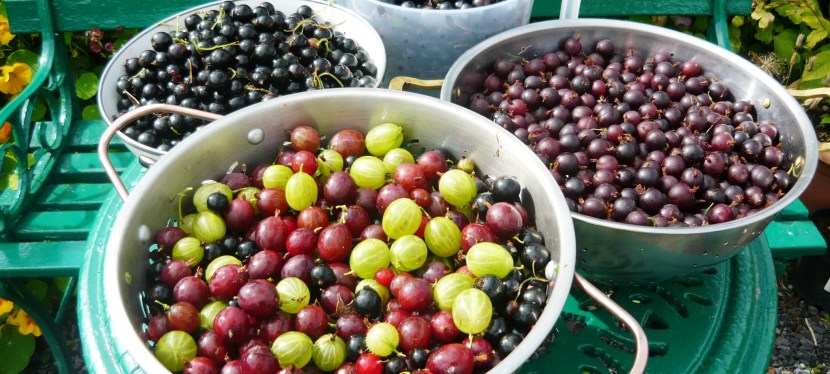
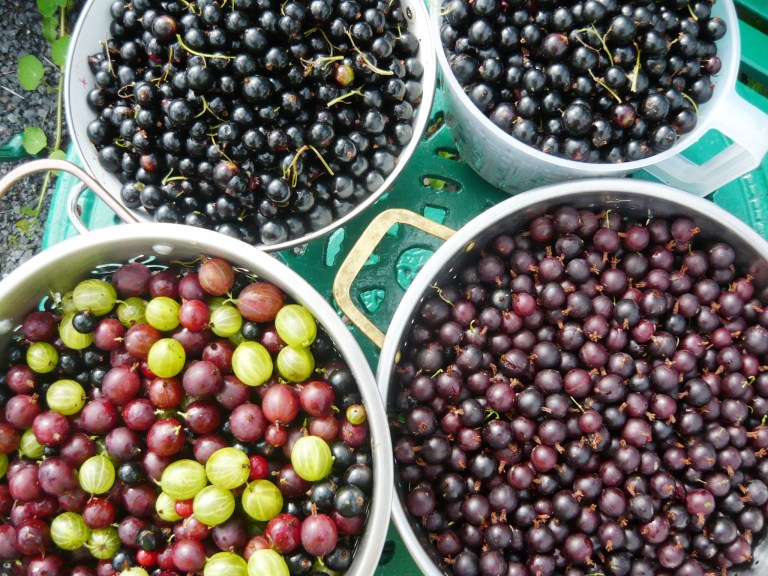
We are almost a week into August and it is time to sum up a very fruitful month in the garden. July brought quite a lot of rain but also some sunshine and our berries thrived. Ripening this past month were blackcurrants, redcurrants, gooseberries, worcesterberries and a cross called jostaberries.
 thegreenerdream