When all the pieces come together – Mosaic.

floor and skirting boards 032

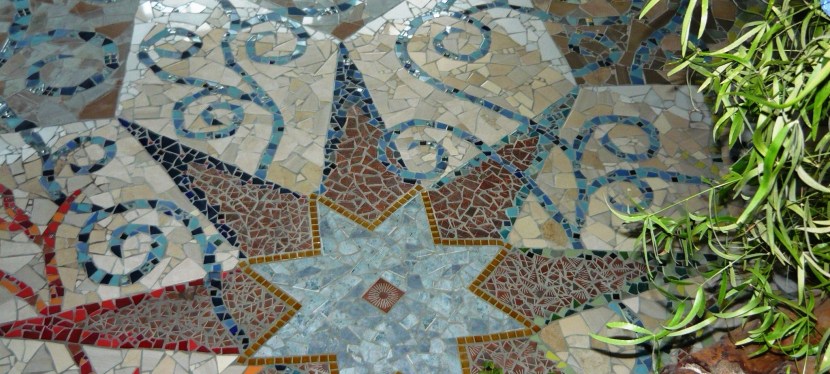
We are very happy and proud to announce that our big mosaic floor in the extension now is finished. The actual tiling part of the job was completed a couple of months ago but we only put down a first layer of grout to bind it all together at that stage. We have been busy building, insulating and painting the different wall sections since then but this week all of that work was finished and we could move onto the final stage of the floor.

Read more

LED there be light.

led 048

We are nearing the completion of our extension build. As we did not want to have too many electrical sockets and light switches in there we thought about other possible solutions for lighting our new home. Our search took us to the IKEA website and we were happy to find that all the lights and light bulbs sold in the IKEA store in Dublin now are LED. For our new built in sofa we put up three spotlights with rechargeable batteries and LED bulbs. When you press them lightly they light up for 30 minutes or if you would like to turn them off before that you only need to press them again. They should be able to light up that space for twenty years using very little electricity and needing no wiring.

led 032

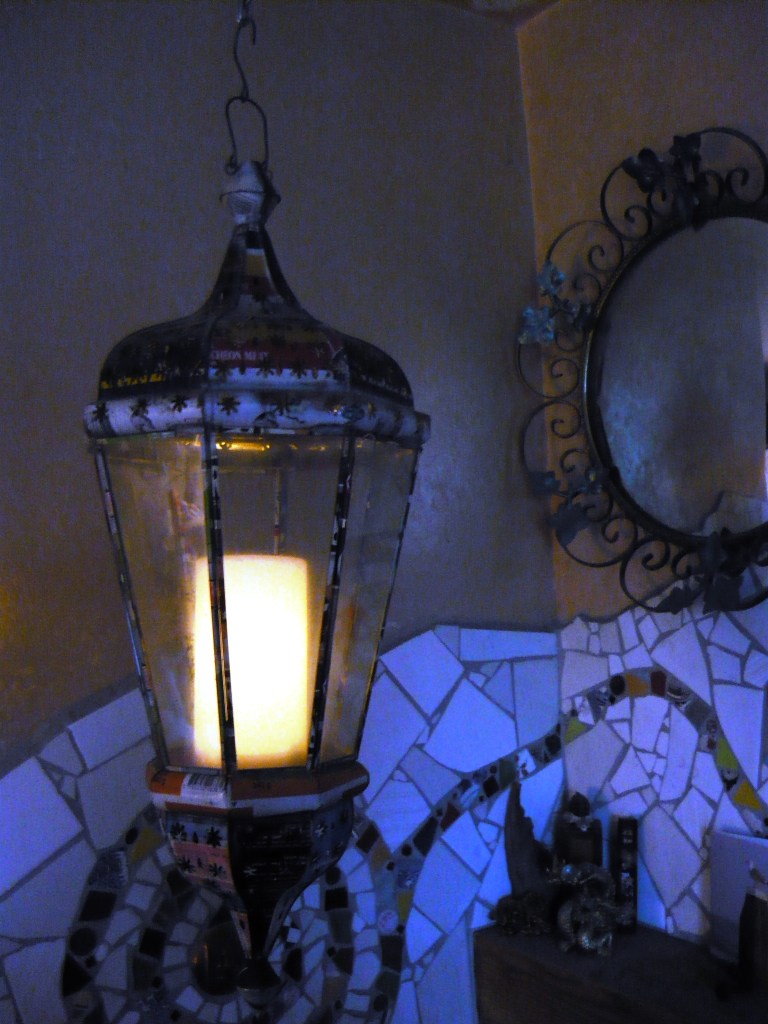
We have been sceptical about the use of LED lights in candle shape as we thought they would feel artificial but as we now have a large young dog in the house, in many places real candles are not an option anymore. So we went ahead and bought a few block candles that can be used with rechargeable batteries and a few small tea-lights. When we tried them out we were happily surprised at how real they looked, giving off a warm flickering light. They are actually so convincing that the urge to blow them out before leaving the room, has been there on several occasions.

led 027

We now have the option to use them everywhere and anywhere, while being kind to the environment. They use very little electricity and are designed to last for up to twenty years. The rechargeable batteries can be charged up to 500 times. There are no worries about putting them to close to the ceiling or walls, curtains or other flammable materials. The dog and any kids about can knock them over and they can be forgotten without any risk. We do believe real candles still are a magical and beautiful addition to our home, but only in the right place.

led 029

Because of all these beautiful and practical solutions, we only need one wired in light in the middle of the ceiling that will also have an LED bulb, so it will be very energy efficient. There are now an incredible amount of LED fairy lights available, for use at Christmas or all throughout the year. They are very safe as they do not heat up so can be placed close to fabrics and plastics. Many of them can be used with rechargeable batteries and cause minimal impact on the environment. LED really is an excellent invention, revolutionising the way we can use light in our homes.

led 046

Looking back at October.

oct 039

If you are a regular reader of our blog you have probably noticed that it has been a while since we posted anything. Half of the family has Swedish roots and has spent some time visiting the old country recently. It was fun to visit family and friends and go for walks in the beautiful Swedish forests. On the way back we spent some time in the airport departure lounge and found it quite creepy. The three of us were reading books and talking to each other but all around us there was an eerie silence. As we looked around every single person we could see was staring at a screen of some sort in complete silence. Not a single person smiled. No one seemed excited to be visiting another country. No couples were holding hands or even looking at each other. No parents were talking to their children. How did it get to this?  After that experience it felt great to get back home and throw ourselves into the work of finishing the last bits on the extension so we can move in. It will only be a couple of weeks now.

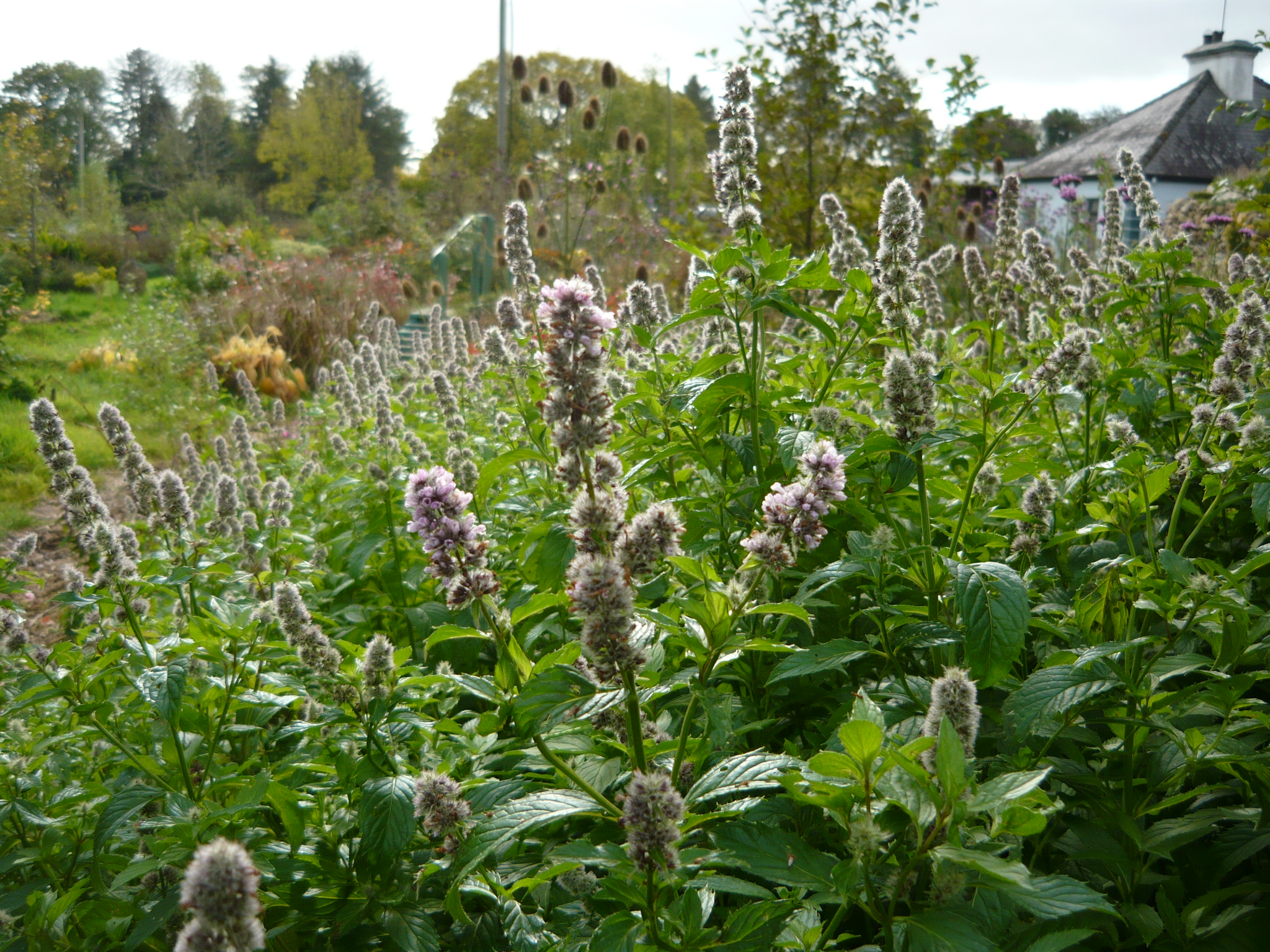
We always write a bit each month about what has been going on in the garden and October proved to be quite pleasant. We had some warm sunny days and were able to harvest peas, kale, potatoes and herbs. Our Swiss spearmint has grown as high as a person this year.

oct mint

Many of the perennials and shrubs were confused by the unusually warm weather and put on new growth and flowers. We actually hope it will get colder soon so the plants can rest and get the cold spell that they need. Apples for instance cannot give a good crop next year if they have not been subject to this.

oct rose

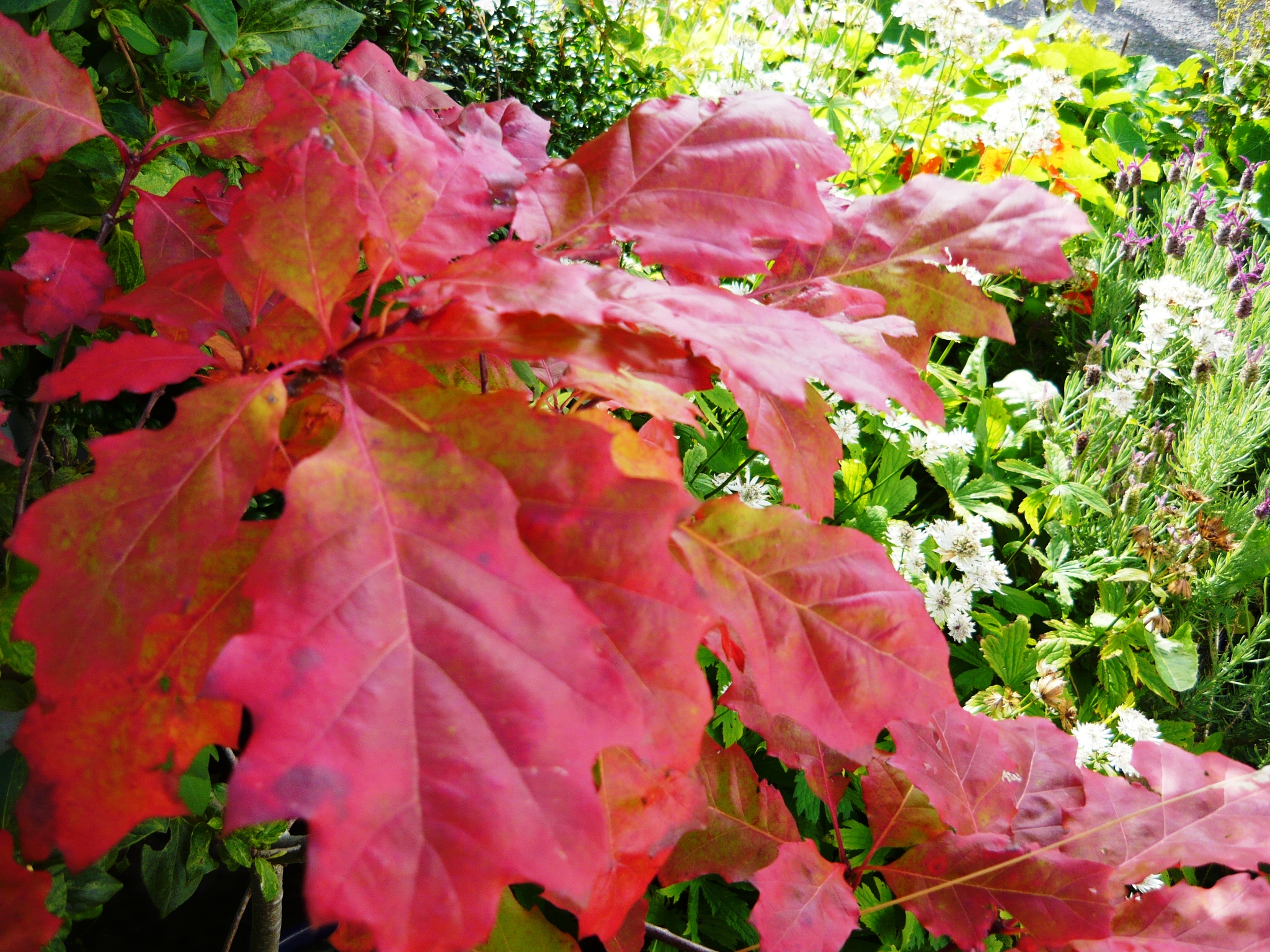
The autumn colours have not been as pronounced as other years in the garden but a few of our plants have put on a decent show. We particularly enjoyed the blueberry, aronia and the liquid amber.

blueberry bridge

oct aronia

oct liquid amber

In our circle plants are starting to slow down and wither. We will leave a lot of the seed heads there and clean the beds up in the spring, to benefit wildlife. The teasels are full of seeds and we are hoping the bull finches from down the road will come into our garden to feast on them. We have gold finches every year and they love teasels as well.   Every month we take pictures of the circle in the four cardinal directions. All of these posts can be found in the category; Elemental circle.

sky 040

oct east

East

oct south

South

oct west

West

oct north

North

Two years ago we planted cyclamen and they have established themselves now and looked lovely in October around our yard tree. They look very delicate but can withstand both cold and rain. We are looking forward to the darker and colder season now as there is a lot of clearing, weeding and planting to do after the busy year we have had building our extension. As the growth rate slows down we should be able to get stuck into it all. Welcome November!

oct cyclamen

oct cyclamen

Bonsai.

bonsai and pollination 010

We have for some years now been keeping trees in pots. It is practical for anyone who does not own their garden, who move around a lot or simply do not have a garden at all. Almost any species can be grown in a pot as long as they get enough light, water and nutrients. Some of them are kept outside all year round and some stay indoors for the colder months and get a holiday in the garden each summer. We have had some of them for 20 years or more.

 bonsai 044

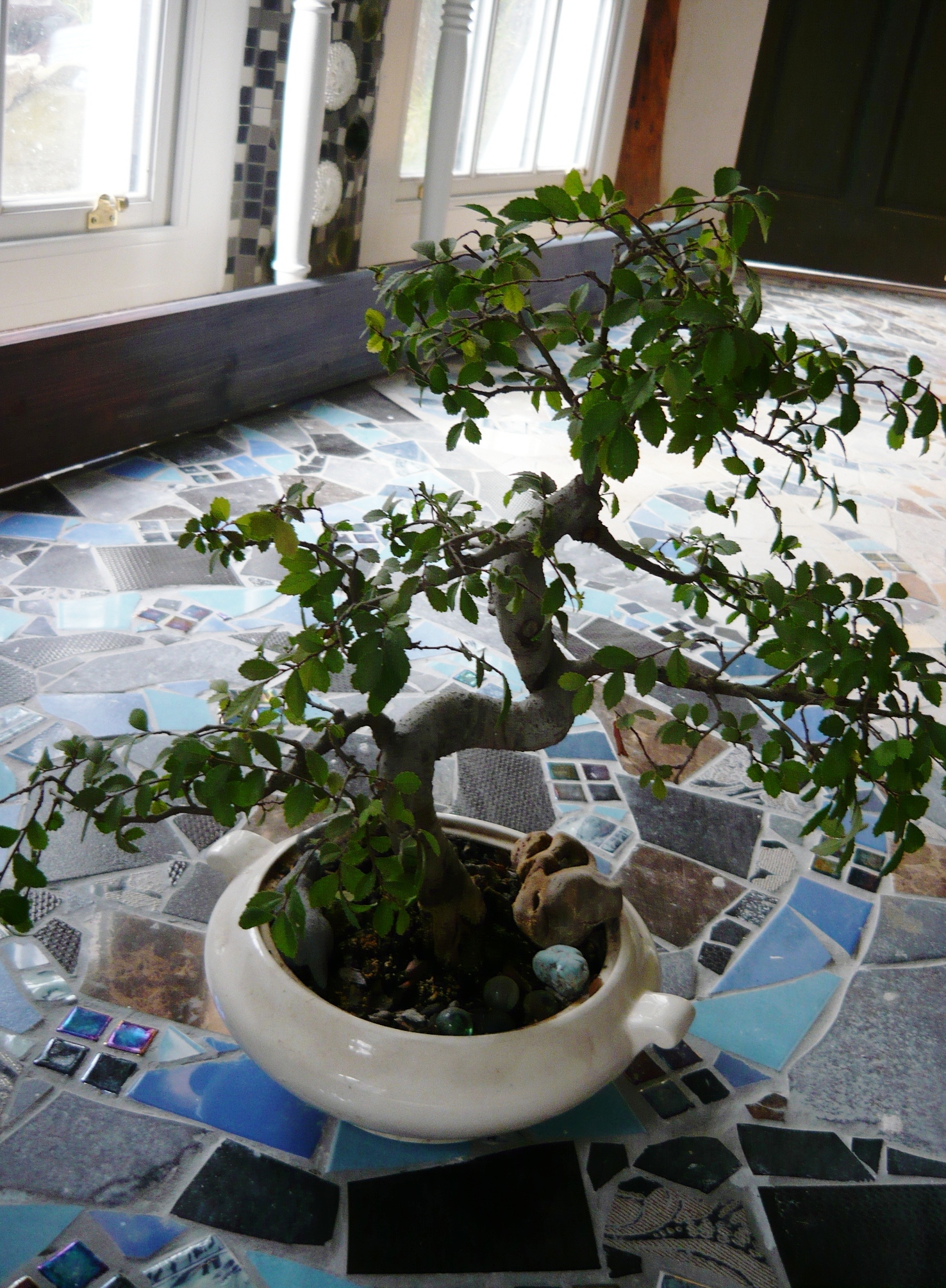
The name Bonsai comes from the Japanese words, bon, meaning a tray or low pot and sai, meaning a planting or tree. When a tree is restricted by a pot it stays small and easy to manage. We like to prune ours quite hard in the spring as you can see in these pictures.  When you prune the tree back it reacts by putting on more, smaller branches and bushier growth. The main growing season is in the summer and any new branches that get too long are clipped again throughout the growing season. We have had this particular Japanese Zelkova for close to five years and when we bought it we estimate it was four years old. It is a good tree for indoors and easy to look after for a beginner. Just remember to water it regularly. We like to soak our pots in a bigger container of water for some time so the tree can drink from the roots.

 bonsai and pollination 013

bonsai and pollination 015

bonsai 024

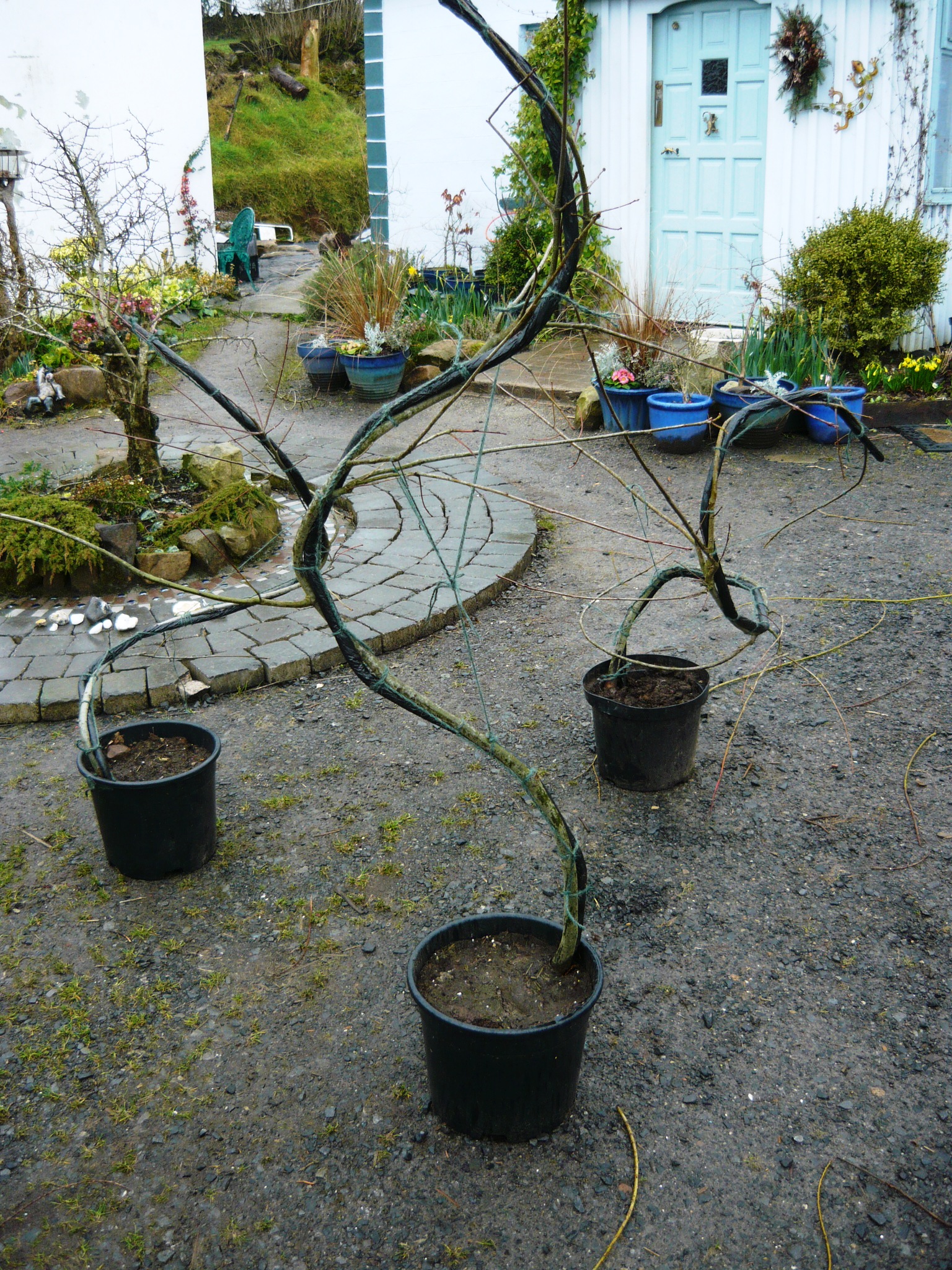
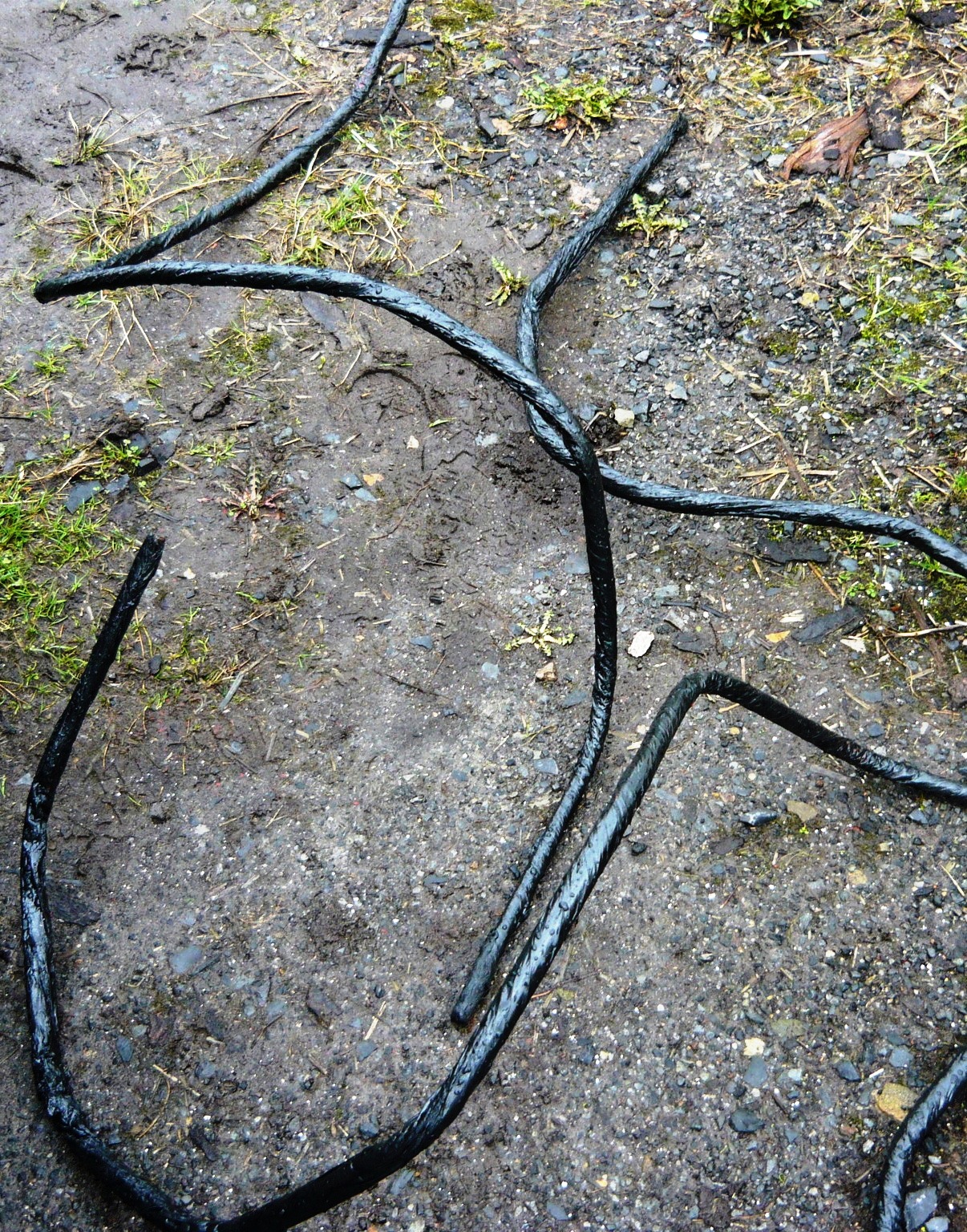
This year we decided to try something a little different outdoors and bent some reinforcement-bars into nice curves. We acquired some bare root red oaks that we potted up in November last year and in February it was time to have some fun with them. The re-bars were anchored deep in the pots and the stems of the trees bent and tied to the re-bars with twine. We will leave the re-bars on for a year or two and then remove them. The stems will stay in their positions and have a very unusual appearance. They put on a lot of growth over the summer and we think they look quite lovely now. This is a very cheap and easy way to get a special feature in your garden. Many different varieties of trees can be treated like this.

 SPROUTS AND TR 053

SPROUTS AND TR 060

SPROUTS AND TR 063

SPROUTS AND TR 070

bonsai 014

bonsai 022

This was an unwanted hawthorn that was dug up in a friend’s garden and bent into this umbrella shape about 25 years ago. We prune any branches that try to grow upwards by pinching them out when they are very small. It is beautiful when it flowers in spring and also when it has nicely coloured leaves in the autumn. It is grown on a big rock with a slight hollow in the middle for holding just enough water to sustain it. We added a lot of little stones to the composition and some roots are exposed. It is the first part of our rock garden that we plan to create when we have some more time so you have to excuse the mess round it in the pictures.

 bonsai 043

bonsai 037

bonsai 040

Our Bonsai give us a lot of joy. They are beautiful to look at and pruning them is a very meditative, calming process. It is much easier than many people think to keep trees in pots. We plant our cut offs from pruning in some seed and potting compost with added sand or grit and a lot of them take and grow onto new little trees. We had three very long ones growing two years ago and we decided to plait them and now we have a lovely little tree with a partly joined plated stem. If you have never grown trees in pots we can highly recommend it. There are many books on Bonsai so it is easy to get going.

bonsai and pollination 051

bonsai 061

The sky is the limit.

sky blue

We are nearing the completion of our extension build. It has been a long laborious journey, hundreds and hundreds of hours of digging drainage ditches, filling tyres with soil for the retaining wall and stripping bark of the logs for the main construction. We have also managed to finish the whole mosaic floor, the only thing it needs now is a final layer of grout to smooth it out and a polish. We are happy with the results and will write a bit more about it and show you some more pictures after the final polish.

Read more

A grand day out.

We live only a few hundred meters from the Mayo border and yesterday we decided to stop building, harvesting and weeding for a day and go exploring in this beautiful county. Our destination was Achill Island, the largest island of the coast of Ireland, reached by a bridge.

Achill island dubh

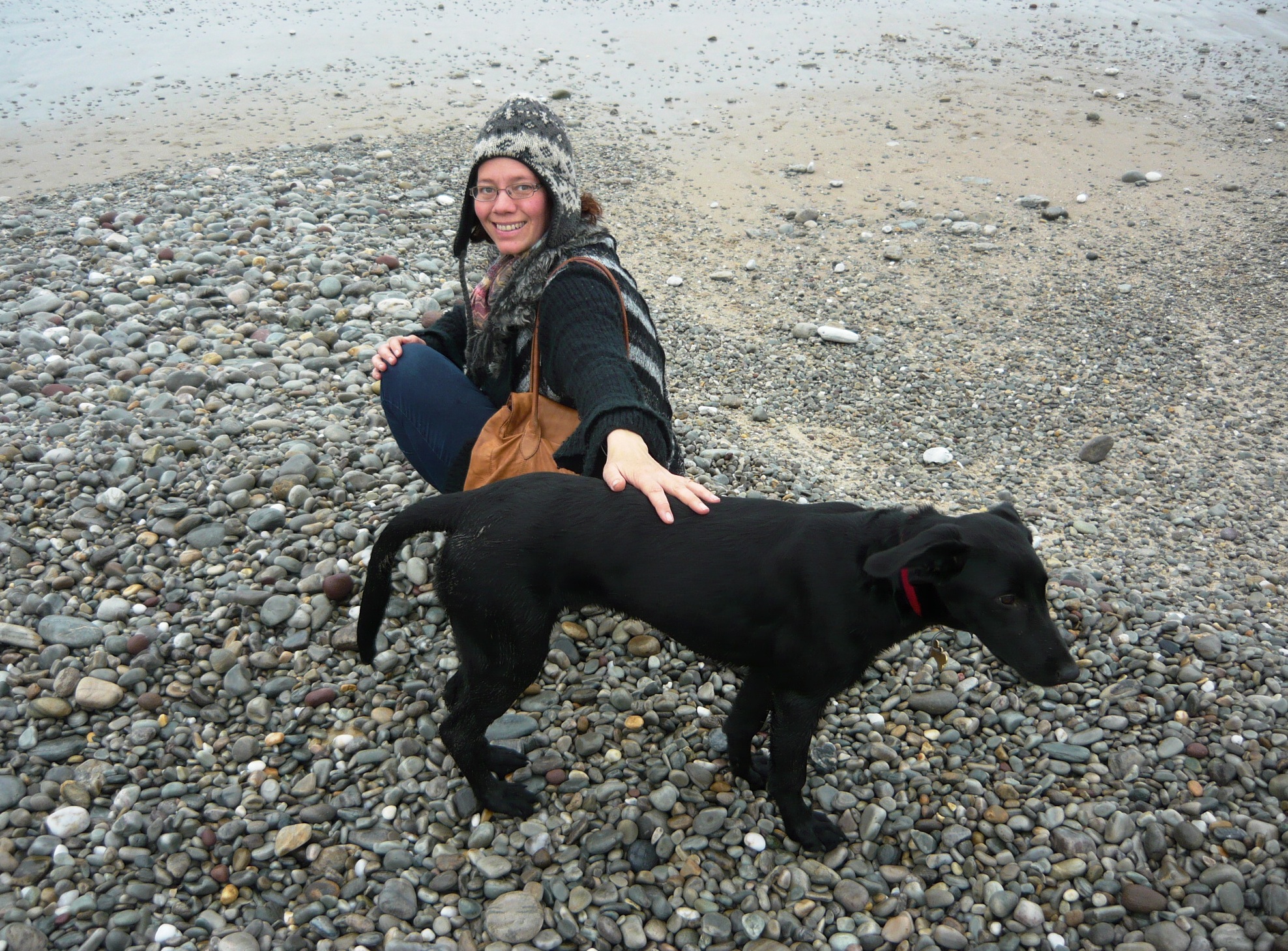
The first stop was stunning Keel beach where our puppy, Dubh, saw the ocean for the first time. She loved it and since the beach was practically deserted she could come off her lead and race along the surf. At first she barked loudly at the waves but she soon got used to them. We walked for a long time, played on the beach and had a picnic. We remembered the cheese but forgot the crackers.

Achill island running

Achill island kelp

Achill island beach

Achill island dubh

Achill island writing

Achill island write

Achill island run

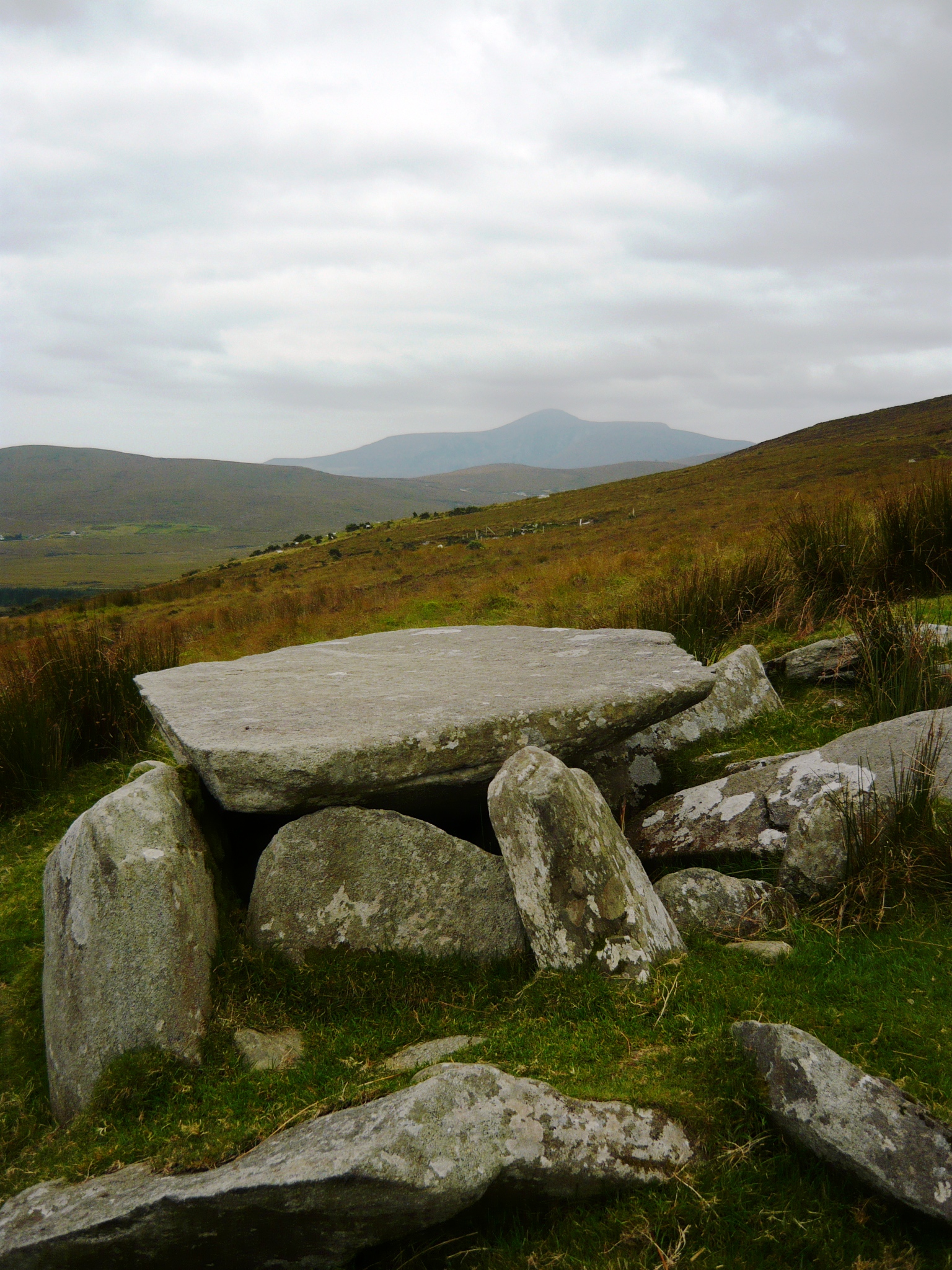
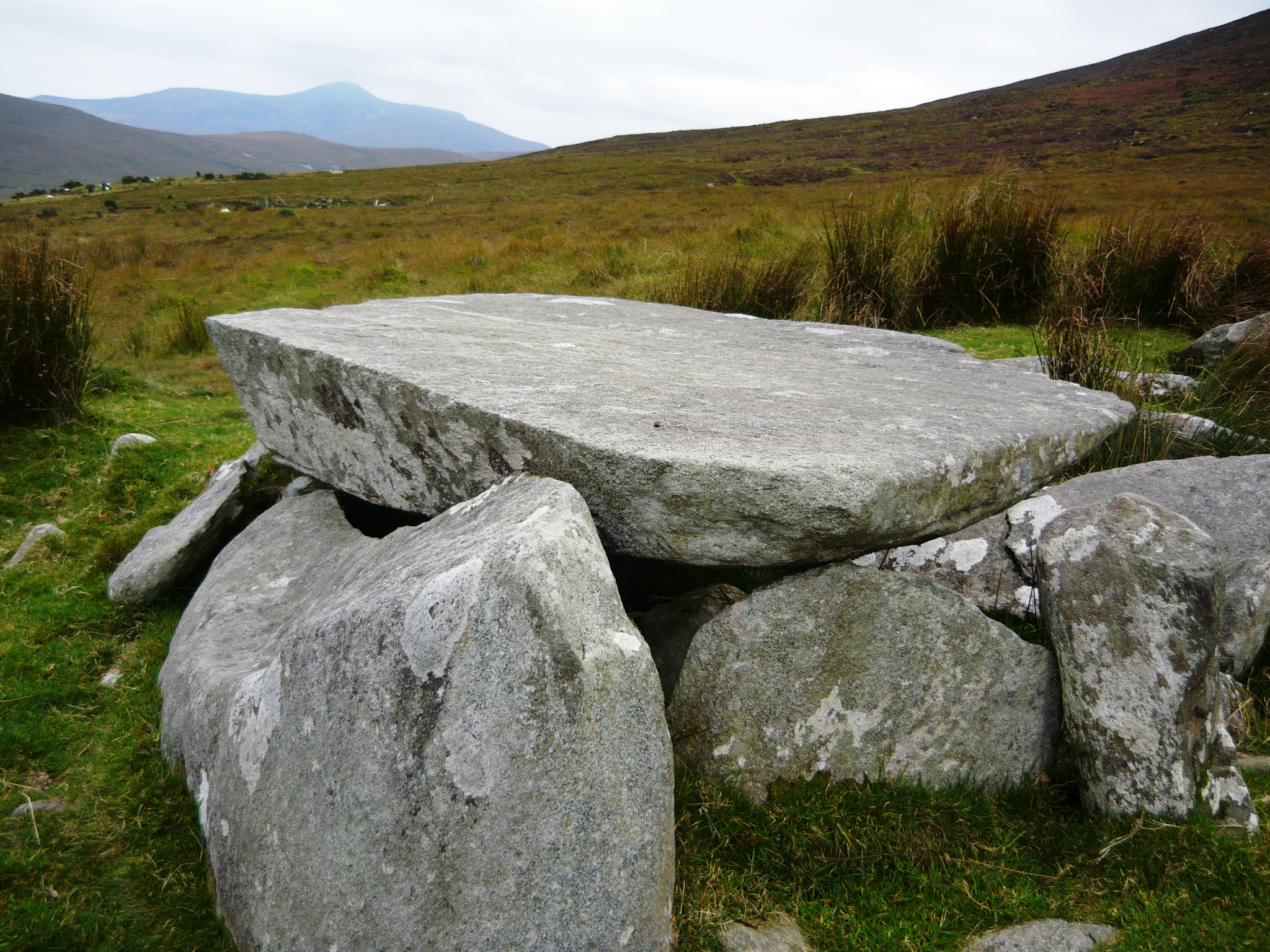
Our next stop was a megalithic tomb. We reached it after a rather steep climb up the side of Slievemore, a most beautiful and impressive mountain. We were quite tired when we reached the tomb but it was defiantly worth it.  We found a very peaceful place where we all rested for a while.

Achill island tomb

Achill island Slivemore

Achill island

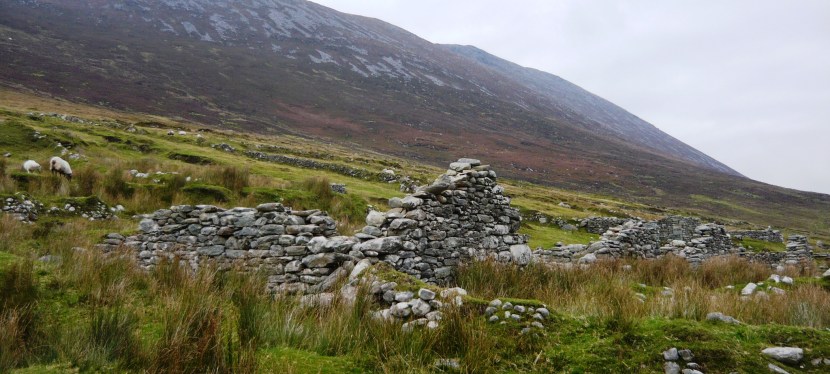
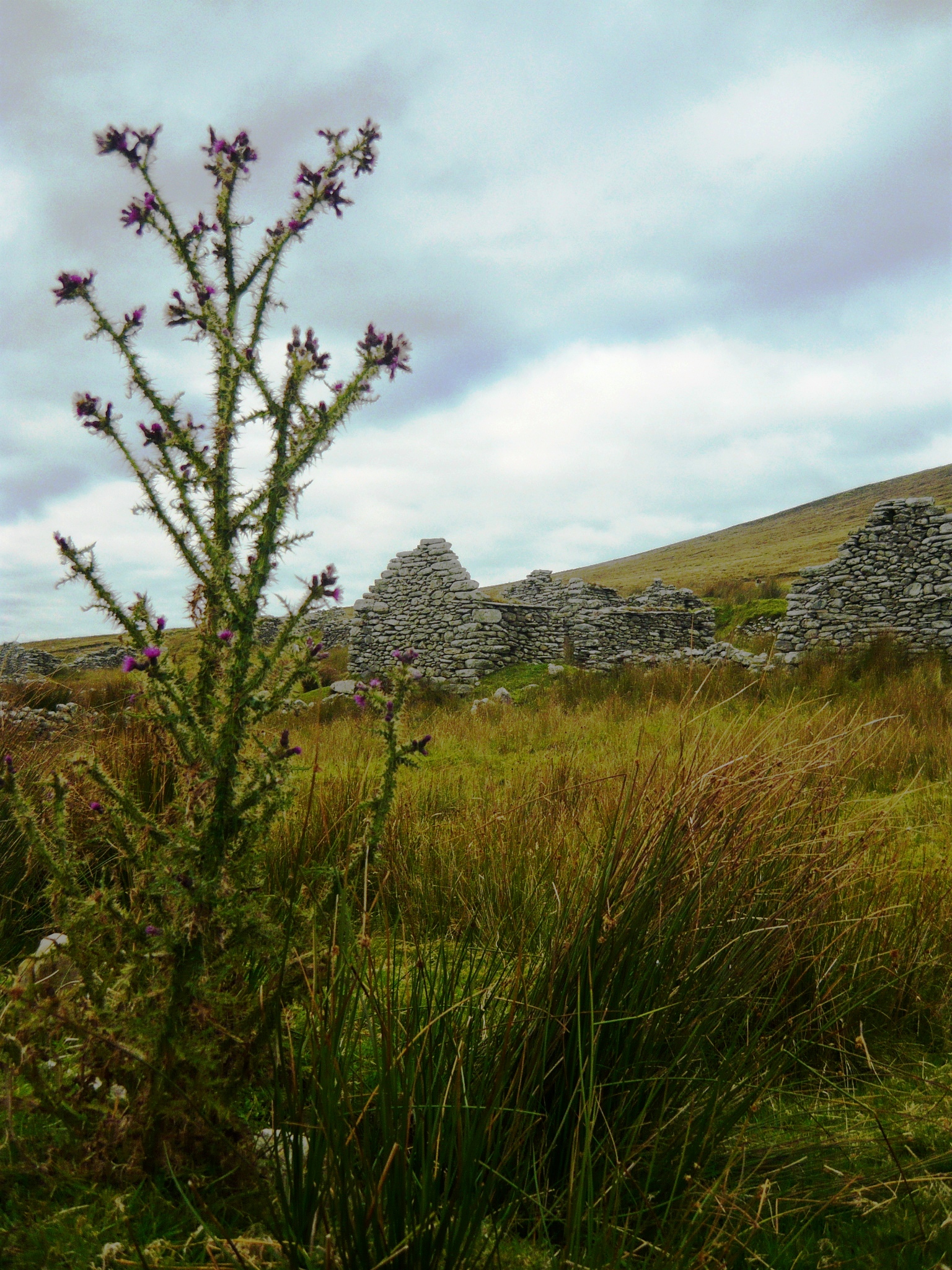
We then went on a little bit down the road and reached the deserted village. There are more than eighty ruined houses here.  It is a place of tremendous beauty but it also has a feeling of sadness. Walking around the village you can’t help but think about the people who lived here once and how difficult it must have been to be forced to leave home and set out on an uncertain journey. The village was abandoned during the famine, in 1845, and while some people only moved to another village by the sea, others were forced to emigrate. In later years and up until the 1940s the village was used as sleeping quarters in the summertime by teenage boys and girls bringing the sheep up the mountain to graze.

Achill island house

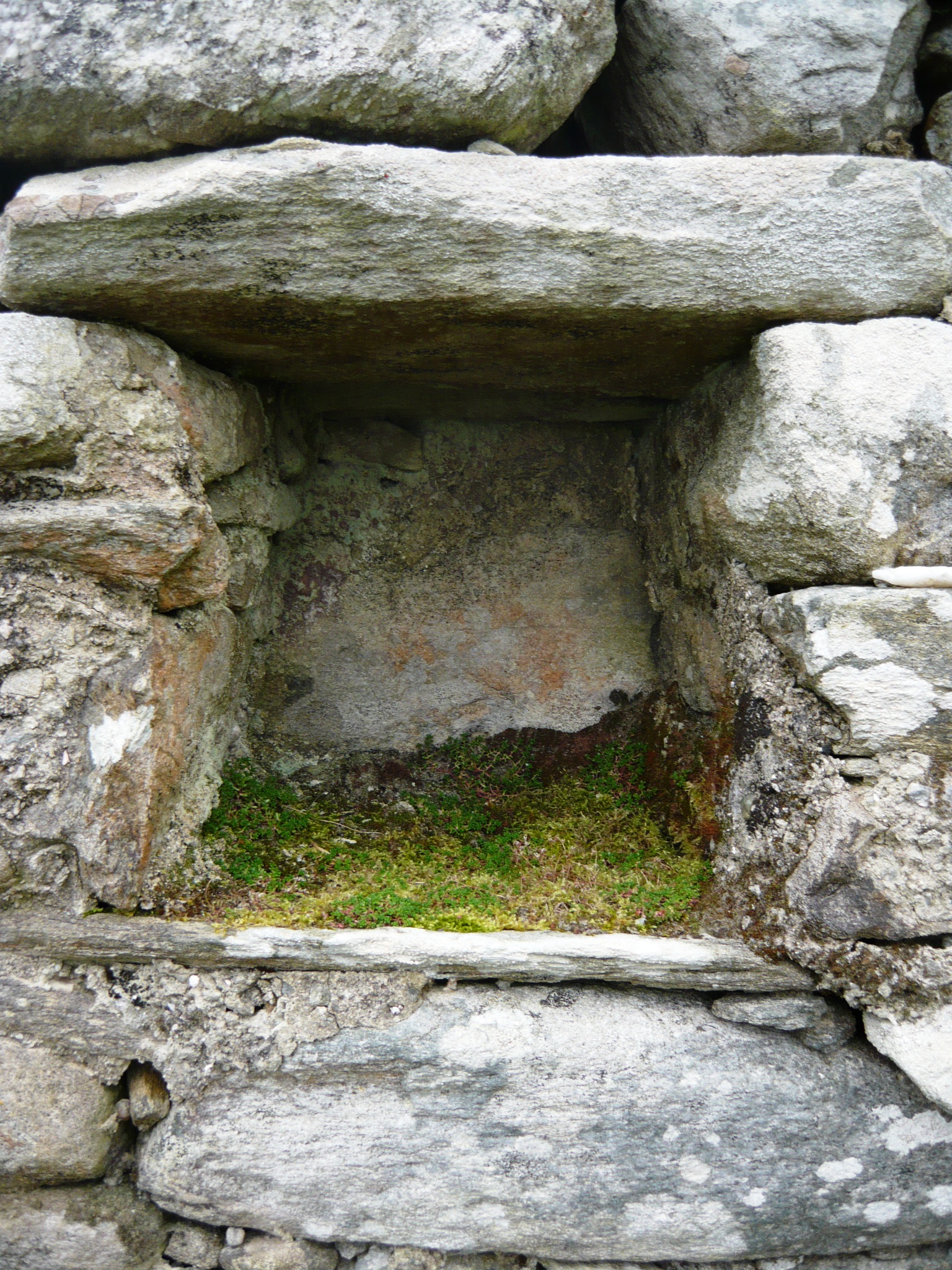
Achill island shelf

Achill island doorway

Achill island flora

Achill island sheep

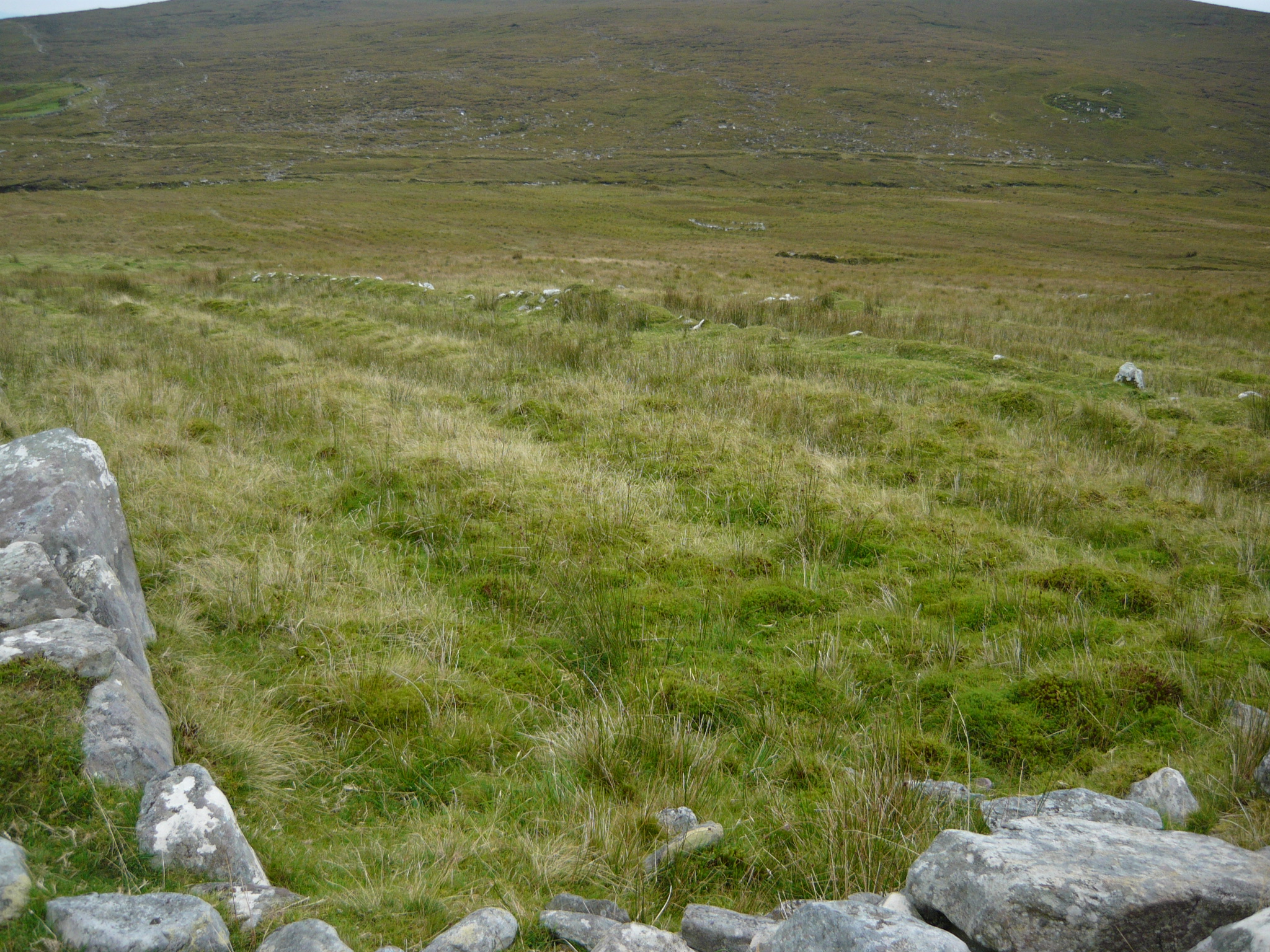
Today the only inhabitants of the cottages are sheep and they graze where the potatoes and other vegetables once grew. You can clearly see the old ridges, called lazy beds in the fields, made to make the soil a little more fertile and we are certain seaweed was brought up from the beach to further enhance fertility.

Achill island lazy bed

Achill island baaa

Achill island thistle

Our outing was a welcome change to our everyday routine, we spend most of our time close to home and it is energizing to get out and away sometimes, if only for a day. Achill Island is a beautiful place, full of history and interesting natural sites. We can thoroughly recommend a visit. At this time of year it is quiet and peaceful , a big change from the summer months when thousands of tourists visit the island.

Achill island stones

What September brought.

september garden 014

When we look back on the month of September we remember a lot of sunshine and warmth. Maybe it was only an average month, but after the cold and wet summer September felt like a very welcome change.

september garden 012

We continued to harvest potatoes, courgettes and broad beans. All our onions and shallots that we harvested at the end of August dried out in the shed and are now hanging in inviting bunches from the ceiling.

harvest broadbeans

The garden has taken on a more muted palette; some gold, copper and brown amongst the flowers and shrubs.  Because of the warmth and sunshine many plants have been putting on new growth. All the pollinators made the most of it, filling up their winter reserves. Our ferns have also benefited from both the warmth and the rain.

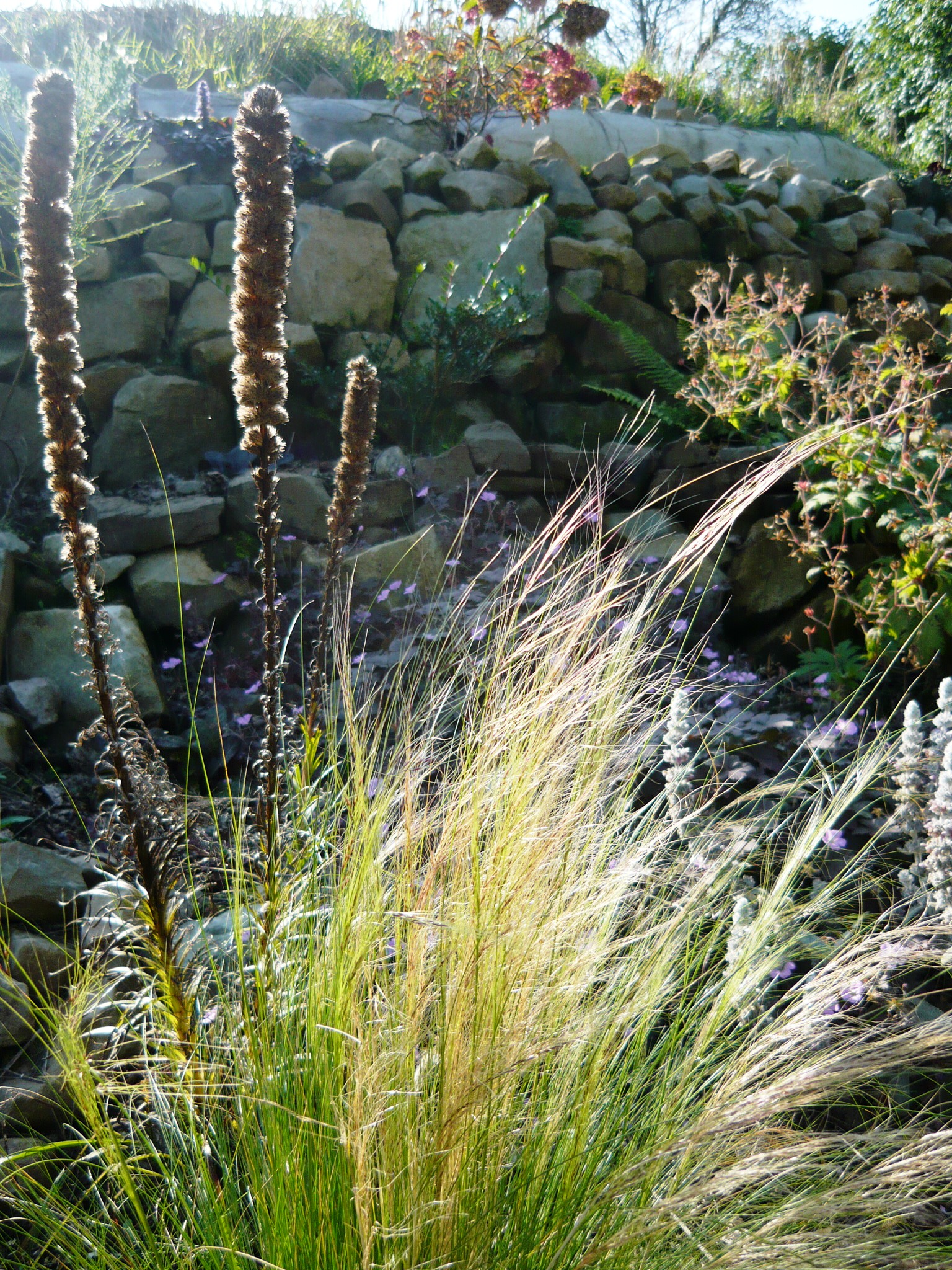
september garden pony tail grass

september garden 004

september garden ferns

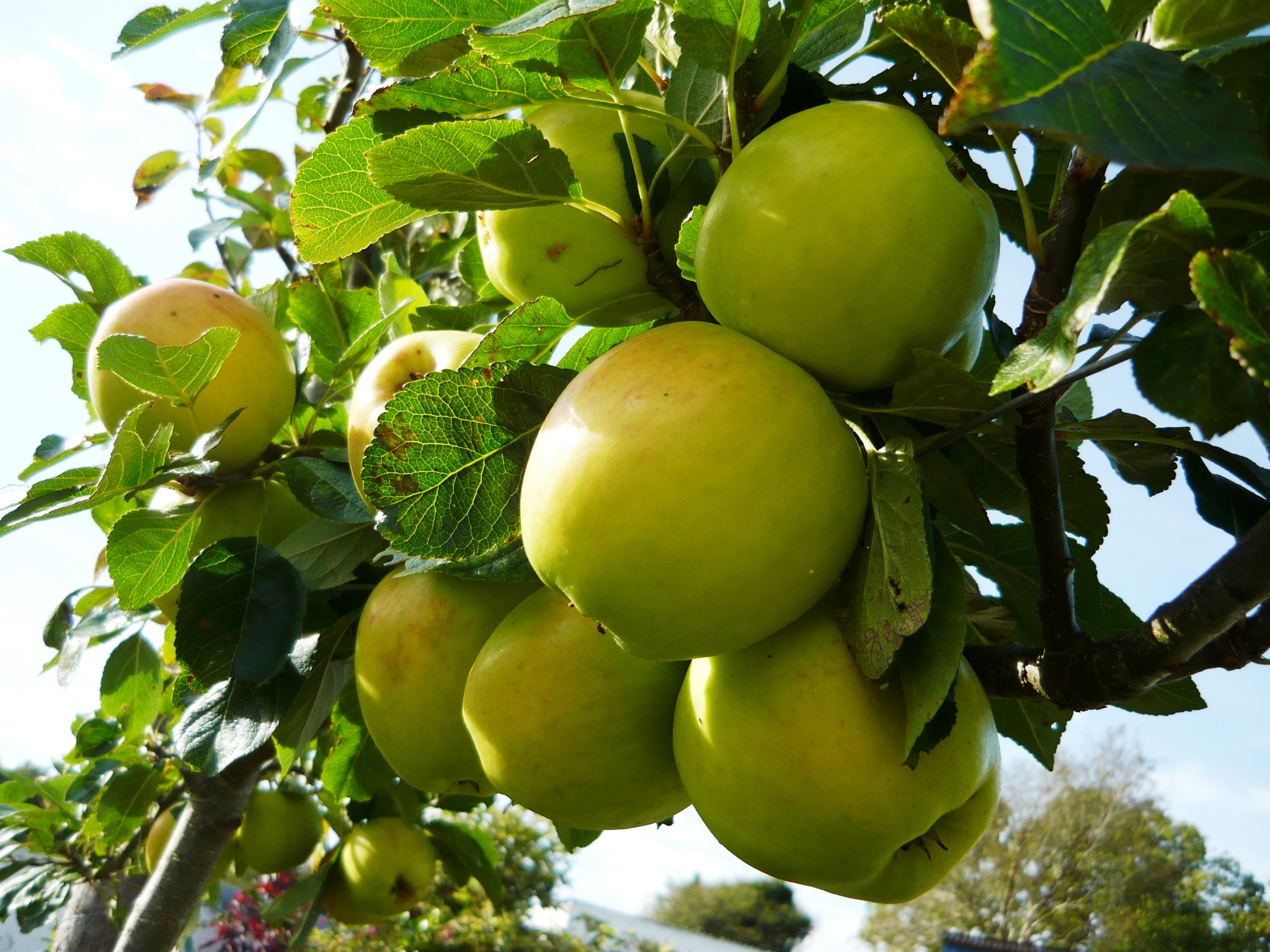
Our espaliered apple-trees have only been planted less than three years but a couple of them have already provided us with lots of apples for tasty crumbles. We notice a remarkable difference in yields between espaliered and un-espaliered trees. Considering the space you save and the way you eliminate congestion and bad air circulation, we cannot recommend espaliering enough. You get both higher yields and healthier trees.

wildlife september apples

september apples

In our circle the plants are still looking good, unfortunately we do not have a picture of what it looked like last year at this time but as we remember it, there were a lot less plants a year ago and they also finished flowering sooner. A blog like this is not only a tool to share our successes and failures with the world but also an important record for us. By looking back through the posts we can see how things develop and change throughout time. We do not have a lot of readers but we do very much appreciate the ones we have and we hope we are making a few small changes, ignite some sparks and inspire people to plant and create something beautiful things in their lives.

east

East

south

South

west

West

wildlife september 008

North

We are looking forward to the remaining days of October. We hope to finish our extension this month and move into it. We will tidy up the garden and bring our Pelargoniums inside for the Winter months. There is a lot of weeding and tidying up to attend to in the garden. We think we will be quite busy. September brought us a lot of joy. We hope October will too…

liquidamber

acer palmatum

september garden

Attracting wildlife.

wildlife

You need an organic garden to attract a wide range of wildlife. But you also need wildlife to create an organic garden. We do not think one can exist without the other.
wildlife  pond

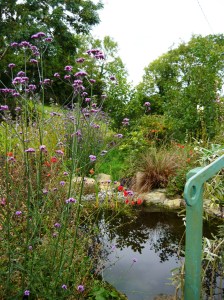
We have been living on our plot of land for almost three years now. When we first moved in we only made the house liveable, and concentrated most of our efforts on the garden. Our land was encircled by a huge thick laylandii hedge that blocked out all light and did nothing to support wildlife. We cut it down and replaced it with espaliered apple trees, oak and beech hedging and a lot of mixed trees and shrubs. It was a very important first step in attracting wildlife and we used the trunks for structures in the garden and all the smaller branches for mulch on paths and planting areas.

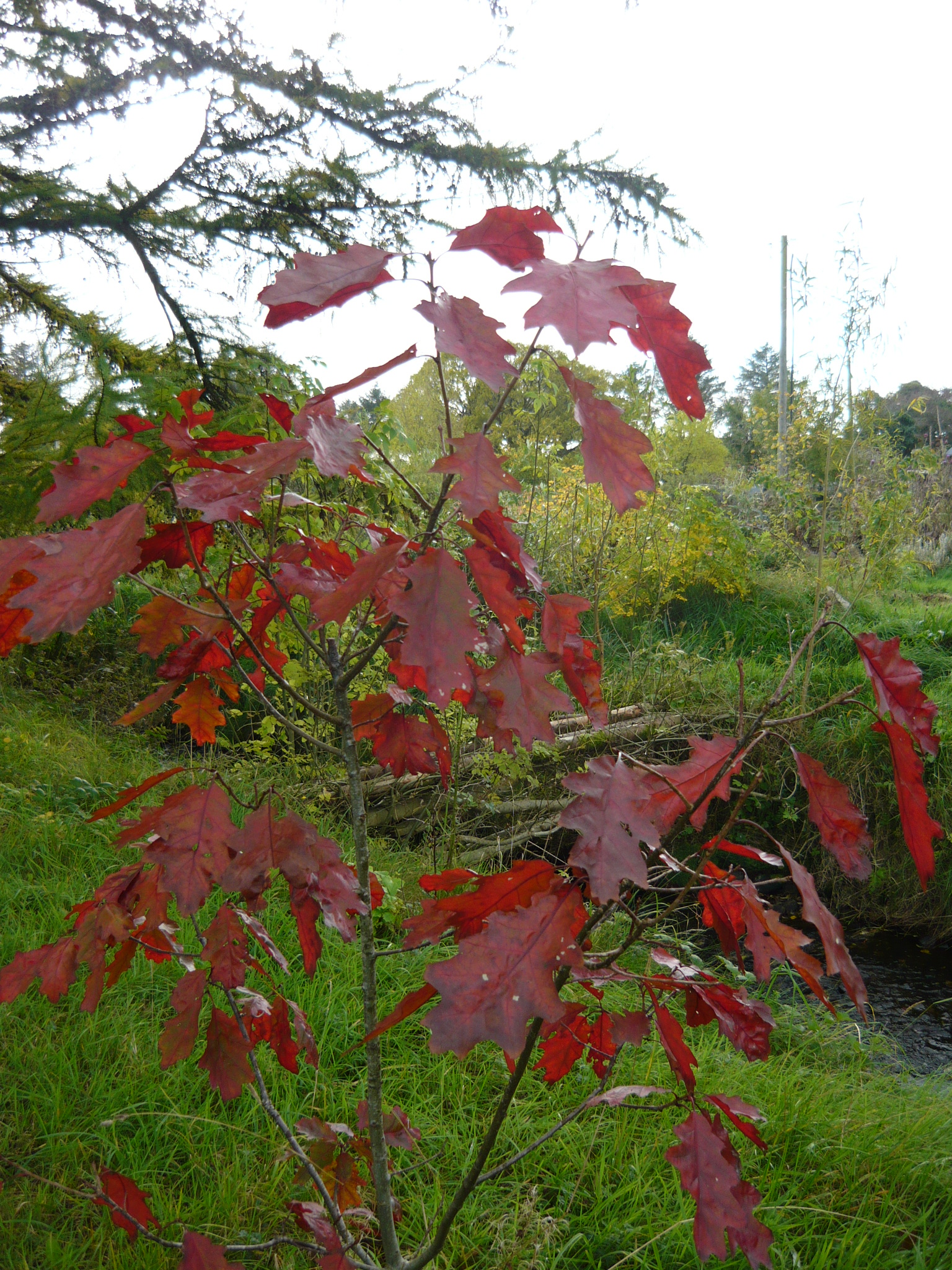
red oak

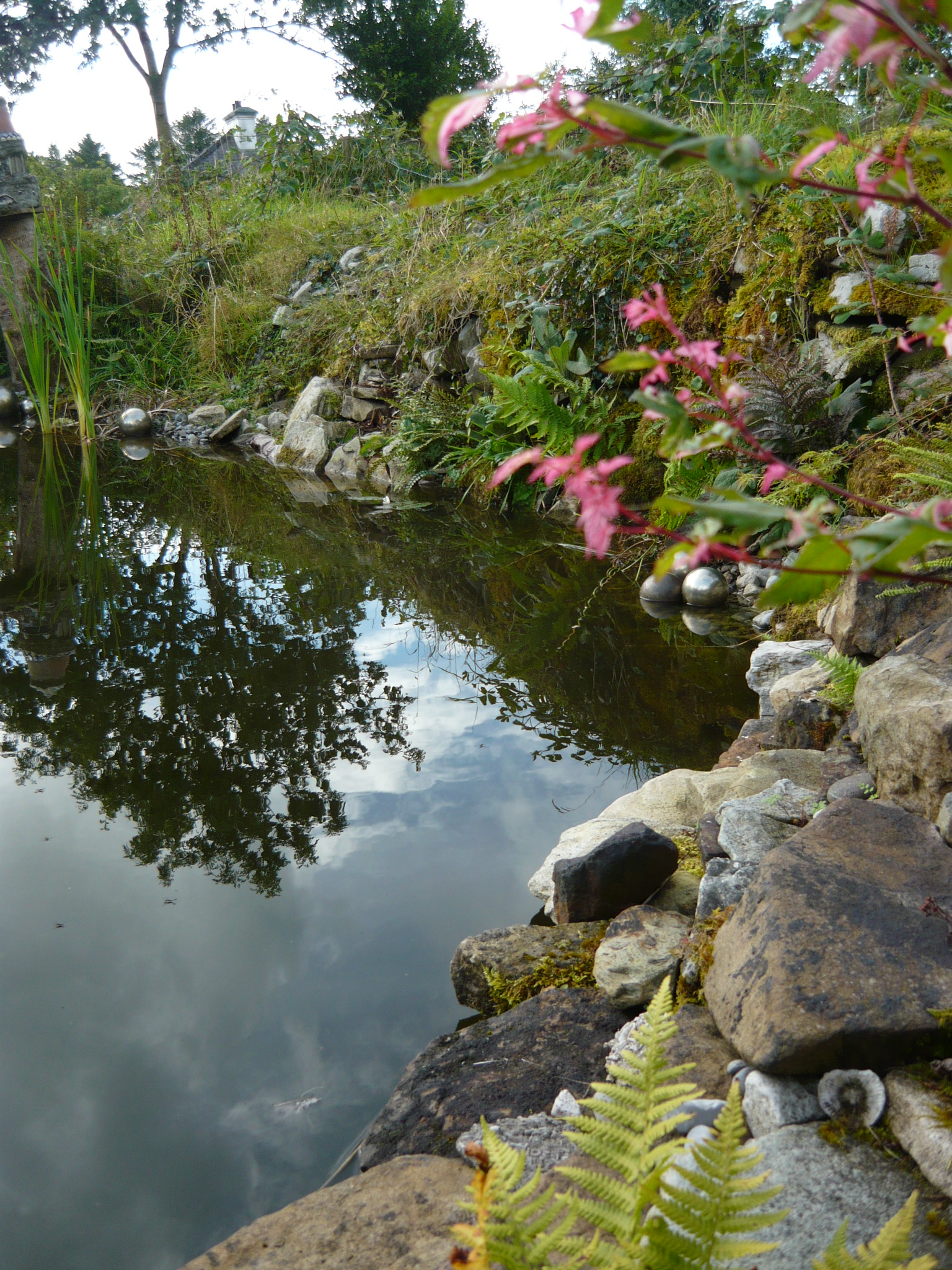
One of the first things we did was create a big wildlife friendly pond. We are very happy this year as at least one hundred young newts are living in it now, along with dragonfly-nymphs, water-beetles, frogs, toads and whirligig-beetles. On one side the pond has a pebbled beach, for easy access in and out of the water and on the other side it has a bog-garden filled with moisture loving flowers and plants where frogs and toads like to hop around. The pond has been dug right next to an old stone wall and it is a great place for many creatures to hide or hibernate.

extension 056

wildlife newt

wildlife september 019

pond wall

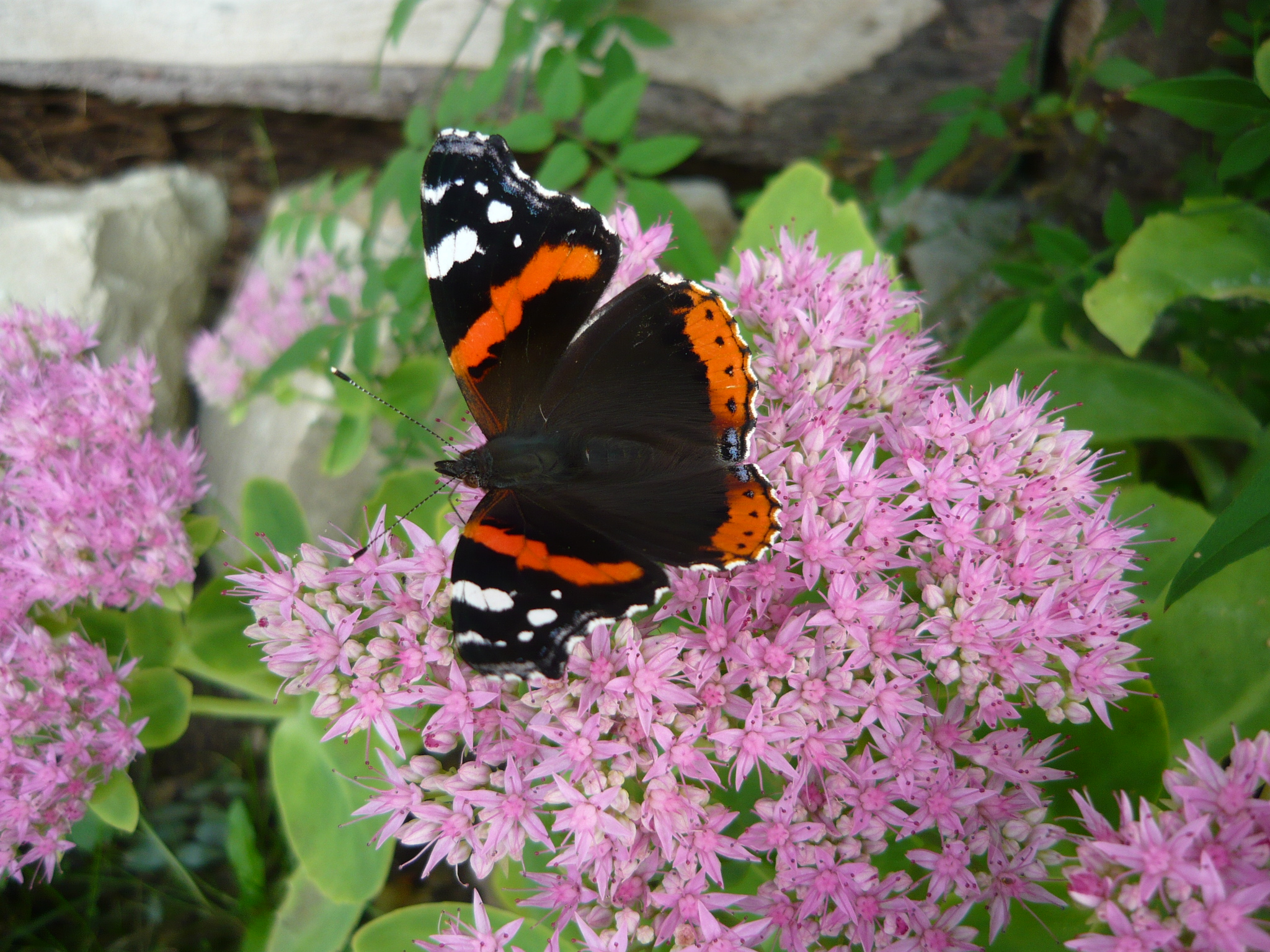
As every gardener knows, to successfully grow vegetables and flowers or just about anything, you need to avoid too many slugs, snails, greenfly and red spider mites, to name but a few. We do not wish to use any chemicals in our garden so the natural way to deal with these so called pests, is to attract as much beneficial wildlife as possible. We grow a lot of flowers and shrubs that pollinating insects like and when they are drawn to our garden because of the flowers, they also pollinate our crops. We encourage bats and birds by putting up nest boxes and feeding them all year around.

sedum

wildlife september flowers

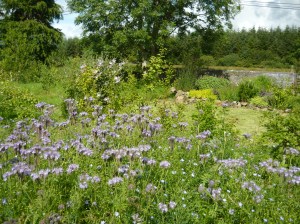
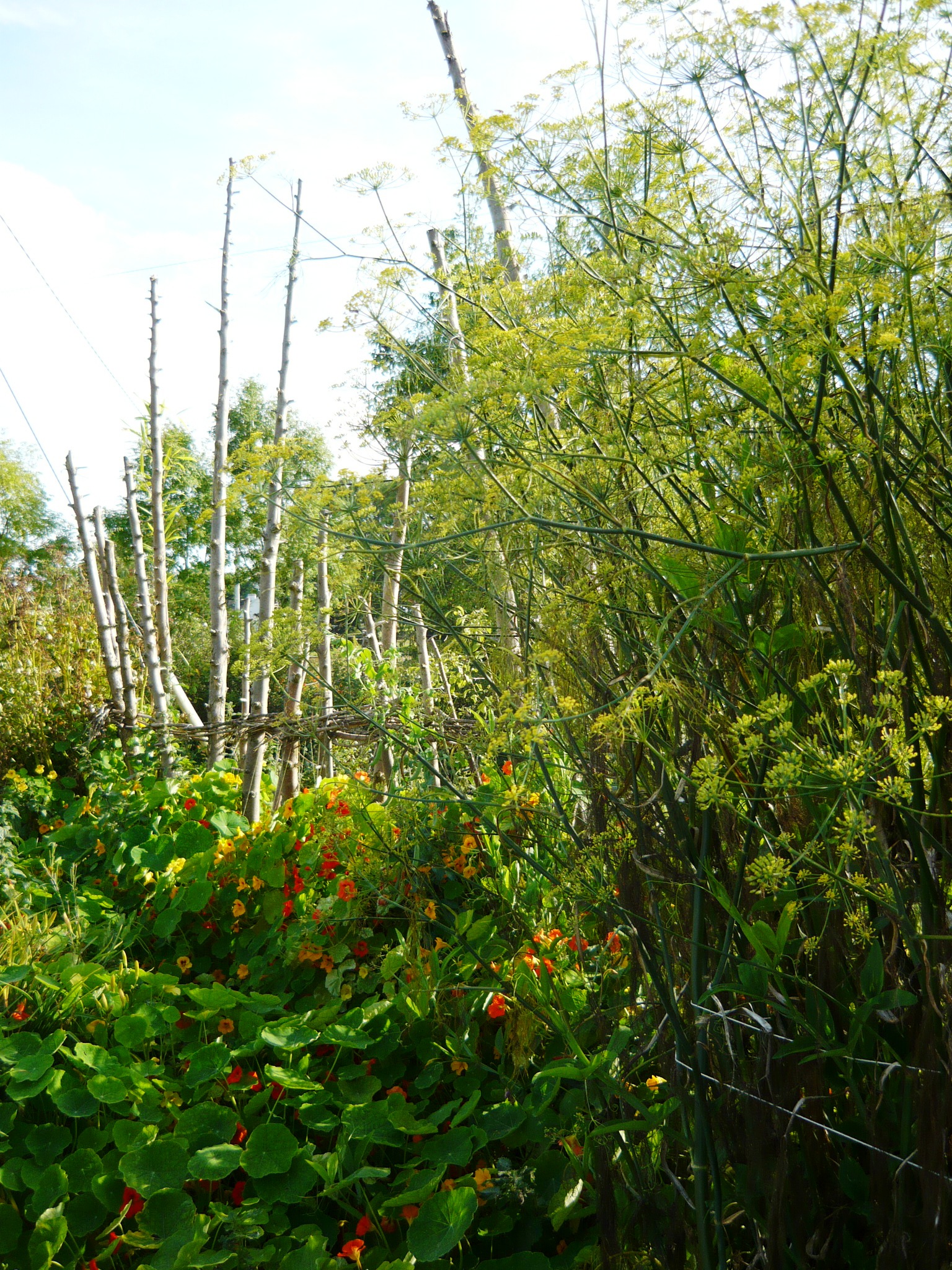
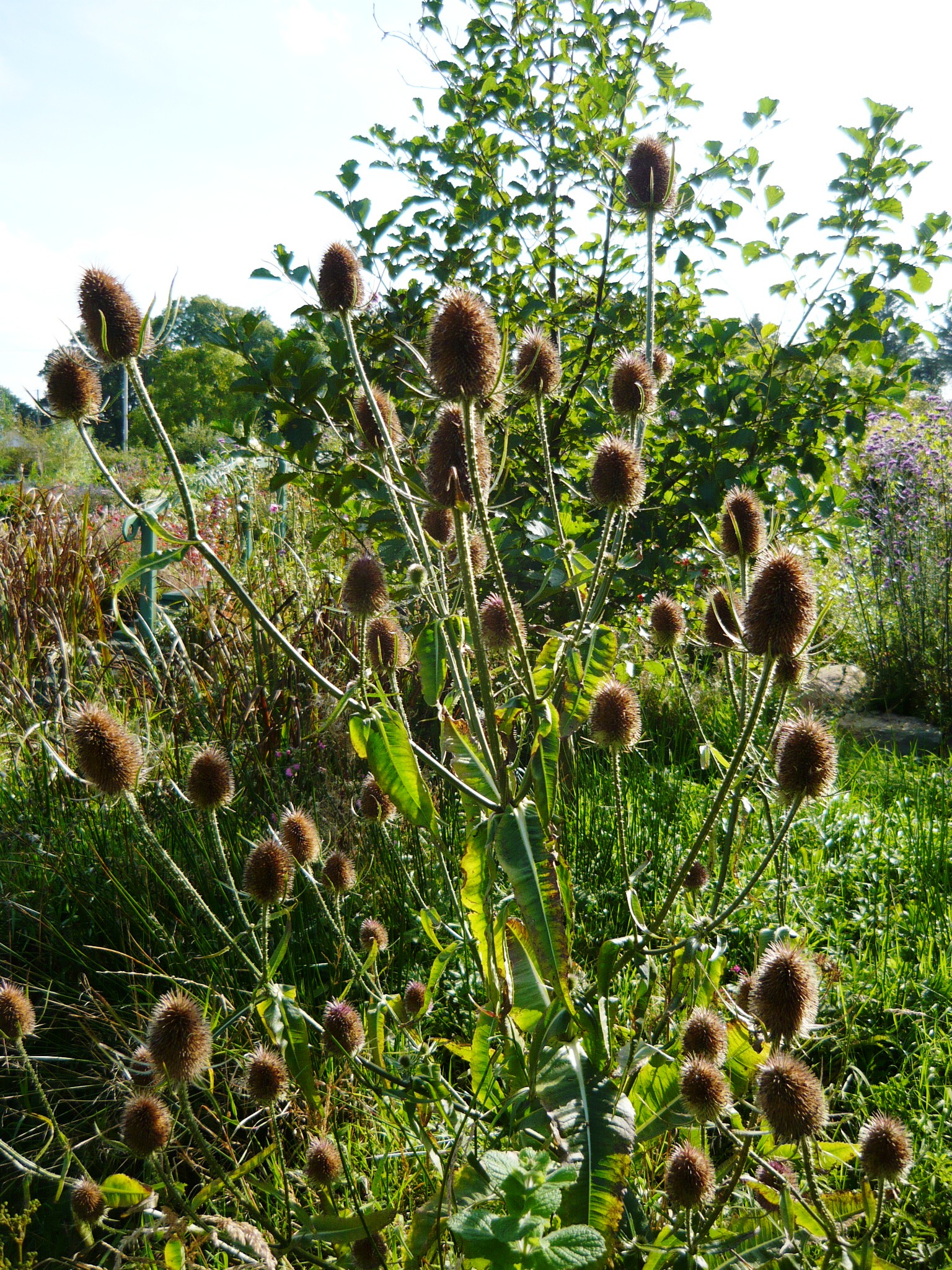
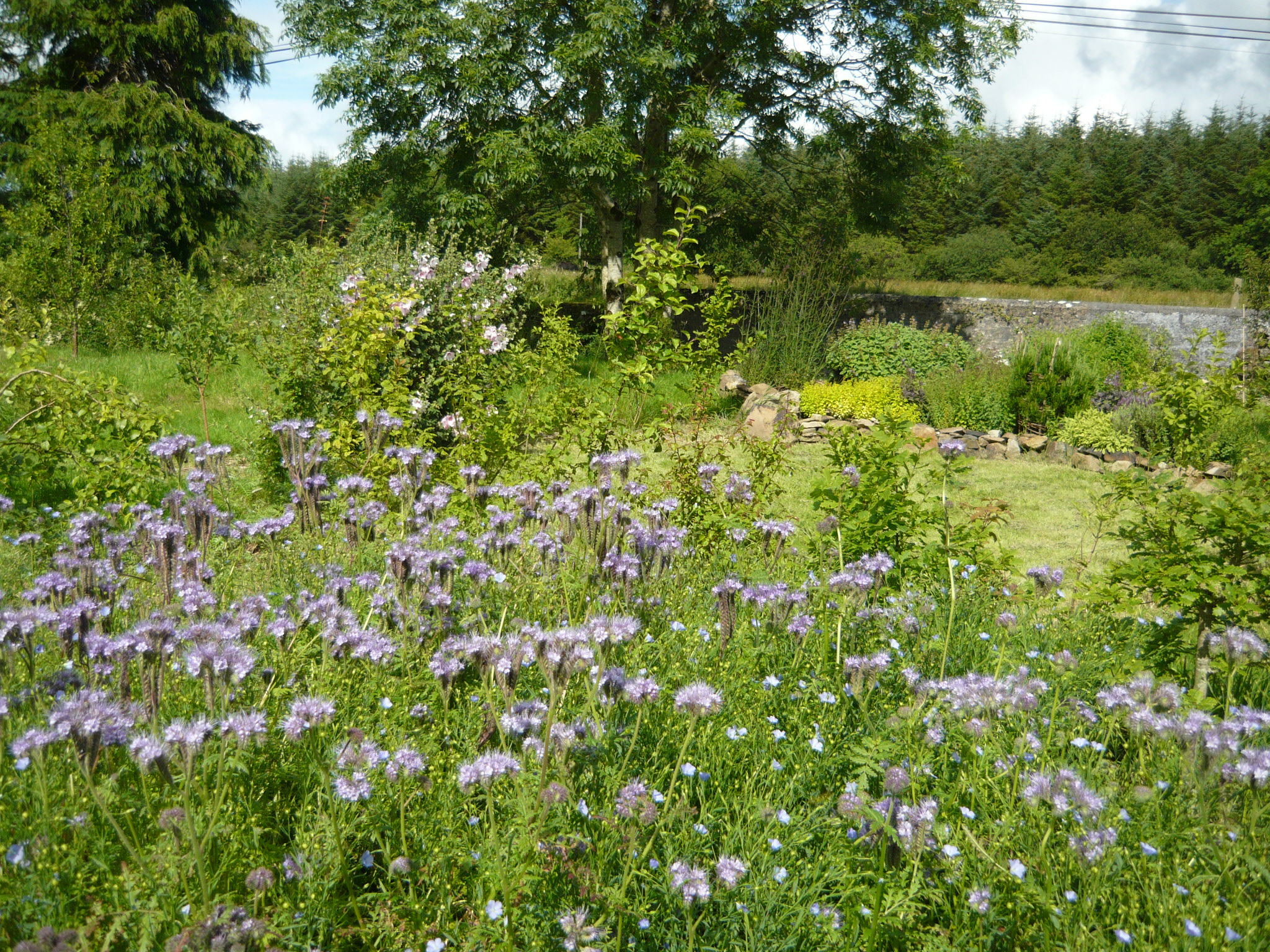
Perennial fennel is lovely for culinary purposes and our plant is so big that there is more than enough for us as well as the birds who eat the seeds all through winter. We also grow teasels, a plant much loved by gold and bull finches. This year we had a big area that had been covered by old thatch from a roof so nothing was growing there. In the spring we threw out a lot of flax seed from the health food shop along with some phacelia seeds across the space and a few months later we had a beautiful haven for pollinating insects.

wildlife september 093

wildlife september 049

wildlife september teasel

flax and phacelia

We cannot imagine our garden without wildlife, there are all the practical benefits but also so much beauty to admire and enjoy. We love looking at newts and beetles swimming in the pond and birds nesting and eating in the garden. Not to mention the very special time our bats scooped over the pond in total silent one summers night and the only proof they were drinking, were the slight ripples in the moonlit surface of the pond.

A tapestry of sorts.

tapestry dragon

We are going to use part of the new extension as a space to put our loft bed into. We are not planning to sleep in our extension for more than a few years, as we have four teenagers and when they start to leave the nest we will be able to move into one of the bed rooms. Because of that we do not want to start building walls to partition of a sleeping area, but at the same time we want a semi private space to house our clothes and personal items. Our solution is a tapestry of sorts which contains appliqué, embroidery and a bit of magic.

Read more

Making a connection.

extension walkway

In Ireland you are allowed to build a 40 square meter extension to an existing property without applying for planning permission. There are quite a few rules to follow; the extension has to be at the back of the house, it cannot be higher than the existing house roof and it cannot be too close to a neighbouring property to name a few. We bought our small cottage with this in mind. We wanted to build a roundhouse with a reciprocal roof and to get planning permission for that in Ireland might have been difficult. When you are building with recycled and found materials you need to be flexible and it would be very difficult to submit exact plans for an extension or a house like the one we wanted to build.
cottage and extension

Thus we bought our cottage and went about our build, following all the guide lines for a planning permission free, 40 square meter extension. As the house is square and the extension is round we needed a clever way to connect the two. We decided to make a 1 square meter hallway for that purpose. The floor in the roundhouse is just less than 39 square meters.

This also made our build easier as the existing house roof not needed any cutting into to accommodate the extension. The two roofs come together over the new hallway.

bottle-wall connection

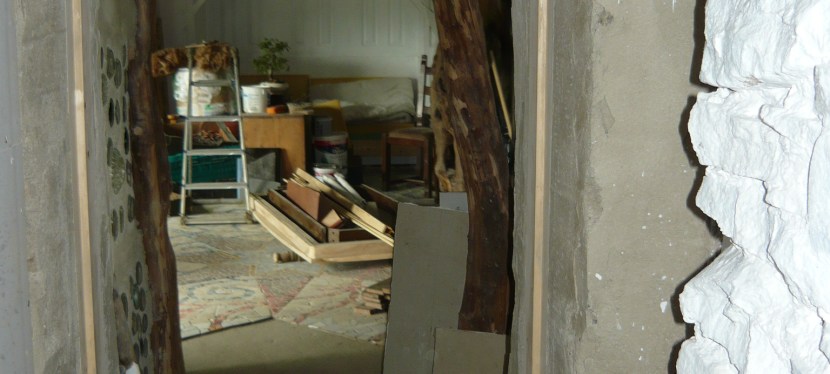
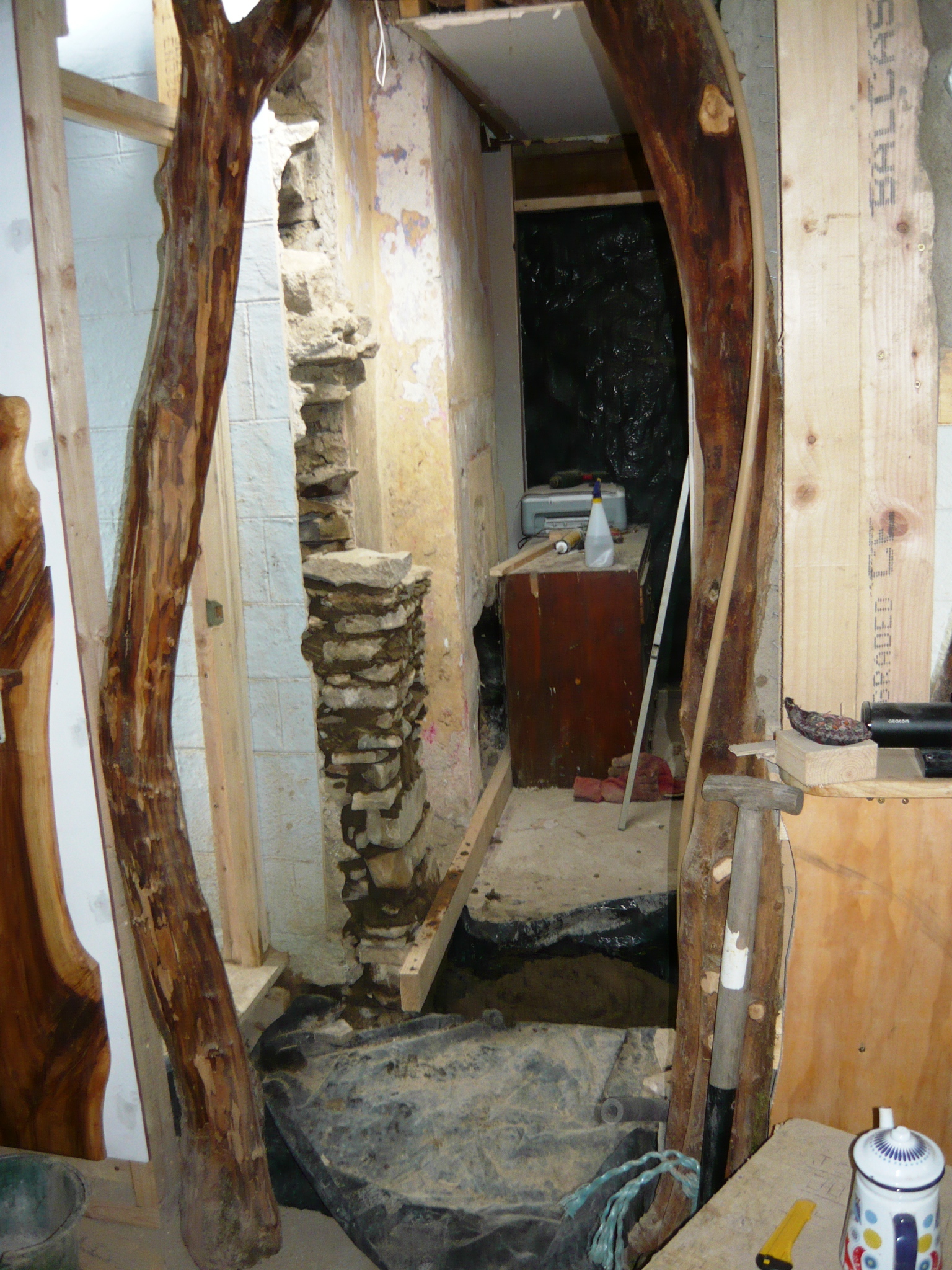
We started by removing a wall in a bedroom and found a lovely old fireplace behind the dry-lining.  We then rebuilt the wall further into the room, creating a walkway, ending at the outer wall of the cottage. After that it was time to knock through to create a hole in the wall and connect the old and the new. Outside the hole we built the new 1 square meter hallway to allow for the two parts of the building to come together. One wall in this hallway is made out of bottle bricks and the other is a backdoor we got from friends. It is practical and safe to have a door there as when we moved in there was only a front door in the house as the old backdoor had been blocked up and is now part of the bathroom wall.

wall removed

building wall

knock,knock!

knock through

through

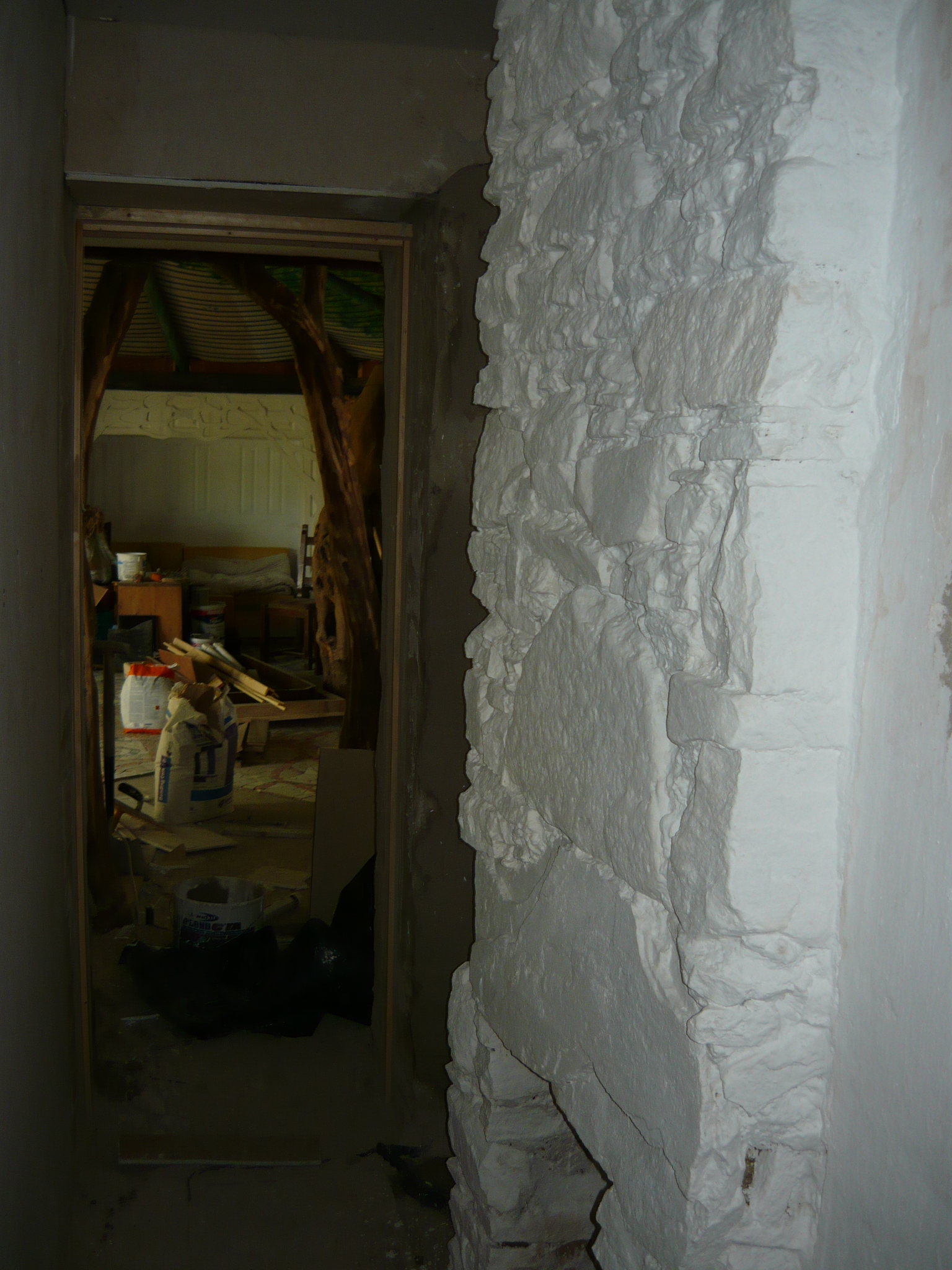
We rebuilt the wall where we had knocked through and created a small doorframe, as we wish to be able to close off the extension from the rest of the house at times. After that we put plasterboard on the walls and added bonding to fill larger gaps in the construction. All that is left to do now is to plaster the walls and ceiling and paint it all a light colour to make the walkway as bright as possible. The old fireplace needed the existing plaster knocked off and some bonding added  to stabilise the stonework before it could be painted white. It will not be used as a fireplace as we already have one in the kitchen with a back boiler that heats all the radiators. It will just be a nice addition to the walkway and we will put some lights in it for night time use.

rebuild

glass wall

extension

extension detail

extension fireplace

extension chimney breast