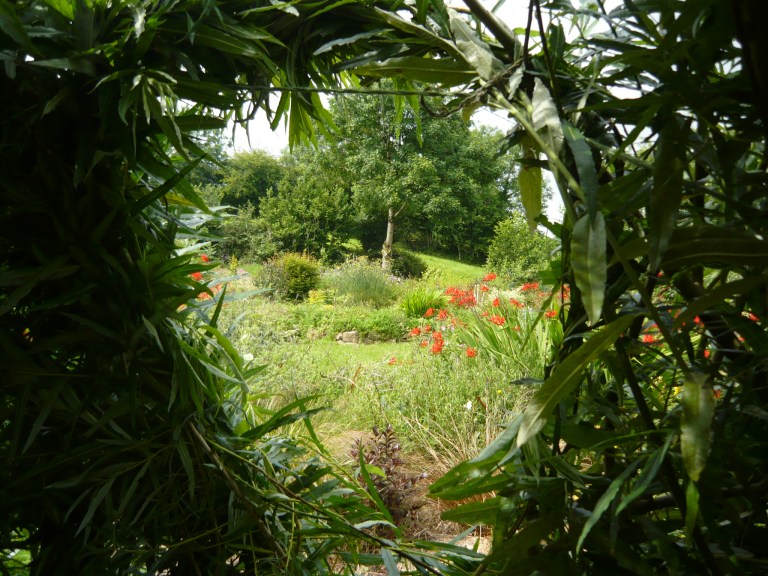
Willow is perfectly suited to our wet climate here in the West of Ireland. We are growing many different varieties ready to coppice for basket making, living fences and plant supports. You can read about all our projects in the willow category.

Recycled Eco Buildings and Wildlife Friendly Food Forest Garden. Mosaics and Glass Bottle Walls.
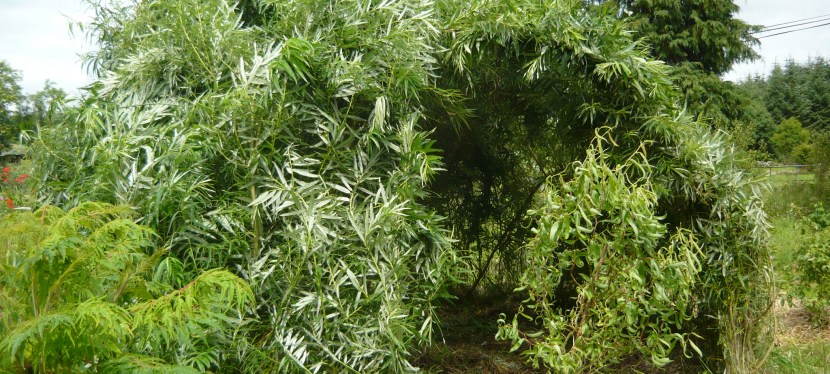
Willow is perfectly suited to our wet climate here in the West of Ireland. We are growing many different varieties ready to coppice for basket making, living fences and plant supports. You can read about all our projects in the willow category.


We would like to tell you about an easy way to increase your raspberry harvest for the year. We grow autumn raspberries in the garden and the usual advice is to cut down all stems to the ground after fruiting in late autumn and let the new stems grow up in spring to fruit again the following autumn. We wanted to try a slightly different approach after reading James Wong’s excellent book “Grow for flavour”. It is a book we can highly recommend because of it’s wonderful advise on growing a whole range of crops in ways that increase flavour and nutritional values.We cut down the canes from last year but only where they were crossing or were growing too close together. We should probably have done this in autumn but as quite a few jobs around the garden, we did not get around to it until early spring. The remaining canes we topped by about one third.


Because half of our family comes from Sweden, we decided to add some decorative touches to our porch. In Sweden many old houses have what is known as “snickarglädje”. You could translate it into the Carpenter’s delight. It is seen around windows, porches and doors on many old houses. We choose a simple variation with a wavy edge created with the jigsaw and drilled big round holes. It was very easy to make from some rough sawn 4” by 1” planks. Many buildings in Sweden and other Nordic countries have much more elaborate designs.

Carrots can be tricky to grow. We have failed quite a few times. Our soil is full of stones and on top of that we have raised beds made up mostly of well rotted cow manure. This combination is great for most of our crops but the carrots do not like it one bit.
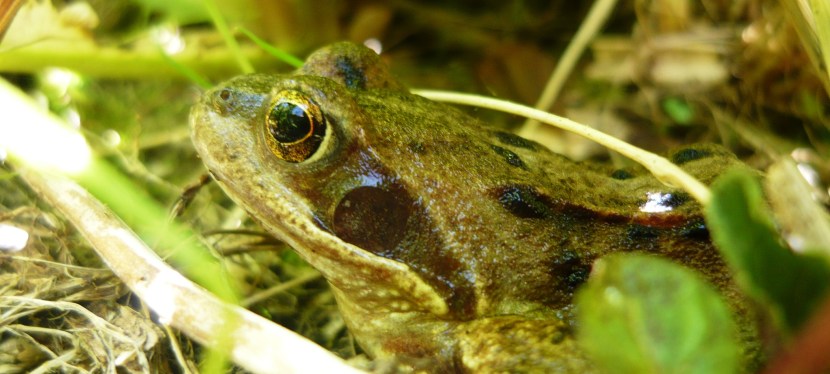

We are entering our fourth summer season on our land and it is fascinating to see how a balance is starting to form with all the plants, fungi, microorganisms and animals working together. The first couple of years we had thousands and thousands of slugs but now our newt and frog population has grown so much, the slugs are much less in numbers.

Early in the year we decided to cover our entire vegetable patch with a thick mulch of barley straw. If you plan to do this, it is advisable to look for organic straw as it will not contain any chemical and pesticide residue. We put on a good foot across the whole area.

April was an exciting month in the garden. We had snow and hail showers, brilliant warm sunshine and everything in between.


Last year we were given some lovely Pelargonium cuttings from a friend to add to our pelargonium collection. They all spent the summer outside, but when it got too cold they had to move indoors. They have been stored all winter in some plastic crates and were looking a bit worse for wear due to poor light and cramped conditions.
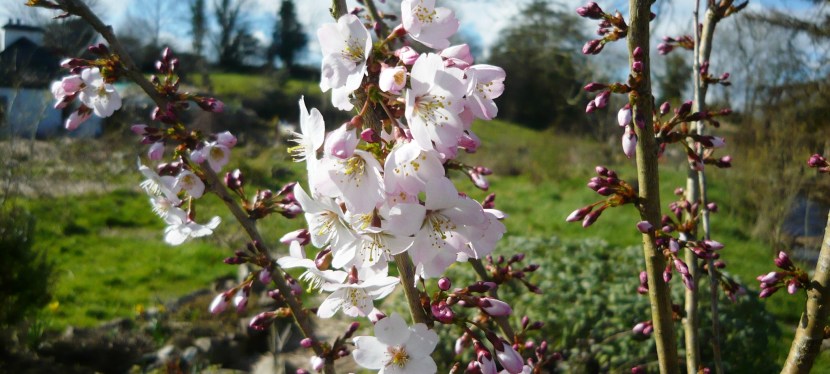
It is the first of April and time to sum up the garden developments in March. We had a few lovely warm days but also some cold spells with rain and a few frosty nights. It has in many ways been an ideal gardening month and we planted a few things we still had in pots and moved around some of our perennial plants and grasses. Hear is our main circle in March, still looking a bit drab but teaming with life.


Last year we made some improvements to our main garden circle. Around the edge we have many half-moon shaped borders and the lawn bit in the middle kept spreading into them and made it very tedious to weed. So we decided to make a stone border all around the circle to combat that problem and get an edge that is easy to mow at the same time. You can read all about it here. It has worked very well apart from one small problem. After we set the stones in cement we used hypertufa as an infill between them. Sadly the mixture was not strong enough and over the year most of it has crumbled away. Grass and weeds have taken hold between the stones. We needed to do something about this before the new growing season as the problem would have gotten completely out of hand.
 thegreenerdream