June in the kitchen garden.

kitchen garden veg 026

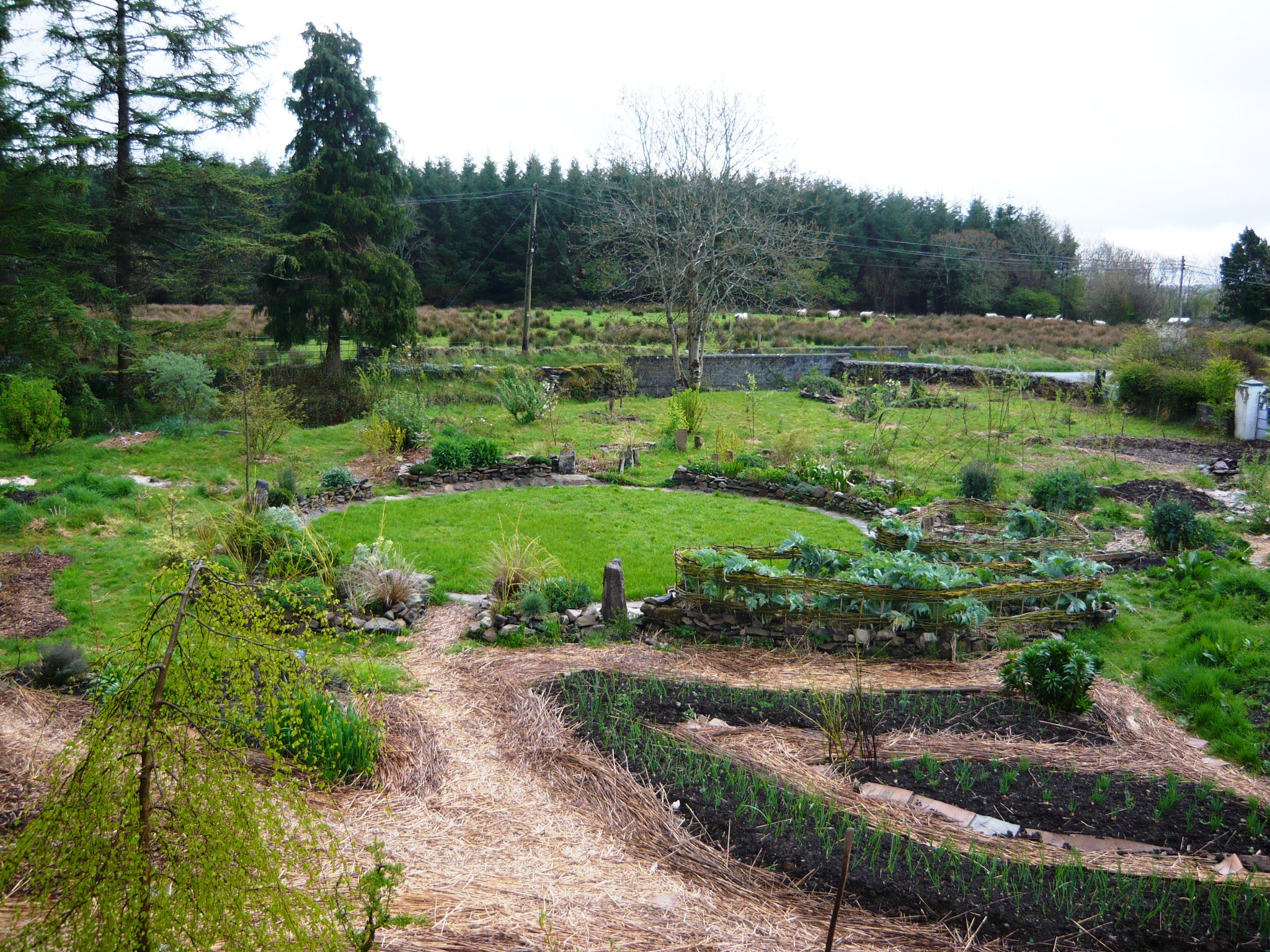
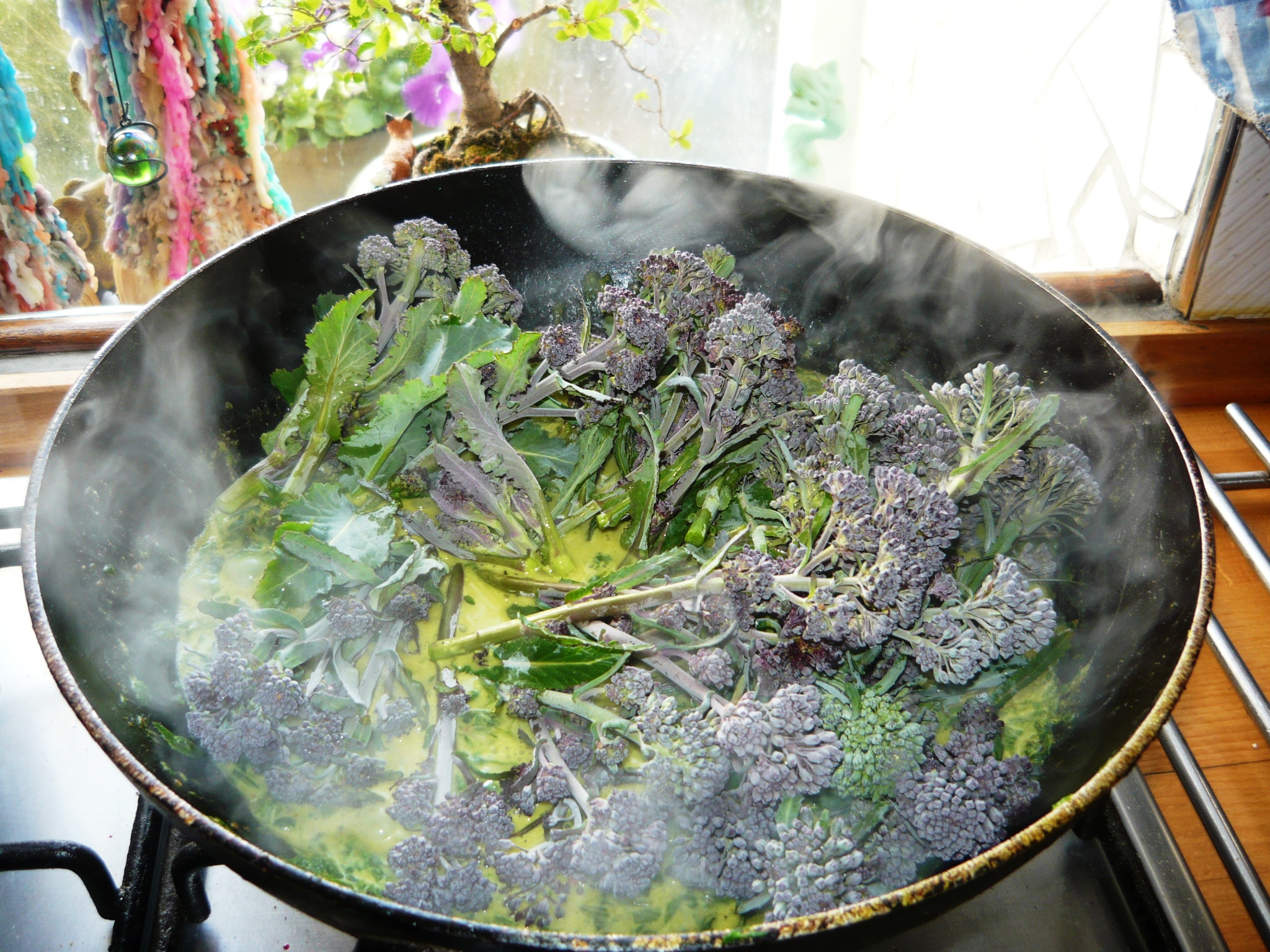
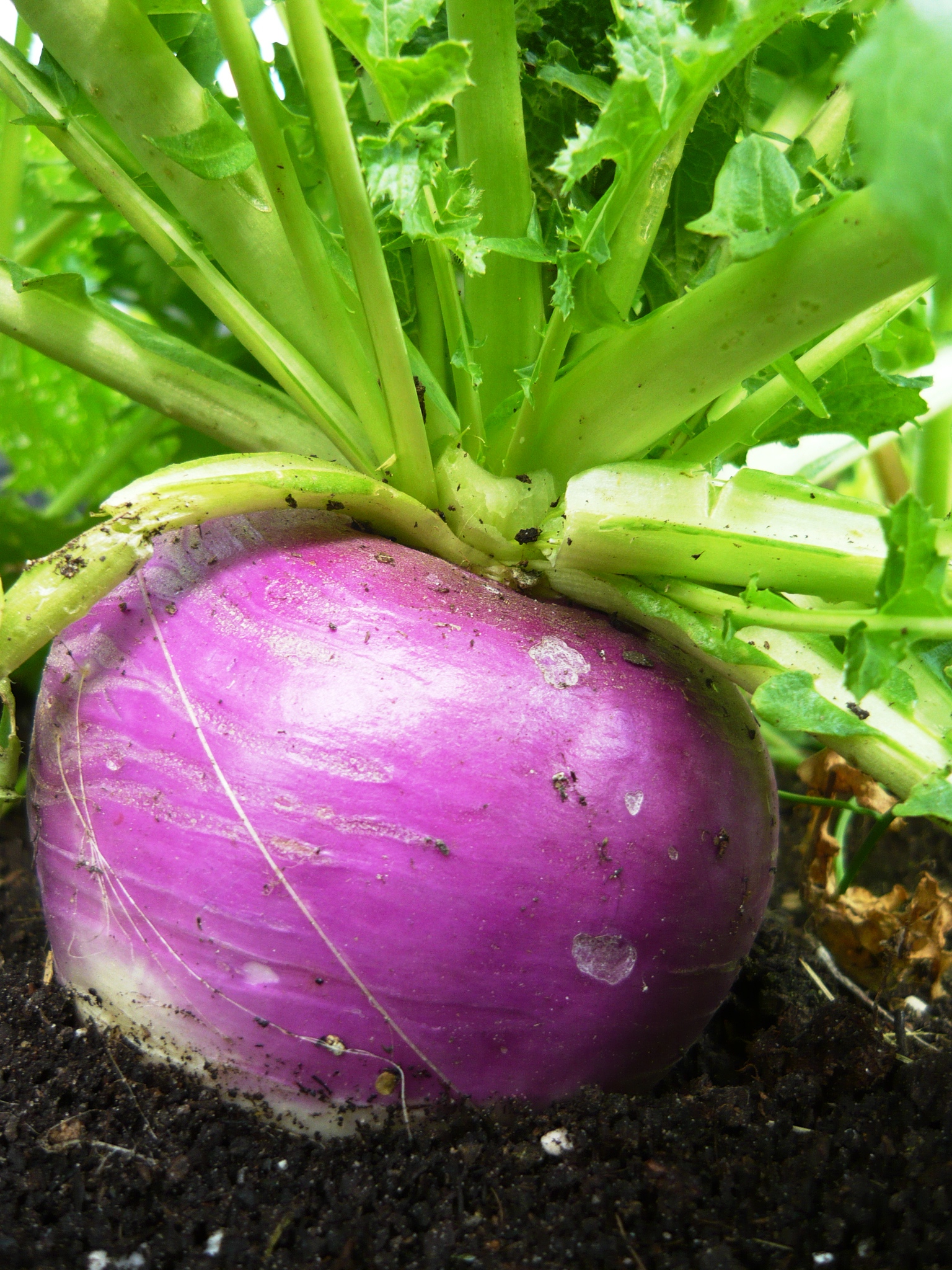
It is the lightest time of year and things are moving on fast in the vegetable and fruit garden. We use a system with no-dig, raised beds for growing annual vegetables and our beds are now in their third year. We add mulch to them several times a year, and top them up with well rotted cow manure once a year. The earth worms then do the work for us and mix the newly added materials into the beds. We have made them 120 cm wide as it is possible to weed and harvest at that width without stepping onto the soil and compacting it. Our paths are about 30 cm wide but we would make them a bit wider if we did the beds over again as they get quite overgrown with floppy green vegetable leaves. Everything grows very well in our beds including weeds but we try to stay on top of them. Mulching helps a lot and we grow all our little plants in pots until they are big enough to out compete the weeds and stand a chance against the slugs. Onion sets are one of the few things we put straight into the beds.
kitchen garden 021

kitchen garden 039

kitchen garden veg 008

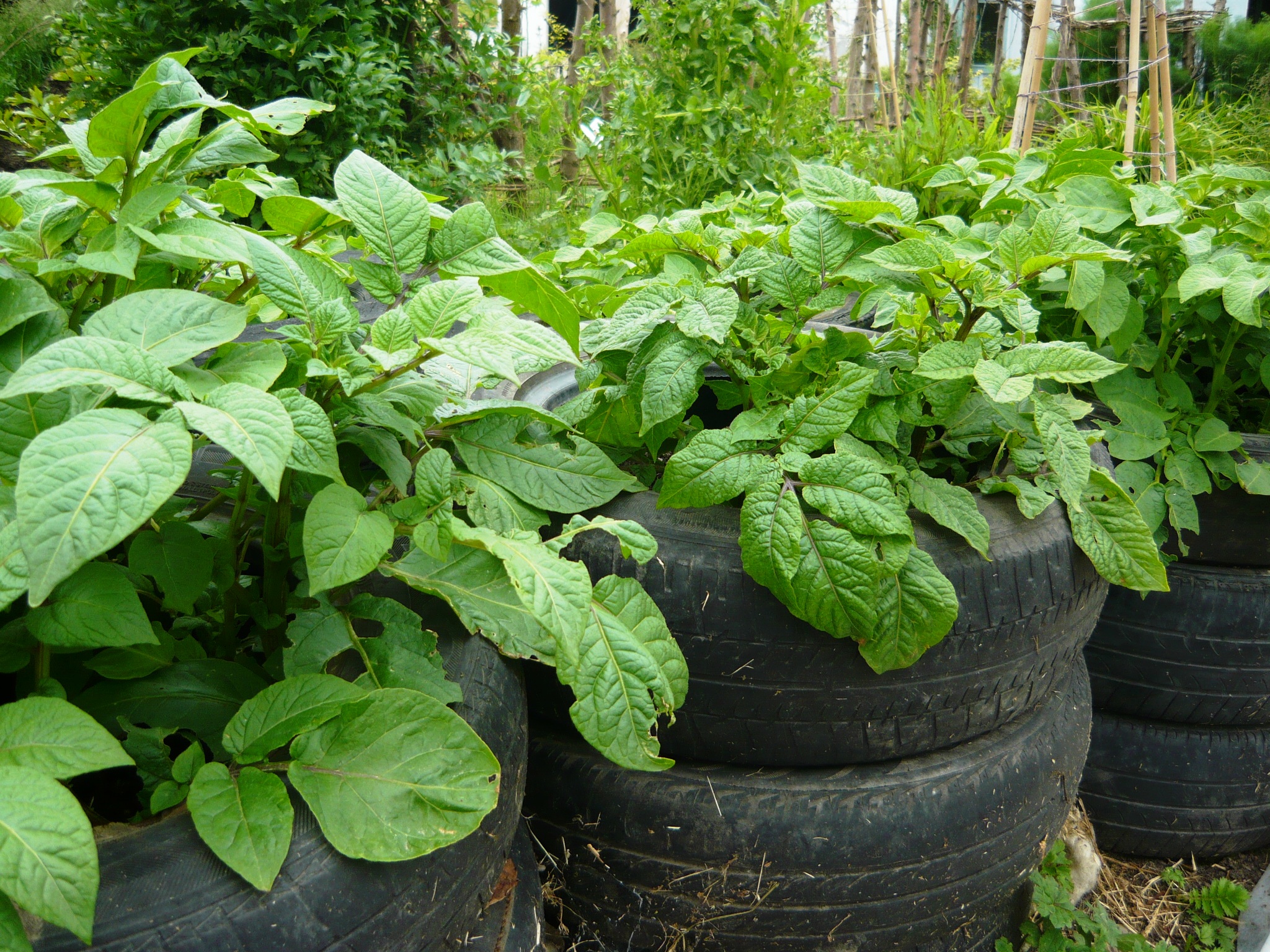
We planted our potatoes on Saint Patrick’s Day in the middle of March and they have now been earthed up five times and we are up to our forth layer of tyres. They are growing strongly and we can’t wait to dismantle the stacks to see how many potatoes we can find.

kitchen garden veg 029

kitchen garden 007

For growing peas and sunflowers we use some cut off big plastic bottles to protect the newly planted seedlings and it is working very well. There is less slug damage than other years and the bottles also protected them from the worst of the weather when they are small. We are planning to just leave them there and it also makes watering easy as you can just pour some water into each one.

kitchen garden veg 011

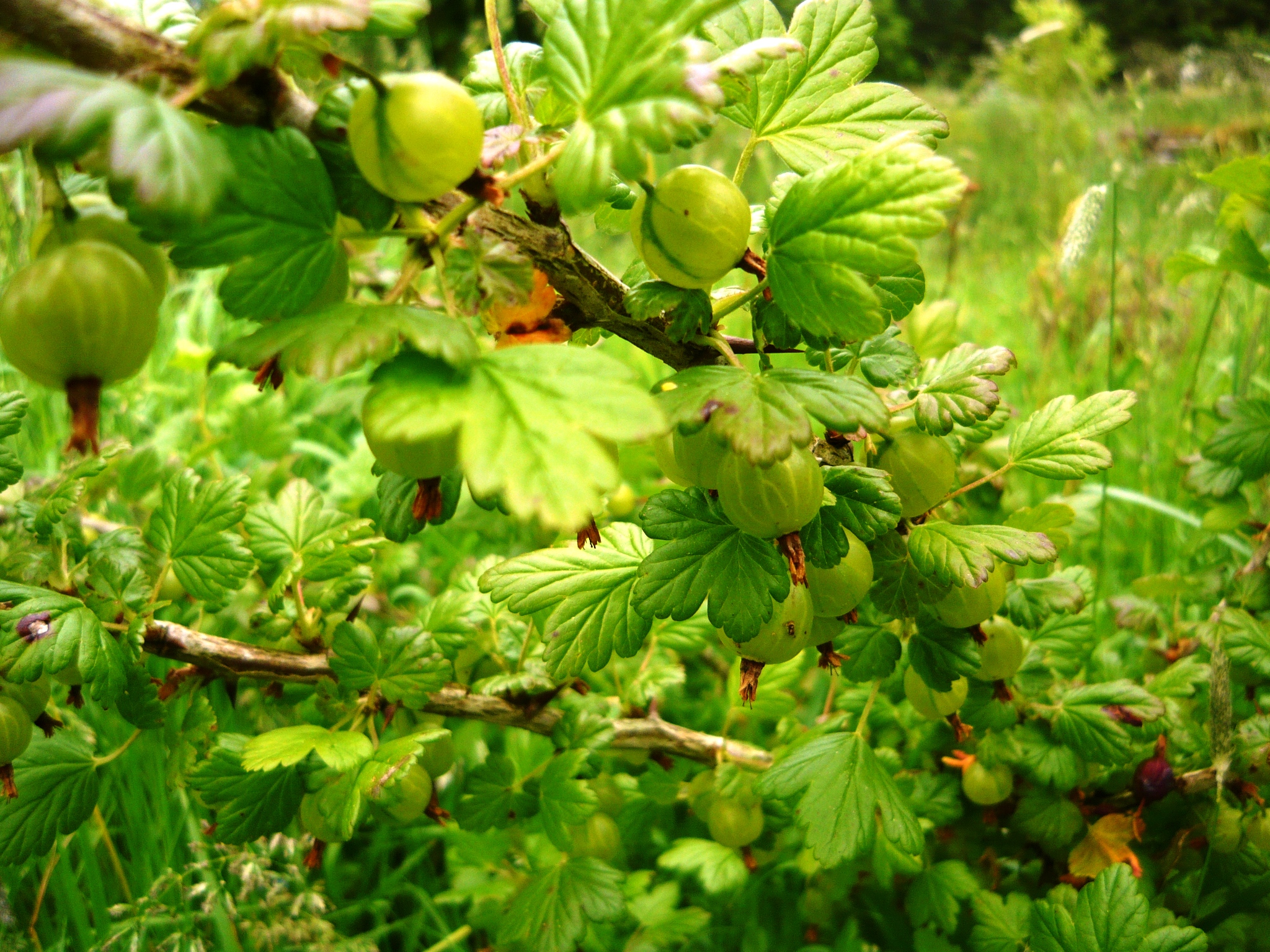
Our berry bushes have now been in the ground about two years and we have an amazing amount of berries this year. We have blueberries, raspberries, gooseberries and currants, as well as a lot of hybrids like jostaberries and tayberries.

kitchen garden 035

kitchen garden 036

kitchen garden 028

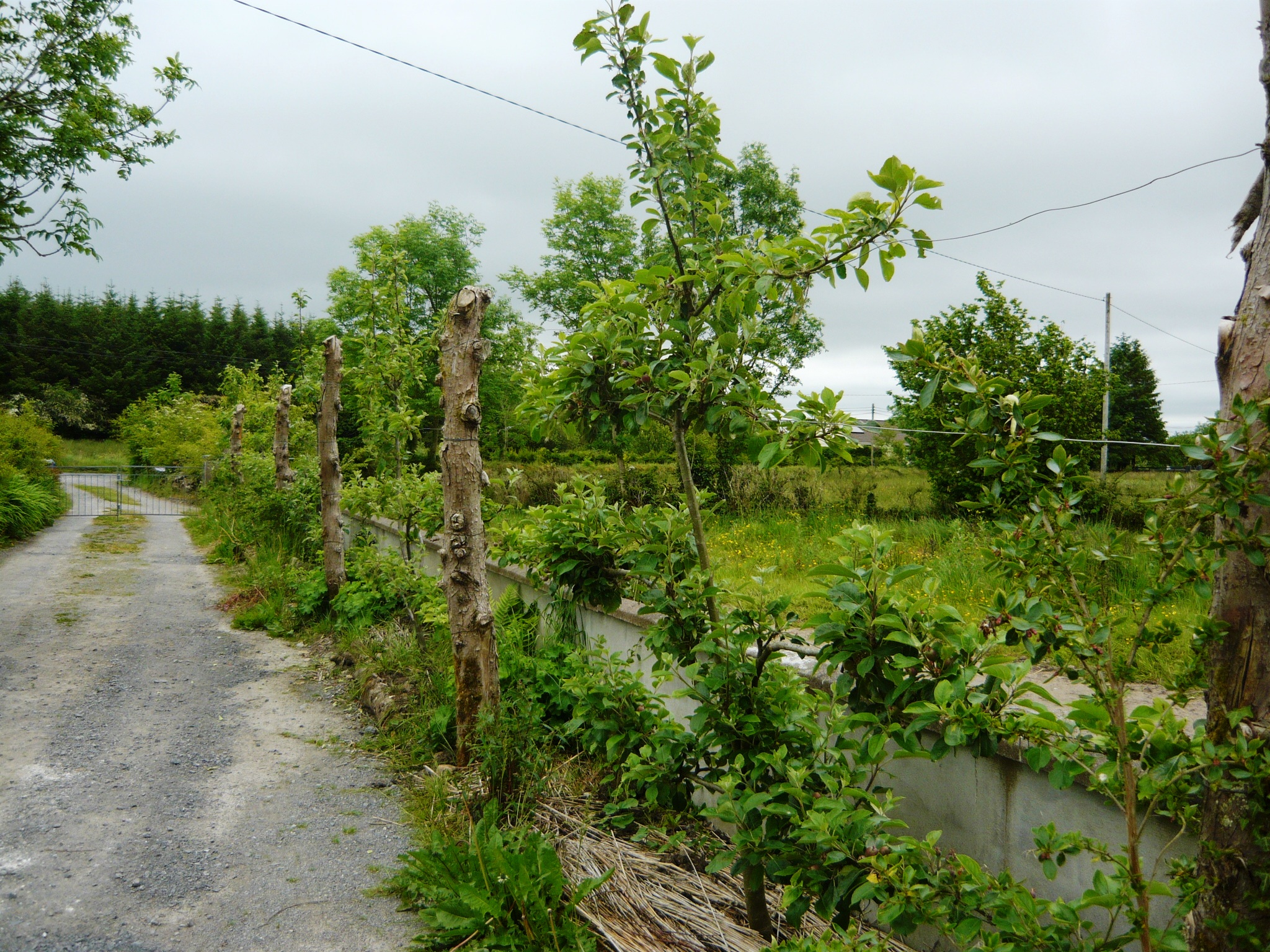
Along our drive a long row of Laylandii cypress was planted that blocked out all the light from the south and made it impossible to drive a car down it. We removed them and kept every fourth trunk in place and stretched wires in between them. We now have seven different varieties of apples planted there. We put in small trees and bent all the branches out to the sides to create espaliers and now, after only two years they are really filling in and starting to fruit. They look lovely but are also less prone to disease and take up a lot less space than it they were planted straight in the garden.
kitchen garden 047

kitchen garden 044

kitchen garden veg 042

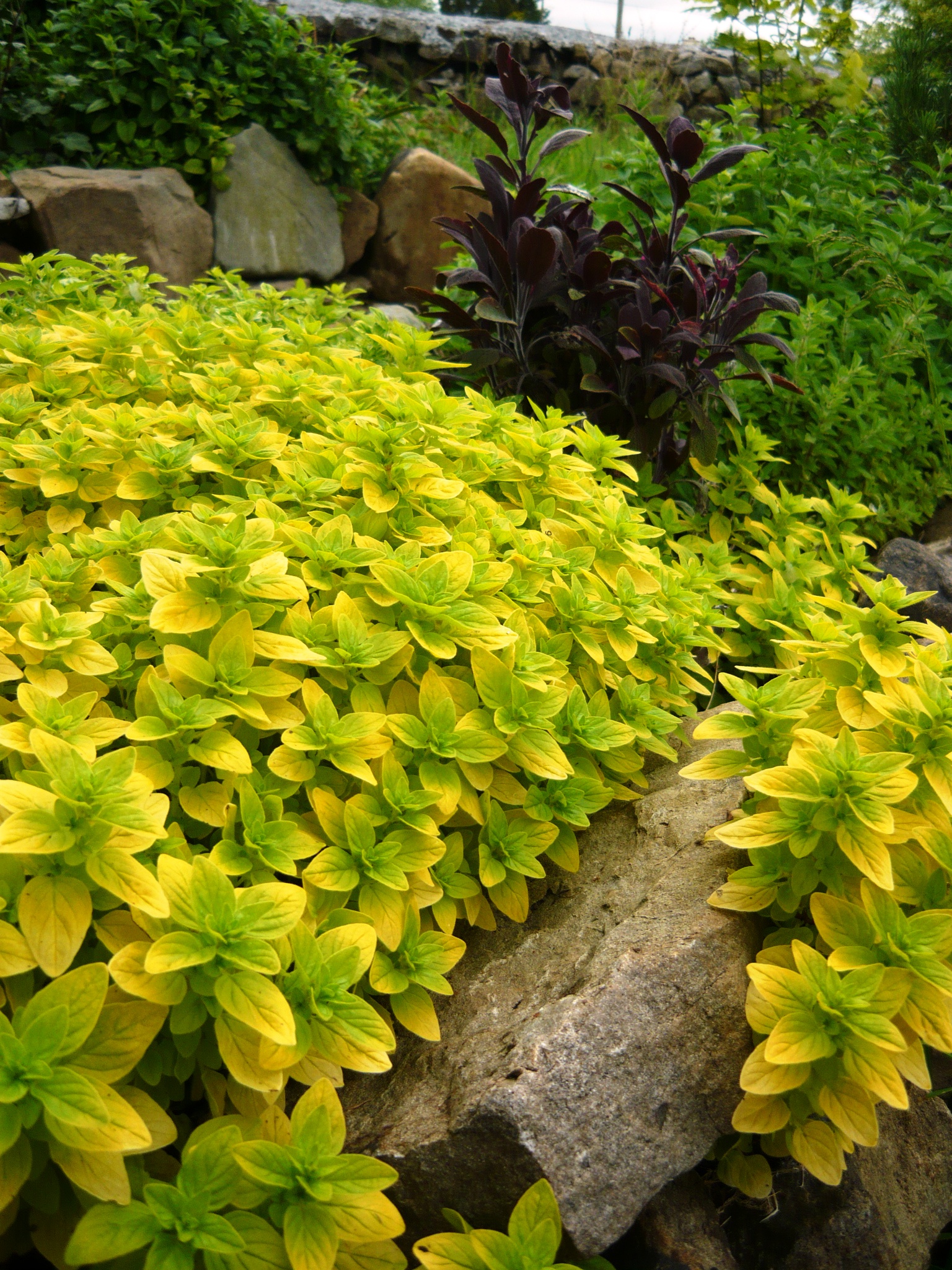
We are harvesting and using our herbs everyday for food and teas. It is a pleasure to spend time in the herb garden listening to the bees buzzing away and looking at the butterflies.
kitchen garden 062

kitchen garden 001

kitchen garden 069

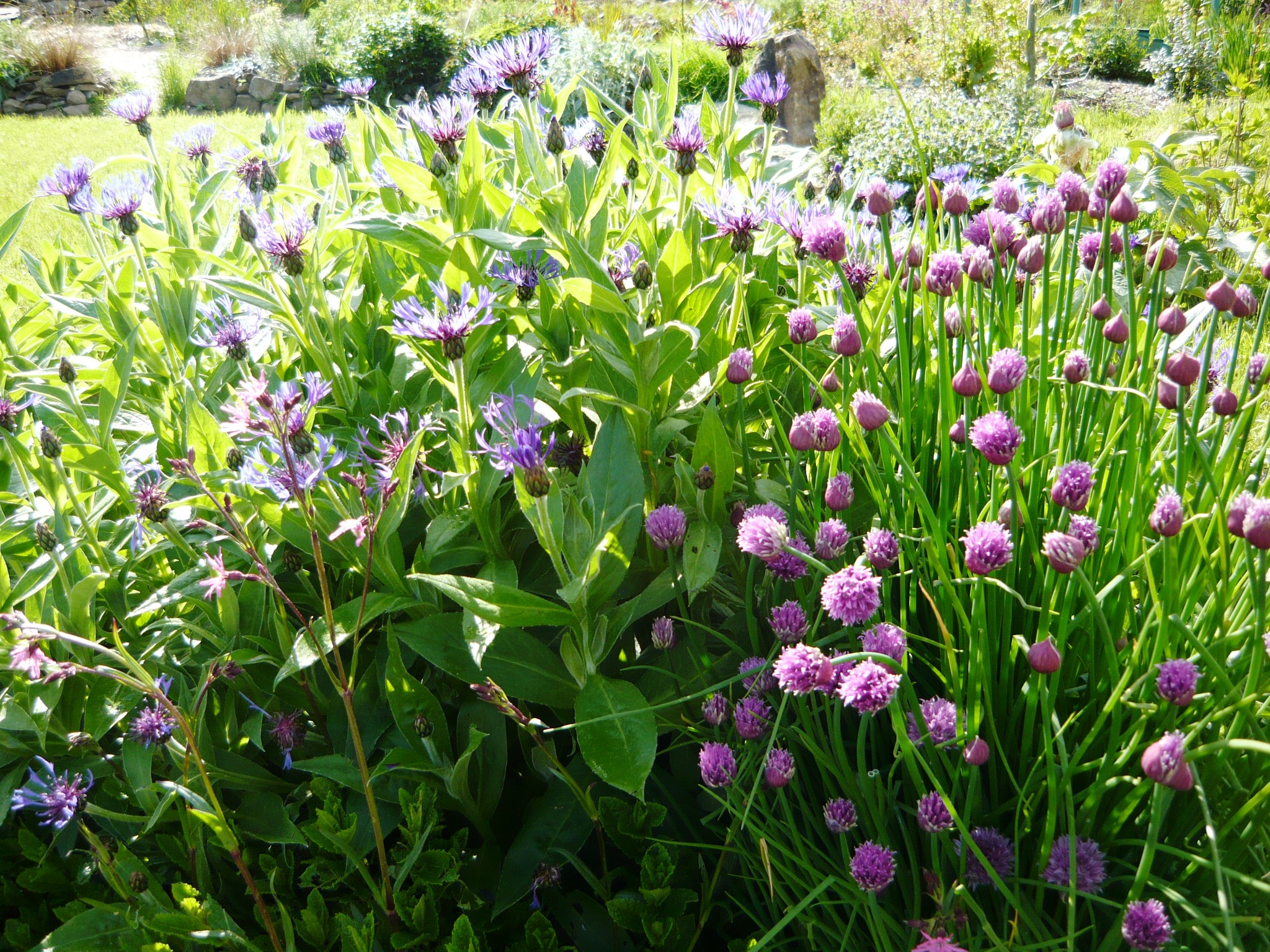
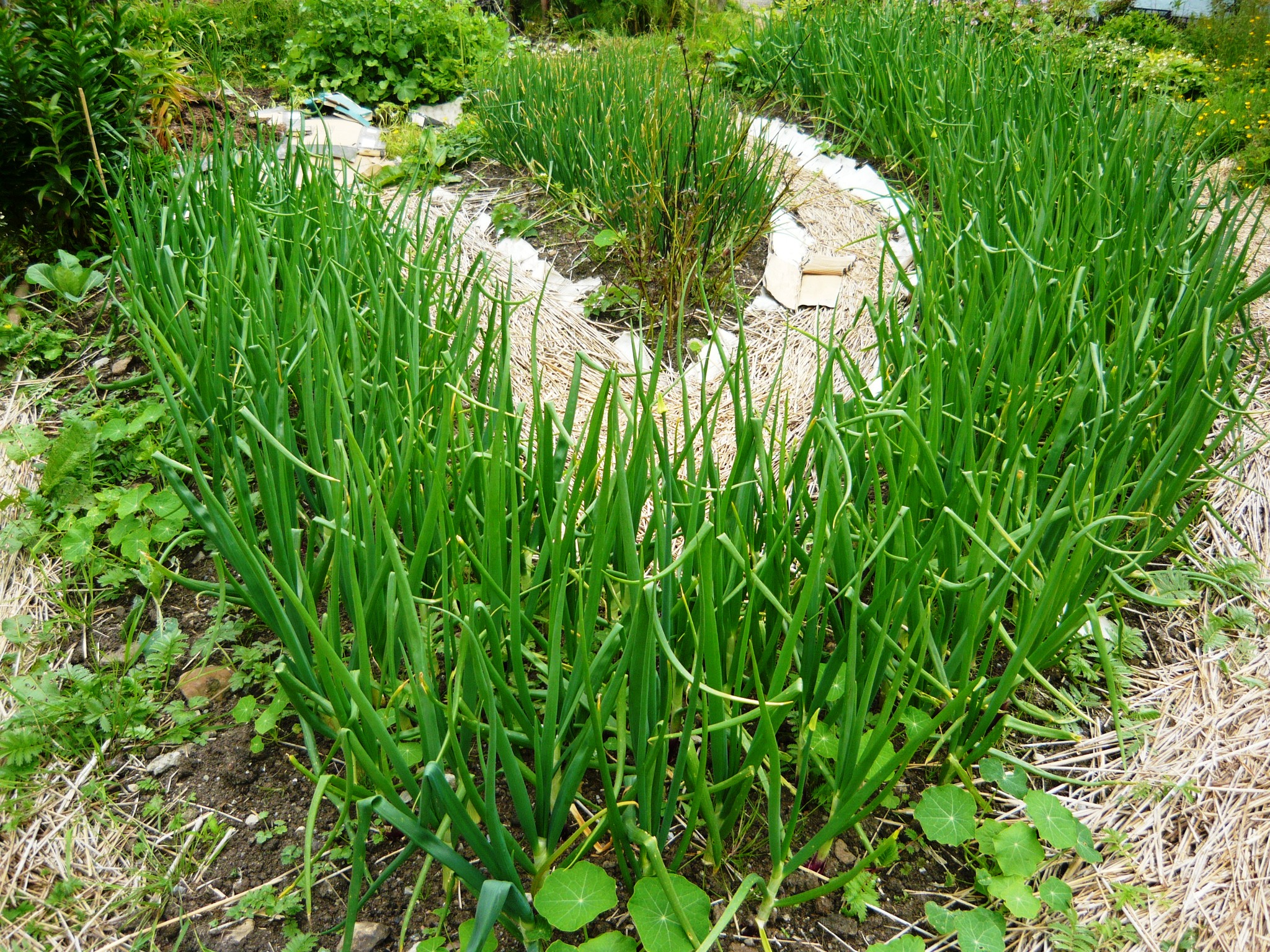
We also grow perennial vegetables and are particularly happy with the sea kale that is flowering at the moment and has a great honey scent. The good king Henry is very tasty and the yellow flowers from the Turkish rockets are going into salads along with purple chive flowers. Our perennial Swedish ‘leeks’ are doing really well and we have harvested a lot of them in spring when the annual onions weren’t ready. They are just about to flower now and later the newly formed bulbils will be heavy enough to make the stems lean over and re root. Our cardoons and artichokes are making good use of the willow fence we built in winter.

kitchen garden 054

kitchen garden 059

kitchen garden 056

kitchen garden 023

All in all it is a beautiful and bountiful time in our kitchen garden.

Small wonders.

house

Sometimes it is difficult to live in a house at the same time as you are renovating it. There is a lot of building dust, tins of paint, tools, rubble, building materials and nails and screws in the wrong place.  We are two adults and four teenagers sharing a tiny house and when you add all of the above to the mix as well as getting on with everyday things like cooking, homework, cleaning and washing it can get pretty hectic. It is also easy to look at all the mess and all the different areas that need to be finished up and start to despair and wonder when and if it is ever going to get finished. Building an extension and renovating every single room in a house is a big job at any time but when you have six people living in it at the same time it can feel unbearable at times.

peony

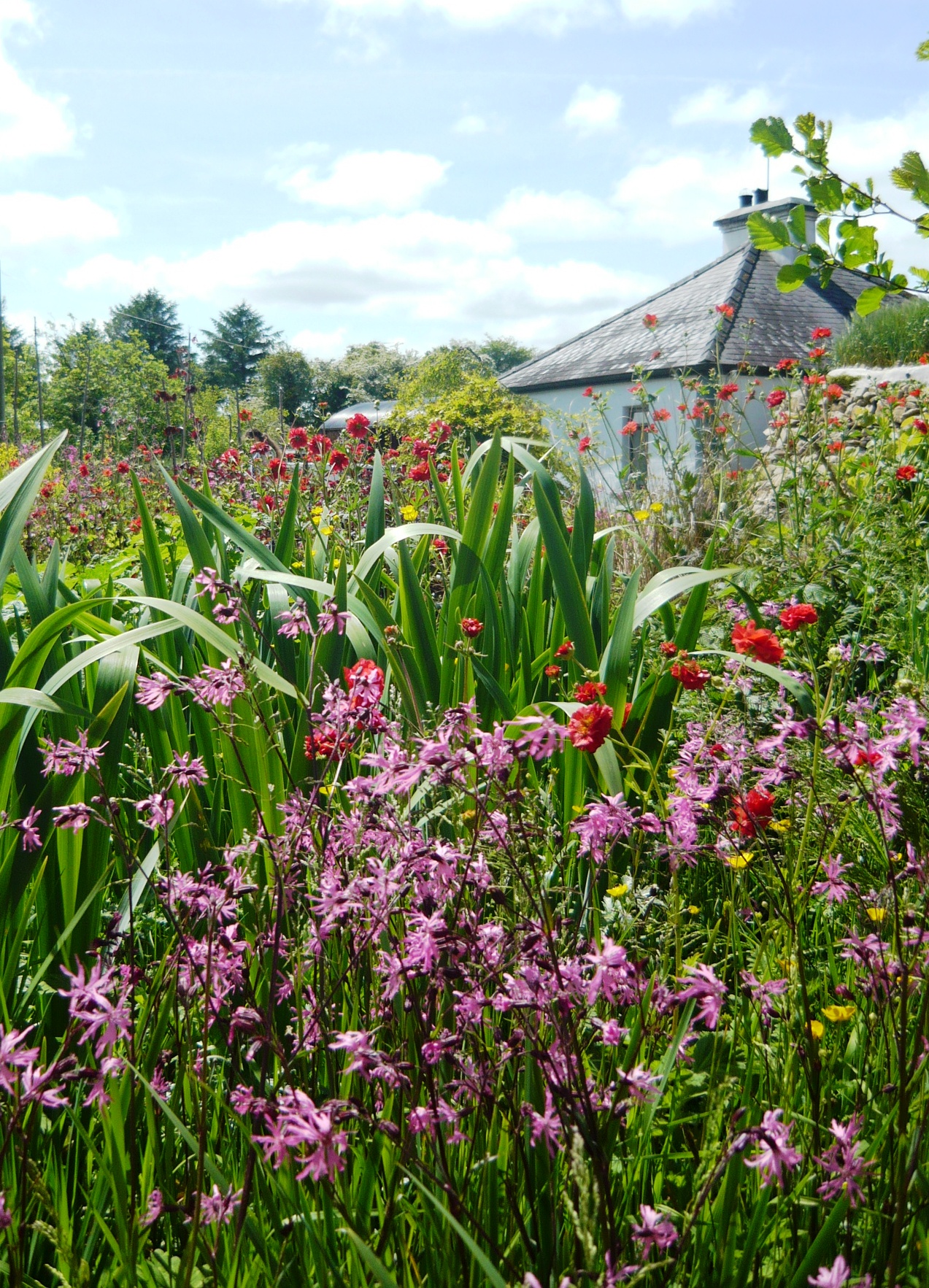
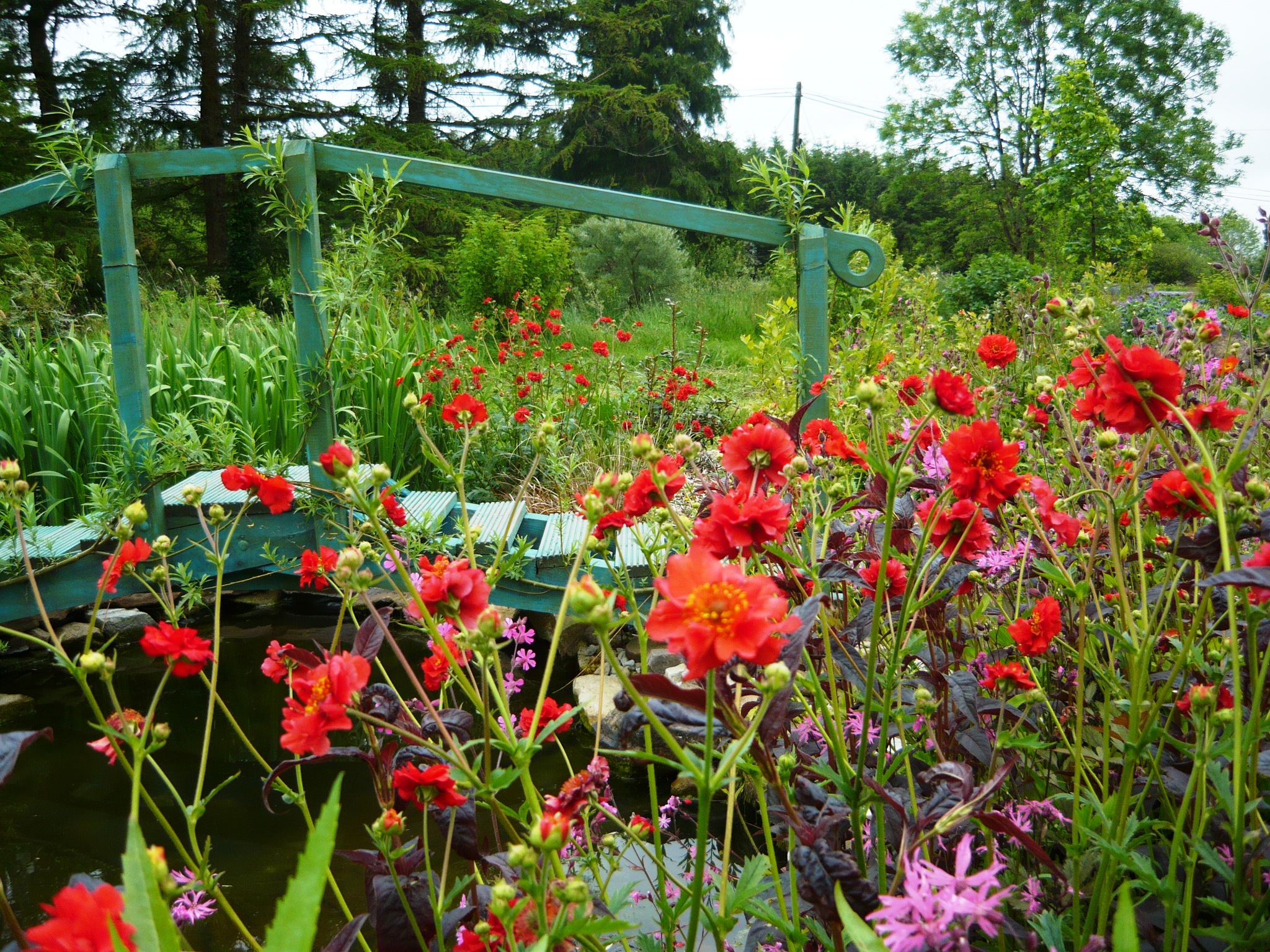
That is why it is so important to step into the garden and just look around. There is of course an immense amount of tasks to be done in the garden as well, as we are in the process of turning it into a self sustainable, wildlife friendly, beautiful and productive haven. But nature has a way of calming the troubled and stressed mind. After a while of flower gazing, pond watching and birdsong it is easier to remember what really matters. To live in the here and now.  Not think too much about what it will be like when we have a room big enough to fit a table where we can all sit down to dinner together, or a space and the time to make some art or a nice big room in which to play some music with friends. Those are all things that we hope will become reality some day, but for now there are so many things to be grateful for. We are all together, happy and healthy. We have friendly neighbours, lovely friends and enough food to eat.

pond

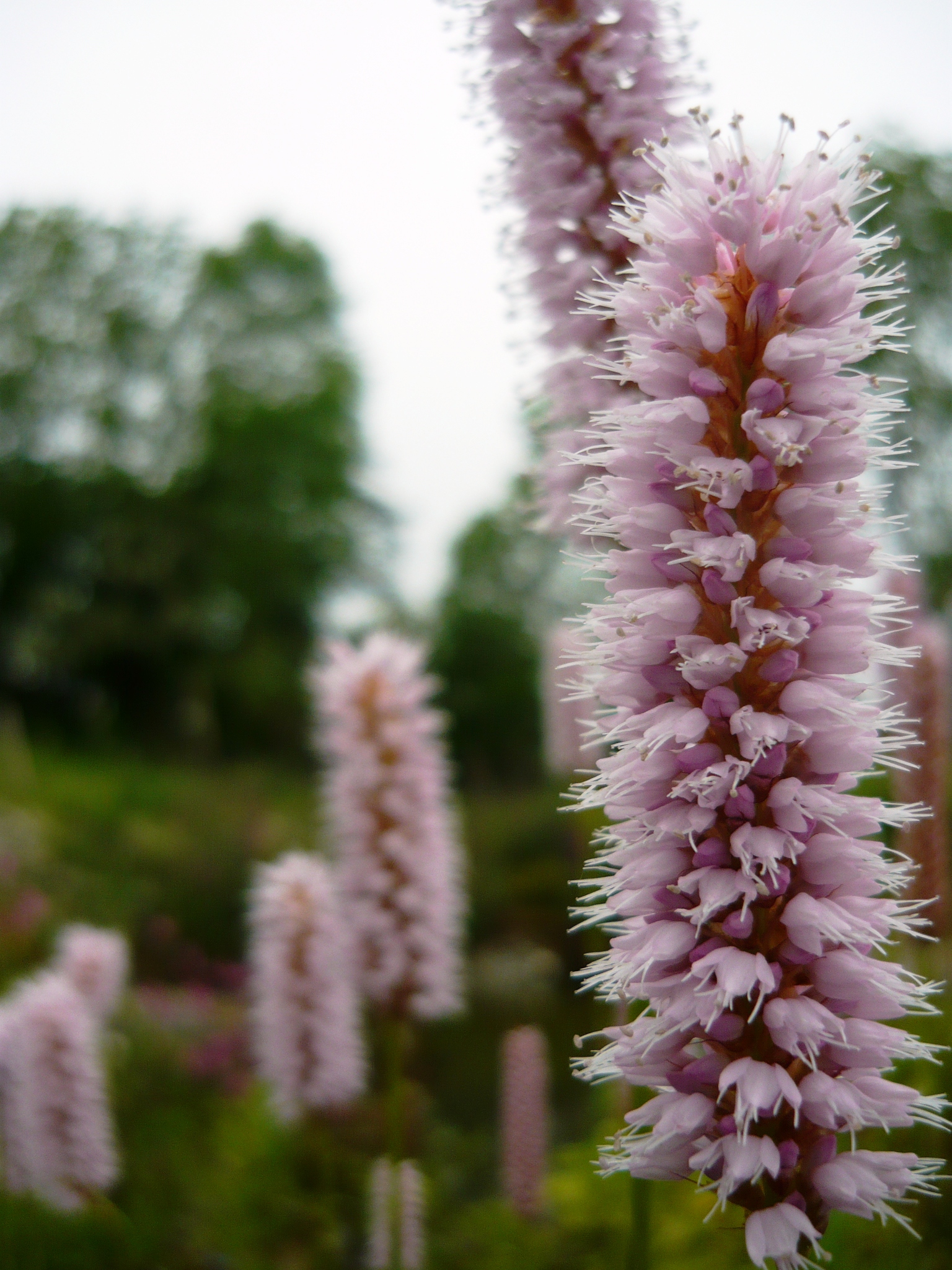
persicaria

flowers

nora barlow

Walking slowly through the garden and taking in all of its beauty really slows the mind down and the worries and anxious thoughts melt away. What really matters becomes clear. And the closer you look the more wonderful it becomes. We hope you can get a little bit of the same feeling from looking at the pictures. There is a lot of stress in many peoples life today. So many screens to look at and pay attention to.  So many have to do and should be doing things…

blue

ragged robin

teasel

sedum

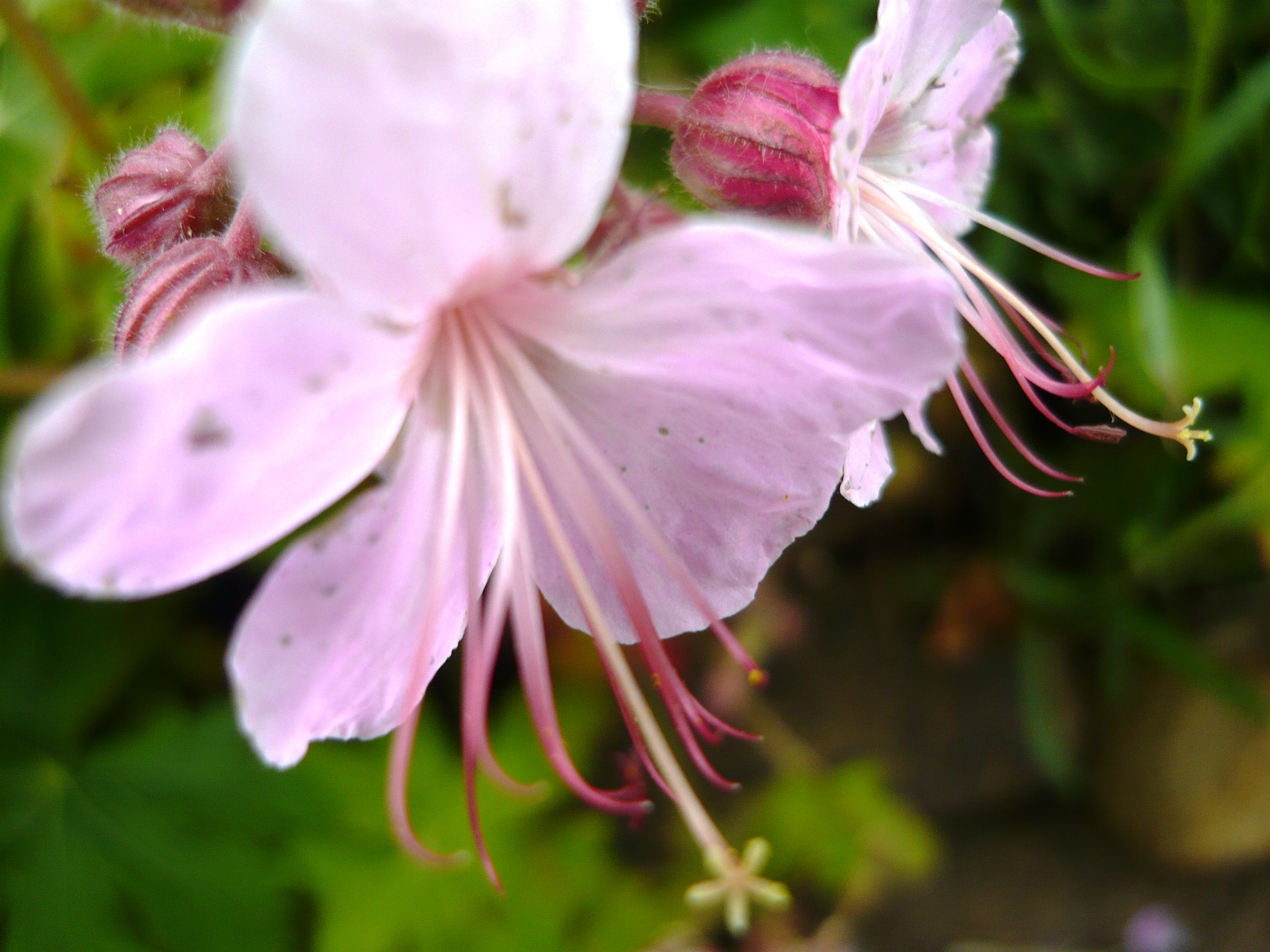
geranium

flowers

poppy

flower pink

flowers red

But in nature we can all find the antidote. Even if you don’t have your own garden there are always places you can go to still your mind and look for the small, small wonders of life.

May in the garden.
house

What can we say about May? It has been very cold here; a lot of rain and wind and  plants are not as far along as this time last year. Our alliums are just starting their beautiful display at the moment.

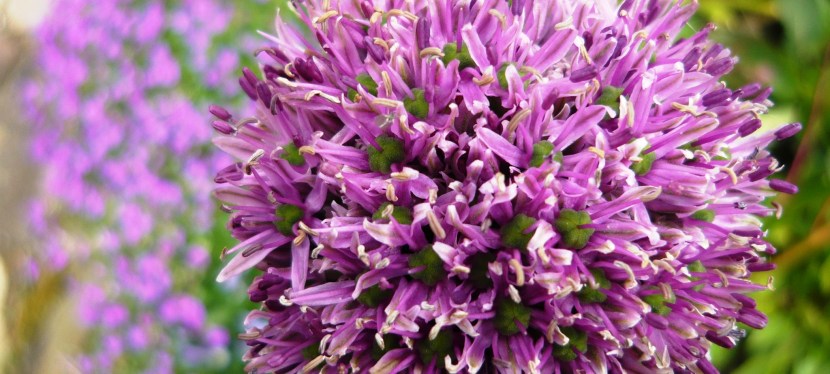
Allium

chives

allium

 In the kitchen garden our potatoes are doing mighty, and we have now added three tires to each stack and earthed them up several times. We have not grown potatoes here before, so it is nice to see them doing so well. We have also planted some Oca tubers and can’t wait to see how they do. Once a highly praised food by the Incas, we are hoping they will do well in our rainy climate. The slugs are abundant so unfortunately a lot of our salad and brassicas have been devoured, and not by us. At least they have had the decency to leave our onions and artichokes alone.

onions

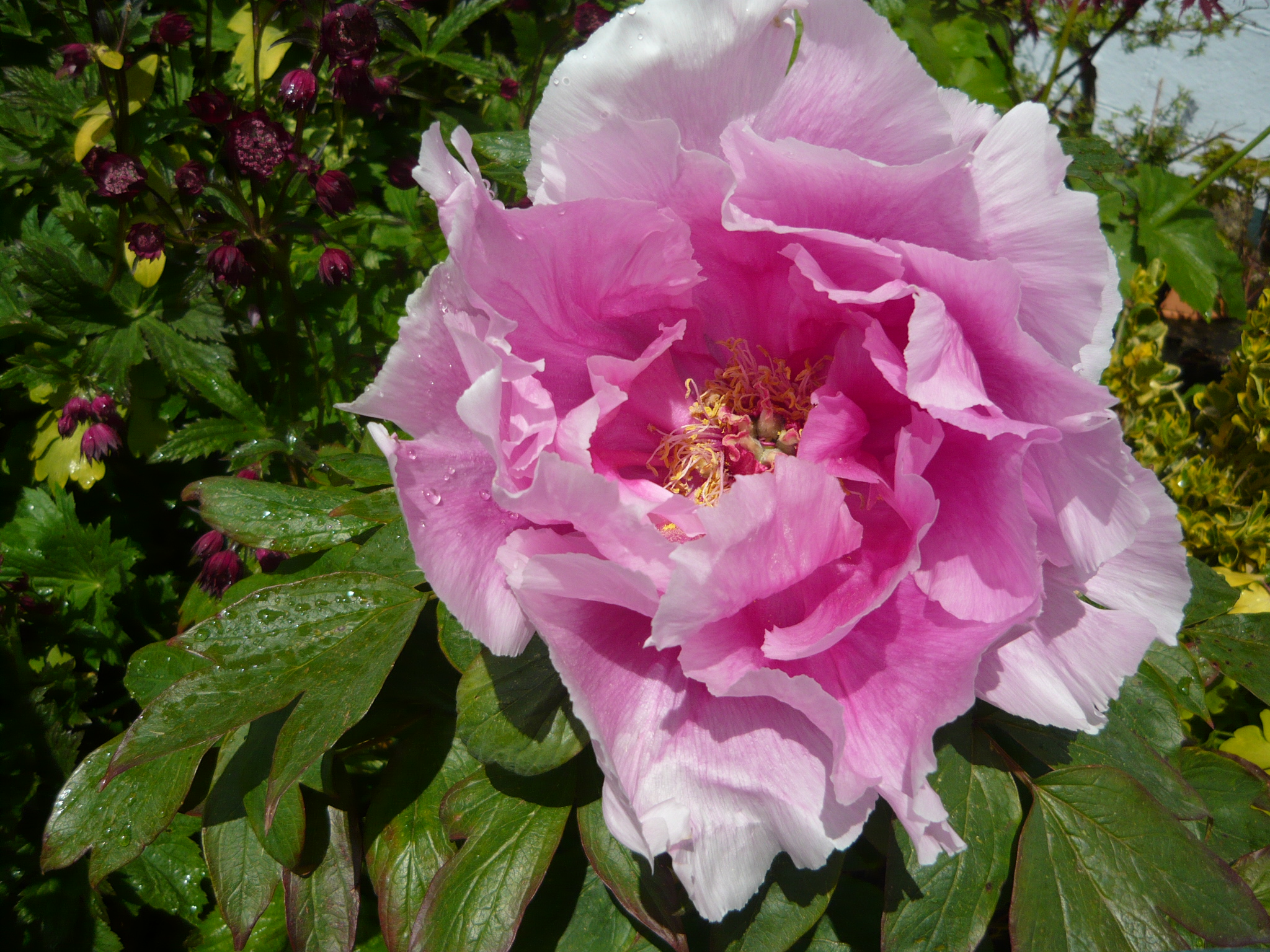
We planted a tree peony last year in one of the beds around our circle and it had a very beautiful flower earlier in the month.

 tree peony

peony detail

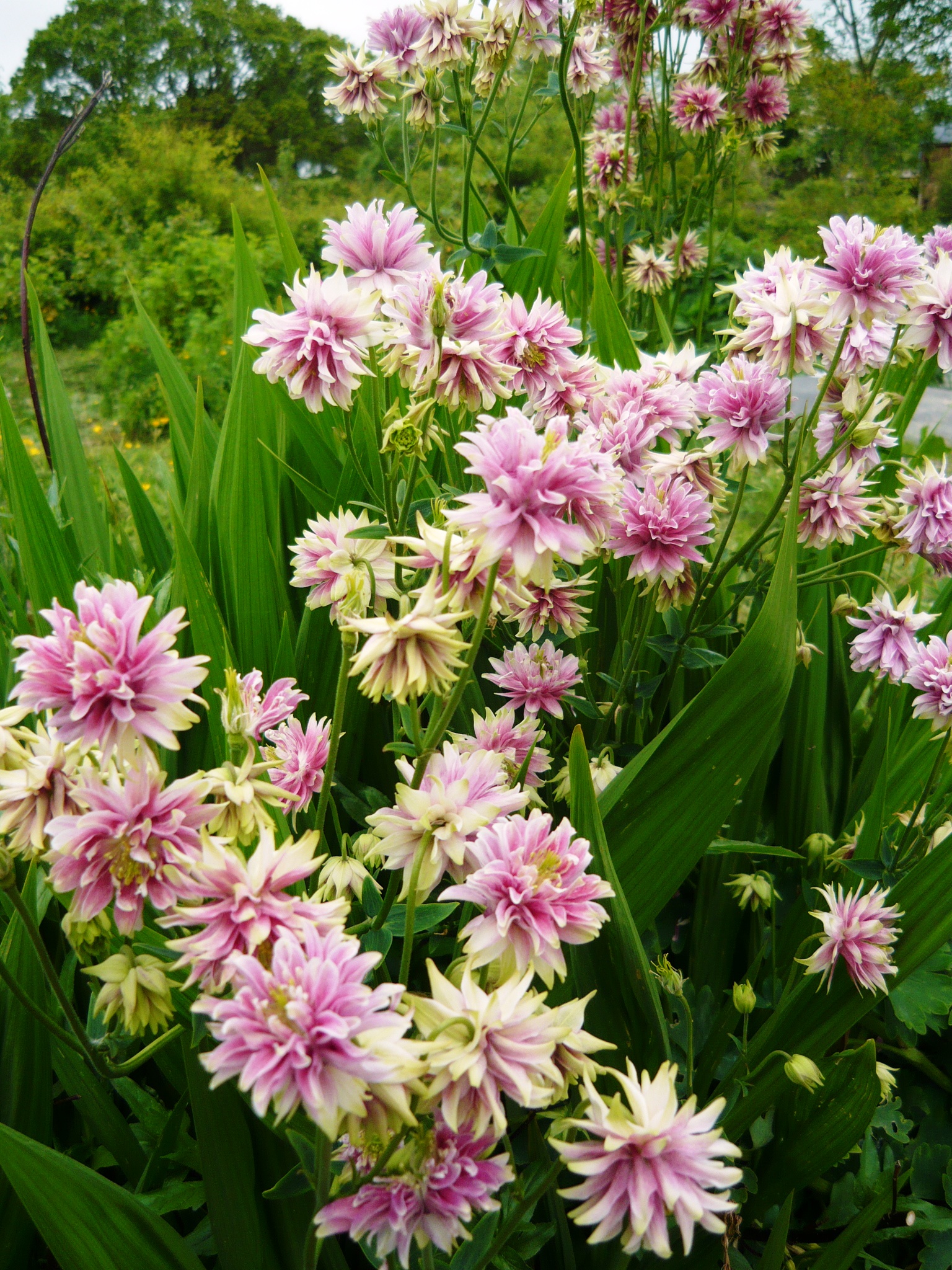
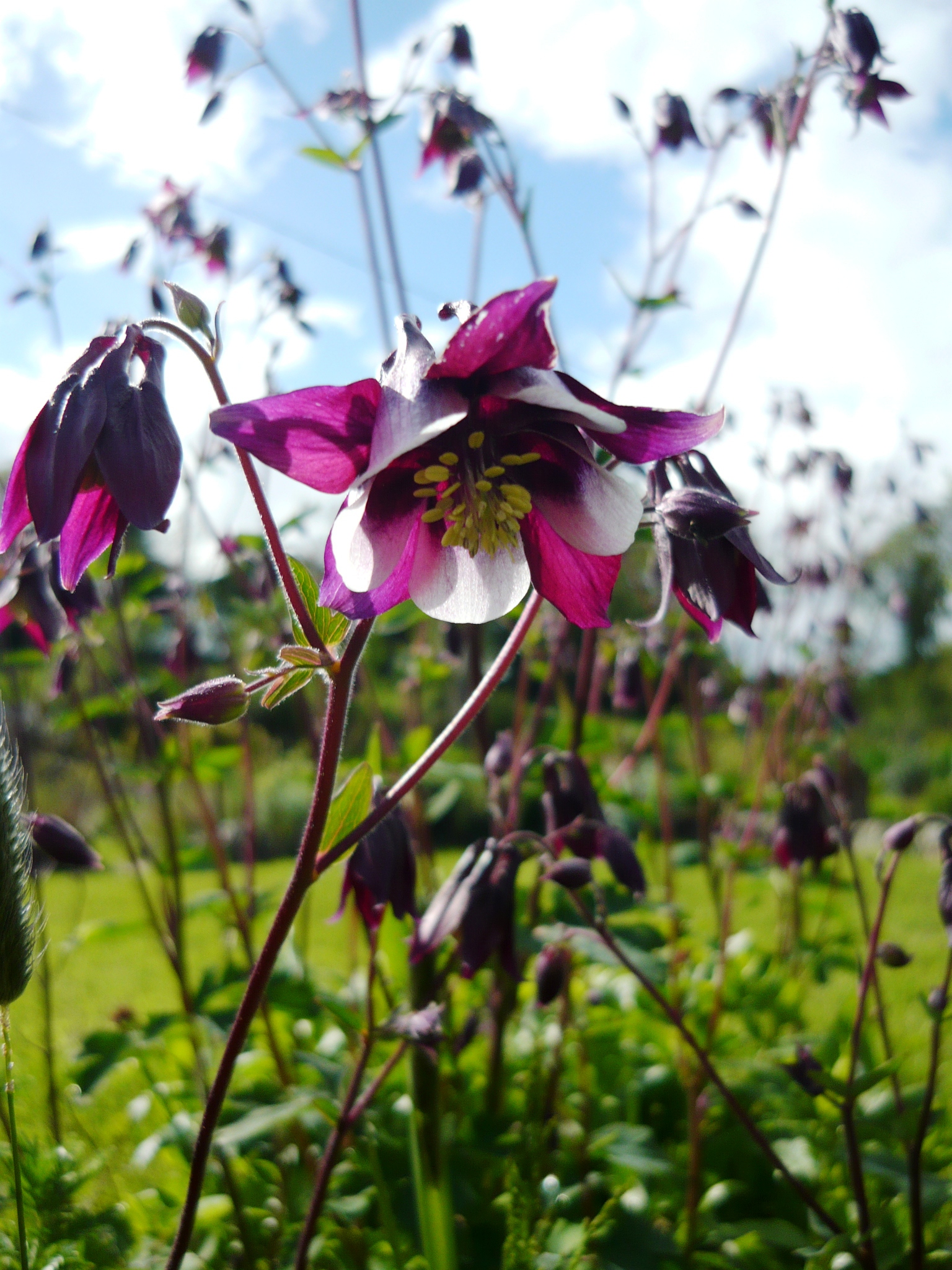
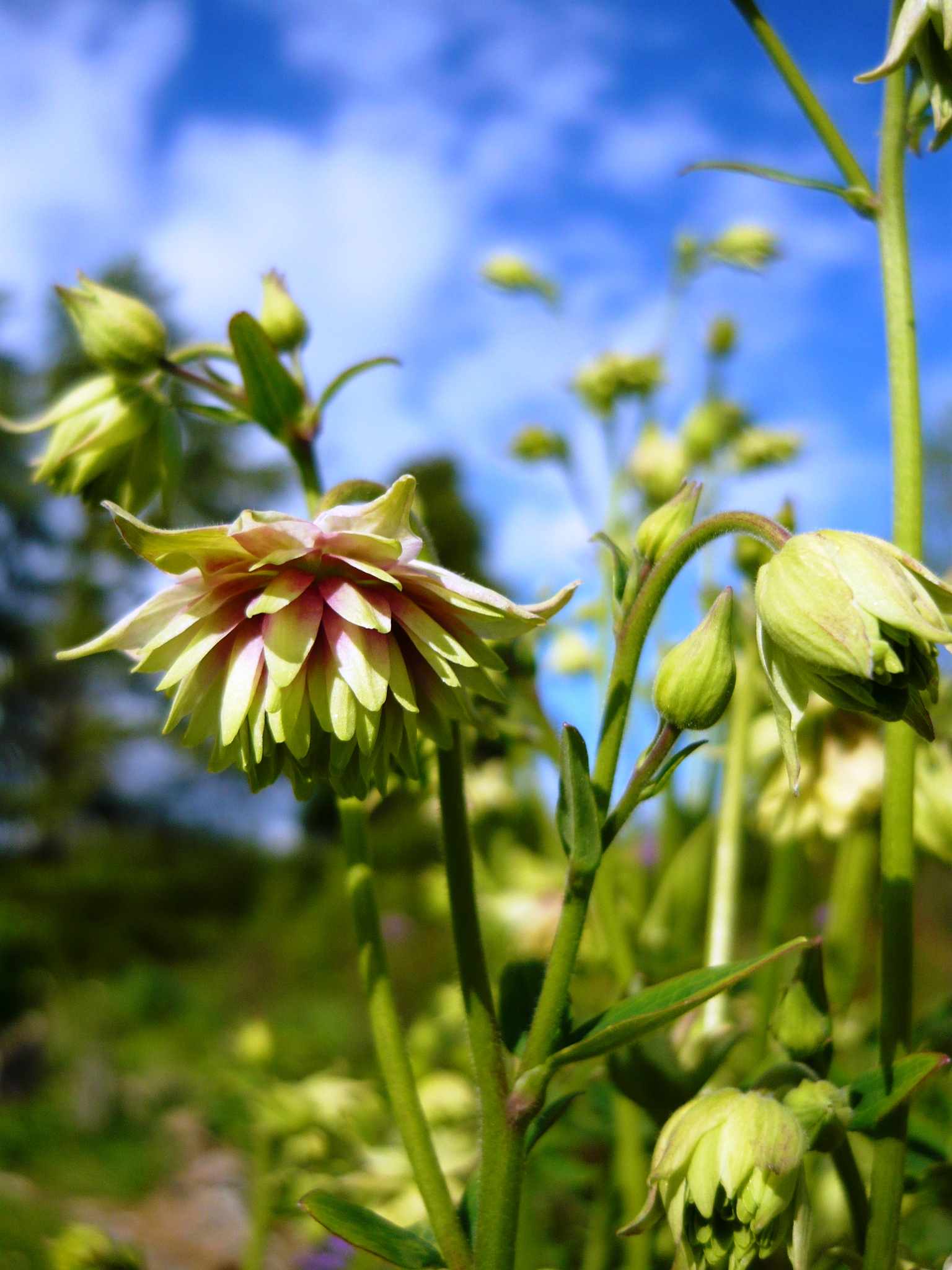
 We always write a bit about what is going on around the circle and garden once a month and all of these posts can be found in the category, Elemental circle. As you can see on the following photos our circle has a lot of lush green growth, but not that many flowers yet. We are happy to look at the Aquilegias though, that we grew from seeds two years ago. The dark one is called William Guinness and the green and pink one is the lovely Nora Barlow.

william guinness

nora barlow

circle may east

East

circle may 020

South

circle may 017

West

circle may north

North

circle may

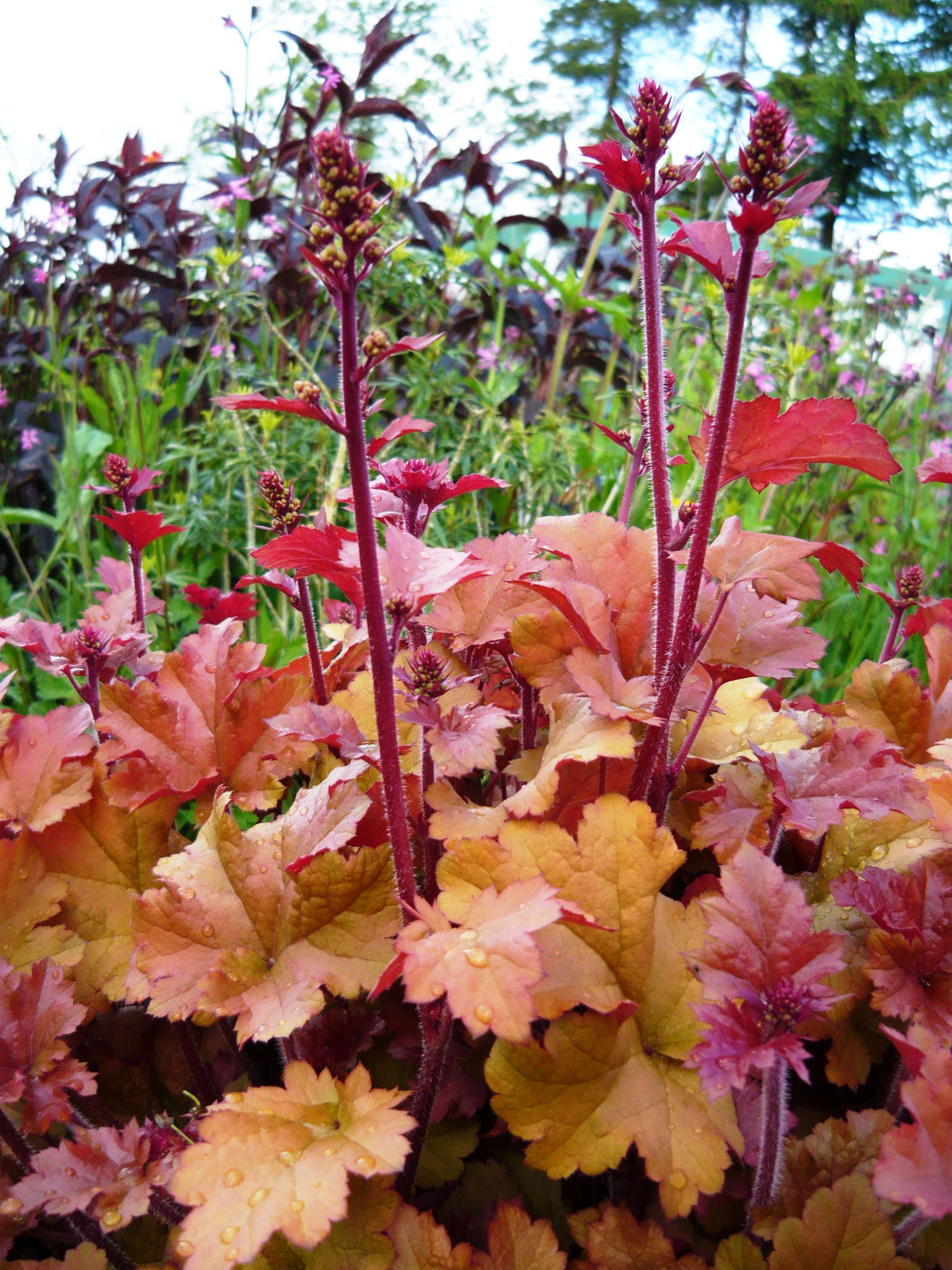
 We will leave you now, with a picture of one of our favourite heuchera, Marmalade. It looks best in full sun, so we can admire it occasionally, between the showers. We are hoping the weather will warm up a bit in June so all our flowers and vegetables will come out to play.

marmalade

Creating a wildlife haven.

 fern frond

Although most of our garden is on the wild side, it is divided into a few different areas. We have a herb-garden, filled with medicinal and culinary herbs, a small woodland, a kitchen garden for mainly annual vegetables and a large area dedicated to wildlife. We try to include useful plants for ourselves and for wildlife in all of these areas but we believe the wilder part and the small woodland has the biggest benefit for all the animals. We have two ponds with adjacent bog gardens with a large, rather waterlogged area in between. It was covered with creeping buttercup and couch grass up until last spring, and we decided we wanted a more varied habitat so we covered the whole area with a double layer of cardboard boxes and some soil on top and sowed a lot of native wildflower seeds. Unfortunately, as soon as the lovely little seedlings became visible, our army of slugs munched them all up and we re-sowed the area a few times but to no avail. We then decided to go for a slightly different approach and added mints, foxgloves, teasels, lavenders, hollyhocks, mallows, geums and other perennial plants, already at a size too big for the slugs to completely decimate. If you plant mint straight in the garden bear in mind that it will spread vigorously and may out-compete other plants, but we are quite happy for this to happen as the area is very big, and the mint is far more beneficial to us and the wildlife than the couch grass.

Read more

The Importance of Being Organized.

 staying organized lables

We are in our third year of creating our garden and one of our most important tools is our garden planning book with notes and labels. When you start planning a garden it is great to make a lot of plans on paper as it saves time, effort and money. It is great to look through books and magazines for ideas and also think about what you want to use your garden for. Do you have to consider young kids, disabilities or pets? Do you plan to grow your own food or have a purely decorative space? Do you want a formal layout or a wild billowing mass of flowers and shrubs?

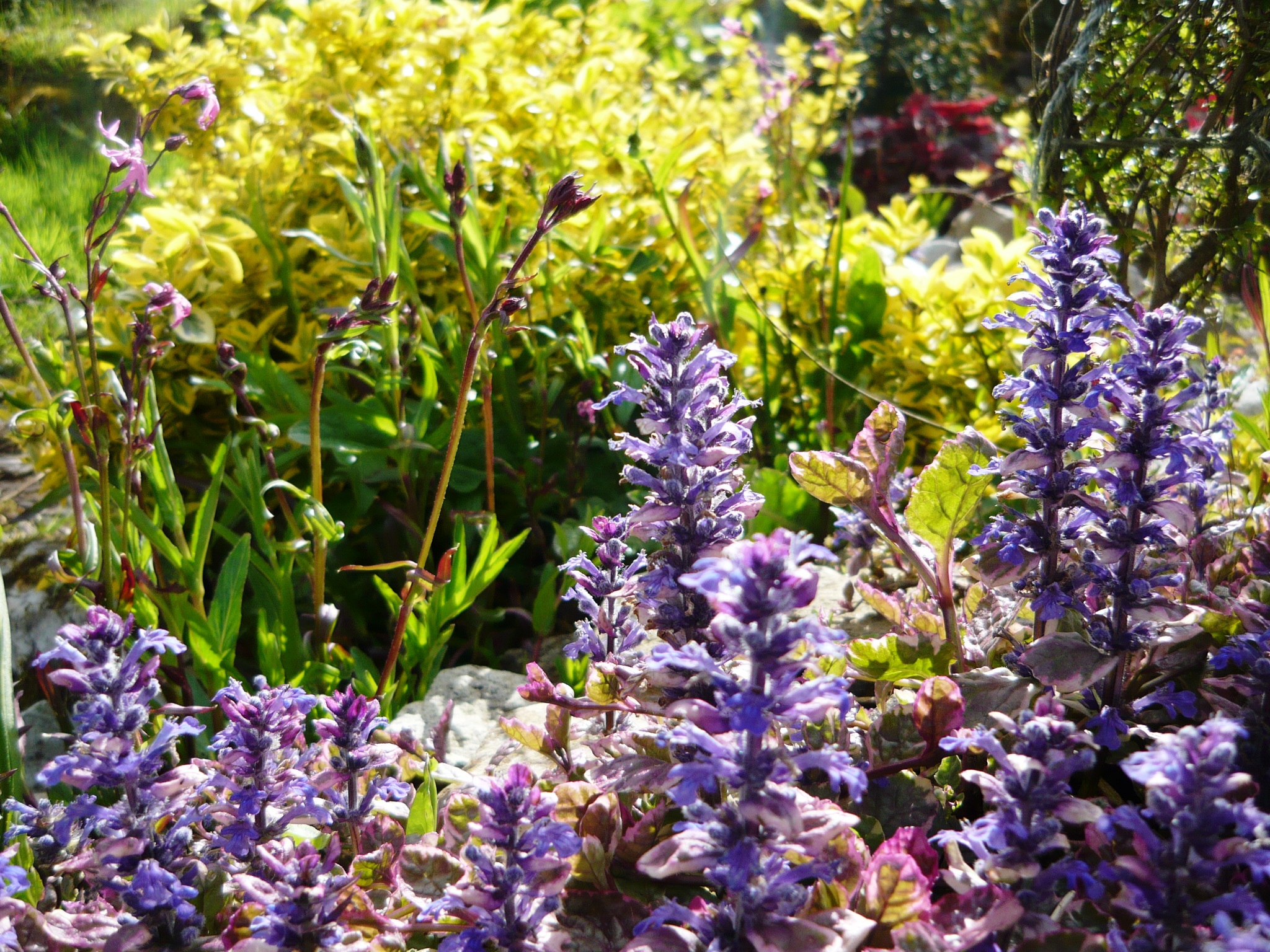
bugle

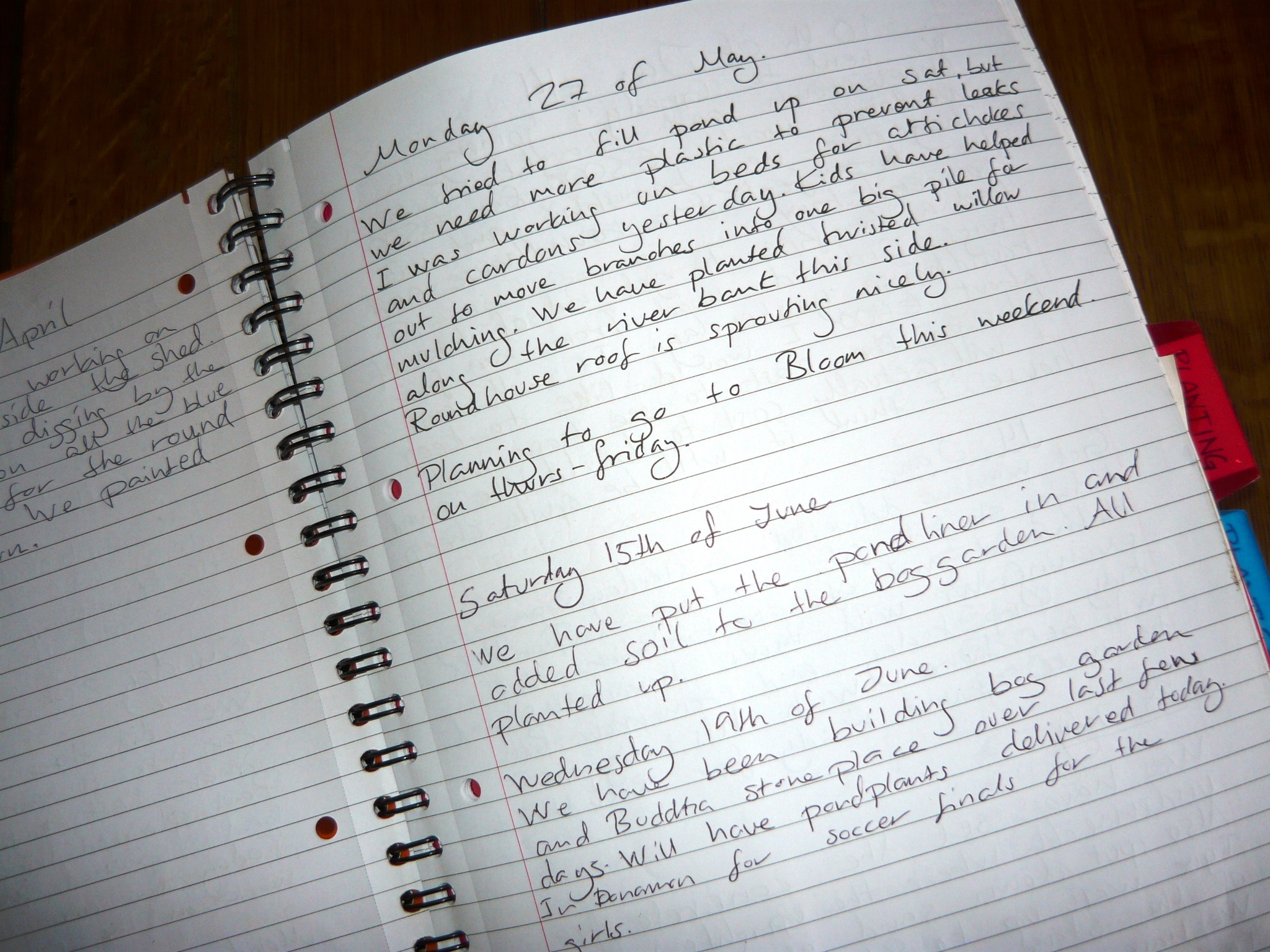
Our plans were for a wildlife friendly garden with lots of food plants and space for our teenagers and friends to hang out. The book has been helpful in keeping a record of our journey. We have for instance  made notes in our diary part of the book about when we started digging the pond, what plants we put around it, What is doing well and what has had to be moved and so forth. It is a lot of fun to look back through the notes and see how much you have actually accomplished. Sometimes when you are creating a garden from scratch and also are renovating your whole house it is easy to lose track of the progress and only see a lot of half finished projects. This is when the book comes in very handy for a bit of reassurance.

staying organized diary

staying organized diary 2

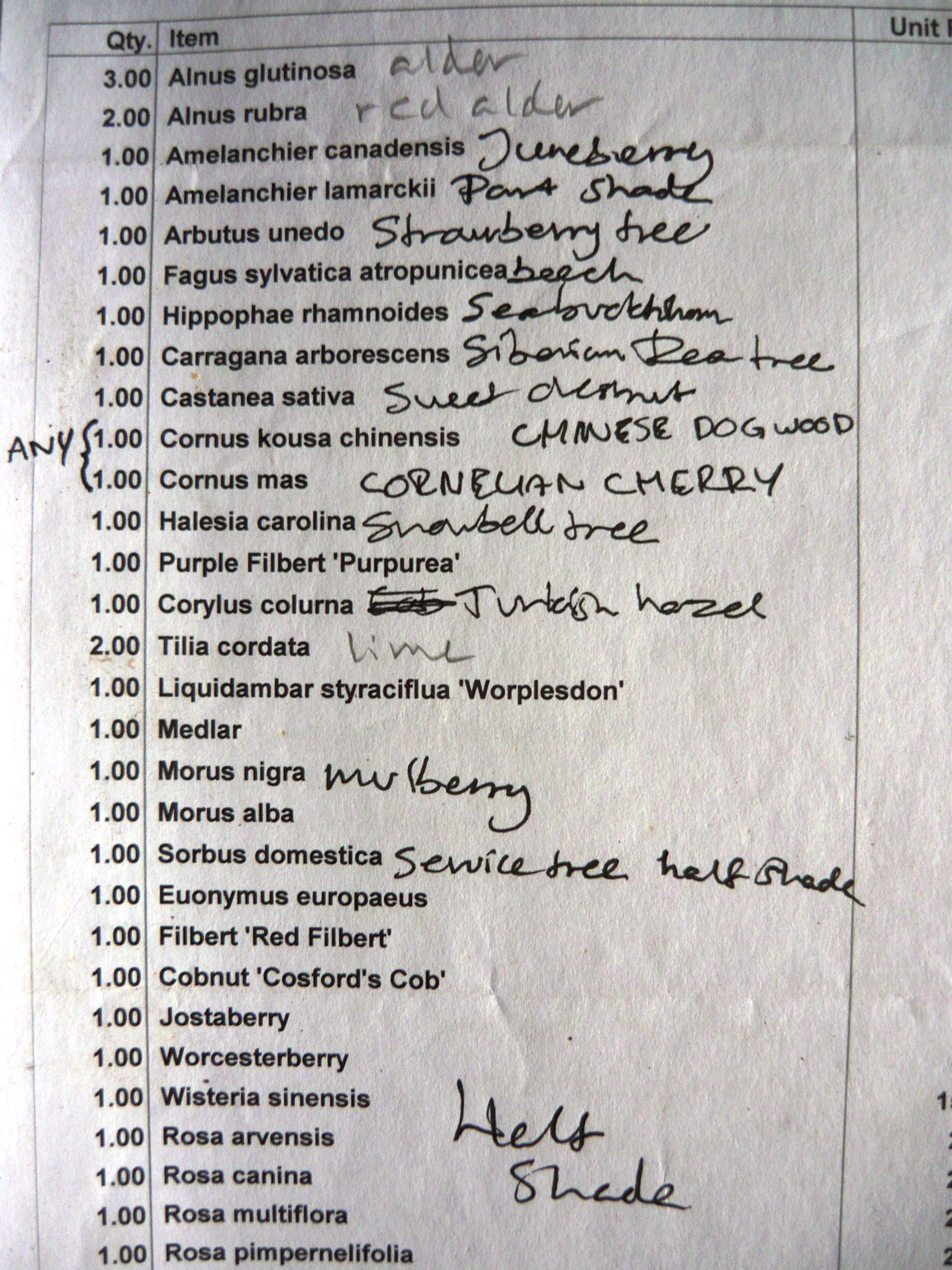
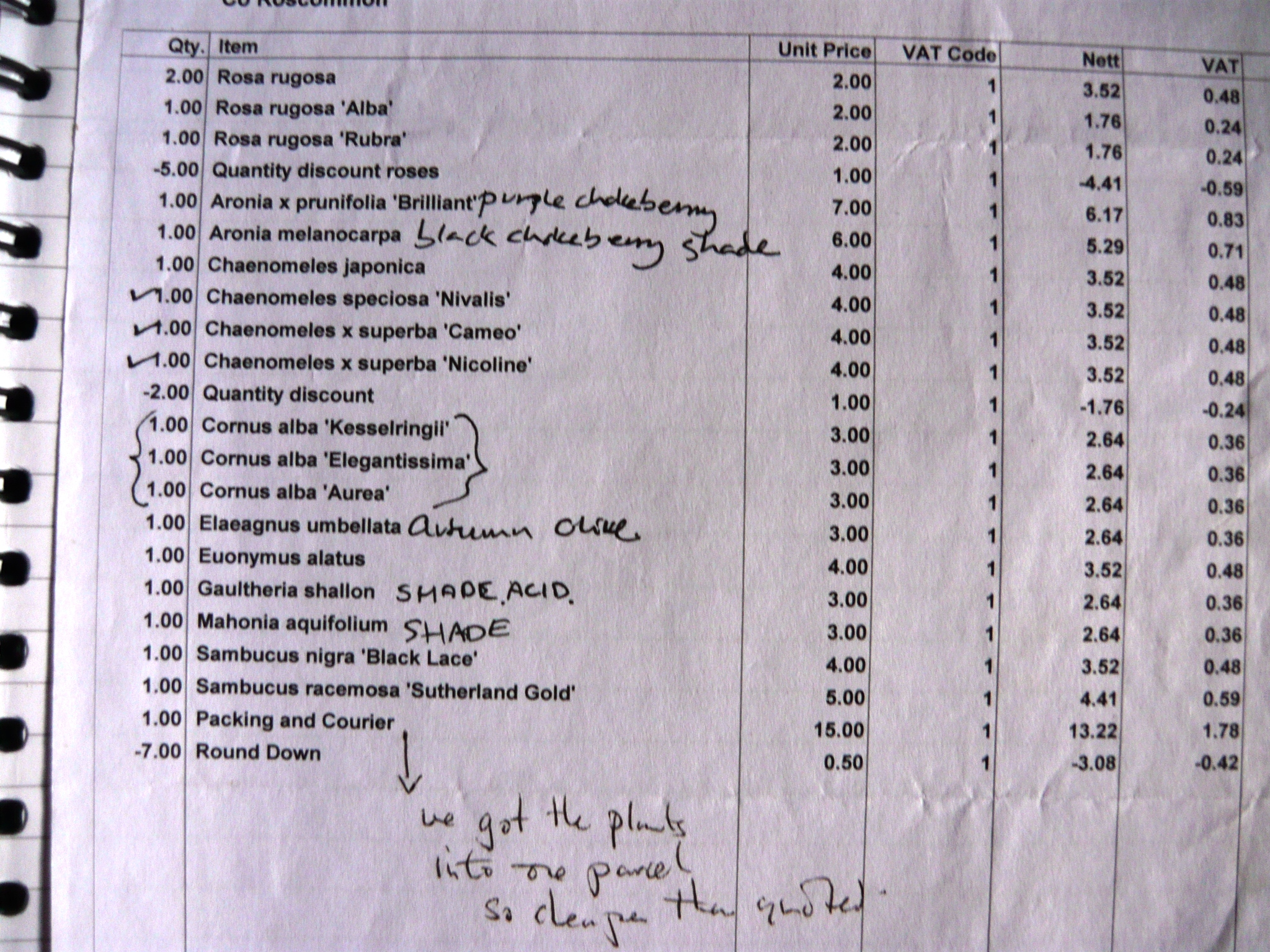
One section contains all our orders and it is lovely to see this two page order from the spring of 2013. Future Forests in Cork have written at the bottom of it, under packing and courier;

We got the plants into one parcel so cheaper than quoted.

 tree order

staying organized tree list

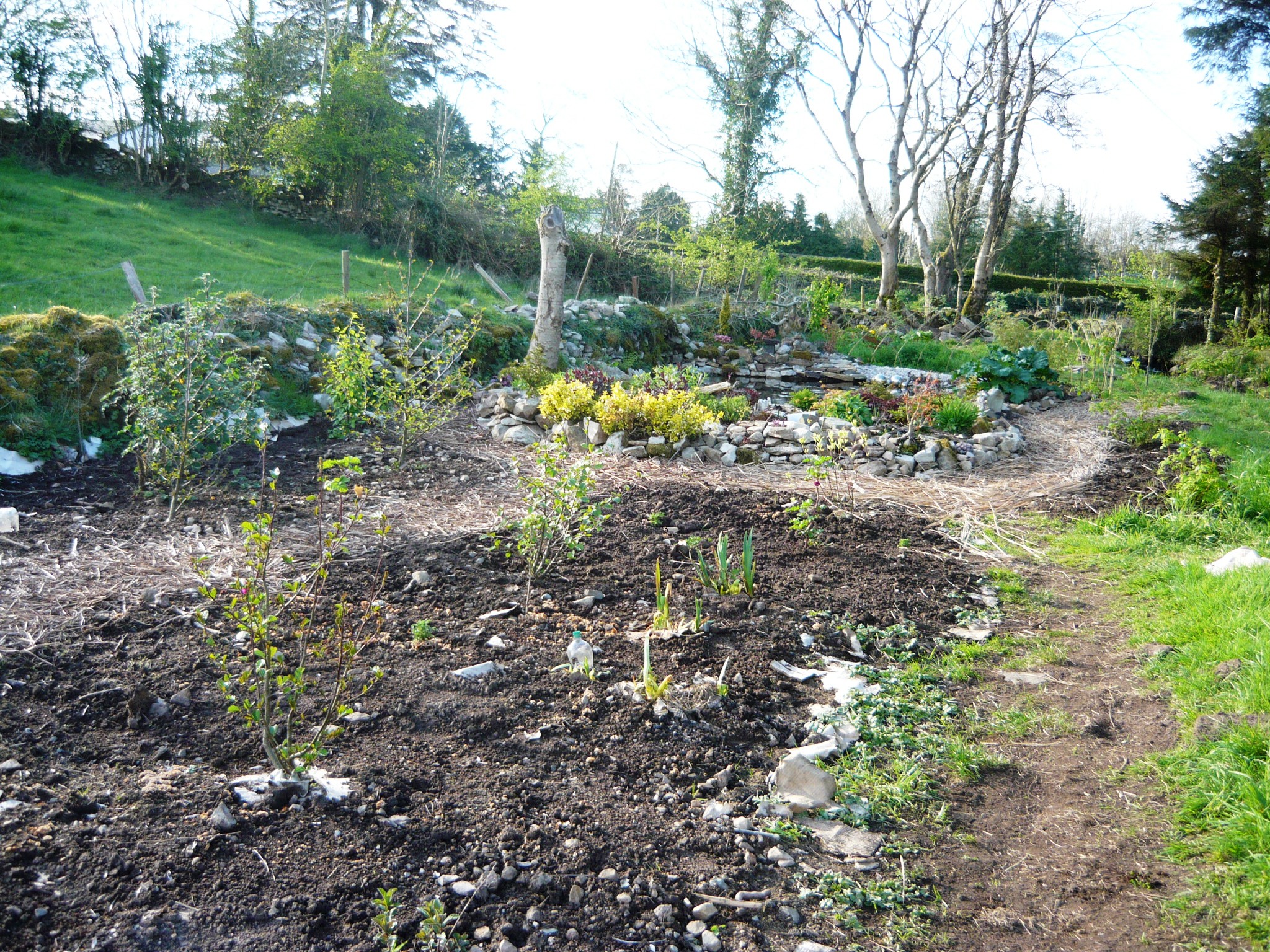
This was our main tree order and a lot of the trees are now taller than any of us and wider too. It is doubtful if any of them would fit into a parcel now, even on their own. The best advice we can give to anyone starting a garden is to buy your trees small. They soon catch up and grow bigger faster than the pot grown bigger expensive specimens, sometimes available at Garden centers. It is also very important to mulch around small trees. We use double layers of cardboard boxes and natural mulch like wood chippings or straw. It only needs topping up once a year. The trees can grow away without competition from smothering weeds and without drying out. This in combination with a generous helping of well rotted manure in the planting hole has set all our trees off to a good start. Our babies are growing up!

summer 2014

May 2014

trees by pond

May 2015

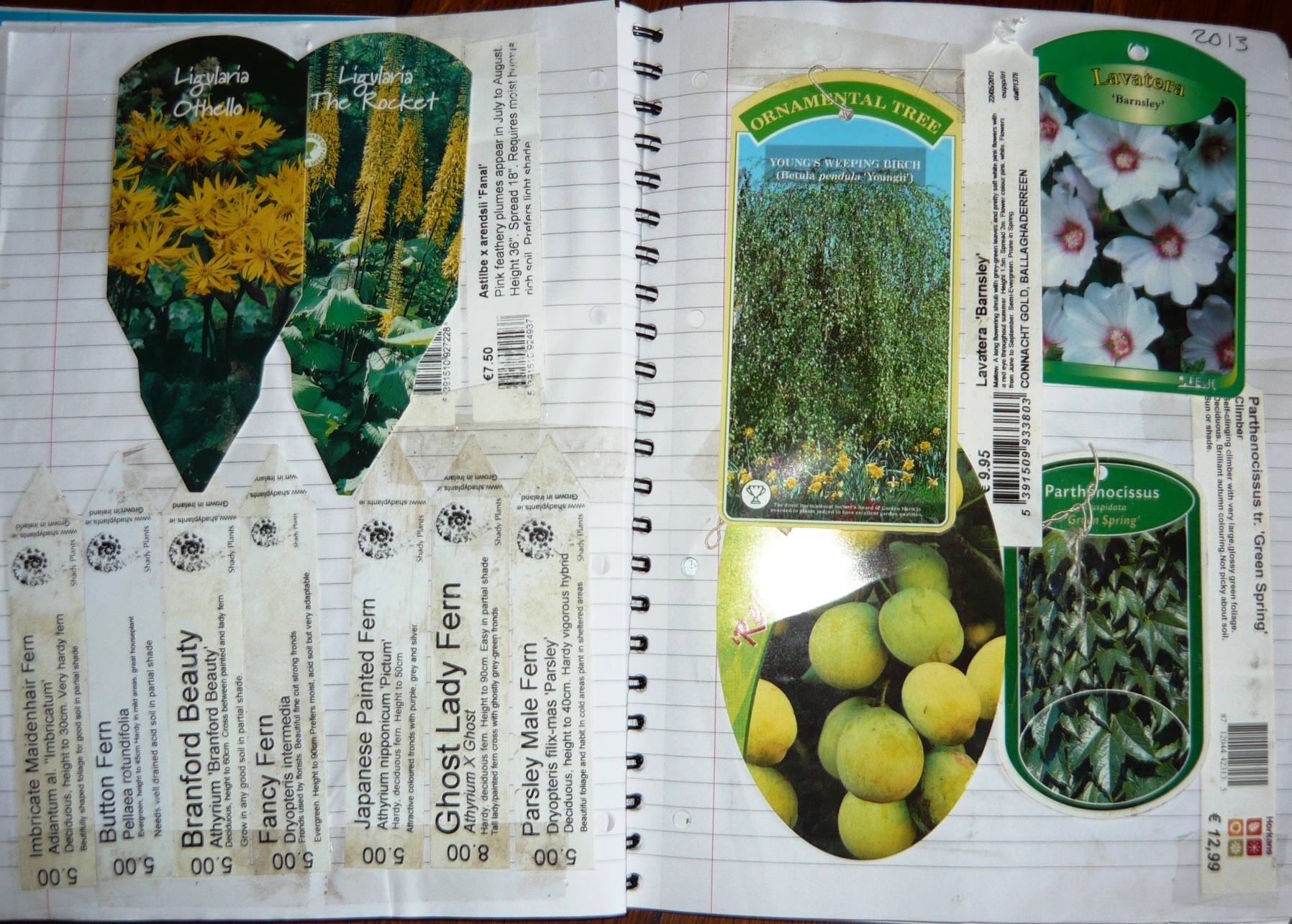
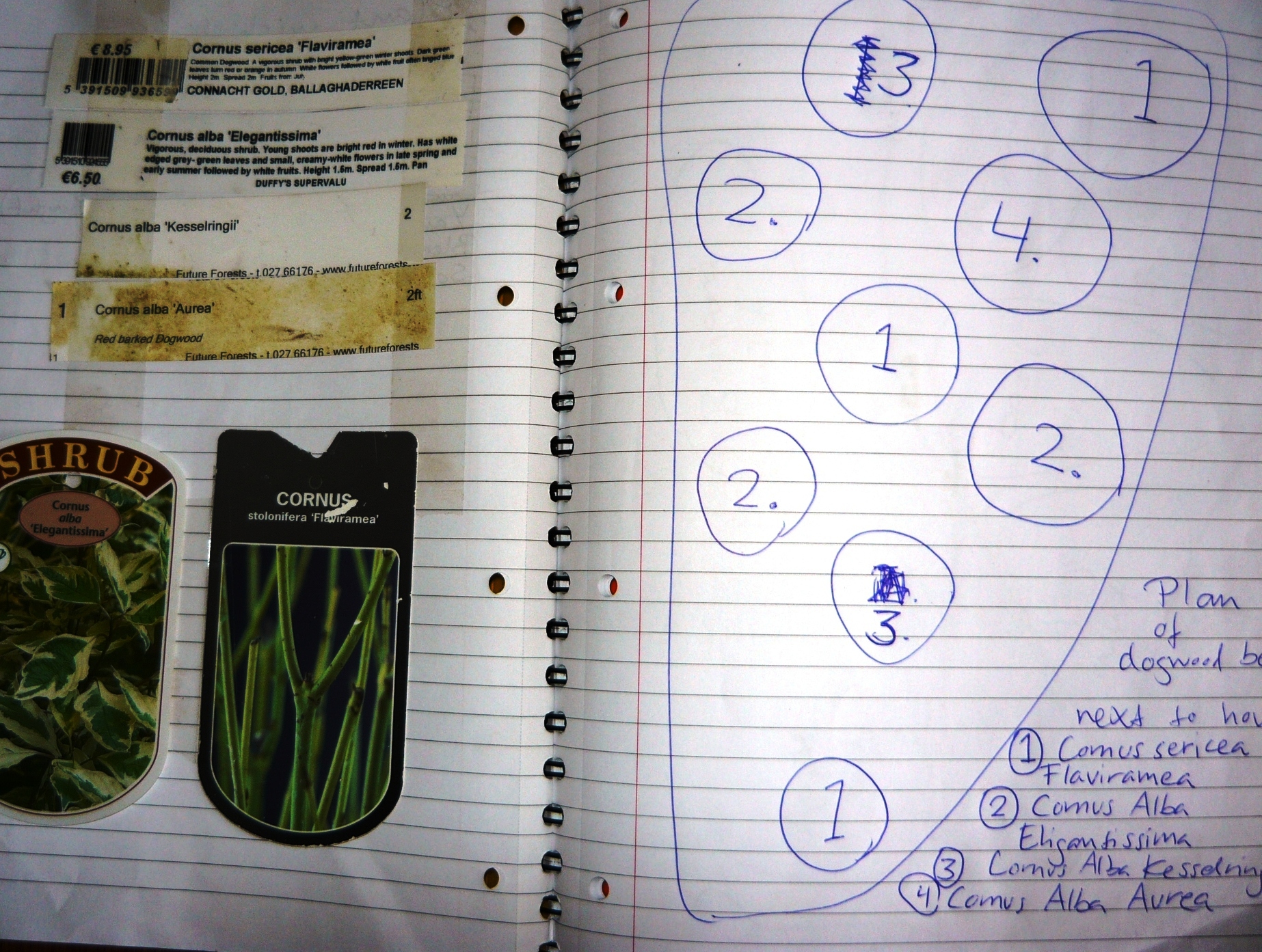
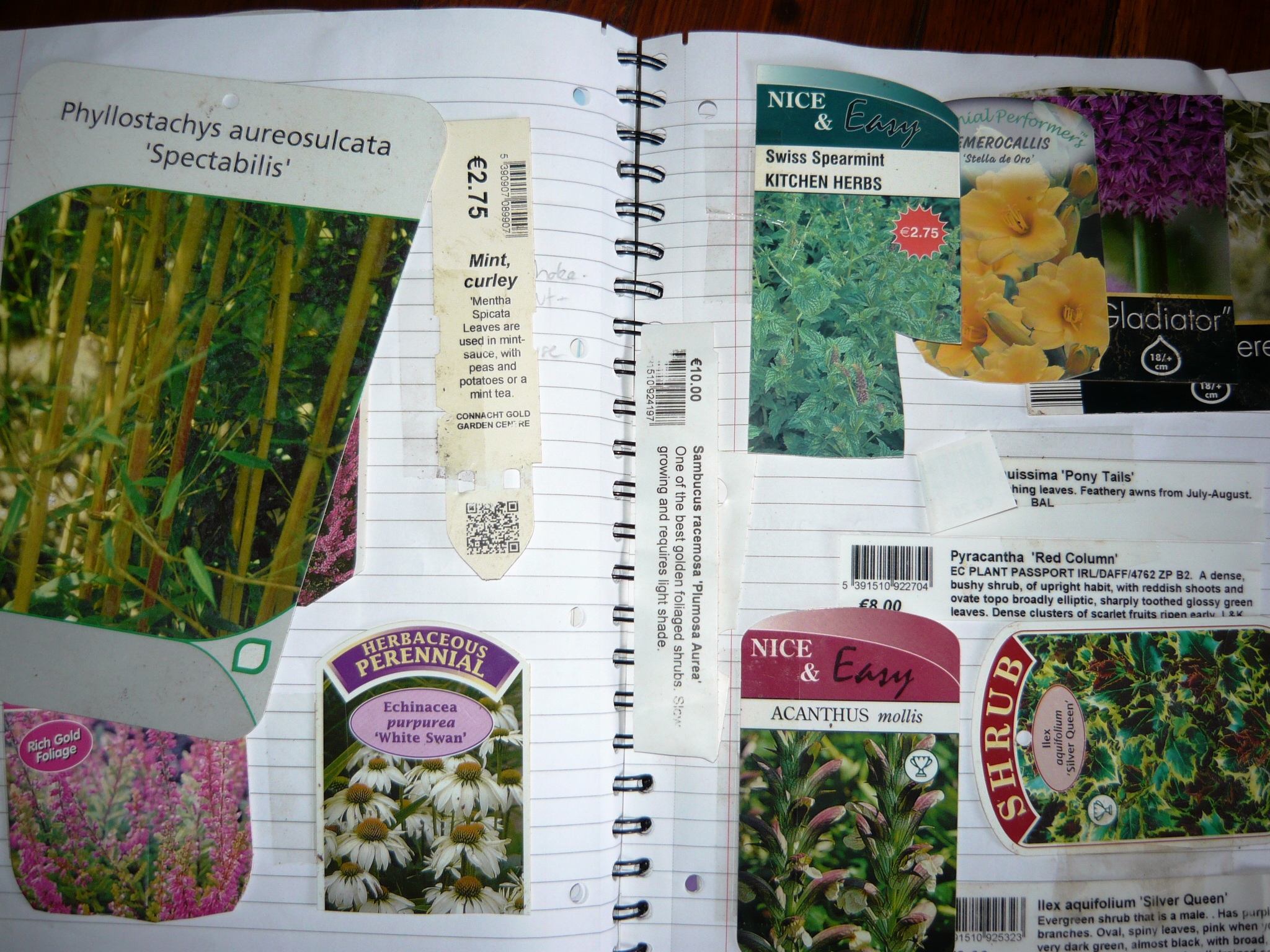
We have made a lot of planting plans for different areas of the garden with the plant labels attached to the pages. It is fun to be able to tell friends, when you divide and share a plant, what the botanical and common name are and what particular variety they are getting. It is also nice to be able to remove the unsightly labels from trees and shrubs, but still keep track of where the different varieties are planted.

staying organized labels

staying organized 064

dogwood

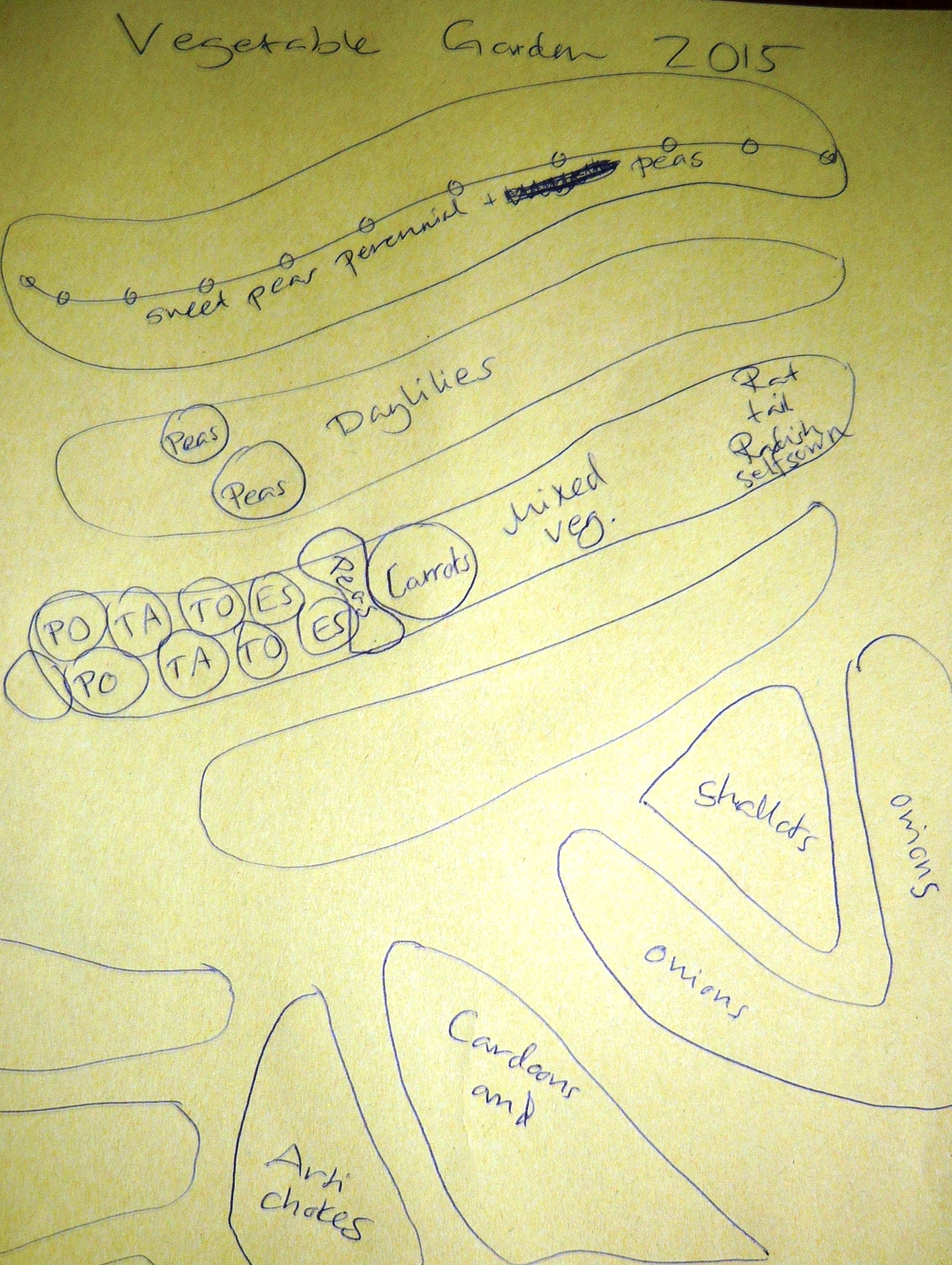
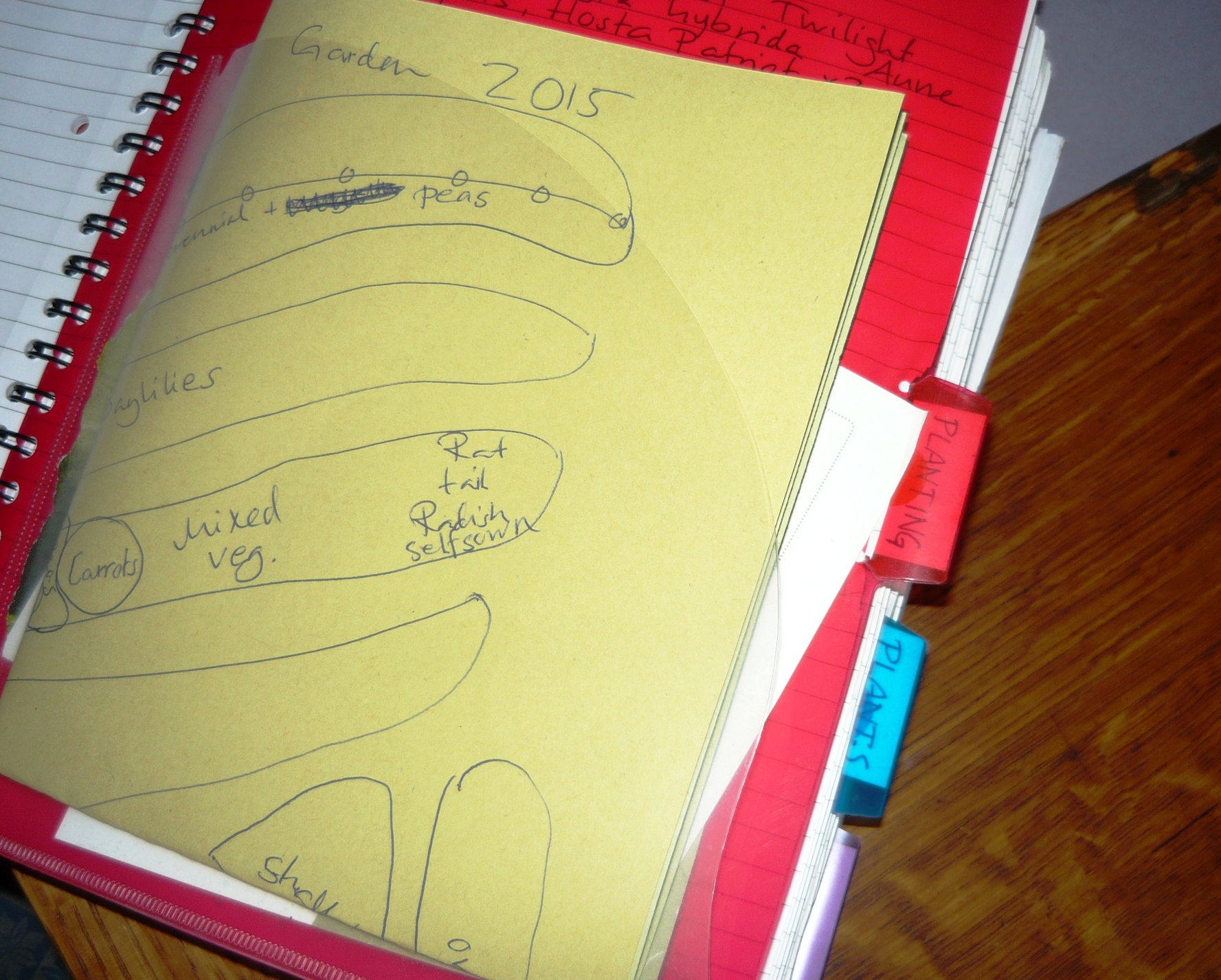
Vegetables do better if they are moved around the plot and not grown in the same soil year after year. We have made quick sketches of the beds with what was growing in which bed each year. But we now have to come clean and tell you that we forgot to do this on paper before and kept it all in our heads, but now, while preparing this post we had to look back through photos of the garden to help our memories along. The ideal is to have a four year crop rotation, and we try to do this with the big groups like onions and brassicas. We also grow a lot of mixed vegetables and try different things for different years so hopefully we can keep on avoiding pests and diseases. Our book has some practical pockets in each section for storing plans like this.

veg rotation

veg 2015

practical pockets

veg list

We believe that it is essential to keep a record book of the garden and if you do you will soon find that you refer to it again and again. Happy gardening!

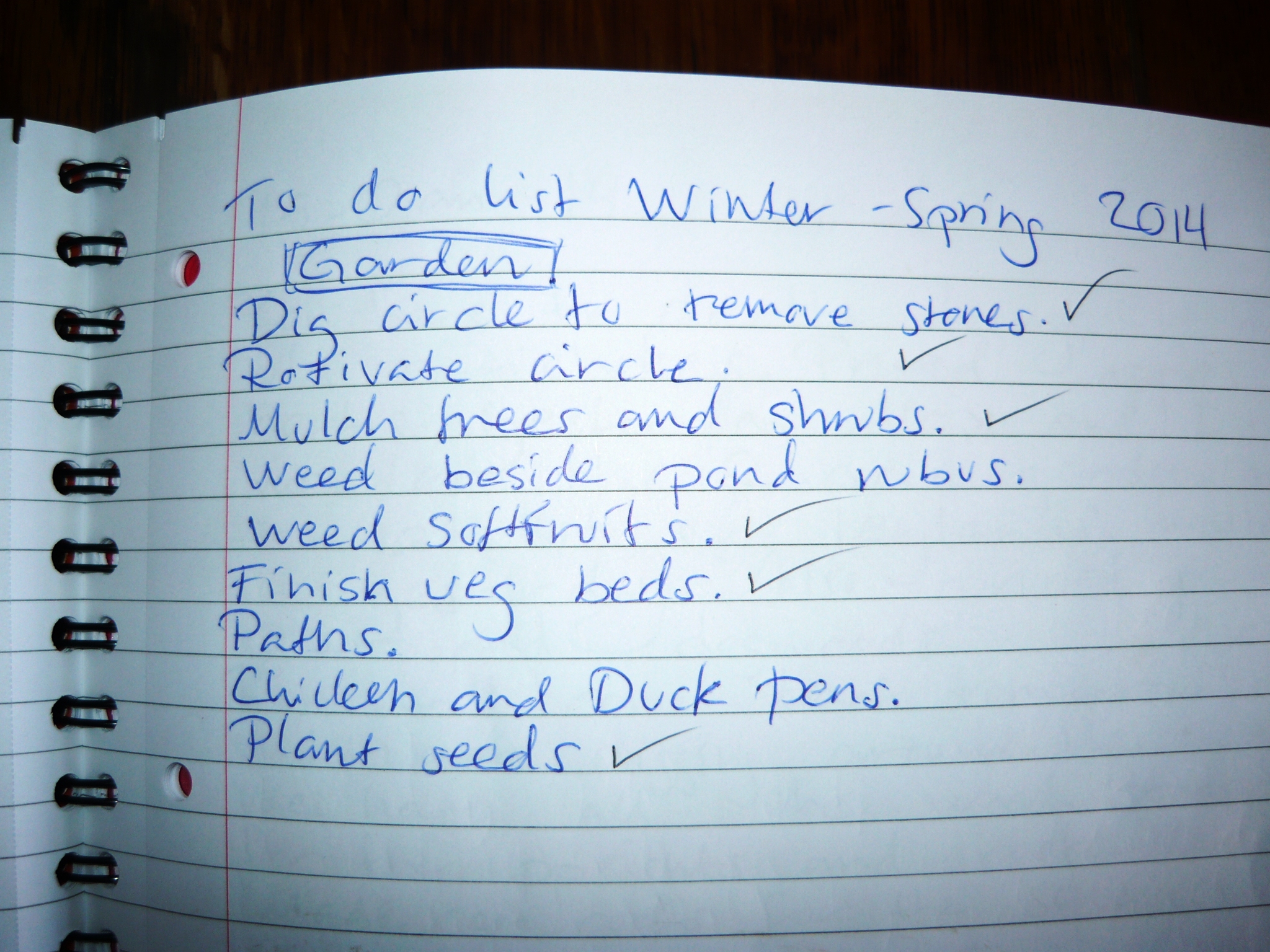
to do list

Woodland management on a small scale.

 woodland 044

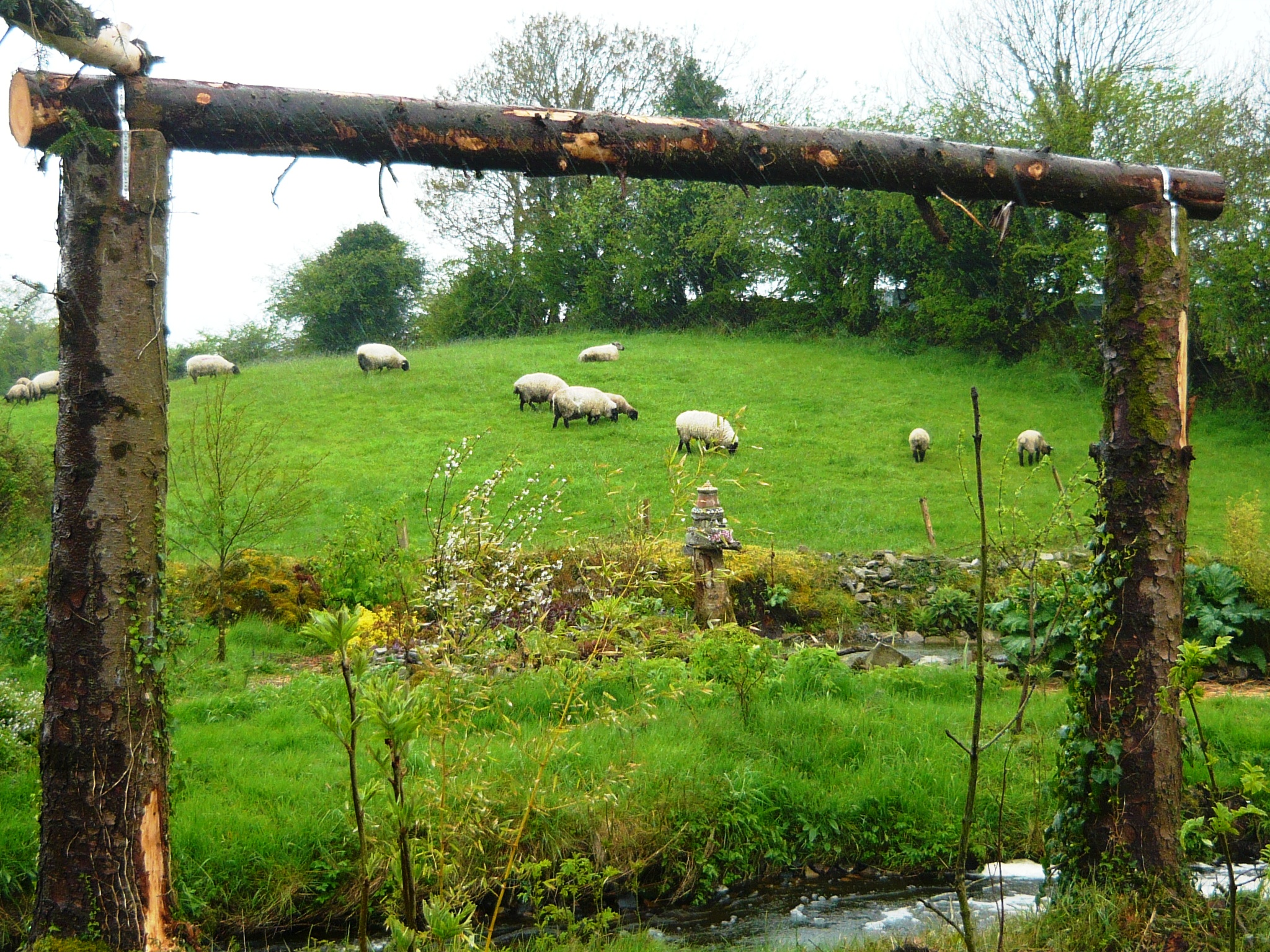
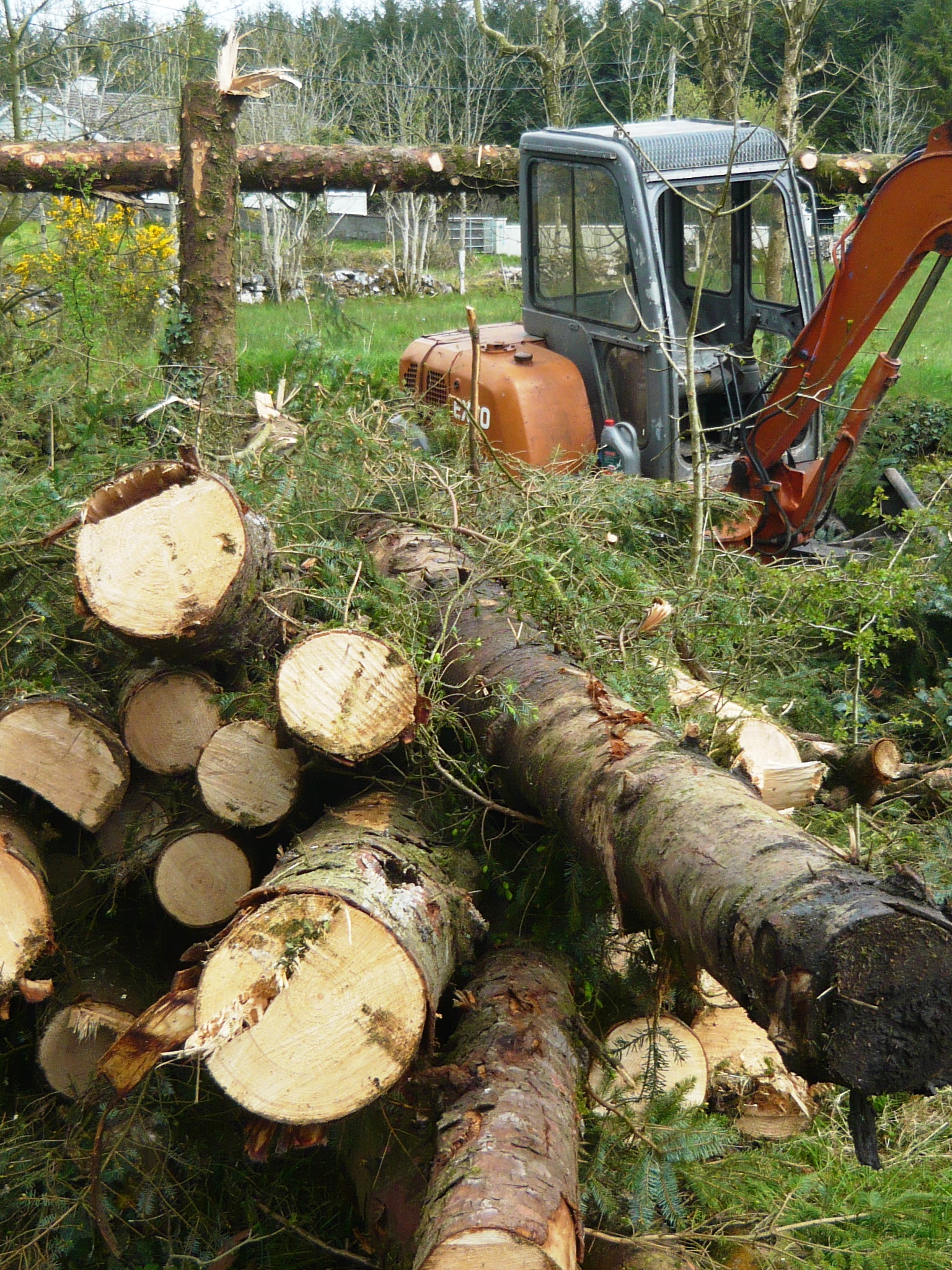
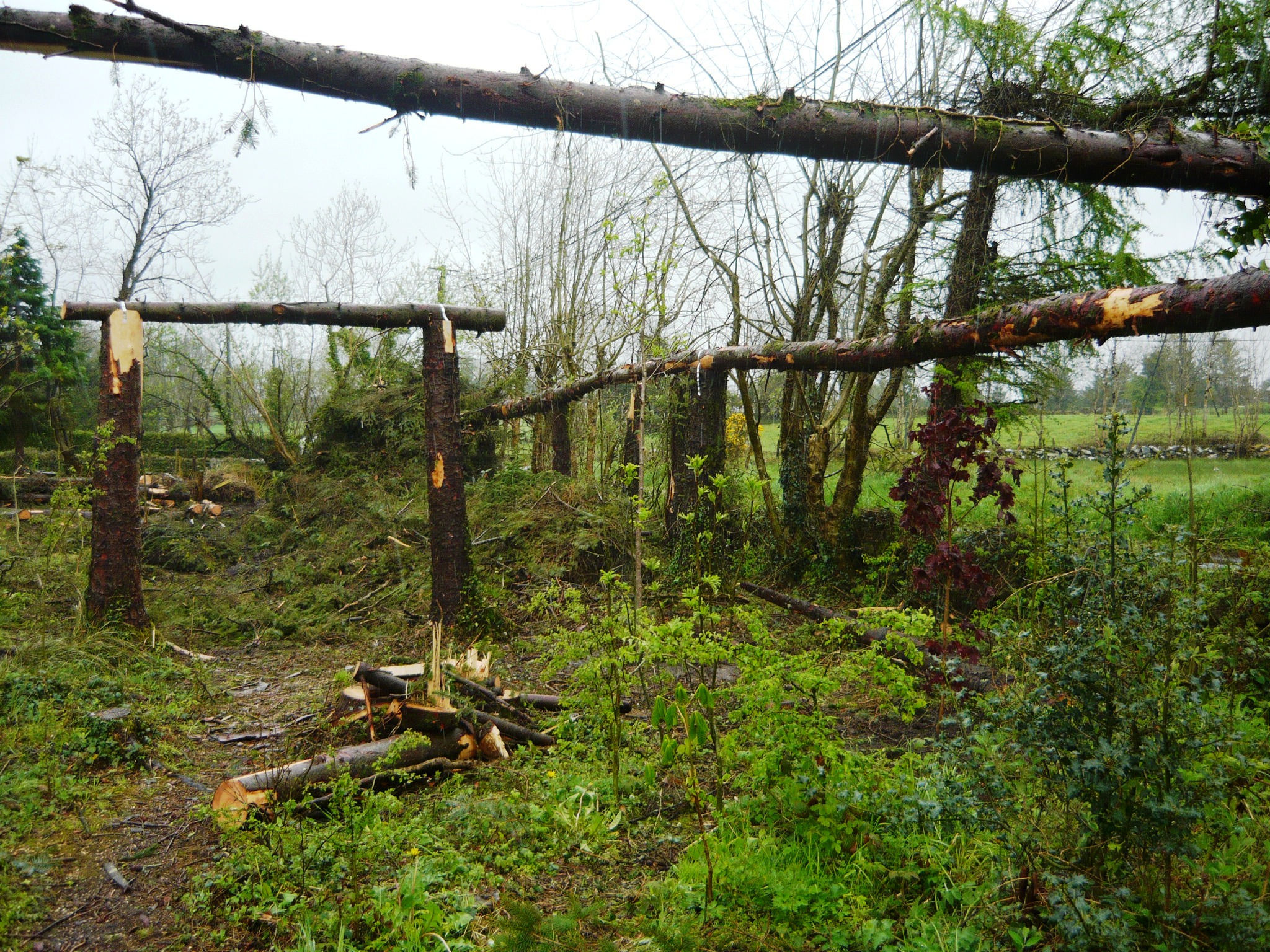
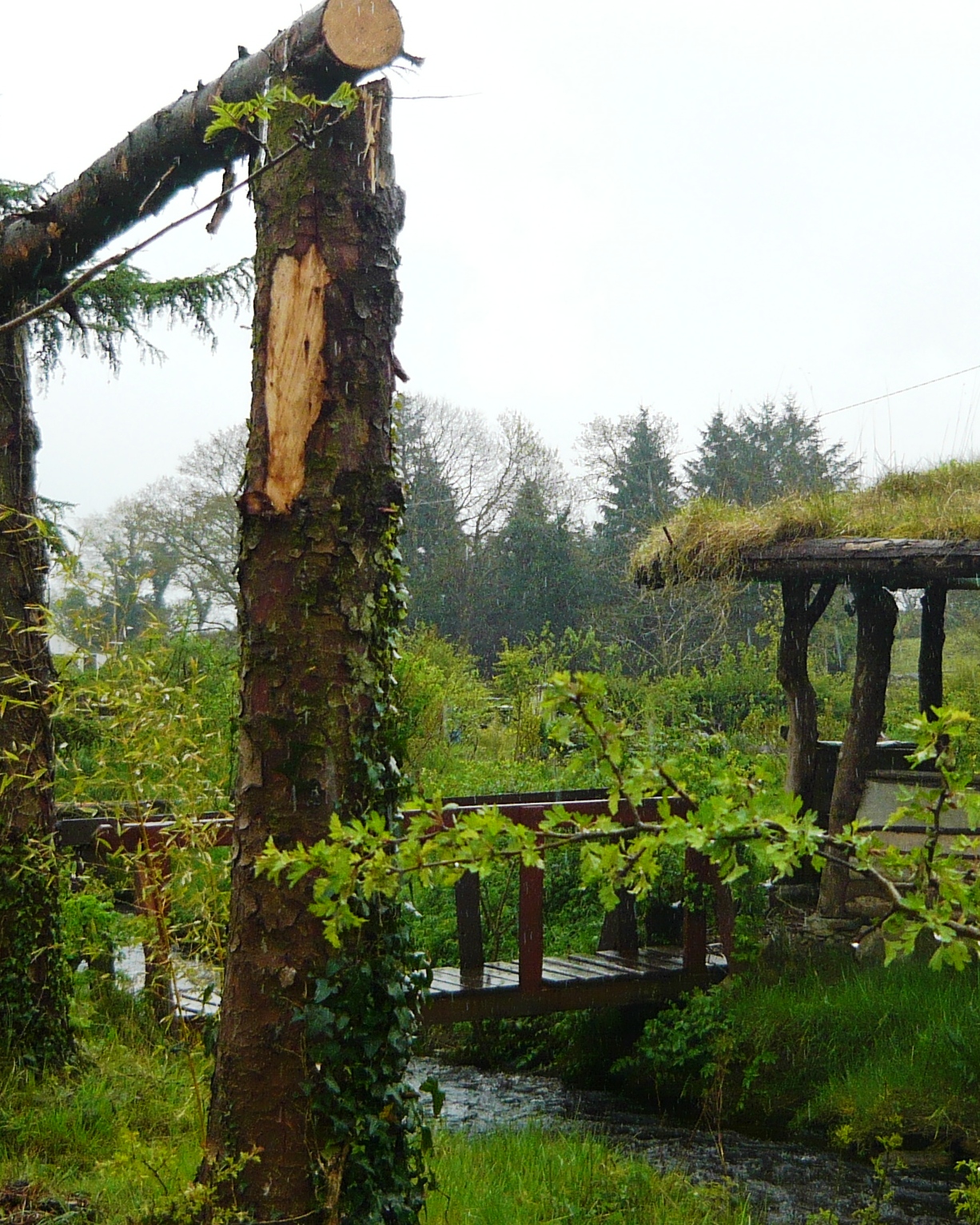
Our little woodland has had a complete makeover in the last few days. We had about 22 spruce that were planted in 1972. They were quite close together thus thin, tall and leggy. As the ground is boggy the wind had started to rock the roots and it was time for a change. We cut a lot of them quite high and used some of the cut trunks for crosspieces, creating supports for climbers. A lot of the logs will be used for firewood, some of the big thick ones will be supports in our conservatory and a few have been given to friends for their house renovation project.

woodland before

woodland gate

woodland logs

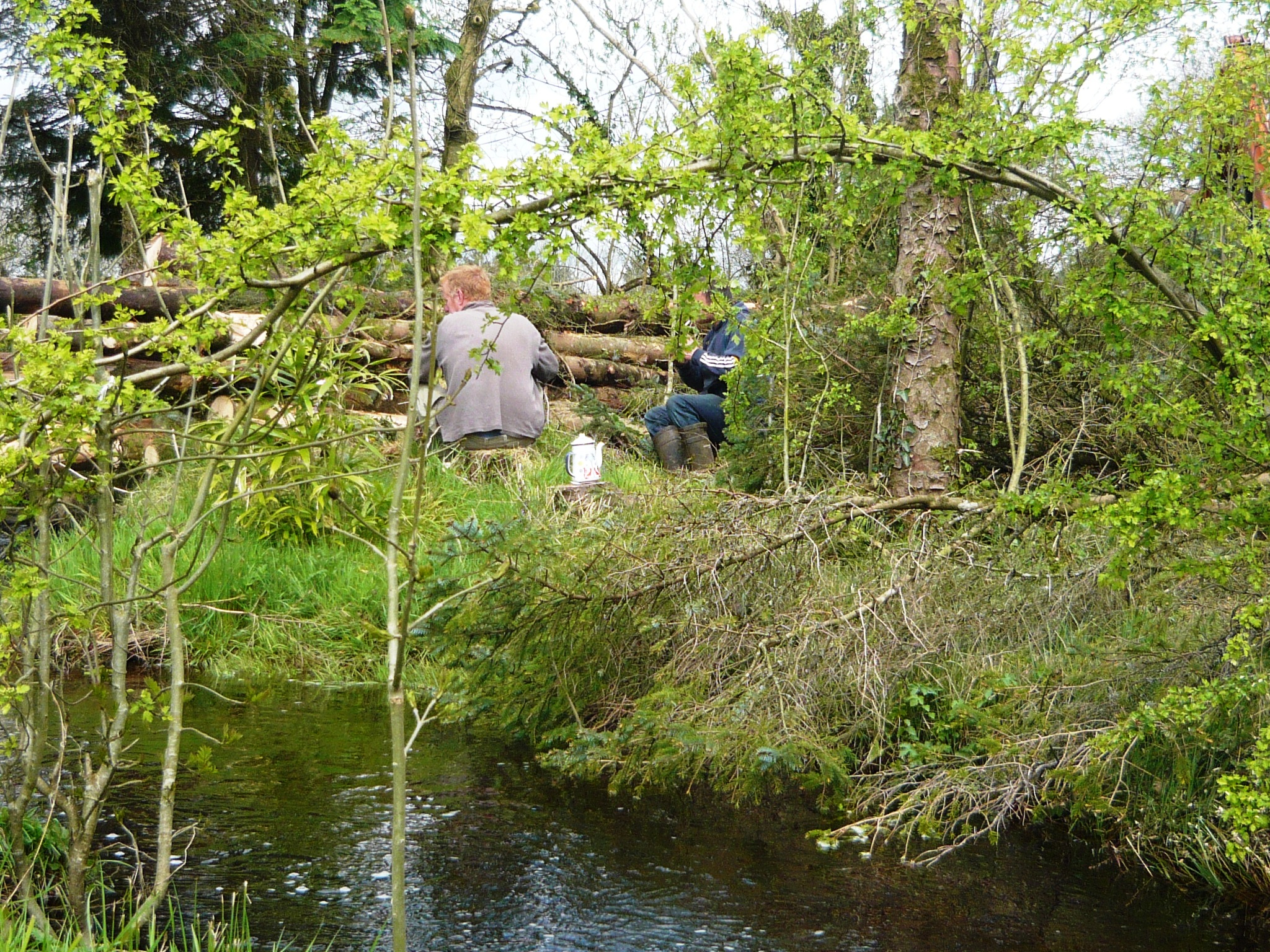
As we have electric cables right next to our woodland we got a friend with a digger to come around and make sure no trees went on the wires or on the road. We had a lot of willow and other tree saplings in the woods and we moved them to a temporary safe location, out of reach of falling logs. Here you can see the two tree fellers hard at work.

 woodland workers

After the felling was complete we were left with a lovely bright space ready to replant with trees, shrubs and ground-covers more beneficial to us. Our whole garden is based on the principals of forest gardening, where all plants have a purpose other than just aesthetics or fashion. They are planted in a way as to mimic young woodland with a canopy, shrub and ground cover layer. Plants are chosen for food production, wildlife, pollination, soil-improvement, firewood, medicinal purposes, basketry materials etc. Did you know that lime, hawthorn and beech trees all have lovely leaves for spring salads? A lot of perennial vegetables are included as they are more reliable, often more nutritious and less susceptible to slug damage.

woodland maple

woodland whitebeam

Waiting to be planted out.

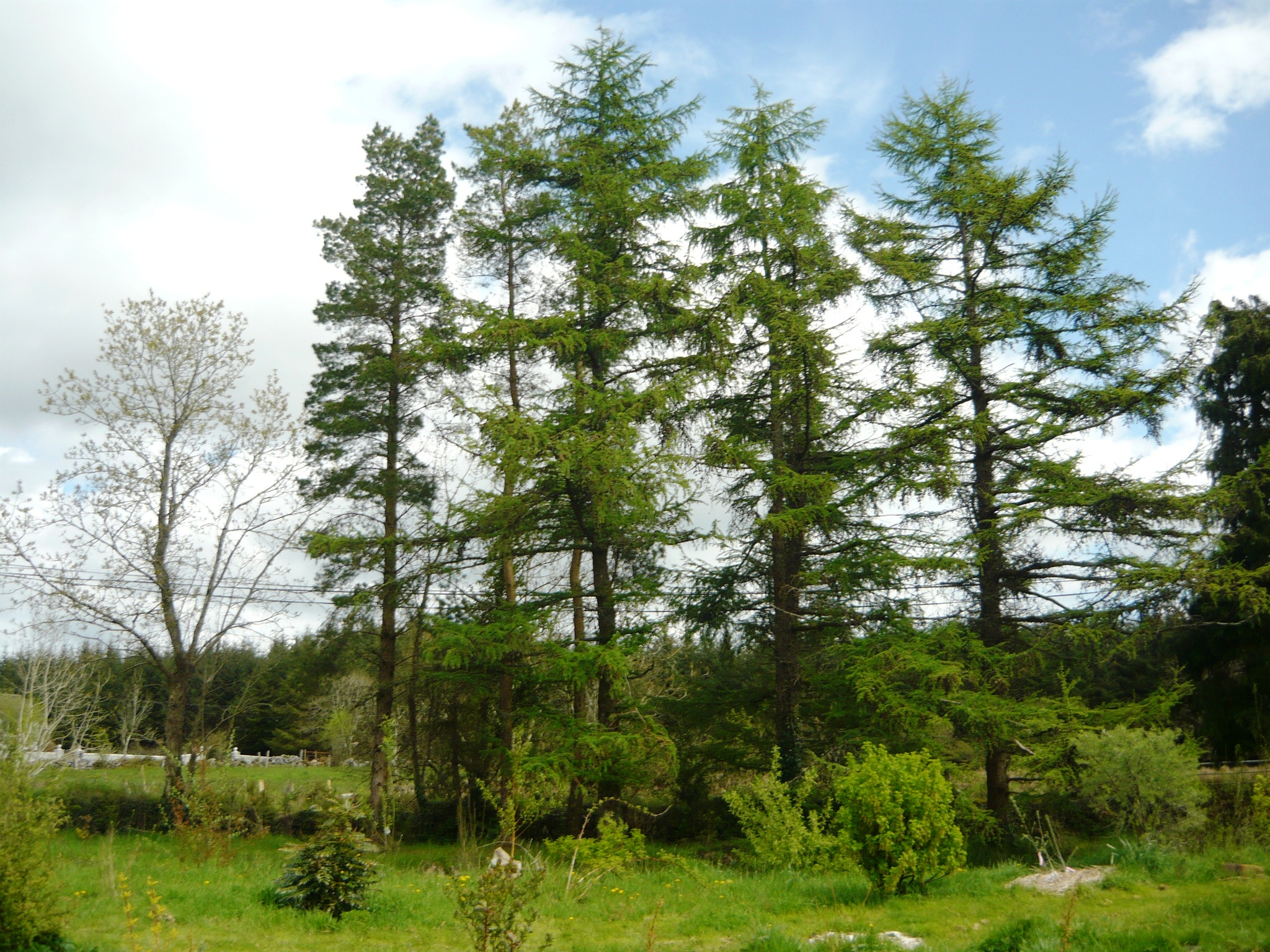
We have kept our beautiful big Scots pine and larch trees as they still have decades of life left in them. We are in the process of adding rowan, lime, beech, oak, willow, hawthorn, maple, birch and hazel trees to the woodland. A lot of these trees will be kept pollarded or coppiced and we will use the off-cuts for fuel, plant-supports and basketry.  We already have some mature ash trees along the boundary.

woodland 026

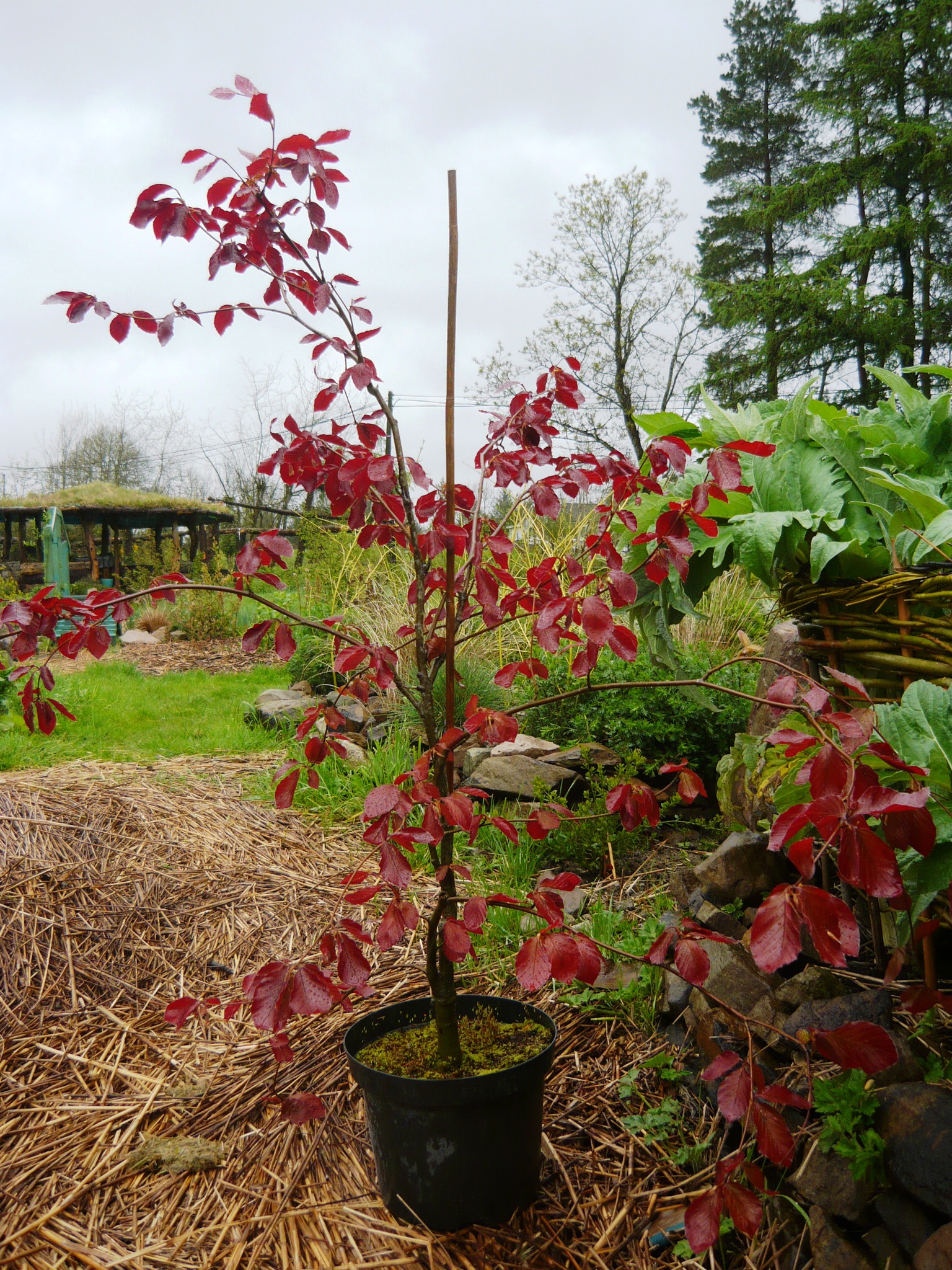
 It was love at first sight when we spotted this copper beech at the tree nursery. It had to be included in our new woodland as well as the stunning purple contorted hazel.

woodland beech

woodland 060

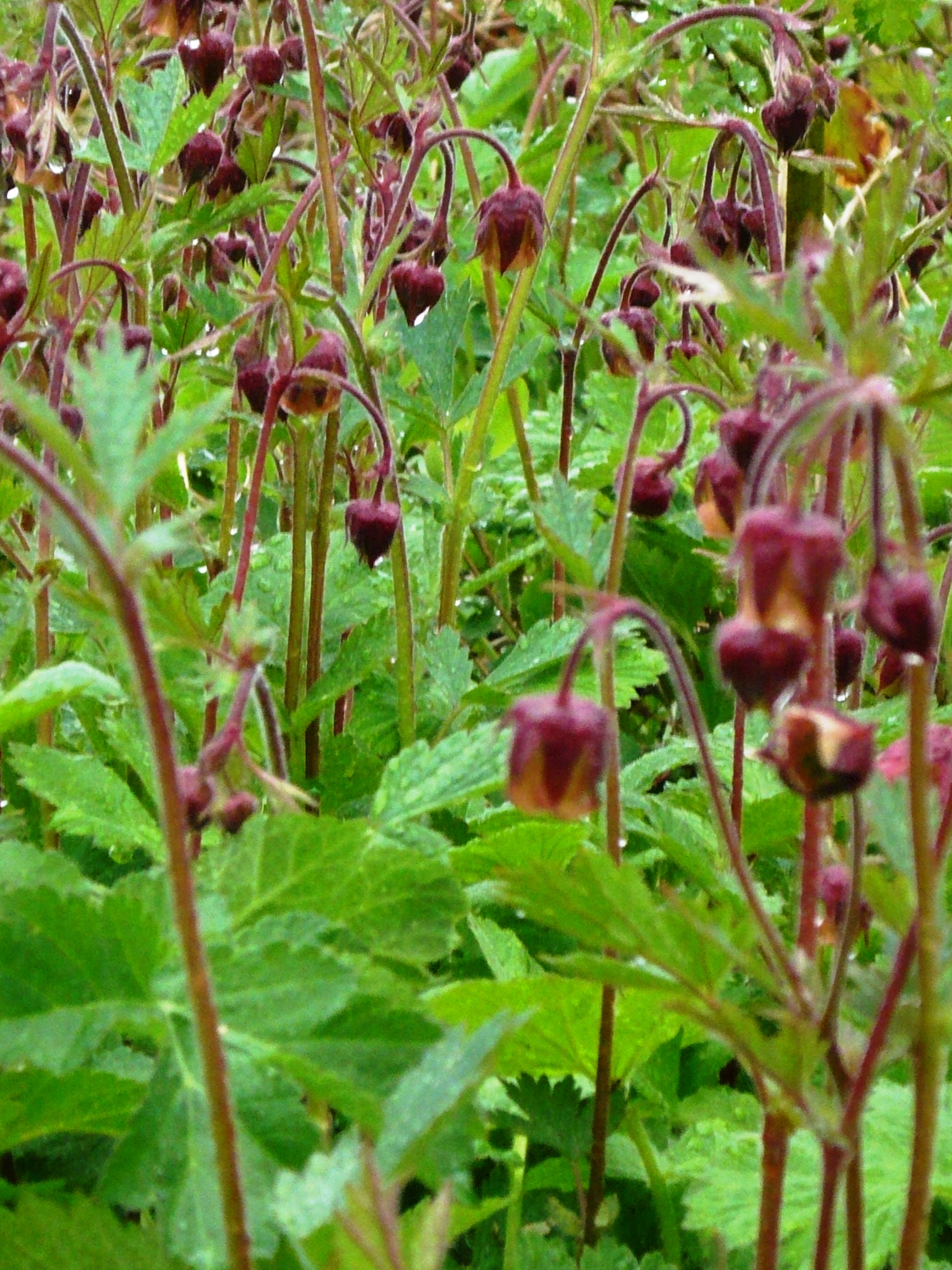
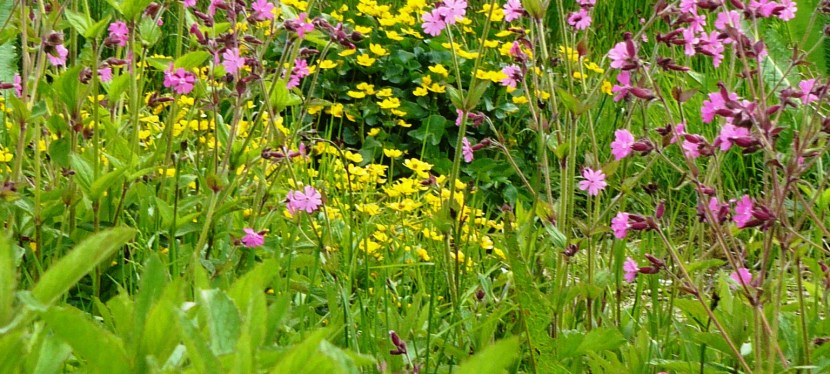
You will have to imagine climbers growing up and across all of these structures. Old fashioned roses, honeysuckle, ivy, virginia creeper and clematis. All of these will bring more wildlife and pollinators into our garden. As the ground is boggy, we will use the brushwood from the felled trees to build it up and some trees will be planted on raised mounds so as to save them from water logging. We will add water loving mints and wait for all of the marsh marigolds, wood angelicas, wood anemones and meadowsweets to come back. We have some beautiful native geums, which the bees just love. In Swedish they go by the name of humleblomster, which translates as bumblebee flower.
woodland 036

woodland 043

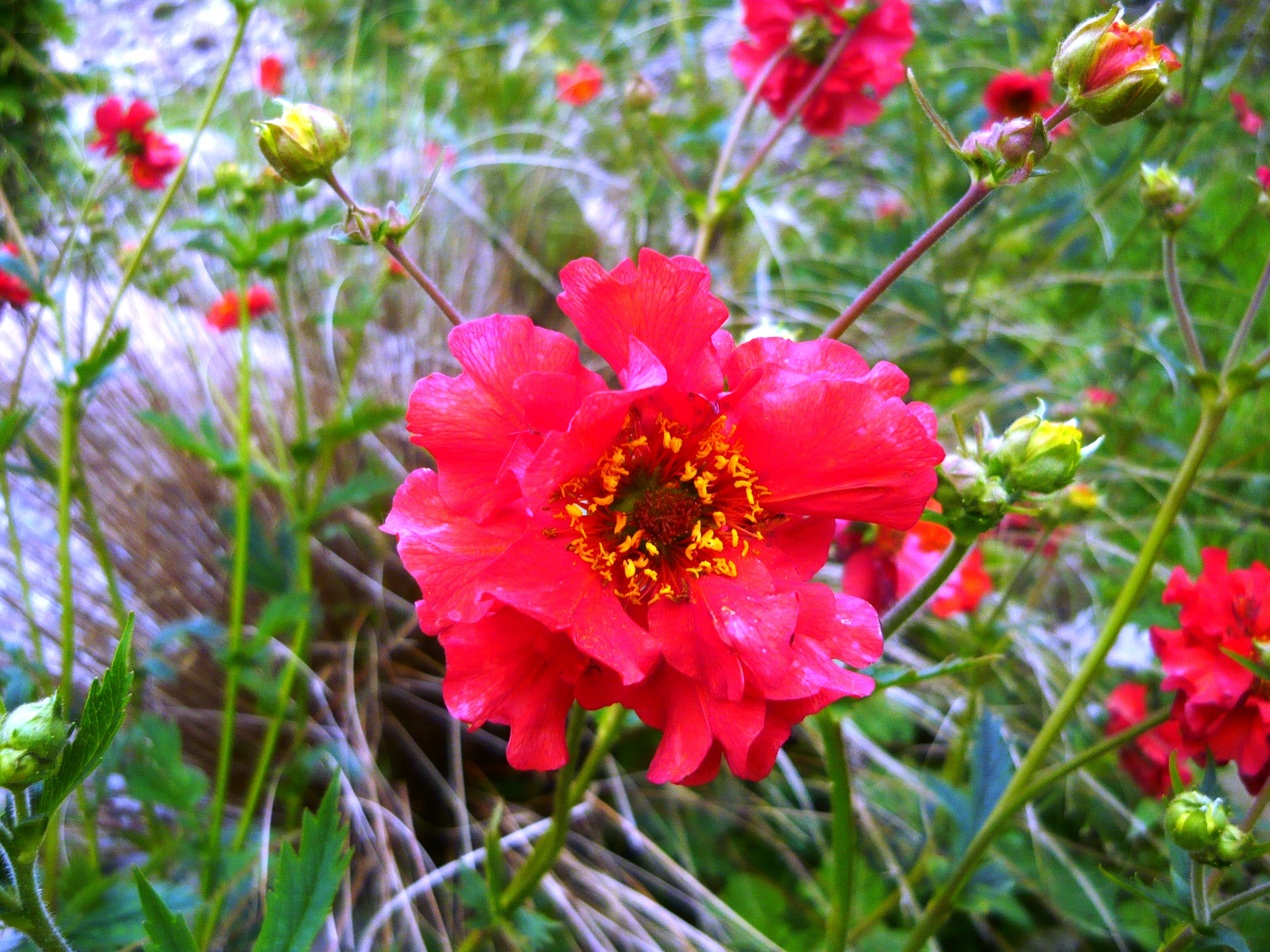
woodland geum

We are very much looking forward to seeing this part of our land transforming from a dark, boring plantation into a beautiful diverse habitat for us and all our visitors to enjoy. People and animals alike. We will show you the progress here over the months and years ahead.

woodland 049

Going around in circles

bathroom 019

The last month has seen some changes to our main garden circle. We have finished the work on the stone mowing strip all around the edge. Last year the grass grew into the stone wall at the front of the raised beds and it is very nice to have gotten rid of that problem. We are now also able to go around the circle with our push mower and cut the grass all the way to the edge without a problem. After the cement under the stones had set we added hypertufa to the cracks and brushed it in to set and kept watering it for four days, three times a day. This prevents the hypertufa from drying out too quickly. Hypertufa is a very versatile material to use in the garden. We make ours out of one part sand, one part cement and one part compost and a generous helping of PVA. The compost makes the dried mixture slightly porous and provides a few nutrients for mosses to grow. It can be used to create sculptures and planting troughs that look very natural after a while due to the moss.

 hypertufa

bathroom and rubarb 021

 North stone

We have also finished the second low fence to support the artichokes and cardoons. We made it out of willow and dogwood for all the woven pieces with Bamboo canes for the uprights. Hopefully it will be high enough to prevent the huge plants from blowing over. They grew to almost three meters last year.

 artichokes

All our plants have grown a lot this month but there is still mostly greenery to be seen and not that many flowers. April has brought a lot of sunny warm days but also some frost and even hailstones.Our weeping birch has beautiful small leaves and the onion sets we planted in March are all growing nicely.The tree peony is about to flower and a lot of annual poppies have germinated from self sown seed last year. It is great to have some self seeding plants such as poppies, forget me not and aquilegias in the flower borders as you are always in for a surprise. We are keeping our dandelions all around the garden and do not try to eradicate them from the lawn as they are very important to the bee population and also nice to eat in salads.

circle

 Here you can see pictures of the circle towards the four points of the compass.

 east

East

south

South

west

West

North

North

We are taking the same pictures once a month to keep a record of the changes throughout the seasons and the years. All the posts containing these photos are collected in the category Elemental circle. As we are nearing the end of the month we are looking forward to the colorful floral explosion that is bound to happen in May. All over the garden there are thousands of buds, just about ready to burst open. We can’t wait to share next months pictures of our circle with you.

Wonderful distractions in spring

 tulip

We are hard at work putting the finishing touches to our complete bathroom renovation. We will soon write a couple of posts here about it so you can see our new mosaics, our living roof and bottle walls. Maybe it was unwise to choose to do this renovation at this time of year as the garden is a constant distraction. It is not easy to toil away for hours attaching tiny tiles to a design or smoothing cement around the bottles in the wall when all the joys of spring are right on our doorstep. When we tore ourselves away from the work for a few precious moments today we managed to spot the first peacock butterfly, the first swallow and the first newt of the year as well as all the beautiful colours, shapes and wonders in the following images.  We are happy to be at the finishing stages of our renovations as we will be able to spend some more time in the garden soon, where even weeding is a happy task at this time of year.

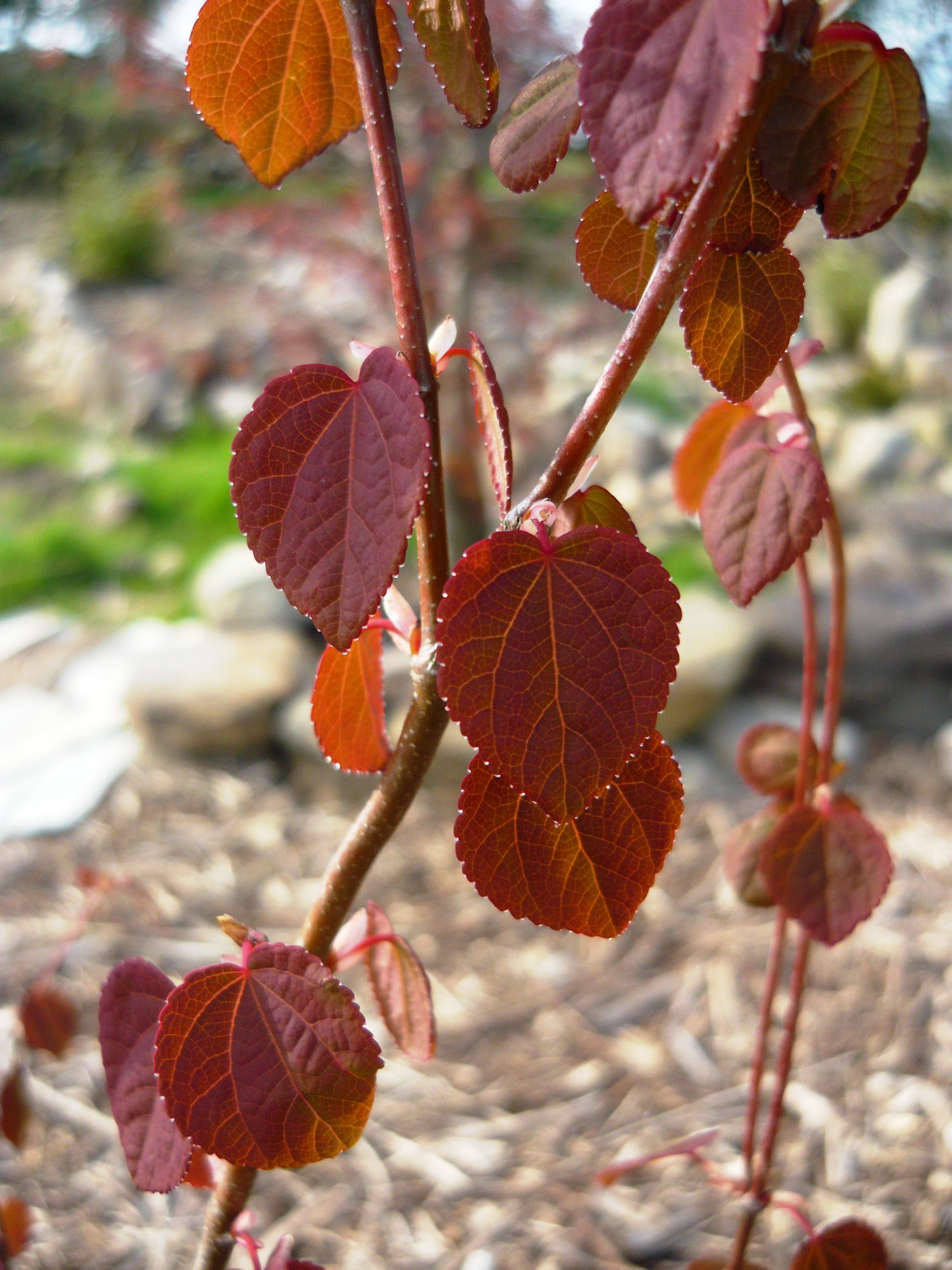
Katsura tree

Katsura tree

Claddagh

Irish primrose Claddagh

Japanese maple

Japanese acer orange dream

Larch

Larch

Pieris

Pieris forest flame

Amelanchier

Amelanchier Canadensis

pulmonaria

Pulmonaria Lungwort

bog garden

Bog garden

broccoli

Purple sprouting broccoli

pear

Pear blossom

berries

Berries to be

For the love of Rhubarb

Timperly early

What plant is more beautiful and versatile than rhubarb? We grow five different varieties in our garden. One of the firsts plants in spring to make an appearance and also one of the first to harvest. We grow several traditional garden rhubarb for eating as well as two varieties often described as ornamental, although they have great medicinal and culinary values as well.

rhubarb bud

Rheum Palmatum, sometimes called Chinese or Turkish rhubarb have been used for millennia to treat a range of conditions and health problems. The name derives from the shape of the leaves, rather like a hand with fingers outstretched. The root is the most powerful part of this plant. The leaves, as all rhubarb leaves are poisonous. Our Palmatums are two years old now and are really starting to settle in. The leaves can grow very big, close to a metre across and the whole plant can grow to around three meters. It is very ornamental and looks great close to our wildlife pond. We put it into slightly boggy ground and built a small mound for each plant and they seem to like those conditions very much. Every year we put on well rotted manure and some straw for mulch. All rhubarbs also benefit from having their cut-off leaves put down around the plant as mulch that slowly rots and nourishes and protects the crown. When we planned our garden we wanted to put in some Gunnera but as one variety of this is liking Irish conditions a bit too well and has become a problem and is very difficult to eradicate, we did not want to risk planting any varieties of this beautiful plant. We did a bit of research and read about Rheum Palmatum and now we could not be happier with our choice. It is a magnificent plant in every way, even more beautiful than the Gunnera.

rheum palmatum

r palmatum

Rheum Australe, Himalayan rhubarb is very pretty with rounded reddish leaves. We only planted ours last year so they are still small. We are looking forward to see how big they will get this year.

australe leaf

rheum australe

Our eating rhubarbs are Timperly early, Victoria and a lovely unknown variety we were given by a friend. We like using our rhubarb for pies, cordials, chutneys and simply stewed.  When harvesting it is important to pull the stems and twist slightly as cutting the stems with a knife leaves a stump that can rot and damage the crown. We love using other flavours to enhance the rhubarb.  For pies and cordials try strawberries as combined with the rhubarb it is simply delicious. The cordial, especially turns out lovely like this and is a good alternative to most shop-bought versions, full of additives and artificial sweeteners.  For stewing, jam and chutney try grated fresh ginger for a nice zing. Vanilla and almond also work well. Try making a sponge cake with vanilla and scatter it with chopped rhubarb and slivered almonds before baking.

stalks

rhubarb and pond

green leaf

Other good uses for rhubarb are as shady hiding places for all our frogs and toads and for making leaf concrete casts. We will give it a go in the summer when the leaves are nice and big. Rhubarb is such a beautiful and useful plant. We think every garden should have at least one.

bud red

pond rhubarb

As plants and slugs emerge.

cake and slugs 076

Our garden plants are slowly waking up after the long winter and unfortunately, so are the slugs. We do not wish to use any chemicals in our garden and as every gardener knows this can be a challenge when it comes to dealing with slugs. We have created two wildlife ponds and now we have a lot of frogs and newts in the garden and they thankfully eat a lot of slugs.

 cake and slugs 099

Another strategy we have found very satisfying are putting out thin slices of slightly overripe melon around the garden. The slugs cannot resist this and gladly abandon our small seedlings to feast on the melon. We then come along with a scissors and cut them in half. This might seem cruel but at least the slugs die instantly and do not suffer as they would if slug-pellets or salt were used on them. We have a huge number of slugs in the garden, and last spring we cut between 300 to 700 slugs every night and if we had not done that we would have had very few flowers and vegetables left. As our wildlife population has increased a lot over the year we hope it will be a better balance in the garden this year with more slug predators present.
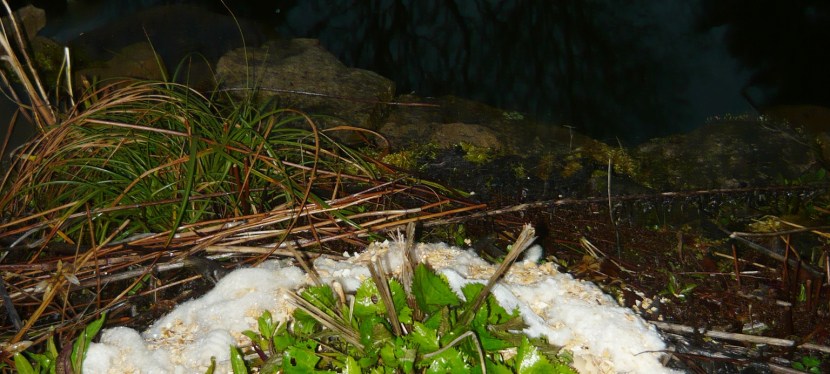
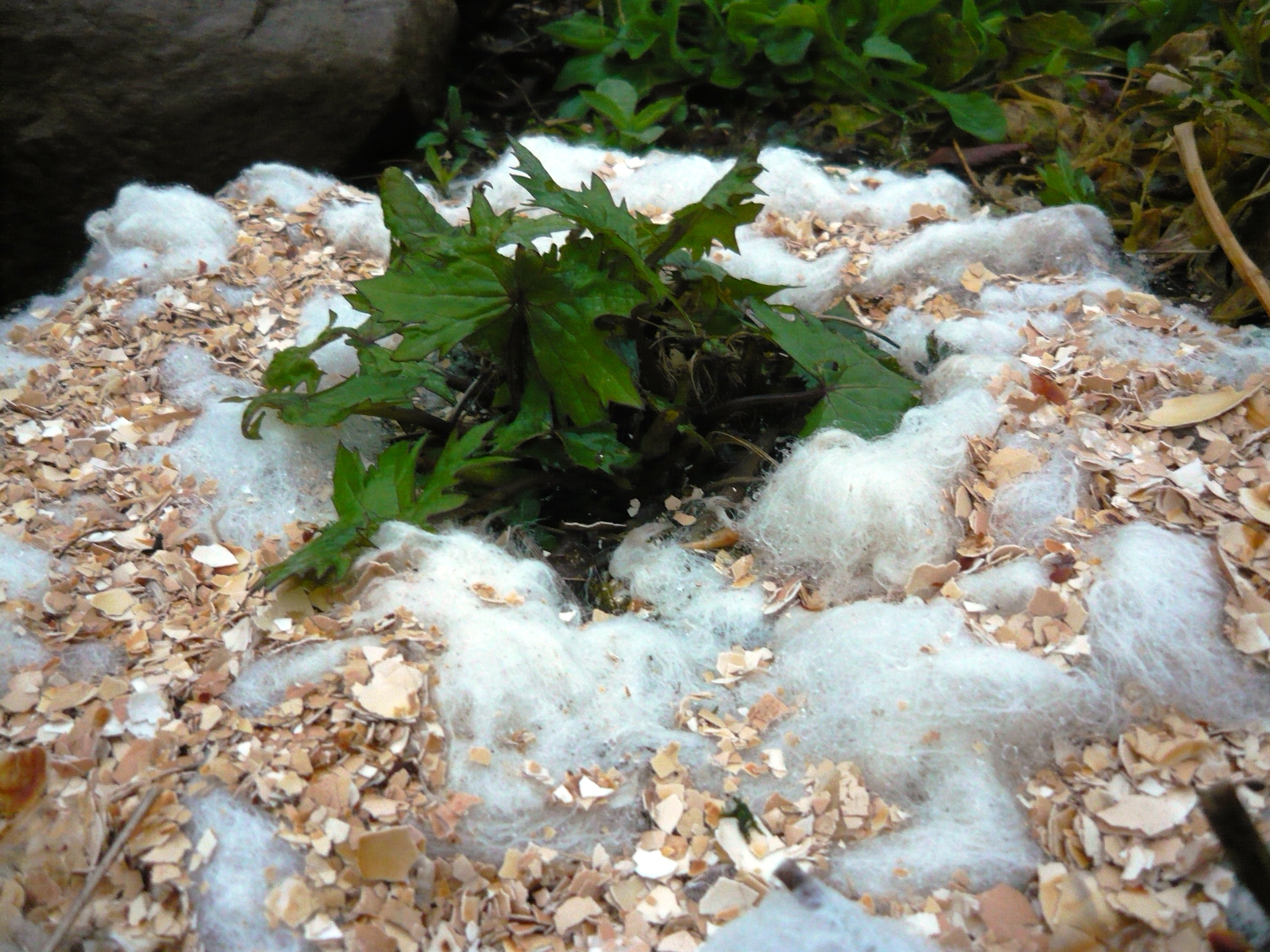
Our Ligularias seem to be a firm favourite and last year they did not grow very well due to massive slug damage in the spring. We have done some research over winter and have now come up with a very satisfying solution to this problem. We use a combination of sheep’s wool and crushed eggshells. The sheep’s wool we use straight from the sheep and it has not been washed. We save all our eggshells in a dish on the kitchen counter. When it is full we roast them in the oven until they start to smell a bit burnt. We then crush them up finely and keep them in a big bucket in the shed.  Last year we used them around plants but the results were disappointing and a lot of slugs seemed to get across them. But this year we are very happy with the results. The combination of fluffed up sheep’s wool weighted down by a layer of eggshells has now been applied for a few weeks and the plants have suffered no damage at all in this period. As a bonus the wool will rot down over the year and fertilise the plant. We are planning to use this on our Hostas as well as any other plant that might come under attack. It is a very cheap and wildlife friendly way to deal with the slugs.

 ligularia

Ligularia desdemona

Ligularia pond

Spring is truly on its way here in the West of Ireland and we would like to share a few pictures here of our signs of spring along with a very welcome guest…

Forsythia

Forsythia

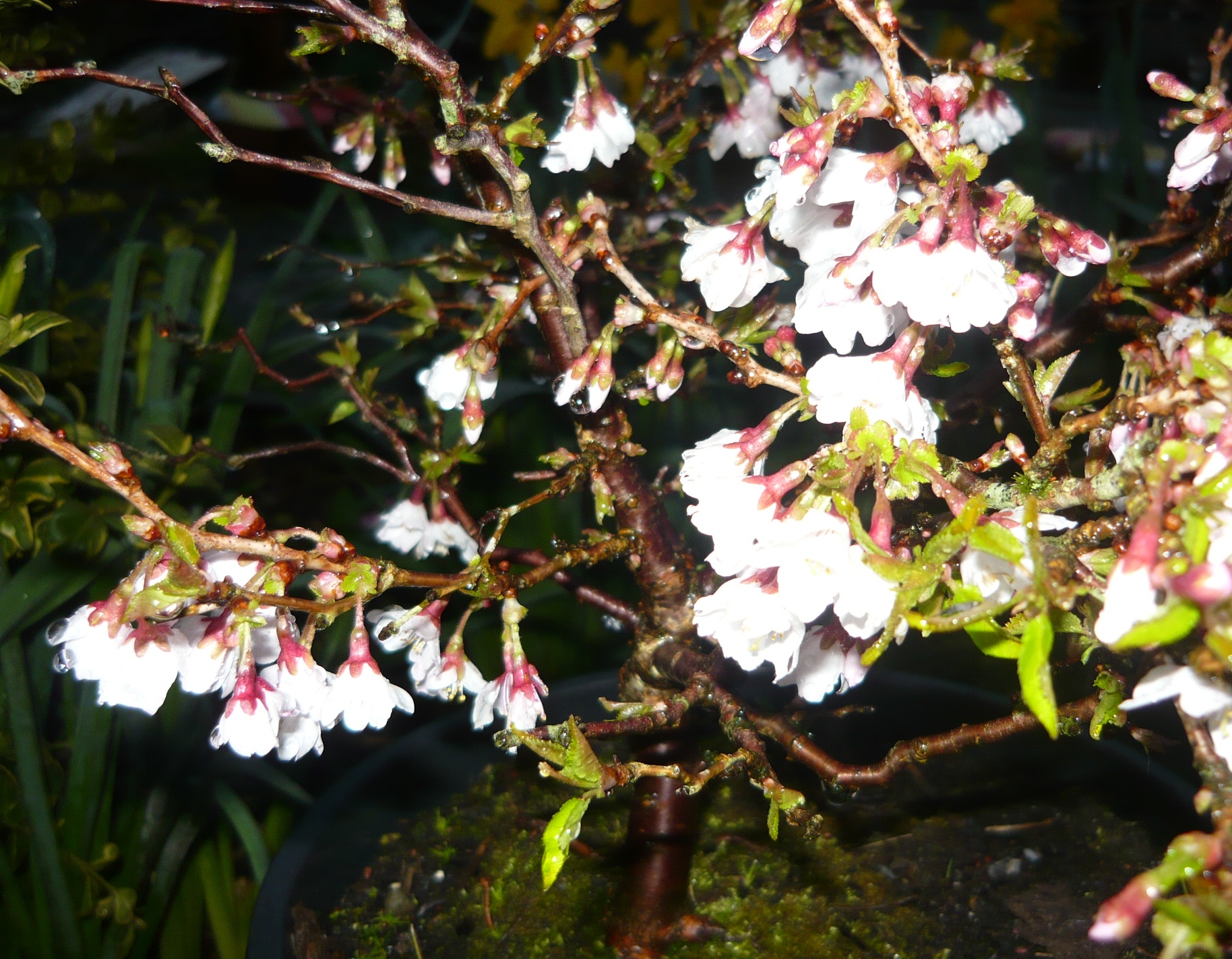
Cherry blossom

Cherry blossom

Hellebore

Hellebore

Daffodils

Daffodils

purple broccoli

Purple sprouting broccoli

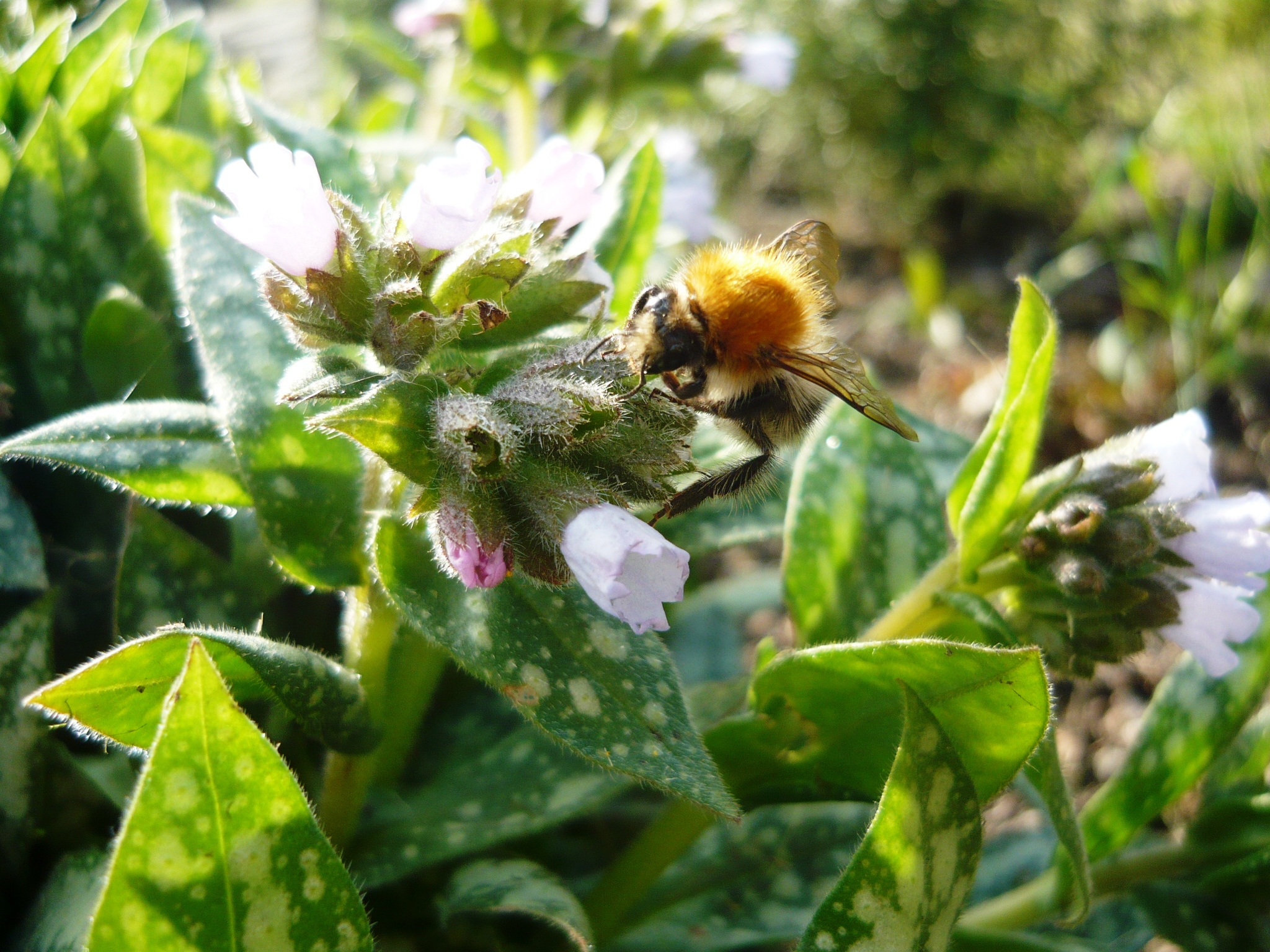
Bumblebee

And last but not least, our first bumblebee of the year.