Unusual fruiting trees and shrubs.

fruit trees 009

We are working towards being more self-sufficient. We would like to get to the stage where we can get most of our food from the garden. We are growing a lot of common fruit trees and shrubs. But by reading books about forest gardening we also got inspired to plant some less common varieties. Most of our trees were planted as bare root specimens, less than four years ago. They were very small whips when we put them in but because we added a lot of well rotted manure to the planting holes and have been mulching around them since, they have grown into lovely trees, starting to bear fruit.  In our times of changing climates and unpredictable weather it is good to grow as many different plants as possible for a diverse and resilient garden.
Read more

A berry nice month.

berries 009

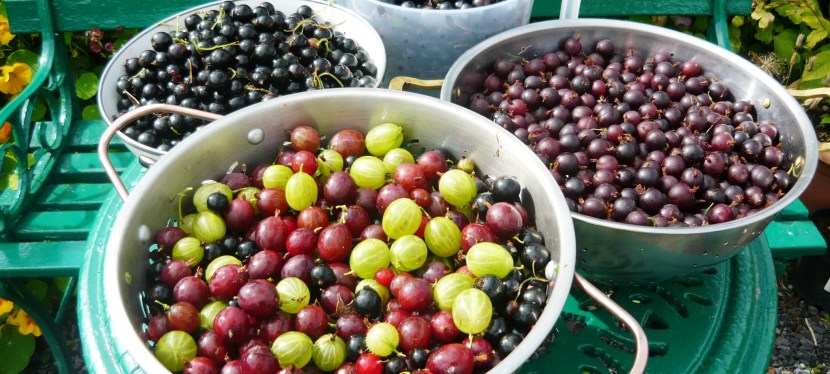
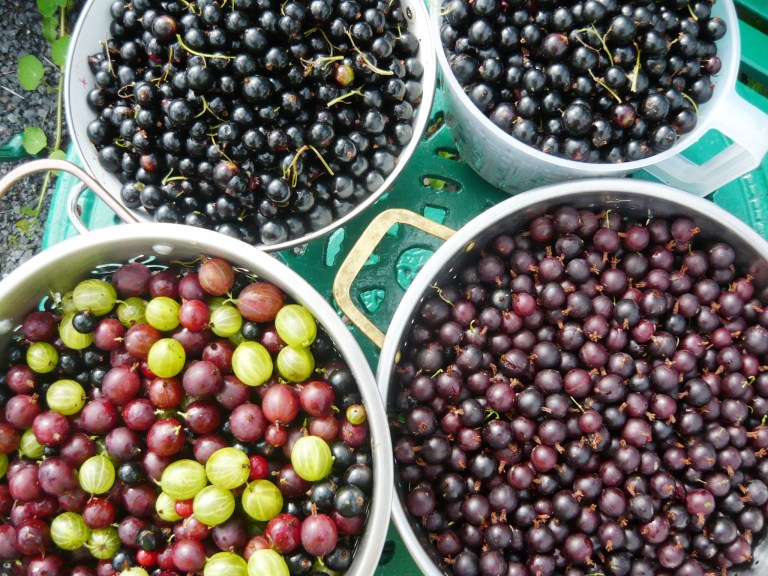
We are almost a week into August and it is time to sum up a very fruitful month in the garden. July brought quite a lot of rain but also some sunshine and our berries thrived. Ripening this past month were blackcurrants, redcurrants, gooseberries, worcesterberries and a cross called jostaberries.

Read more

A long awaited gathering.

drum 030

A couple of days ago we had the privilege and joy to share our home and garden with some long anticipated visitors. Josie is a member of our family that is 17 years old and autistic. For about five years she has been attending an outreach service where she spends time with other young people with additional needs. Together they cook, go to the cinema, go horseback riding and do many other things. Last year a few of the girls from outreach came to visit us for a picnic down by our stream, in the gazebo. Unfortunately it was raining and we could not walk around the garden as much as we wished but it was still a lovely afternoon.

Read more

How to double your raspberry harvest.

raspberries 017

We would like to tell you about an easy way to increase your raspberry harvest for the year. We grow autumn raspberries in the garden and the usual advice is to cut down all stems to the ground after fruiting in late autumn and let the new stems grow up in spring to fruit again the following autumn. We wanted to try a slightly different approach after reading James Wong’s excellent book “Grow for flavour”. It is a book we can highly recommend because of it’s wonderful advise on growing a whole range of crops in ways that increase flavour and nutritional values.We cut down the canes from last year but only where they were crossing or were growing too close together. We should probably have done this in autumn but as quite a few jobs around the garden, we did not get around to it until early spring. The remaining canes we topped by about one third.

Read more

A lick of paint in June.

june 023

Because half of our family comes from Sweden, we decided to add some decorative touches to our porch. In Sweden many old houses have what is known as “snickarglädje”. You could translate it into the Carpenter’s delight. It is seen around windows, porches and doors on many old houses. We choose a simple variation with a wavy edge created with the jigsaw and drilled big round holes. It was very easy to make from some rough sawn 4” by 1” planks. Many buildings in Sweden and other Nordic countries have much more elaborate designs.

Read more

Walls and floor.

Following on from this earlier post about the groundwork, here comes a post about the foundation and main wood frame construction on our reciprocal roofed roundhouse. We put down a layer of builders sand all over the floor area and raked it out until it was even. On top of this we placed a waterproof membrane. At the eight posts we added extra pieces of membrane between the concrete foundations and the posts.

Read more

Wildlife watch in May.


Conservatory 066

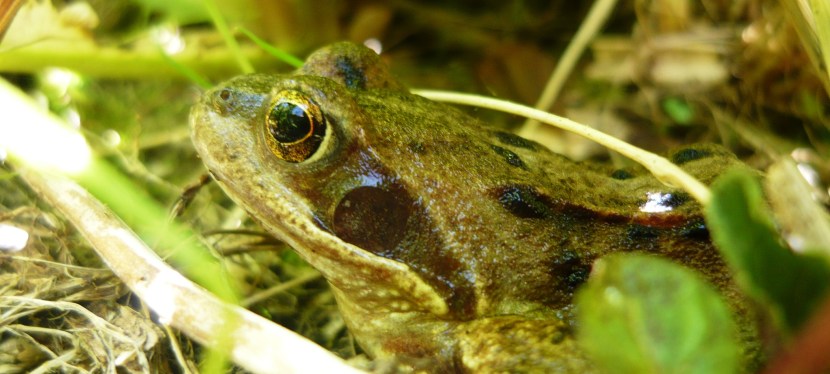
We are entering our fourth summer season on our land and it is fascinating to see how a balance is starting to form with all the plants, fungi, microorganisms and animals working together. The first couple of years we had thousands and thousands of slugs but now our newt and frog population has grown so much, the slugs are much less in numbers.

Read more

Stones mainly.

Over the last three years we have dug hundreds of planting holes on our land. More often than not you find a stone while digging, or two stones or ten. Since we have this bountiful, beautiful, local resource we decided to incorporate it into our conservatory build. We have had our minds set on creating an indoor garden space since we first moved in and now that most of our planting is done, our extension is built and our house somewhat renovated it was time to put those plans into action.

Read more