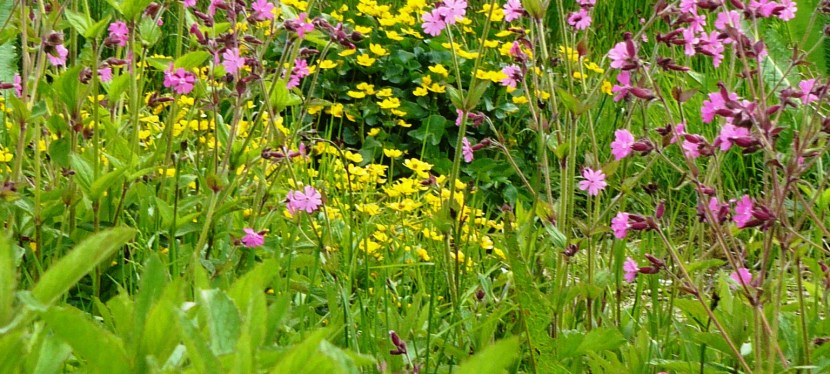
A pattern emerges.

mosaic star floor

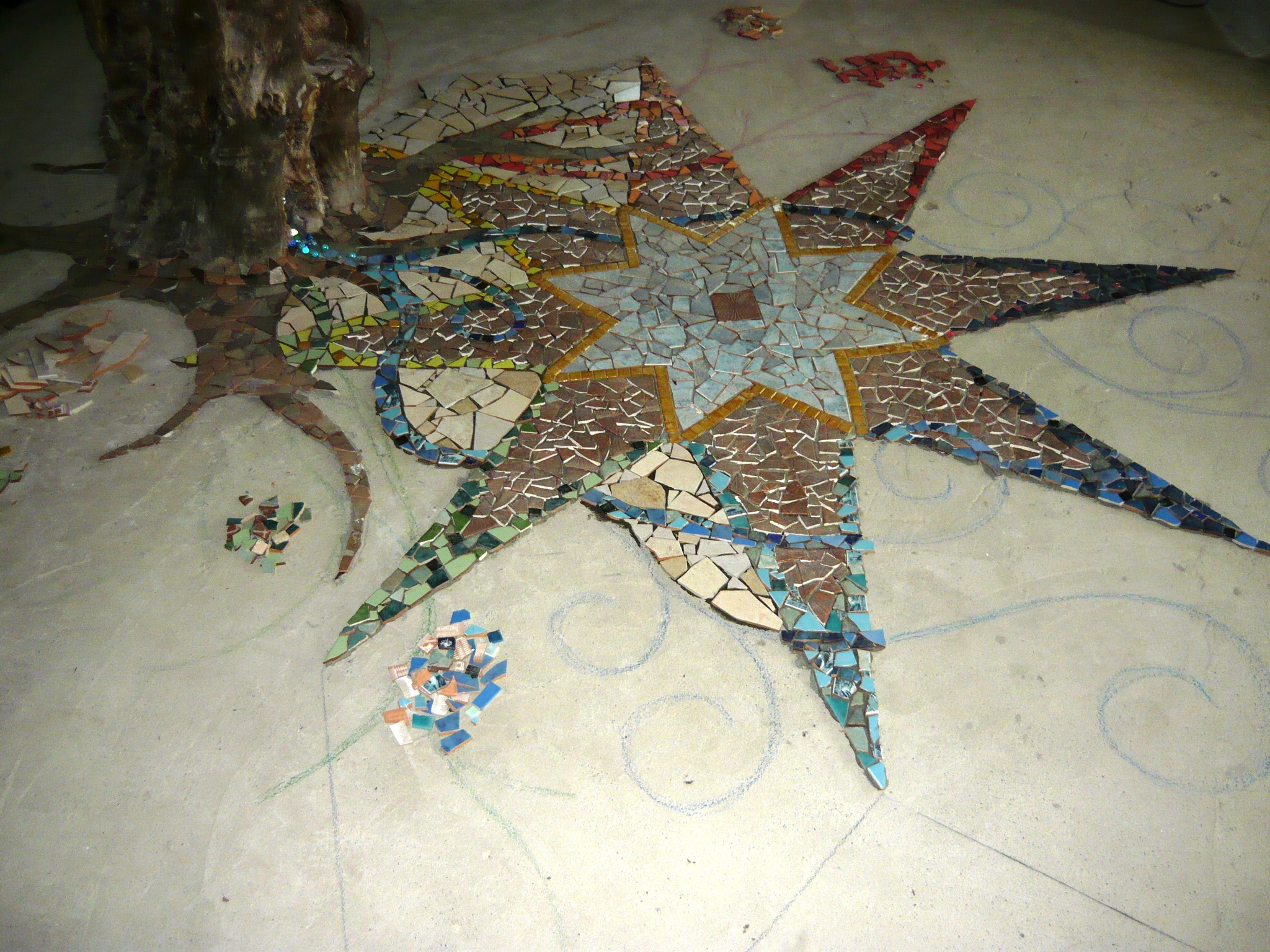
We are very excited to finally start our big floor mosaic. As you can see we are staying quite close to our original plan but as always when you work on a project like this, ideas for changes come as you are working. We decided to give the points of the second star different colours to strengthen the connection with the elements, yellow for east and air, red for south and fire, blue for west and water and green for north and earth. We added all our tree roots and made the tiles go slightly onto the trunk in layers to really incorporate the tree into the floor. No one will walk right next to the tree so it is alright to have the floor slightly uneven and built up for a few centimetres around the trunk. This is the most exciting mosaic project we have done so far and now, three days in, we just want to go on working to see how it will all turn out.

Read more

Fun with rhubarb and willow.

rhubarb casts

In the last week we have been hard at work on our extension but we have managed to fit in a couple of gardening projects as well.

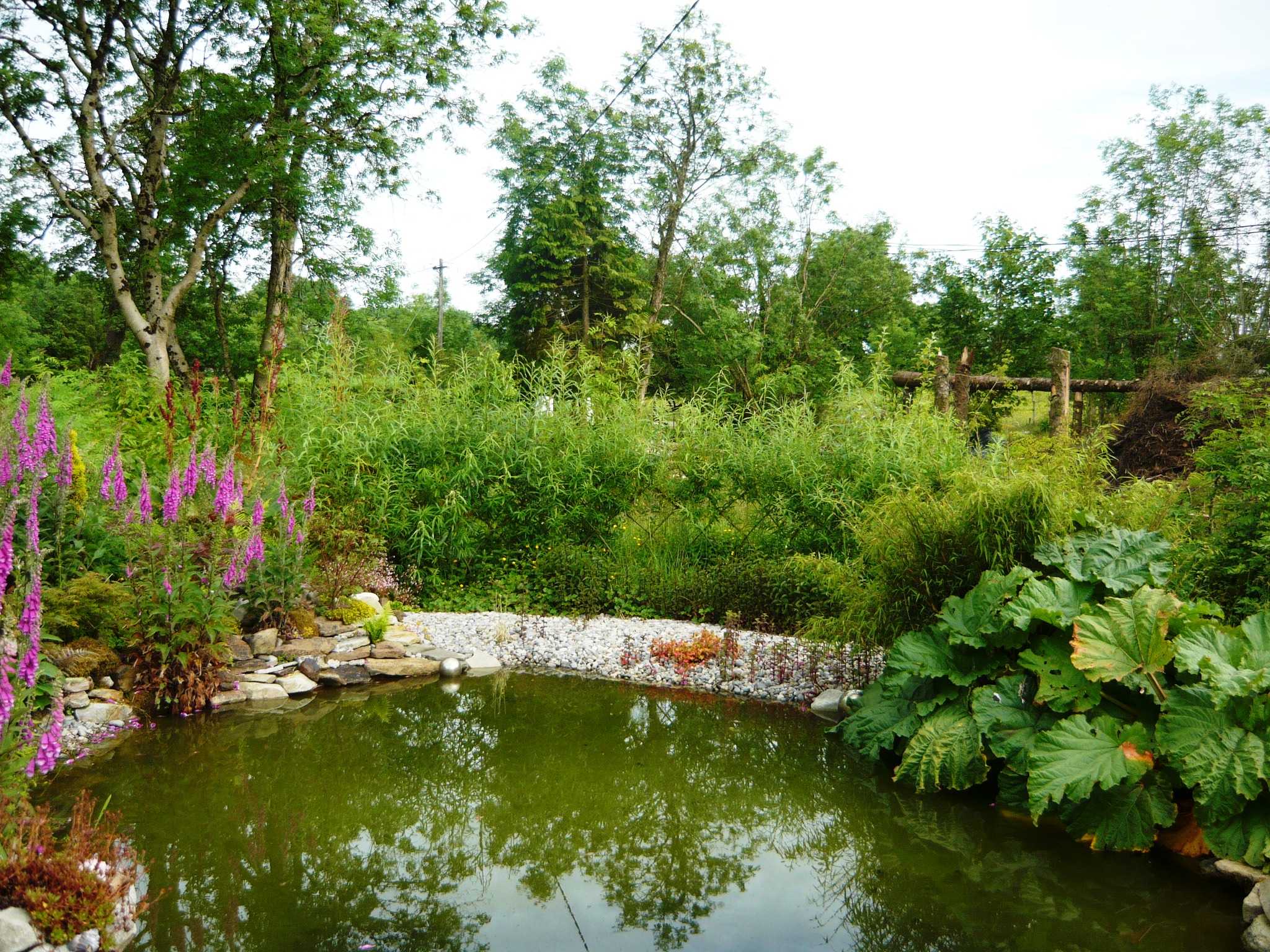
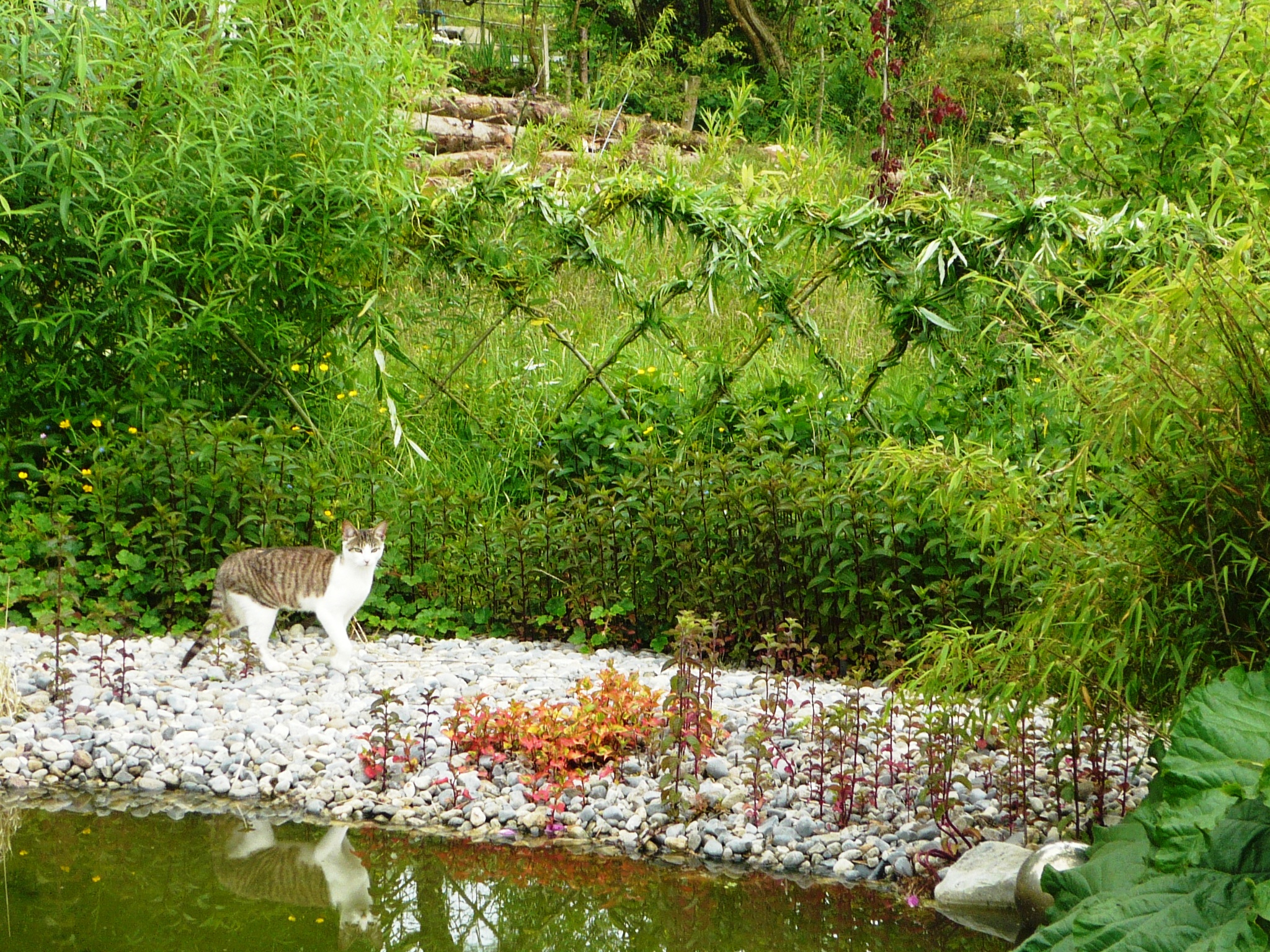
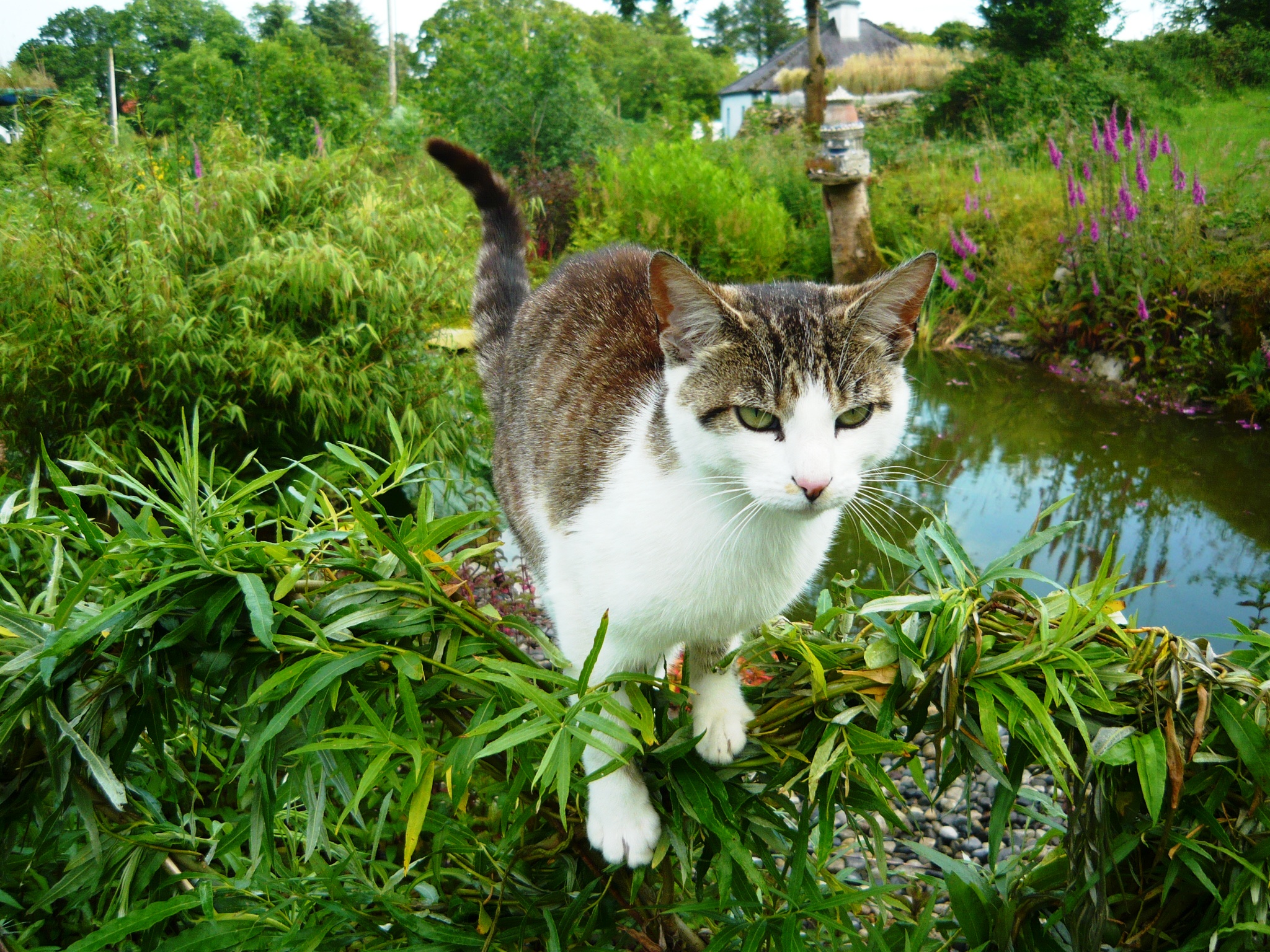
Our  living willow fence by the pond is just over a year old now and had grown a lot of strong upright shoots that needed weaving in. It only took one of us about an hour to do this and we are very happy with the result. Every year it will grow thicker and stronger but it is already strong enough for the cat to walk along!

rhubarb casts 012

fence and cat

rhubarb casts 032

fence with cat

We saw some rhubarb leaf casts at a friend’s place in Sweden recently and wanted to try making our own and use them as bird baths. We used eco-cement, water and sand for our mix and added a little water-proofer to make water tight birdbaths.

rhubarb casts

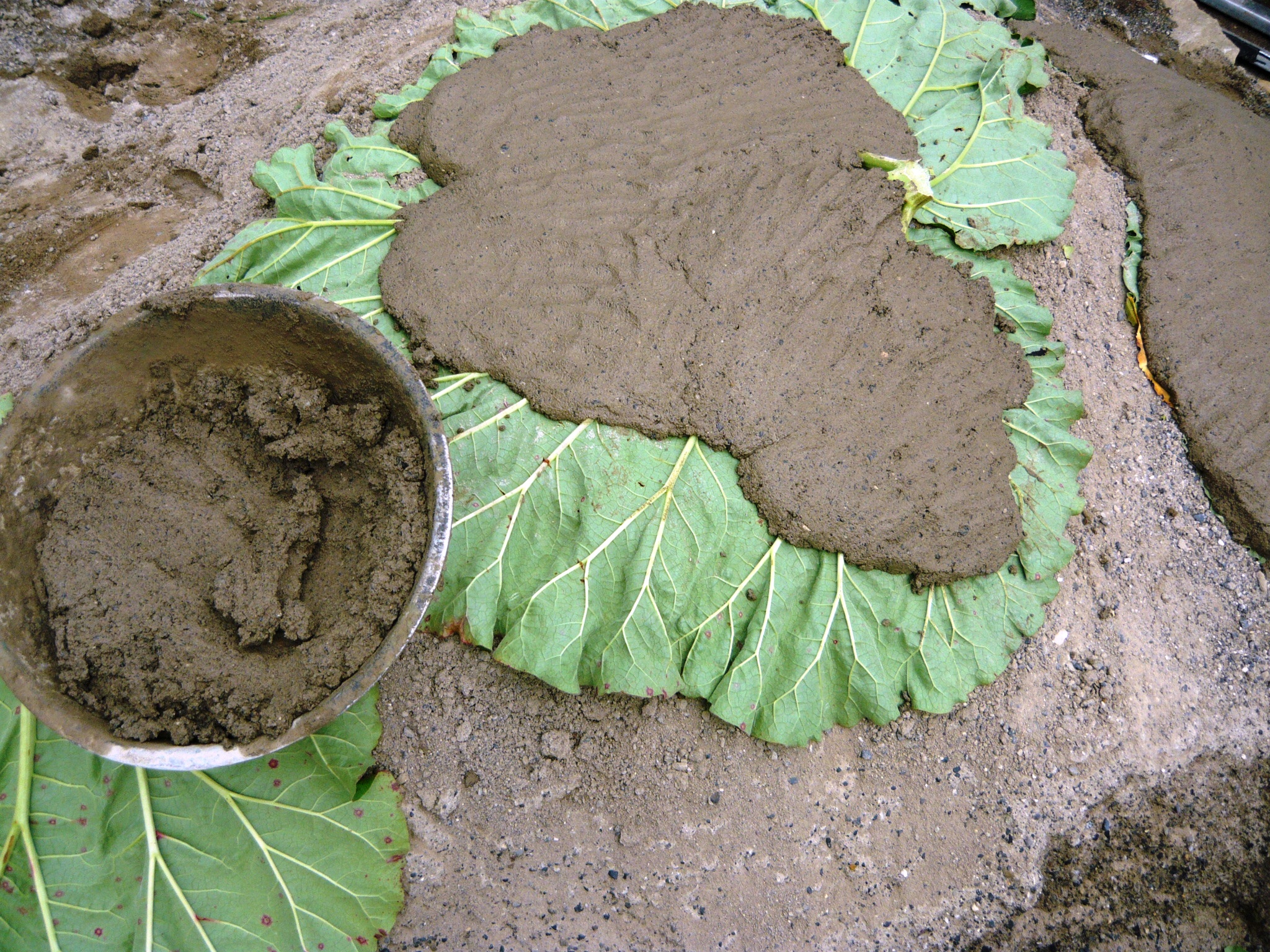
We placed the leaves top side down on our sand pile and built up the sand underneath to get a good rounded shape. We put the mortar on about 4 cm thick all across the leaf and added a little more on the biggest leaf veins to make them stronger. You might want to add some chicken wire as reinforcement but we did not have any handy and it worked out very well anyway.

rhubarb casts leaves

rhubarb casts

rhubarb casts

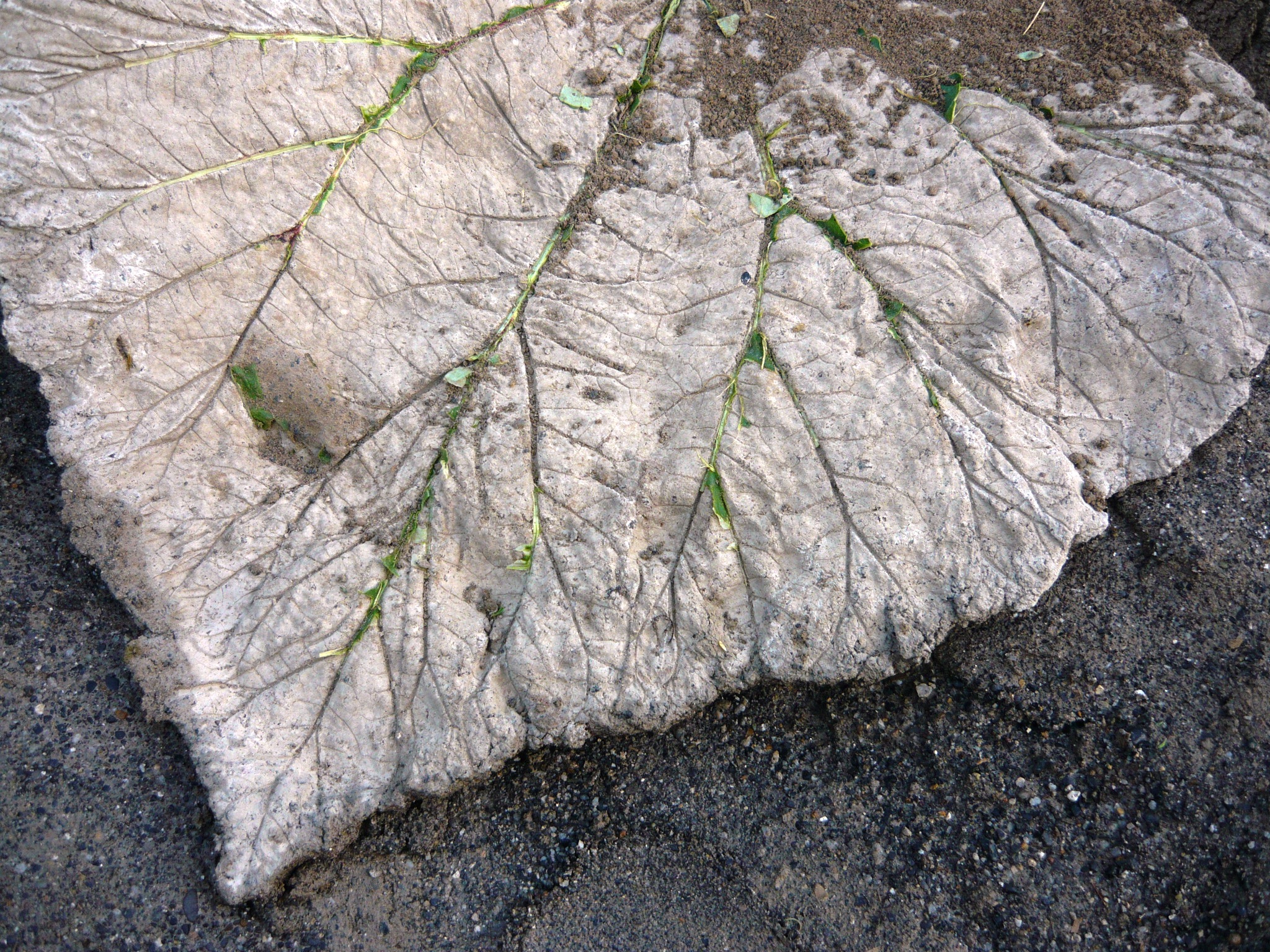
We watered them every day for three days and kept them under a plastic sheet to prevent them drying out too quickly and tonight it was finally time to turn them over and pull the leaves off. Some of the veins stuck a bit as the mortar has set around them but in a few days they will rot away and reveal the whole beautiful veined cast. Cement is not a very eco-friendly material but if you consider the small amount needed for this project and the beautiful and practical results it is not too bad. We made three casts that we will place in different parts of the garden for the birds and insects to enjoy.

rhubarb casts

rhubarb casts

Flowers in June.

circle june 057

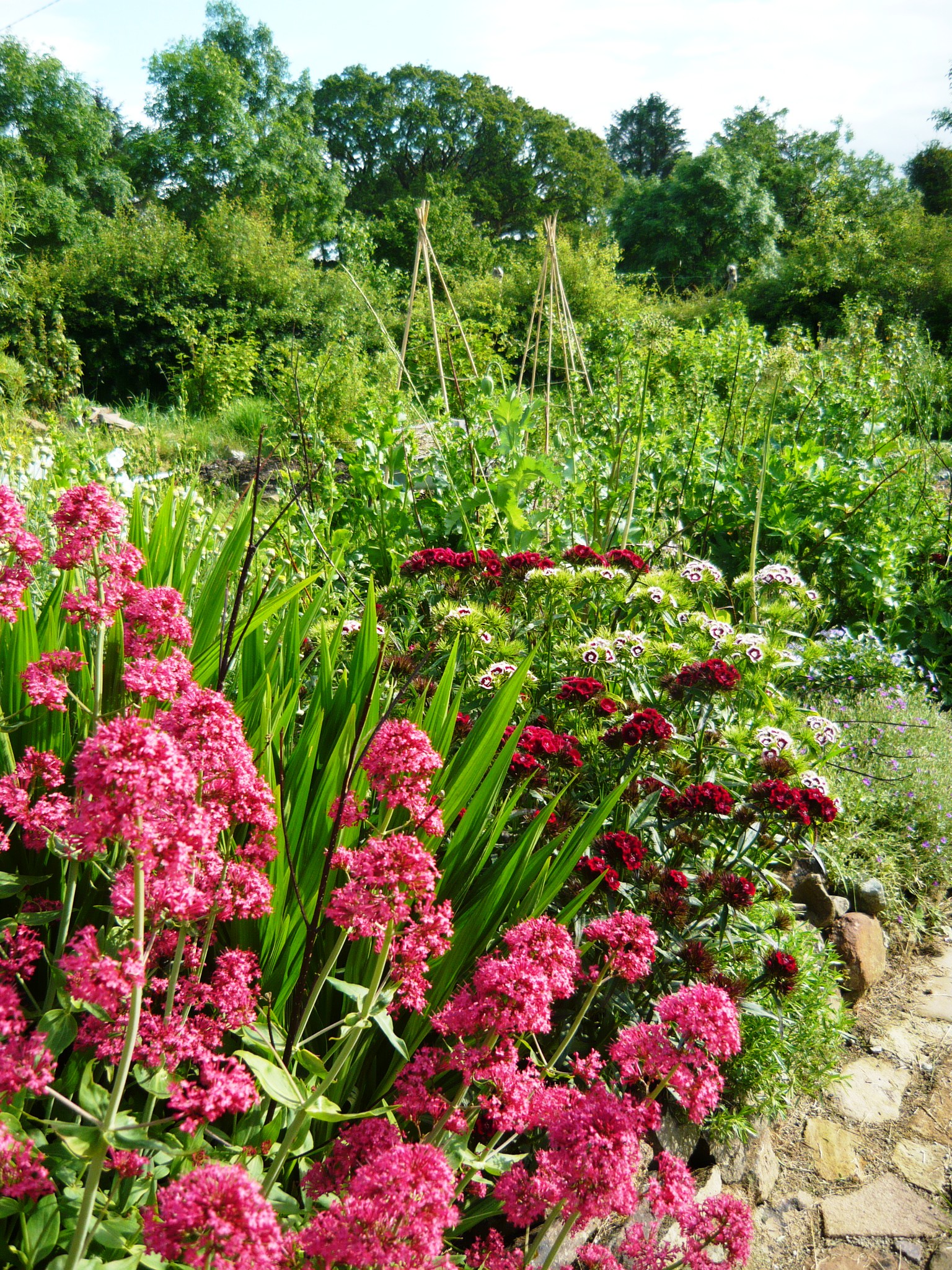
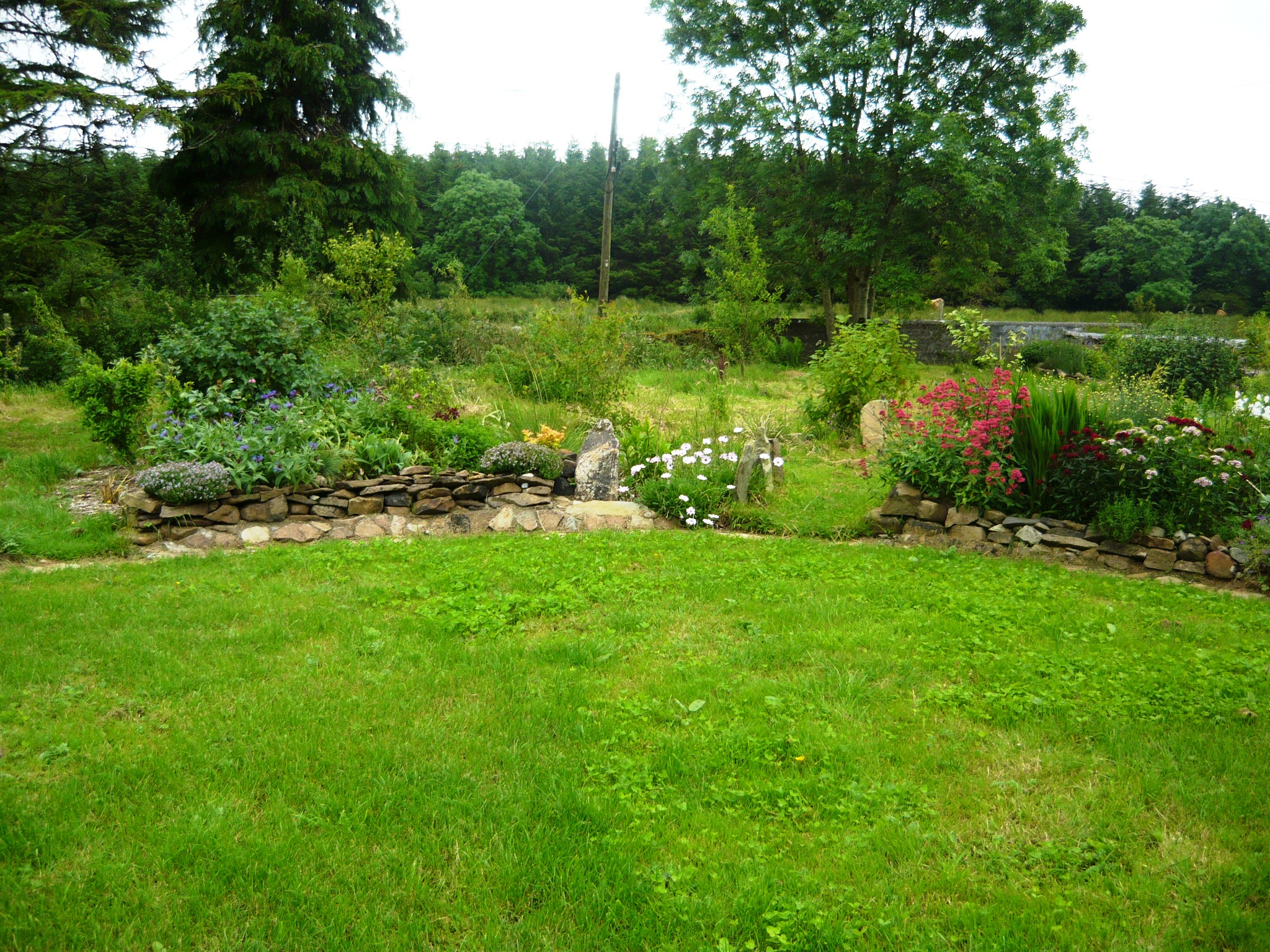
We have come to the end of June and it is time to sum up this glorious month in a few words and pictures. The nice warm weather has brought out some lovely shades of pink, blue, red, purple and yellow all over the garden. Not forgetting to mention green. Growth has been strong in the raised borders around our circle.

circle june red valerian

circle june 053

circle june green

circle june east

East

circle june 004

South

circle june 003

West

circle june north

North

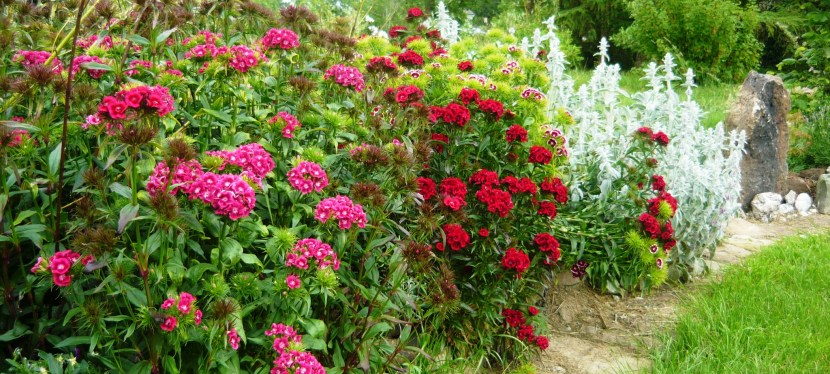
The sweet Williams we sowed last year have overwintered and really show their colours this month. We particularly like this variegated one where the flowers start off pink and fade to white.

circle june sweet william

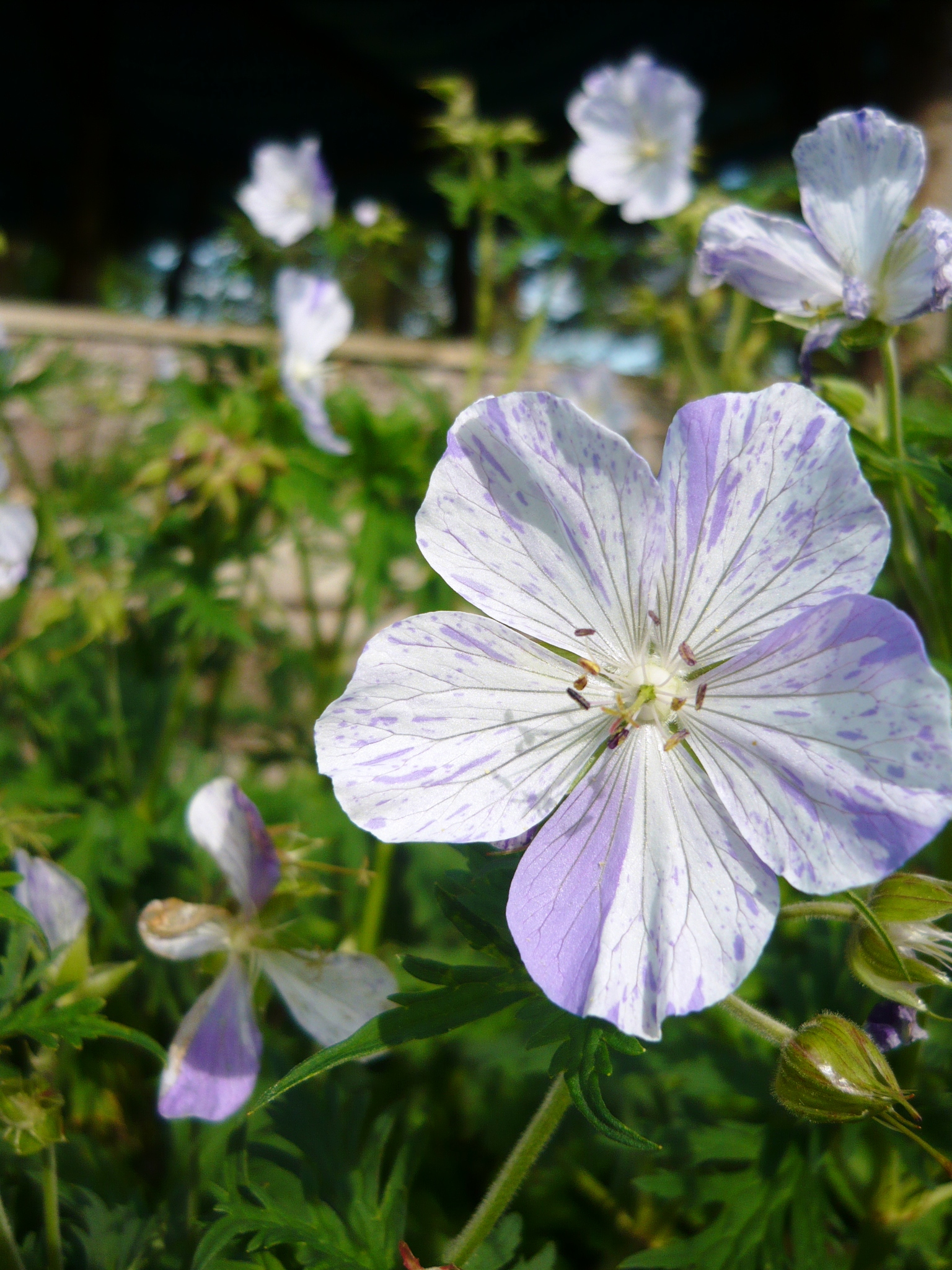
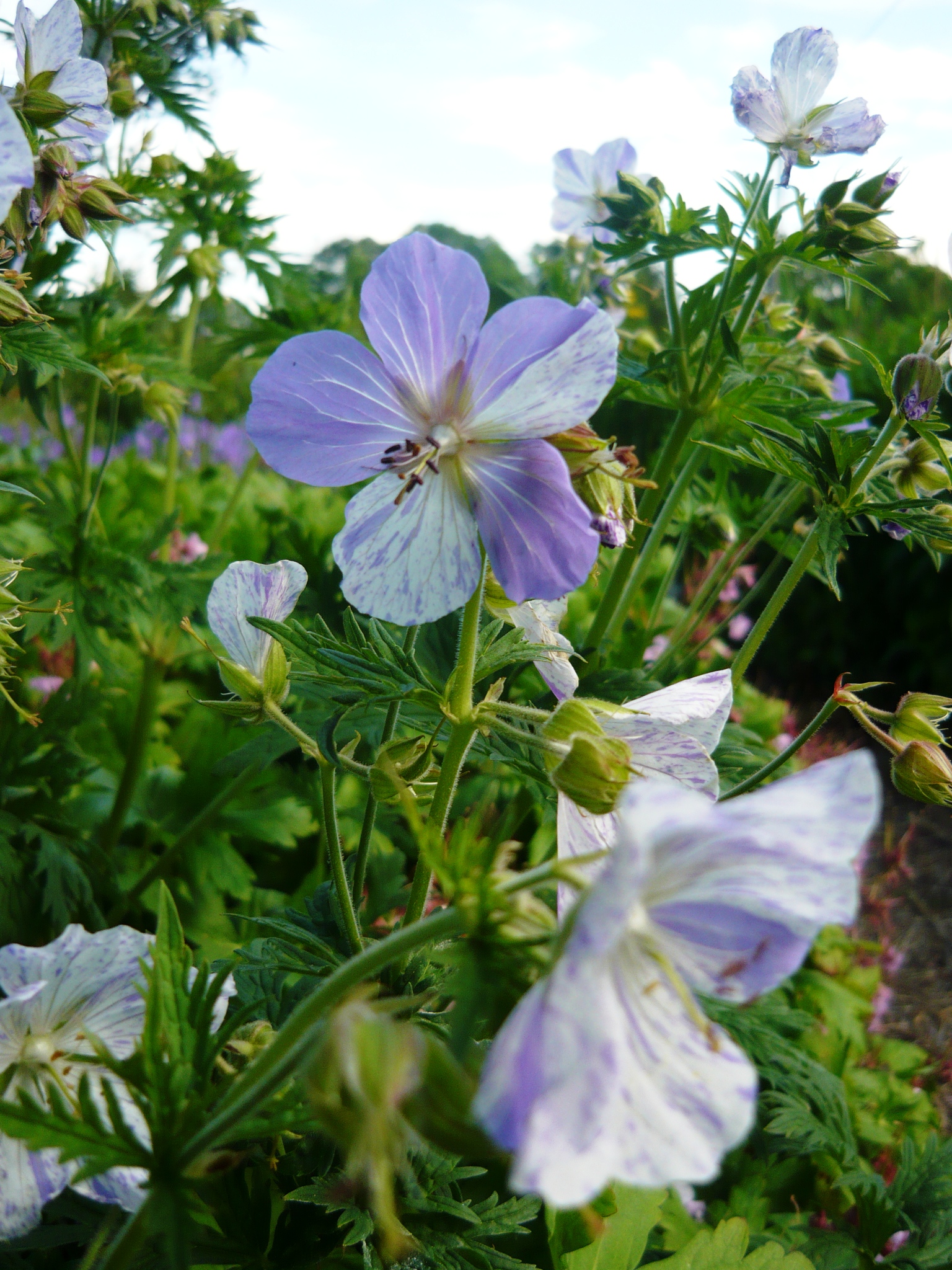
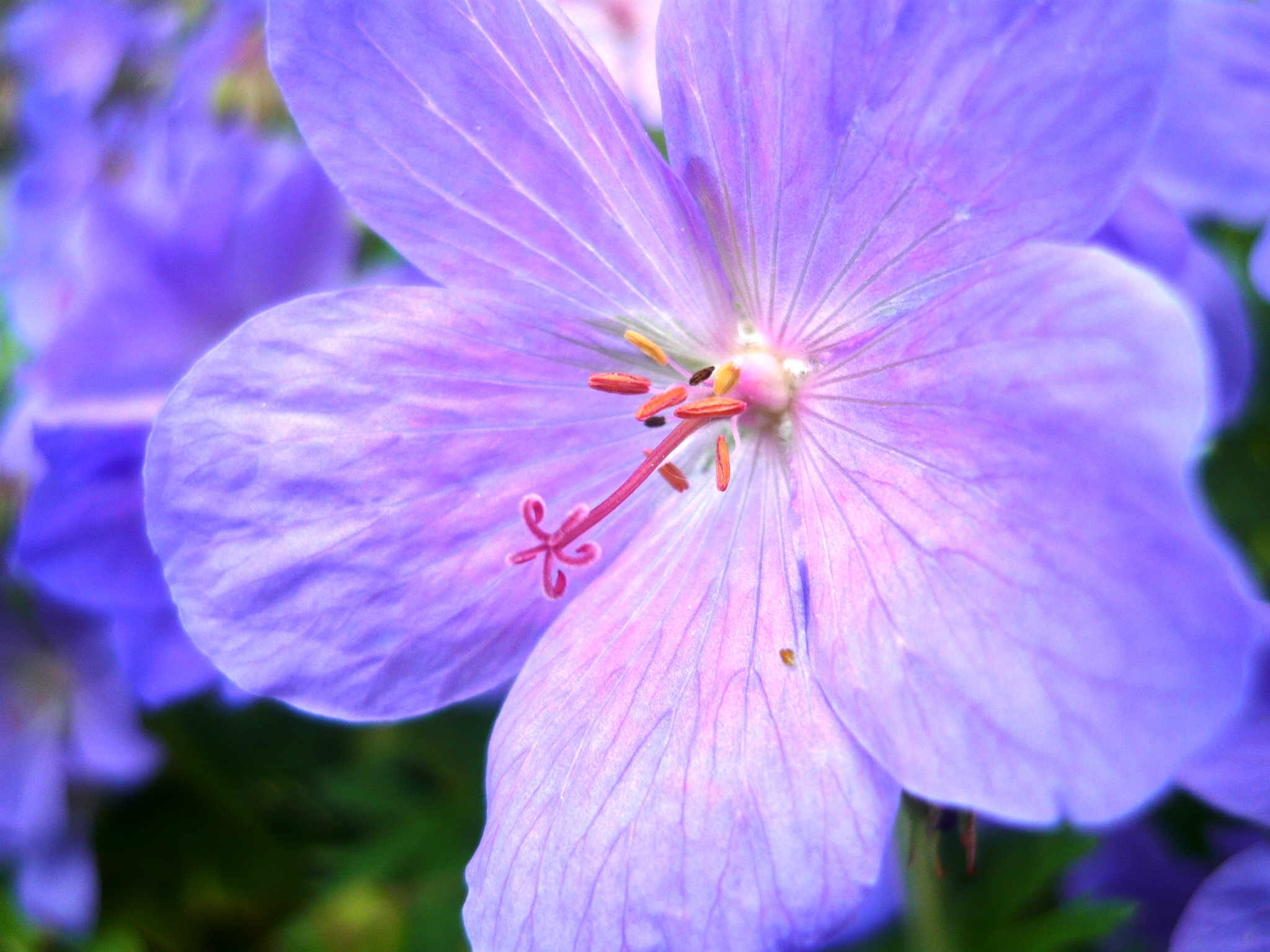
Another favourite in shade and sun are the beautiful hardy Geraniums we put in last year. If we have to pick a favourite it will have to be splish-splash that looks like it has been splashed by blue paint!

circle june splish splash

circle june splish splash 2

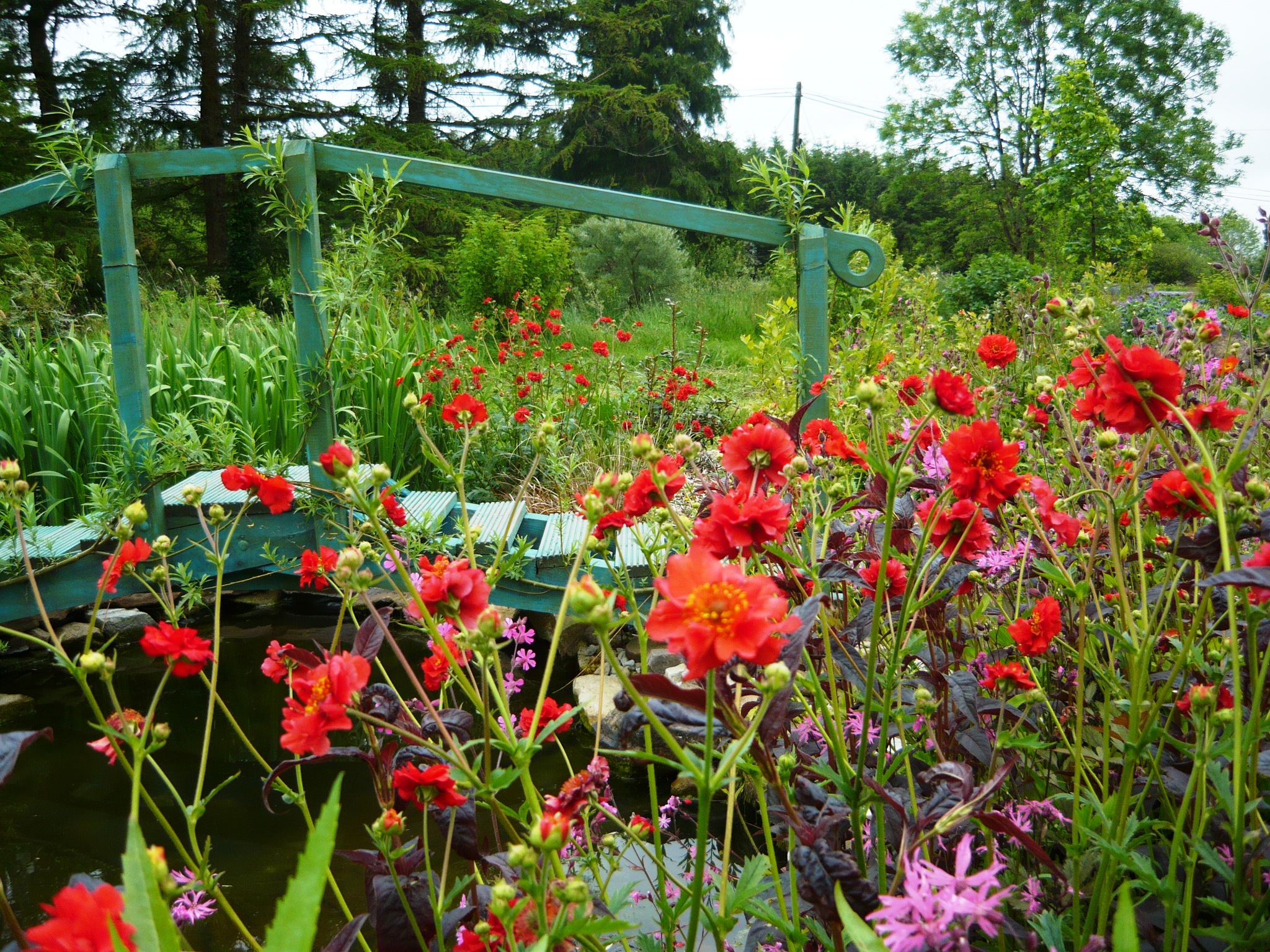
If you take the path down to our pond you are likely to see a few frogs on the way, most of them very, very small. At the pond a whole lot of foxgloves have taken hold, right next to our little fairy house. If you look in the water you can see a lot of dragonfly nymphs as well as many big beetles swimming up to the surface for air. A few newts are also about and a lot of whirly-gig beetles and pond skaters.

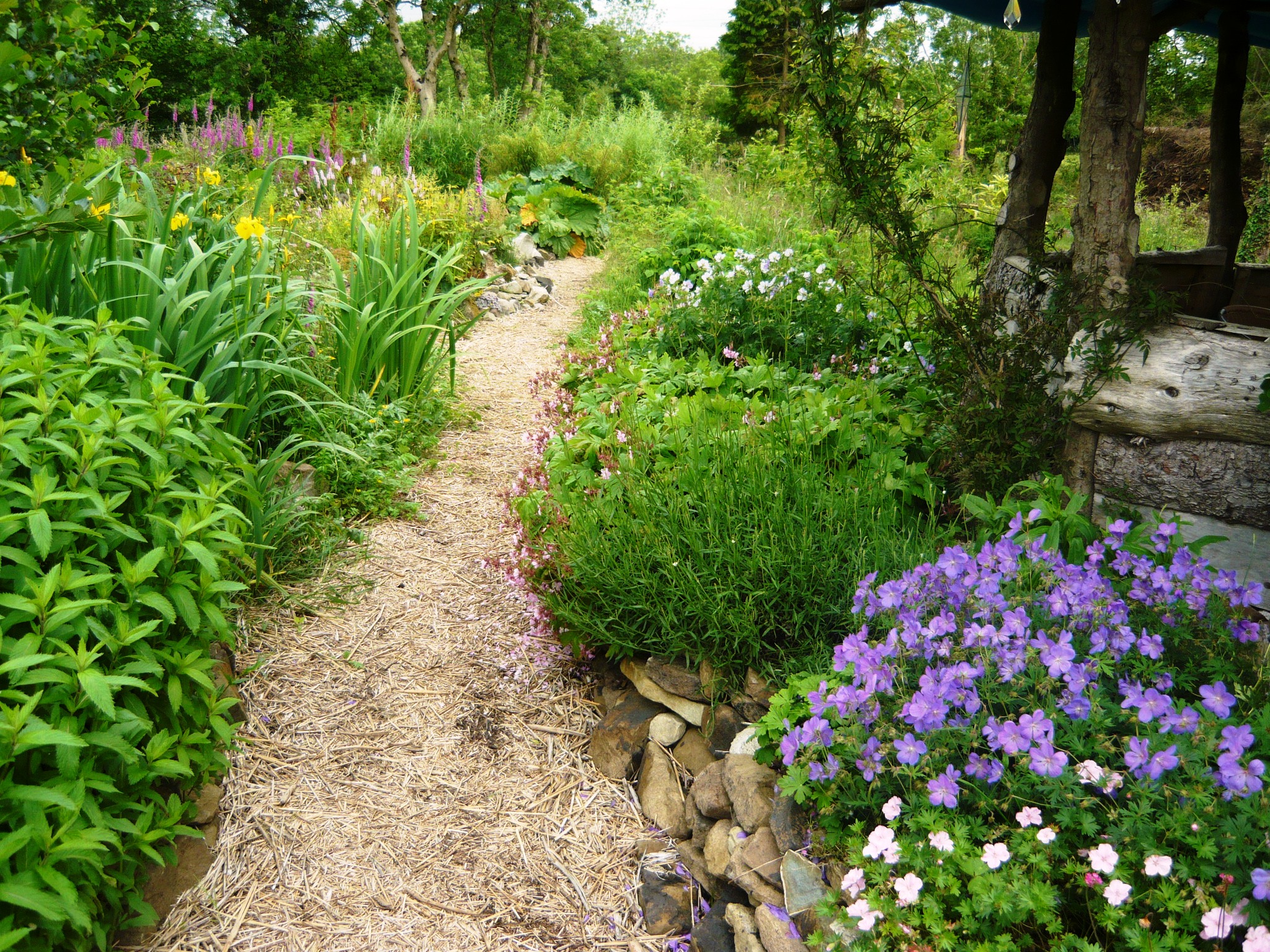
circle june path

circle june pond

As we have planted out all the vegetable seedlings we kept safe in our gazebo now, we have reclaimed this space as a lovely place to sit down with a cuppa or dinner. It is so peaceful sitting in there, listening to the little waterfall in our stream and smell the sweet Williams and roses. Two years ago we planted a 40 cm cutting from Future forests in Cork, a rosa multiflora  and now it is a billowing mass of fragrant flowers. This is a rose native to Asia and it has a status as an invasive species in some parts of the USA and Canada. It is very prolific so you might want to think twice before introducing it to a small garden. We like it because it has lovely leaves, flowers and hips for salads and teas. We also grow it in a restricted space where we prevent it from tip layering. We have not found any information to suggest it is invasive in Ireland.

circle june rose

circle june round house

circle june rosa

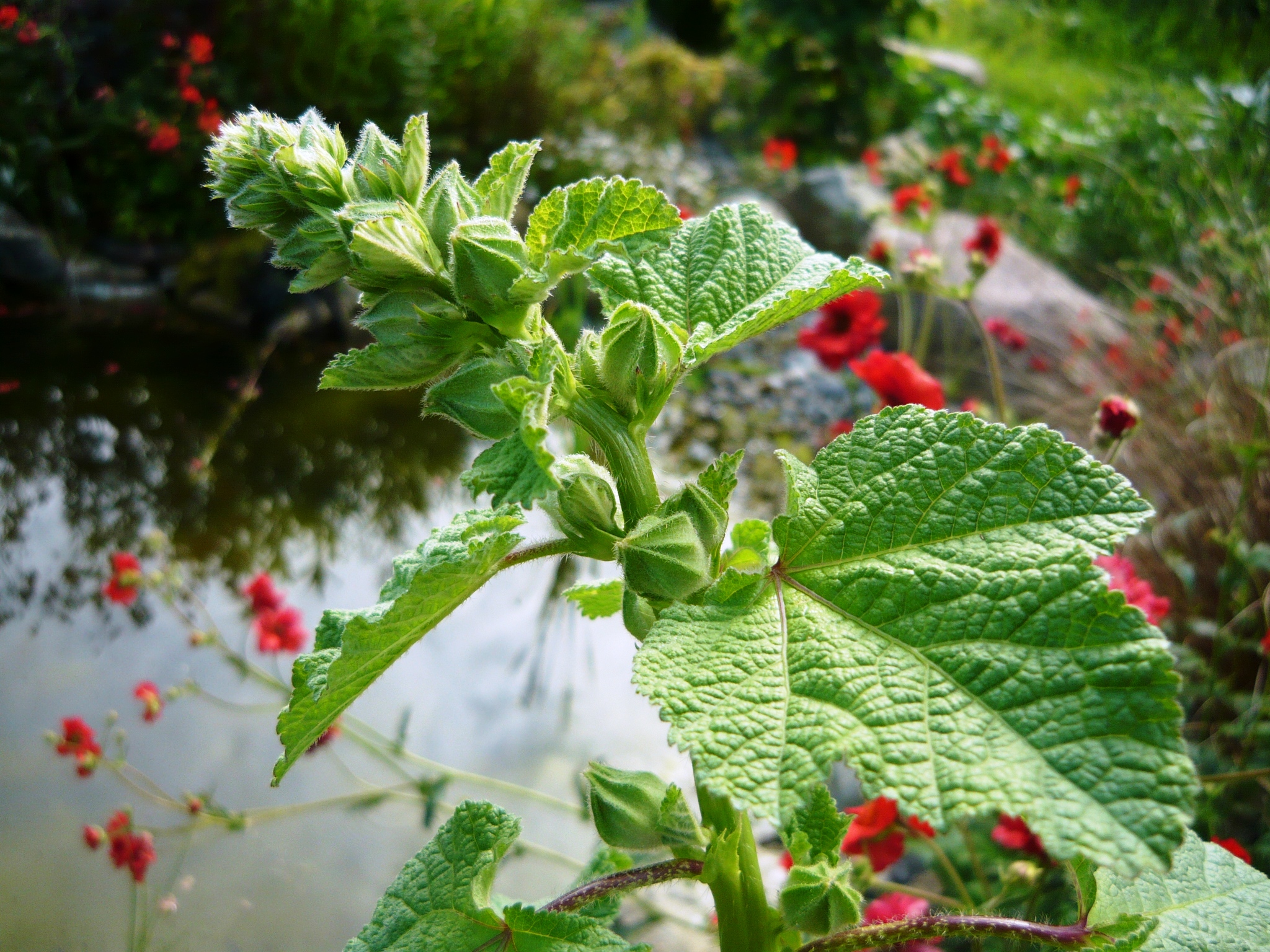
There is a lovely anticipation in the garden this time of year. So many different flowers are still to open their buds, like these hollyhocks, growing close to our smaller pond. We look forward to sharing them next month.

circle june hollyhock

Bottling it all up.

bottle-wall decorative bowls

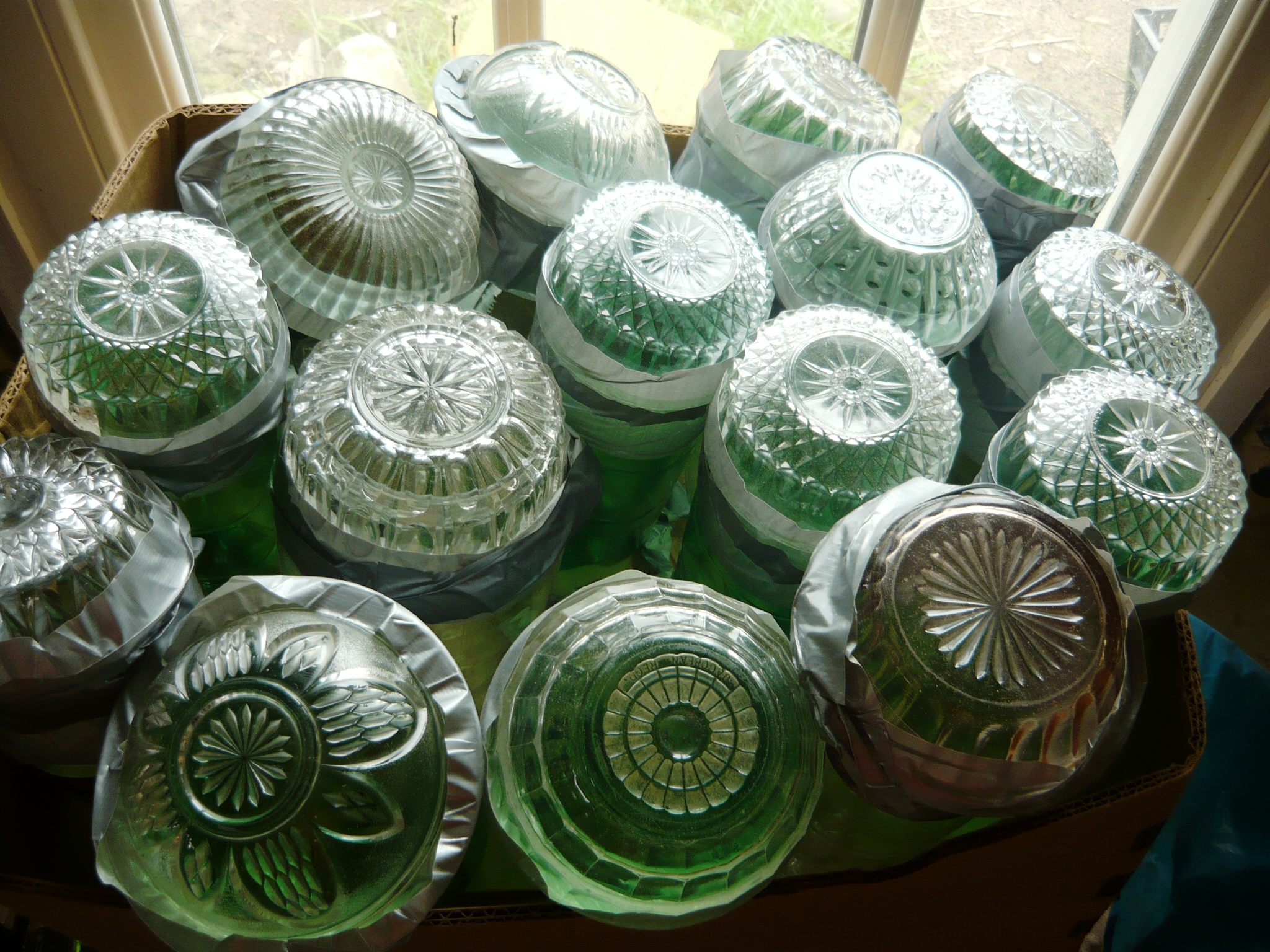
We have come to the stage of our build when it is time to connect the extension to the house. We will knock a hole in the back wall of the cottage but first we are building the walls on the little connection part. We wanted the space to be as light as possible so decided to put in another bottle wall. Two days were spent recently cleaning; fitting and taping our glass bottle and jar bricks. It takes a lot of glass bricks to build a wall so if you are planning a build like this, start collecting jars and bottles at once. Duct tape is best we find, but in a pinch brown parcel tape will do. We have been collecting a lot of decorative small glass bowls on our charity shop rambles, and they are a nice addition to the walls. To make bricks out of them we use big soft drink PET- bottles. This wall will not get a lot of direct sunlight so the bottles should be strong enough. It is only the very thick bottom part that is exposed to the elements anyway.

Read more

June in the kitchen garden.

kitchen garden veg 026

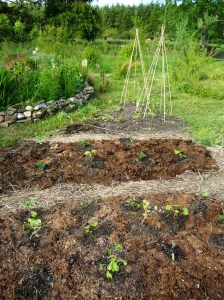
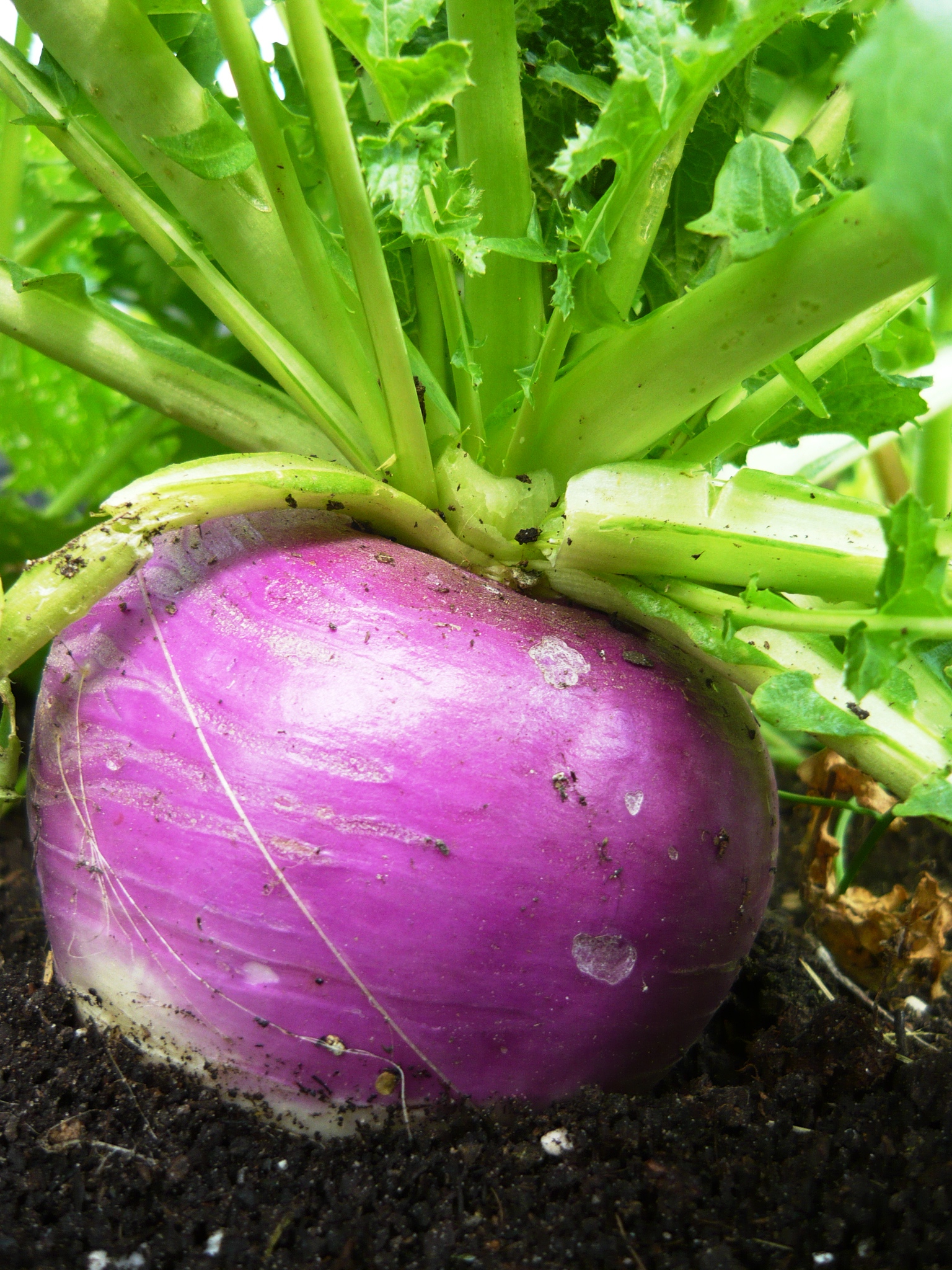
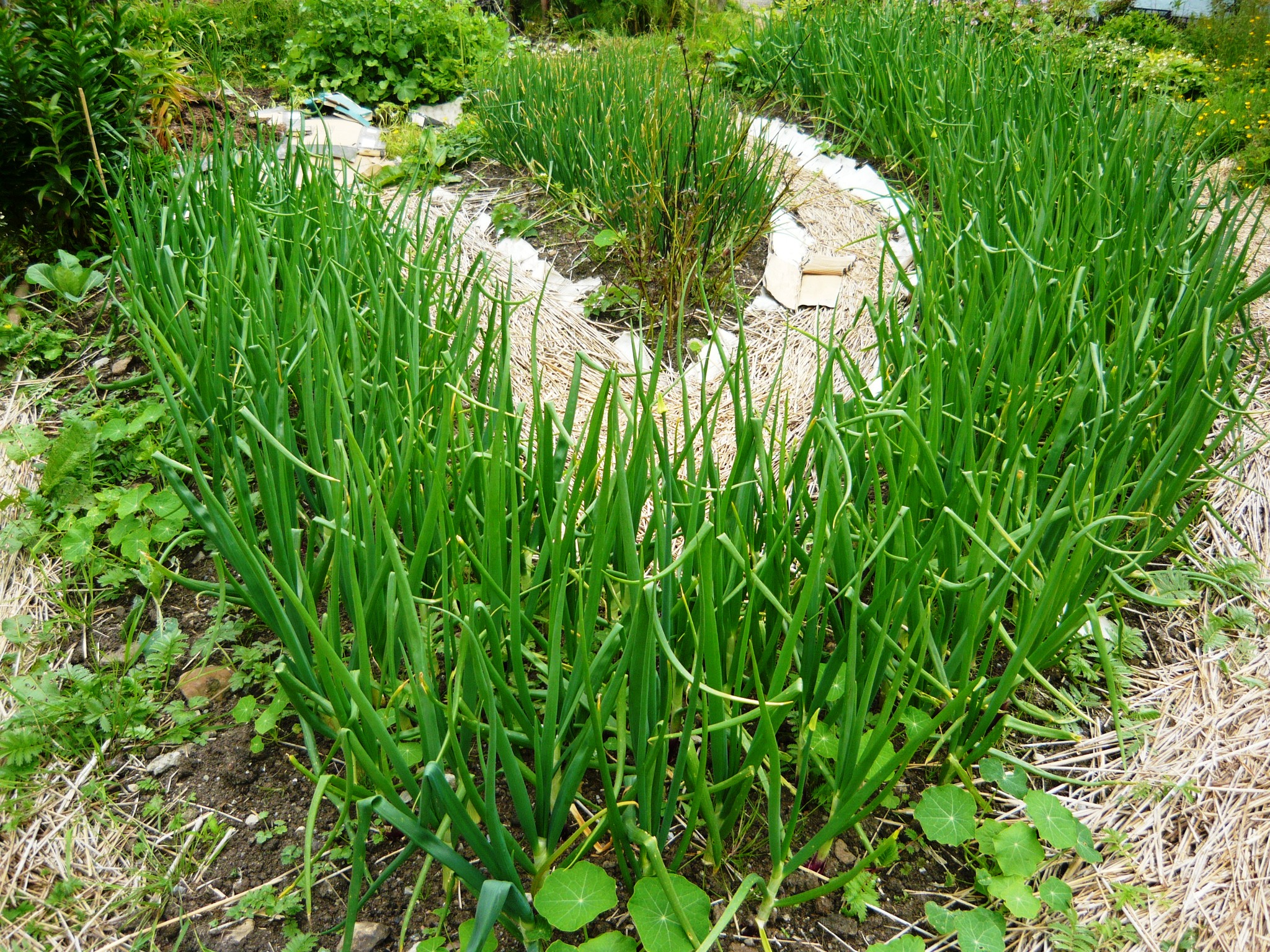
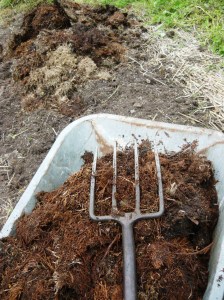
It is the lightest time of year and things are moving on fast in the vegetable and fruit garden. We use a system with no-dig, raised beds for growing annual vegetables and our beds are now in their third year. We add mulch to them several times a year, and top them up with well rotted cow manure once a year. The earth worms then do the work for us and mix the newly added materials into the beds. We have made them 120 cm wide as it is possible to weed and harvest at that width without stepping onto the soil and compacting it. Our paths are about 30 cm wide but we would make them a bit wider if we did the beds over again as they get quite overgrown with floppy green vegetable leaves. Everything grows very well in our beds including weeds but we try to stay on top of them. Mulching helps a lot and we grow all our little plants in pots until they are big enough to out compete the weeds and stand a chance against the slugs. Onion sets are one of the few things we put straight into the beds.

kitchen garden 021

kitchen garden 039

kitchen garden veg 008

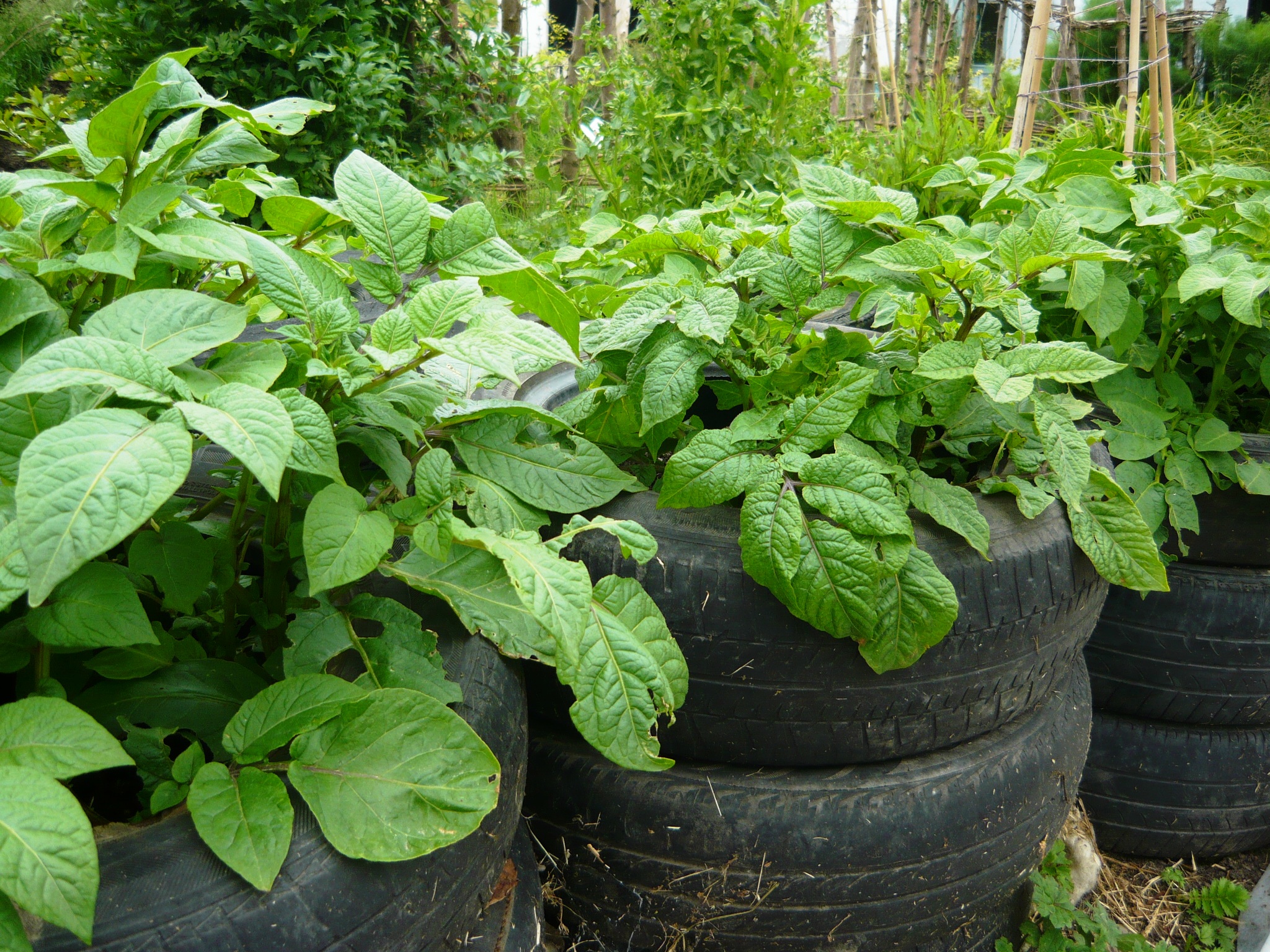
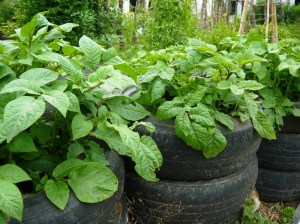
We planted our potatoes on Saint Patrick’s Day in the middle of March and they have now been earthed up five times and we are up to our forth layer of tyres. They are growing strongly and we can’t wait to dismantle the stacks to see how many potatoes we can find.

kitchen garden veg 029

kitchen garden 007

For growing peas and sunflowers we use some cut off big plastic bottles to protect the newly planted seedlings and it is working very well. There is less slug damage than other years and the bottles also protected them from the worst of the weather when they are small. We are planning to just leave them there and it also makes watering easy as you can just pour some water into each one.

kitchen garden veg 011

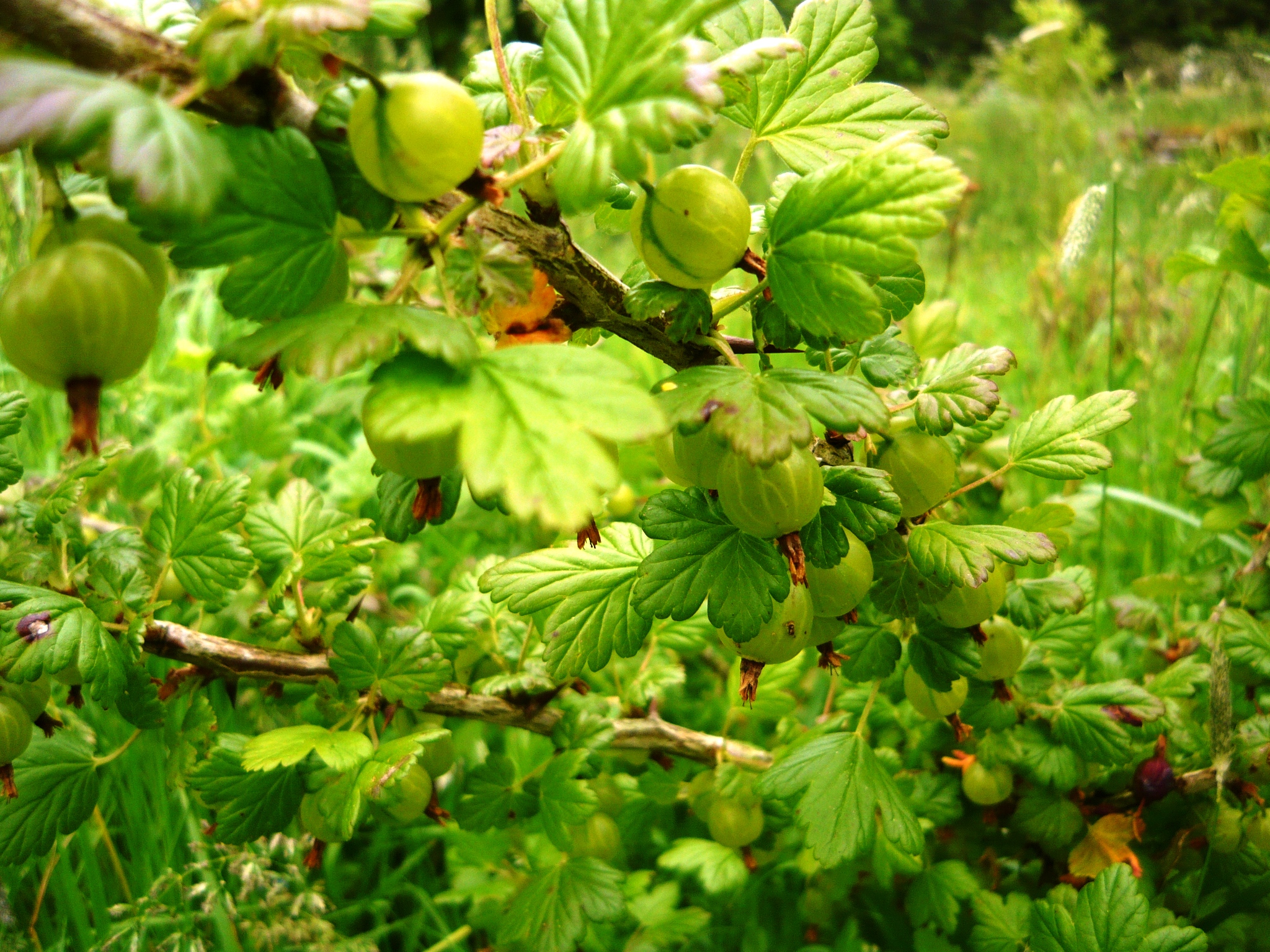
Our berry bushes have now been in the ground about two years and we have an amazing amount of berries this year. We have blueberries, raspberries, gooseberries and currants, as well as a lot of hybrids like jostaberries and tayberries.

kitchen garden 035

kitchen garden 036

kitchen garden 028

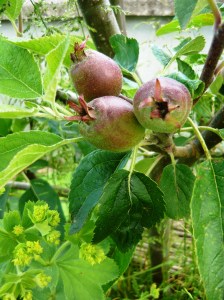
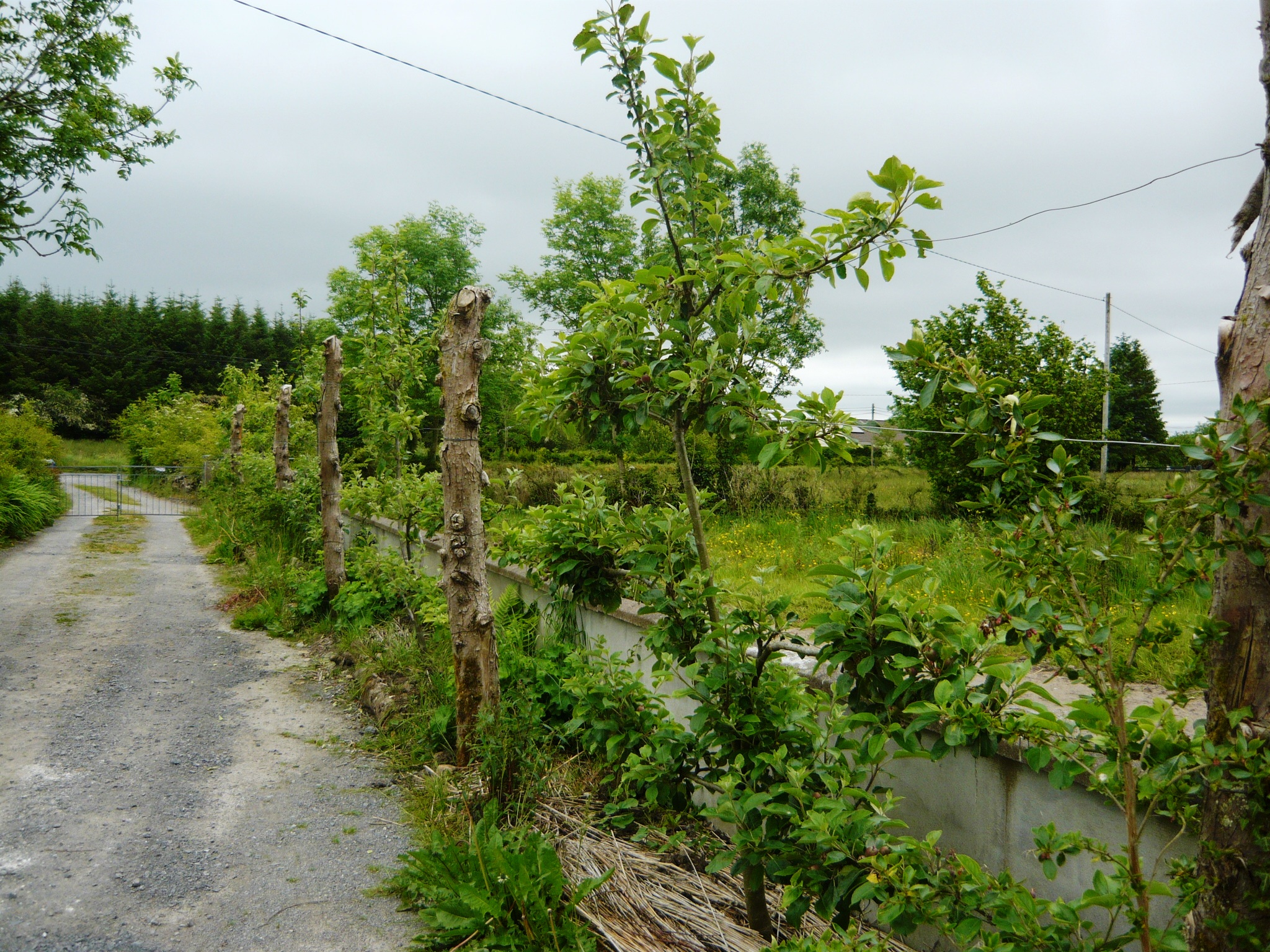
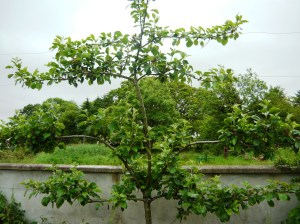
Along our drive a long row of Laylandii cypress was planted that blocked out all the light from the south and made it impossible to drive a car down it. We removed them and kept every fourth trunk in place and stretched wires in between them. We now have seven different varieties of apples planted there. We put in small trees and bent all the branches out to the sides to create espaliers and now, after only two years they are really filling in and starting to fruit. They look lovely but are also less prone to disease and take up a lot less space than it they were planted straight in the garden.

kitchen garden 047

kitchen garden 044

kitchen garden veg 042

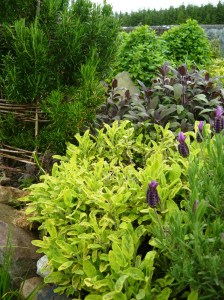
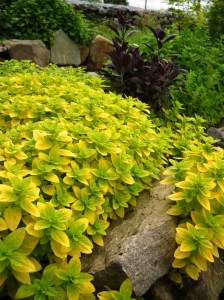
We are harvesting and using our herbs everyday for food and teas. It is a pleasure to spend time in the herb garden listening to the bees buzzing away and looking at the butterflies.
kitchen garden 062

kitchen garden 001

kitchen garden 069

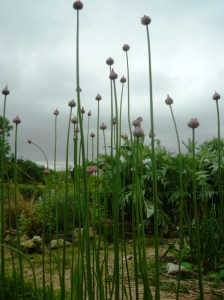
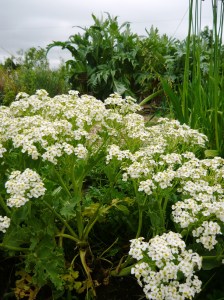
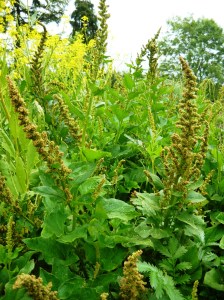
We also grow perennial vegetables and are particularly happy with the sea kale that is flowering at the moment and has a great honey scent. The good king Henry is very tasty and the yellow flowers from the Turkish rockets are going into salads along with purple chive flowers. Our perennial Swedish ‘leeks’ are doing really well and we have harvested a lot of them in spring when the annual onions weren’t ready. They are just about to flower now and later the newly formed bulbils will be heavy enough to make the stems lean over and re root. Our cardoons and artichokes are making good use of the willow fence we built in winter.
kitchen garden 054

kitchen garden 059

kitchen garden 056

kitchen garden 023

All in all it is a beautiful and bountiful time in our kitchen garden.

Small wonders.

house

Sometimes it is difficult to live in a house at the same time as you are renovating it. There is a lot of building dust, tins of paint, tools, rubble, building materials and nails and screws in the wrong place.  We are two adults and four teenagers sharing a tiny house and when you add all of the above to the mix as well as getting on with everyday things like cooking, homework, cleaning and washing it can get pretty hectic. It is also easy to look at all the mess and all the different areas that need to be finished up and start to despair and wonder when and if it is ever going to get finished. Building an extension and renovating every single room in a house is a big job at any time but when you have six people living in it at the same time it can feel unbearable at times.

peony

That is why it is so important to step into the garden and just look around. There is of course an immense amount of tasks to be done in the garden as well, as we are in the process of turning it into a self sustainable, wildlife friendly, beautiful and productive haven. But nature has a way of calming the troubled and stressed mind. After a while of flower gazing, pond watching and birdsong it is easier to remember what really matters. To live in the here and now.  Not think too much about what it will be like when we have a room big enough to fit a table where we can all sit down to dinner together, or a space and the time to make some art or a nice big room in which to play some music with friends. Those are all things that we hope will become reality some day, but for now there are so many things to be grateful for. We are all together, happy and healthy. We have friendly neighbours, lovely friends and enough food to eat.

pond

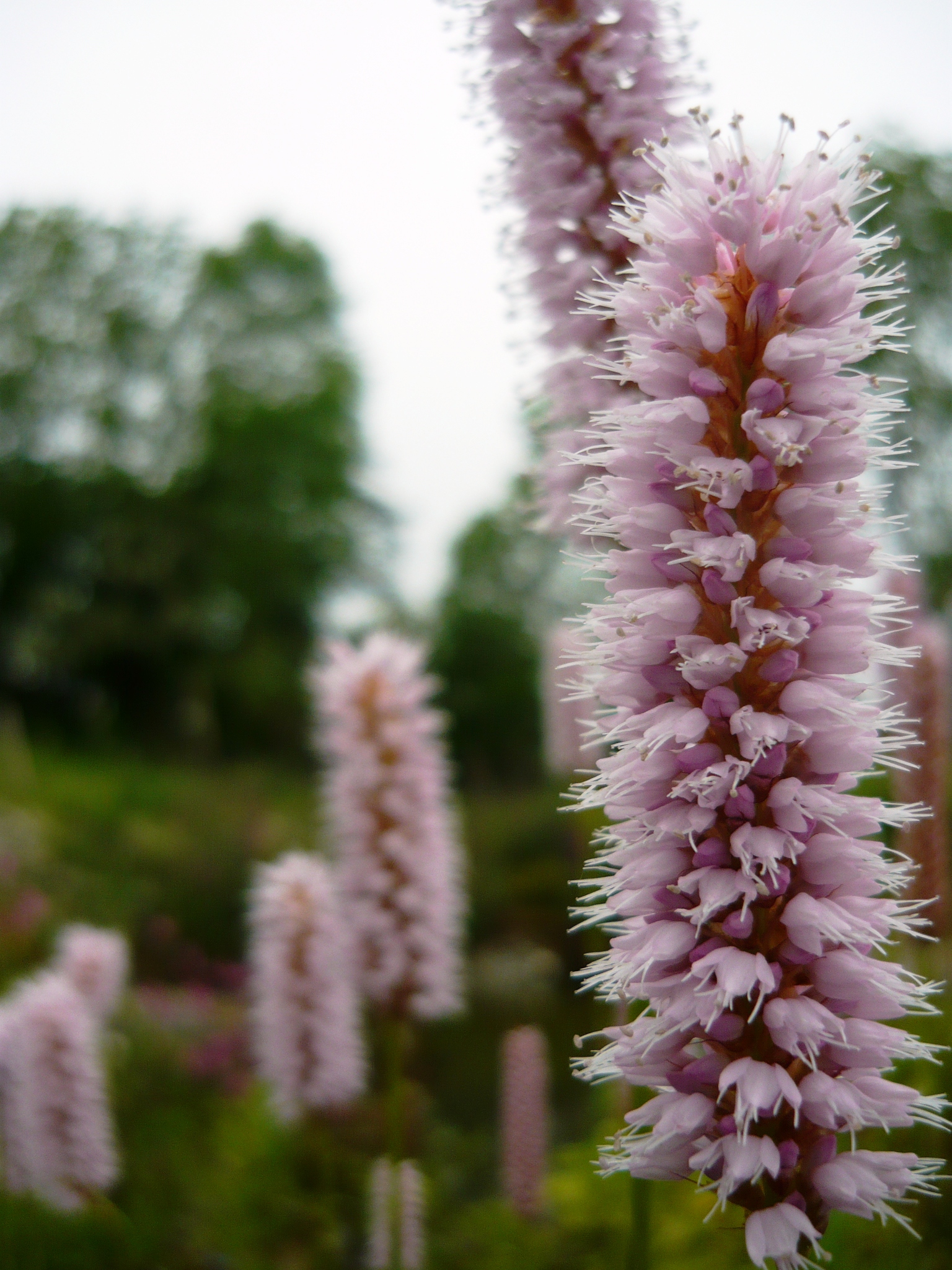
persicaria

flowers

nora barlow

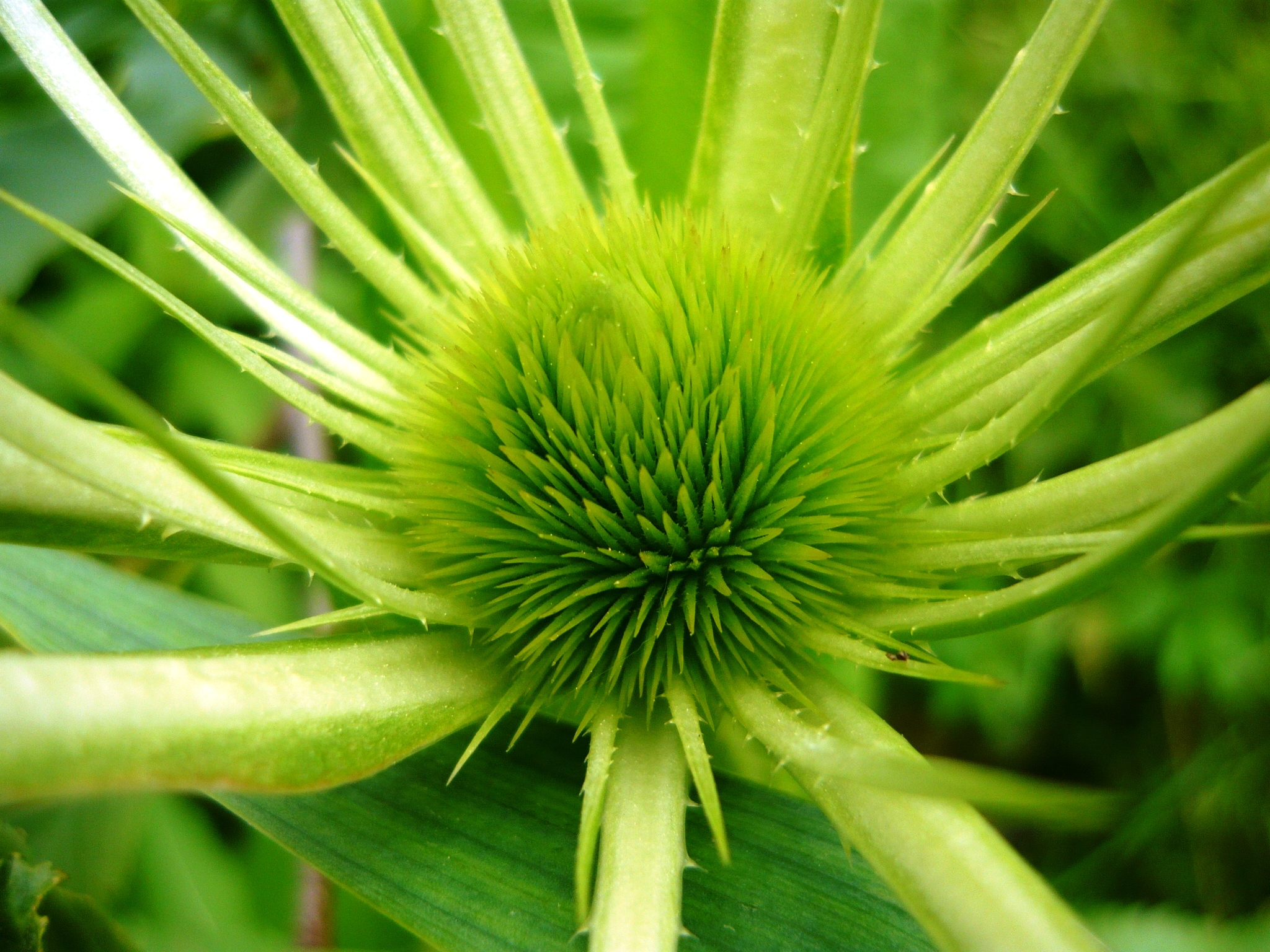
Walking slowly through the garden and taking in all of its beauty really slows the mind down and the worries and anxious thoughts melt away. What really matters becomes clear. And the closer you look the more wonderful it becomes. We hope you can get a little bit of the same feeling from looking at the pictures. There is a lot of stress in many peoples life today. So many screens to look at and pay attention to.  So many have to do and should be doing things…

blue

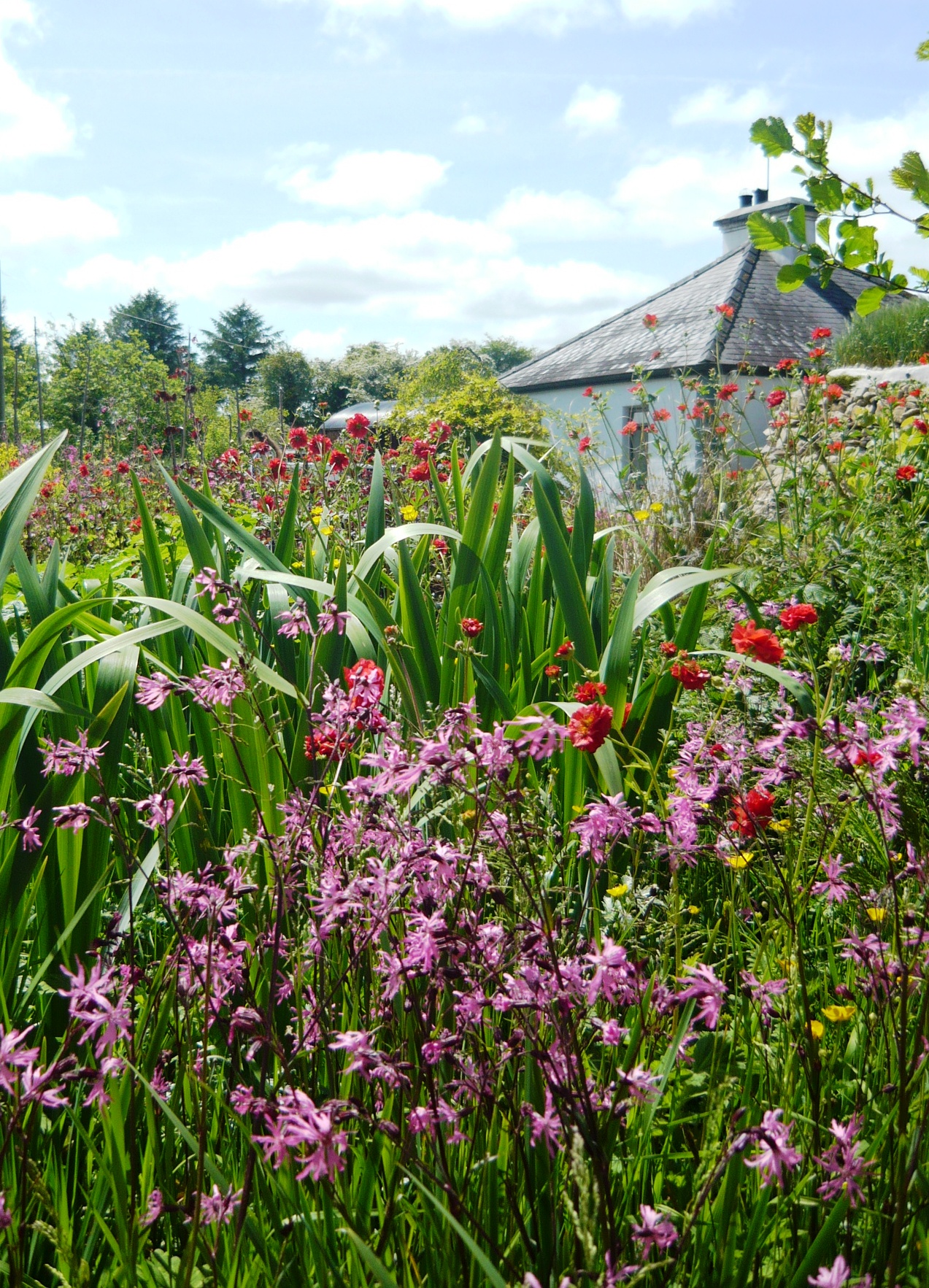
ragged robin

teasel

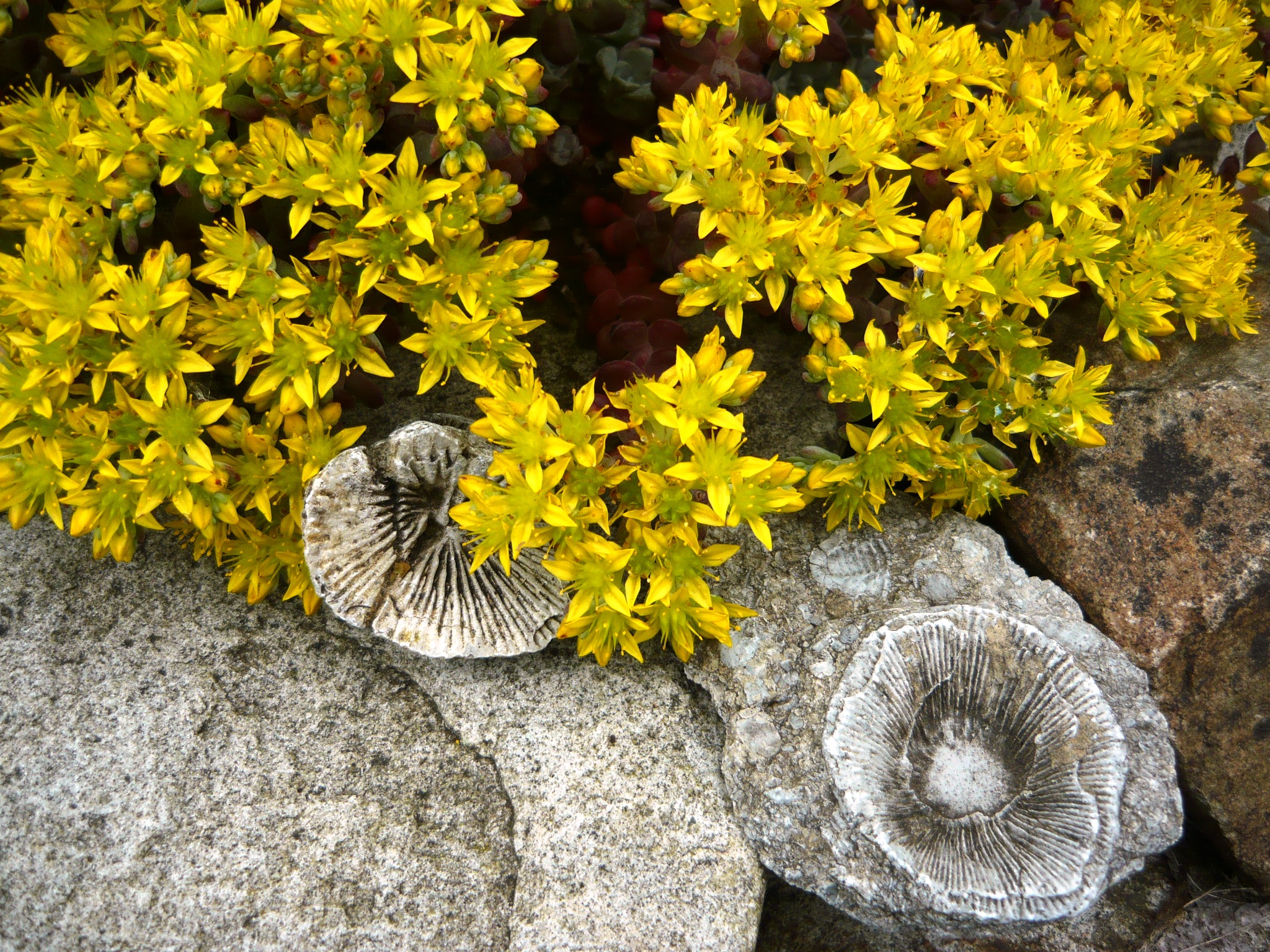
sedum

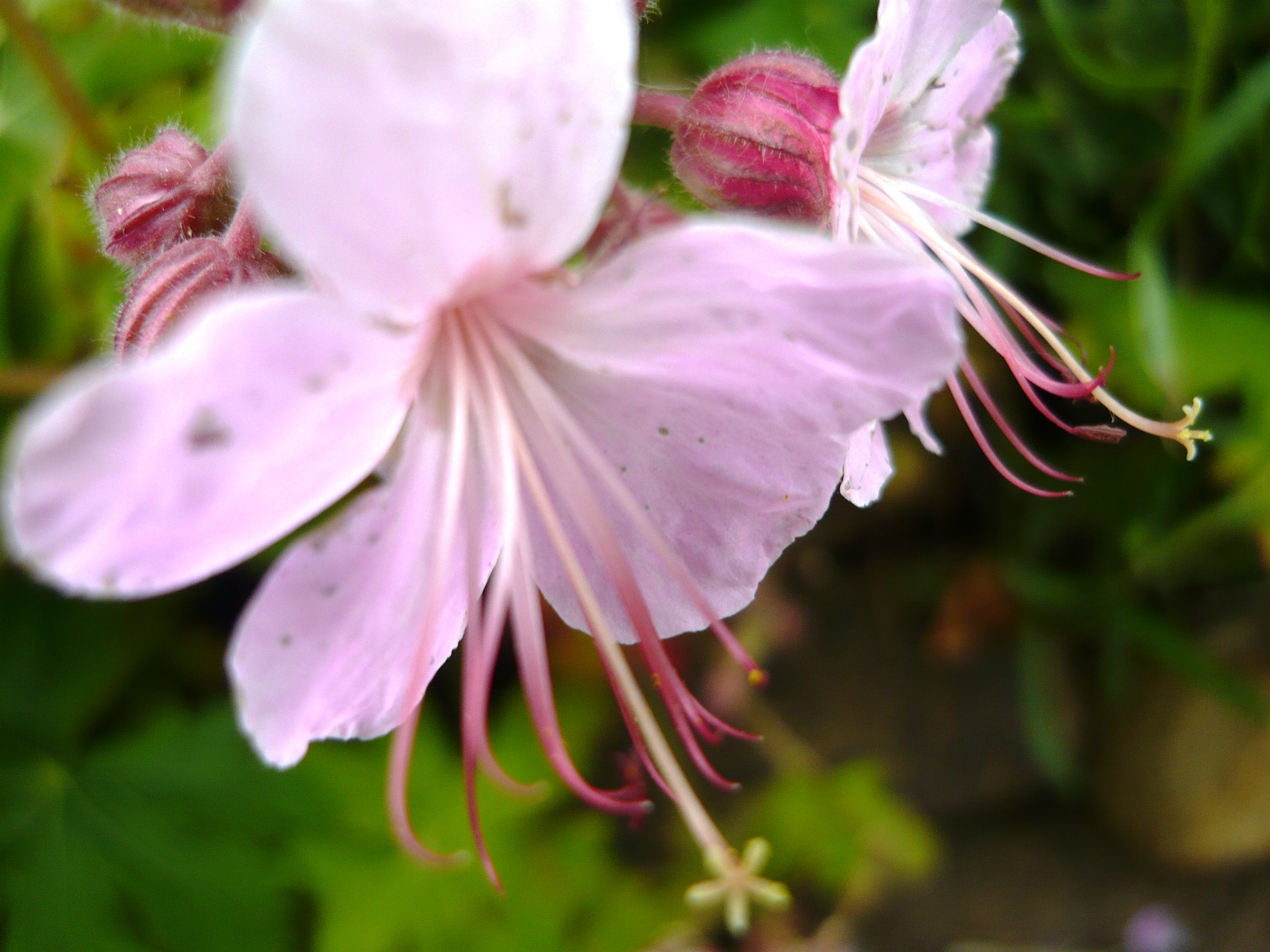
geranium

flowers

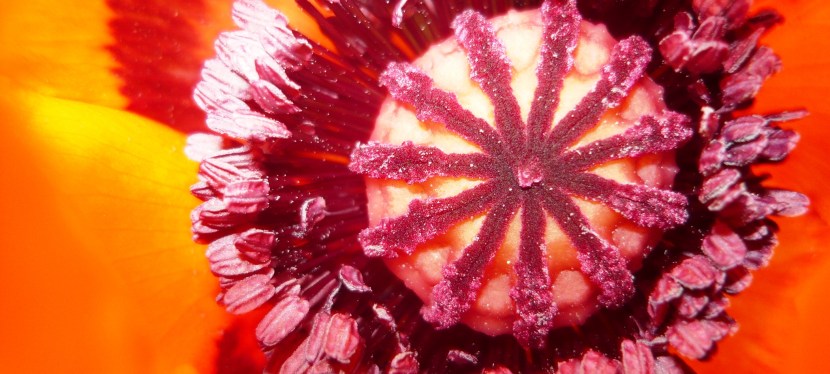
poppy

flower pink

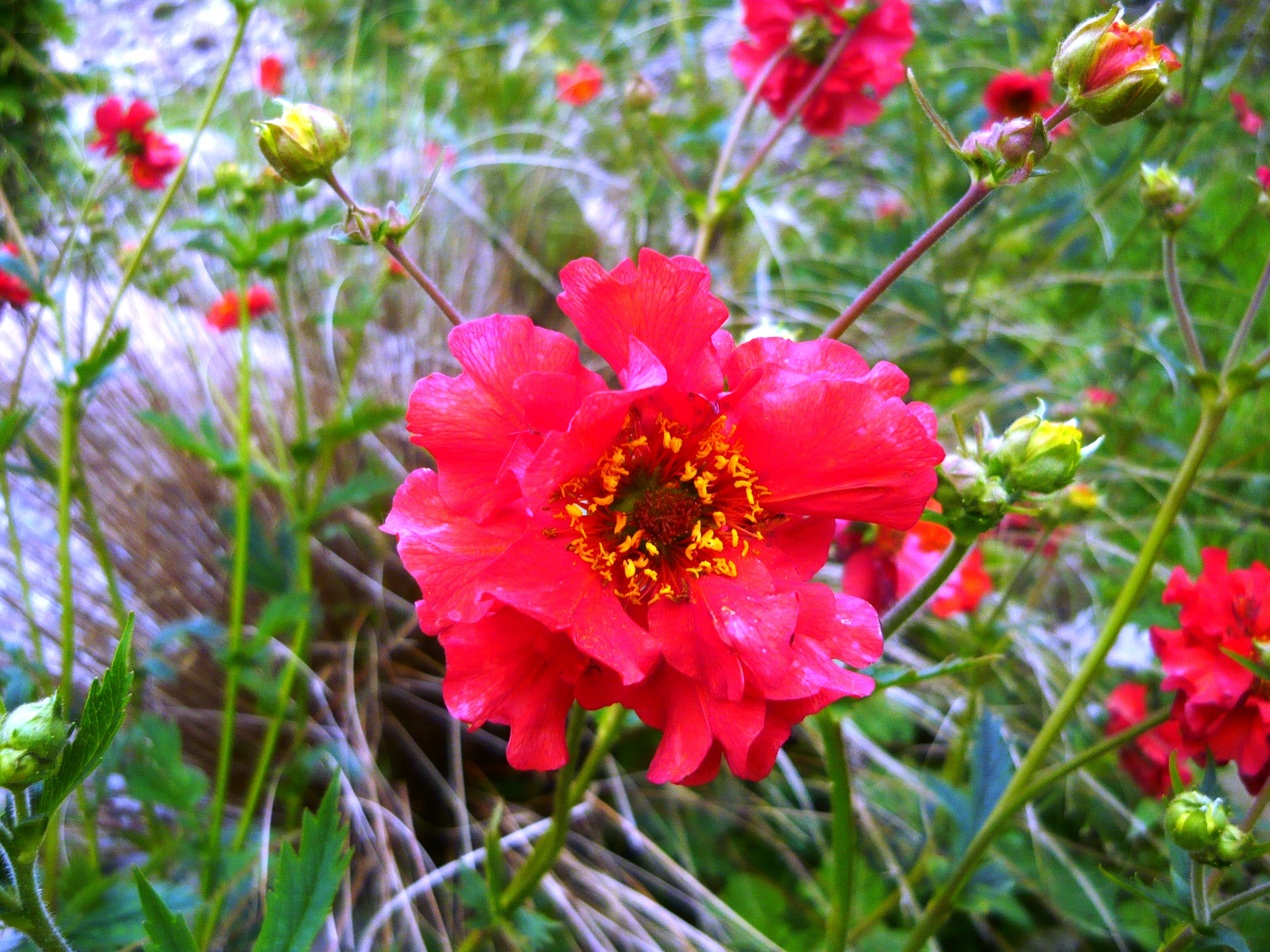
flowers red

But in nature we can all find the antidote. Even if you don’t have your own garden there are always places you can go to still your mind and look for the small, small wonders of life.

PRICK!

table prick 099

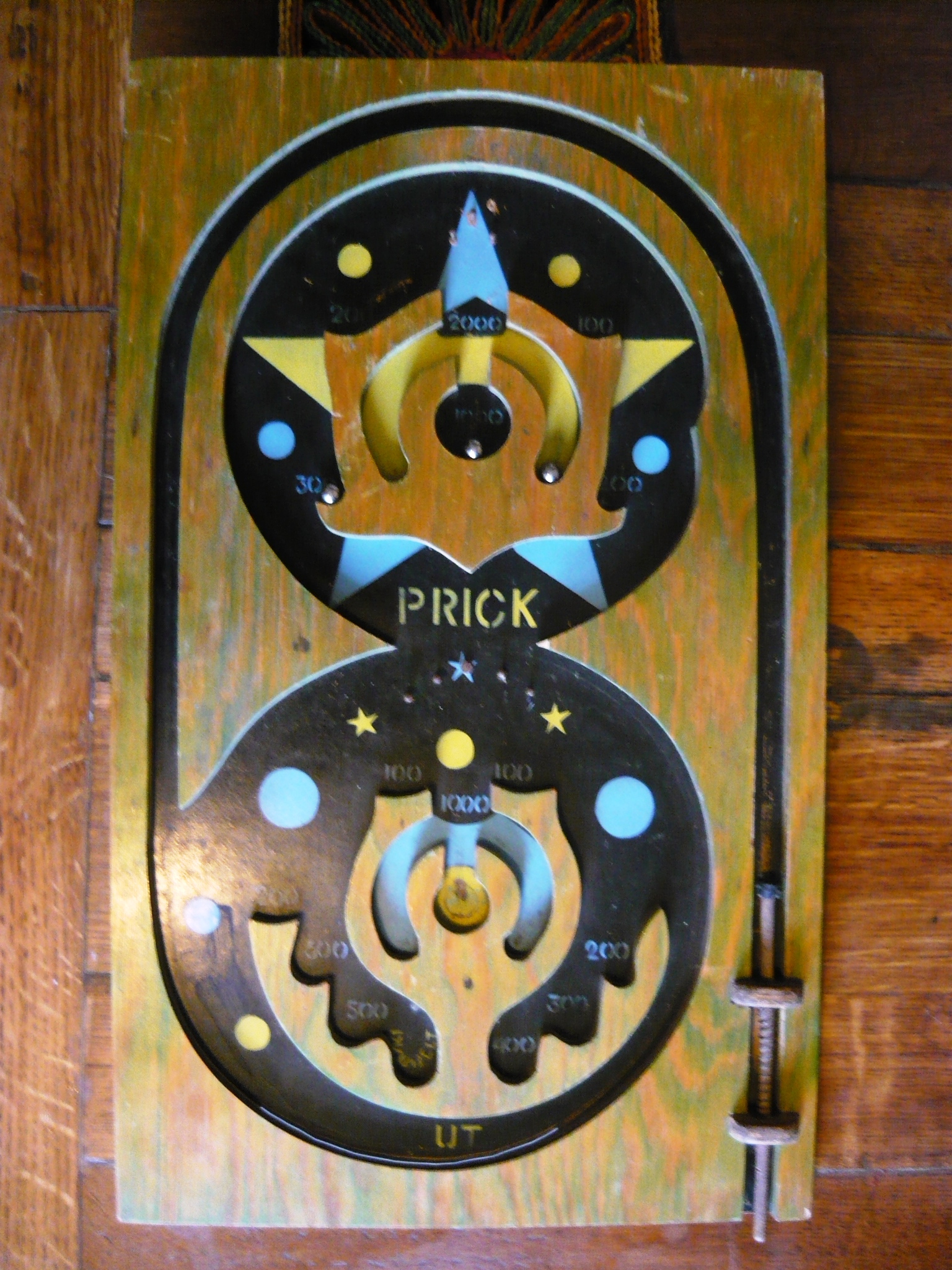
I, the main writer of this blog have recently spent ten days in Sweden, helping my mother prepare the old family home for sale. Now I’m back in Ireland armed with some lovely items from my childhood. The one that proved most appreciated by the rest of the family here in Ireland is the slightly offending sounding game of PRICK. In Swedish prick means dot or spot.  It is a very old mechanical pinball machine and we are now having Prick tournaments several times a day. The record stands at 41 200, after Alex got a double, double score and now the rest of us are living in slight despair as we are not sure if we can ever beat that.

table prick 100

table prick 088

table prick 091

One thing is for sure, PRICK beats modern screen games any day of the week!

table prick 101

While I was away the rest of the family has got on with so many things, and I was very proud and delighted on my return. Walls have been knocked down and rebuilt, tables and sofas constructed and all the plants kept alive. The garden has exploded into a wild, beautiful, colourful place.  We are all happy to be back together, and will continue to share our endeavours with you here.

A tale of tiles.

floor mosaic stacks

After renovating the bathroom and sorting out our woodland, we are now directing our energies back to building the extension on our little cottage. We have put down the foundation and built the roof and walls so it is not too long now before we can start work on tiling the floor. We wanted to be able to use a lot of found and gifted tiles and as they come in many different colours and finishes we needed to come up with a clever design to incorporate them all.

Read more

May in the garden.

house

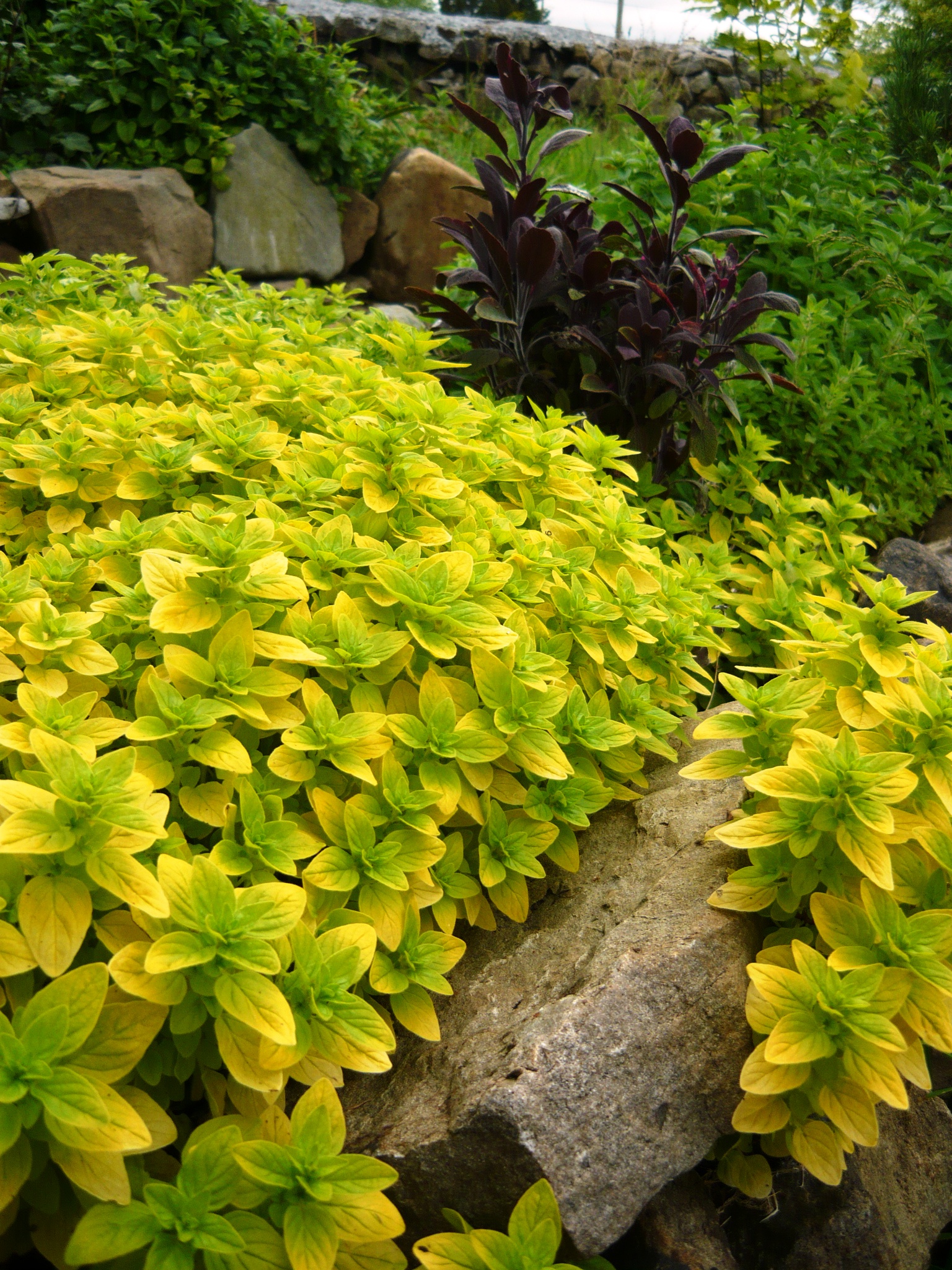
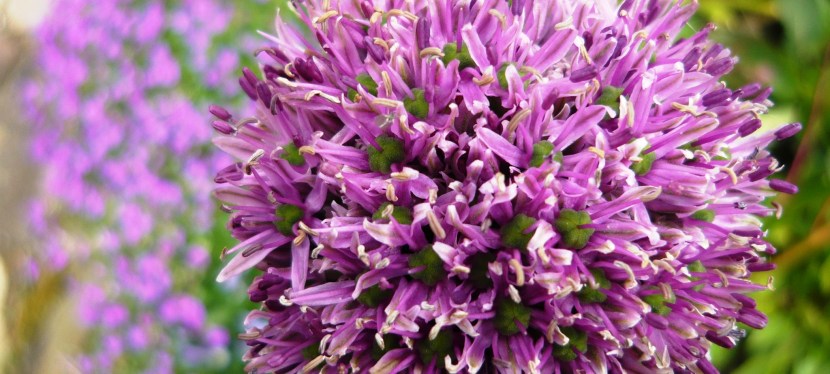
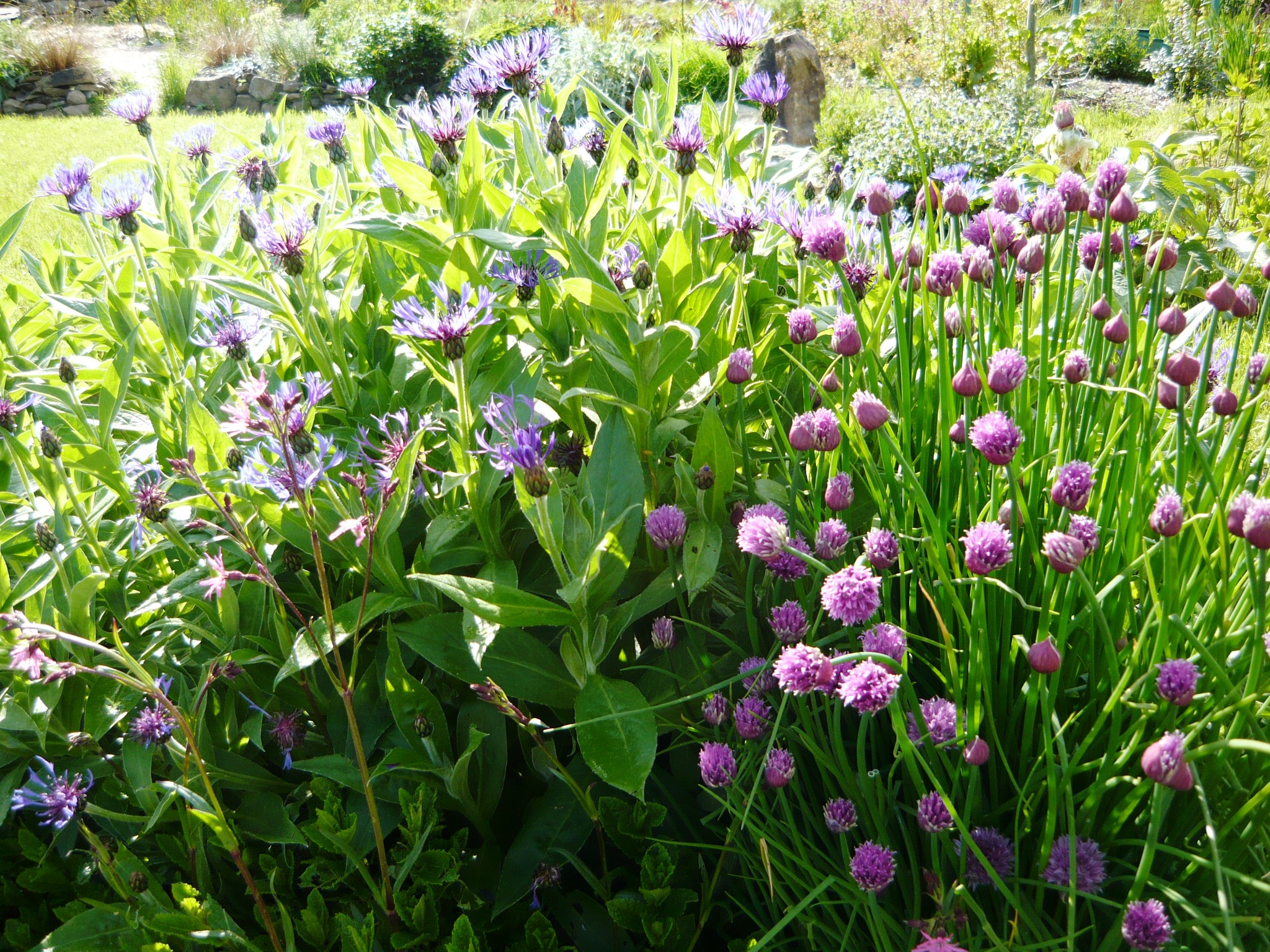
What can we say about May? It has been very cold here; a lot of rain and wind and  plants are not as far along as this time last year. Our alliums are just starting their beautiful display at the moment.

Allium

chives

allium

 In the kitchen garden our potatoes are doing mighty, and we have now added three tires to each stack and earthed them up several times. We have not grown potatoes here before, so it is nice to see them doing so well. We have also planted some Oca tubers and can’t wait to see how they do. Once a highly praised food by the Incas, we are hoping they will do well in our rainy climate. The slugs are abundant so unfortunately a lot of our salad and brassicas have been devoured, and not by us. At least they have had the decency to leave our onions and artichokes alone.

onions

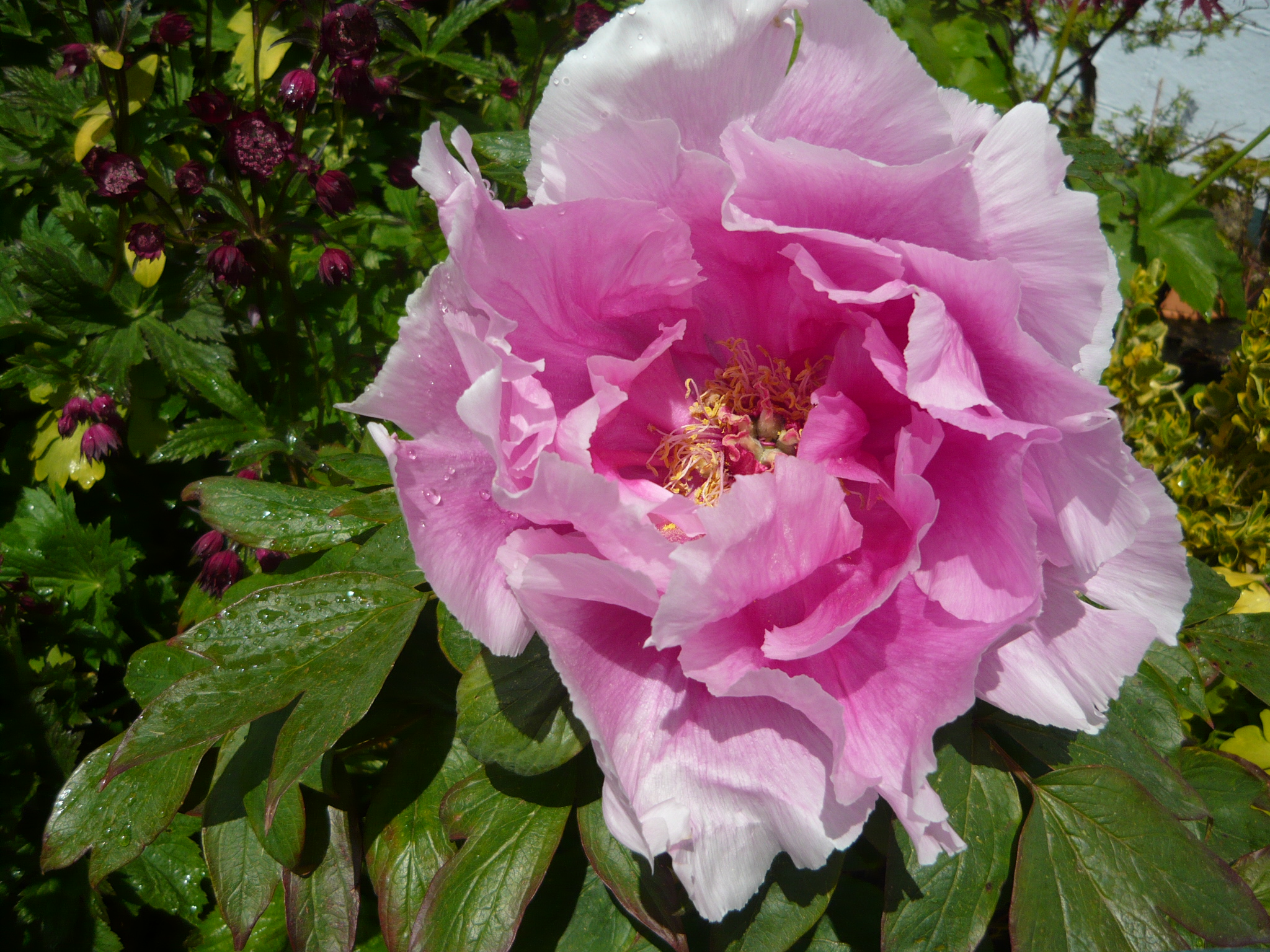
We planted a tree peony last year in one of the beds around our circle and it had a very beautiful flower earlier in the month.

 tree peony

peony detail

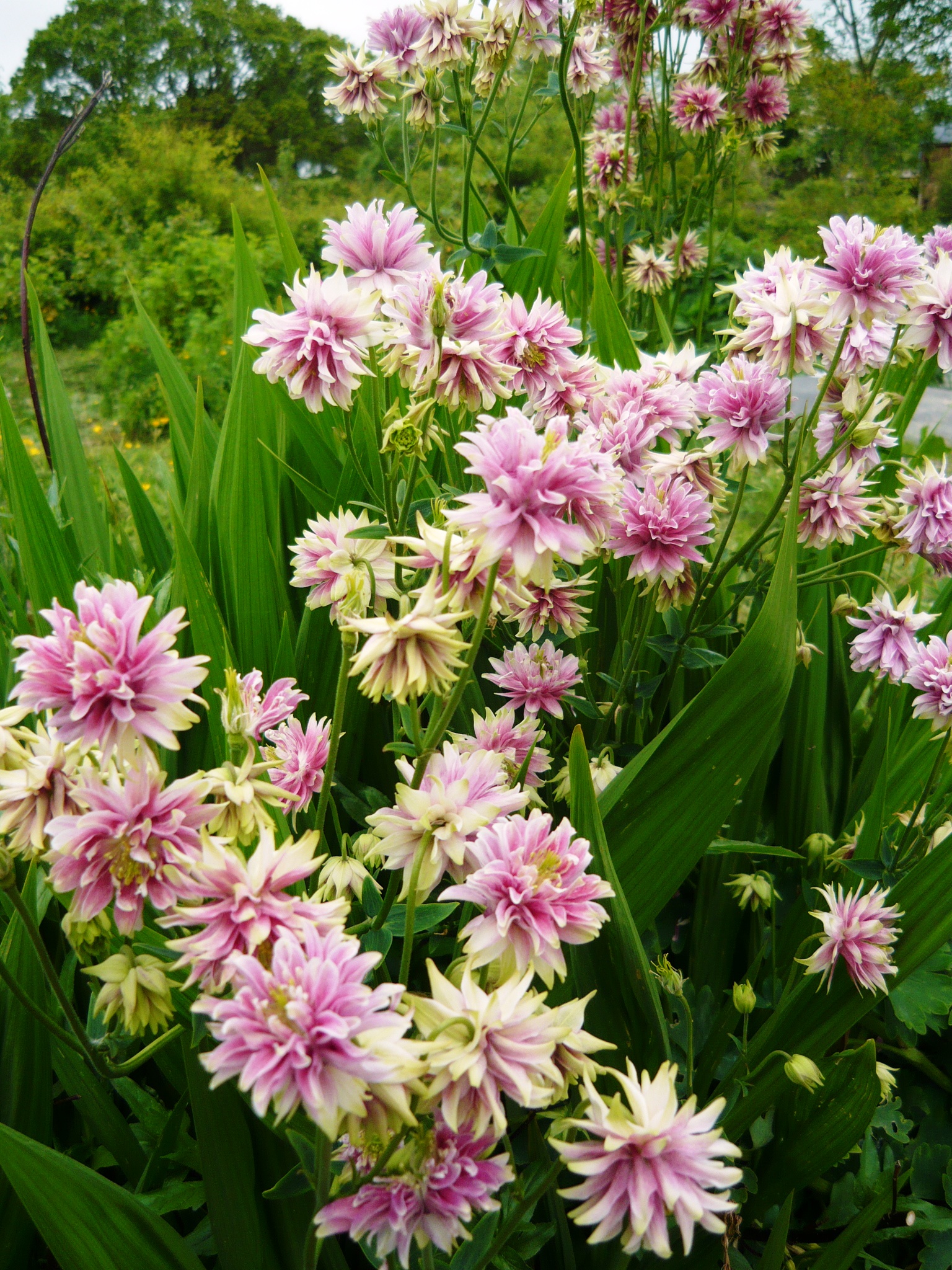
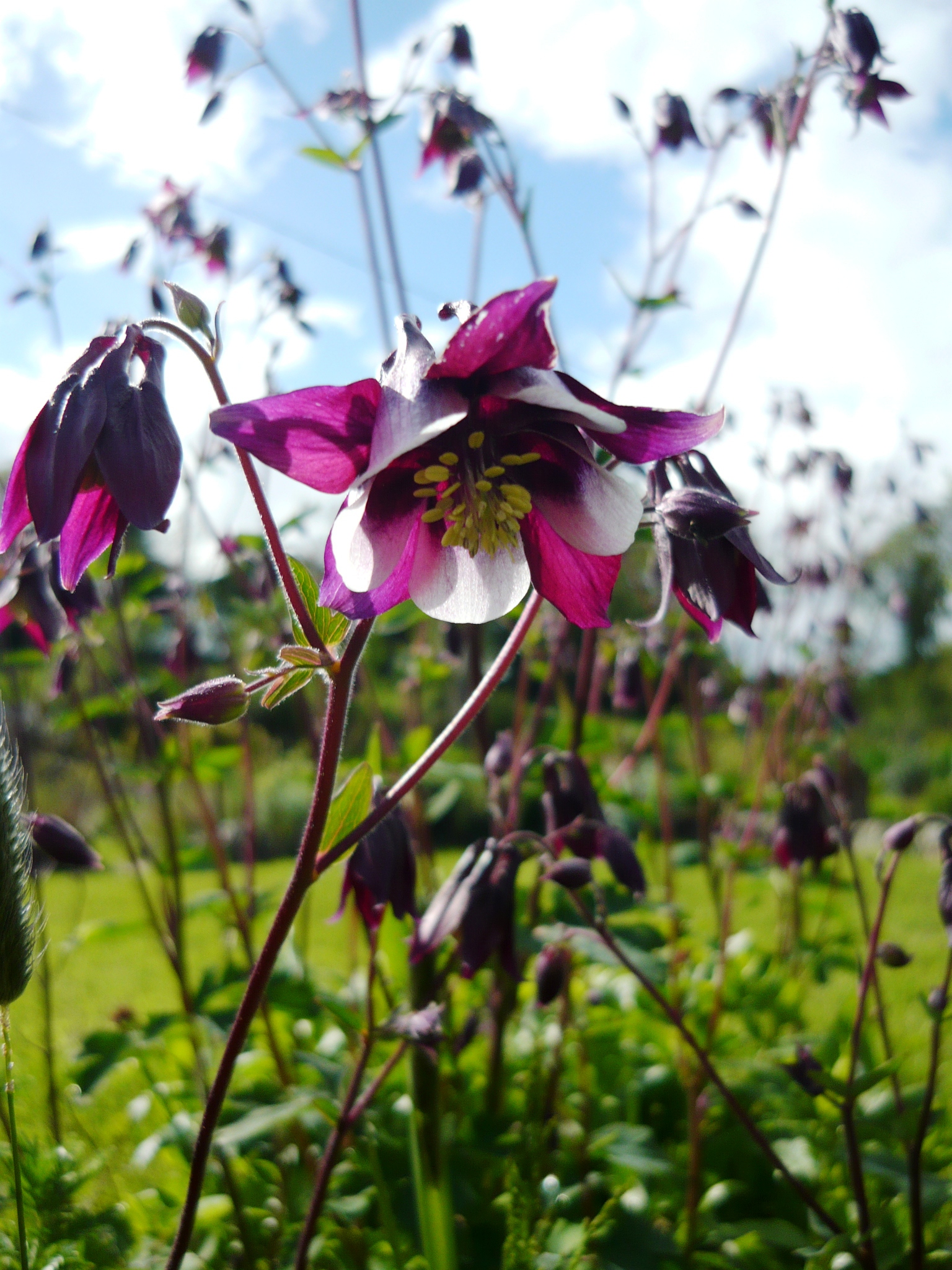
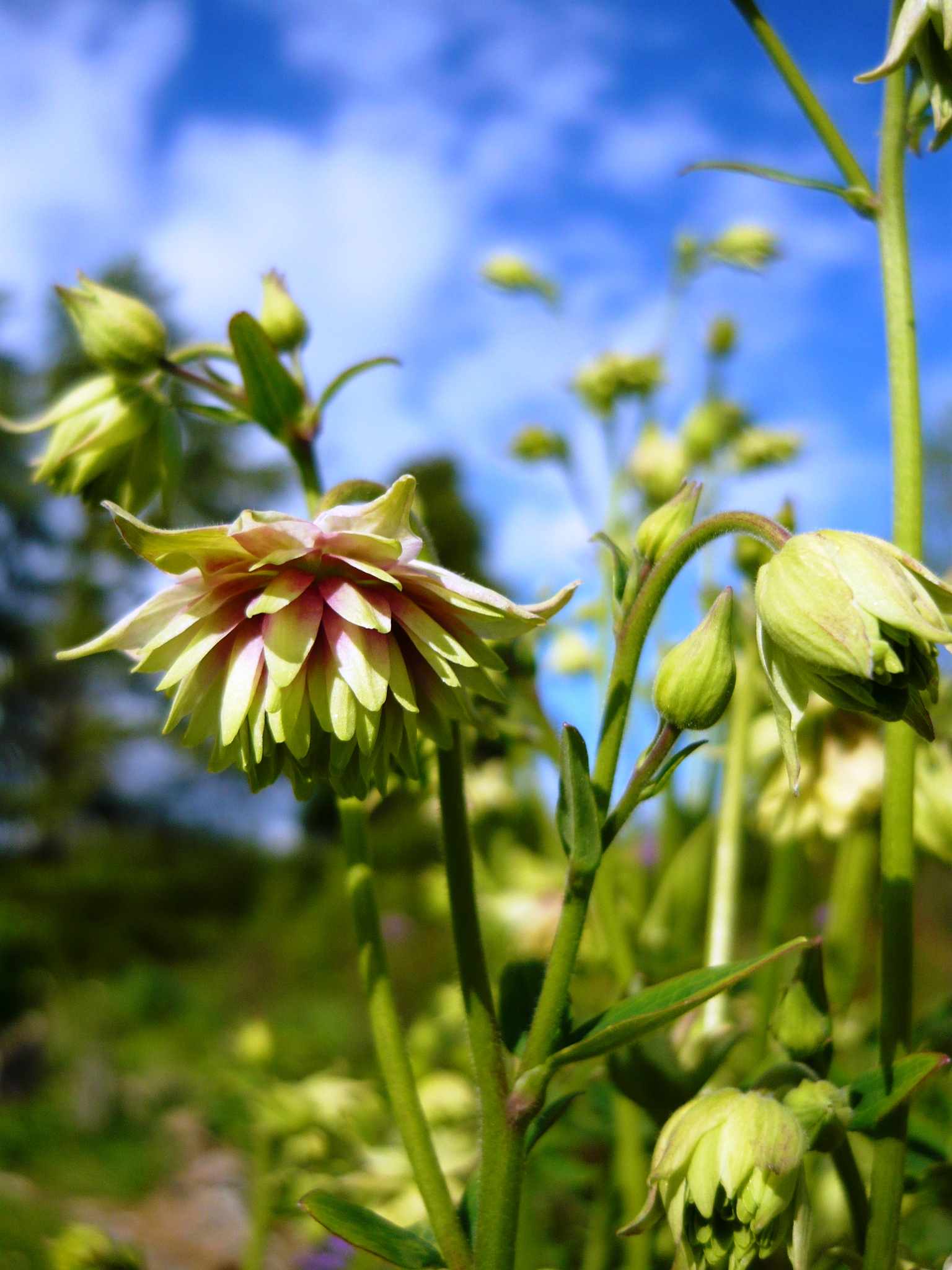
 We always write a bit about what is going on around the circle and garden once a month and all of these posts can be found in the category, Elemental circle. As you can see on the following photos our circle has a lot of lush green growth, but not that many flowers yet. We are happy to look at the Aquilegias though, that we grew from seeds two years ago. The dark one is called William Guinness and the green and pink one is the lovely Nora Barlow.

william guinness

nora barlow

circle may east

East

circle may 020

South

circle may 017

West

circle may north

North

circle may

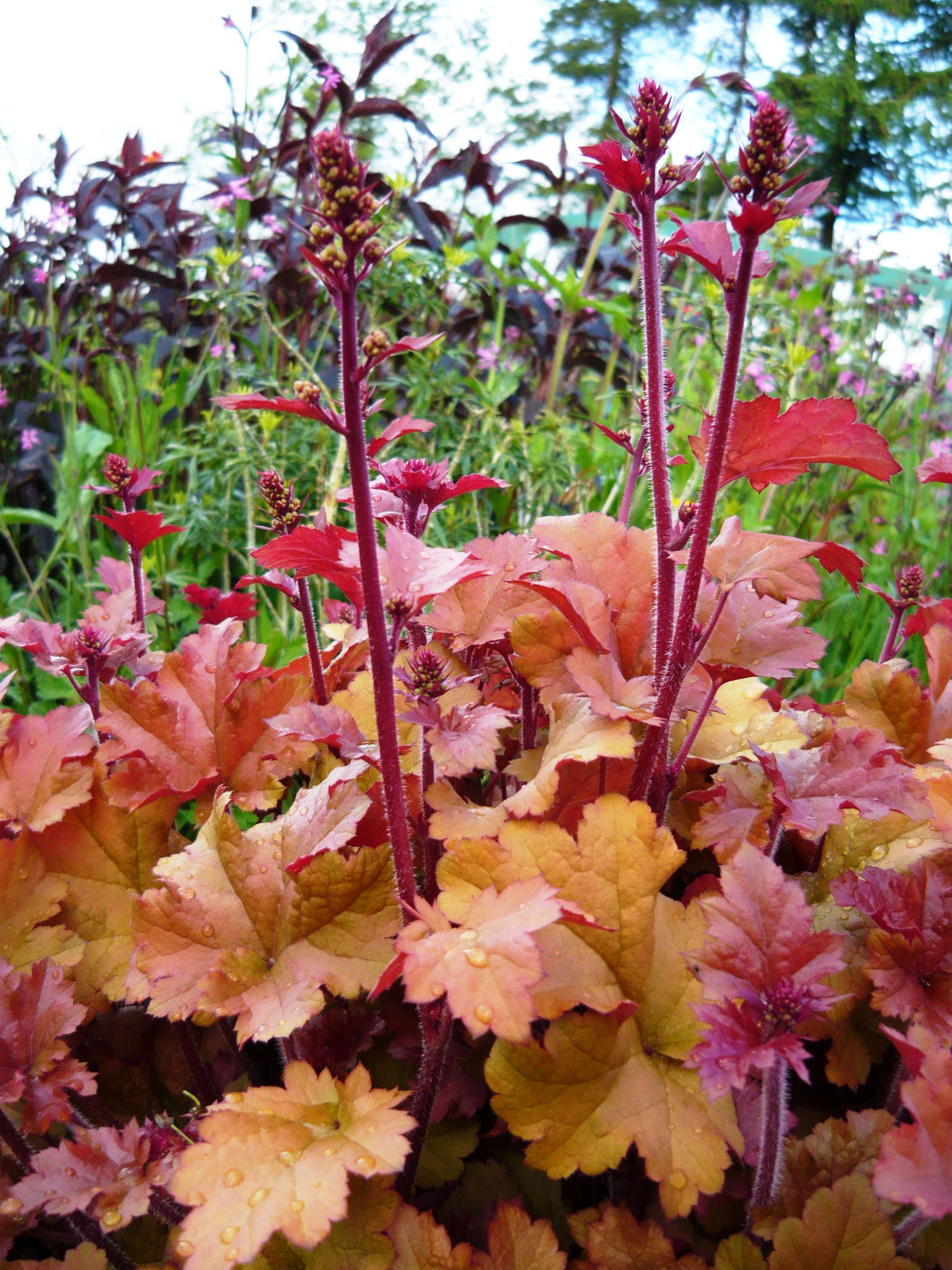
 We will leave you now, with a picture of one of our favourite heuchera, Marmalade. It looks best in full sun, so we can admire it occasionally, between the showers. We are hoping the weather will warm up a bit in June so all our flowers and vegetables will come out to play.

marmalade

Creating a wildlife haven.

 fern frond

Although most of our garden is on the wild side, it is divided into a few different areas. We have a herb-garden, filled with medicinal and culinary herbs, a small woodland, a kitchen garden for mainly annual vegetables and a large area dedicated to wildlife. We try to include useful plants for ourselves and for wildlife in all of these areas but we believe the wilder part and the small woodland has the biggest benefit for all the animals. We have two ponds with adjacent bog gardens with a large, rather waterlogged area in between. It was covered with creeping buttercup and couch grass up until last spring, and we decided we wanted a more varied habitat so we covered the whole area with a double layer of cardboard boxes and some soil on top and sowed a lot of native wildflower seeds. Unfortunately, as soon as the lovely little seedlings became visible, our army of slugs munched them all up and we re-sowed the area a few times but to no avail. We then decided to go for a slightly different approach and added mints, foxgloves, teasels, lavenders, hollyhocks, mallows, geums and other perennial plants, already at a size too big for the slugs to completely decimate. If you plant mint straight in the garden bear in mind that it will spread vigorously and may out-compete other plants, but we are quite happy for this to happen as the area is very big, and the mint is far more beneficial to us and the wildlife than the couch grass.

Read more