Winter crafts.

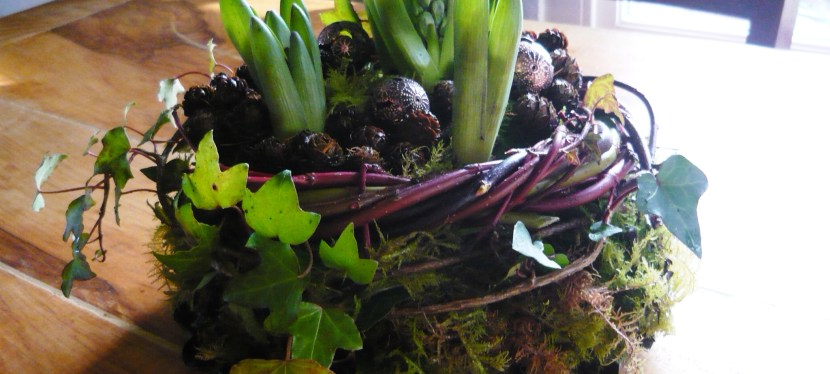
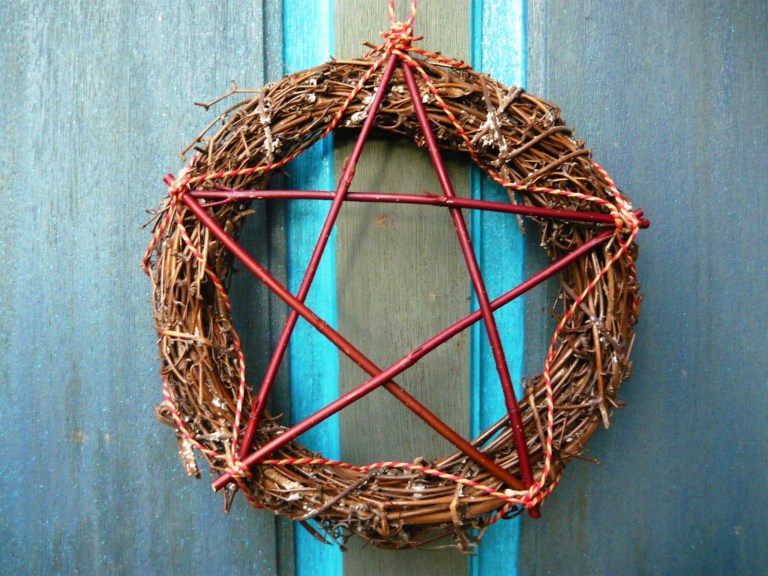
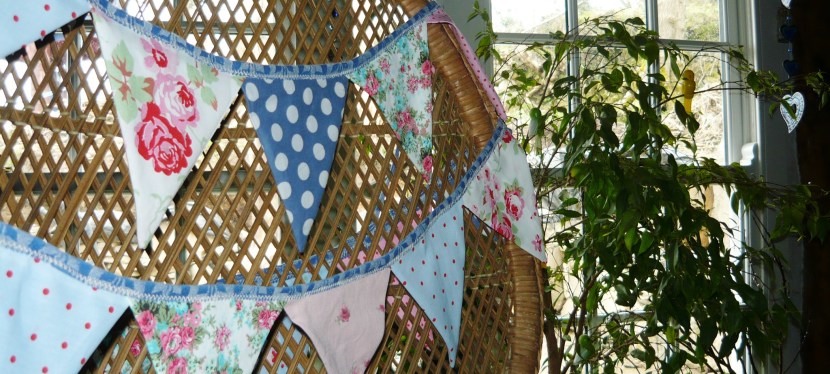
At this time of year it is especially nice to bring some things from the natural world into the home. We love to decorate our house with materials found in the garden. It brings with it a feeling of calm and reflection on the past year of growth in the garden. Most plants are resting and gathering strength for the spring to come. We like a slower pace of life as well at this time of year, and making a few winter crafts and decorations can brighten up your space as well as calming your mind while you work on them.

november-crafts-055

Read more

Kokedama moss balls with a twist.

Kokedama 125

Last year we were given some lovely Pelargonium cuttings from a friend to add to our pelargonium collection. They all spent the summer outside, but when it got too cold they had to move indoors. They have been stored all winter in some plastic crates and were looking a bit worse for wear due to poor light and cramped conditions.

Read more

A room for Josie.

There has not been many blog posts in February and this is part of the reason.

We moved into our cottage three years ago and because it was so small, our three teenage daughters had to share a room. Although they have not complained too much about it, all three of them have been looking forward to more space. In December last year our extension was finally finished and another room was freed up in the house for the girls. Alana and Alex are both 15 and like a lot of the same things so did not mind to continue sharing. They moved into the newly vacated room and Josie was left with the old girls room all to herself.With a little help she has made it into the new favorite room of the house.

room 022

Read more

A tapestry of sorts.

tapestry dragon

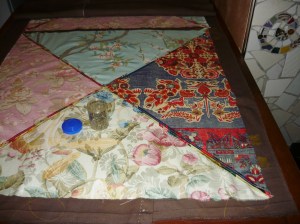
We are going to use part of the new extension as a space to put our loft bed into. We are not planning to sleep in our extension for more than a few years, as we have four teenagers and when they start to leave the nest we will be able to move into one of the bed rooms. Because of that we do not want to start building walls to partition of a sleeping area, but at the same time we want a semi private space to house our clothes and personal items. Our solution is a tapestry of sorts which contains appliqué, embroidery and a bit of magic.

Read more

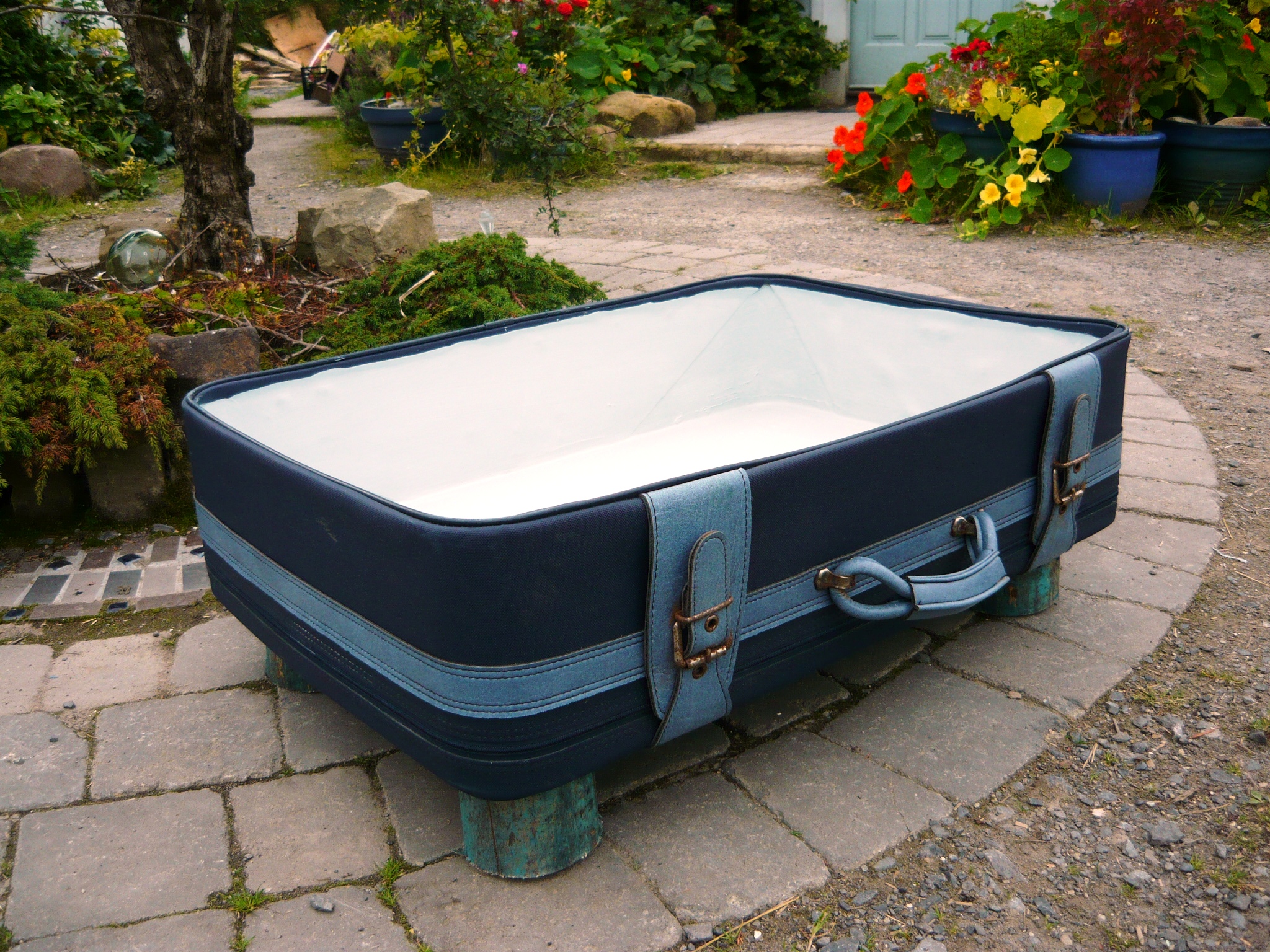
Recycled pet bed from an old suitcase.

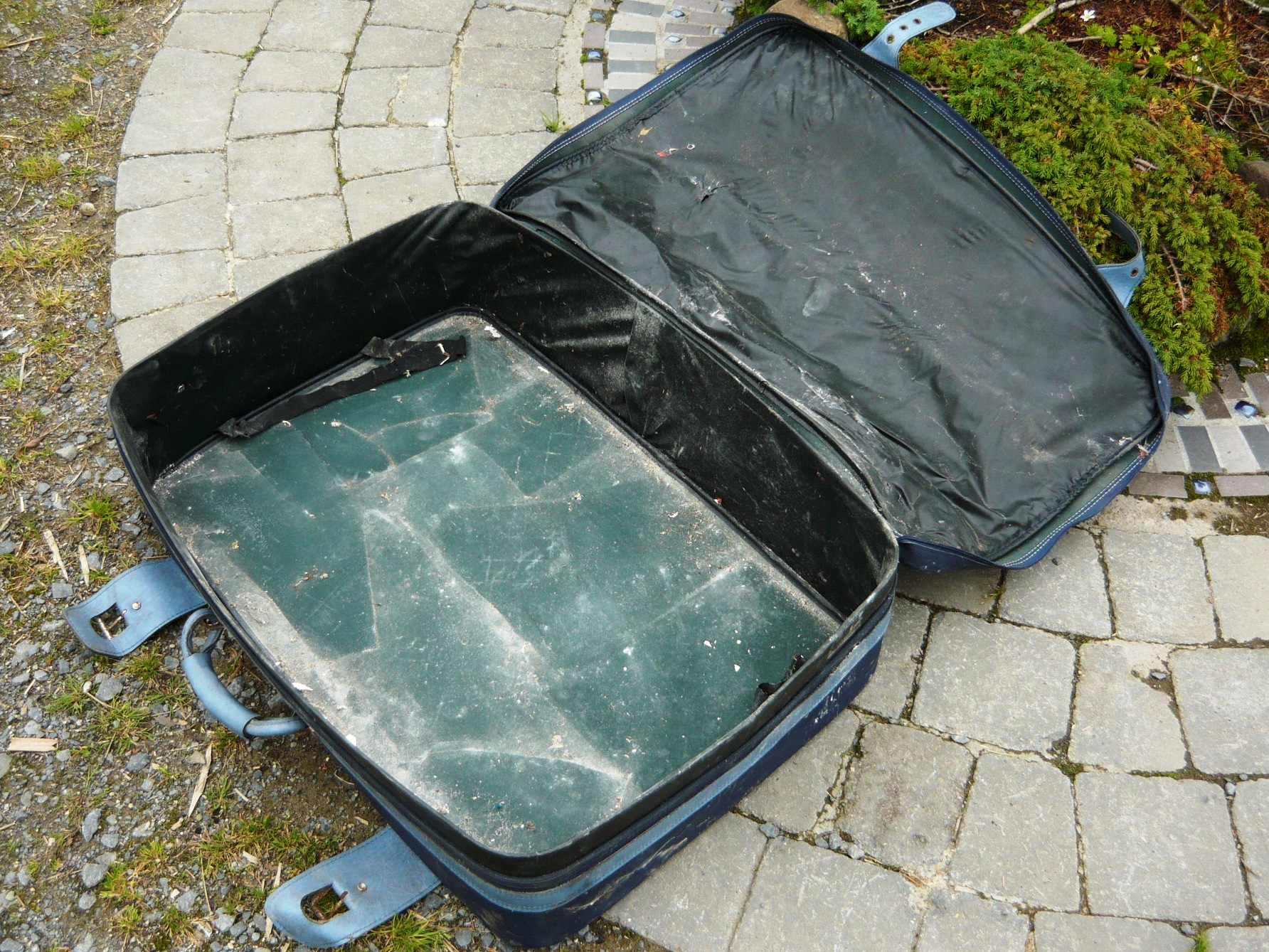
If you are a regular reader of this blog you know that we like to recycle and reuse as many items as possible. When our newly adopted puppy needed a bed we wanted to make it ourselves. We had an old suitcase in the shed that came with the house when we bought it and up until now had been used to store tiles in for mosaics.

dog bed 002

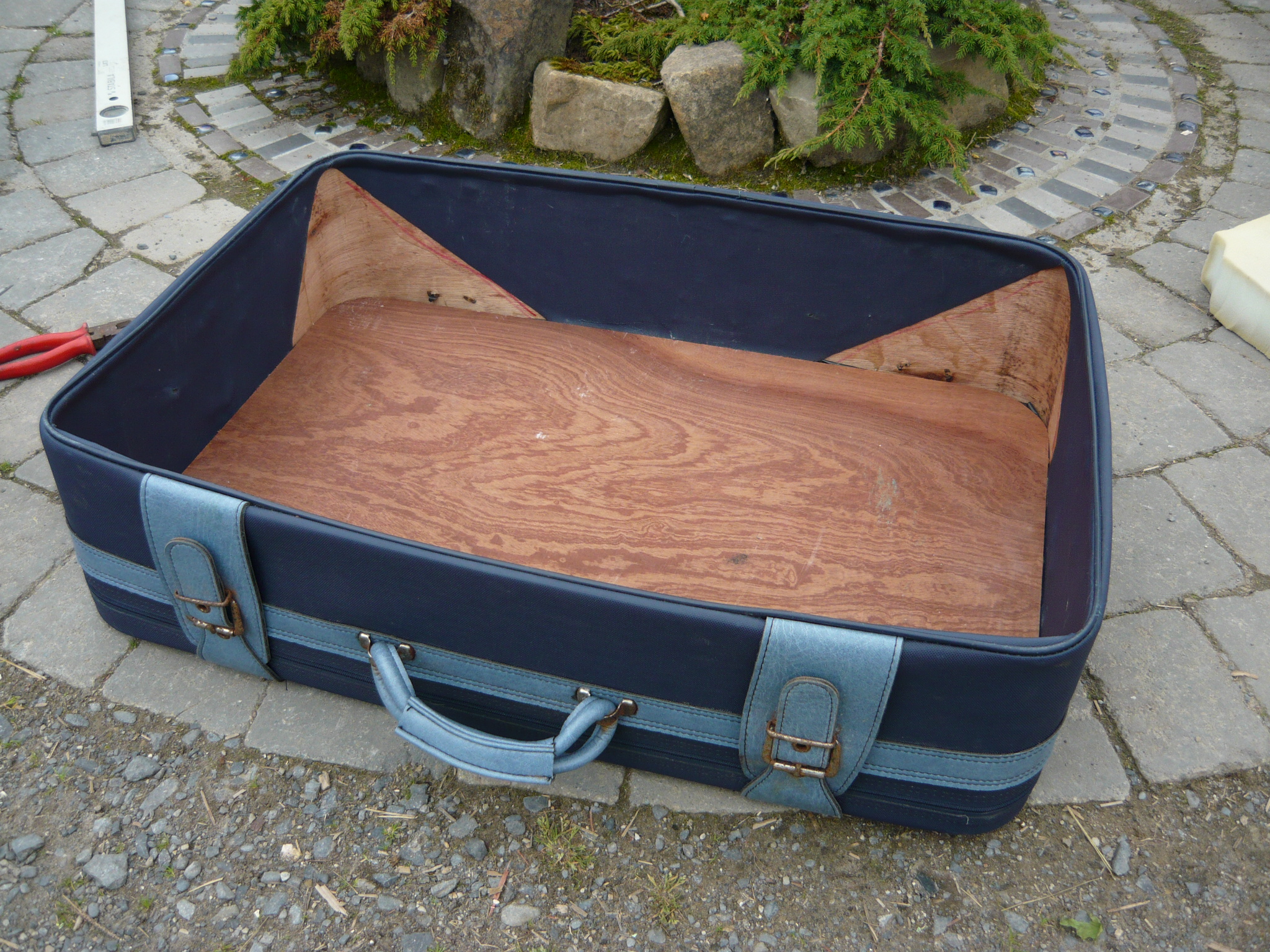
We started the transformation from suitcase to bed by washing it thoroughly and zipping and buckling it up. Then we turned it over and cut a cross from the four corners and glued the flaps down securely. We cut a piece of plywood to fit inside the suitcase and glued it down.

dog bed wash

dubh bed cut x

dubh bed glue

dubh bed plywood

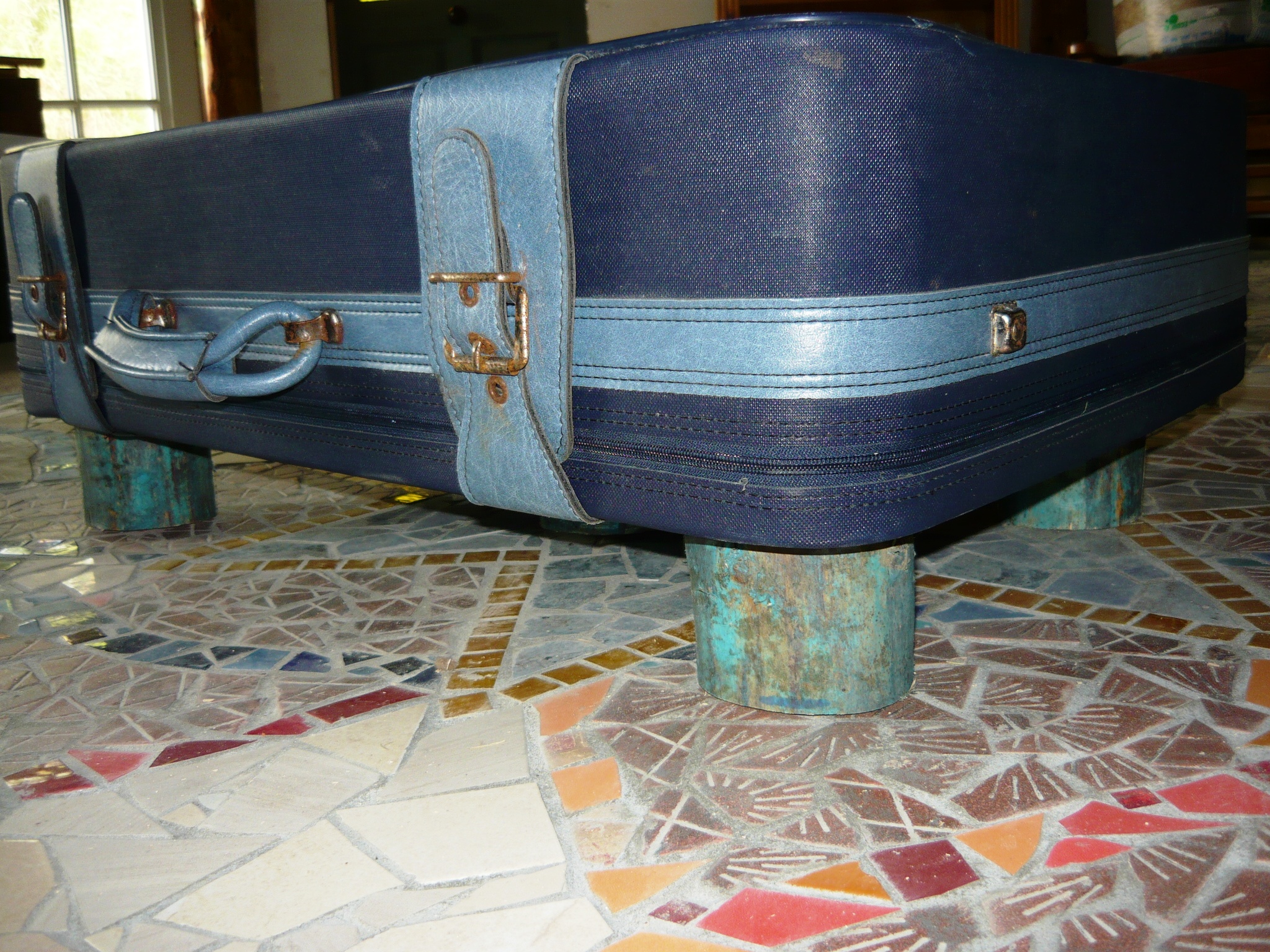
After that it was time to attach the legs. We made them from a piece of round wood cut into 10 cm sections. The legs were attached to the underside by screws from the inside of the suitcase, through the plywood and suitcase material. Now the bed has five very sturdy and heavy legs that make it stay in place when our dog climbs in and out.

dubh bed legs

dubh bed side

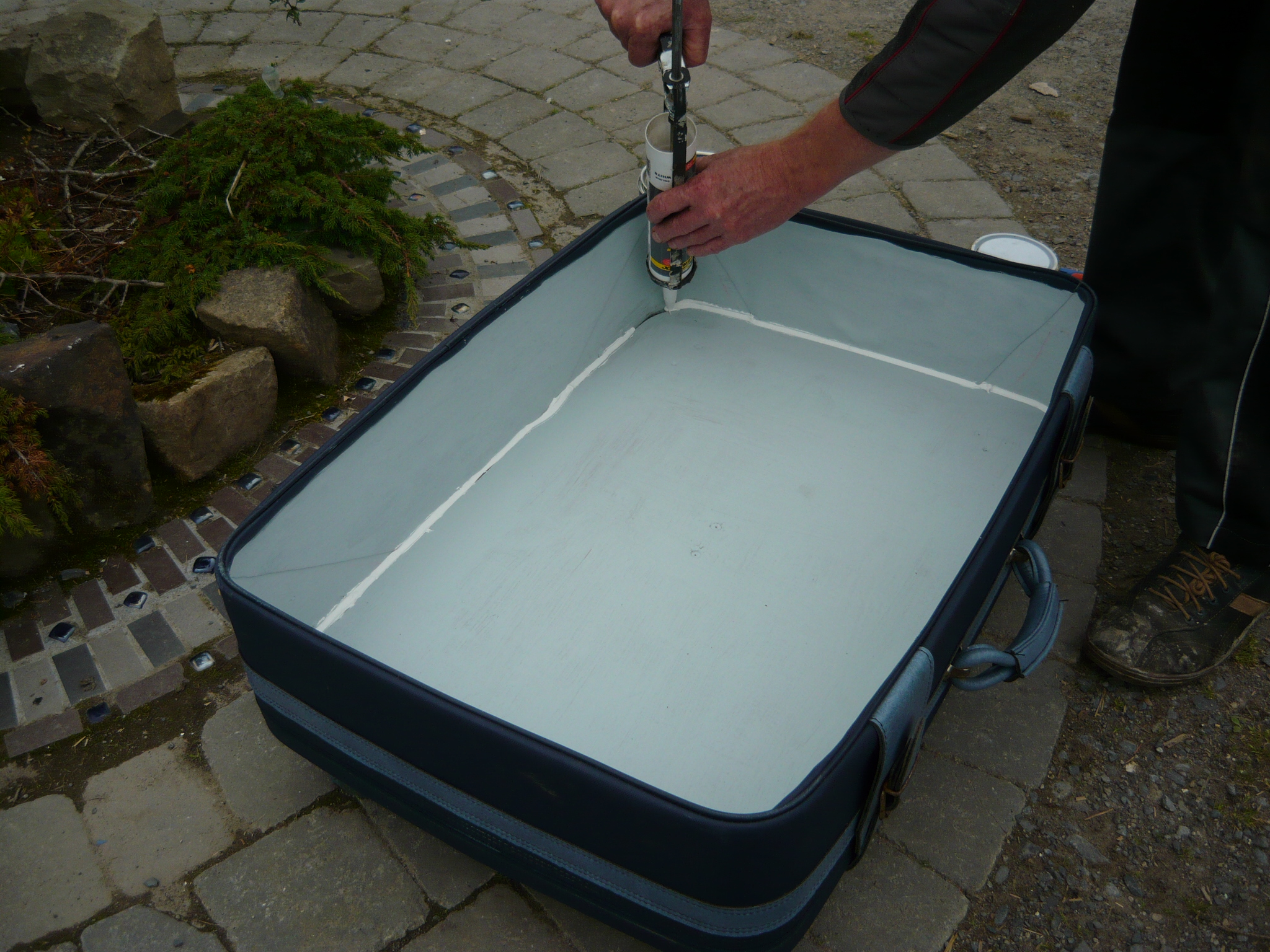
We gave the inside of the bed two coats of washable matt emulsion, adding filler around the plywood bottom after the first layer and ended up with a practical, easy to clean bed.

dubh bed filler

dubh bed painted

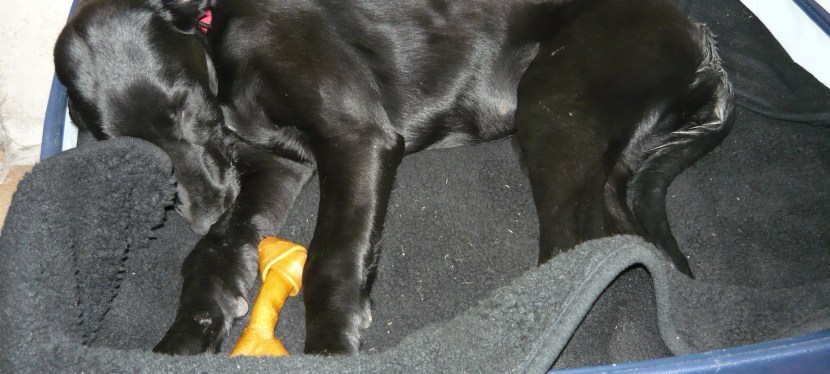
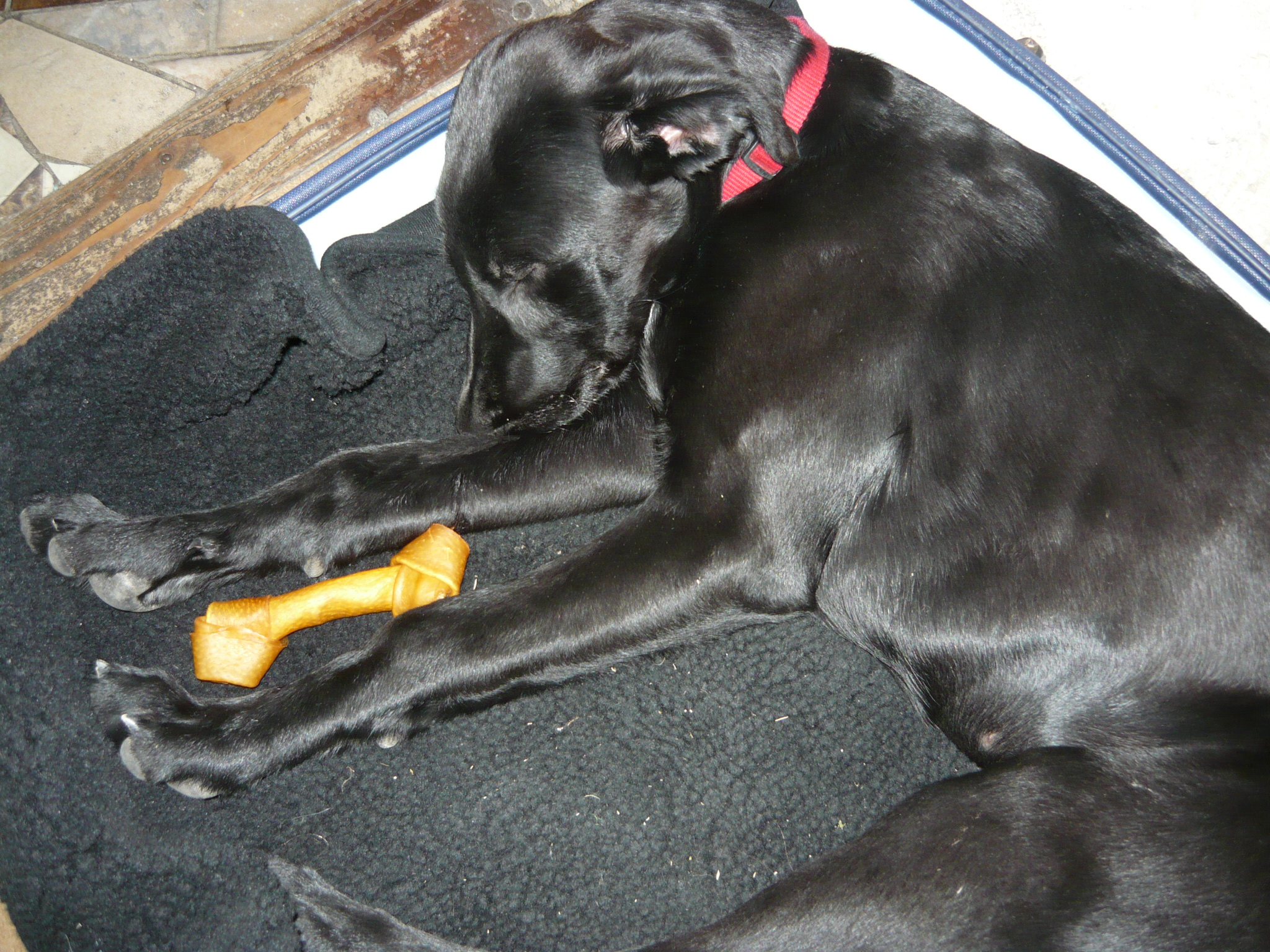
We used an old foam mattress, cut it into shape and made a washable, detachable cover for it. After that all the bed needed was a fluffy dog blanket and it was ready for Dubh. We adopted her today and although she has only been in the house for about 9 hours she already loves her bed and has dozed off in it a couple of times in between all the excitement of a new home, a garden to explore and new country lanes to go for walks down. We are hoping she will sleep soundly in it tonight. As she is only about five months old we expect her to grow quite a lot bigger and maybe we need to look for a larger old suitcase in the months to come.

dubh bed matress

dubh bed asleep

You could adapt this method to any size suitcase and use it for cats and dogs. If you have a different type of suitcase with a hard shell you can leave the lid open and secure it in some way so the pet won’t get bitten…

You will be preventing the old suitcase from going into landfill and by not buying a new pet bed you are doing the Earth a favour in the process. It is a quirky addition to your home and you can adapt it using colours and fabrics to suit your own taste and style. Have fun if you decide to try this out for your dog or cat.

dubh bed

Blooming marvelous herbs.

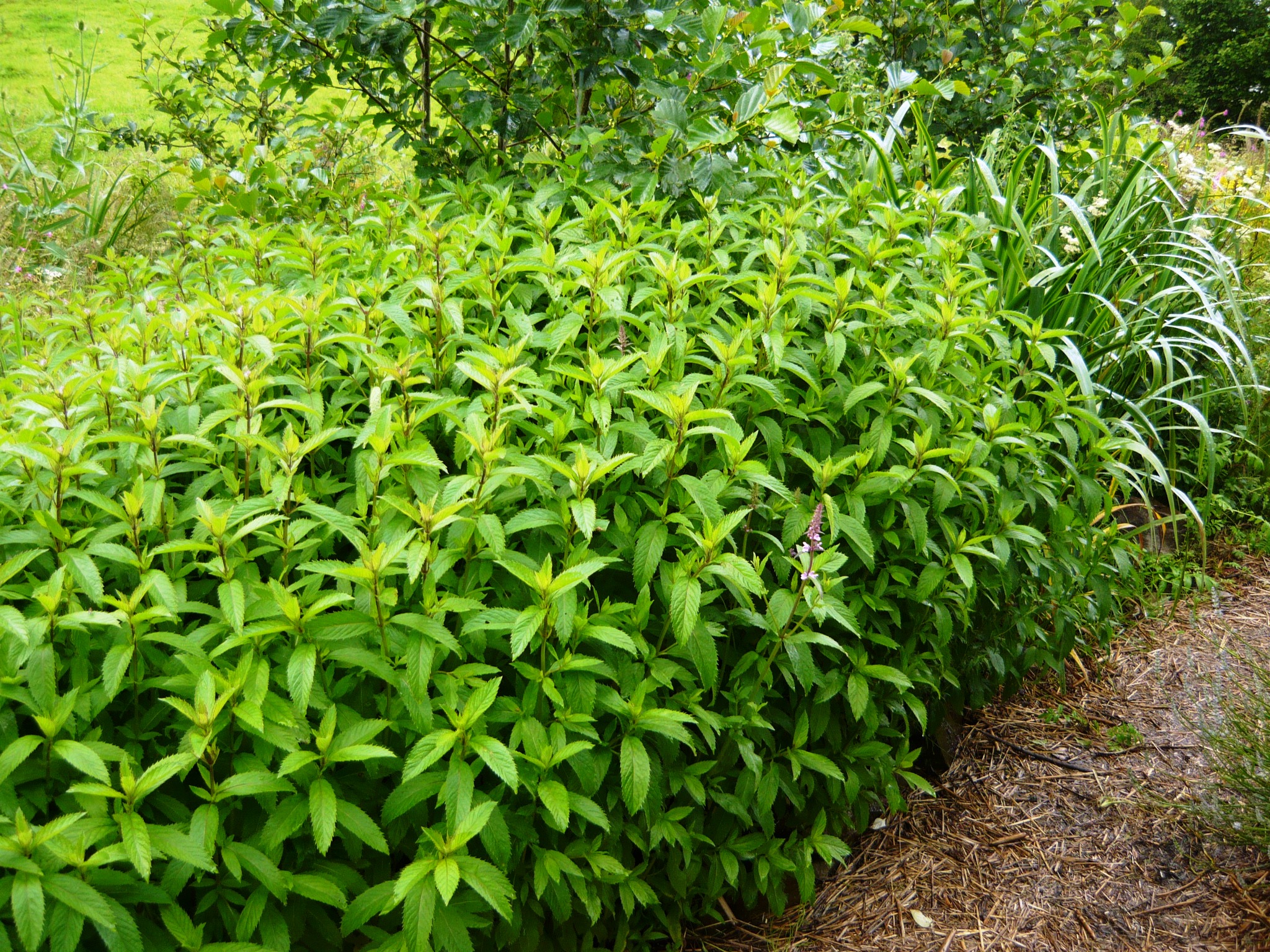
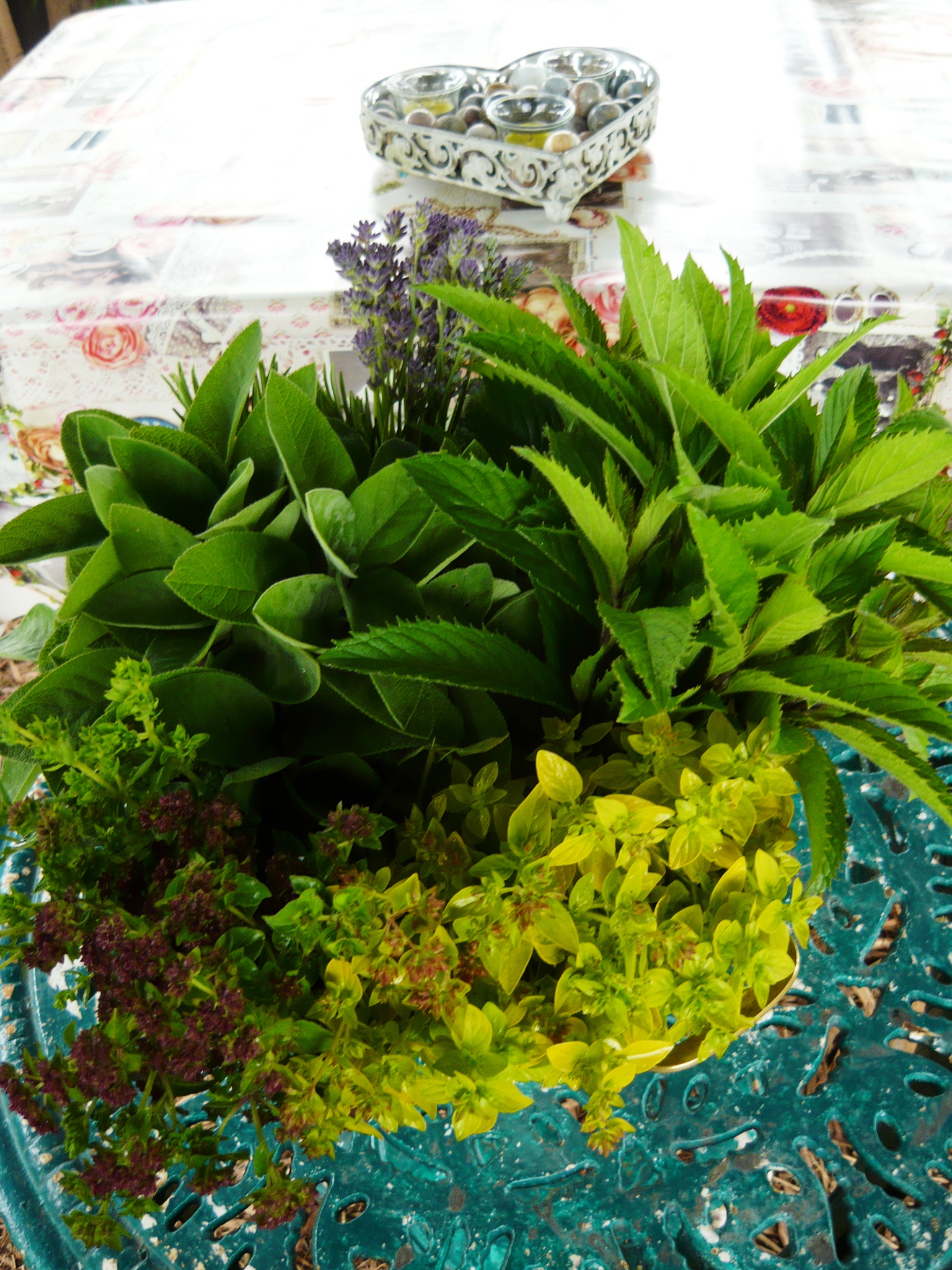
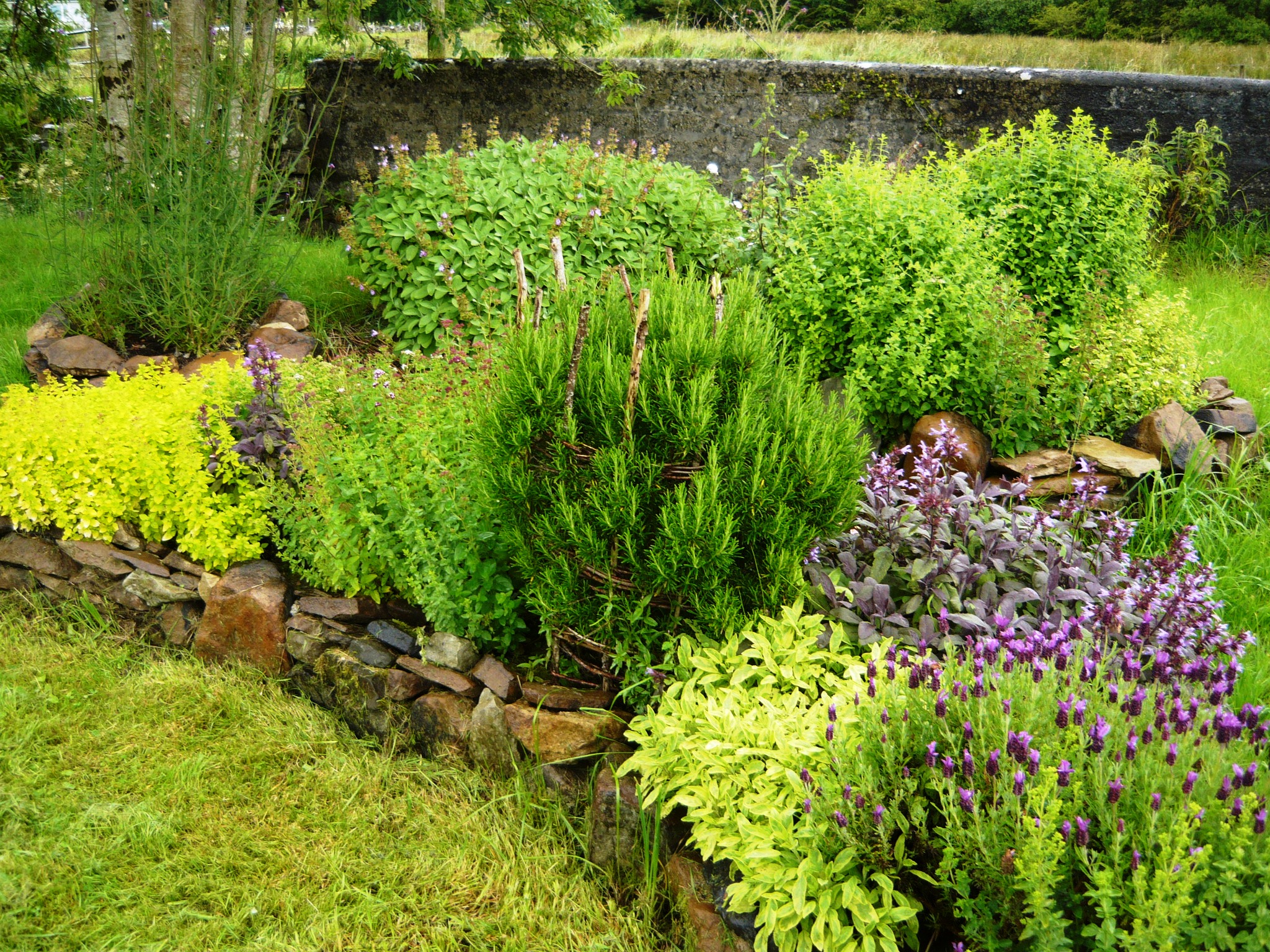
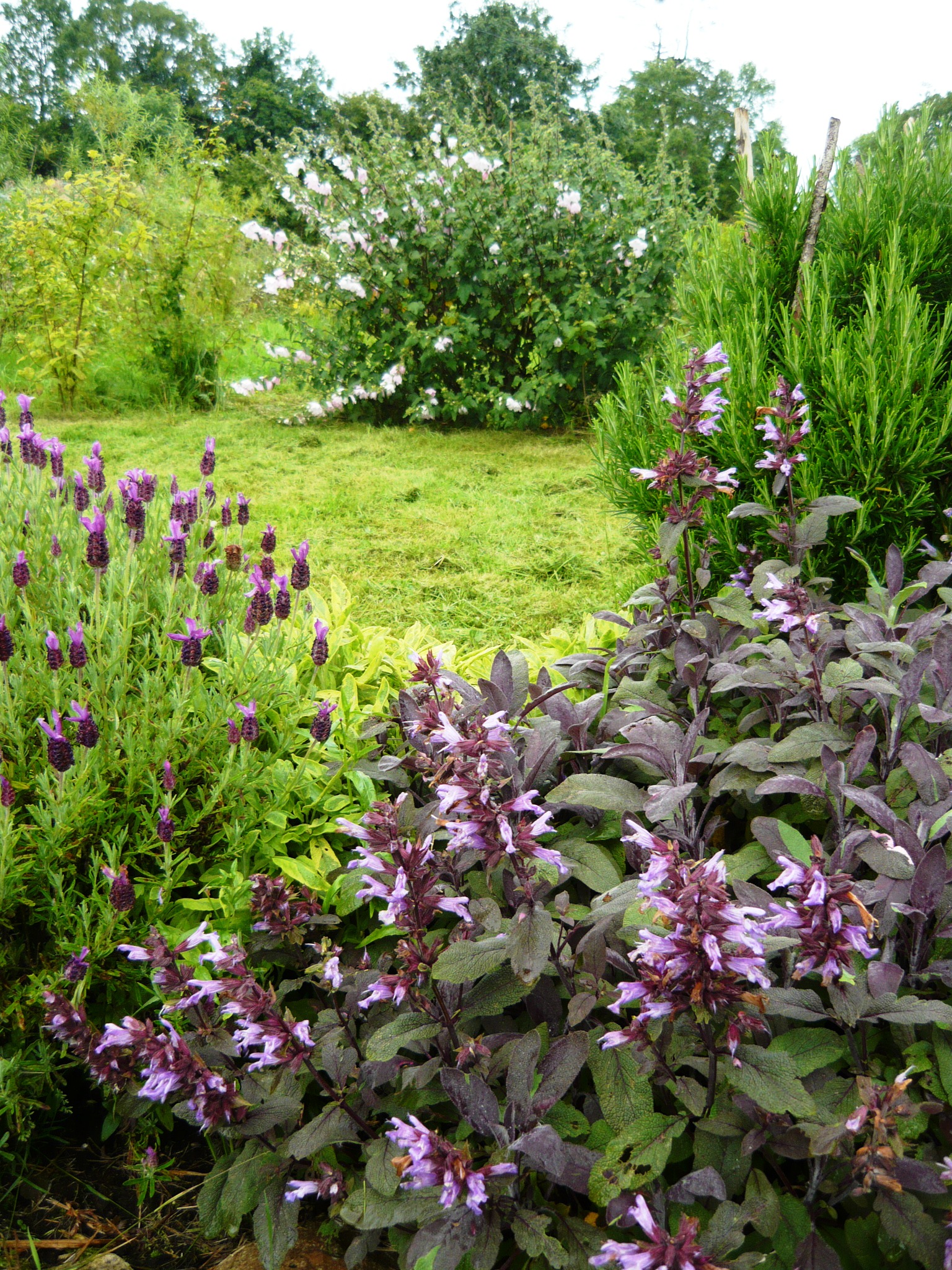
We have been waiting for about a week for the rain to let up so that we could harvest some of our lovely herbs, but today we decided to wait no longer. Most of them are at their peak now, lush and green and just starting to flower.

herbs 011

herbs 015

herbs 027

We wanted to keep some of this for the whole year and capture the smell and taste of many of the different herbs we grow in our garden.  Vinegar is very useful for all those winter salads and capturing the herbs by making herb flavoured vinegar is something we have wanted to try for a few years, so we were happy to find some tips about doing this in Beryl Wood’s excellent book, Let’s preserve it.

herbs 021

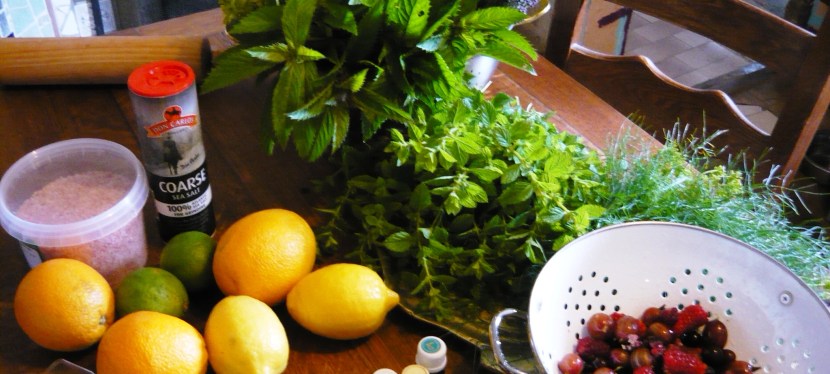
We started by harvesting some sage, lemon thyme, lemon balm, fennel, golden oregano and mint. We removed the tough stalks and used a rolling pin to crush them up, filling our jars half way up. We poured on our distilled vinegar, you could also use malt vinegar if you prefer or any other fancier variety. We bought some cheap vinegar as the herbs will give it a lovely flavour anyway and because we wanted to make a lot of it. We will shake the jars regularly over the next six weeks, at least once a week, and we will push the herbs down under the surface to preserve them properly. We are then planning to strain, bottle and enjoy them for the rest of the year.

herbs 040

herbs 063

We also experimented with some mixed berry vinegar, hoping to end up with something resembling fancy raspberry vinegar. Time will tell.

herbs 070

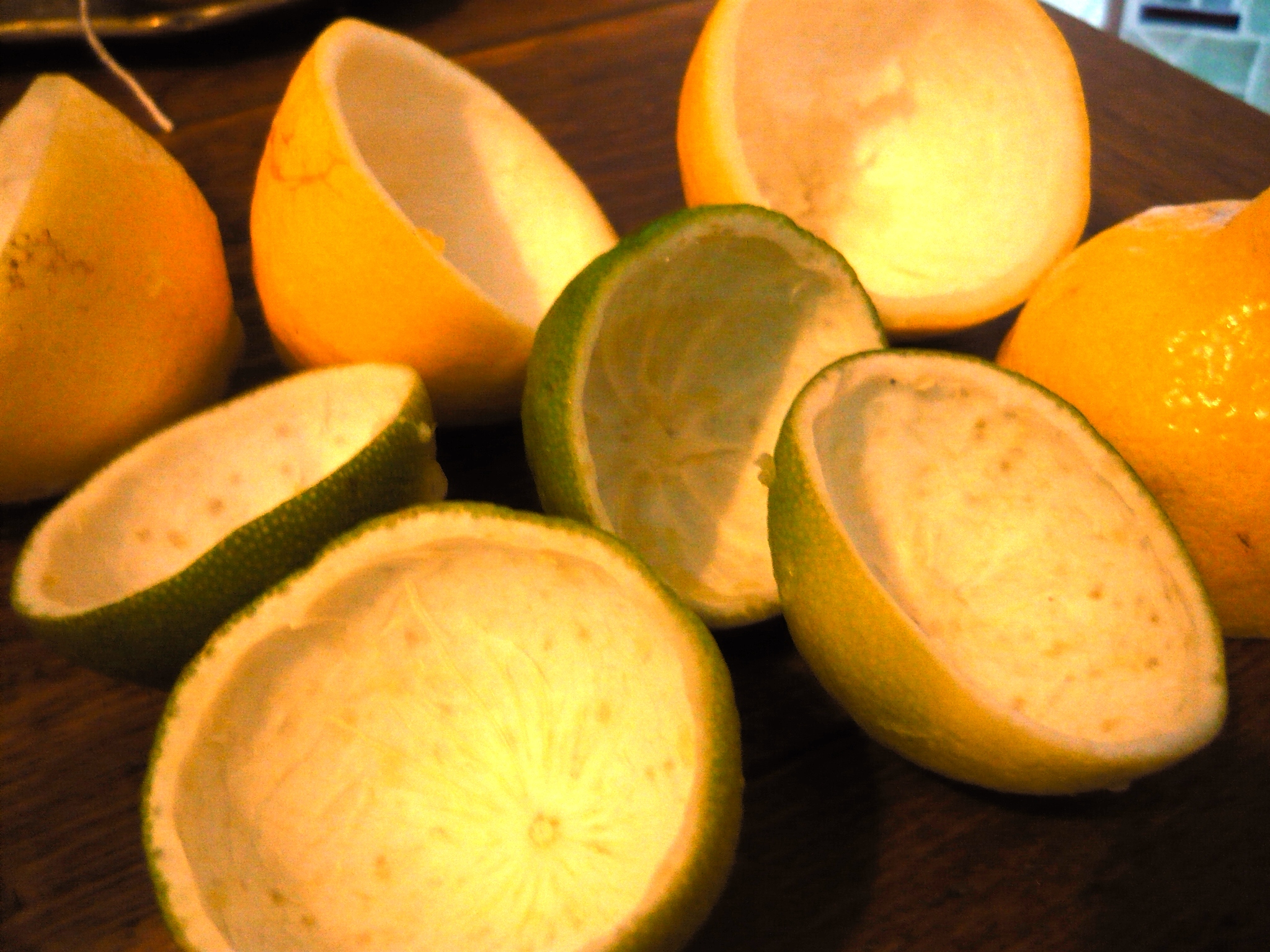
We wanted to try another thing we found in the UK Country Homes & Interiors magazine recently (August 2015). We try to use as little chemicals as possible in our home so the tips for making homemade citrus air-fresheners seemed very appealing. We started by cutting in half and juicing oranges, lemons and limes and removed all the white stuff, ending up with just the outer peels.

herbs 056

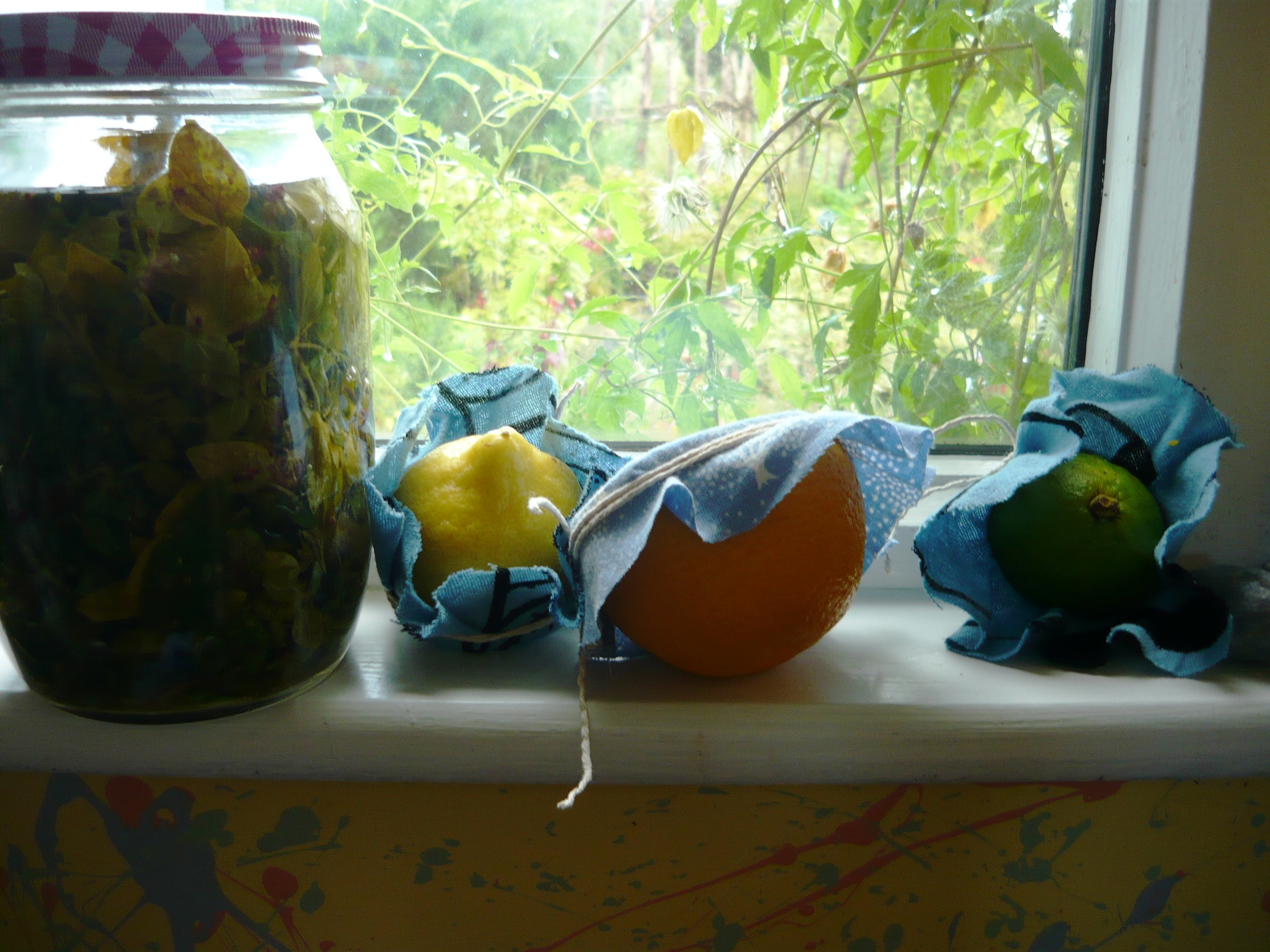
We mixed some ordinary table salt with some lovely sea salt and some Himalayan pink salt and put it in two different bowls. To the one for oranges we added lavender flowers from the garden, ylang-ylang, lavender and mandarin essential oils and to the one for lemons and limes we added chopped rosemary and clove, peppermint and rosemary essential oils. You could also add other herbs and your favourite spices to the mix. We then stirred for a good while to mix the oils and herbs well with the salt and packed our peels full of the mixture. To finish off we added fabric circles and string to keep the air-fresheners all together. This was quite fiddly to do but putting an elastic band around the fabric as you tie the string on helps a lot. We now have a sweet-smelling house with every room scented for very little money.

herbs 046

herbs 048

herbs 053

herbs 072

It is satisfying and comforting to think that we will be able to enjoy our herbs for a long time now, even after they have wilted and died back in the autumn.

herbs 019

herbs 069

Fun with rhubarb and willow.

rhubarb casts

In the last week we have been hard at work on our extension but we have managed to fit in a couple of gardening projects as well.

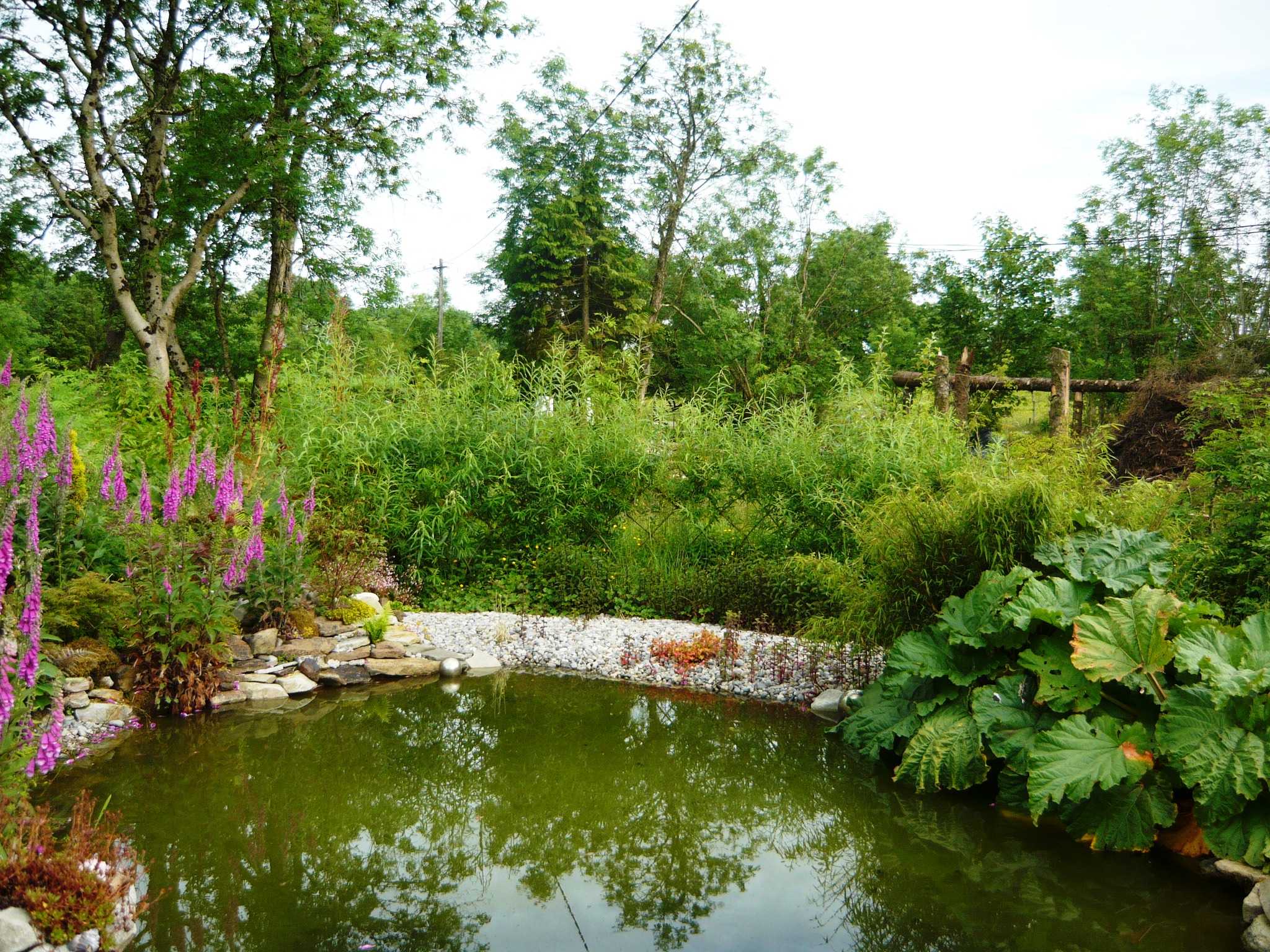
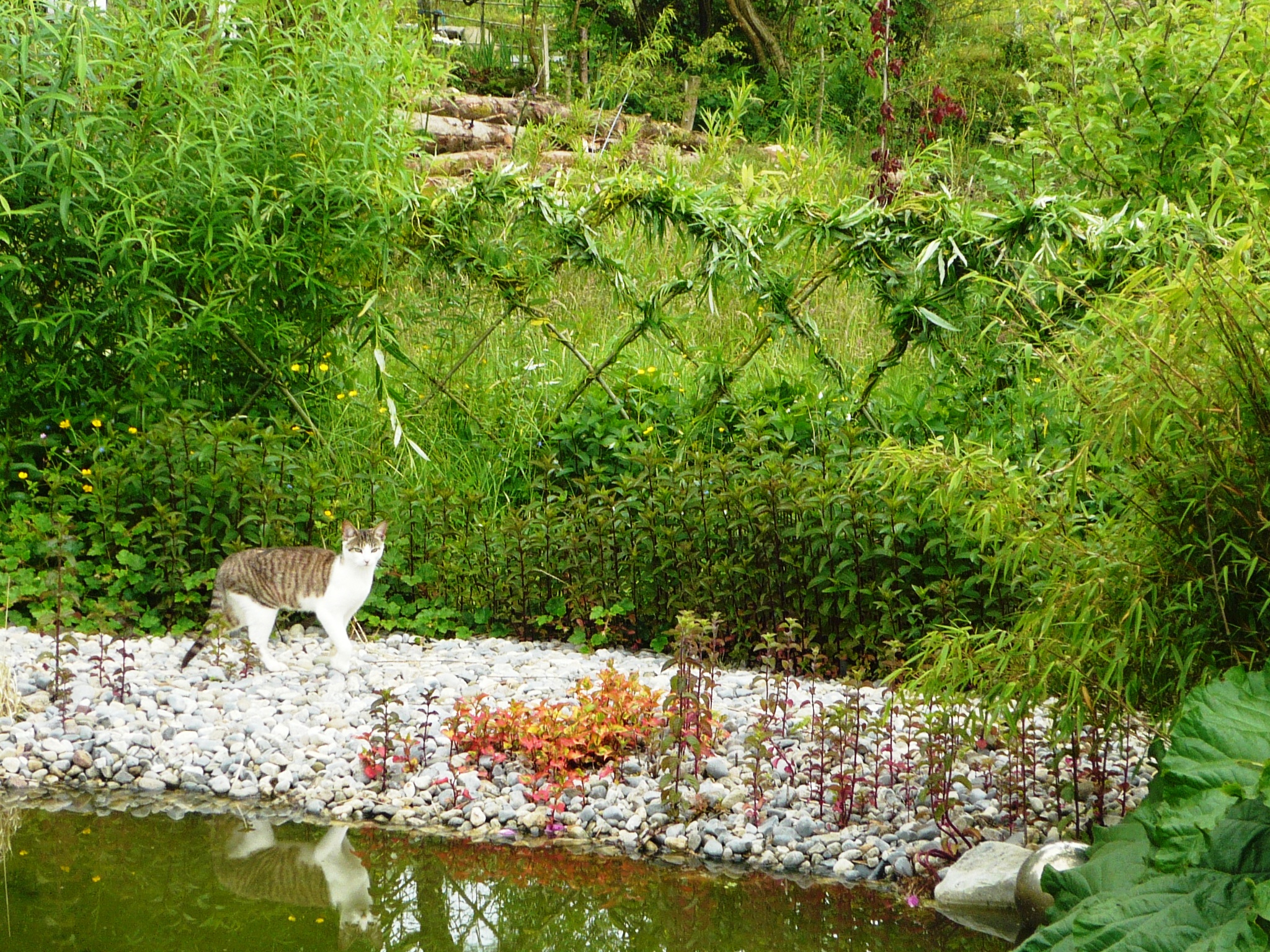
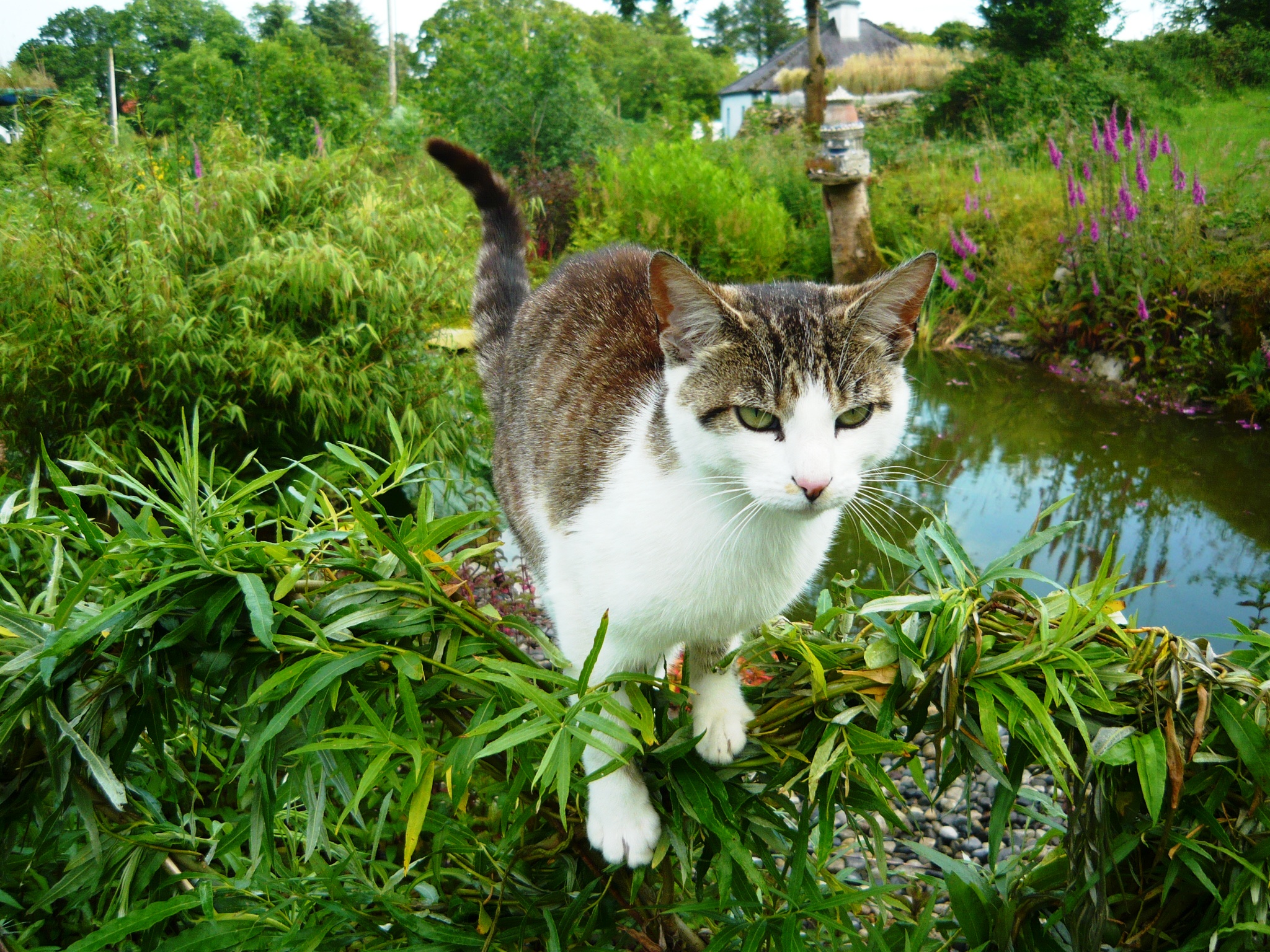
Our  living willow fence by the pond is just over a year old now and had grown a lot of strong upright shoots that needed weaving in. It only took one of us about an hour to do this and we are very happy with the result. Every year it will grow thicker and stronger but it is already strong enough for the cat to walk along!

rhubarb casts 012

fence and cat

rhubarb casts 032

fence with cat

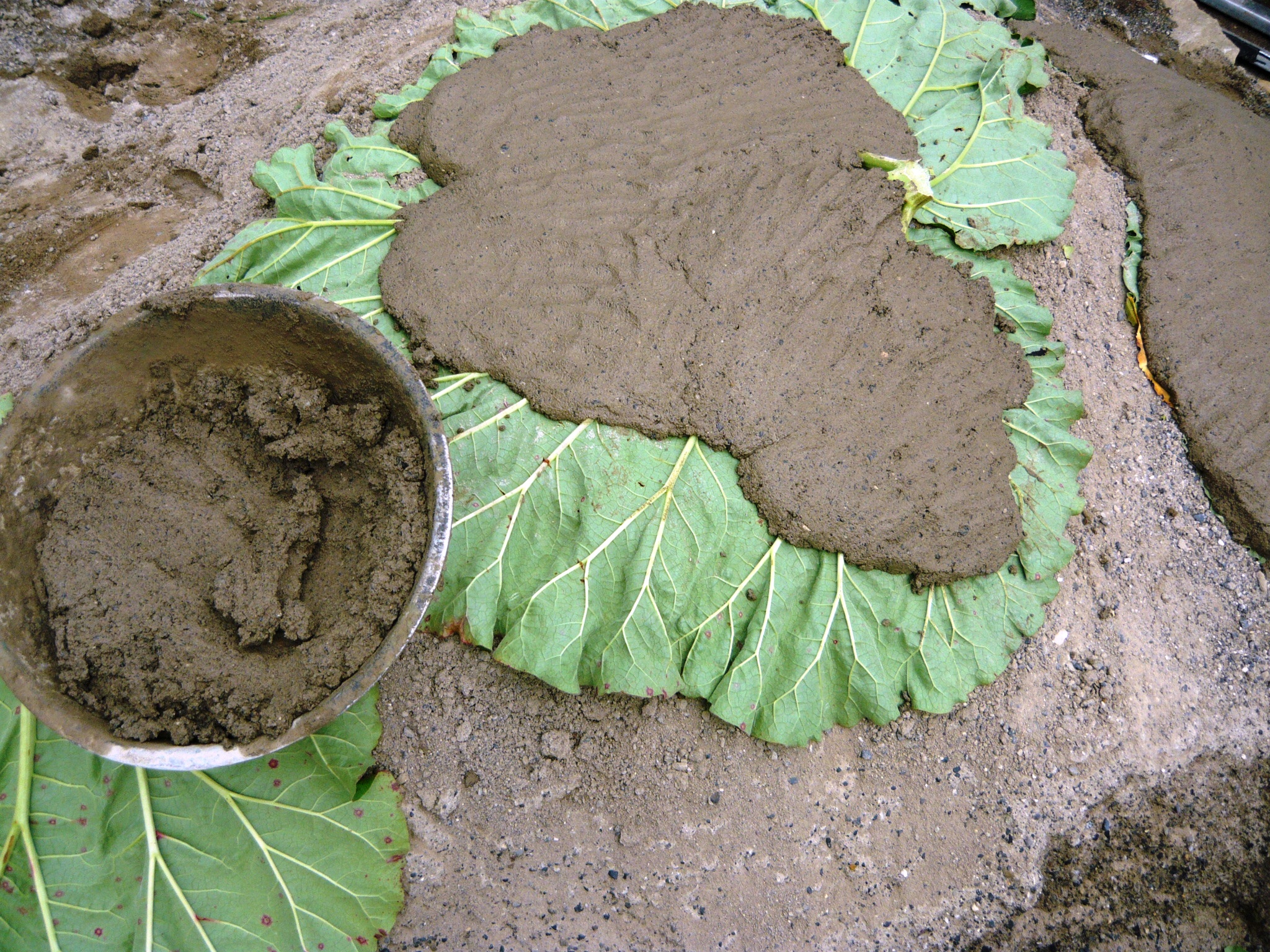
We saw some rhubarb leaf casts at a friend’s place in Sweden recently and wanted to try making our own and use them as bird baths. We used eco-cement, water and sand for our mix and added a little water-proofer to make water tight birdbaths.

rhubarb casts

We placed the leaves top side down on our sand pile and built up the sand underneath to get a good rounded shape. We put the mortar on about 4 cm thick all across the leaf and added a little more on the biggest leaf veins to make them stronger. You might want to add some chicken wire as reinforcement but we did not have any handy and it worked out very well anyway.

rhubarb casts leaves

rhubarb casts

rhubarb casts

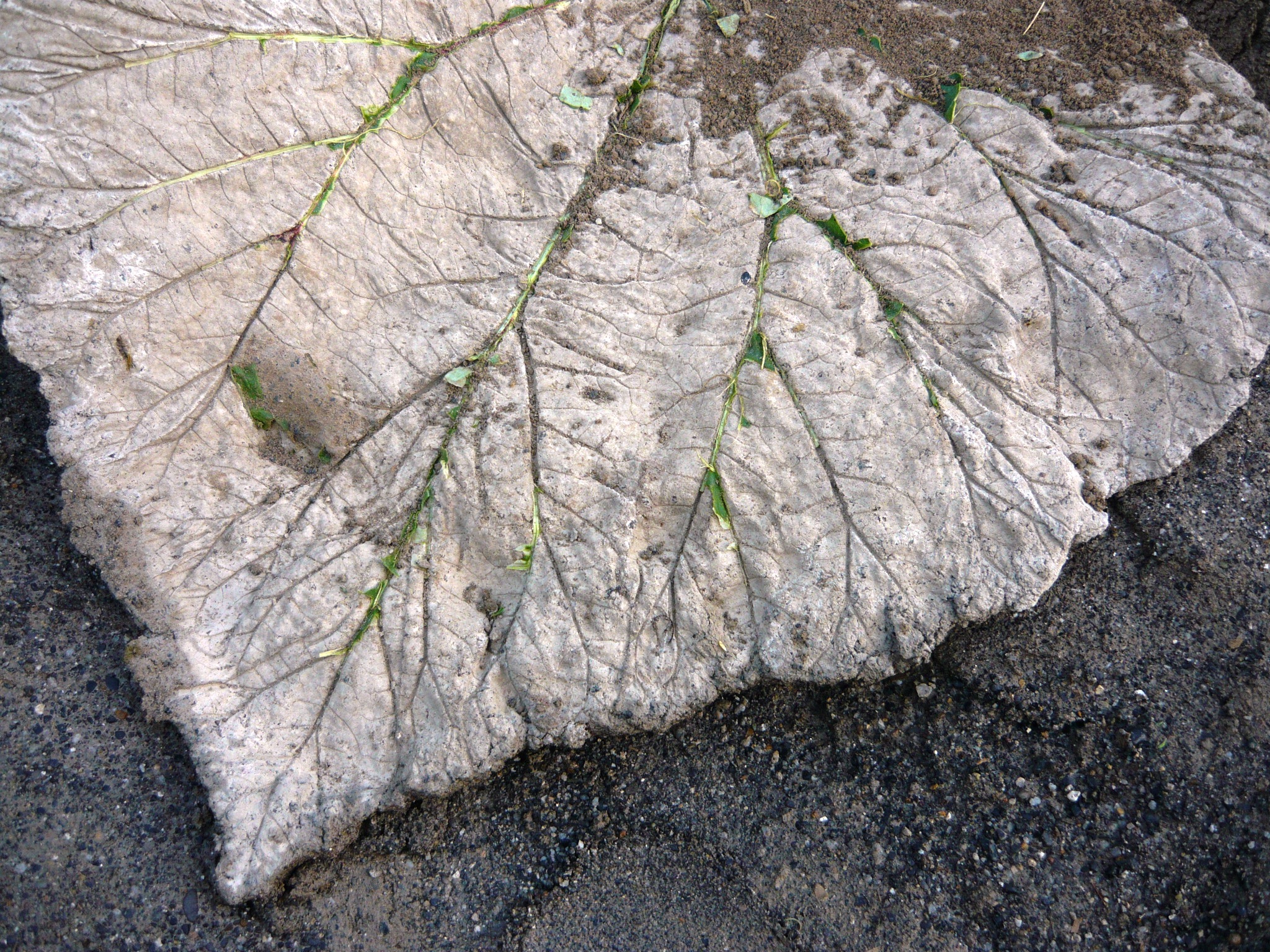
We watered them every day for three days and kept them under a plastic sheet to prevent them drying out too quickly and tonight it was finally time to turn them over and pull the leaves off. Some of the veins stuck a bit as the mortar has set around them but in a few days they will rot away and reveal the whole beautiful veined cast. Cement is not a very eco-friendly material but if you consider the small amount needed for this project and the beautiful and practical results it is not too bad. We made three casts that we will place in different parts of the garden for the birds and insects to enjoy.

rhubarb casts

rhubarb casts

Cushions for pennies.

sofa cushions 1

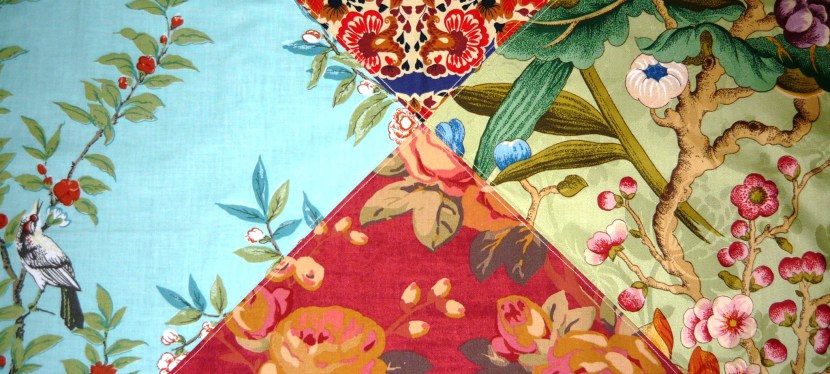
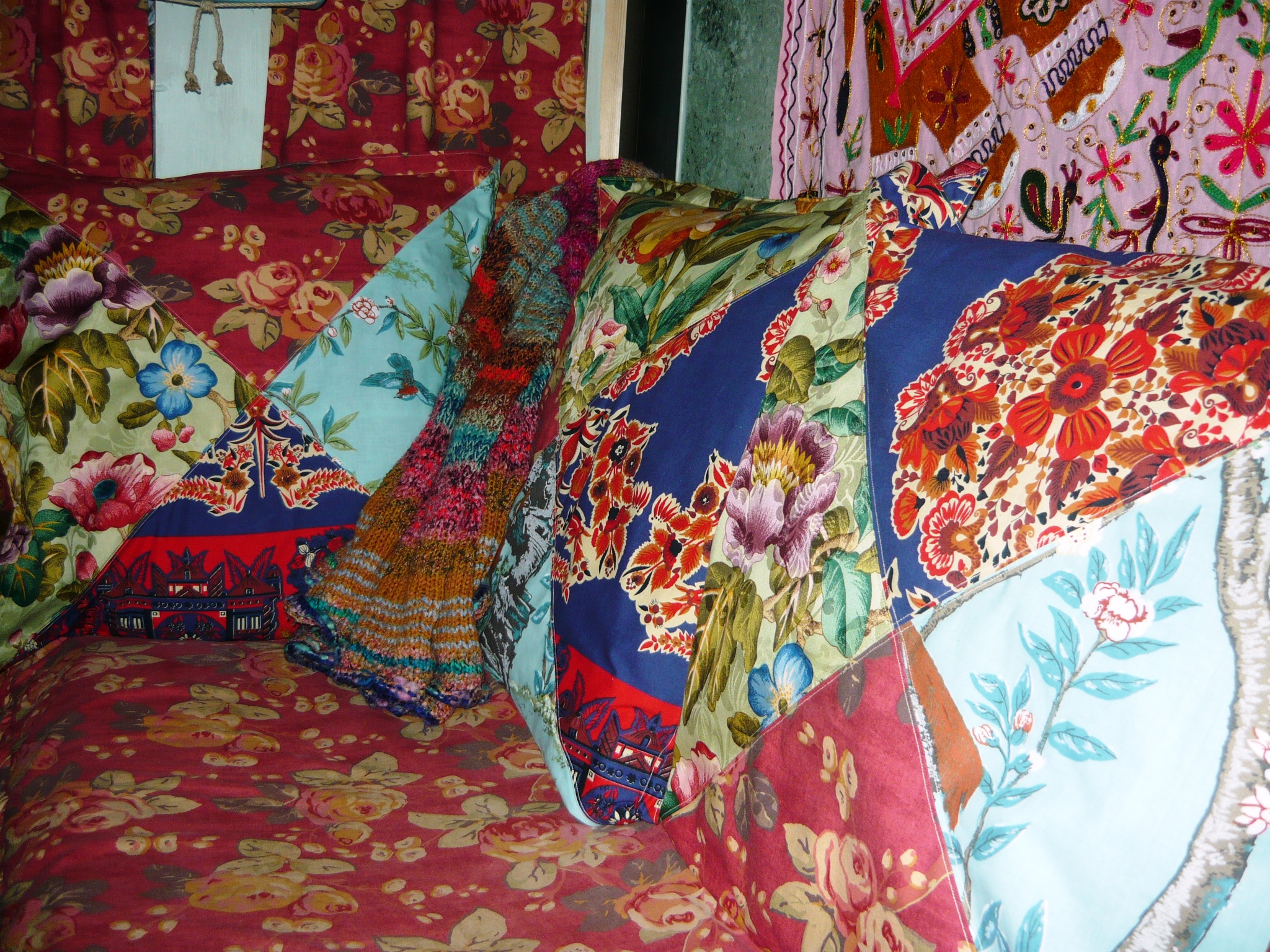
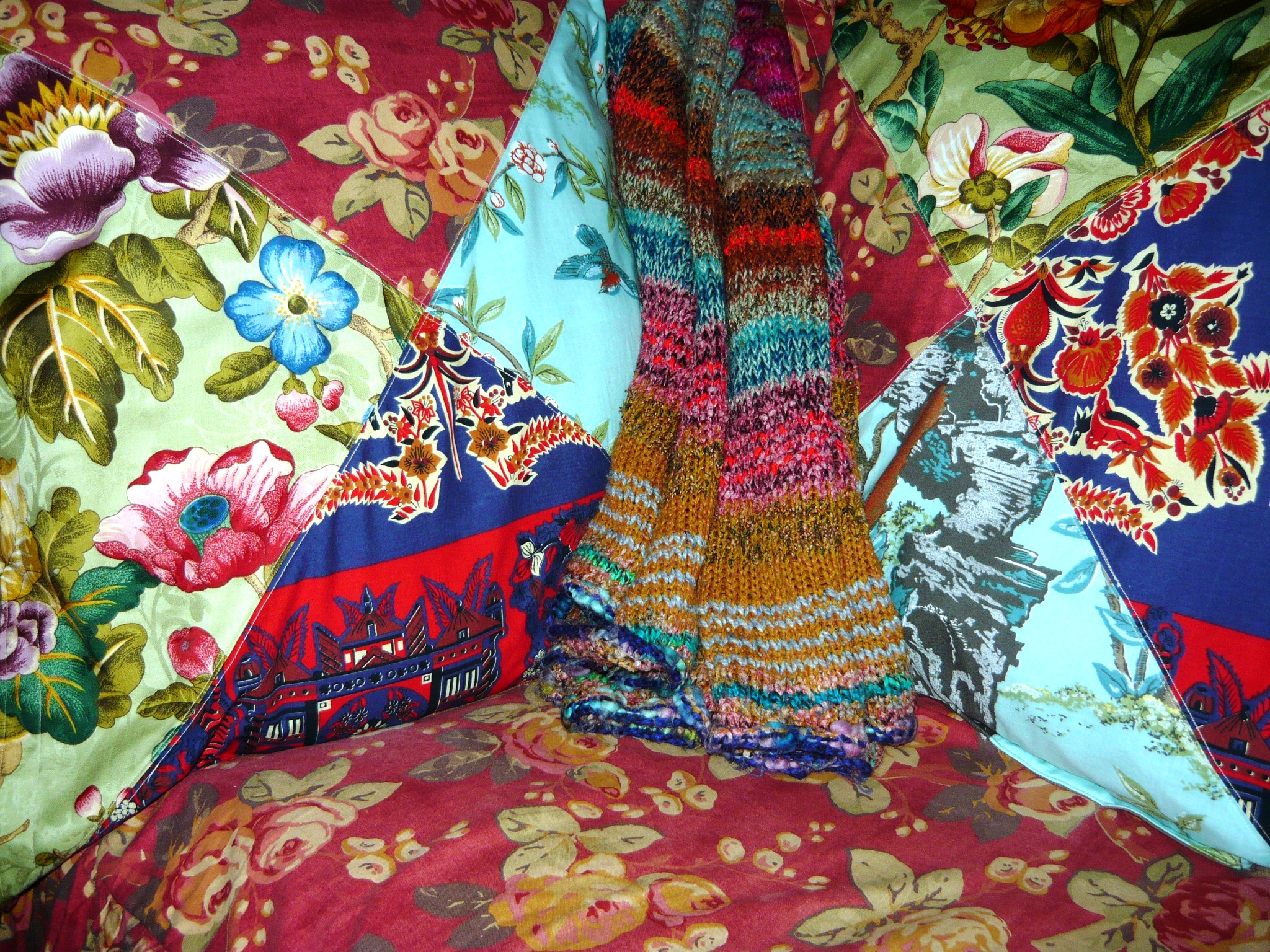
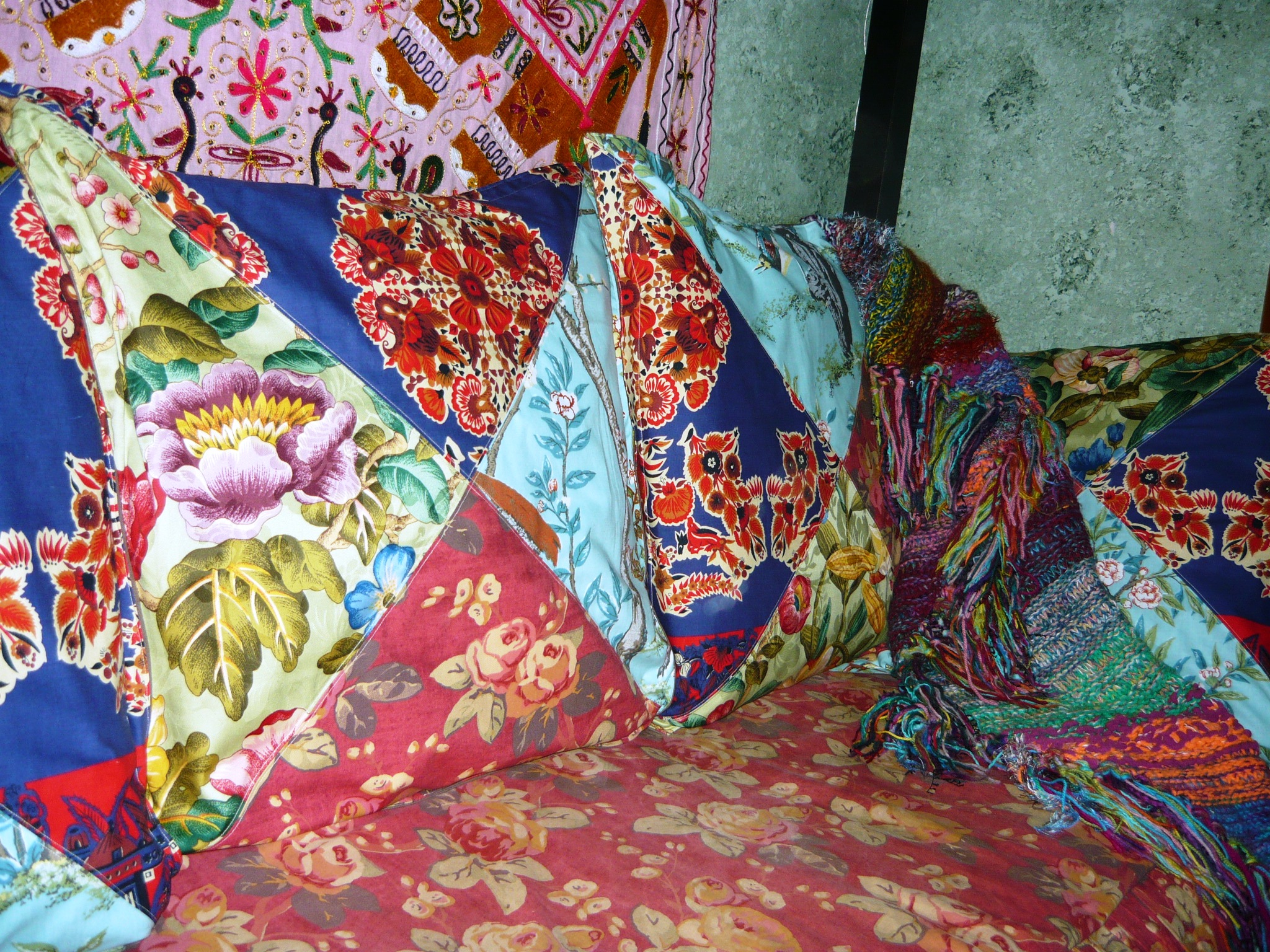
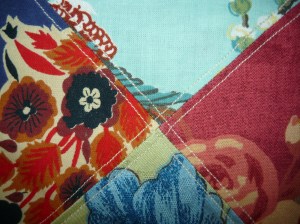
Just before Christmas, on one of our common Charity shop rambles, we came across some lovely fabrics. The first was a light green, American screen printed fabric from Braemore Design, the second a turquoise design with branches and birds from Design Edition Limited, 1981 and the third an unknown dark blue and red, Eastern European looking fabric. We got them for the bargain price of circa €1 each. The question was what to do with these as there was not enough of any one fabric for a large project.  We are planning a sofa built into the wall in our extension and the choice fell upon using our lovely finds, to make large cushions  for it. We already had some Laura Ashley rose printed fabric, a gift from a neighbour,  that fit nicely into the design.
 sofa cushions 3

Patchwork has been used for hundreds of years to make use of smaller pieces of fabric and creating a beautiful whole. We decided to do a very simple version for our sofa cushions. Anyone with basic sewing skills can manage a project like this, and you can adjust it to suit your taste and requirements. Here follows a description of how we made ours, if you would like to give it a go.

sofa cushions 12

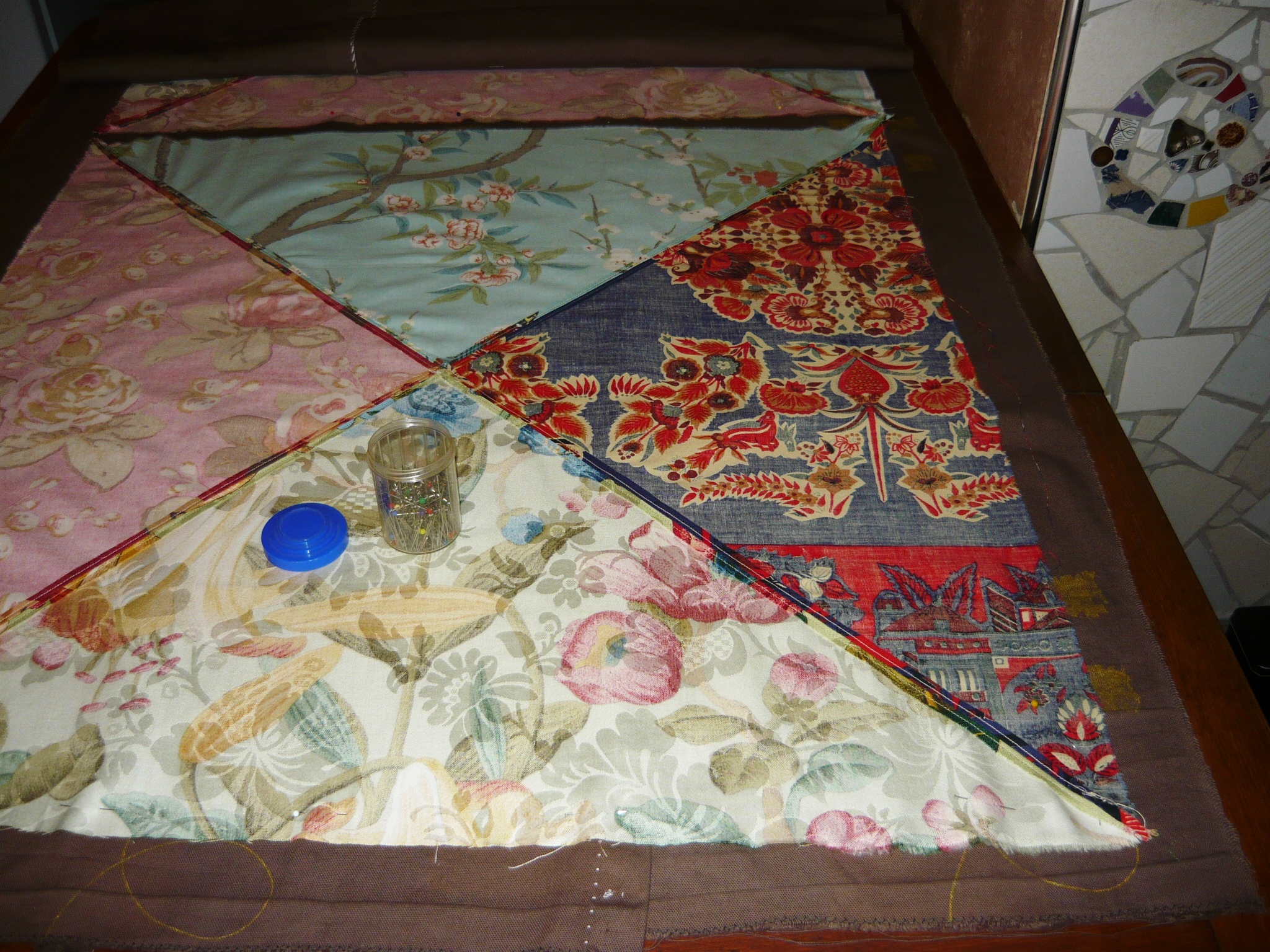
 We used some 65x65cm inner cushions from IKEA, so the squares of fabric needed to start out as 75x75cm squares. We prefer tearing the fabric squares over cutting them, as it makes for  perfect straight edges.  Fold your fabric square into a triangle corner to corner and press the fold with your iron. Cut on the fold and fold the remaining triangles again, press and cut. You will end up with your square cut up in four equal triangles.  For four cushions you need four different fabrics.  If your fabrics have an up and down in the design, you might want to keep them all in the right direction on your finished cushions.  Put them out in a line on the floor all in the same direction and take the top piece from your first square, the left piece from your second square, the bottom piece from your third square and the right piece from your forth square. Put the pieces together for your first cushion and move on to do the same thing again, but this time start with the left piece from your first square, the bottom piece from your second square and so on, until all the pieces are used up. Sew two pieces together, press the seams, sew the other two pieces together and finally sew the whole lot into a square. We pressed the seams from the back and sewed again, close to the seam. This makes for a decorative finish but also strengthens the covers and they can stand up to numerous washes.

 sofa cushions 7

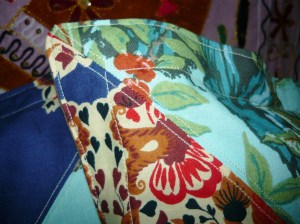
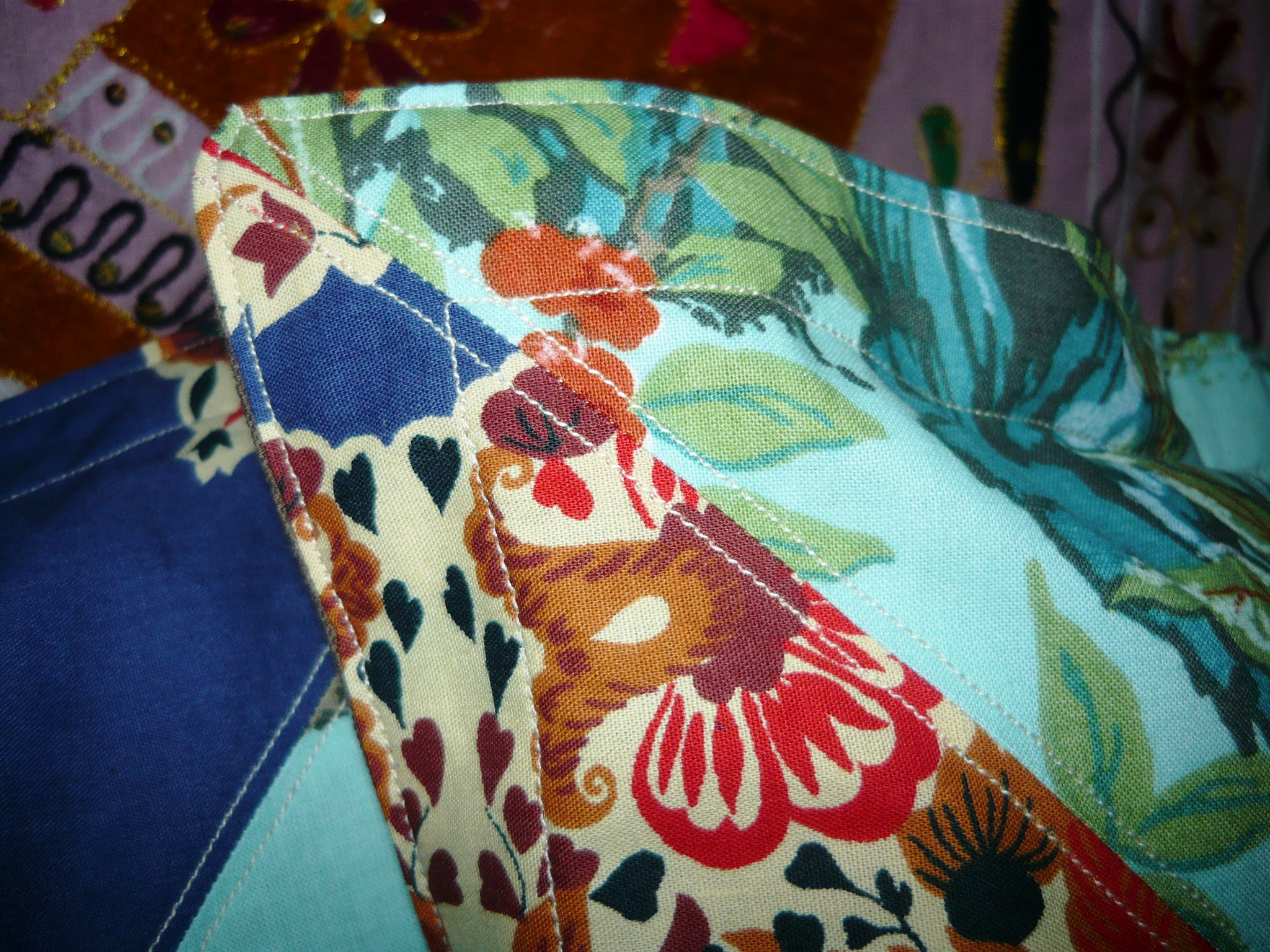
We had some old curtains that would make great cushion backs, but they were white, not a wise choice with four teenagers in the house, so we dyed them in the washing machine into a neutral brown. We tore them down the middle and turned the pieces around, overlapping each other along the middle, to make a slit opening on the back of each cushion. Place your backing fabric facing right side up and the sewn squares on top, right side down. Pin and sew around the edge. Cut the corners close to the seam [see picture] and turn right side out. Press and stitch close to the edge and then again further in, to create a wing all around the edge.

 sofa cushions 2

sofa cushions 5

sofa cushions 6

sofa cushions 8

sofa cushions 9

Using  fabrics in this way is very satisfying as you end up with a cohesive design when starting out with quite different individual pieces. Using old fabrics is economical, fun and good for the environment. We made 8 large cushion covers for a total of €13.50. In the pictures the covers are modeled on our sofa in our combined living and bedroom. We can’t wait until we have our extension finished and they can be moved into their intended place.

sofa cushions 10

sofa cushions 11